1. What Is Chlorophyll Degradation in Tea?
Chlorophyll degradation describes the suite of chemical reactions that convert the bright green photosynthetic pigments in fresh tea leaves—chlorophyll a and chlorophyll b—into colourless or brown derivatives. In the living plant, chlorophyll is stabilised by protein complexes in the thylakoid membrane and by the presence of a central magnesium ion coordinated to a porphyrin ring. Once the leaf is plucked, cellular compartments rupture, pH drops, and enzymes previously held in check begin to dismantle the molecule. The result is a cascade: chlorophyll → chlorophyllide → pheophorbide, or chlorophyll → pheophytin → pheophorbide, each step removing a piece of the original structure and shifting the visible colour from green toward olive, brown or grey.
For tea, the practical consequence is that colour tracks freshness. A jade-green sencha or a vibrant matcha signals recent harvest, careful processing and proper storage; an olive or khaki sample of the same tea points to enzymatic activity, heat exposure or prolonged contact with moisture and light. Because chlorophyll degradation shares triggers with catechin oxidation—heat, moisture, oxygen—a faded leaf usually means compromised flavour and diminished antioxidant capacity. Monitoring the pathways that drive this breakdown therefore offers a straightforward quality-control tool, both for processors aiming to lock in colour during manufacture and for home drinkers deciding when to discard an opened packet.
It is worth noting that not all tea wants to stay green. Oolong, black and dark teas depend on polyphenol oxidase and peroxidase to build complex flavours; their processing deliberately encourages enzymatic browning and chlorophyll loss. But for green, yellow and white tea categories, where the goal is to preserve the leaf's original character, understanding and controlling chlorophyll degradation is central to craft and commerce alike.
2. The Three Core Degradation Pathways
Chlorophyll breakdown in tea proceeds along three overlapping routes. The first is enzymatic cleavage, driven primarily by chlorophyllase. This hydrolase cleaves the phytol tail from chlorophyll, producing chlorophyllide—a water-soluble derivative that is more chemically labile and more vulnerable to subsequent breakdown. Chlorophyllase activity peaks in fresh, turgid leaves and is rapidly inactivated by temperatures above roughly 70 °C; hence pan-firing or steaming within minutes of plucking halts the enzyme and preserves the phytol-intact chlorophyll. If leaves are allowed to wither slowly at ambient temperature—or if heating is gentle and prolonged—chlorophyllase has time to work, and the liberated chlorophyllide feeds into the next degradation step.
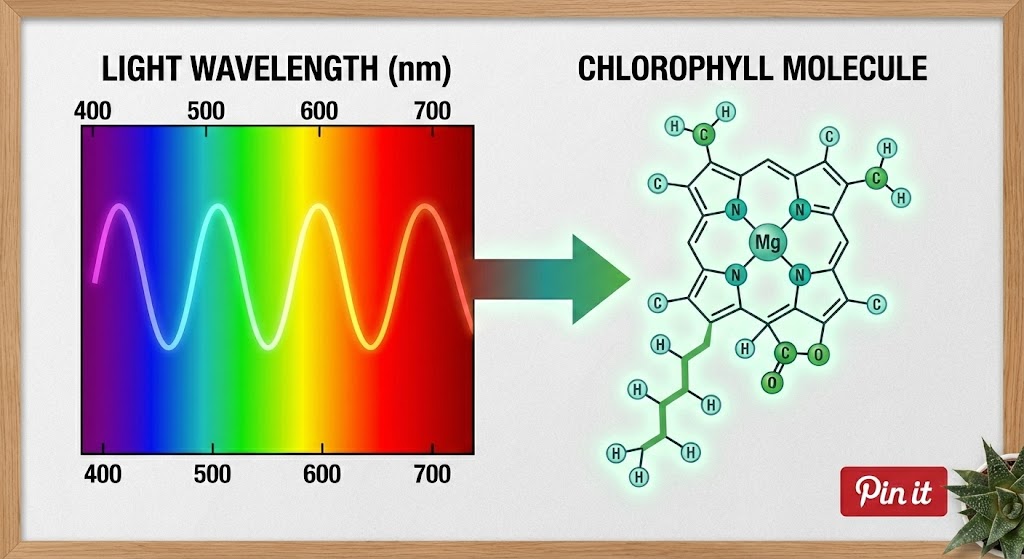
The second pathway is acid-catalysed pheophytinisation. When leaf pH drops—whether through fermentation, moisture ingress or the release of organic acids during cell rupture—protons displace the central magnesium ion in chlorophyll or chlorophyllide, forming pheophytin or pheophorbide. Pheophytin retains the porphyrin backbone but absorbs light differently, shifting the visible hue from bright green (chlorophyll a absorbs red and blue-violet, reflecting green) to olive-brown (pheophytin absorbs blue-green, reflecting yellow-brown). This reaction is accelerated by heat and moisture; a damp, warm storage environment can turn a vibrant sencha olive within weeks. Pheophytinisation is essentially irreversible under normal conditions and is the most visible marker of quality loss in green tea.
The third route is oxidative bleaching. Singlet oxygen, generated by light exposure in the presence of residual chlorophyll acting as a photosensitiser, attacks the porphyrin double bonds, opening the macrocycle and producing colourless breakdown products such as nonfluorescent chlorophyll catabolites. This pathway is slower than enzymatic or acid-driven changes but becomes dominant in well-sealed, dry packets exposed to daylight or fluorescent lighting over months. The cumulative effect of all three pathways is that an opened packet of green tea, stored at room temperature in a transparent jar on a sunny windowsill, will fade from emerald to brown in a matter of weeks—a visible timeline of enzymatic, acid and photo-oxidative assault.
The Magnesium Litmus Test
Chlorophyll is green because it holds magnesium at its centre; lose the magnesium to acid and you get olive pheophytin. Think of colour as a direct readout of pH history and moisture exposure—faded leaves have acidified, fresh ones have not.
3. Pheophytin Formation and the Olive Shift
Among the three pathways, pheophytinisation is the most dramatic and rapid. The reaction mechanism is straightforward: organic acids—citric, malic, quinic—released when leaf cells are damaged protonate the nitrogen ligands coordinating the magnesium ion in chlorophyll's porphyrin ring. Two protons replace the divalent magnesium, forming pheophytin a or pheophytin b depending on the starting chlorophyll. The colour shift is immediate and stark—what was emerald becomes olive-brown because the altered electronic structure of the porphyrin changes its absorption spectrum. Pheophytin a has absorption maxima near 410 nm and 667 nm (blue and red), reflecting a muddy yellow-green, while chlorophyll a absorbs at 430 nm and 662 nm (blue-violet and red), reflecting pure green.
Heat accelerates pheophytin formation in two ways. First, it increases the rate constant of the proton-exchange reaction, so a warm, moist leaf turns olive faster than a cool, dry one. Second, heating in the presence of water lowers effective pH by promoting the release and ionisation of intracellular acids. This is why blanching vegetables briefly in boiling water can preserve green colour—if done rapidly, enzymes are denatured before significant acid accumulates—but prolonged simmering or steaming turns greens drab. The same principle applies in tea: a short, fierce heat shock (Japanese fukamushi steaming for 60–90 seconds, or Chinese high-temperature pan-firing) inactivates chlorophyllase and limits acid build-up, locking in colour; gentle or delayed heating allows both enzymatic and acid pathways to proceed.
Once pheophytin forms, it is more vulnerable to downstream breakdown. The absence of the stabilising magnesium ion makes the macrocycle prone to oxidative cleavage, producing pheophorbide (if the phytol tail is also removed) and eventually colourless catabolites. In practical terms, pheophytinisation is a one-way gate: once your sencha has turned olive, no amount of careful storage will restore the emerald hue. The best defence is prevention—rapid processing, airtight packaging, and cool, dark storage—so that the leaf never experiences the low-pH, high-moisture conditions that trigger the reaction.
4. Heat, Enzymatic Activity and Processing Choices
The interplay between heat and chlorophyllase defines much of the stylistic variation among green teas. Chlorophyllase is a serine hydrolase active at pH 5–8 and temperatures below roughly 70 °C; it cleaves the ester bond linking the phytol tail to the chlorophyll porphyrin, yielding free phytol and chlorophyllide. Chlorophyllide is water-soluble, more reactive than its parent molecule, and feeds directly into the pheophorbide pathway. In living leaves, chlorophyllase is compartmentalised and its activity is minimal; bruising, wilting or slow heating ruptures vacuoles and mitochondria, releasing substrate and enzyme into contact.
Chinese pan-fired greens such as Longjing are tumbled in a wok at 200–300 °C for a few minutes immediately after plucking. The fierce, dry heat denatures chlorophyllase almost instantly, halts enzymatic cleavage, and evaporates surface moisture before acid accumulates. The result is a tea with minimal chlorophyllide formation and excellent colour stability—provided it is subsequently stored properly. Japanese steamed greens take a different route: fresh leaves are passed through steam for 30–90 seconds at 95–100 °C, which also denatures chlorophyllase but in a moist environment. The brief steam exposure softens cell walls and can promote a small degree of pheophytin formation if heating is uneven; hence fukamushi (deep-steamed) senchas may show a slightly darker green than lightly steamed asamushi styles, reflecting partial conversion. Both methods, however, achieve the same strategic goal: inactivate the enzyme before it can strip phytol and set up downstream degradation.
Delayed or low-temperature processing has the opposite effect. If plucked leaves are allowed to wither at 20–30 °C for hours—as in some yellow tea or lightly oxidised oolong protocols—chlorophyllase remains active, chlorophyllide accumulates, and subsequent heating or moisture exposure accelerates pheophytin and pheophorbide formation. The tea may emerge from primary processing with acceptable colour, but it will fade faster in storage because the chlorophyllide reservoir is already primed for breakdown. This is one reason why green tea colour stability varies so widely by origin and factory: not all 'fixation' steps are created equal, and the temperature-time profile in the first few minutes after plucking has lasting consequences.
Fast Heat Wins the Colour Race
The sooner chlorophyllase is denatured after plucking, the greener the tea will stay. Look for teas processed within an hour of harvest—Japanese sencha and Chinese high-fired greens lead the pack for long-term colour retention.
5. Storage Conditions That Preserve Emerald Colour
Once processing is complete, the fate of chlorophyll lies in the hands of the packer and the drinker. Even perfectly fixed green tea will fade if exposed to the quartet of degradation accelerators: light, heat, moisture and oxygen. Each factor activates a different pathway—light drives photo-oxidative bleaching, heat and moisture promote pheophytin formation, and oxygen enables autoxidation of both chlorophyll and its breakdown products. The most effective storage regimes therefore minimise all four.
Temperature is paramount. Refrigeration at 2–5 °C slows every reaction: enzymatic rates drop exponentially, acid-catalysed pheophytinisation proceeds orders of magnitude more slowly, and oxidative reactions are suppressed. Many Japanese tea merchants recommend storing unopened sencha and gyokuro in the freezer (−18 °C) and transferring small portions to the fridge as needed, bringing each portion to room temperature in a sealed bag before opening to prevent condensation. UK importers who maintain cold-chain logistics from Shizuoka to Sheffield deliver tea that retains harvest colour for a year or more; those that ship and store at ambient temperature typically see noticeable fading within three to six months.
Light exclusion is equally critical. Chlorophyll absorbs visible and near-UV light, and in the presence of oxygen this absorbed energy can generate singlet oxygen—a highly reactive species that cleaves the porphyrin macrocycle. Transparent glass jars and windowed packets are therefore poor choices for green tea; opaque tins, foil-laminate pouches and UV-blocking amber glass are far superior. [[Light-induced-chlorophyll-degradation|Light-induced degradation]] is cumulative: even indoor fluorescent lighting over weeks will bleach colour, so the best practice is to decant tea into an opaque, airtight container immediately upon purchase and store it in a dark cupboard or drawer.
Moisture control addresses both microbial risk and pheophytin formation. Tea is hygroscopic; if relative humidity exceeds about 60 %, the dried leaf will reabsorb water, cellular pH will drop as organic acids dissolve, and pheophytinisation will accelerate. Vacuum-sealed or nitrogen-flushed packets minimise this risk, but once opened, the clock starts. Transferring tea to a container with a tight gasket and using a desiccant sachet (silica gel) can extend colour life by months. Avoid storing tea above a kettle or near a dishwasher, where humidity spikes are routine. Finally, minimise oxygen exposure by buying in small quantities, keeping the original foil inner pouch sealed with a clip, or using a vacuum canister for daily access. Every time you open a packet, you introduce a pulse of oxygen that nudges chlorophyll and catechins toward oxidation; the fewer pulses, the longer the tea stays emerald.
The Freezer Rotation
Keep your main green-tea stash in the freezer in vacuum-sealed 50 g portions. Move one pouch to the fridge when needed, then to a counter-top tin for daily use. This three-tier system can double or triple usable shelf life compared to leaving the whole bag at room temperature.
6. Shade Planting, Chlorophyll Density and Faster Fading
Teas such as gyokuro, tencha (the leaf for matcha) and kabusecha owe their intense, almost neon-green colour to pre-harvest shade planting. Covering the tea bushes with reed screens or synthetic netting for 20–30 days before plucking reduces light intensity to 10–30 % of full sun, prompting the plant to synthesise more chlorophyll per unit leaf area in an attempt to capture every available photon. The result is leaves with chlorophyll concentrations two to three times higher than unshaded sencha, and a corresponding boost in theanine and other amino acids as nitrogen metabolism shifts away from catechin synthesis.
This chlorophyll density is a double-edged sword. On one hand, it delivers the vivid colour and umami-rich flavour that justify premium prices. On the other, higher pigment load means more substrate for degradation. When chlorophyllase, acid or light attack a gyokuro leaf, there is simply more chlorophyll available to convert into pheophytin or colourless catabolites, so the visible colour change can appear faster and more dramatic than in a lightly pigmented sencha. Matcha, being a suspension of whole leaf powder, is especially vulnerable: every particle is exposed to air and light, surface area is maximised, and colour shifts from brilliant jade to dull khaki within weeks if the tin is left open at room temperature.
Producers of shaded teas typically respond with more aggressive packaging—nitrogen flushing, opaque foil sachets, refrigerated storage—but the onus ultimately falls on the consumer. If you invest in a high-grade gyokuro or ceremonial matcha, treat it as a perishable: store it in the freezer, open packets only when needed, and finish each pouch within a month of breaking the seal. The same chlorophyll that makes shaded teas so striking also makes them fragile; respecting that fragility is part of appreciating the category.
7. Reading Colour as a Freshness Proxy
Because chlorophyll degradation shares environmental triggers with catechin oxidation, lipid rancidity and aroma-volatile loss, leaf colour is a surprisingly reliable shorthand for overall quality. A batch of sencha that has faded from jade to olive has not merely lost pigment; it has also lost catechins to polymerisation, volatile aldehydes to oxidation, and theanine to Maillard reactions. Conversely, tea that retains bright green colour months after harvest is likely to have been processed swiftly, packaged well and stored cold—conditions that also preserve flavour and health-active compounds.
When evaluating a new supplier or comparing samples, inspect the dry leaf under good lighting. Fresh green tea should be vivid—emerald, jade or lime, depending on cultivar and processing style—not olive, khaki or brown. Uniformity matters, too: uneven fading, with some leaves bright and others dull, suggests inconsistent processing or mixed harvest dates. The liquor colour offers a second checkpoint: a pale, clear yellow-green infusion signals intact chlorophyll and minimal oxidation; a cloudy, brownish brew points to advanced degradation. Aroma completes the picture: fresh green tea smells grassy, marine or lightly floral; stale tea smells musty, papery or flat.
This diagnostic approach is especially useful when buying online or from unfamiliar vendors. Photographs can be colour-corrected, but if you request a sample and it arrives olive or brown, you have learned something concrete about the seller's storage practices and supply-chain speed. Conversely, a vibrant sample is a strong positive signal. For home storage, use colour change as your discard trigger: once a green tea has shifted decisively toward olive, flavour will have deteriorated in parallel, and it is time to compost the leaves and open a fresh packet. Trying to 'use up' faded tea is false economy; you are drinking degraded catechins and stale volatiles, not the experience the tea was designed to offer.
The Two-Tone Test
Compare a pinch of your current tea to a fresh sample of the same variety. If the colour difference is stark—old olive, new jade—the old batch has crossed the quality threshold and should be replaced, even if it is technically still 'drinkable'.
8. Buying and Sourcing for Colour Stability in the UK
For UK buyers, the challenge is that green tea typically travels 10,000 km from origin to cup, crossing climate zones and passing through multiple warehouses. Cold-chain integrity is the single best predictor of whether a Japanese sencha or Chinese Biluochun will arrive with harvest colour intact. A handful of UK specialist importers—often small operations with direct relationships in Uji, Shizuoka or Zhejiang—maintain refrigerated or climate-controlled storage from farm to customer and ship in insulated packaging. These suppliers cost more per 100 g, but the tea you receive will be months fresher in sensory terms than a nominally cheaper option that sat in an ambient shipping container for six weeks and then on a warm retail shelf for another three months.
When comparing vendors, ask three questions: When was this tea harvested? Japanese first-flush sencha is picked in late April to early May; if you are buying in October 2026 and the packet says 'Spring 2025,' it is already eighteen months old. How has it been stored since harvest? Refrigerated or frozen storage is the gold standard; 'cool, dry place' usually means room temperature, which is adequate for weeks but not months. What is the packaging? Vacuum-sealed foil sachets in 50–100 g units preserve colour far better than large resealable pouches or paper bags. Transparency—literal and figurative—matters: vendors who provide harvest dates, storage details and opaque packaging tend to deliver greener tea.
Finally, recognise that freshness comes in small batches. Buying 500 g of sencha at once may seem economical, but unless you drink it fast or own a chest freezer, the last 100 g will be stale. Instead, order 50–100 g at a time, store each unopened pouch in the freezer, and keep only one open for daily use in a counter-top tin. This approach aligns purchase frequency with degradation kinetics and ensures that every cup reflects the tea's intended colour and character. If you are exploring green tea seriously or gifting to an enthusiast, consider sourcing from a UK importer who specialises in Japanese or high-grade Chinese greens and who can demonstrate cold-chain handling. The few extra pounds per packet buy you not just colour, but the full spectrum of flavour and bioactivity that chlorophyll's emerald hue promises.
Harvest-Date Forensics
Japanese sencha first flush is late April–May; Chinese Longjing is late March–April. If the packet lists only a packing or import date, email the vendor and ask for the harvest window. Reluctance to answer is a red flag for stale stock.
Comments