1. Why Tea Works at Multi-Day UK Festivals Beyond Glastonbury
Energy drinks and instant coffee dominate festival caffeine culture, but both deliver sharp spikes followed by crashes – unhelpful when you're navigating Download's sprawling arena or Isle of Wight's clifftop stages across twelve-hour days. Tea, by contrast, pairs caffeine (15–70 mg per cup, depending on variety) with L-theanine, an amino acid that modulates the stimulant effect, promoting sustained alertness without jitters. Japanese greens, guayusa, and matcha are particularly rich in both; a 2 g matcha serve delivers roughly 60–70 mg caffeine plus 40–50 mg L-theanine, creating the focused calm festival-goers call cha qi.
Hydration is the second pillar. Unlike caffeinated soft drinks loaded with sugar or diuretics, plain tea brewed at moderate strength contributes to daily fluid intake; the polyphenols in white and green teas may even support electrolyte balance, though the effect is modest compared to purpose-formulated electrolyte blends. Crucially, tea offers a ritual anchor: boiling water, steeping, and sipping provide a calm five-minute pause in the chaos of Bestival's dance tent or Green Man's forest stages, grounding your morning and signalling the start of a new festival day. This psychological rhythm matters more than many drinkers realise.
2. High-Caffeine Morning Recovery Teas: Matcha, Guayusa, and Gyokuro for Download and Isle of Wight
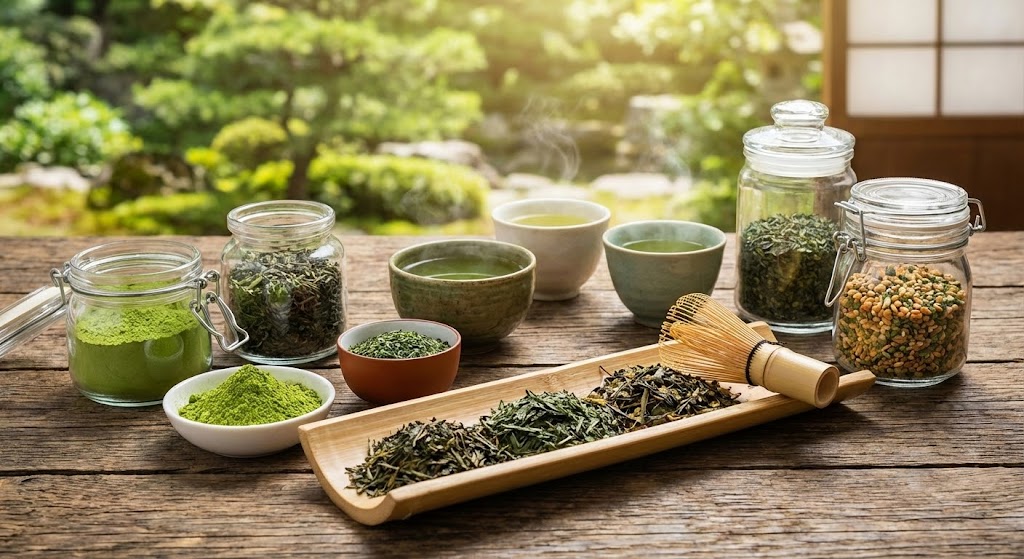
Download Festival mornings are notoriously grim: muddy, cold, and often hungover. You need rapid caffeine that doesn't demand precision brewing. Matcha – stone-ground whole-leaf Japanese green tea – is the gold standard here. A single teaspoon (1–2 g) whisked into 70 °C water in a shaker bottle delivers 60–70 mg caffeine, chlorophyll, catechins, and fibre in under two minutes. Because you consume the entire leaf, matcha provides more EGCG (the most-studied polyphenol in green tea) than steeped leaf, and the L-theanine content smooths the buzz. Pre-portion single doses in small ziplock bags or buy stick sachets to avoid spills in your tent.
Guayusa, a caffeinated holly from Ecuador, is the other festival standout. It delivers 60–90 mg caffeine per cup with negligible bitterness, even when over-steeped – a lifesaver when you're boiling water on a temperamental camping stove. Guayusa also contains theobromine (the mild stimulant in chocolate), which some drinkers report enhances mood and focus. Isle of Wight's early sunrises and long walks from the campsite to the main arena suit guayusa's gentle, long-lasting lift. Both matcha and guayusa travel light, tolerate imperfect water temperatures, and require no strainer or infuser – critical when you're packing for four days in a rucksack.
Gyokuro, Japan's premium shade-grown green tea, offers a third option for those who prefer steeped leaf. Shade-growing boosts chlorophyll, L-theanine, and caffeine while reducing catechin bitterness; a 3 g gyokuro steep at 50–60 °C yields 40–50 mg caffeine and a sweet, umami-rich liquor. However, gyokuro demands precise temperature control – tricky at Download – so reserve it for festivals with reliable kettle access or pre-steep it in a thermos the night before and pour chilled over ice in the morning.
3. Rehydration Blends for Mosh Pits and Heatwaves: White Tea, Light Oolongs, and Electrolyte Herbals
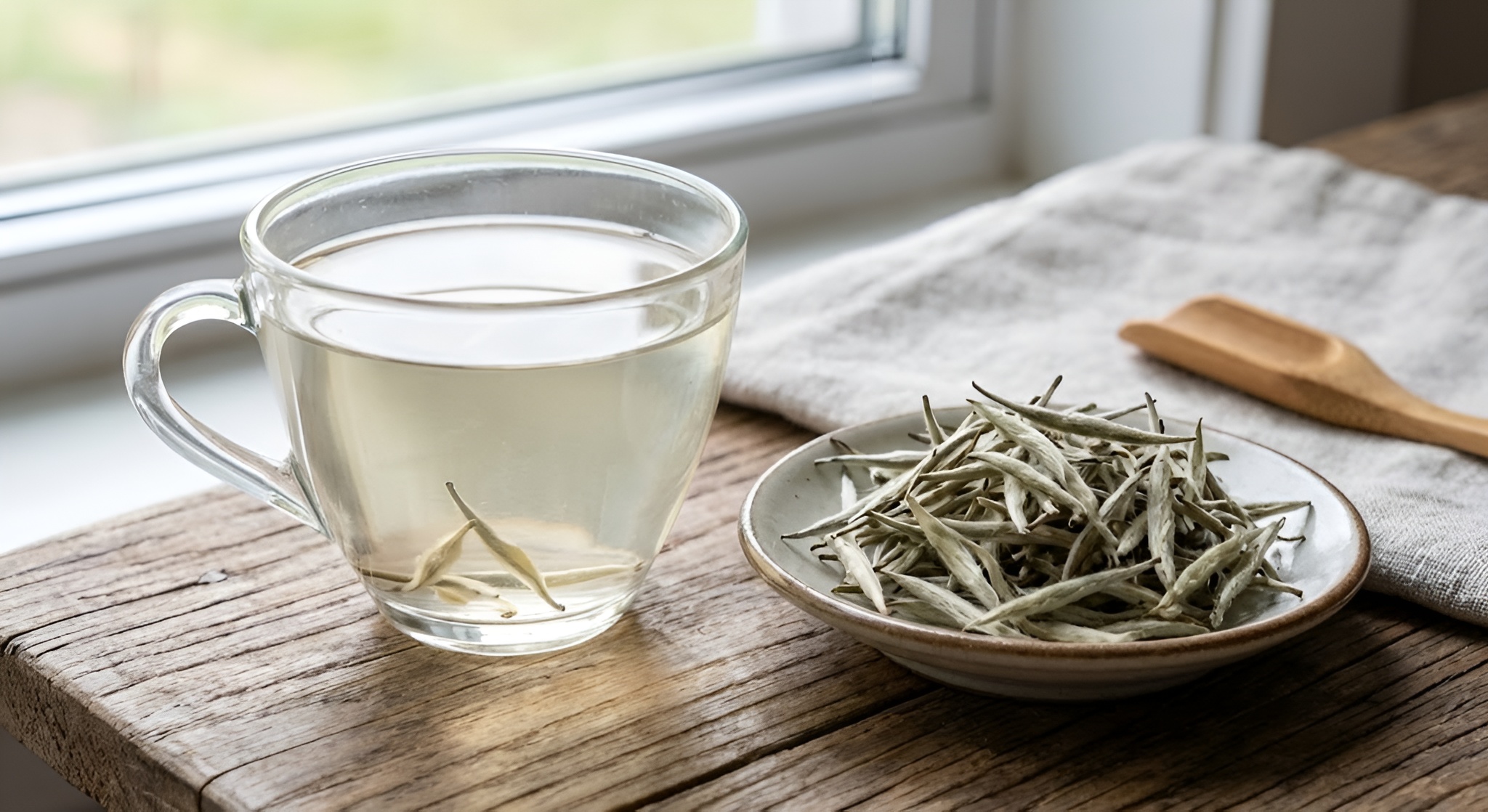
Isle of Wight and Bestival both run in June and September, respectively, with unpredictable heat. Dehydration is real: dancing, sun exposure, and alcohol conspire to leave you dizzy and headachy by mid-afternoon. The conventional wisdom – 'drink more water' – is sound, but certain teas actively support rehydration. White tea, minimally processed and low in tannins, is gentler on the stomach than high-astringency greens, and its polyphenol profile (rich in catechins and flavonoids) may aid fluid retention without the diuretic effect of strong black tea. Silver Needle or White Peony, cold-brewed overnight in a 500 ml water bottle (2 g leaf, 8–12 hours), produces a subtly sweet, refreshing drink that rivals any shop-bought isotonic.
Light oolongs – particularly high-mountain Taiwanese varieties like Alishan or Lishan – offer a middle path: enough caffeine (20–30 mg per cup) to keep you alert, low astringency, and a floral, almost fruity profile that tastes good lukewarm. They're more forgiving than delicate whites if you over-steep in haste. For genuine electrolyte support, herbal blends containing hibiscus, nettle, or rooibos with added sea salt or coconut water powder are worth the extra weight; hibiscus in particular is rich in anthocyanins and vitamin C, and some research suggests it supports blood pressure regulation during heat stress, though the effect is modest. These blends work best pre-made at home and decanted into reusable pouches.
Avoid high-tannin teas mid-afternoon at Green Man or Download: strong breakfast blacks, over-steeped Assam, or astringent bancha can feel drying and exacerbate thirst. If you crave a robust flavour, opt for hojicha (roasted green tea), which delivers toasty depth with minimal tannin punch.
Cold-Brew for Zero Bitterness
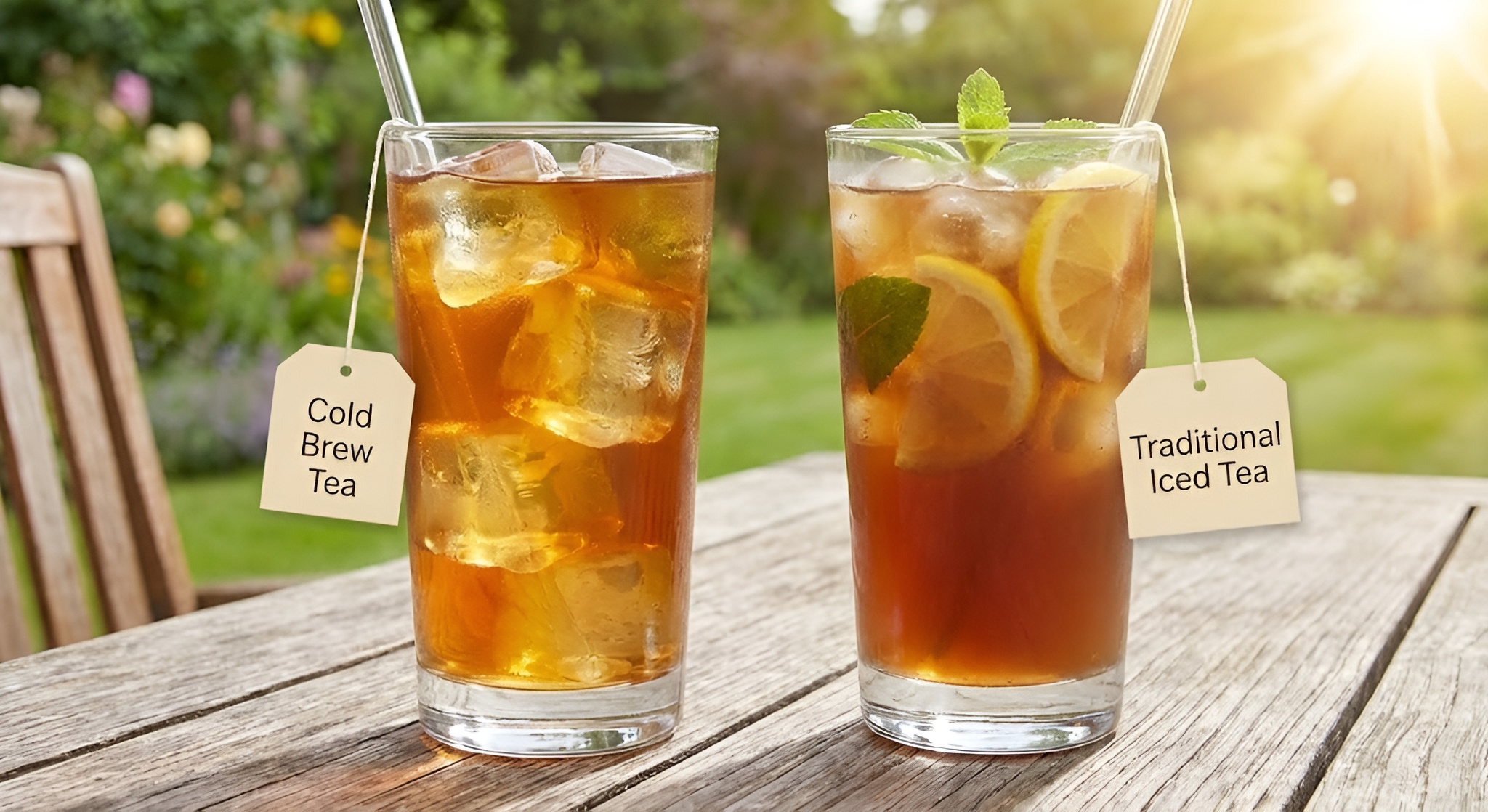
Cold-brew overnight in your tent water bottle: 2–4 g loose leaf per 500 ml, sealed and left for 8–12 hours. You'll extract caffeine, L-theanine, and sweetness without astringency – perfect for morning hydration and iced sipping through the day.
4. Hangover-Safe Teas: Hojicha, Nausea-Free Greens, and Ginger-Lemon Blends
Hangovers at Bestival or Download are inevitable for many. The challenge is finding a tea that soothes nausea and rehydrates without triggering gastric acid reflux or exacerbating headache. High-tannin teas – Assam, Kenya CTC, even some Chinese greens – can irritate an empty, acidic stomach. Hojicha, roasted at high temperature to develop nutty, caramel notes and reduce catechin astringency, is the safest bet. It contains 10–20 mg caffeine per cup (enough to help without overstimulating), negligible tannins, and a comforting warmth that settles queasiness. Hojicha also travels brilliantly: roasted leaves are robust, don't bruise, and forgive imprecise brewing.
Nausea-free green teas – typically lower-catechin varieties or those blended with ginger or mint – are another option. Look for Japanese genmaicha (green tea with roasted rice), which dilutes catechin intensity and adds a toasty, grainy sweetness, or Chinese Dragon Well (Longjing), which is pan-fired to mellow astringency. Both are gentler on a fragile stomach than steamed sencha. If nausea is acute, a simple ginger-lemon tisane – fresh ginger slices (or pre-packed ginger teabags) with a squeeze of lemon – can be more effective than any true tea; ginger's gingerol compounds have well-documented antiemetic properties, and the citric acid in lemon may help rebalance blood pH after a night of drinking.
For a comprehensive roundup of hangover-specific teas and blends available in the UK, see our best hangover tea review. The key principle: choose low-tannin, low-acid, warming teas, sip slowly, and pair with plain food (crackers, toast) rather than drinking on an empty stomach.
Pack Hojicha for Fragile Mornings
Hojicha's roasted profile means low tannins, gentle caffeine, and zero bitterness even if you over-steep. It's the safest hangover tea for a queasy stomach at Download or Bestival.
5. Portable Brewing Solutions: Flasks, Cold-Brew Bottles, Single-Dose Sachets, and Minimal-Fuss Loose Leaf
Green Man's Brecon Beacons setting and Bestival's multi-day camping both demand ultralight, minimal-mess brewing. Forget elaborate gongfu setups or fragile glass teapots. The three practical systems are: (1) insulated thermos pre-steep, where you brew a strong batch in the morning, strain into a 500 ml vacuum flask, and sip through the day; (2) overnight cold-brew in a wide-mouth water bottle, which extracts caffeine and L-theanine without heat or kit; and (3) single-dose sachets (matcha sticks, guayusa teabags, or pre-portioned loose leaf in filter bags), which eliminate the need for a strainer or scale. Each has trade-offs.
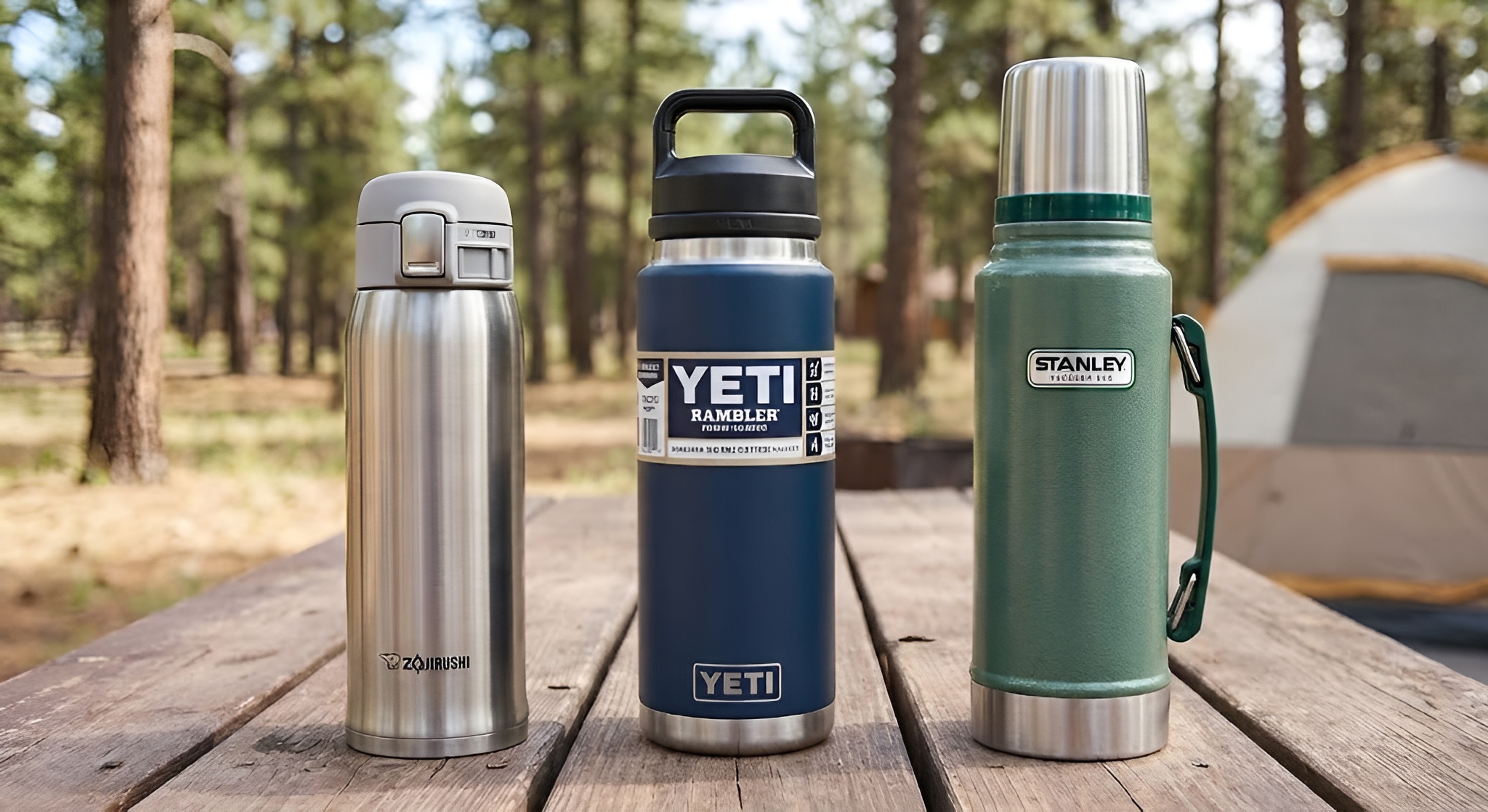
Thermos pre-steep suits Download's mud and Isle of Wight's long site walks: brew 5–6 g leaf in 500 ml water at your tent, strain, seal, and you have hot (or warm) tea for six hours. Use a small mesh ball or reusable muslin bag to avoid loose-leaf debris. Cold-brew is the lightest option – zero fuel, zero flask weight – but requires 8–12 hours' patience and works best with forgiving leaves like white tea, light greens, or fruit blends. Sachets are the fastest (matcha shaker, guayusa teabag, or premium green-tea pyramids) but generate packaging waste and cost more per serve. For a four-day festival, a hybrid approach – sachets for mornings, cold-brew for afternoons – balances convenience and sustainability.
Avoid bringing: ceramic teapots, electric kettles (Download's power is scarce), or bulk loose leaf without airtight tins (moisture and mud will ruin it). Instead, pre-portion 3–5 g doses into small ziplock bags or reusable silicone pouches, label them, and pack in a hard-shell tin to prevent crushing. A lightweight kyusu teapot is tempting for Japanese greens but impractical unless you have a dedicated camp kitchen; save it for home.
6. Festival-Specific Packing Lists: Download, Isle of Wight, Green Man, and Bestival
Download Festival (Donington Park, June): Mud, cold mornings, heavy rock crowds. Pack matcha sachets (fast, high caffeine), a robust 500 ml stainless-steel flask for hot brews, and waterproof ziplock bags for loose leaf. Prioritise high-caffeine recovery teas – guayusa, gyokuro, or strong Assam for breakfast – and bring a camping stove with reliable ignition (electric kettles are rare). A small, collapsible silicone cup saves weight and packs flat. Avoid delicate whites or light oolongs; they'll be wasted in the chaos.
Isle of Wight Festival (Seaclose Park, June): Sun, sea breeze, heatwaves, and long site walks. Pack cold-brew whites (Silver Needle or White Peony, 2 g per 500 ml, overnight steep), a wide-mouth 1-litre water bottle for all-day sipping, and electrolyte herbal blends (hibiscus, nettle, coconut water powder). Bring a sun-safe insulated bottle to keep drinks cool, and pre-portion iced-tea sachets or cold-brew teabags for convenience. A baseball cap and UV-blocking sunglasses complete the kit – dehydration and glare are your main enemies.
Green Man Festival (Brecon Beacons, August): Hills, hiking, ultralight ethos. Pack single-dose sachets (matcha sticks, premium green-tea pyramids), a 500 ml titanium or aluminium bottle for cold-brew, and a tiny camping stove (Jetboil or similar) if you must have hot water. Green Man's crowd skews eco-conscious, so minimise waste: reusable filter bags, compostable sachets, and a collapsible cup. Choose lightweight, forgiving teas – genmaicha, hojicha, or white tea – that tolerate rough handling and variable water temperatures.
Bestival (Lulworth Estate, Dorset, September): Multi-day camping, creative crowds, unpredictable weather. Pack a hybrid kit: matcha and guayusa for morning energy, hangover-safe hojicha or ginger blends for recovery, and a 1-litre cold-brew bottle for all-day hydration. Bestival's boutique vibe means you can afford slightly heavier kit – a 500 ml insulated flask, a small ceramic or stainless infuser, and a tin of quality loose leaf (Japanese sencha or a fragrant oolong). Bring biodegradable wipes to clean your flask and cup, and pack out all waste.
Match Tea to Festival Terrain
Download = mudproof matcha sachets and flasks; Isle of Wight = cold-brew whites and electrolyte blends; Green Man = ultralight single-dose; Bestival = hybrid brewing with loose leaf and insulated flasks.
7. What to Avoid: Brewing Mistakes, Tannin Overload, and Festival Tea Myths
Over-steeping green tea in a rush is the commonest festival mistake. High-catechin varieties like Chinese Gunpowder or Japanese sencha turn painfully astringent after three minutes at 80 °C, and that bitterness lingers all morning. If you're time-poor, choose forgiving teas – guayusa, hojicha, or white tea – that tolerate neglect. Alternatively, commit to cold-brew: it's physically impossible to over-steep in cold water, and the result is smooth and sweet even after 24 hours.
High-tannin breakfast teas on an empty, hungover stomach are a recipe for nausea and acid reflux. Avoid strong Assam, Kenya, or English Breakfast until you've eaten; opt instead for nausea-free greens, hojicha, or ginger-lemon tisanes. Similarly, don't rely on cheap teabags for caffeine: supermarket own-brand greens often contain dusty fannings with low L-theanine and high bitterness. Invest in quality pyramids or loose leaf; the difference in flavour and energy is dramatic.
Festival tea myths to ignore: (1) 'Green tea is dehydrating' – at normal strength (2–3 g per cup), caffeine's diuretic effect is negligible and more than offset by the water content. (2) 'Matcha needs a bamboo whisk' – a shaker bottle or small hand-frother works perfectly. (3) 'You need boiling water for all tea' – most greens, whites, and oolongs taste better at 70–80 °C; if your camping stove only boils, let the water rest 60–90 seconds before pouring. For more on correcting green-tea bitterness, see our guide to fixing bitter green tea.
Cold-Brew to Dodge Bitterness
If you always over-steep or lack a thermometer, switch to overnight cold-brew. It's forgiving, refreshing, and extracts caffeine without astringency – ideal for festival chaos.
8. Where to Buy Festival-Ready Teas in the UK: Suppliers, Pre-Portioned Kits, and Sustainability
UK stockists for festival-grade teas include: What-Cha (wide range of single-origin greens, whites, and guayusa, plus sample packs ideal for pre-portioning); Postcard Teas (premium Japanese greens, including gyokuro and hojicha, in 20 g tins perfect for festivals); Bluebird Tea Co. (biodegradable pyramids and travel tins); Teapigs (matcha sachets, cold-brew teabags, and compostable packaging); and Rishi Tea UK (guayusa teabags and organic matcha sticks). All offer online delivery and eco-friendly options.
Pre-portioned festival kits are emerging: some smaller roasters now sell 'festival packs' with five single-dose sachets, a reusable muslin bag, and a collapsible cup, typically £12–15. These eliminate guesswork and waste. If you prefer to DIY, buy 50–100 g of your chosen loose leaf, portion 3–5 g doses into small ziplock bags or reusable silicone pouches at home, and pack in a hard-shell tin (mint tins or small Tupperware work well). Label each portion ('morning matcha 2 g', 'afternoon white 3 g') to avoid confusion in a muddy tent at dawn.
Sustainability matters at Green Man and Bestival, both of which run zero-waste or low-impact schemes. Choose loose leaf over teabags where practical, or buy compostable pyramids (check for PLA or plant-based mesh, not nylon). Bring a reusable cup – silicone or stainless – and rinse it at water points rather than using disposable cups. Pack out all used leaf and wrappers; tea waste is compostable but won't break down in a festival bin. For more on the UK tea-event calendar and sustainable practices, see our tea-tasting events guide.



Comments