← Back to Recipes

Gongfu Da Hong Pao (Big Red Robe) Oolong

Jump to Recipe ↓

Da Hong Pao (Big Red Robe) is one of China's most celebrated oolongs, grown on the rocky cliffs of Wuyi Mountain. Its hallmark roasted, mineral-rich character demands a gongfu approach: multiple short infusions at a precise temperature, each revealing new layers of toasted grain, dark honey, and that signature yan yun (rock rhyme). To unlock these complexities without scorching the leaves or losing vital aromatics, a variable temperature kettle is essential—holding steady at 95–98°C for every pour, steep after steep.

This recipe walks you through the traditional gongfu method for Da Hong Pao, from the first rinse to the eighth infusion. You'll use a gaiwan or small teapot, work with a high leaf-to-water ratio, and taste how the tea evolves from sweet and floral to deep and roasted. The variable temperature kettle ensures you never overshoot or underwhelm—critical when working with premium Wuyi rock oolong. Each infusion takes seconds, so you'll enjoy a contemplative, aromatic session rather than a single rushed cup.

Gongfu Da Hong Pao (Big Red Robe) Oolong
Prep Time5 mins
Cook Time0 mins
Servings6–8 small infusions
DifficultyMedium

Ingredients

  • 6 g Da Hong Pao (Wuyi rock oolong, whole leaf)
  • 100 ml Filtered Water (soft to medium hardness—[[tea-and-water-why-your-kettle-matters|water quality]] matters)
  • Variable Temperature Kettle set to 95–98°C
  • Small Gaiwan or Yixing teapot (100–120 ml capacity)
  • Fairness Pitcher (gongdao bei) and small tasting cups
Nutrition per serving:
Calories: 2
Fat: 0g
Sugar: 0g
Protein: 0g

Instructions

1
Heat & Rinse: Set your variable temperature kettle to 95–98°C. While it heats, place 6 g Da Hong Pao into your gaiwan. Once the kettle reaches temperature, pour enough water to just cover the leaves, swirl gently, and discard after 3–5 seconds. This rinse awakens the leaves and washes away any dust.
2
First Infusion: Pour 100 ml of 95–98°C water over the rinsed leaves, filling the gaiwan to the brim. Cover and steep for 10–15 seconds. Decant into the fairness pitcher, then pour into small cups. Expect a light, sweet liquor with floral and toasted-grain notes.
3
Second & Third: Repeat with the same temperature and volume. Steep the second infusion for 15–20 seconds, the third for 20–25 seconds. The flavour deepens: roasted chestnuts, dark honey, and the characteristic mineral 'rock rhyme' begin to emerge.
4
Fourth to Sixth: Increase each steep by 5–10 seconds. The tea opens fully, revealing layers of charcoal, dried fruit, and cocoa. The variable temperature kettle's precision ensures you never scorch the leaves, preserving the delicate balance between roast and sweetness.
5
Final Infusions: Push to 40–60 seconds for the seventh and eighth steeps. The liquor will be lighter but still fragrant, with lingering sweetness and a clean mineral finish. You can often coax 8–10 infusions from high-quality Wuyi rock oolong.

🫖 Equipment You'll Need

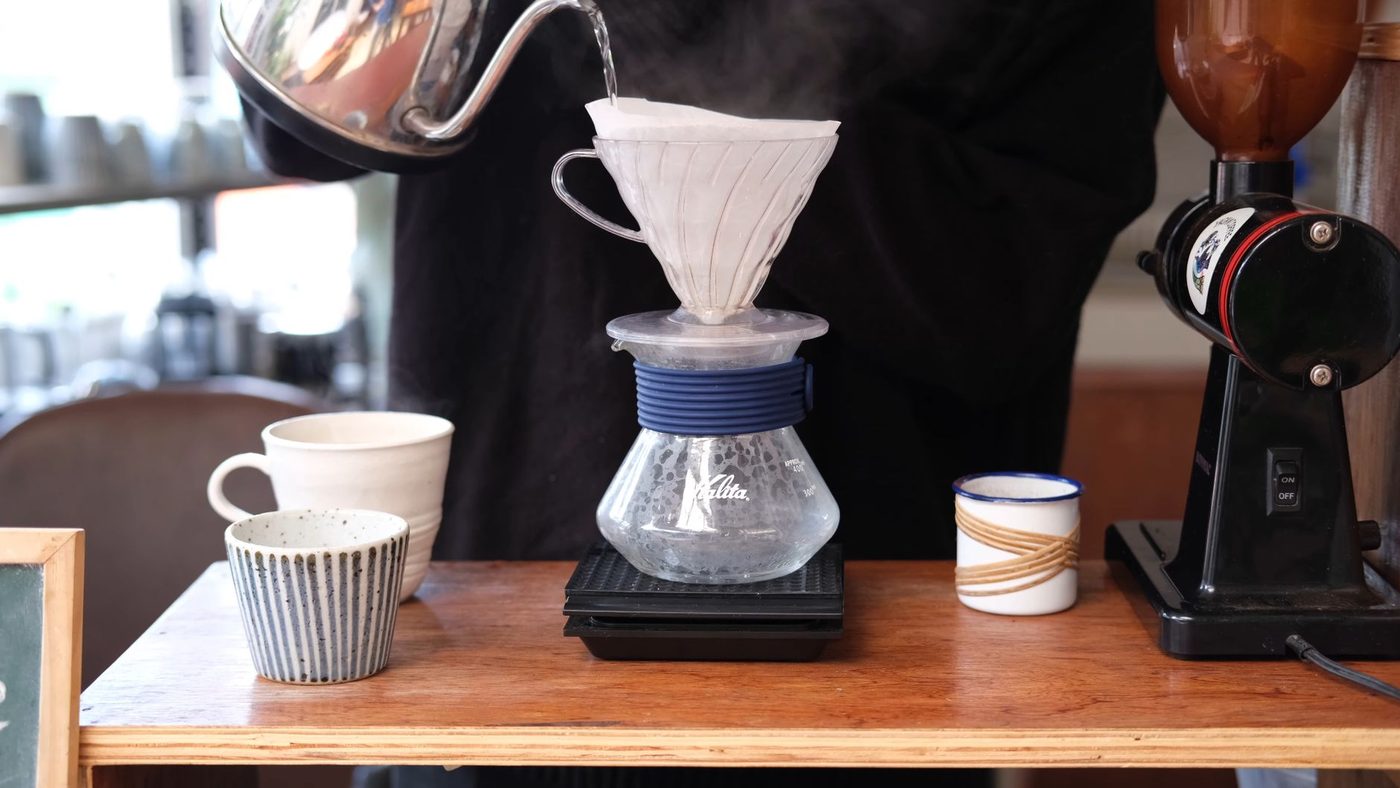
A variable temperature kettle is non-negotiable for gongfu Da Hong Pao. Wuyi rock oolongs demand 95–98°C—hot enough to unlock roasted depth and mineral complexity, but not so scalding that you lose the tea's sweet, floral top notes. A good variable kettle holds that temperature steady across eight or more infusions, so every pour is consistent and your session unfolds as the tea master intended.

See our variable temperature kettle picks →

Expert Tip: Adjust to Your Leaf

If your Da Hong Pao is heavily roasted (darker, oilier leaves), start at 98°C to cut through the char. For lighter-roasted batches, drop to 95°C to preserve floral nuance. Taste the first infusion, then tweak temperature or steep time—gongfu is iterative, not rigid.


Affiliate disclosure: TeaTrade is a participant in the Amazon EU Associates Programme, an affiliate advertising programme designed to provide a means for sites to earn commission by linking to Amazon.co.uk. We may earn a small commission if you buy through links on this page, at no extra cost to you. Prices and availability shown on Amazon are current at the time of click.

Comments