← Back to Recipes

Honey Oolong Crème Anglaise

Jump to Recipe ↓

This elegant crème anglaise captures the delicate floral and honeyed notes of oolong tea, transforming a classic French custard sauce into something truly special. The naturally creamy character of Jin Xuan oolong or a high-grade Taiwanese high mountain oolong works beautifully here, infusing the milk with orchid-like sweetness without bitterness. A good milk pan is essential: its heavy base and even heat distribution prevent scorching as you gently coax the custard to the perfect nappé consistency.

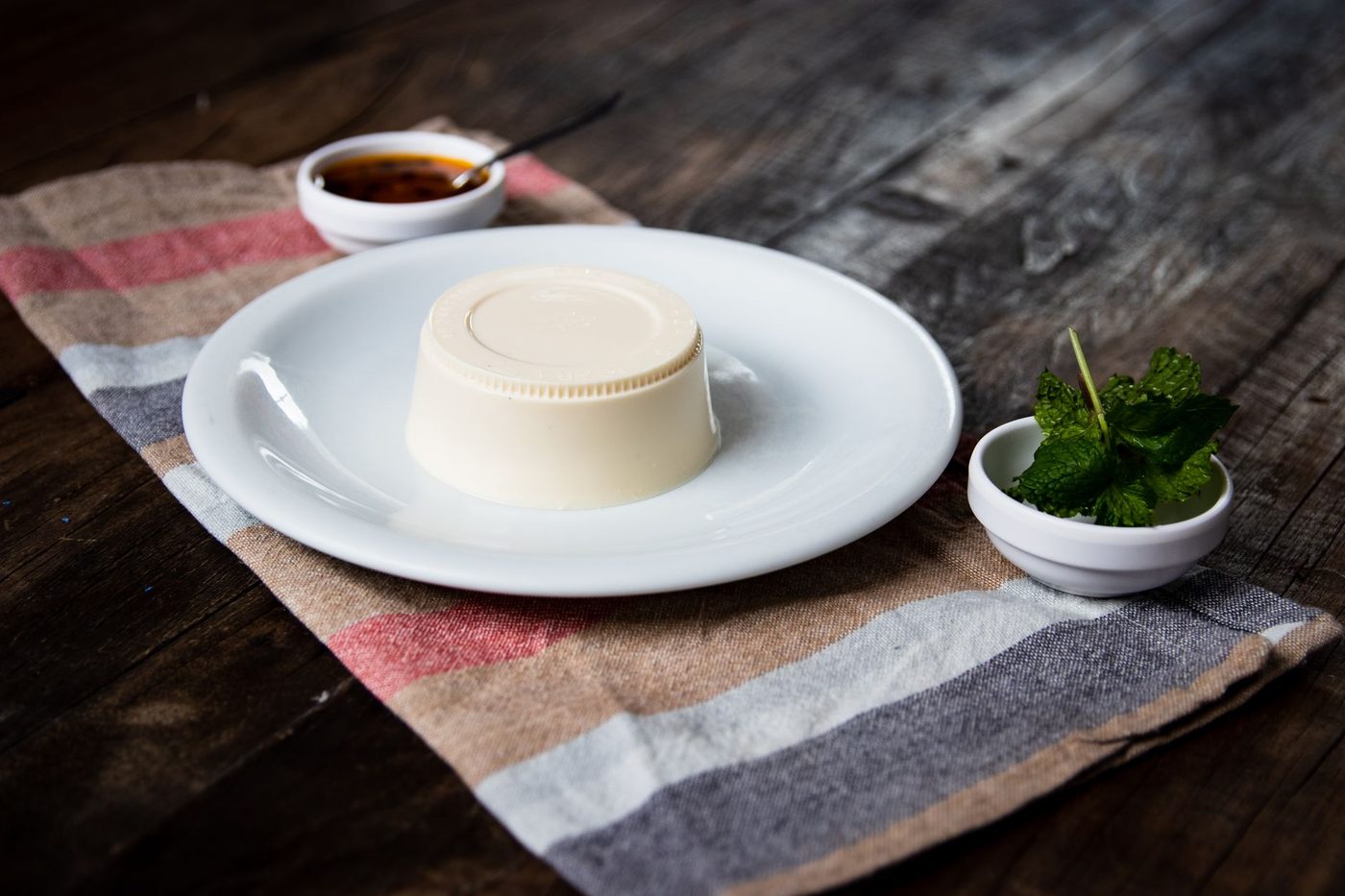
Pour this silky sauce over summer berries, stone fruit compote, warm sponge cake, or even a tart slice of oolong-scented panna cotta. The subtle tea flavour is sophisticated enough for dinner parties yet simple enough for a weeknight pudding upgrade. Because oolong sits between green and black tea, its floral complexity shines through dairy without overwhelming—giving you a custard that tastes grown-up, not gimmicky.

Honey Oolong Crème Anglaise
Prep Time5 mins
Cook Time15 mins
ServingsServes 4–6
DifficultyMedium

Ingredients

  • 300 ml whole milk
  • 150 ml double cream
  • 2 tbsp oolong tea leaves (Jin Xuan, Alishan or similar high-grade oolong)
  • 4 egg yolks (large, free-range)
  • 50 g caster sugar
  • 1 tsp honey (optional, to taste)
  • ½ tsp vanilla extract (optional)
Nutrition per serving:
Calories: 185
Fat: 14g
Sugar: 12g
Protein: 4g

Instructions

1
Infuse: Pour the milk and cream into a heavy-based milk pan. Add the oolong tea leaves and warm gently over a low–medium heat until steaming and just below a simmer (do not boil). Remove from the heat, cover, and steep for 8–10 minutes. Strain through a fine-mesh sieve, pressing gently on the leaves to extract all the liquid. Discard the leaves.
2
Whisk yolks: In a heatproof bowl, whisk the egg yolks and caster sugar until pale and slightly thickened. This helps the custard emulsify smoothly.
3
Temper: Reheat the infused milk mixture in the milk pan until steaming. Slowly pour about a third of the hot liquid onto the yolks, whisking constantly to temper them. Pour the yolk mixture back into the pan with the remaining milk, whisking well to combine.
4
Cook gently: Return the pan to a low heat. Stir continuously with a wooden spoon or heatproof spatula, scraping the base and sides to prevent scorching. Cook until the custard thickens enough to coat the back of the spoon (about 75–80 °C; it should hold a clear line when you draw a finger through). This takes 6–10 minutes—do not rush or let it boil.
5
Strain & cool: Immediately strain the custard through a fine sieve into a clean jug or bowl. Taste and whisk in the honey and vanilla, if using. Cool slightly, then cover the surface with cling film (to prevent a skin) and refrigerate until ready to serve. The custard will thicken a little more as it cools.

🫖 Equipment You'll Need

A good milk pan (also called a saucier or small saucepan) is the single most important tool for making crème anglaise. Its heavy, responsive base distributes heat evenly, so you can gently infuse the oolong without scorching the milk, then cook the custard slowly to the perfect silky consistency without scrambling the eggs. Lightweight pans create hot spots that ruin custard in seconds; a quality milk pan gives you the control you need.

See our milk pan picks →

Expert Tip: Don't Skip the Thermometer

If you're new to custard-making, clip a digital thermometer to the side of your milk pan and aim for 75–80 °C. The custard will coat the spoon beautifully at this range and won't curdle. If it does scramble, immediately blitz it with a stick blender—you can often rescue it into a smooth, if slightly thicker, sauce.


Affiliate disclosure: TeaTrade is a participant in the Amazon EU Associates Programme, an affiliate advertising programme designed to provide a means for sites to earn commission by linking to Amazon.co.uk. We may earn a small commission if you buy through links on this page, at no extra cost to you. Prices and availability shown on Amazon are current at the time of click.

Comments