← Back to Recipes

Sencha Sponge Cake

Jump to Recipe ↓

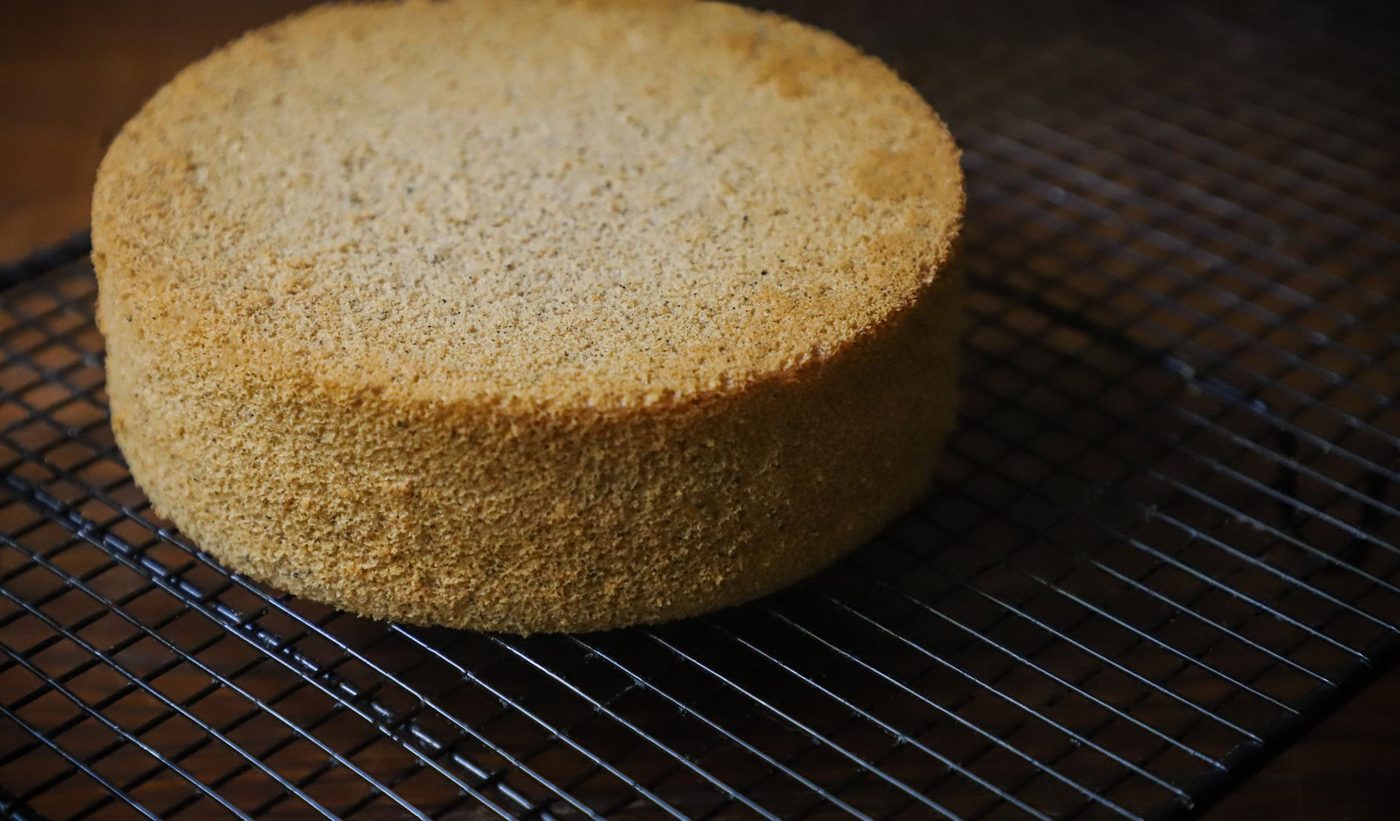
This feather-light sponge takes inspiration from Japanese kasutera, marrying the delicate vegetal notes of high-grade sencha with a cloudlike crumb. Because the batter relies on whipped whole eggs for its lift—no chemical raising agents—an electric hand mixer is essential to achieve the pale, ribbon-stage foam that gives the cake its signature airiness. We infuse finely ground sencha into warm milk, then fold it gently through the batter to preserve every bubble.

The result is a refined, subtly sweet centrepiece for afternoon tea: tender, fragrant and utterly moreish. If you're new to Japanese green teas, this cake is a beautiful introduction to sencha's grassy elegance. Pair it with a pot of the same tea and let the flavours mirror one another on the palate.

Sencha Sponge Cake
Prep Time20 mins
Cook Time35 mins
ServingsServes 8
DifficultyMedium

Ingredients

  • 4 large eggs (at room temperature)
  • 120 g caster sugar
  • 120 g plain flour (sifted)
  • 2 tbsp sencha green tea (finely ground in a spice grinder or mortar)
  • 40 ml whole milk (warmed)
  • 30 g unsalted butter (melted and slightly cooled)
  • ½ tsp vanilla extract
  • Pinch of fine sea salt
Nutrition per serving:
Calories: 185
Fat: 6g
Sugar: 16g
Protein: 5g

Instructions

1
Prep: Preheat your oven to 160°C (fan 140°C, gas 3). Line a 20 cm round cake tin with baking parchment, greasing the sides lightly. Stir the ground sencha into the warm milk and set aside to infuse while you whip the eggs.
2
Whisk Eggs: In a large mixing bowl, combine the eggs and caster sugar. Using an electric hand mixer on high speed, whisk for 6–8 minutes until the mixture is pale, thick and falls in slow ribbons when you lift the beaters. This aeration is critical—the batter should nearly triple in volume.
3
Fold Flour: Sift the flour and salt over the egg foam in three additions, folding gently with a large metal spoon or spatula after each. Use a figure-of-eight motion to preserve as much air as possible.
4
Add Sencha: Stir the melted butter and vanilla into the sencha-milk mixture. Take a large spoonful of the batter and mix it into the milk to lighten it, then pour this back into the main bowl and fold through until just combined—no streaks, but don't overmix.
5
Bake: Pour the batter into the prepared tin and tap gently on the worktop to release any large bubbles. Bake for 30–35 minutes, until the top is golden and springs back when lightly pressed. A skewer inserted into the centre should come out clean.
6
Cool & Serve: Let the cake cool in the tin for 5 minutes, then turn out onto a wire rack. Serve at room temperature, dusted lightly with icing sugar if you like, alongside a pot of fresh sencha or gyokuro.

🫖 Equipment You'll Need

A powerful electric hand mixer is the backbone of this recipe. Traditional Japanese sponges depend on perfectly whipped whole eggs—beaten to ribbon stage—for all their rise and lightness. A balloon whisk simply can't sustain the speed or stamina needed to triple the volume in under ten minutes, and under-whipped batter will collapse in the oven. Look for a model with at least three speeds and robust beaters that incorporate maximum air without splattering.

See our electric hand mixer picks →

Expert Tip: Choose Your Sencha Wisely

For the most refined flavour, opt for a high-grade, first-flush sencha with bright, grassy notes—avoid heavily roasted or older leaves, which can taste bitter when ground. Kagoshima sencha and Jeju Island sencha both work beautifully here.


Affiliate disclosure: TeaTrade is a participant in the Amazon EU Associates Programme, an affiliate advertising programme designed to provide a means for sites to earn commission by linking to Amazon.co.uk. We may earn a small commission if you buy through links on this page, at no extra cost to you. Prices and availability shown on Amazon are current at the time of click.

Comments