Editor's Choice

1. Aged Sheng Pu-erh (10+ years)
A decade of aging transforms raw pu-erh from harsh to smooth, with deep complexity. The classic aged tea.
Pros:
- Complex depth
- Smooth drinking
- Collectible
Cons:
- Expensive
- Requires knowledge
Best Shou Pu-erh

2. Aged Ripe Pu-erh
Fermented and aged, shou pu-erh offers earthy, smooth drinking. More accessible than sheng.
Pros:
- More accessible
- Earthy depth
- Smooth
Cons:
- Less complexity than aged sheng
Best White

3. Aged White Tea (5+ years)
Aged white tea develops honeyed sweetness and dried fruit notes. Gentler aging than pu-erh.
Pros:
- Honeyed notes
- Gentle complexity
- Approachable
Cons:
- Subtle changes
Best Oolong

4. Aged Oolong (15+ years)
Traditional roasted oolongs can age beautifully, gaining depth and smoothing rough edges. Don't let the packaging fool you, this Dong Ding is a serious player
Pros:
- Deep flavour
- Smooth
- Traditional
Cons:
- Limited availability
Budget Aged

5. 5-Year Shou Pu-erh
Five years is enough to smooth shou pu-erh. Entry point for aged tea exploration.
Pros:
- Affordable
- Genuinely aged
- Good quality
Cons:
- Less development
Collectible
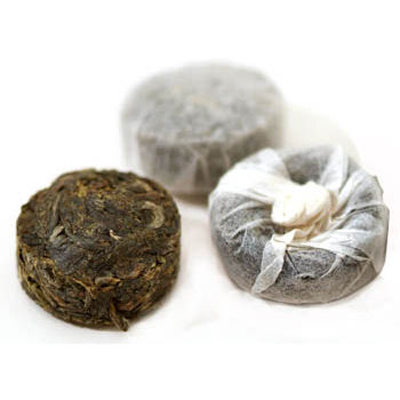
6. Vintage Pu-erh Cakes
Properly stored vintage cakes appreciate in value and flavour. For serious collectors.
Pros:
- Investment potential
- Peak flavour
- Prestigious
Cons:
- Very expensive
- Storage critical
TeaTrade participates in affiliate programs. We may earn a commission if you buy via these links.
Comments