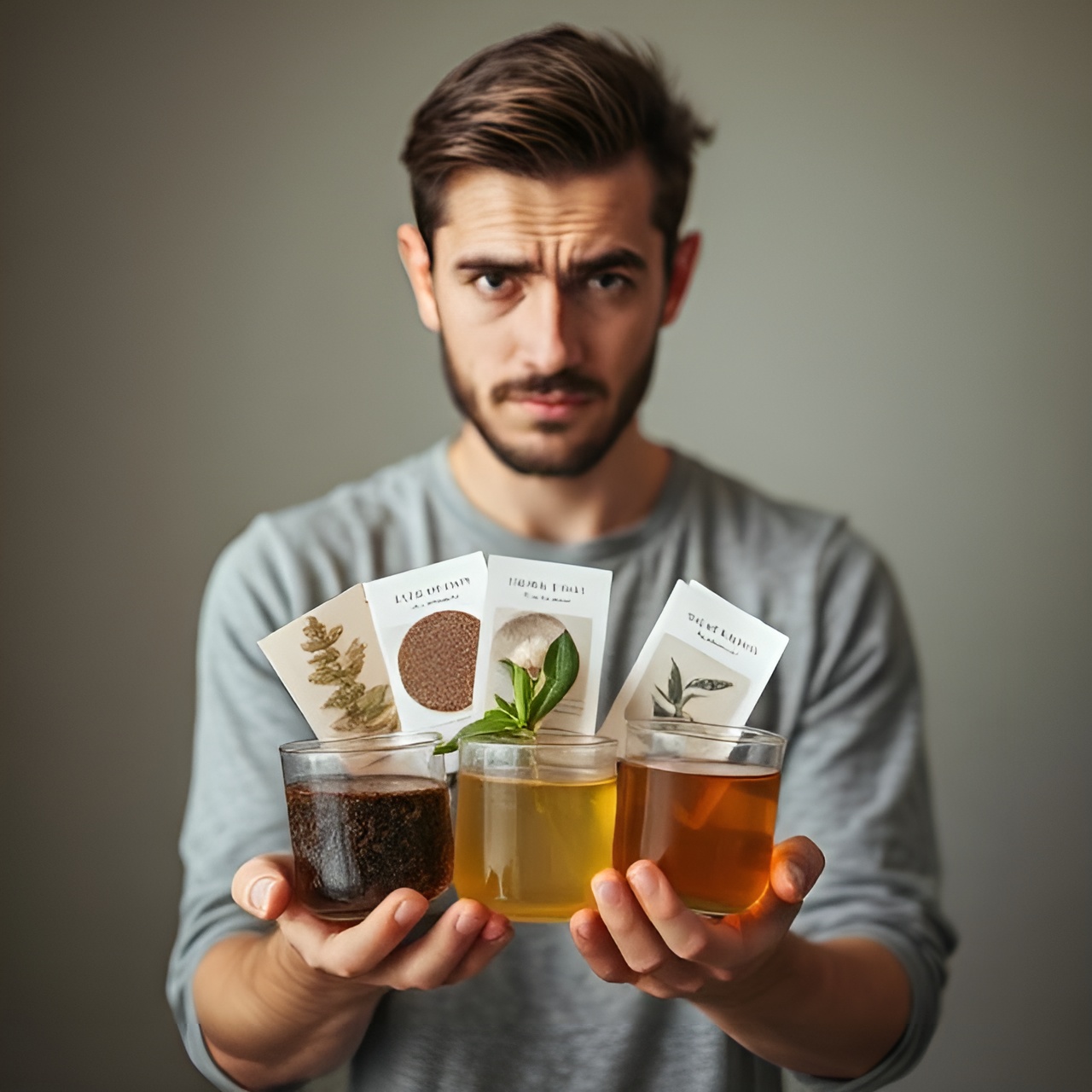
Quiz: What is Your "Spirit Tea"? The 30-Second Tea Match Maker
Stop guessing at the grocery store. Take our expert-backed quiz to analyze your palate, caffeine tolerance, and lifestyle to find the one tea you were meant to drink.
Your essential guide to the world of tea. From foundational knowledge to expert insights, start your learning journey here by browsing our categories or using the search bar.
Stop guessing at the grocery store. Take our expert-backed quiz to analyze your palate, caffeine tolerance, and lifestyle to find the one tea you were meant to drink.
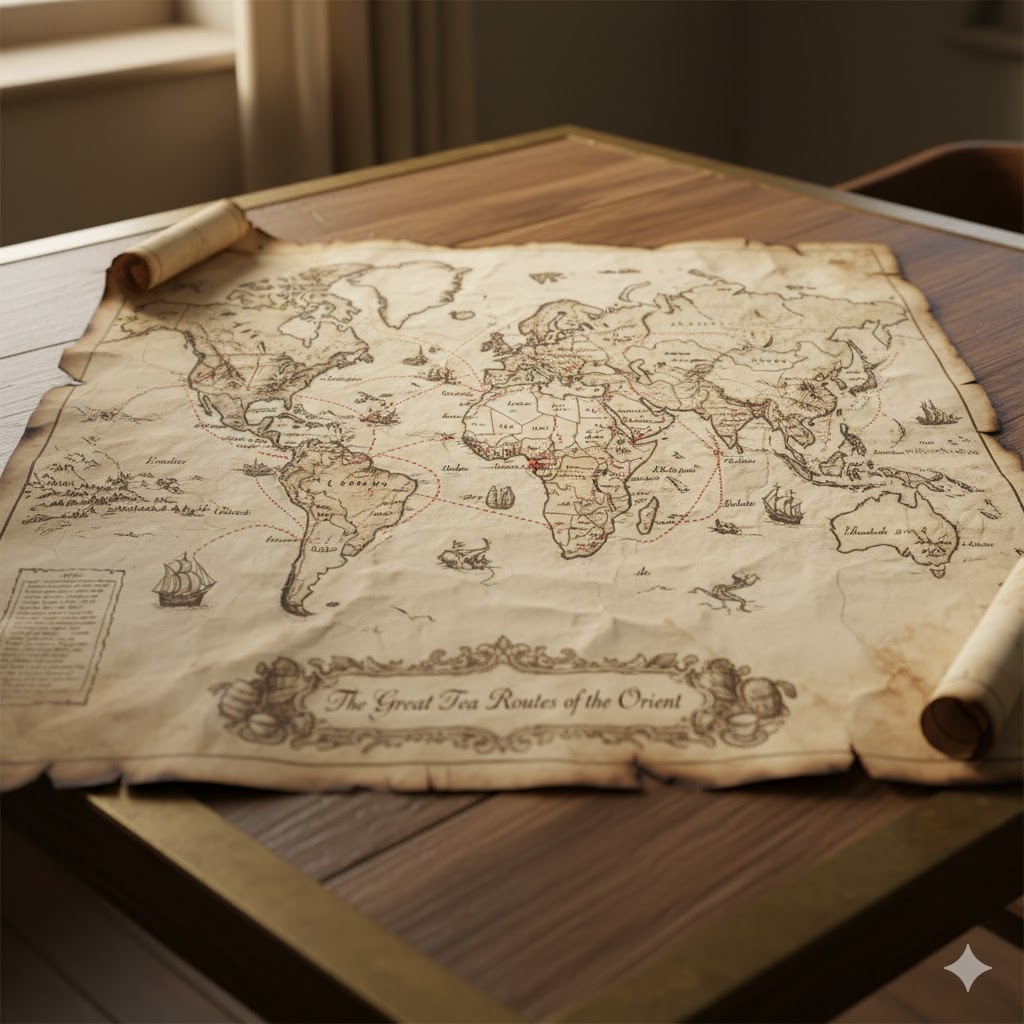
The central pillar for tea history. A grand overview of tea's journey from an ancient remedy to a global commodity.

Explore the foundational myth of the "Divine Farmer" and the real botanical origins of tea in Yunnan.
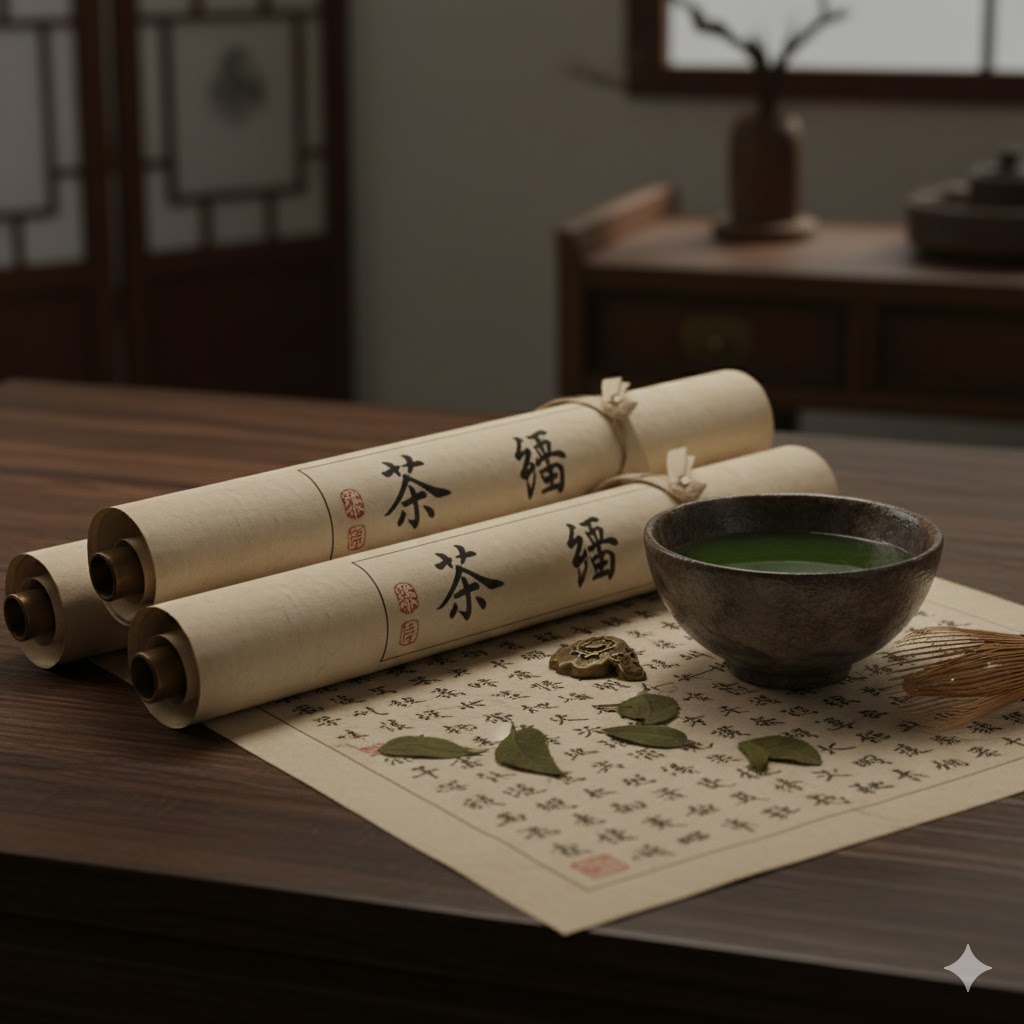
Meet the man who codified tea as an art form and wrote the first "bible" of tea during the Tang Dynasty.
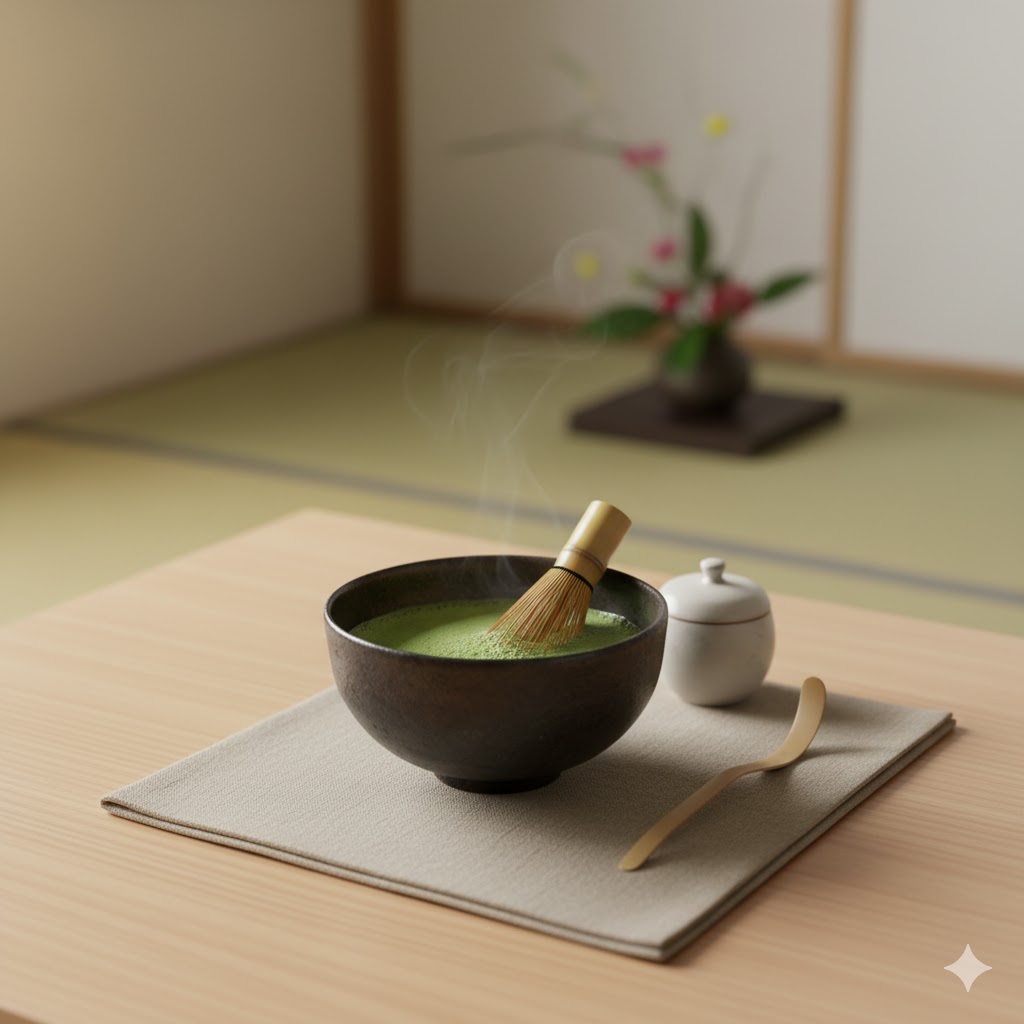
Explore the art, philosophy, and steps of the Japanese tea ceremony, from Zen monks to modern practice.

How did India become a tea superpower? Discover the history of the British Raj, the botanical spy Robert Fortune, and how the railway created Masala Chai.
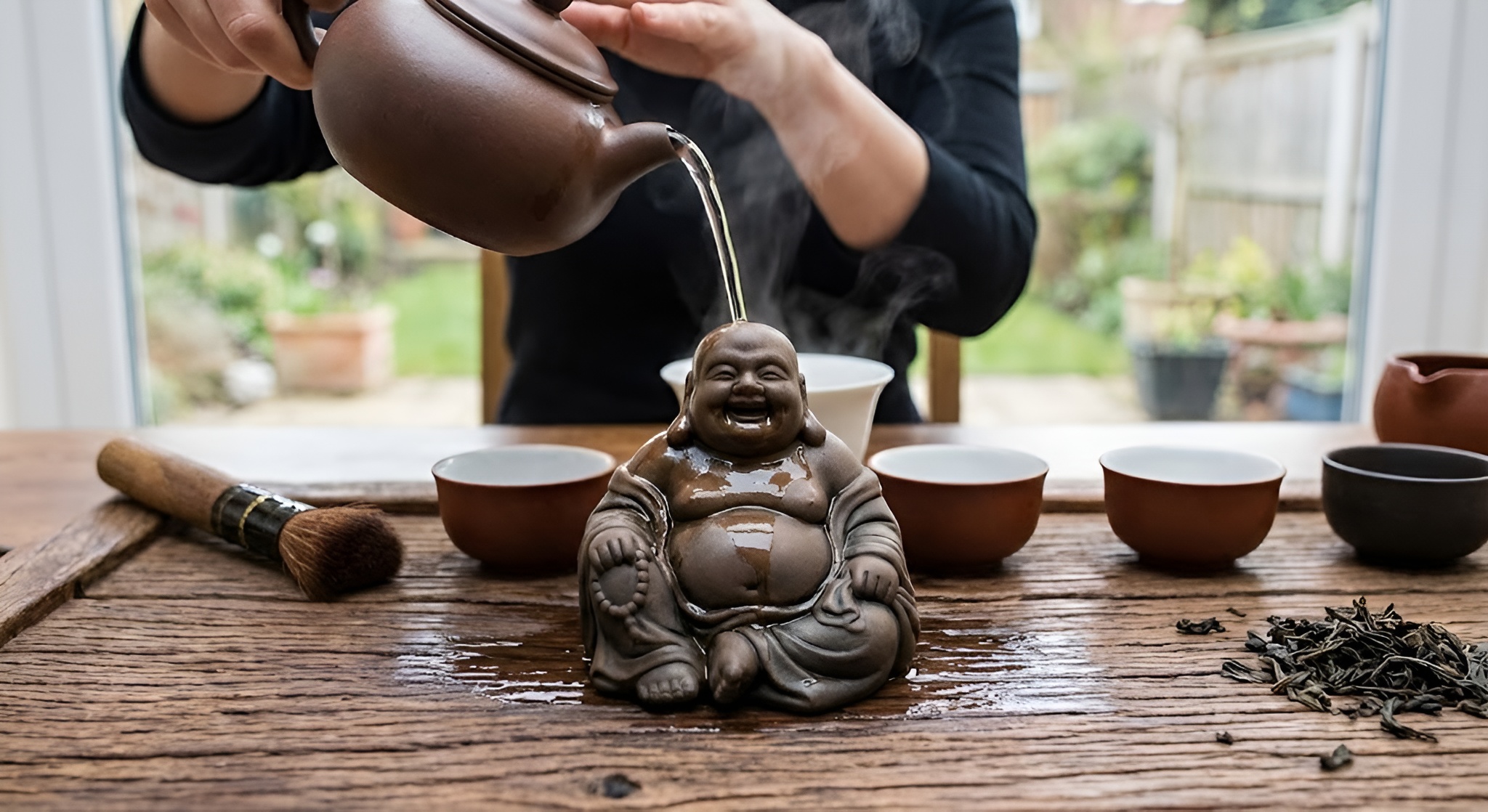
Why pour tea on a clay frog? Discover the ancient art of "raising" a Tea Pet, the symbolism of the Golden Toad, and how to start your own collection.
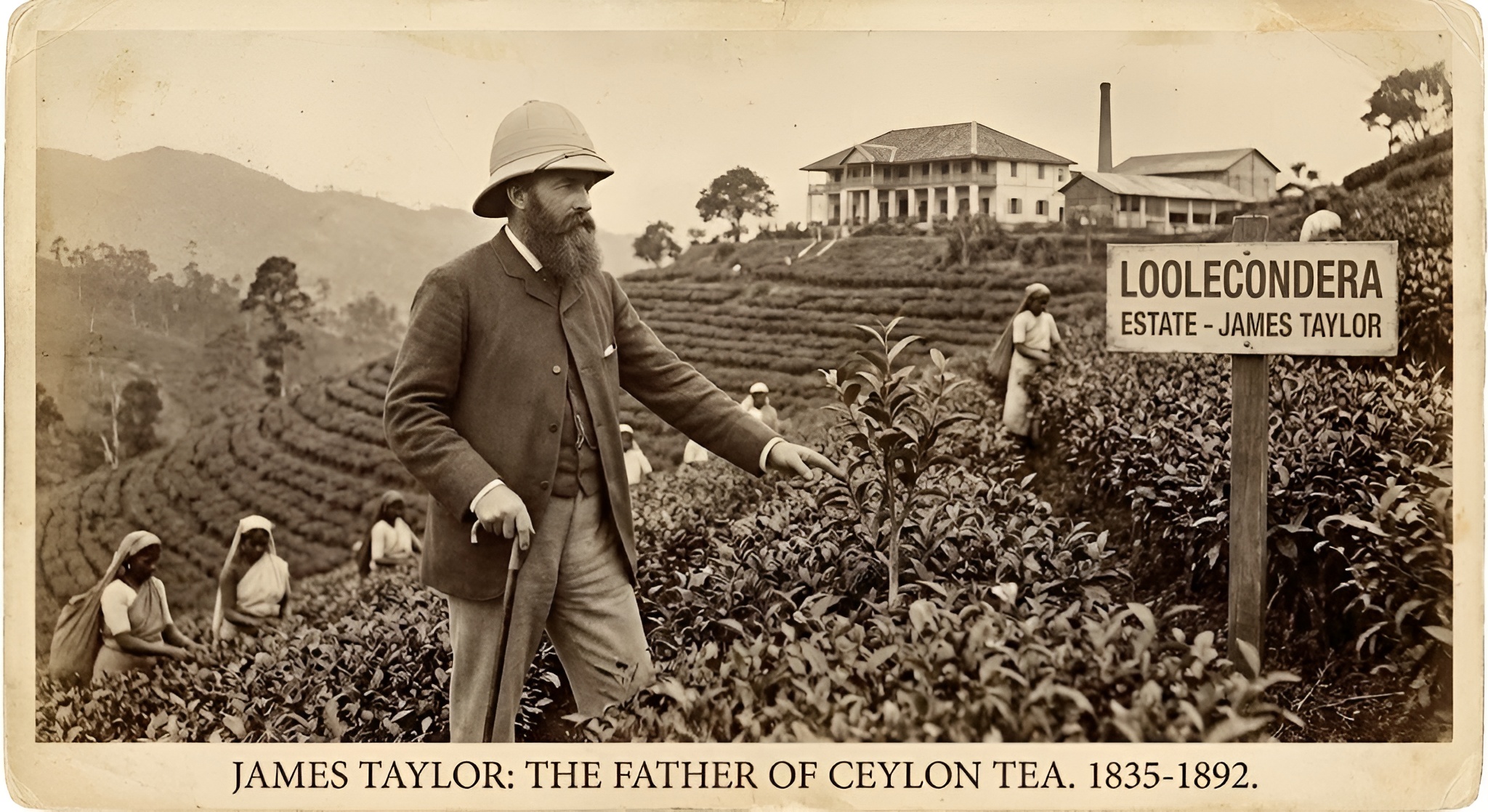
Before it was famous for tea, Sri Lanka was a coffee island. Discover the story of the Scotsman who saved the economy and created an empire.
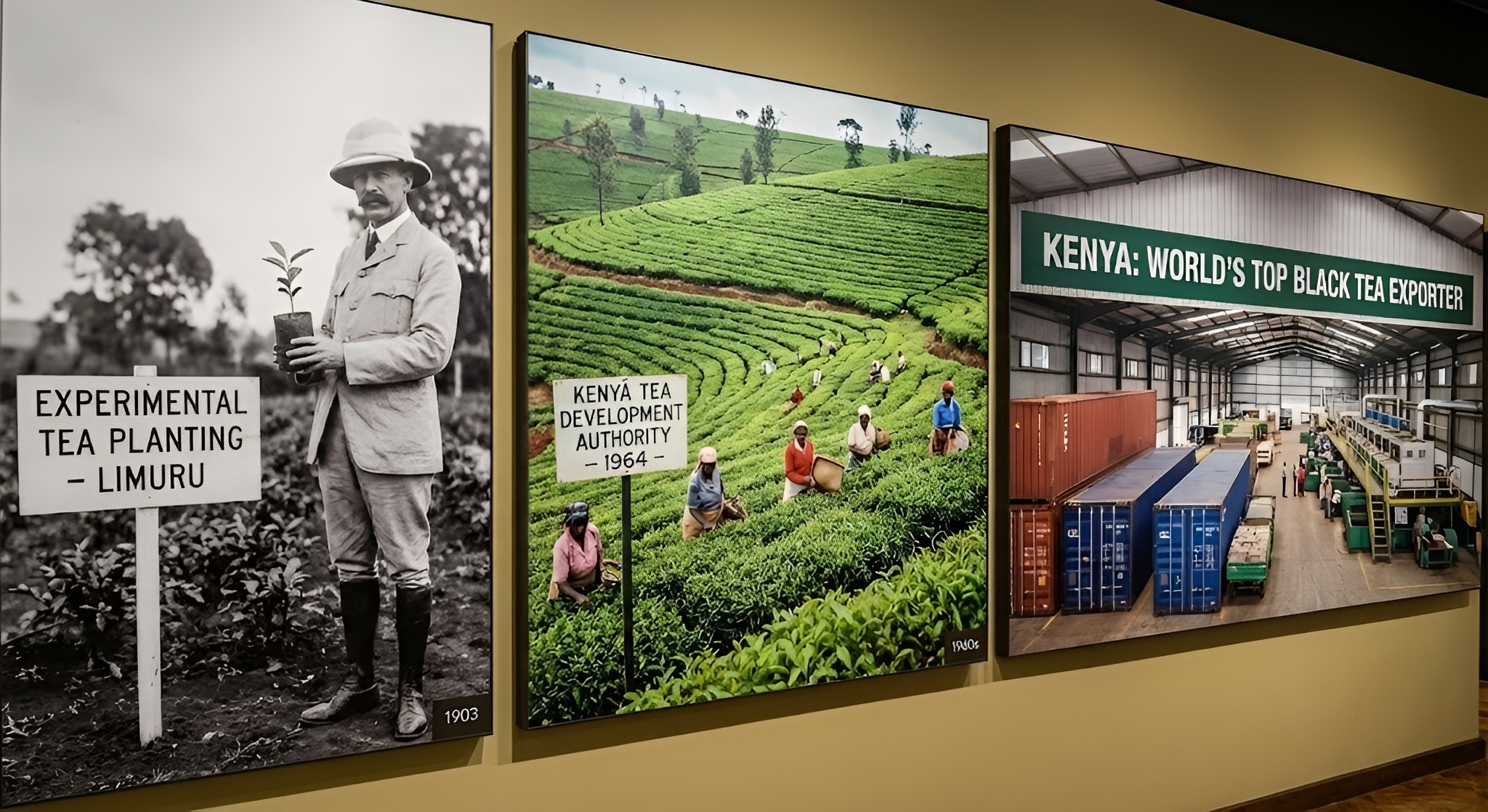
How did Kenya become the world's largest black tea exporter in just 100 years? Discover the history of the KTDA, smallholder farmers, and the CTC revolution.
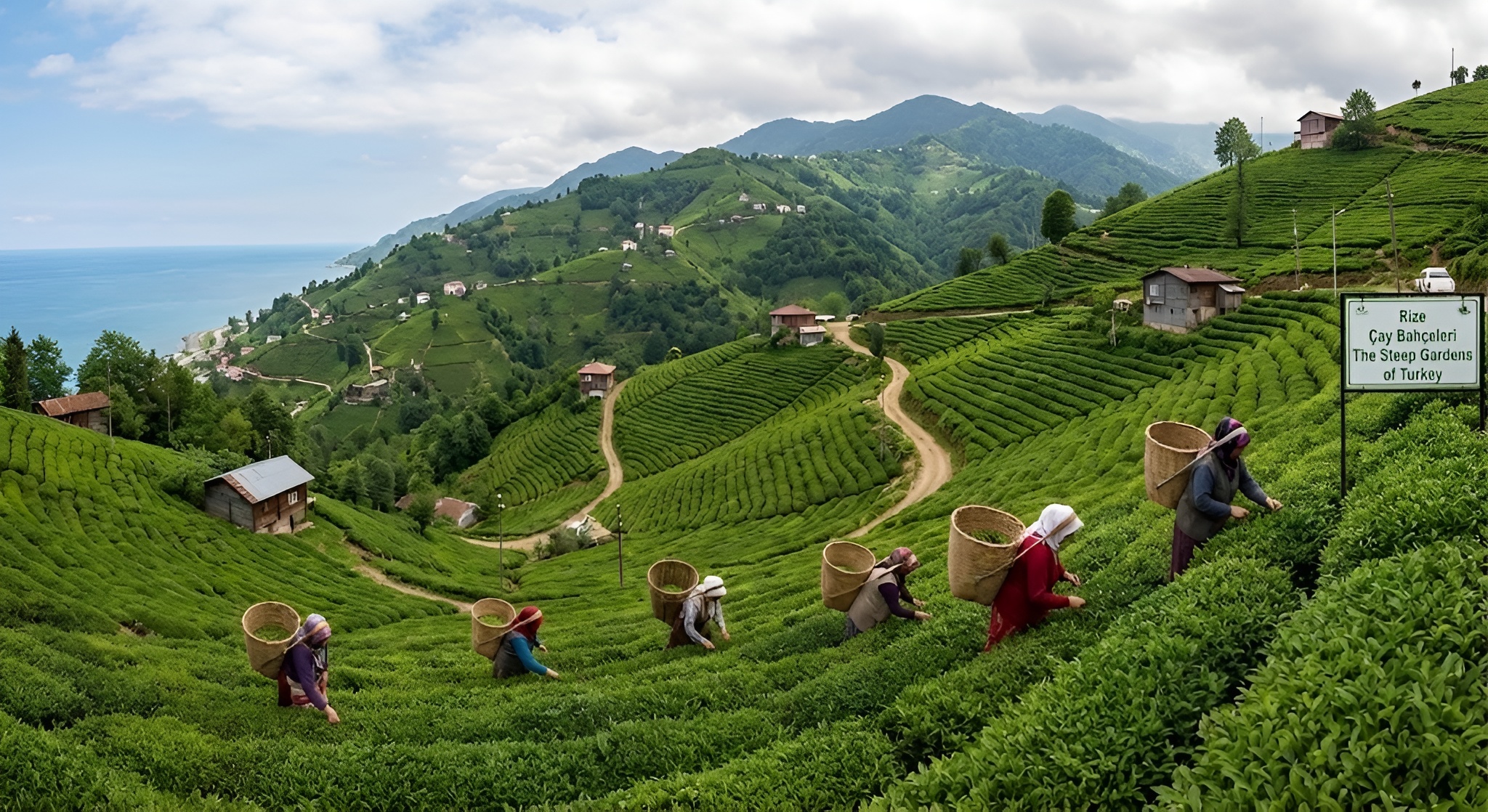
Why did Turkey switch from coffee to tea? Discover the history of Rize, the unique snow-covered terroir, and the story of the national drink.
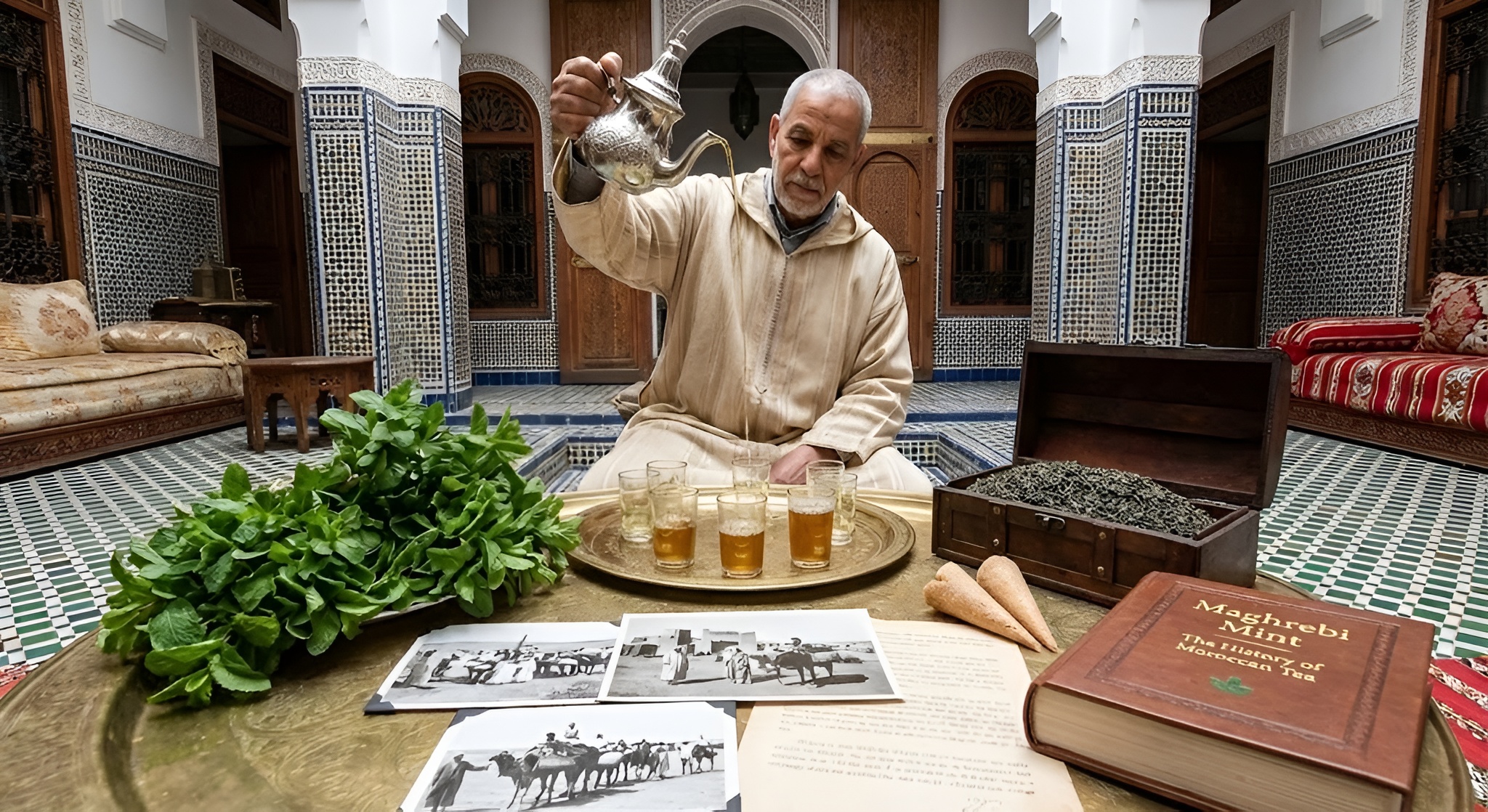
Why is Morocco famous for tea? Discover the history of Maghrebi Mint, how the Crimean War brought Gunpowder tea to the desert, and the ritual of the 'Three Cups'.

Did camel campfires really smoke the tea? Discover the true history of the Russian Caravan trade route and the culture of the Samovar.
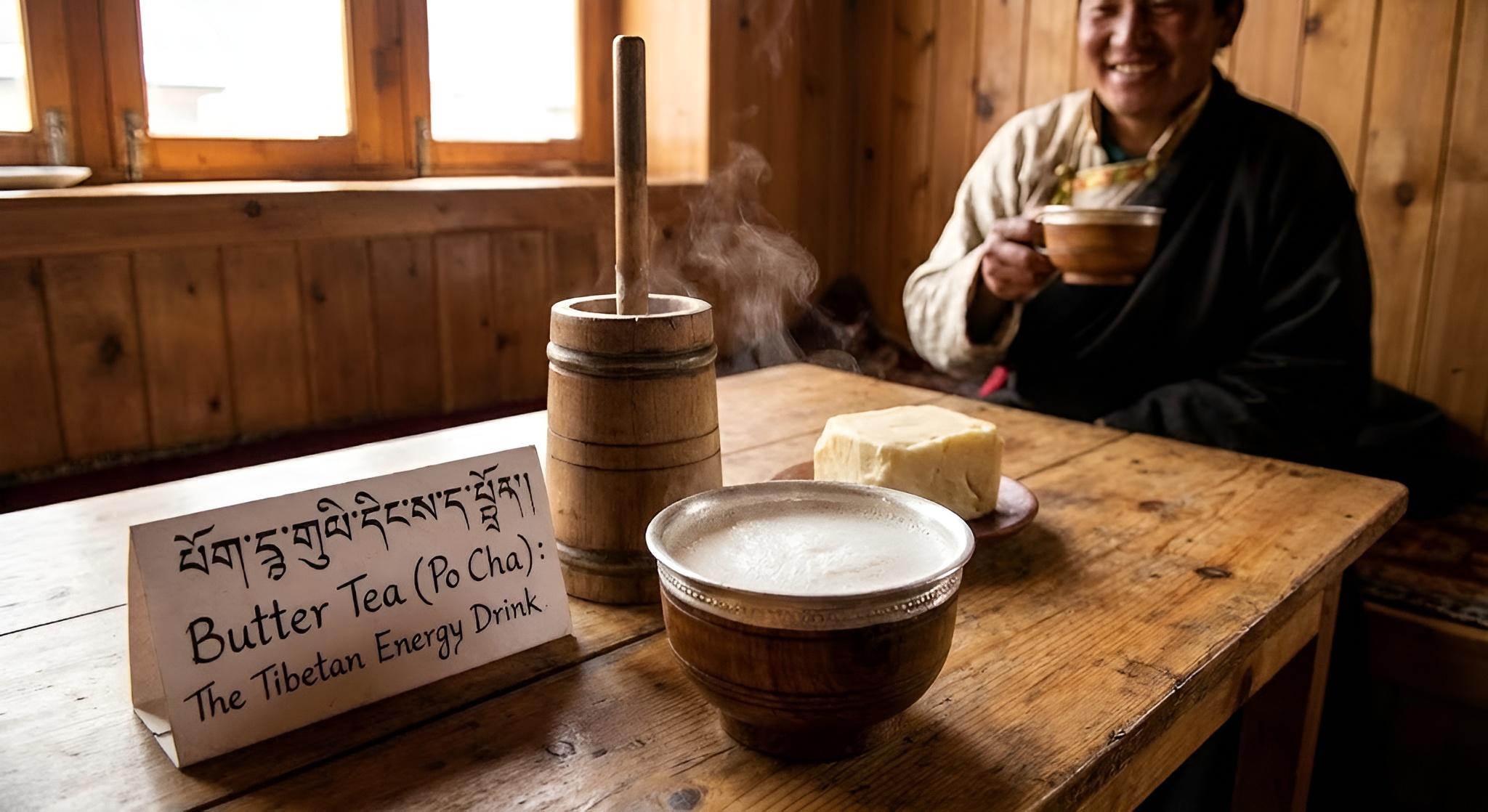
Before Bulletproof Coffee, there was Po Cha. A deep dive into the history of the Tea Horse Road and the science of high-altitude survival.
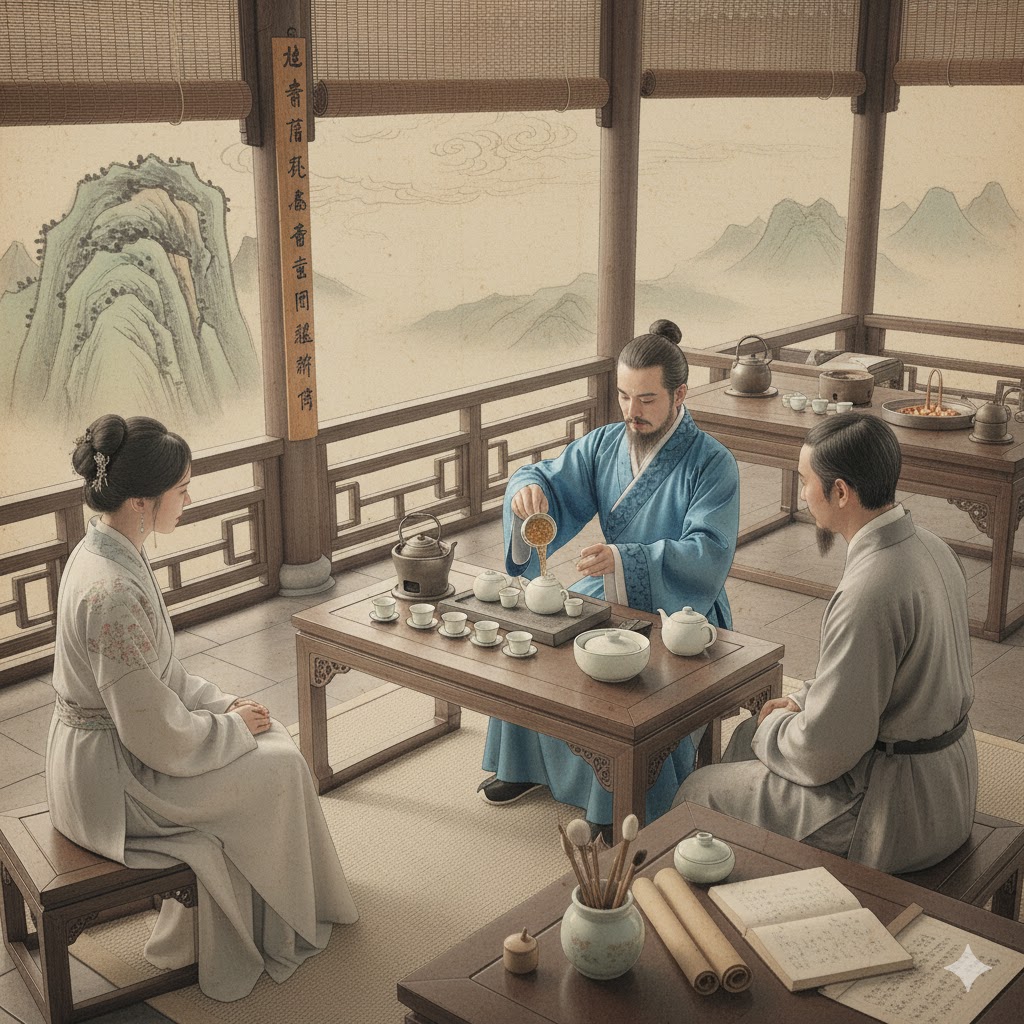
Discover the critical pivot in tea history when powdered tea was abandoned for steeped, loose-leaf tea.
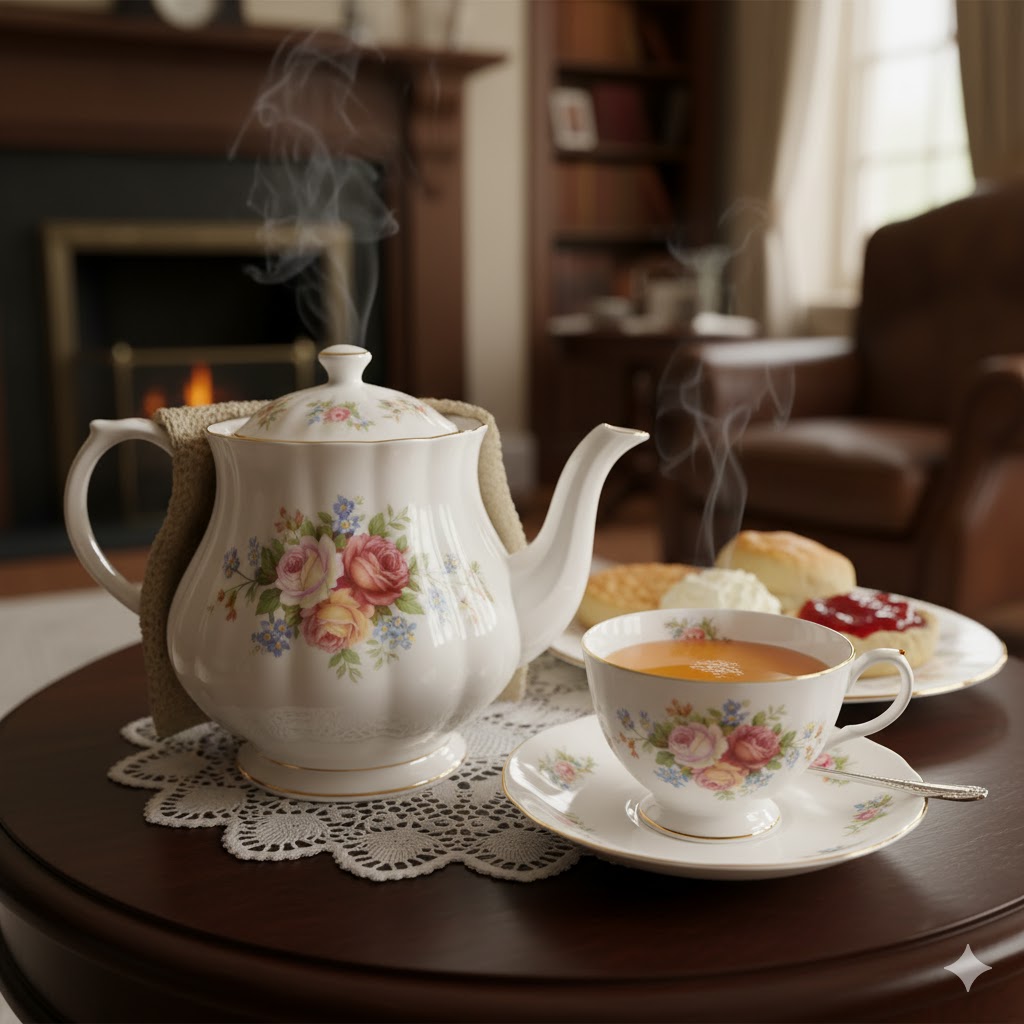
The story of how tea went from a royal curiosity to a national obsession, fueled by a powerful monopoly.

It wasn't just about the tax. We dive into the true story of the monopoly and politics behind the famous protest.

How a massive trade deficit for Chinese tea led the British Empire to trade opium, sparking two devastating wars.
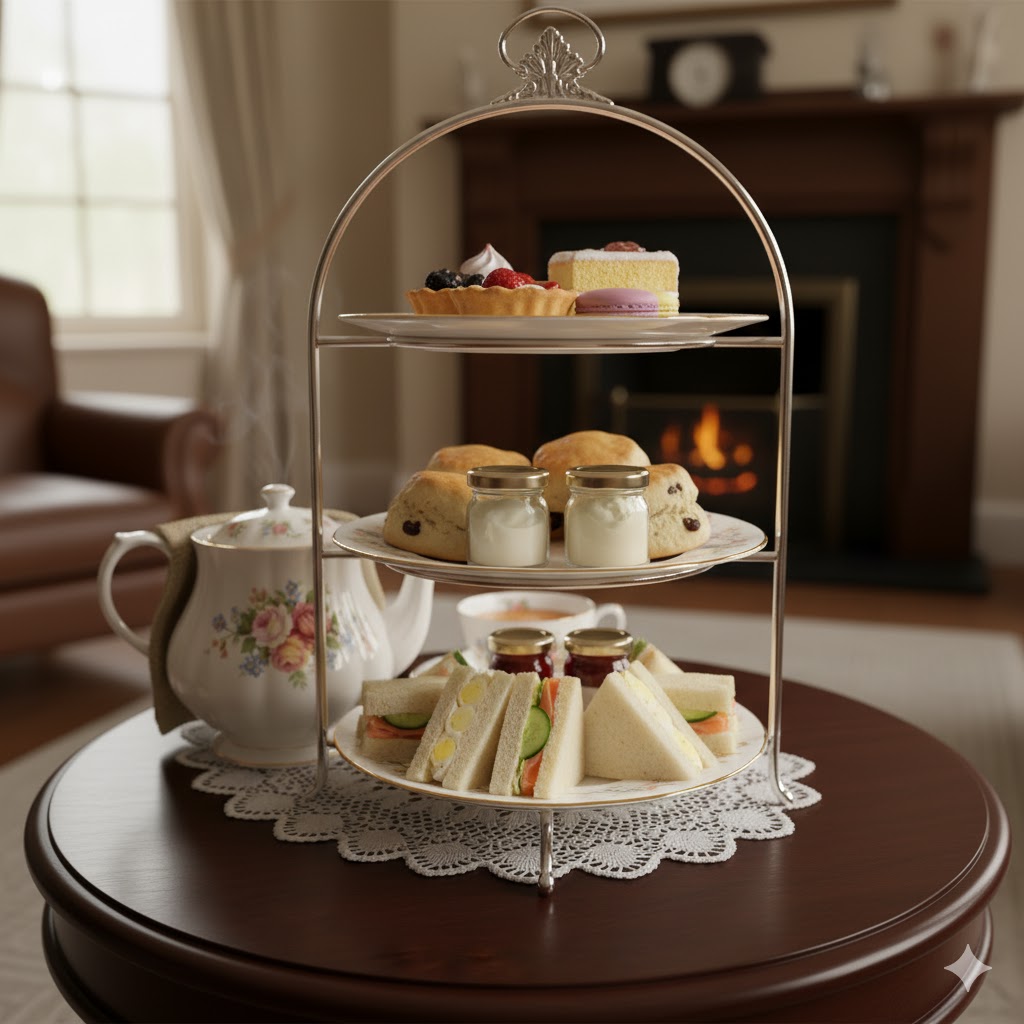
We clear up one of the most common points of confusion in tea culture. (Hint: one involves scones, the other... a hot meal).
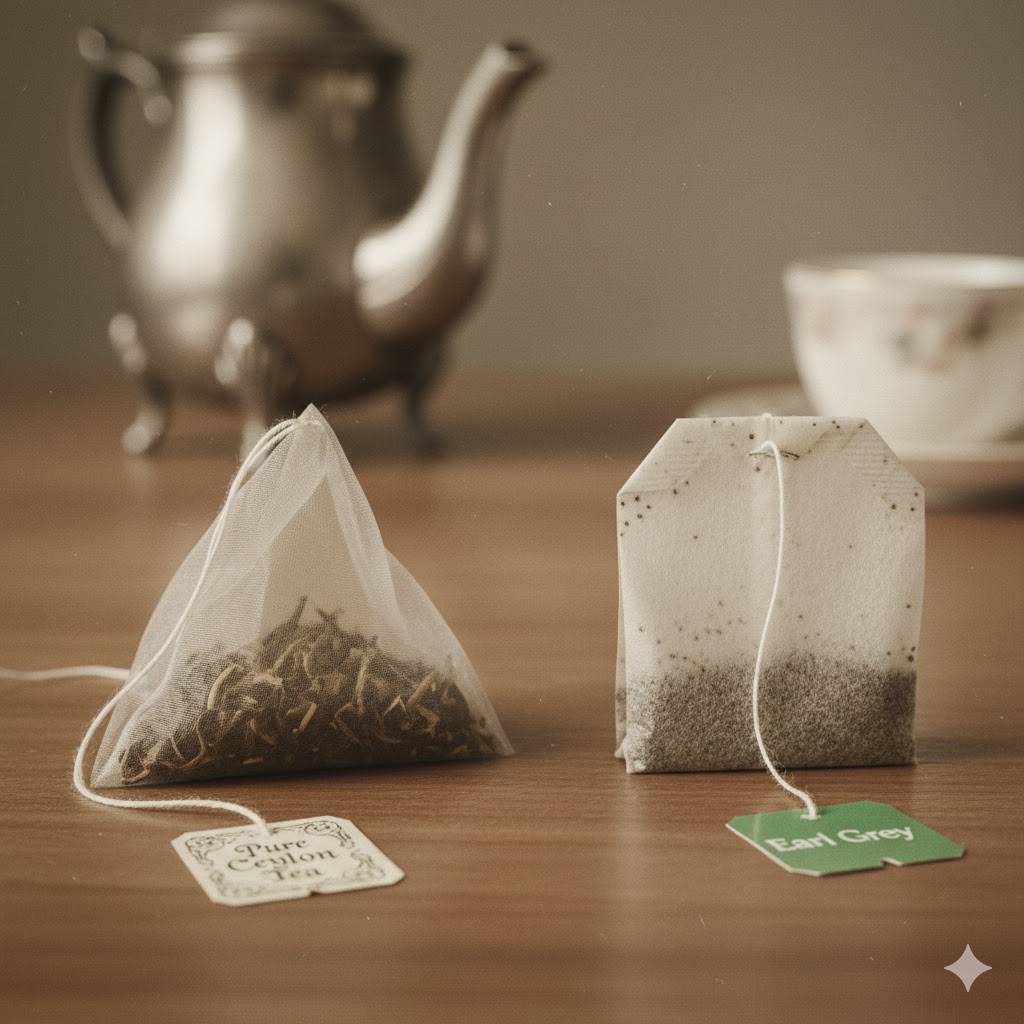
Did you know the tea bag was a mistake? Discover the story of Thomas Sullivan, the 1908 accident, and why tea lovers originally hated them
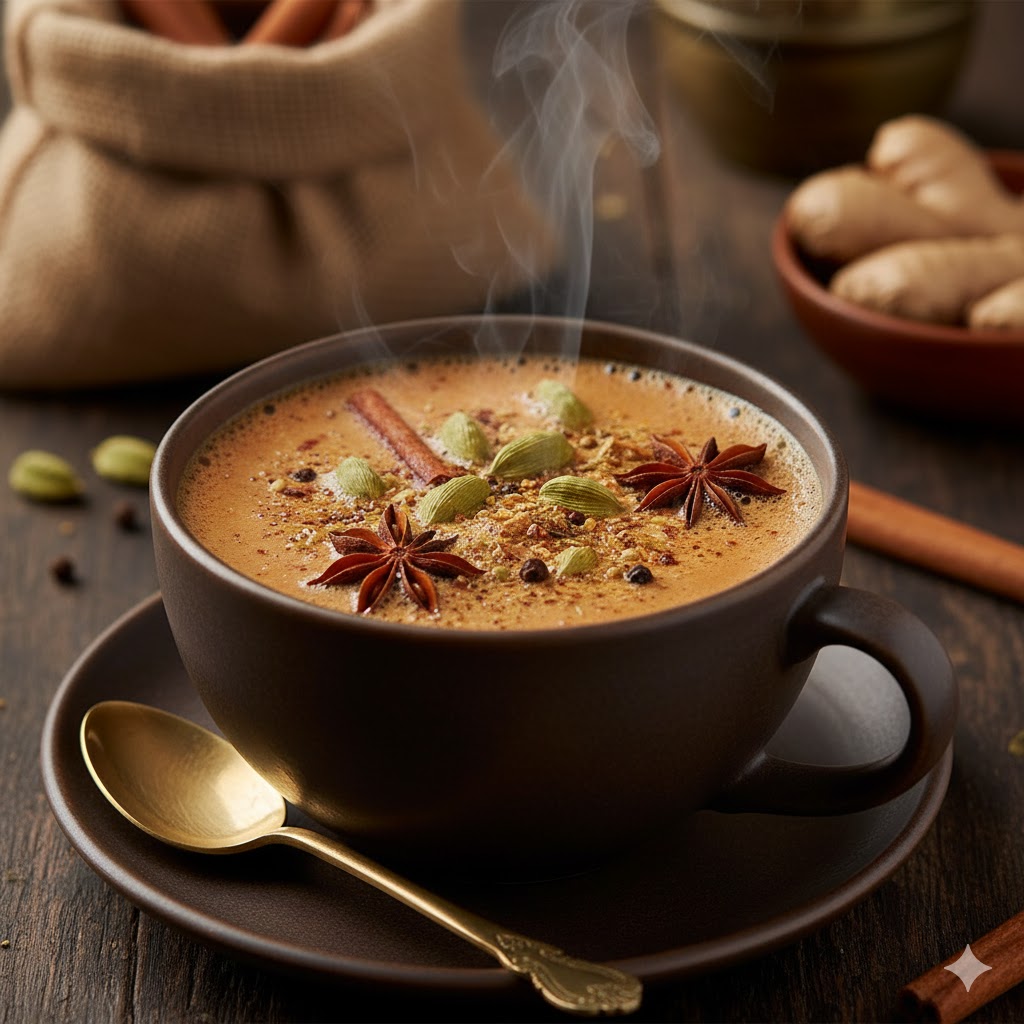
From its origins as a British-promoted drink in India to its modern global status as a coffee-shop staple.

Litvinenko 2006: Polonium-210 in tea caused radiation poisoning death. Navalny 2020: Novichok nerve agent attempted murder. Tea perfect poison vector: bitter flavor masks toxins, cultural trust.
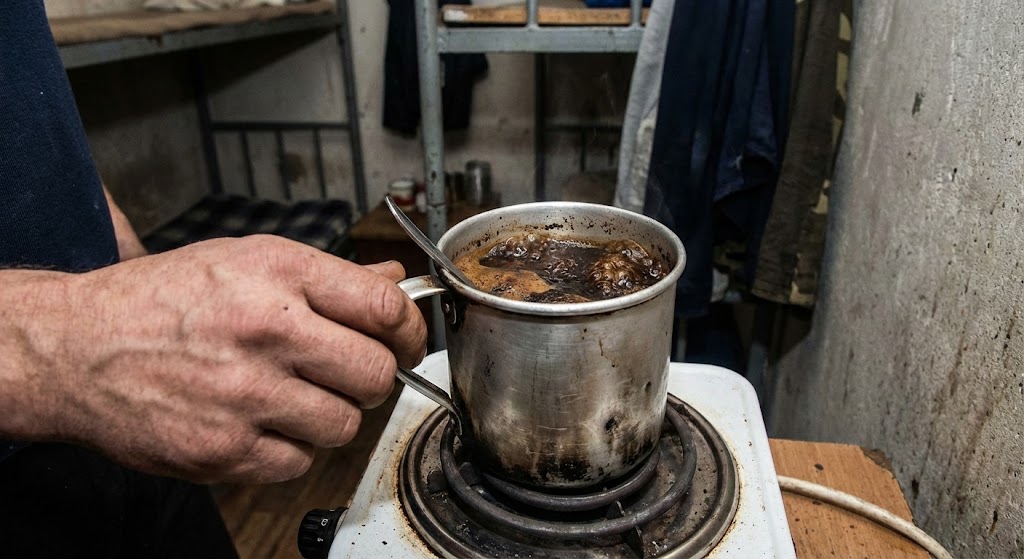
Chifir is Russian prison tea—50-100g leaves boiled to sludge producing 300-600mg caffeine per serving (5-10x coffee). Emerged in Soviet Gulags as drug substitute. High cardiovascular risk, not recreational.
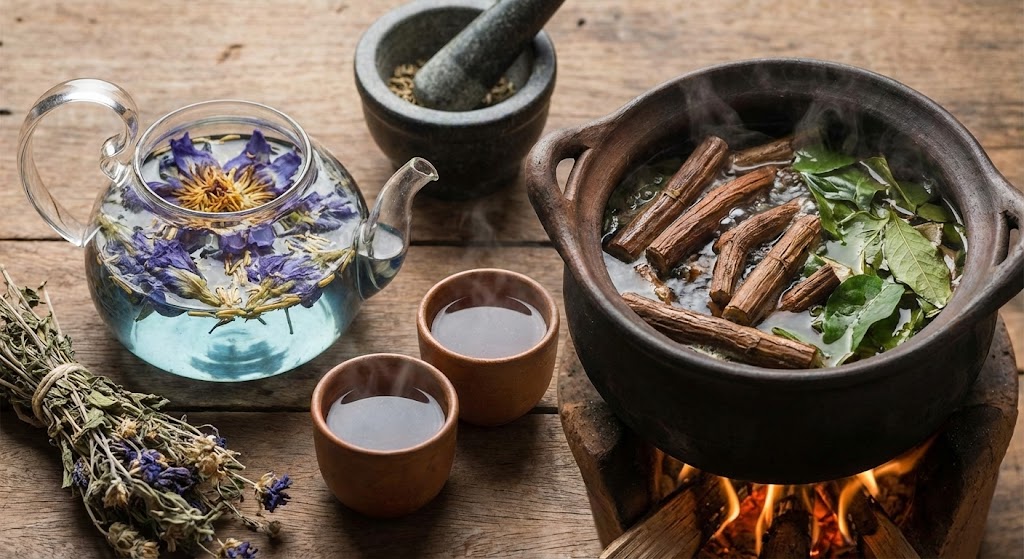
Blue Lotus contains aporphine/nuciferine dopamine agonists for mild euphoria—ancient Egyptian ritual tea. Ayahuasca combines DMT + MAO inhibitors for 4-8 hour hallucinations. Legal status varies.

Understand the fundamental differences between White, Green, Yellow, Oolong, Black, and Dark Tea.

How much caffeine is in your cup? We break down the myths vs. facts and explain the magic of L-Theanine.

Protect your loose-leaf tea from its five enemies: light, heat, moisture, air, and odors.
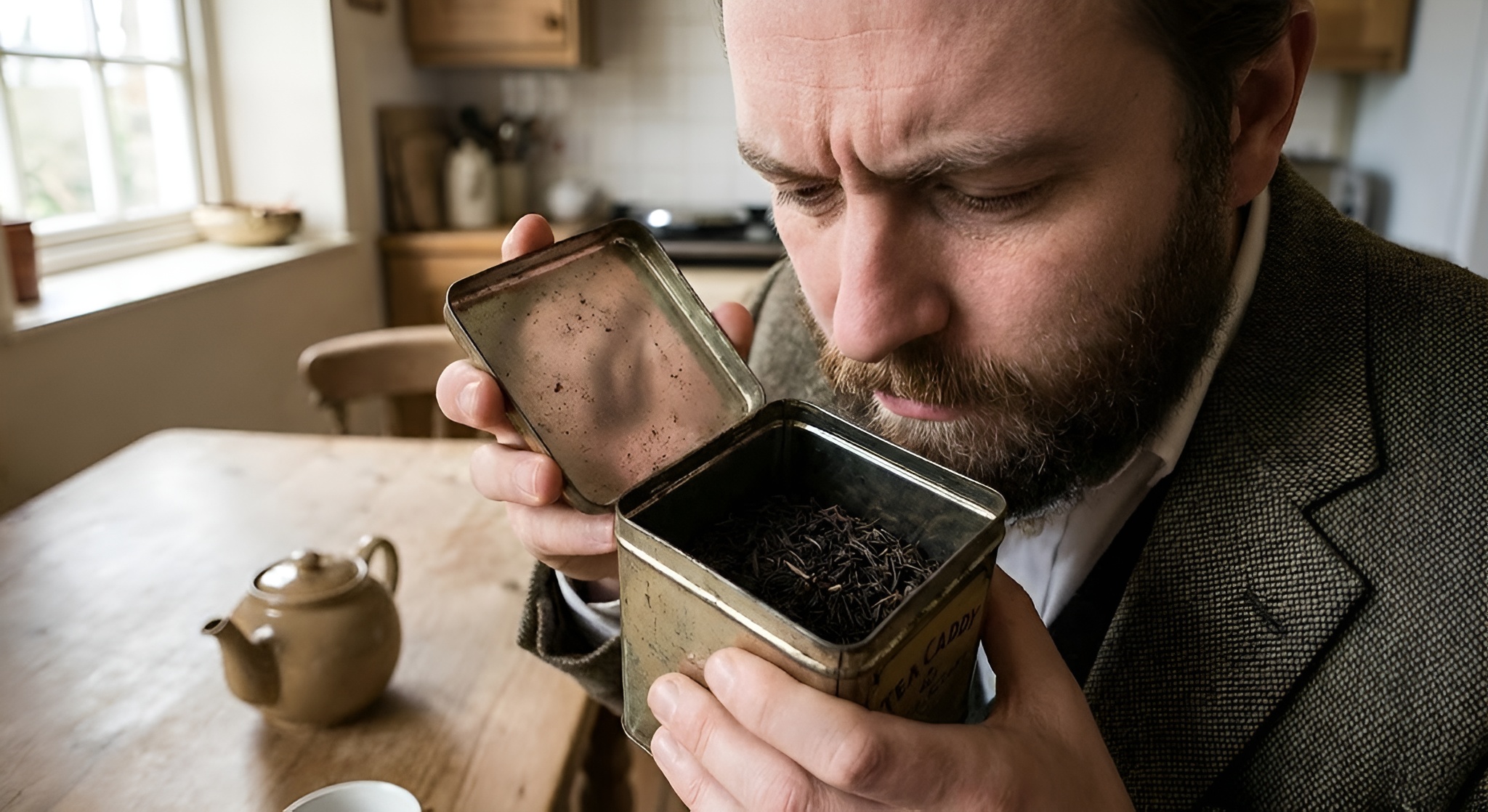
Found an old box of tea? Don't drink it yet. We explain which teas expire in 6 months (Matcha), which last forever (Pu-erh), and the simple test to check for freshness."
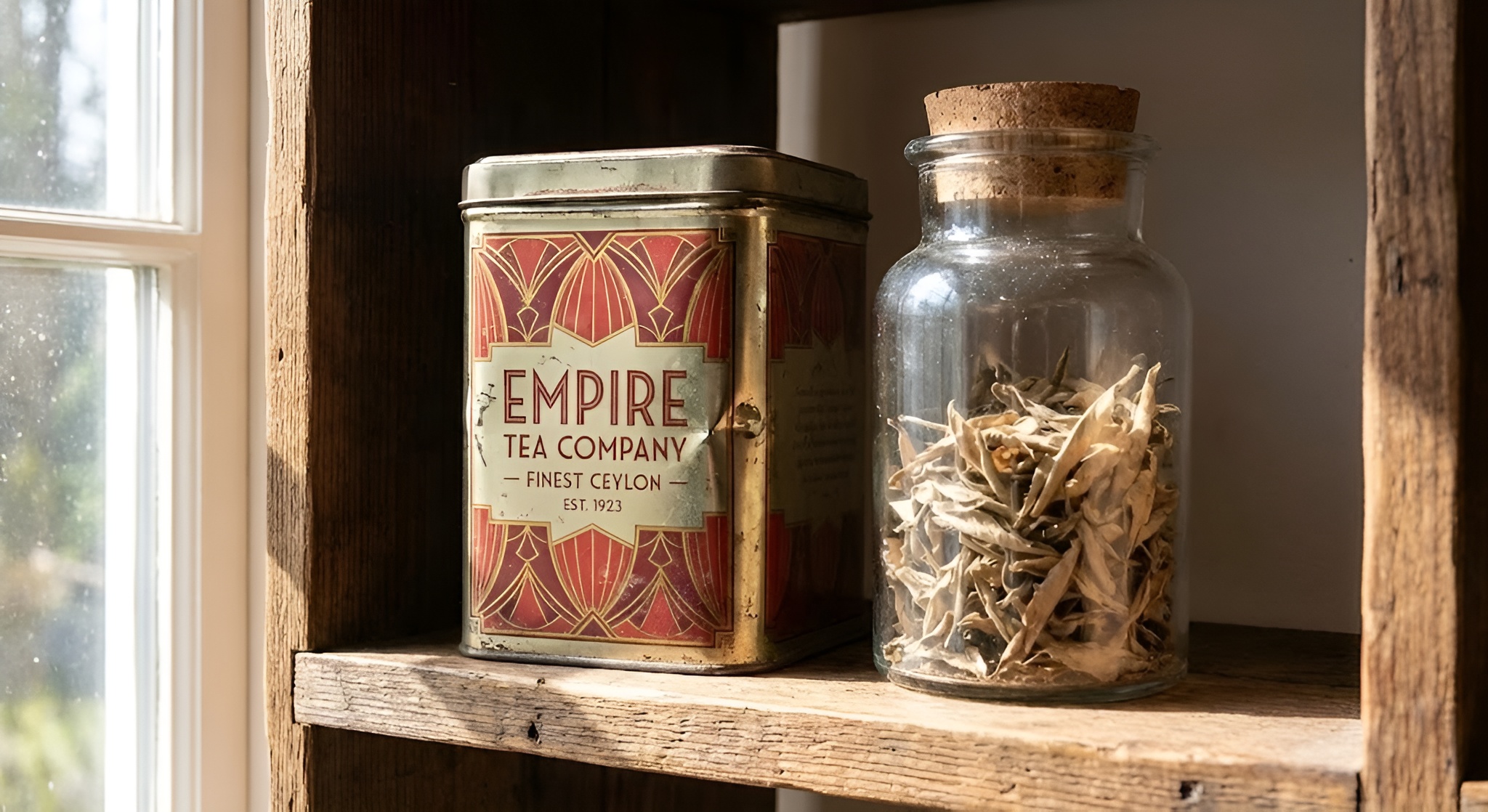
Mason jars look great on Instagram, but they ruin your tea. We analyze the science of photodegradation and why metal tins are superior for freshness."
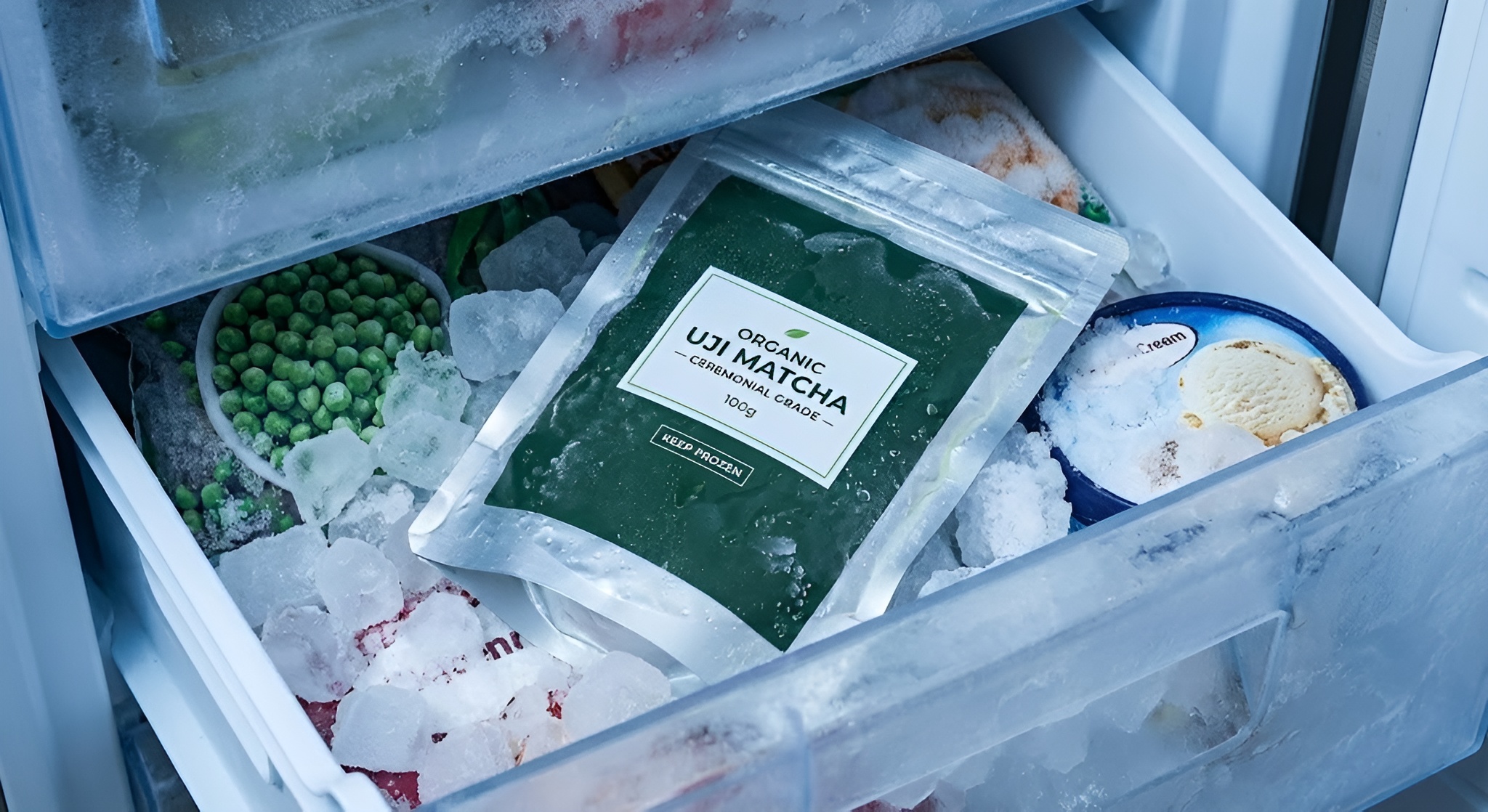
Is the freezer the secret to fresh tea, or a recipe for disaster? We analyze the science of hygroscopy, condensation, and why you should never freeze Pu-erh."
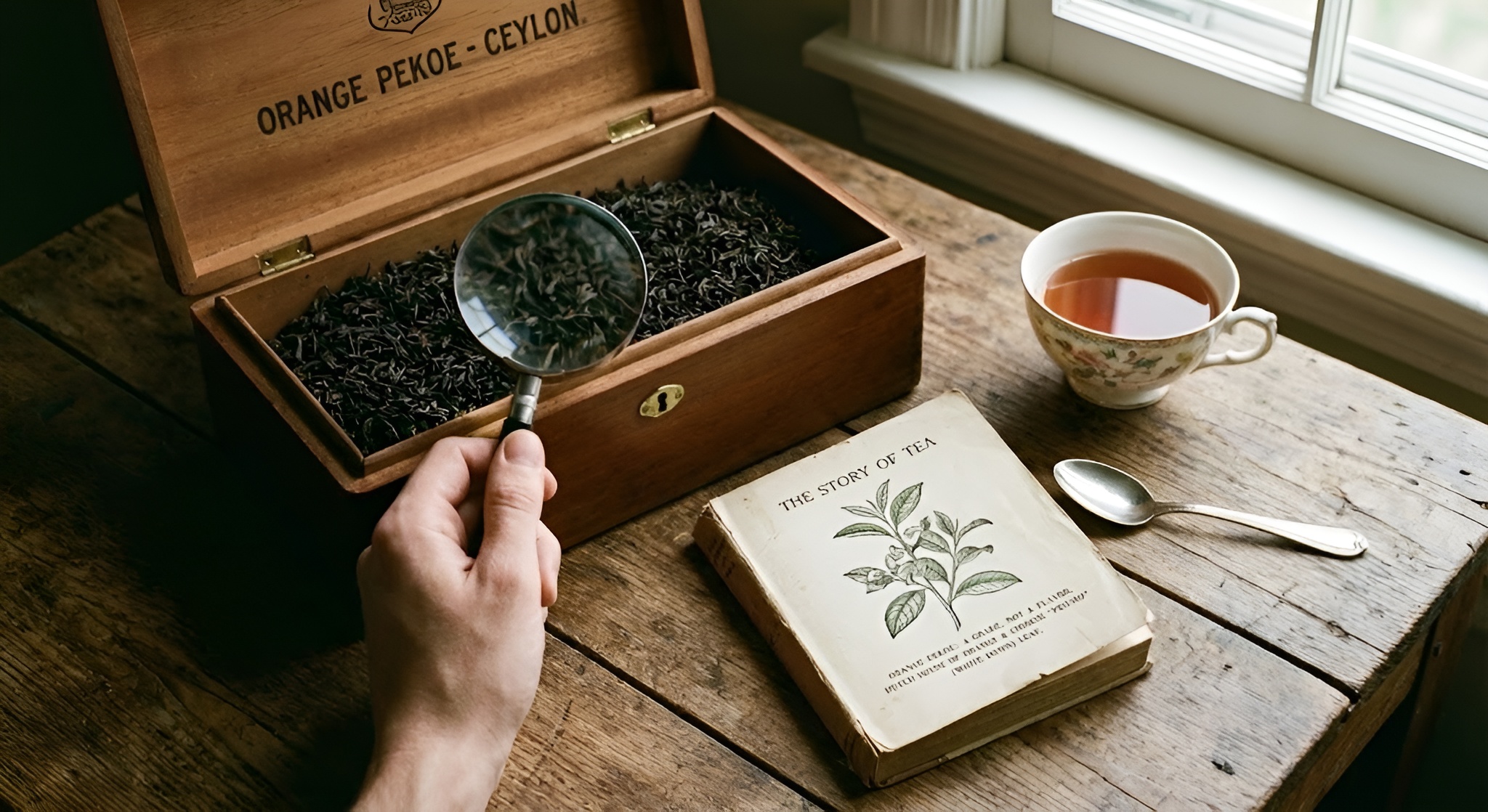
Does Orange Pekoe taste like oranges? Surprisingly, no. We explain the history of the term, how to read tea grades like FTGFOP, and why leaf size matters."
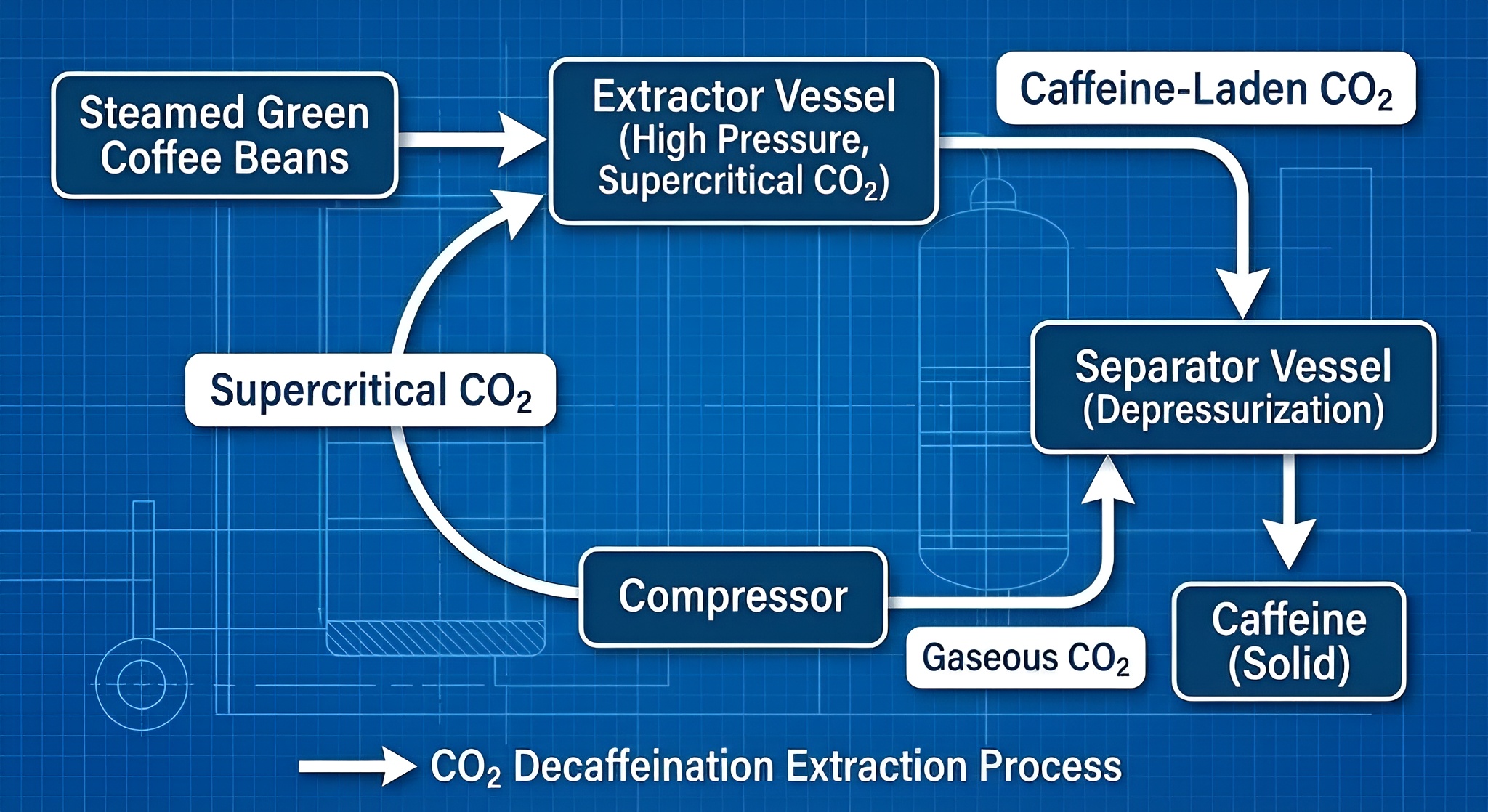
Why does decaf tea taste bad? We explain the 4 methods of decaffeination: CO2 (Best), Methylene Chloride (Common), Ethyl Acetate (Natural?), and why the Swiss Water method fails for tea."
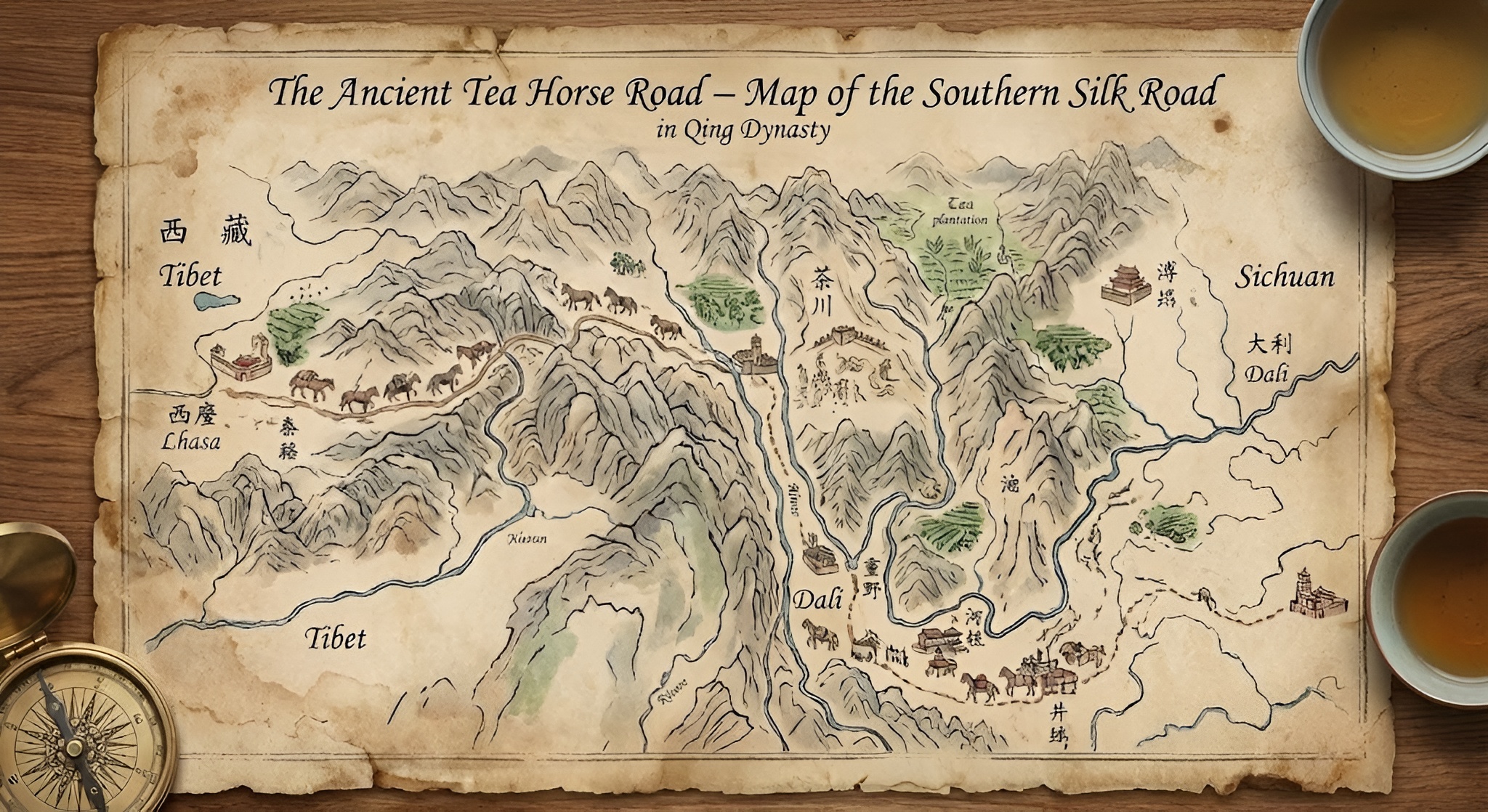
Before the Silk Road, there was the Tea Horse Road. We explore the treacherous ancient trade route that exchanged Chinese Pu-erh for Tibetan war horses."
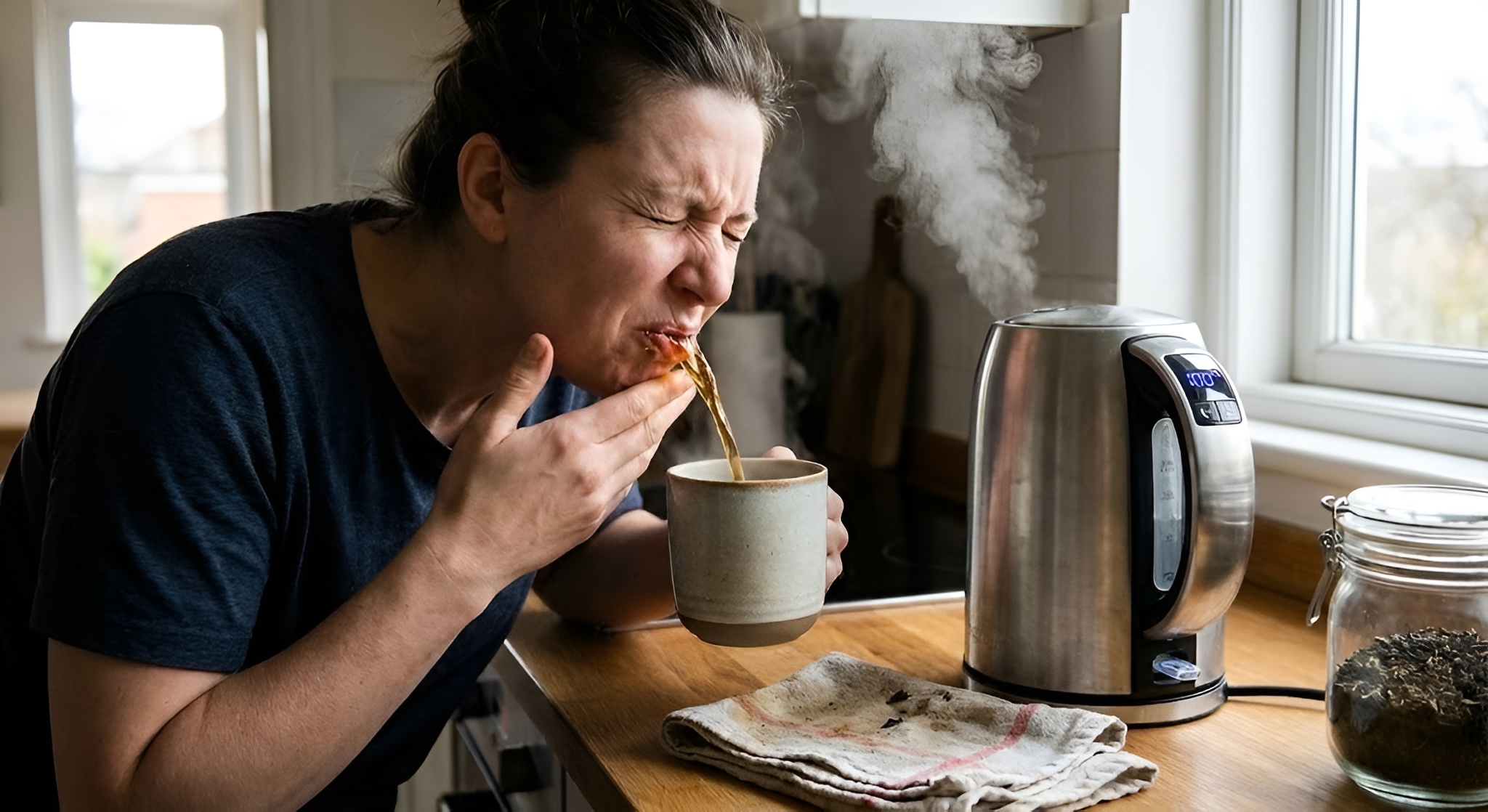
Does your Green Tea taste like battery acid? You are likely burning it. We explain the science of tannins, temperature control, and how to save a bitter cup."
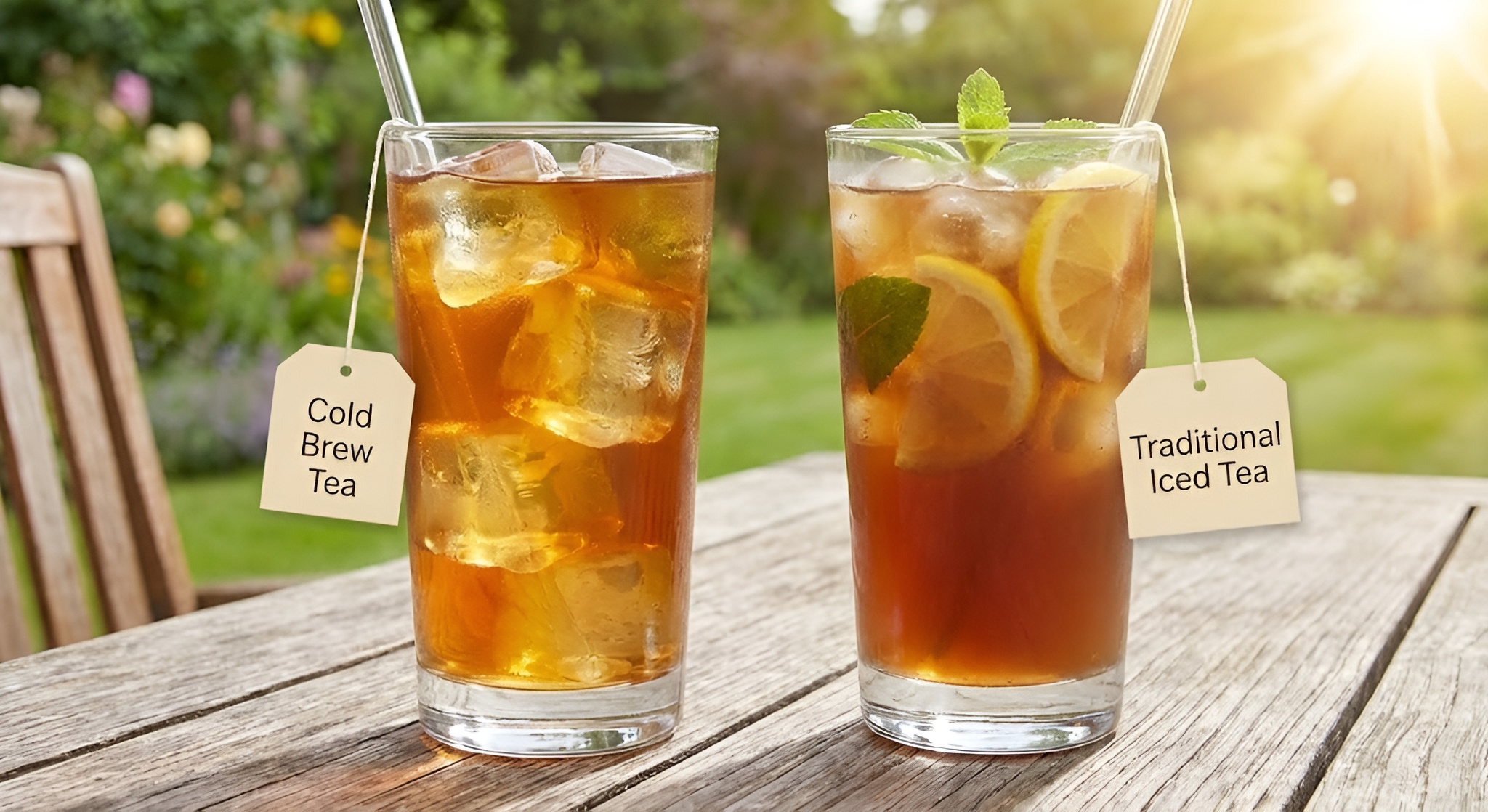
Is Cold Brew just cold tea? No. We analyze the chemical difference between hot extraction (Iced Tea) and cold extraction, focusing on bitterness, caffeine, and cloudiness."

Pouring hot tea over ice makes it bitter and cloudy. We explain the chemistry of 'Cream Down,' why Sun Tea can be dangerous, and how Cold Brew extracts 50% less caffeine."
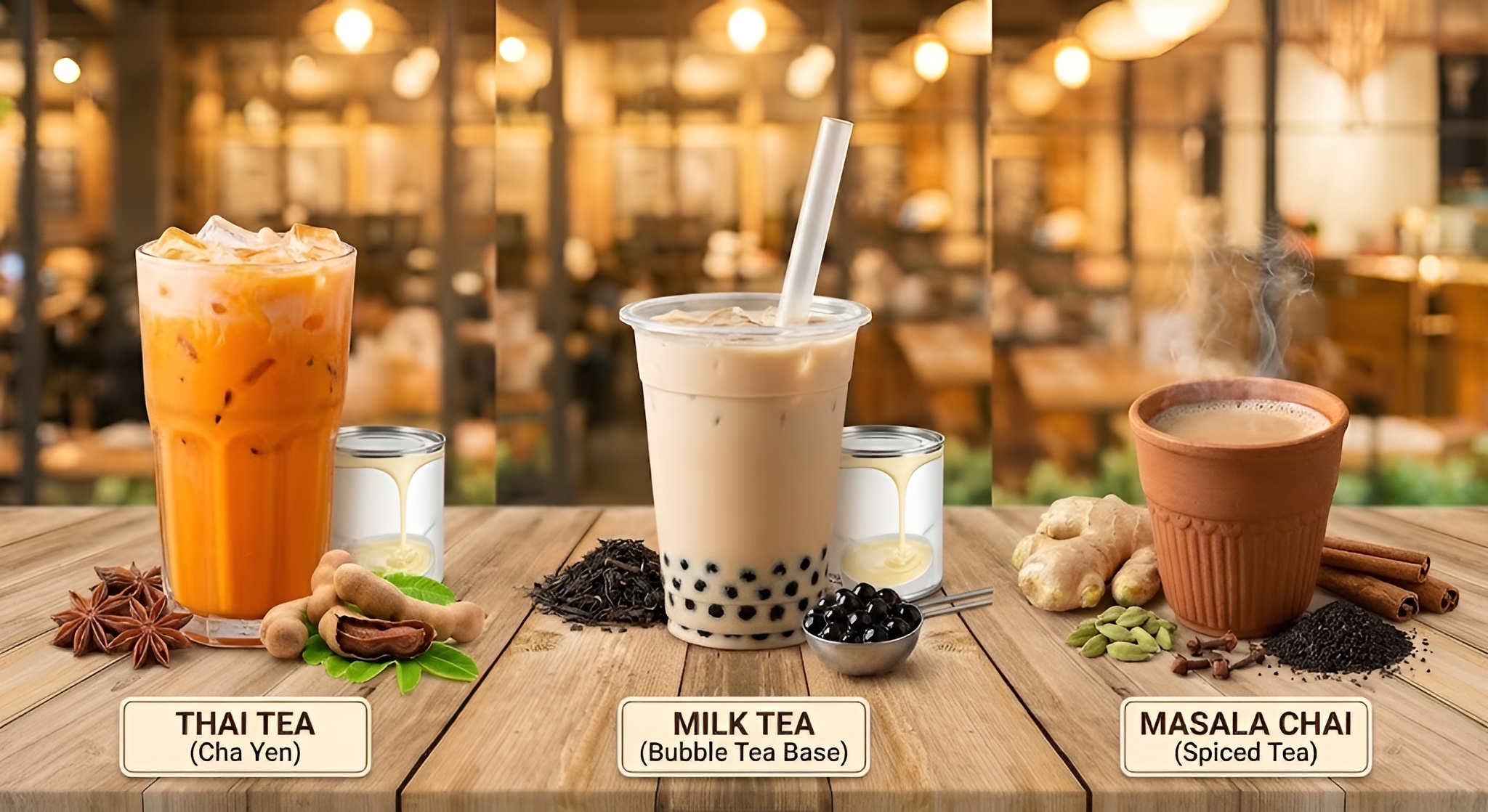
Confused by the menu? We break down the spices, the milk science, and the history of the world's favorite creamy teas.
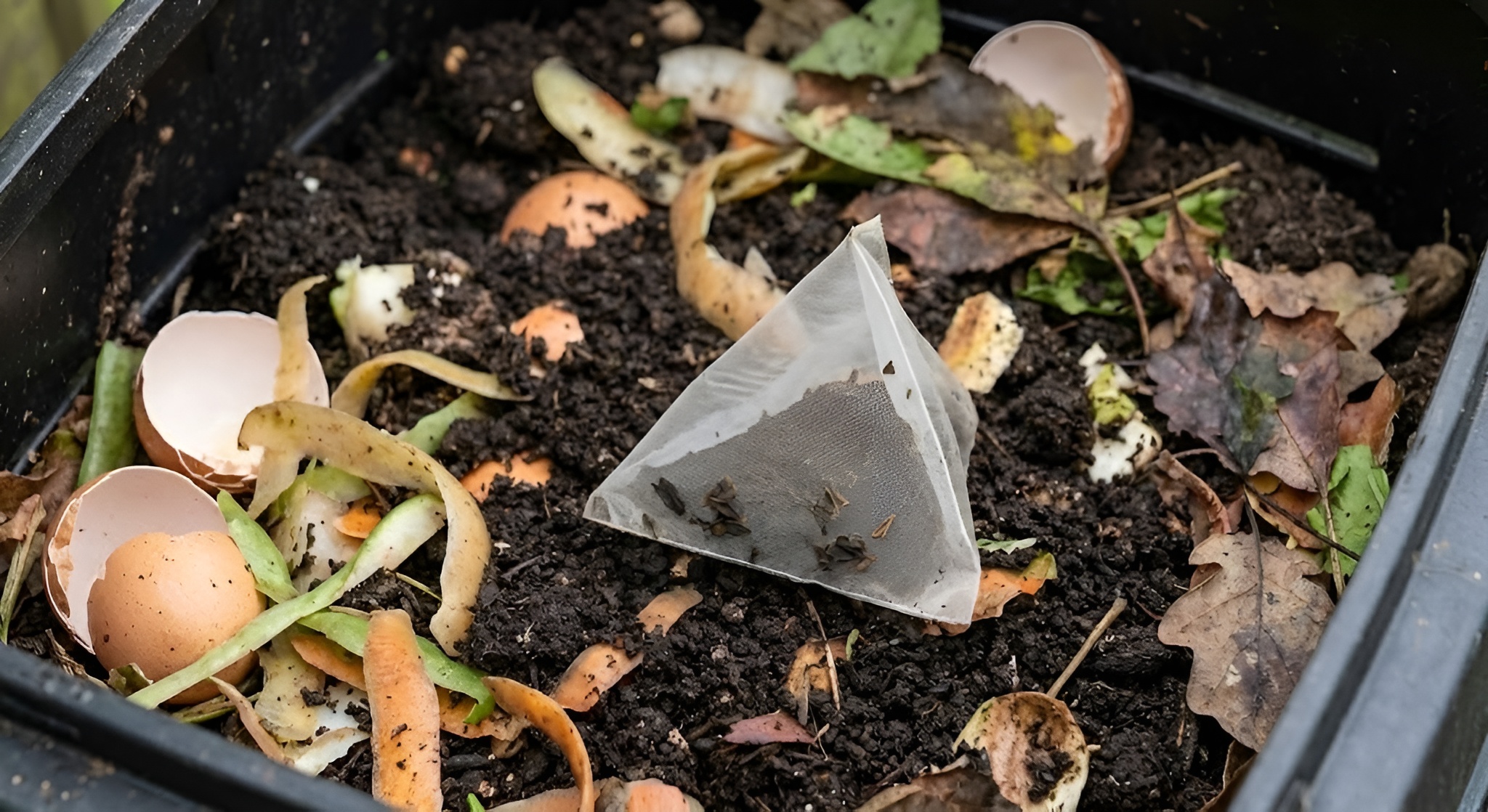
Think your tea bag is eco-friendly? It might still contain plastic. We explain the difference between Biodegradable, Home Compostable, and Industrial PLA mesh."
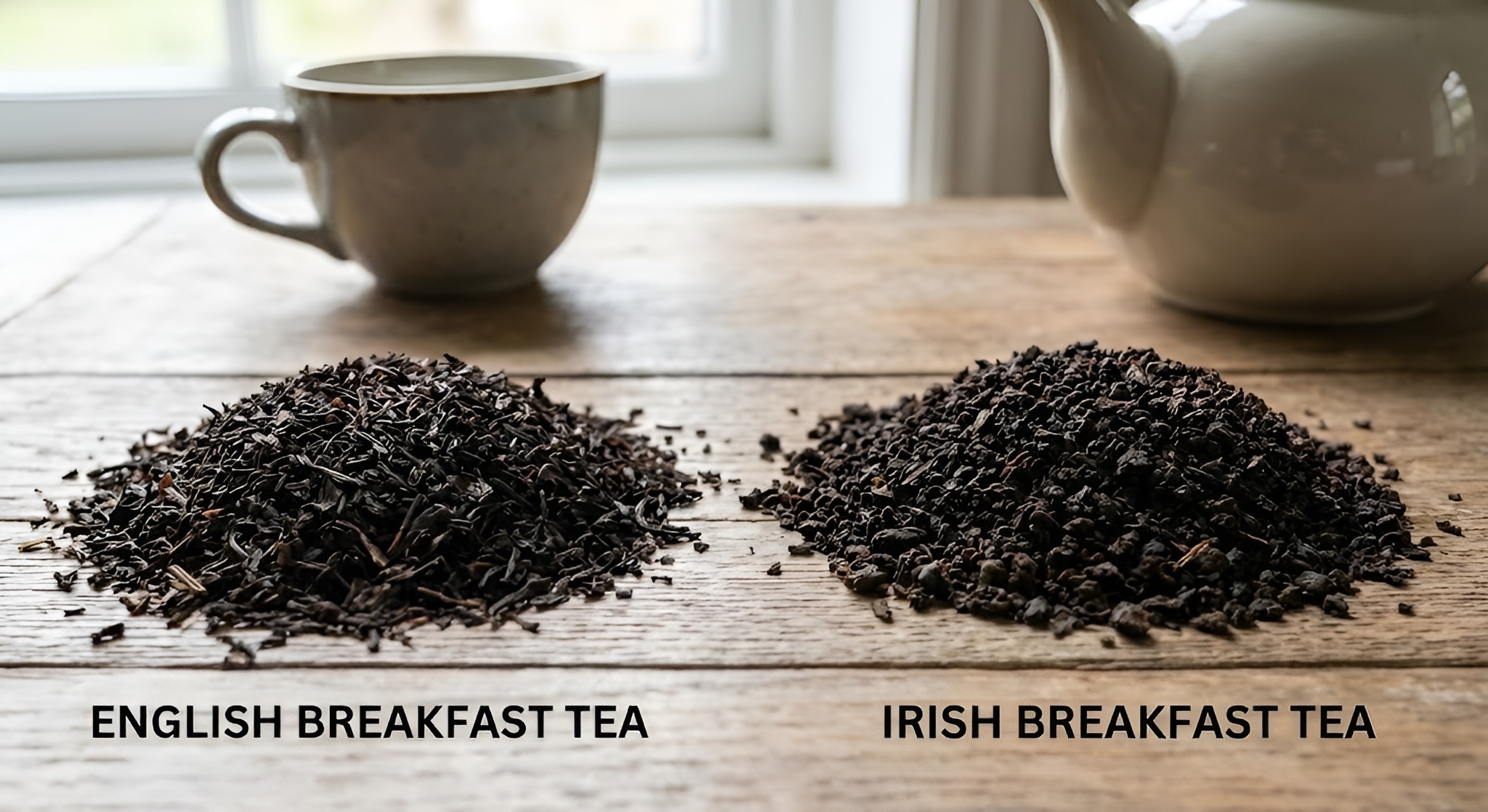
Confused by the breakfast blends? We analyze the difference between English and Irish tea, comparing Assam content, caffeine strength, and which one needs more milk."
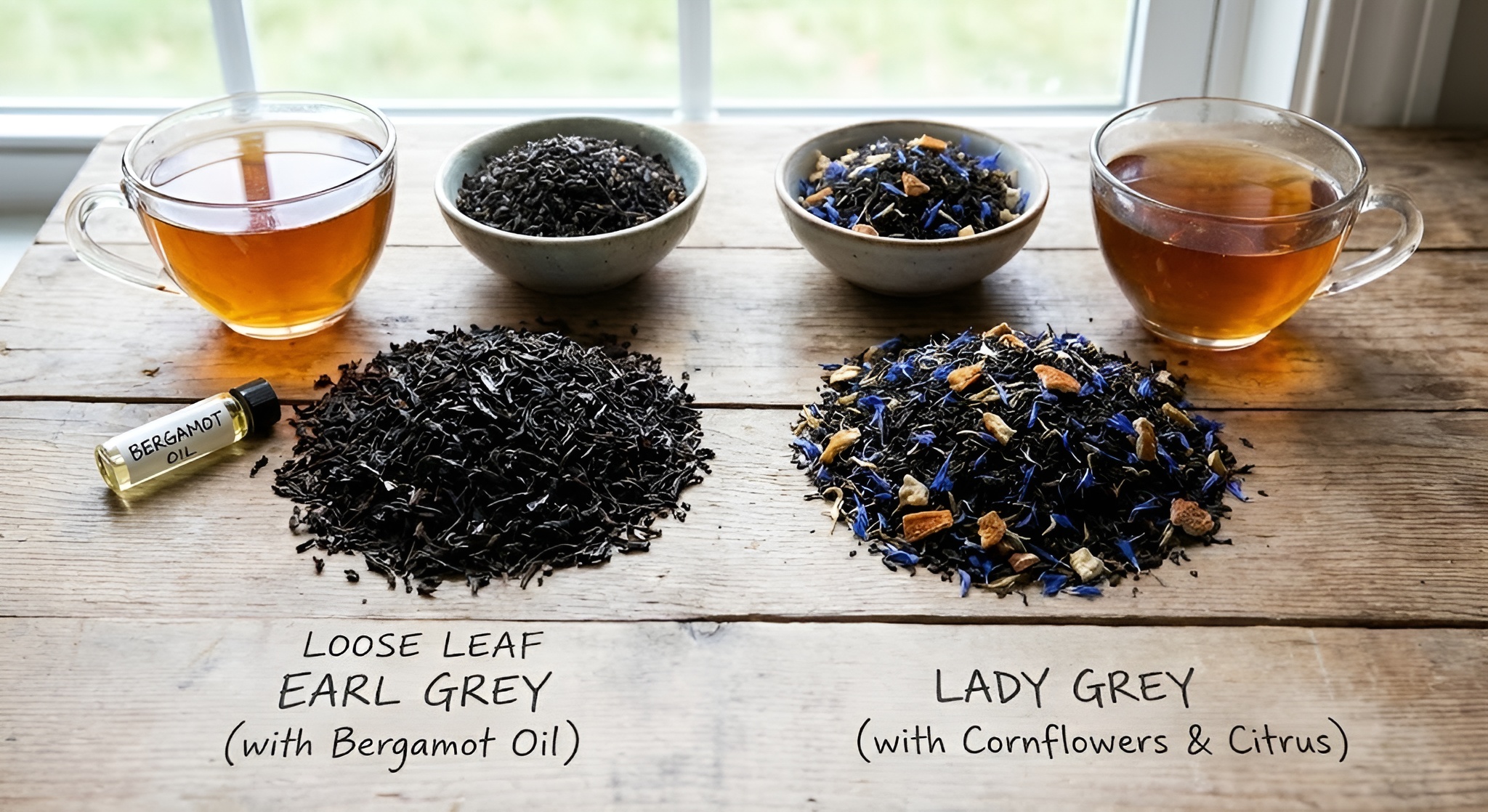
One is bold and bergamot-heavy, the other is soft and zesty. We compare the ingredients, caffeine, and flavor profiles of Earl Grey and Lady Grey tea."

Learn to decode the alphabet soup (FTGFOP!) and understand what tea grades really mean.

Your guide to the vibrant green tea powder, from how it's made to ceremonial vs. culinary grades.

Explore the world of caffeine-free infusions like chamomile, peppermint, ginger, and hibiscus.
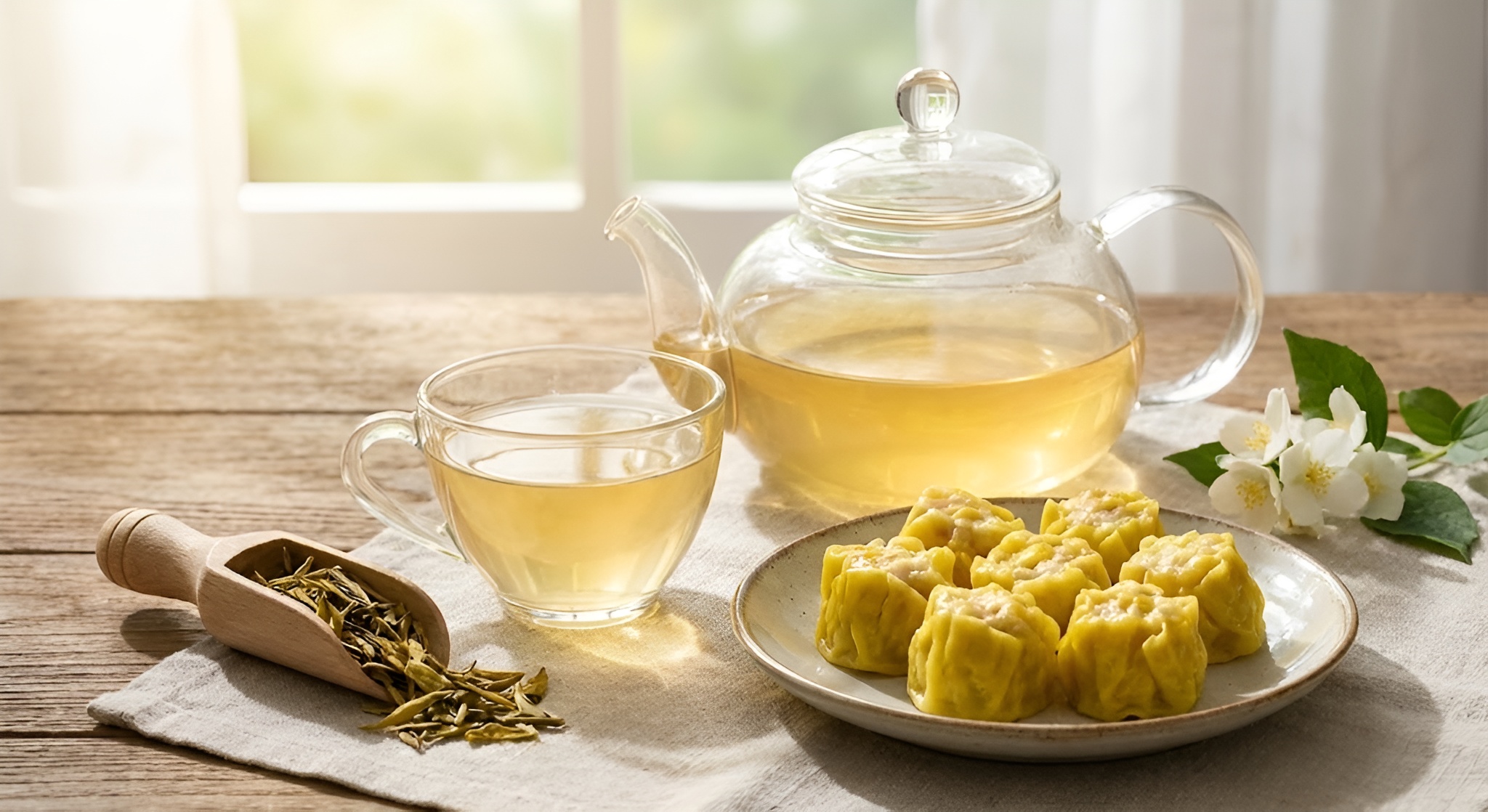
It's not Green, it's not Oolong. Meet Yellow Tea: the endangered 'Emperor's Choice' that cures the bitterness of green tea. Discover the secret 'Sealing Yellow' process.

Discover the most complex tea category, from the light and floral "Green Oolongs" to dark and roasty "Rock Oolongs".
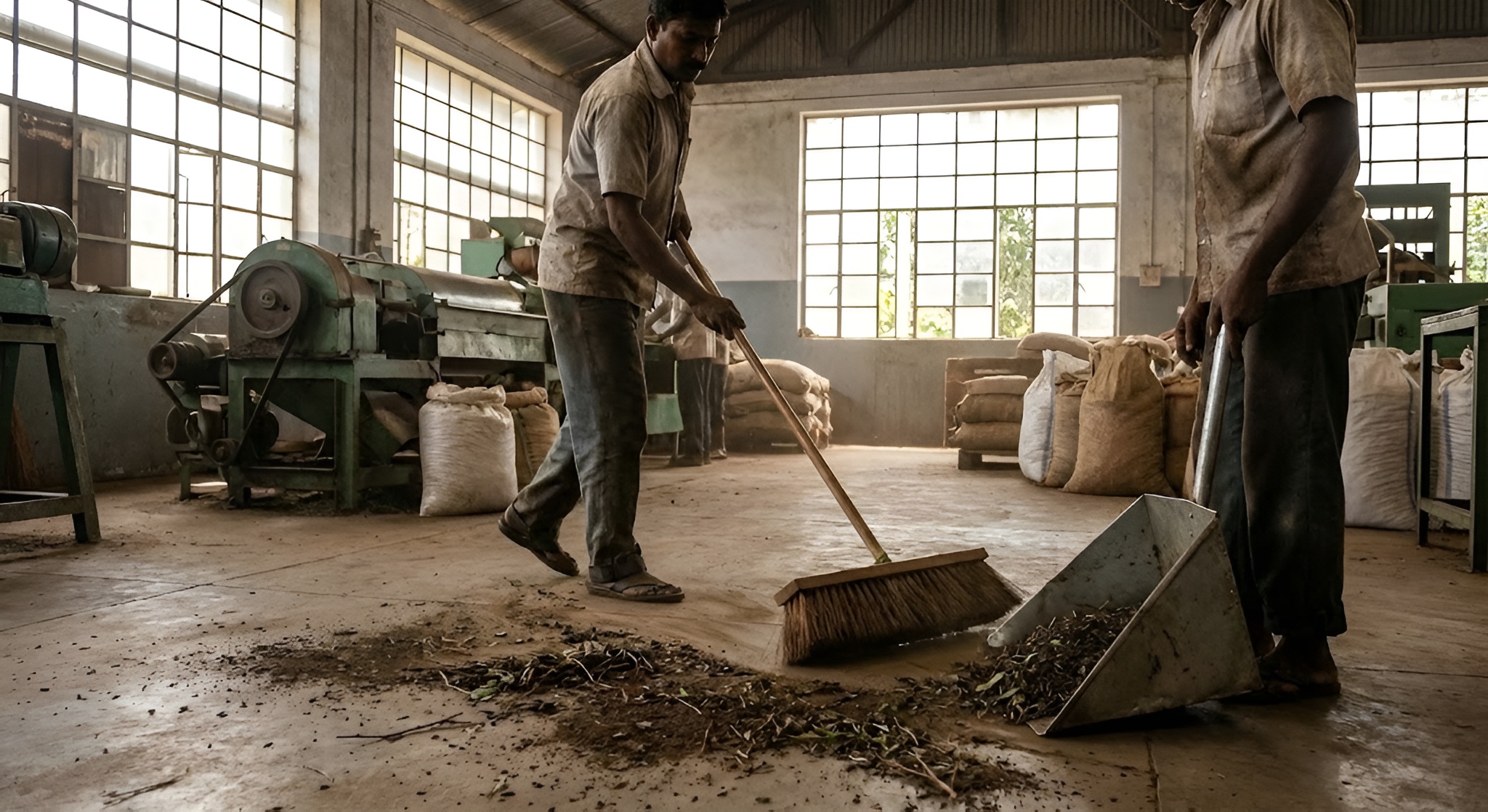
Tea snobs say tea bags are just factory waste. We debunk the myth, explain the CTC manufacturing process, and reveal why 'Dust' is actually a premium grade for strong tea.
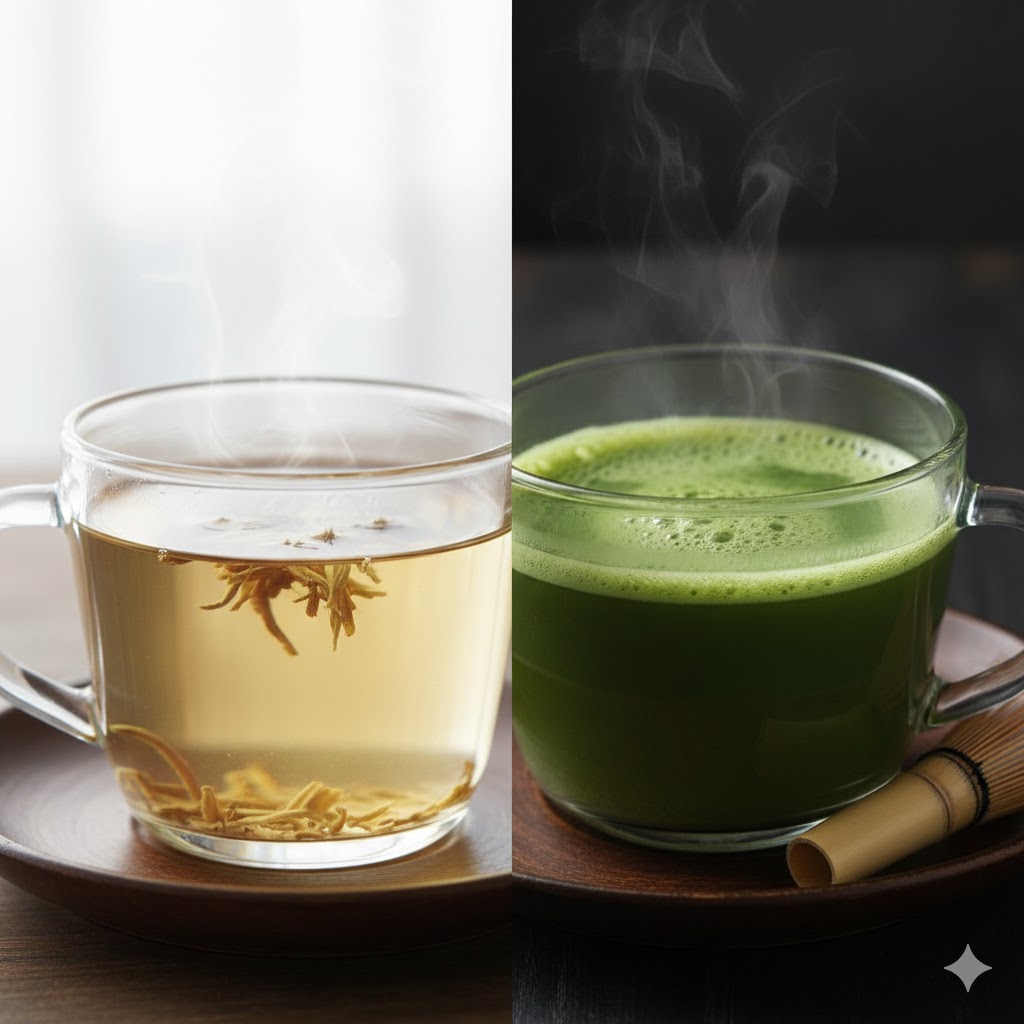
While both beverages originate from the same botanical source, their therapeutic trajectories diverge sharply at the moment of harvest.
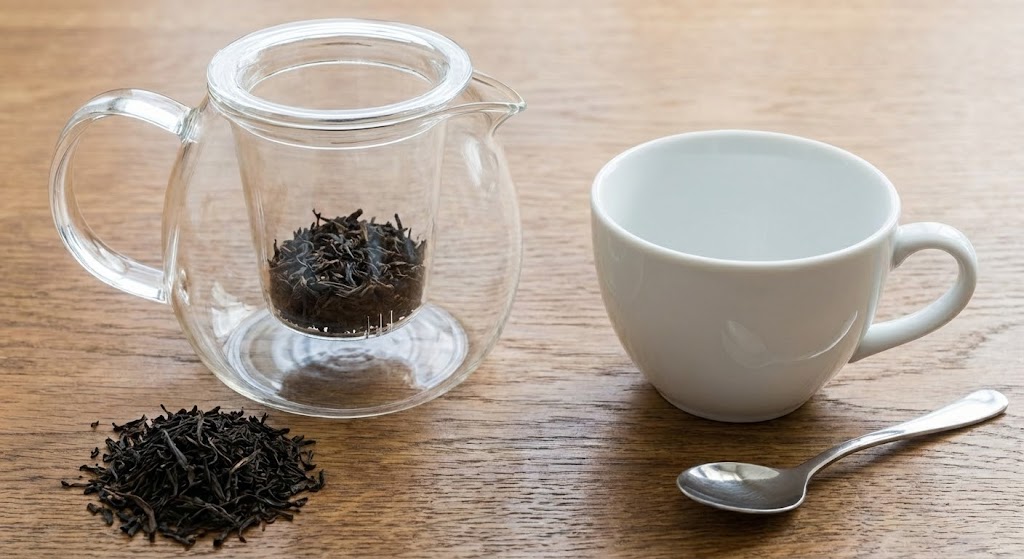
Finding the right tea for you can be tricky and daunting task - yet alone some of the kit that goes with it! Explore more here to find out what's worth it, and what isn't.
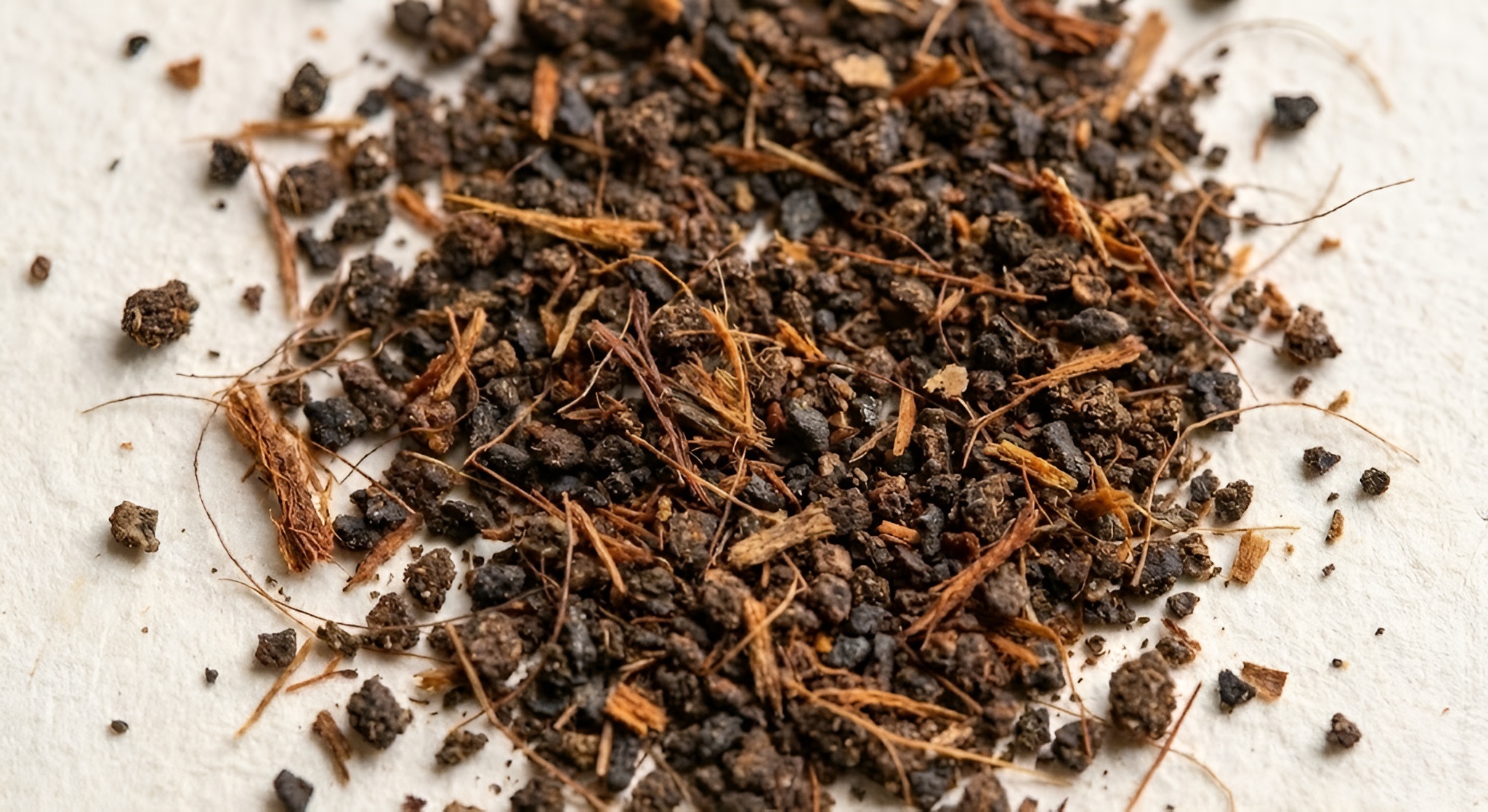
It looks like copper wire or plastic, but it's a sign of cheap manufacturing. The definitive guide to Tea Fibre.
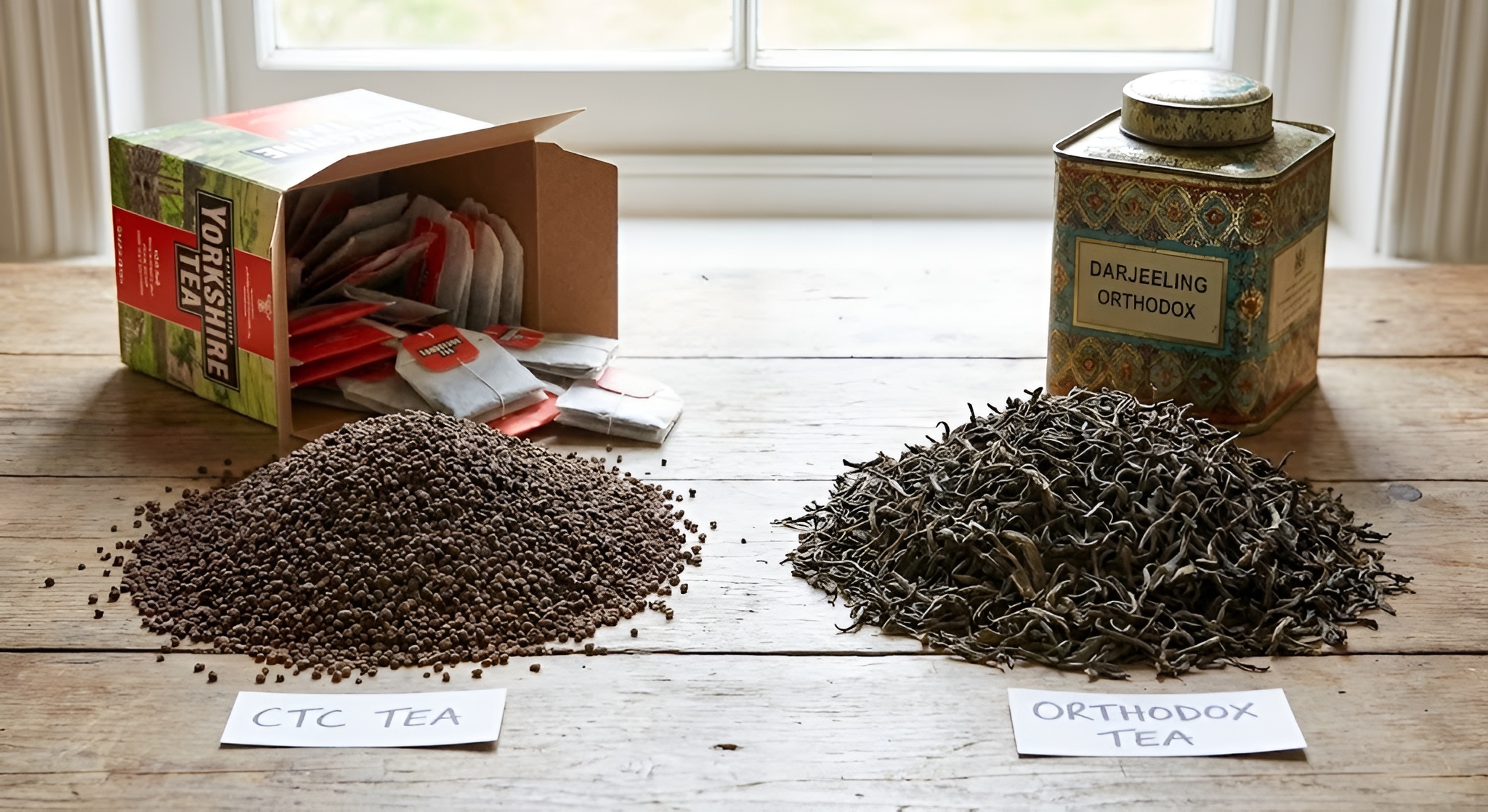
Is loose leaf tea really better? We analyze the cost per cup, the microplastic risk in tea bags, and why 'Dust' grade tea tastes bitter. The ultimate guide to switching.
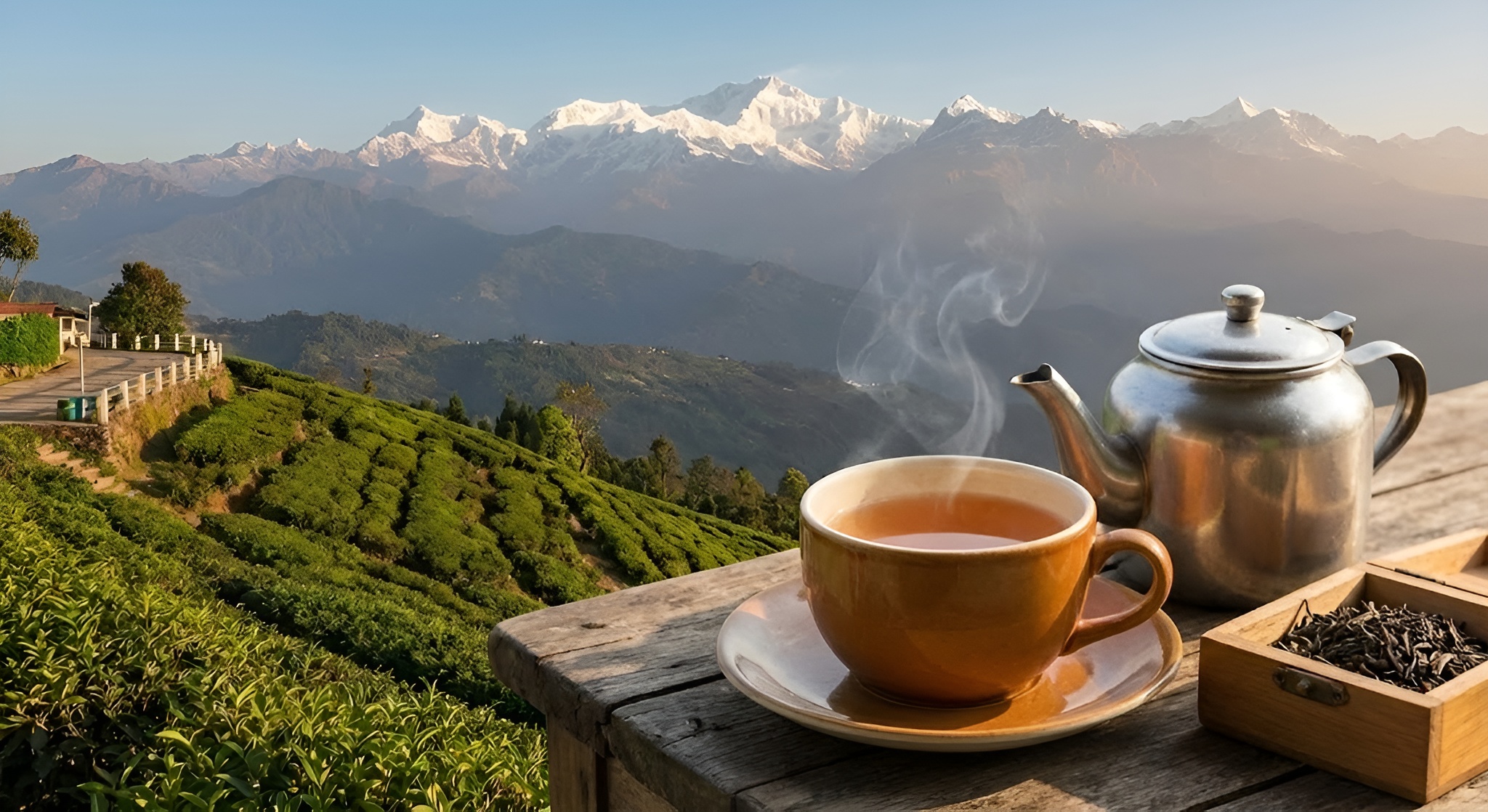
Finding the right Darjeeling for you can be tricky and daunting task - yet alone some of the kit that goes with it! Explore more here to find out what's worth it, and what isn't.
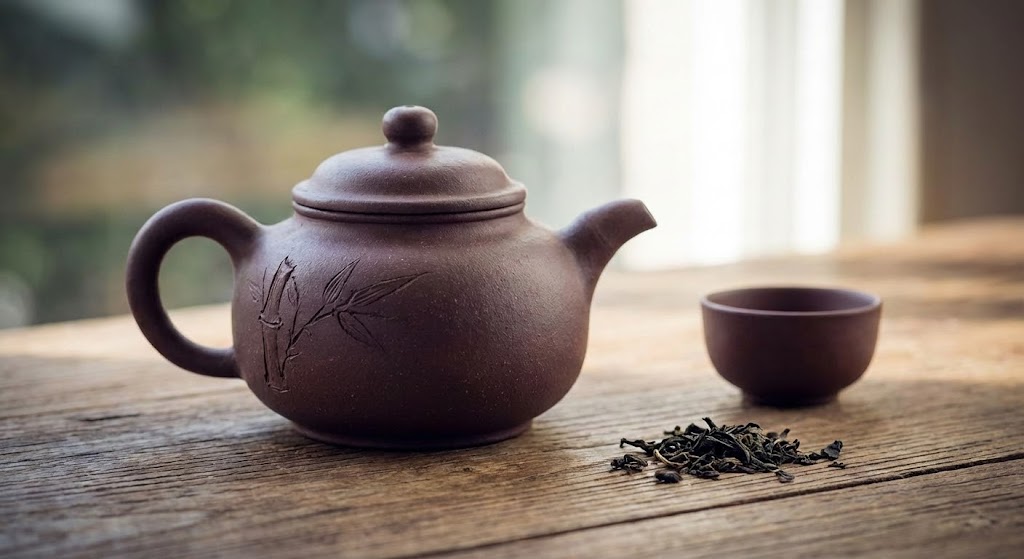
Finding the right Teapot for you can be tricky and daunting task - yet alone some of the kit that goes with it! Explore more here to find out what's worth it, and what isn't.
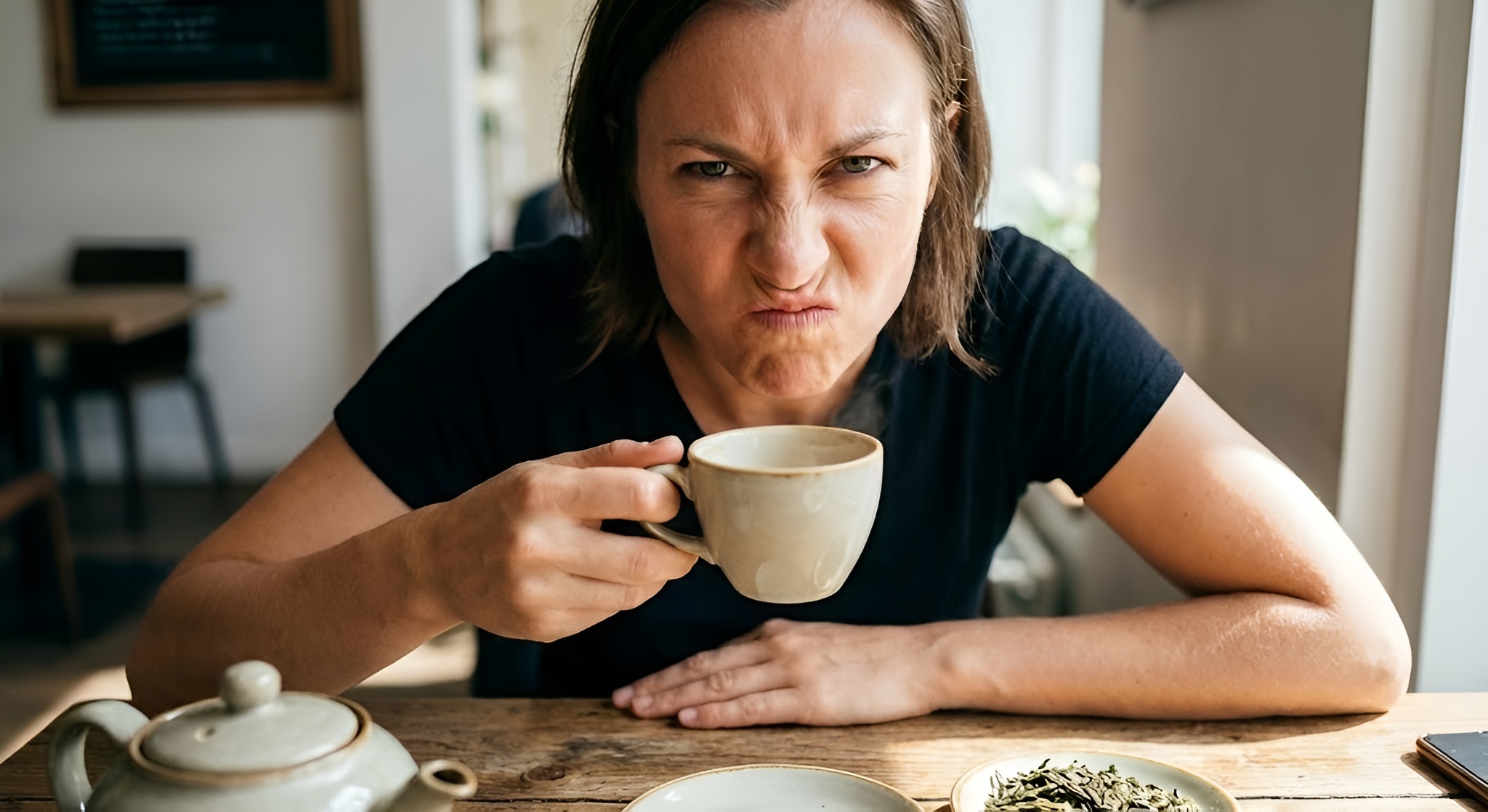
Does your green tea taste like grass or chemicals? You are burning it. Learn the science of EGCG extraction, the perfect temperature for Sencha, and how to save a bitter cup.
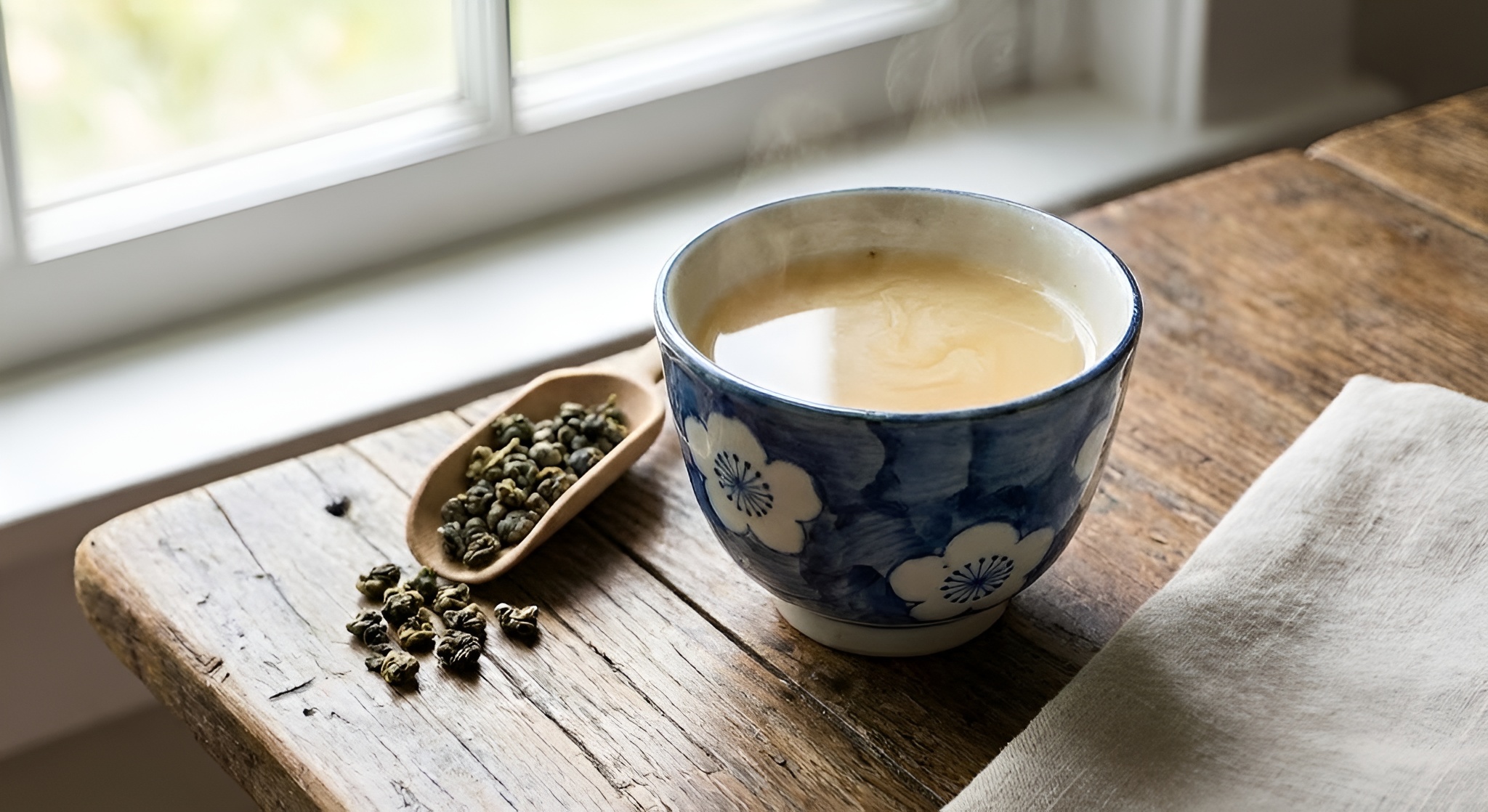
Finding the right Oolong for you can be tricky and daunting task - yet alone some of the kit that goes with it! Explore more here to find out what's worth it, and what isn't.
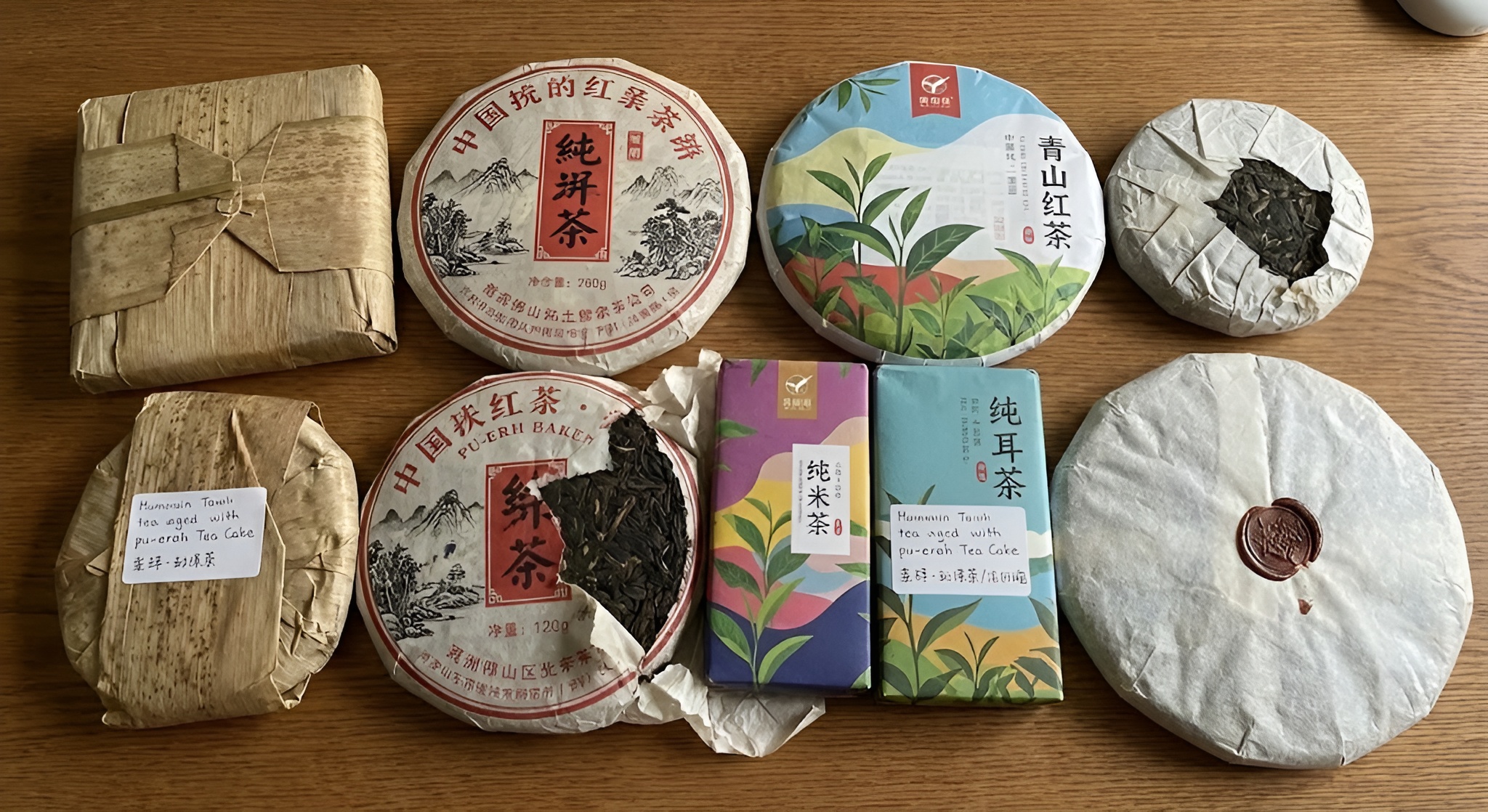
Finding the right Pu-erh for you can be tricky and daunting task - the market is also littered with fakes! Learn the secrets behind the correct wrappers.
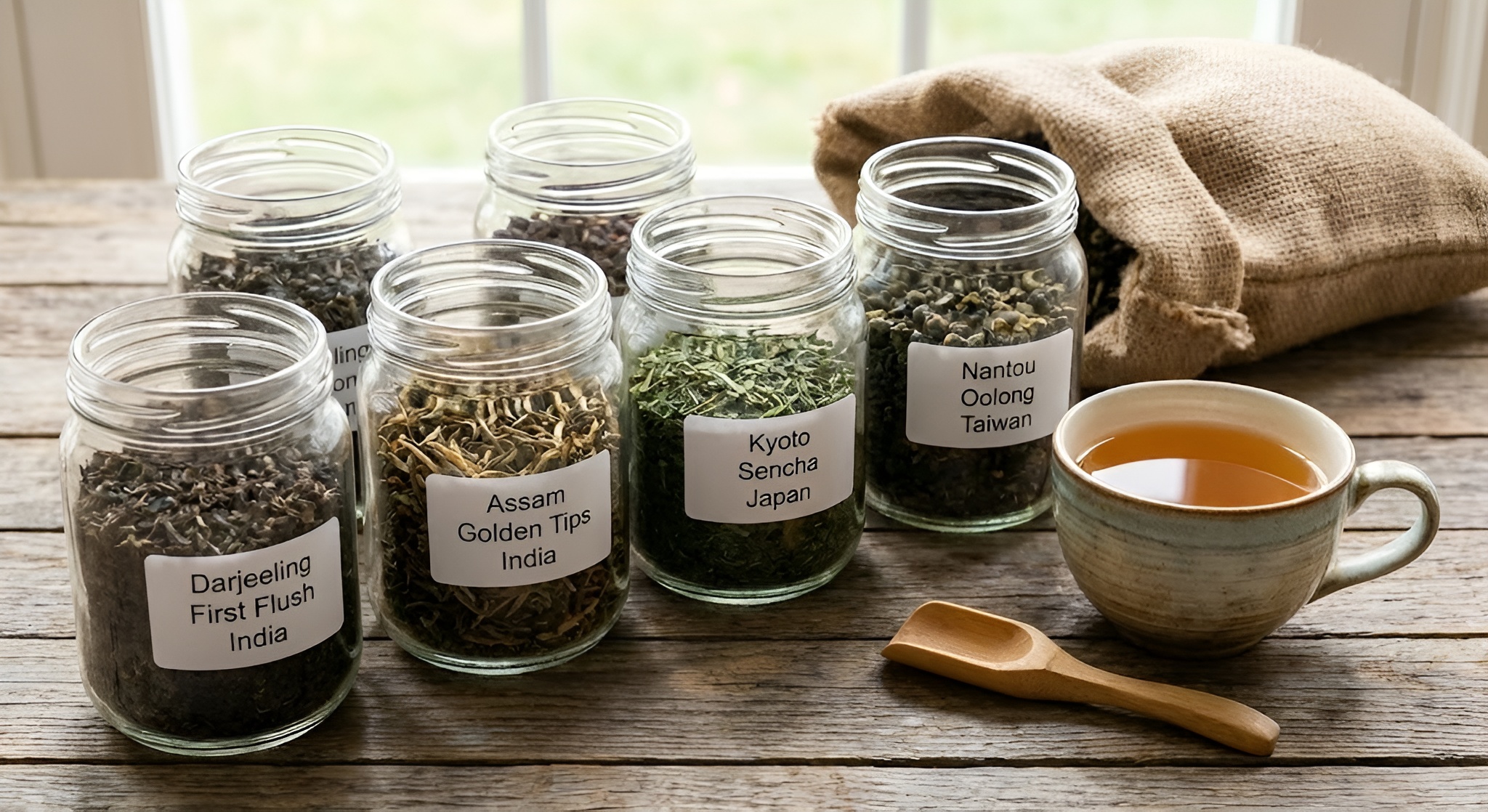
The worlds taste is developing and blended teas are becoming less desirable, and in its' place - single origin. So what does this mea? Read more here.
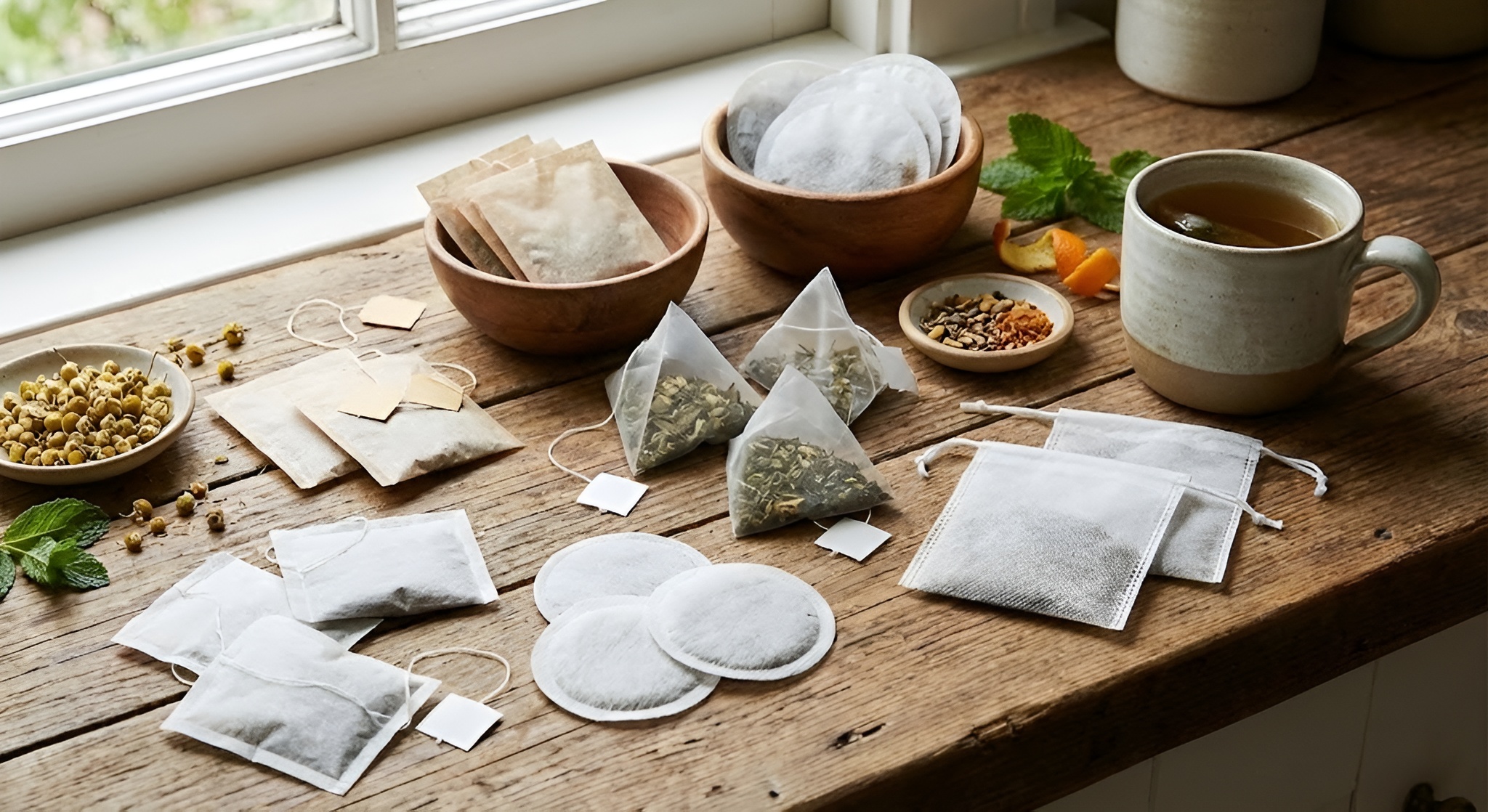
Pyramid, pillow, double-chamber, circle, square - the tea bag options go on and on. But what is the difference and does it change the taste of your tea?
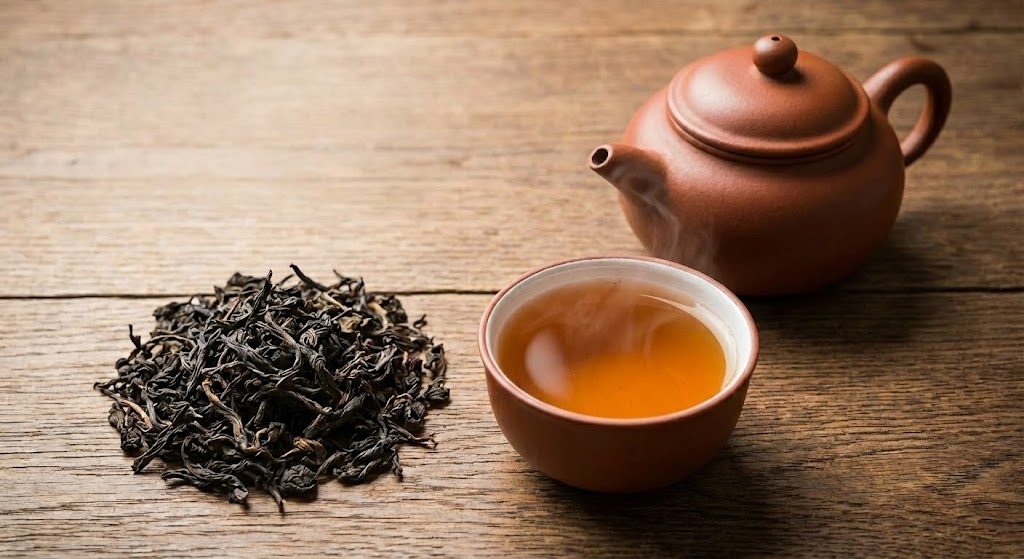
Ever wondered how Duck Shit Tea got its' name, what it tastes like, how it's made, where it comes from and so much more? Read on!
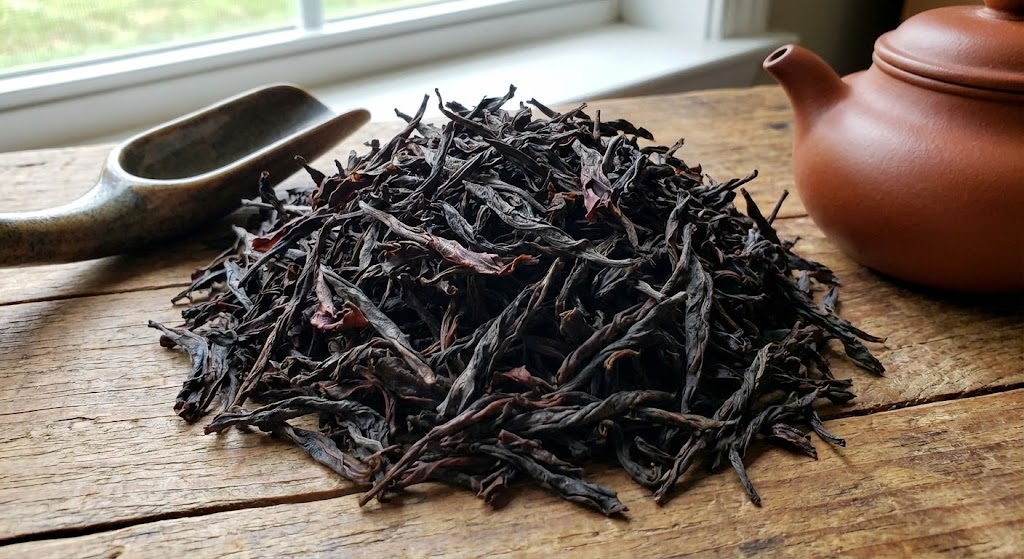
Nestled among some of the most expensive teas in the world is Da Hong Pao, ortherwise known as "Big Red Robe". So what is it, why's it so expensive and how did a red robe come into play?
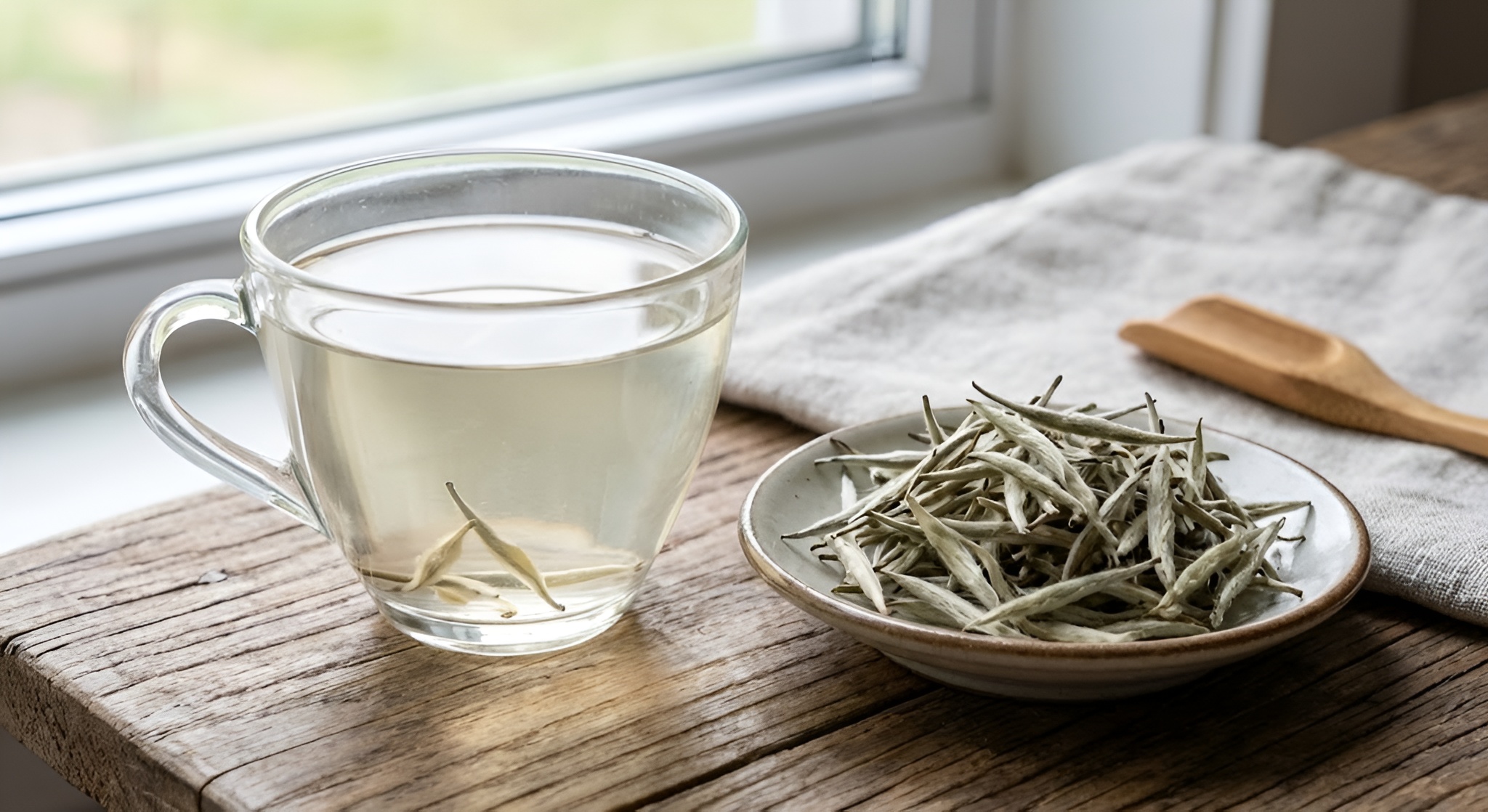
Why is Silver Needle the most prized white tea? We explore the single-bud plucking standard, the hairy trichomes (tea fuzz), and the delicate cucumber-melon flavor profile.
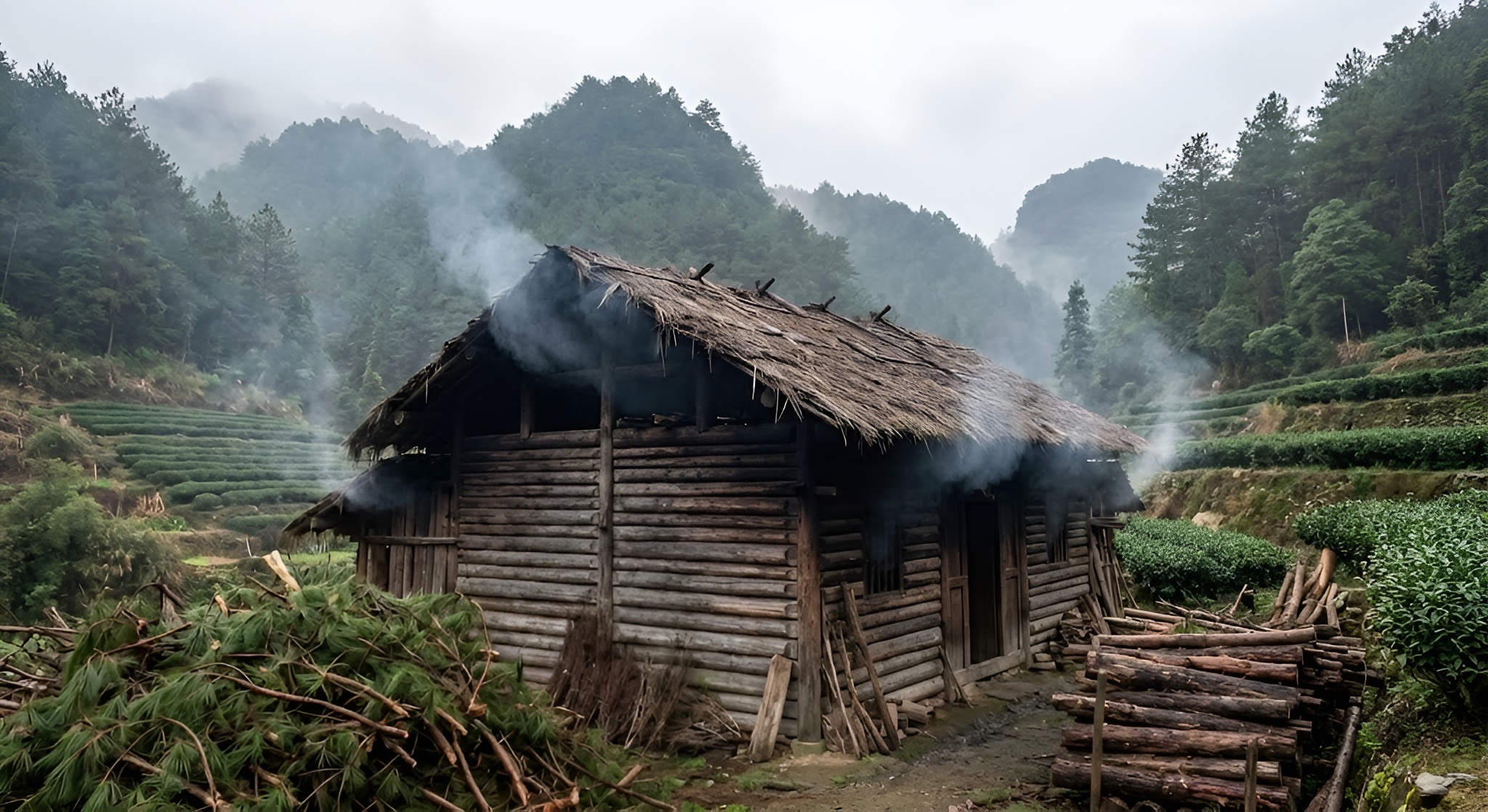
Did a passing army invent smoked tea? We explore the legend of Lapsang Souchong, the pine-smoking process, and the difference between Western and Chinese styles.
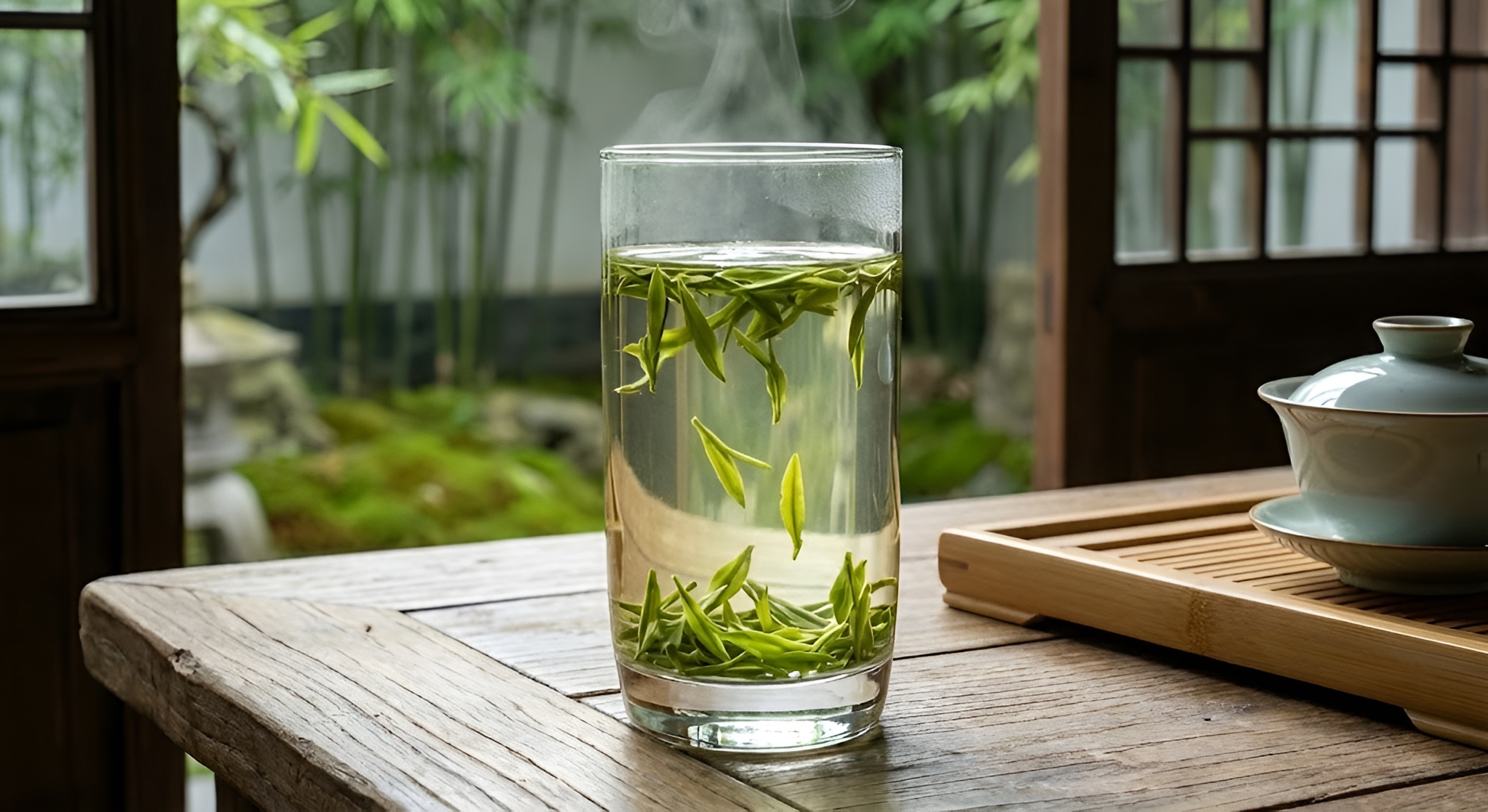
Buying Dragon Well? Don't be fooled by bright green leaves. We explain the '4 Criteria' of authentic Longjing and the difference between Xihu and Zhejiang grades.
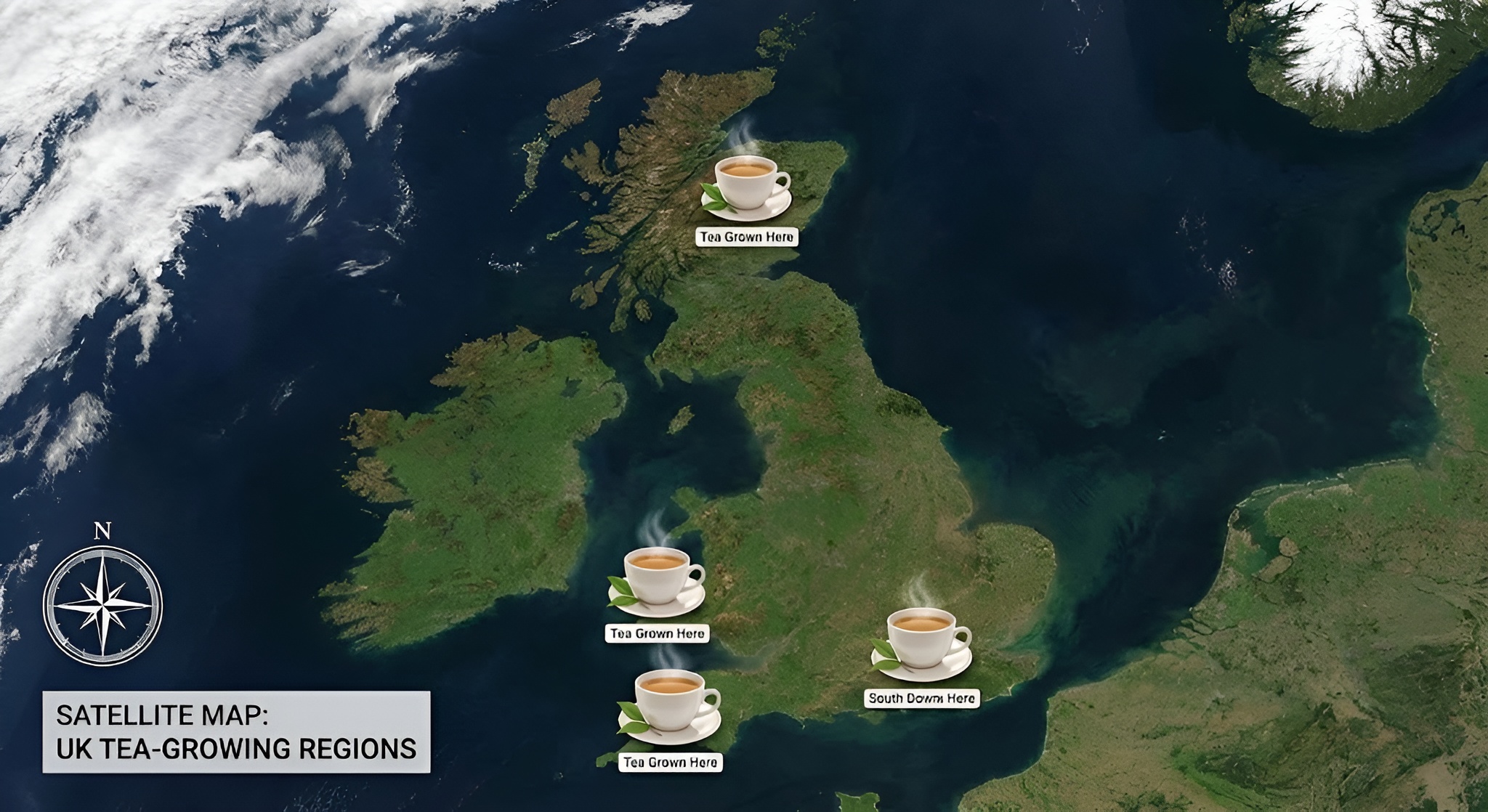
Forget India and China. From Cornish estates to Scottish gardens, find out how they've done it and is it actually good tea?.
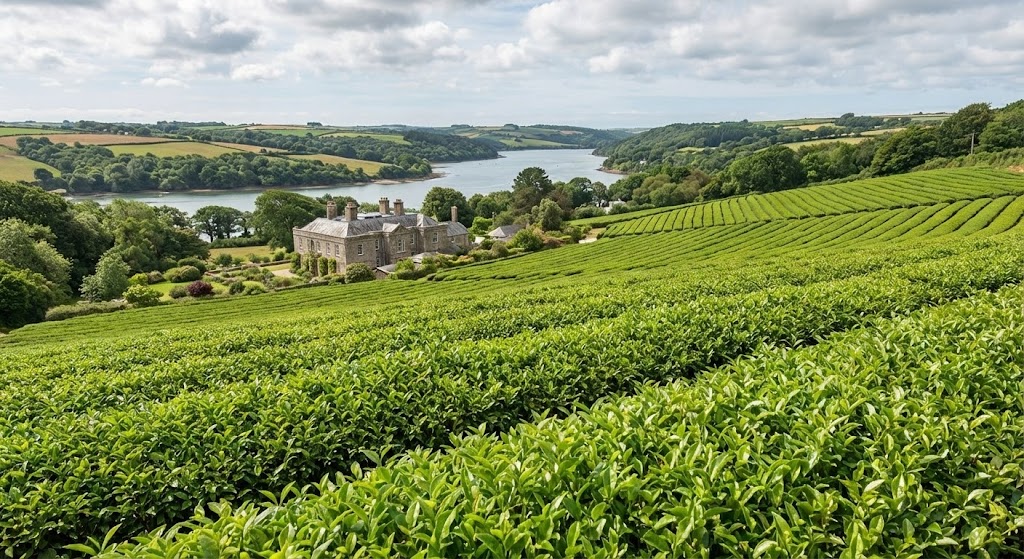
It started as an experiment in 1999. Now, Cornish-grown tea is sold to China. We explore the estate that changed everything.
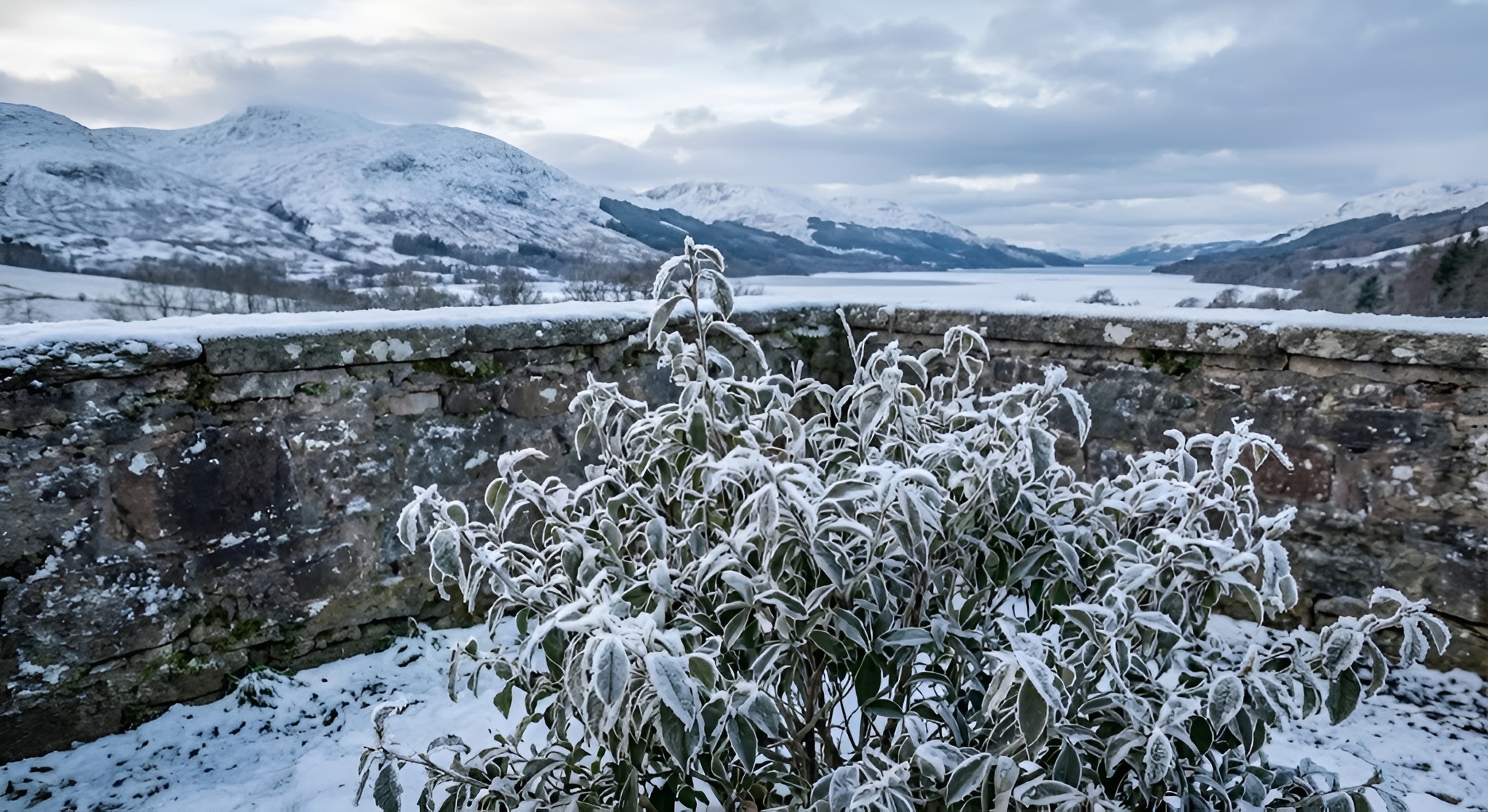
It defies logic. Yet, nine walled gardens in Scotland are producing tea that rivals the best of Darjeeling. We explain the science of "Stress Growing."
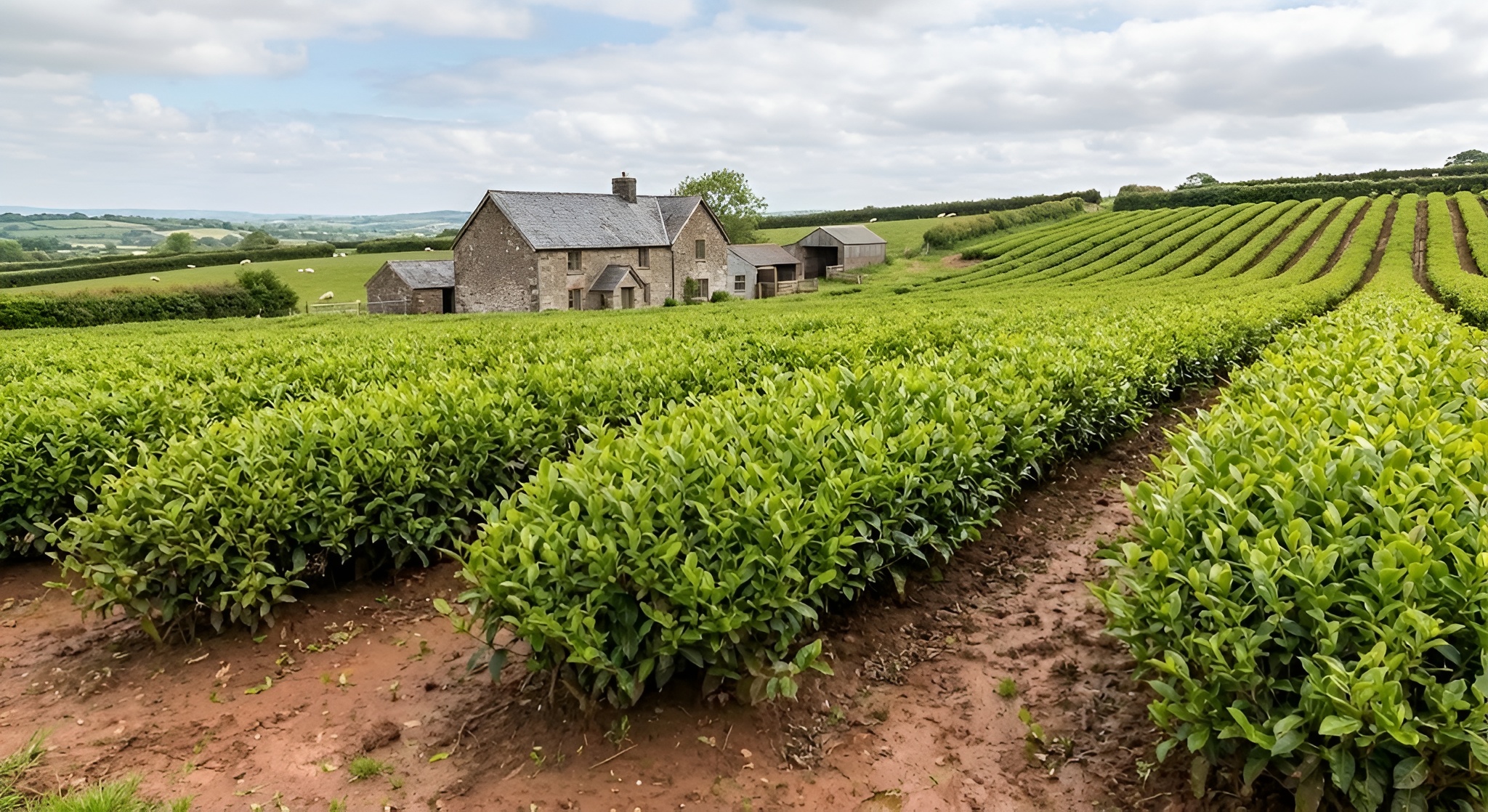
A dragon in the cup. How the Welsh climate is producing award-winning single estate black tea with notes of berries and honey.
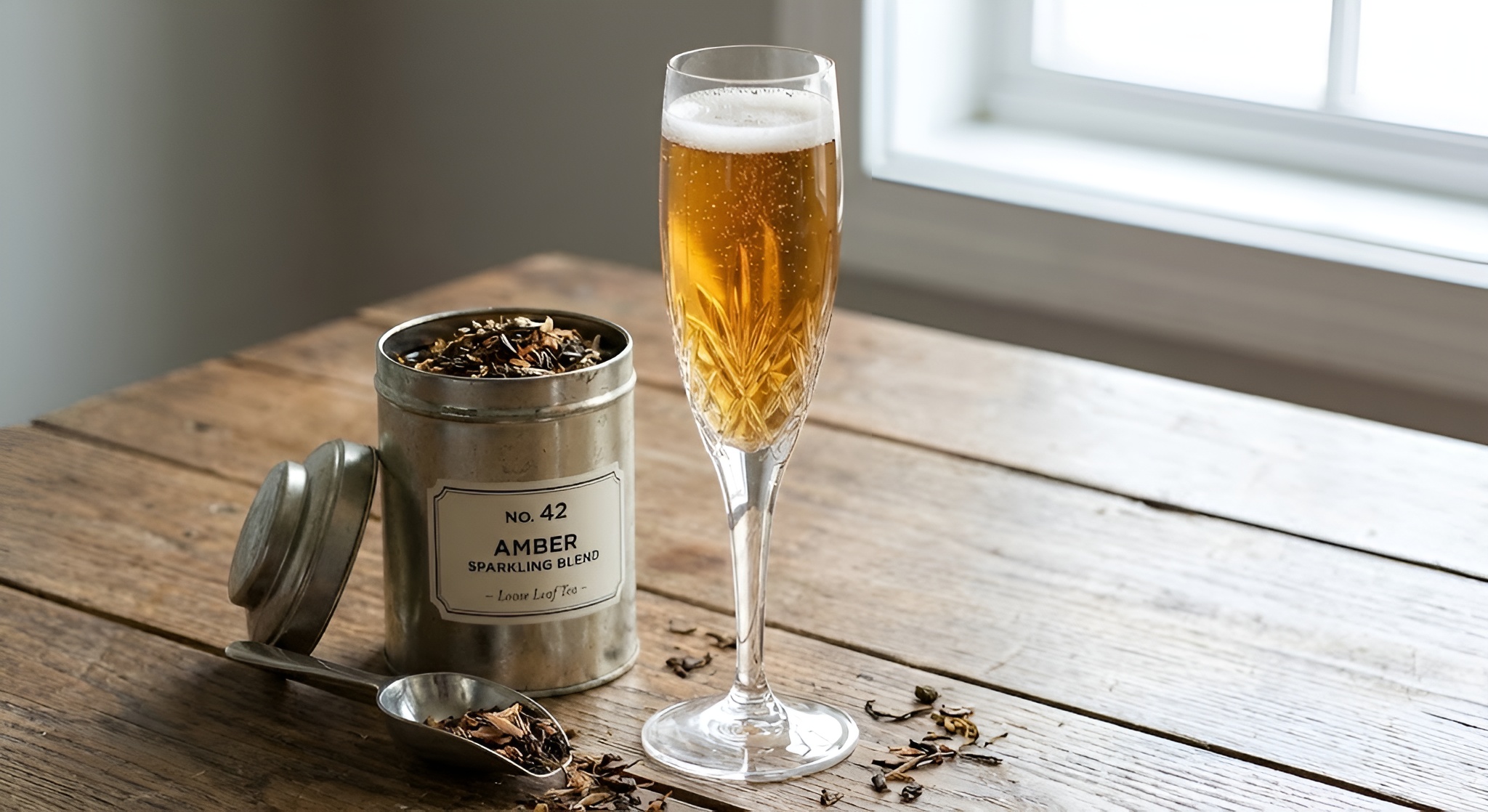
It's not just fizzy tea. Discover the science of carbonation, acidity, and why it's the ultimate alcohol-free wine alternative.
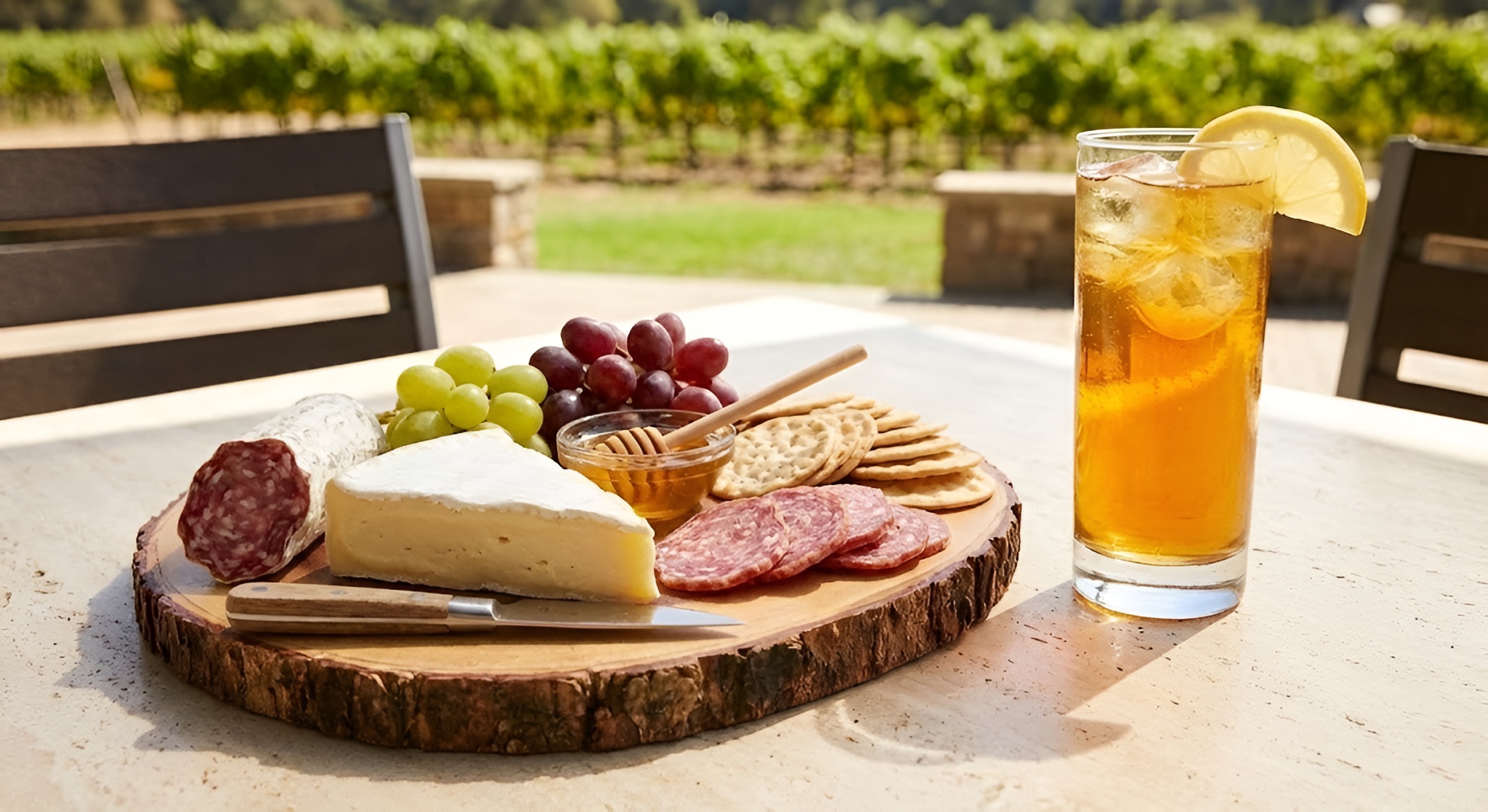
From Oysters to Steak. We explain the molecular science of pairing carbonated tea with cheese and charcuterie.
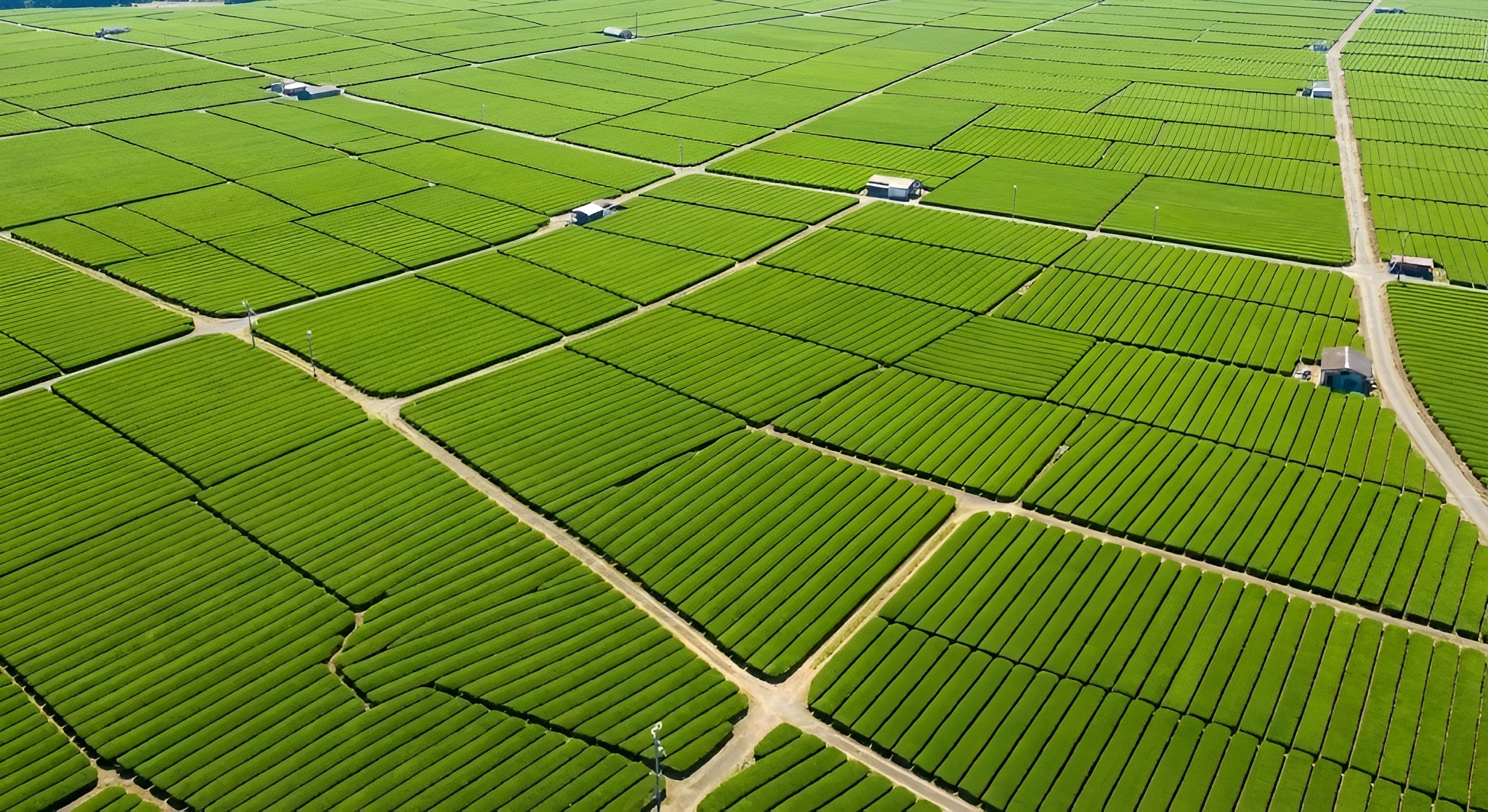
The Last Samurai didn't die; they became tea farmers. Discover how they conquered the Makinohara Plateau by inventing Deep Steam.
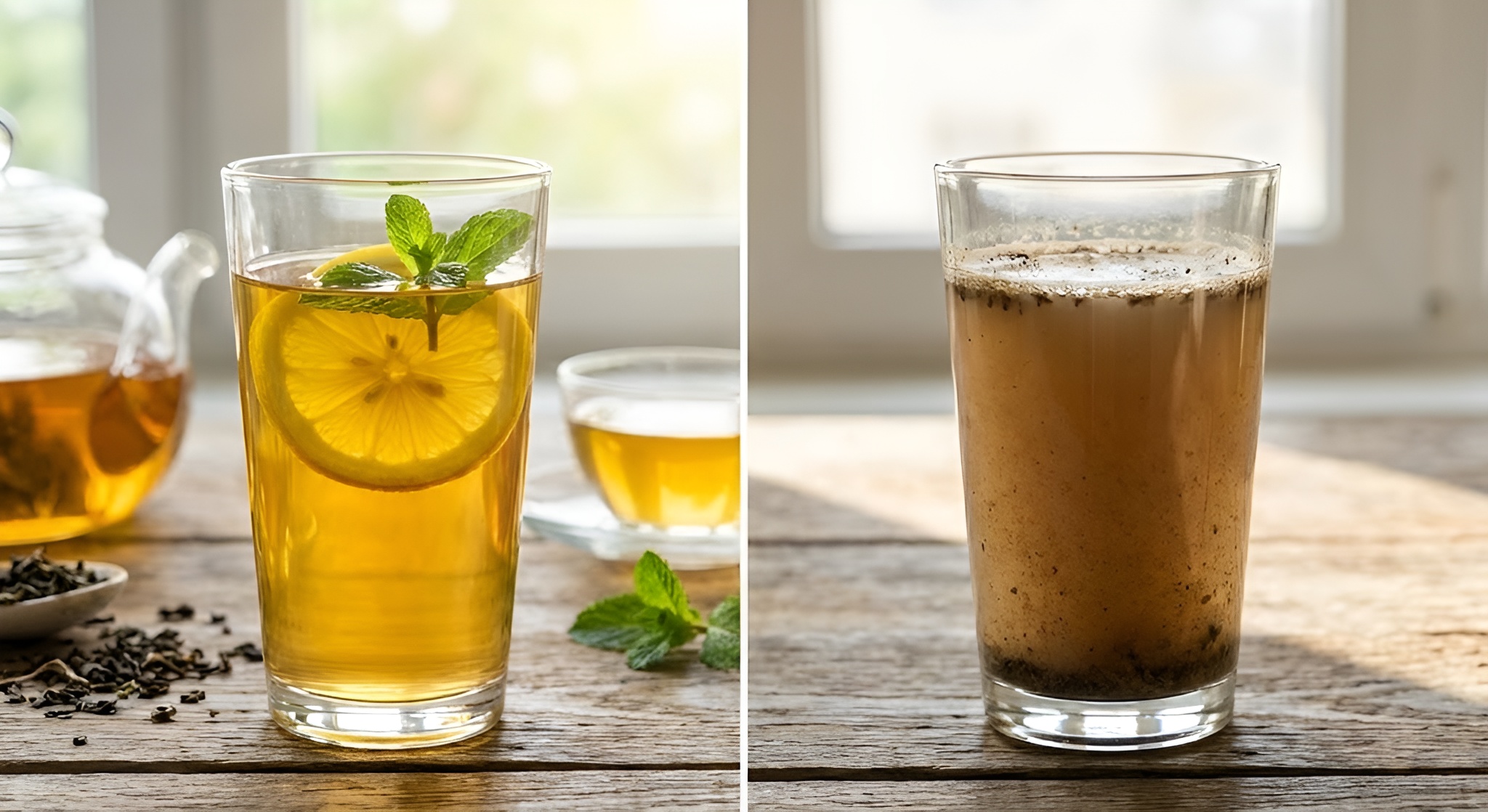
It's called 'Cream Down'. We explain the chemistry of caffeine-polyphenol bonding and how to brew crystal clear tea every time.

It sounds wrong, but it tastes like cheesecake. We break down the confusing world of Bubble Tea, from 'Salty Cheese' to exploding pearls.
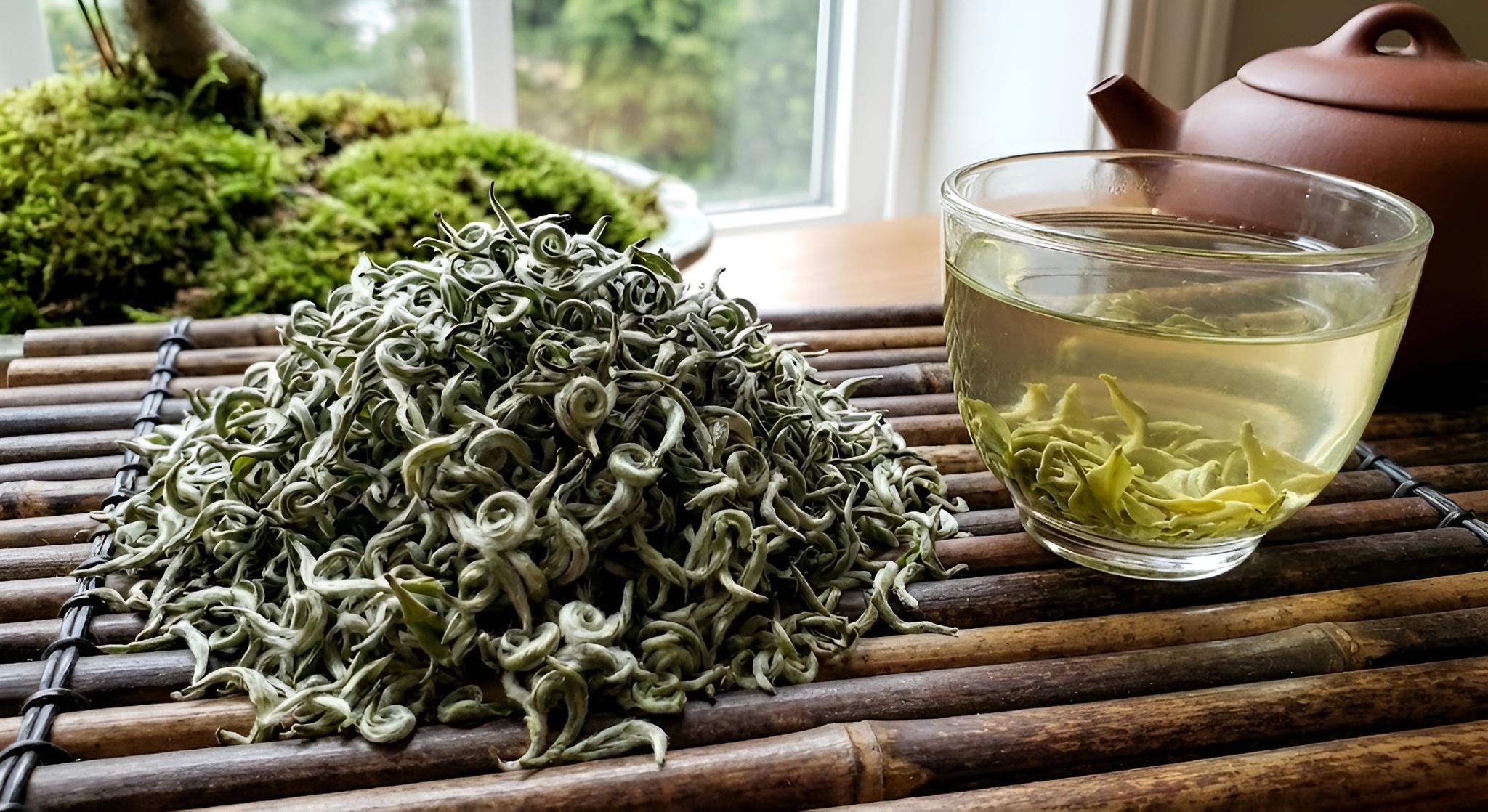
More commonly known in the West as "Green Snail Spring", Bi Luo Chun stands as a masterclass in tea manufacture. Understand what it is and what makes this tea so special (and how it got its' name!).
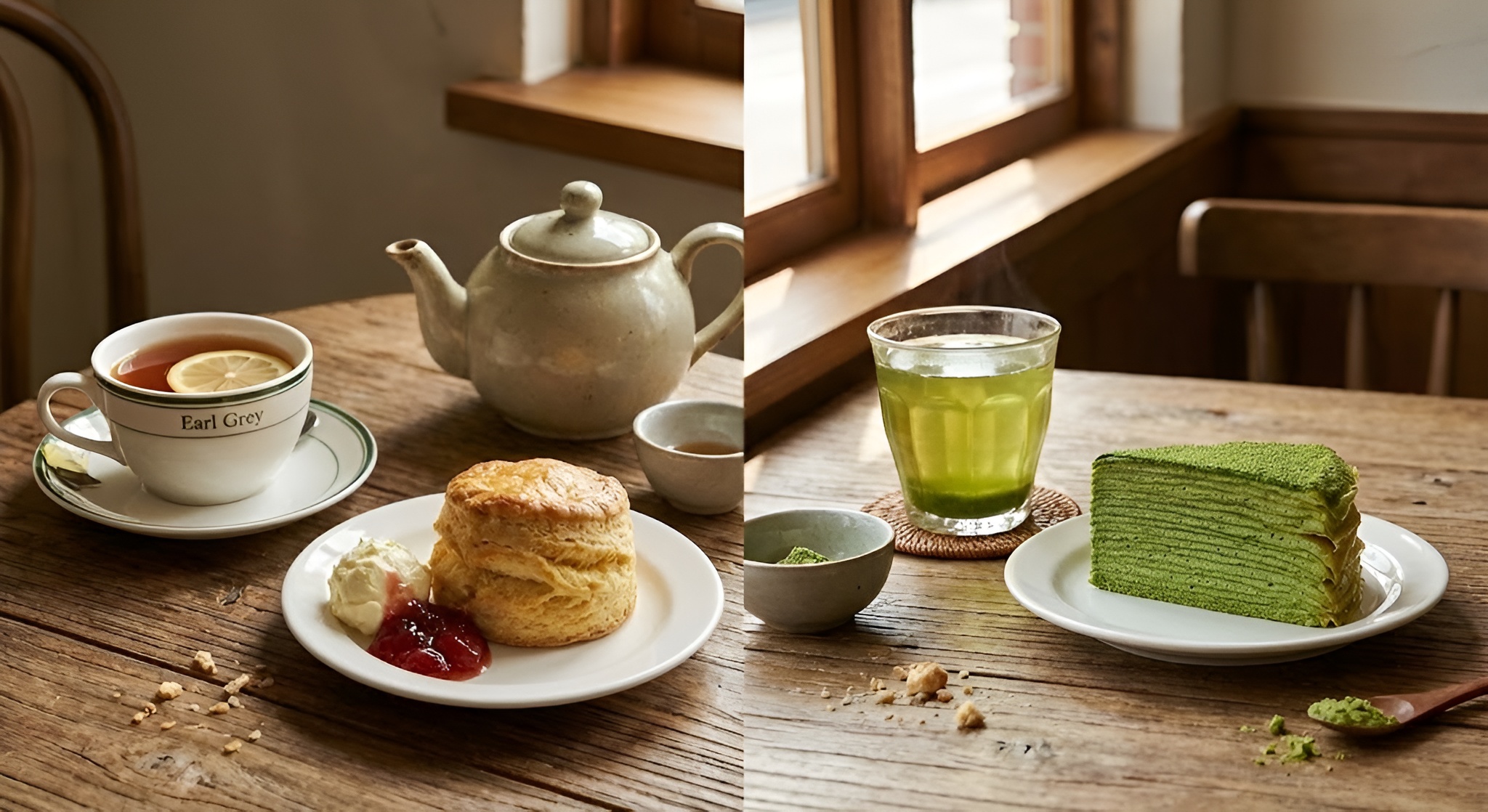
Stop drinking the wrong tea with your cake. The ultimate sommelier guide to pairing tea with pastries. Learn why Earl Grey loves lemon and why Scones need Assam.
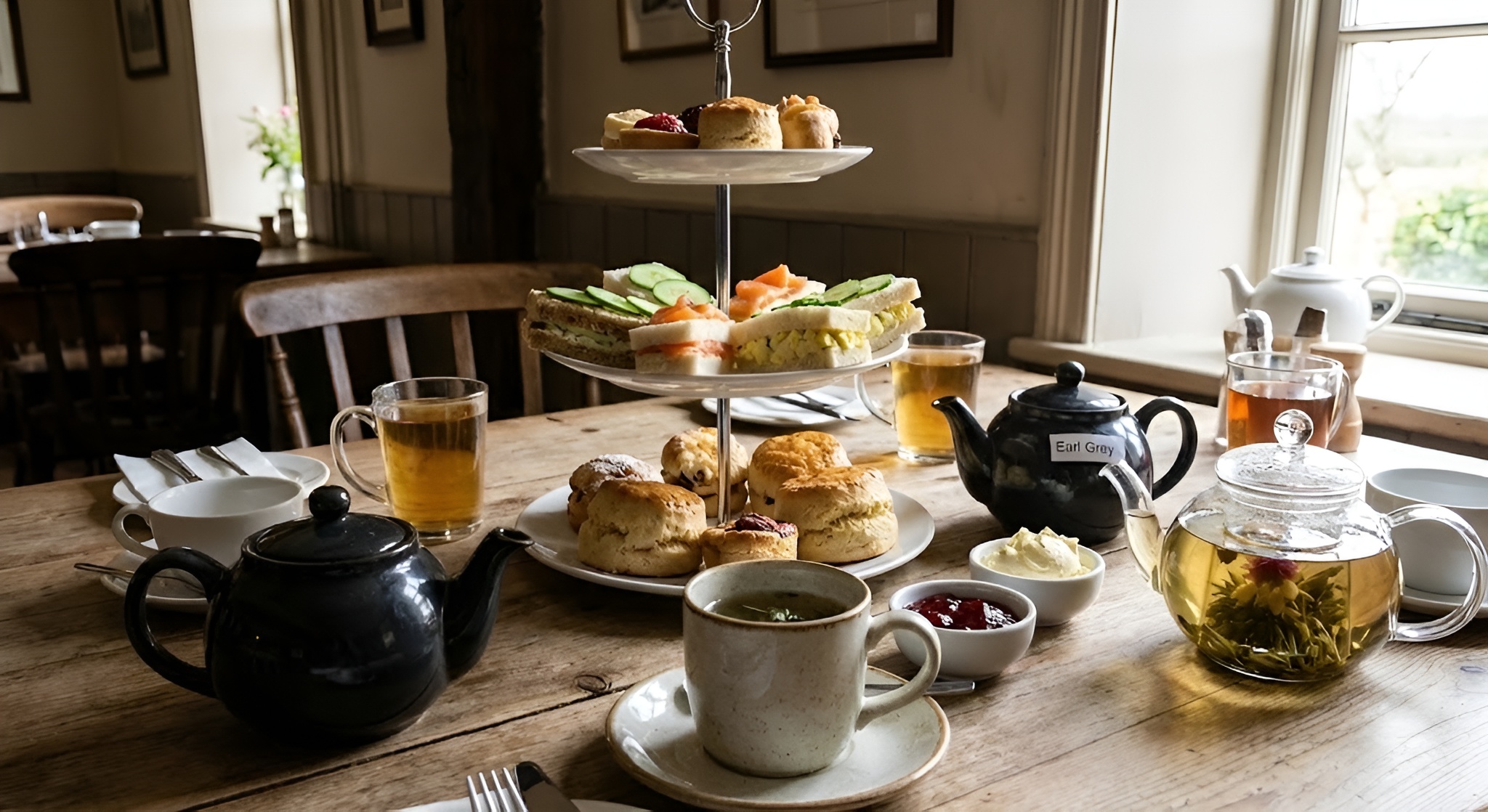
Don't serve the same tea for the whole meal. The expert guide to pairing tea with savory finger sandwiches. From Cucumber to Smoked Salmon.
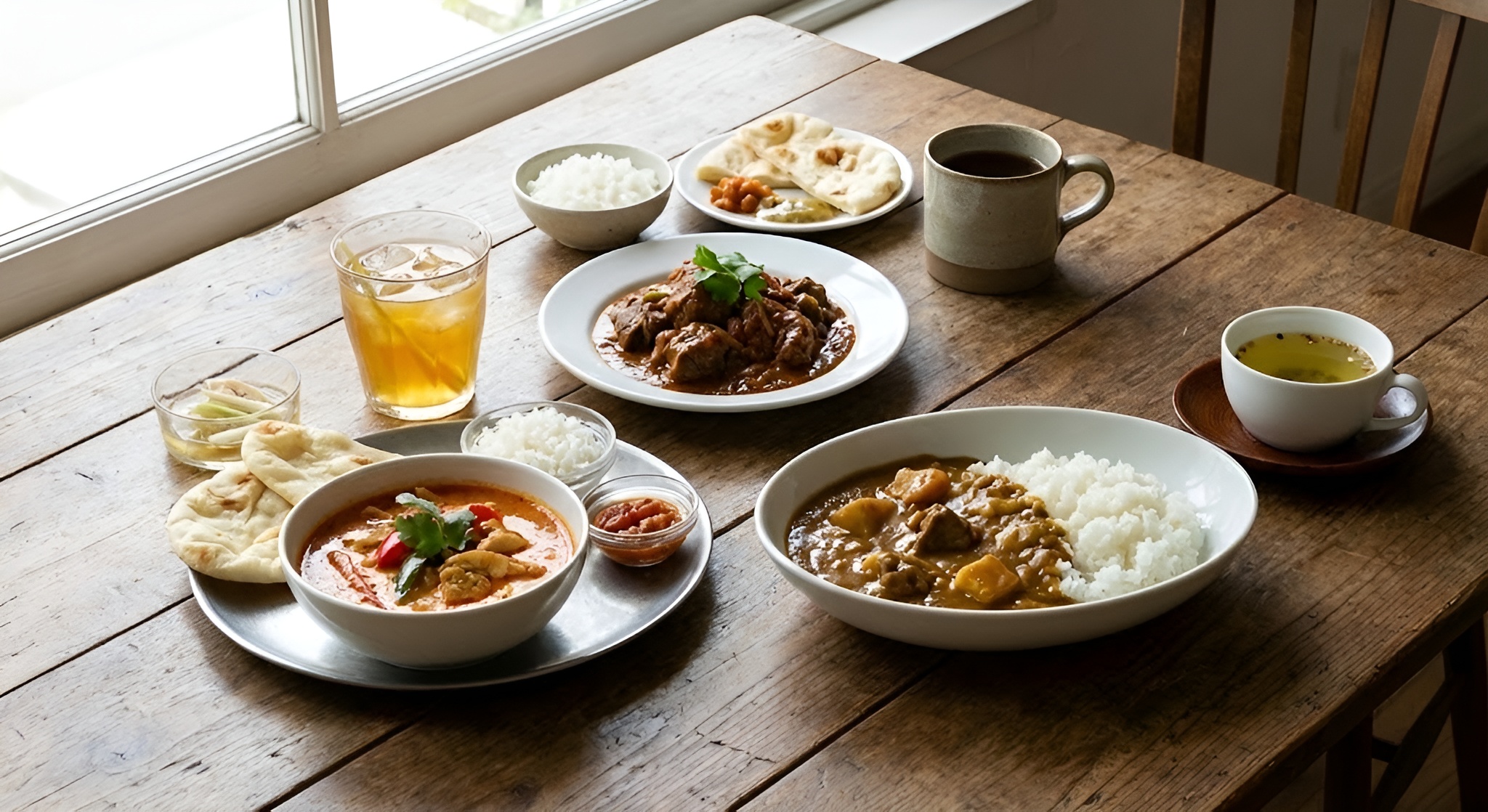
Why do people in hot climates drink hot tea with spicy food? A deep dive into the science of Capsaicin, cooling mechanisms, and why ice water is the wrong choice.
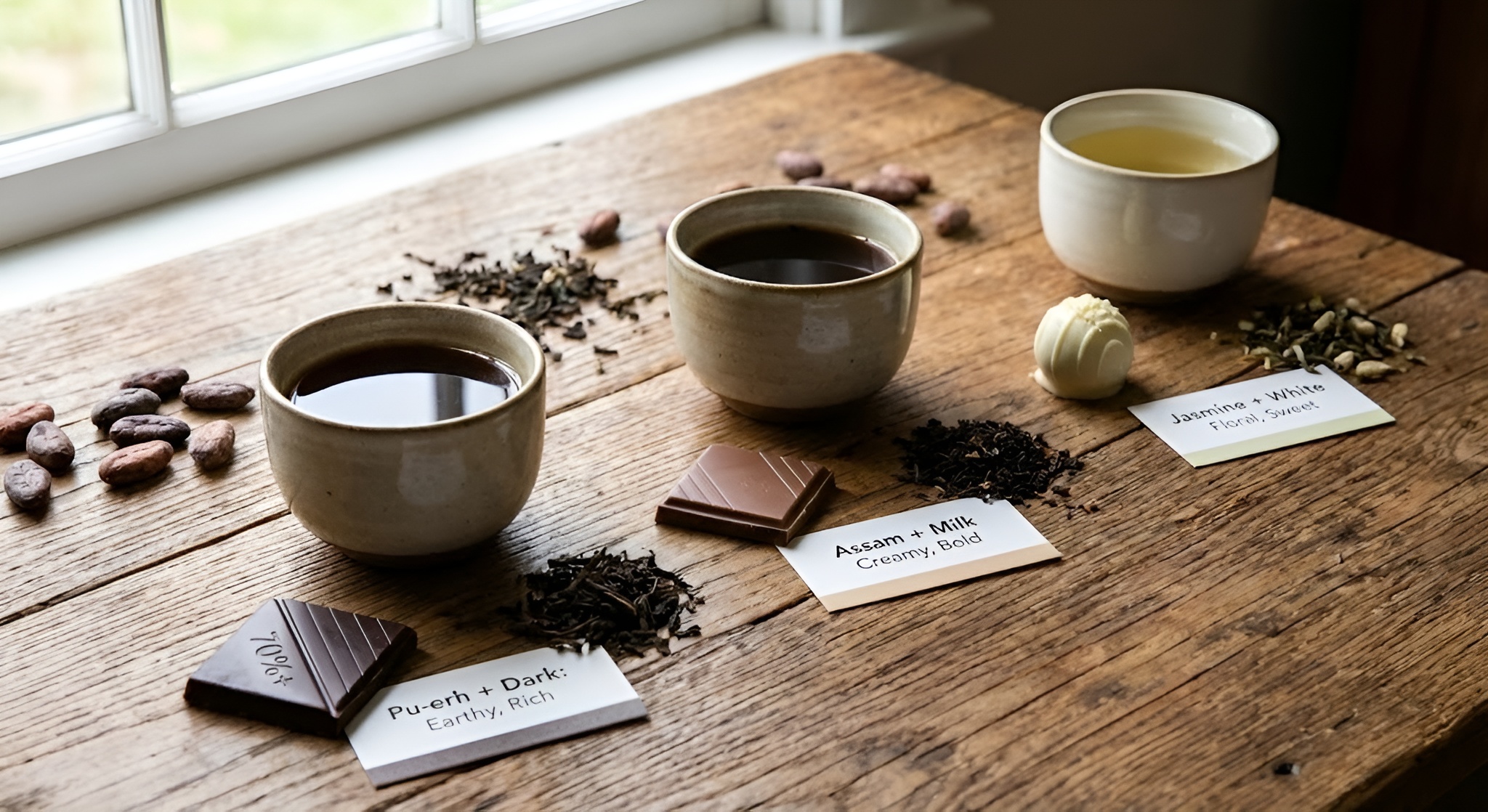
A sommelier's guide to pairing Earl Grey with Dark Chocolate. Discover the science of tannins, cocoa butter, and why Bergamot is the ultimate flavor bridge.
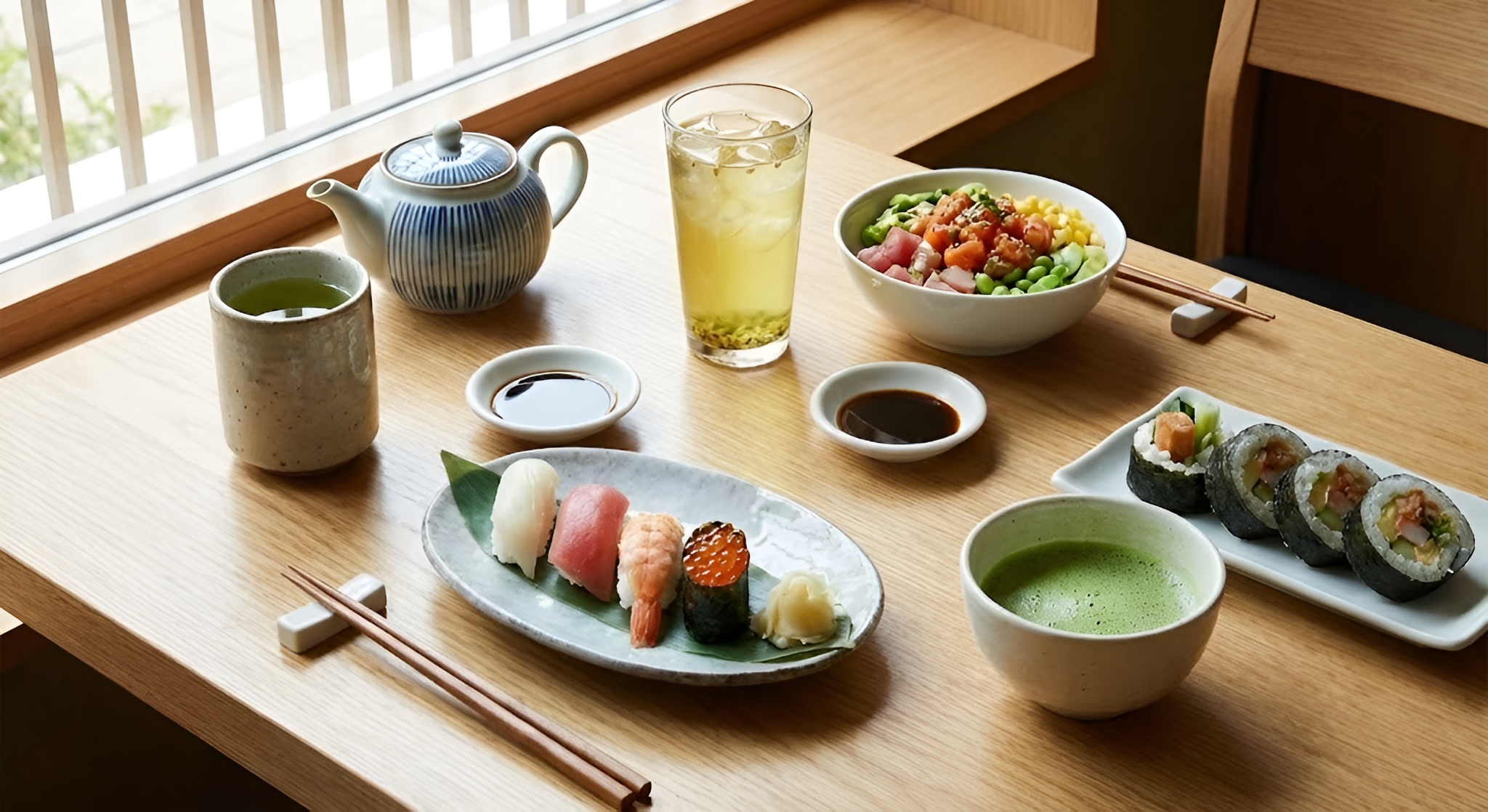
Why do sushi chefs serve hot green tea? A deep dive into Agari, the science of tannins vs. fish oils, and how tea prevents food poisoning.
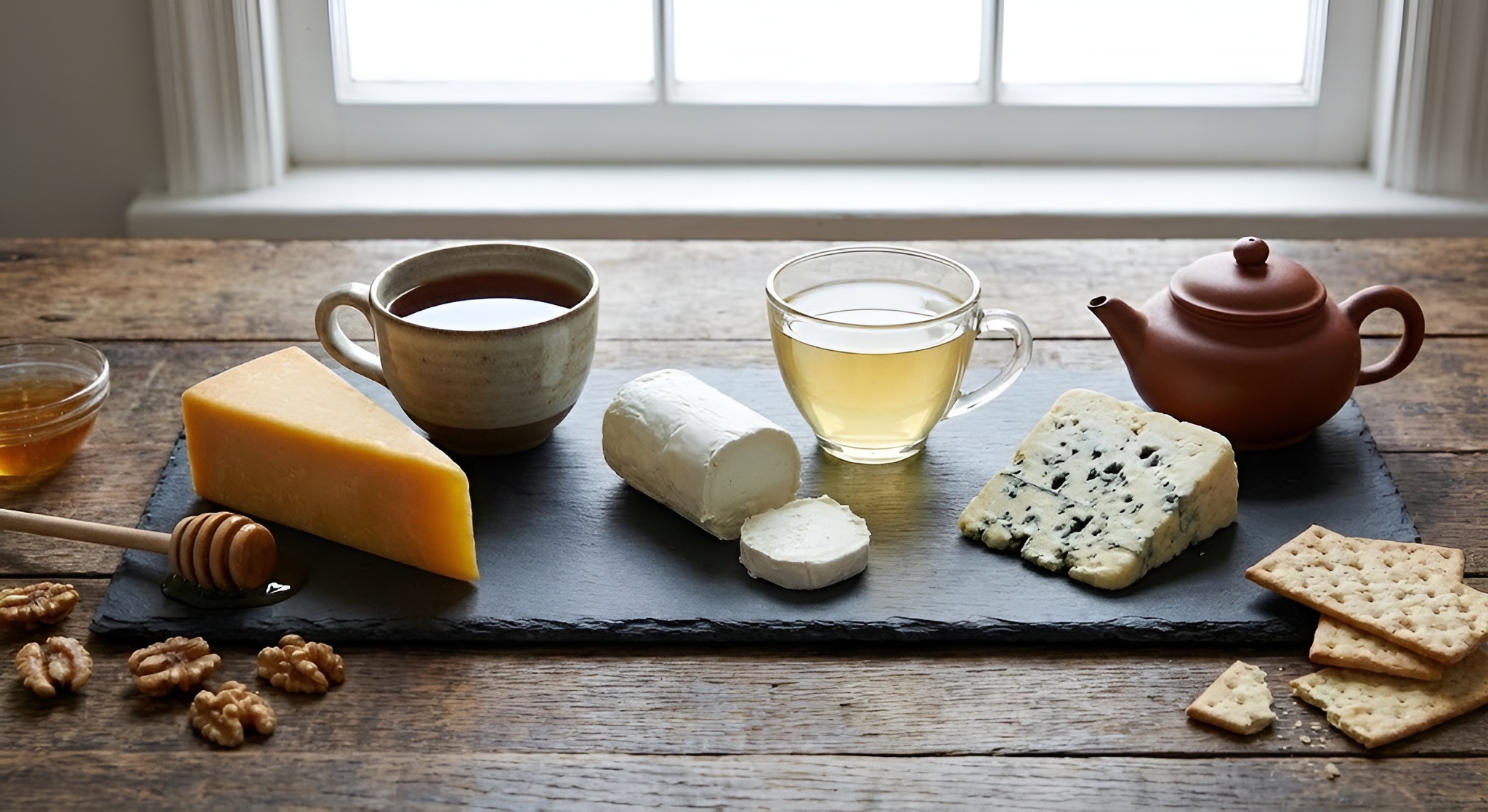
Move over wine. Discover why hot tea is the superior cheese pairing. An expert guide on matching tannins with casein, from Brie & Sencha to Cheddar & Pu-erh.

Is your tea sour? A comprehensive guide to diagnosing sourness. Learn the difference between natural acidity, bacterial spoilage, and brewing errors.
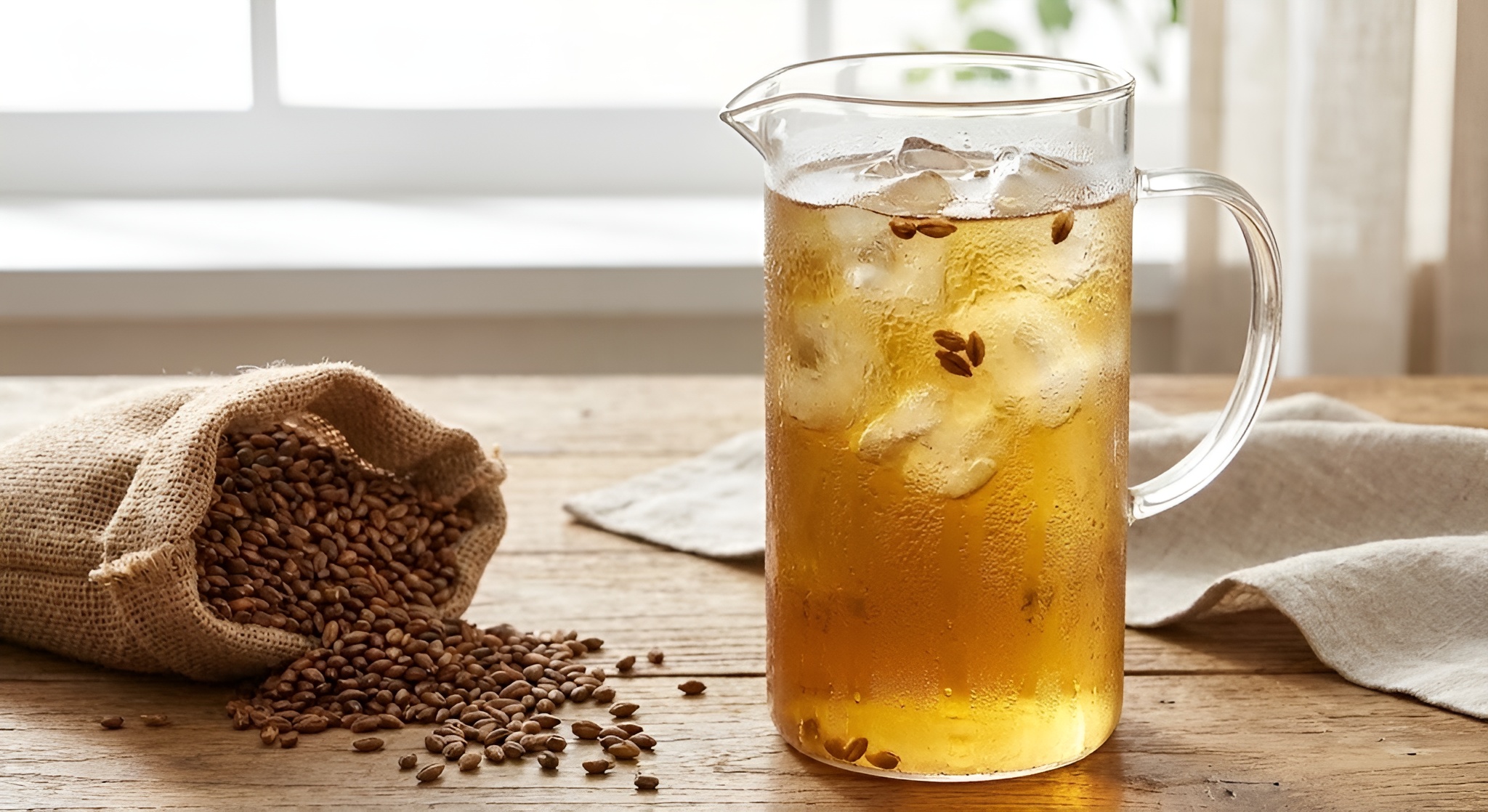
Mugicha is the Japanese name for roasted barley tea. Learn about its cooling health benefits (alkylpyrazines), how to brew it cold, and why it is the ultimate summer drink.
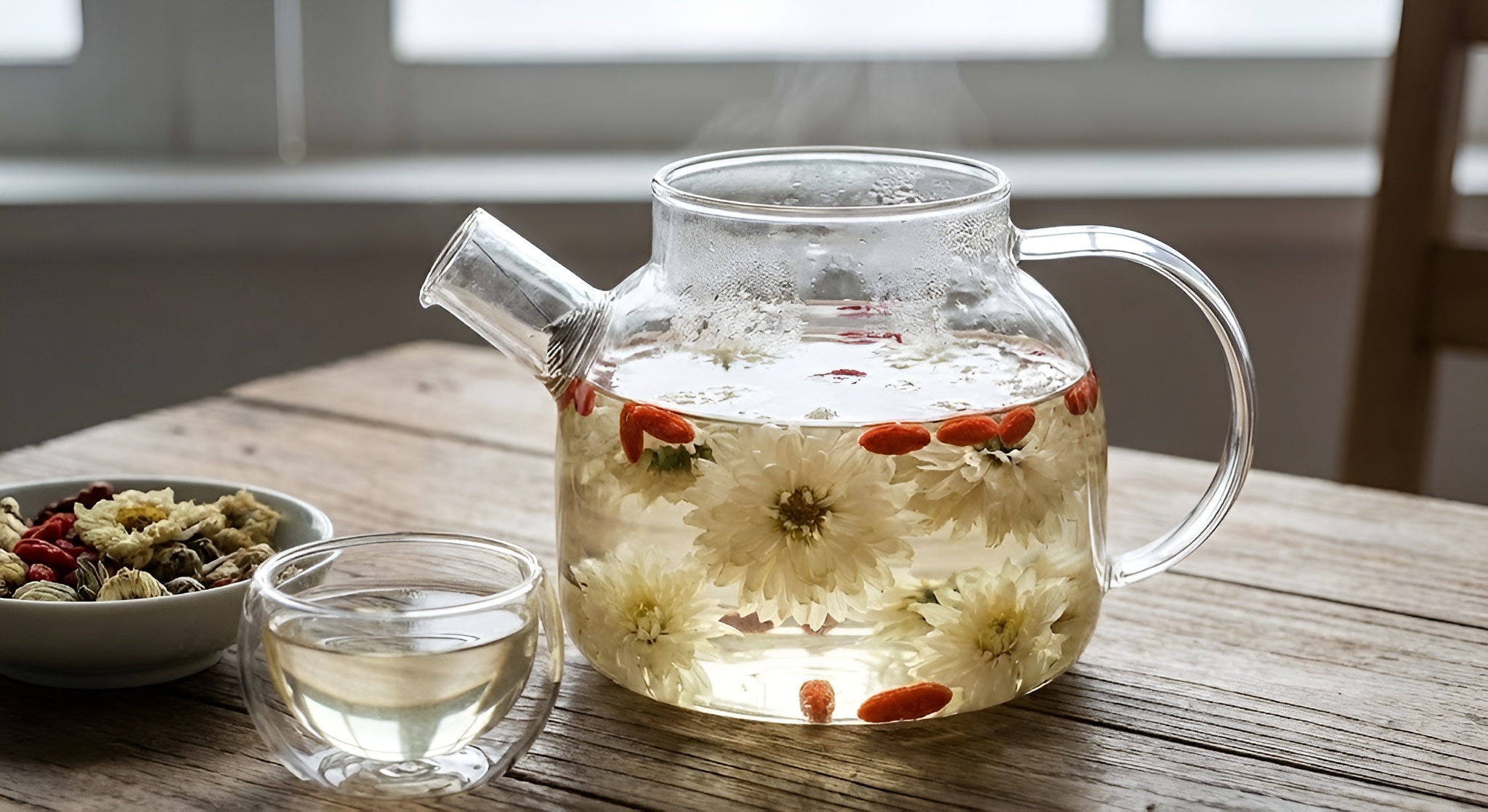
In Traditional Chinese Medicine, Chrysanthemum tea is the ultimate remedy for 'Liver Heat' and sore eyes. Learn the difference between White vs. Yellow flowers and how to brew them.
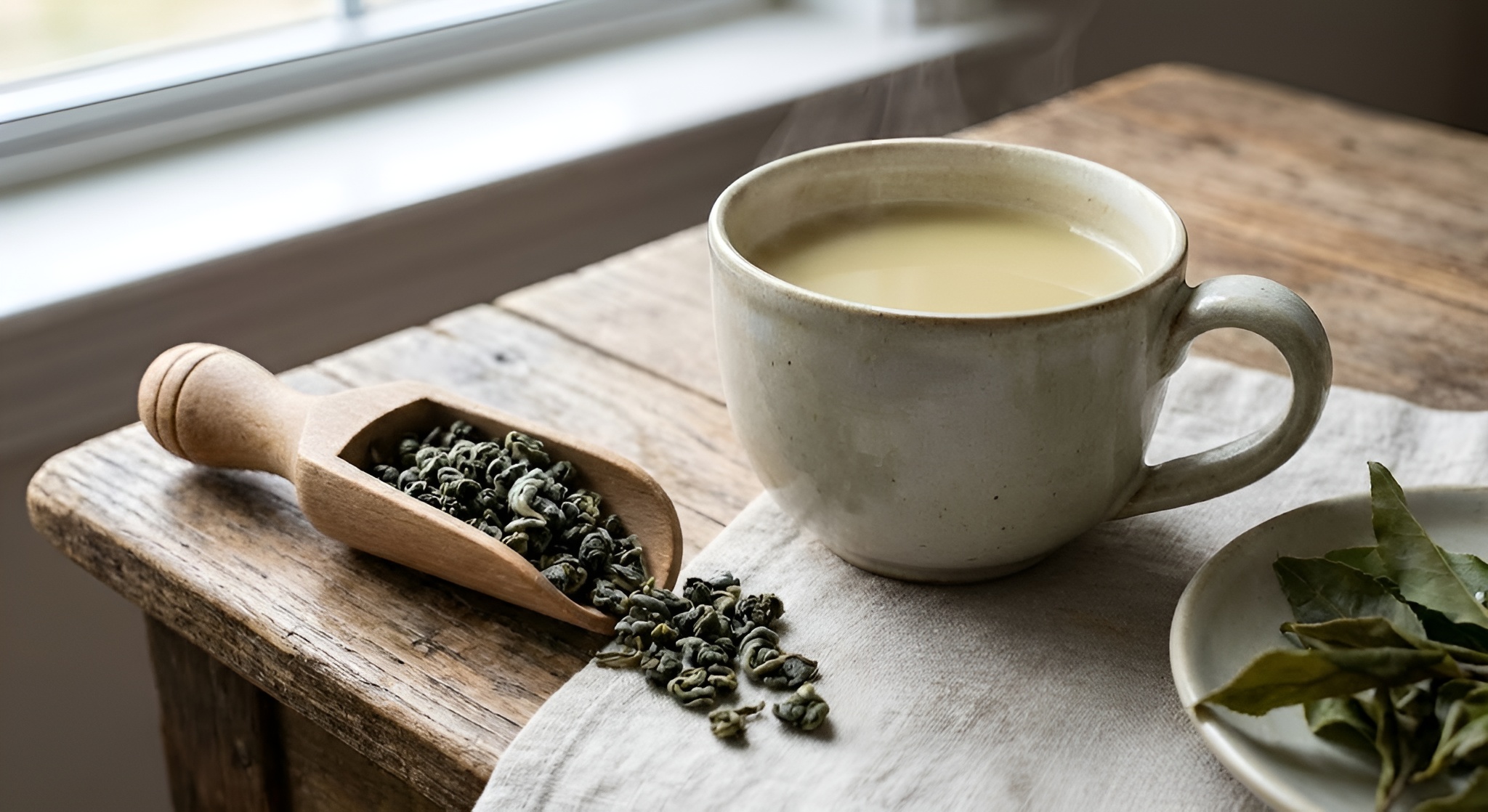
Does Milk Oolong contain actual milk? We explain the Jin Xuan cultivar, the myth of steaming tea with milk, and how to spot artificial flavorings.
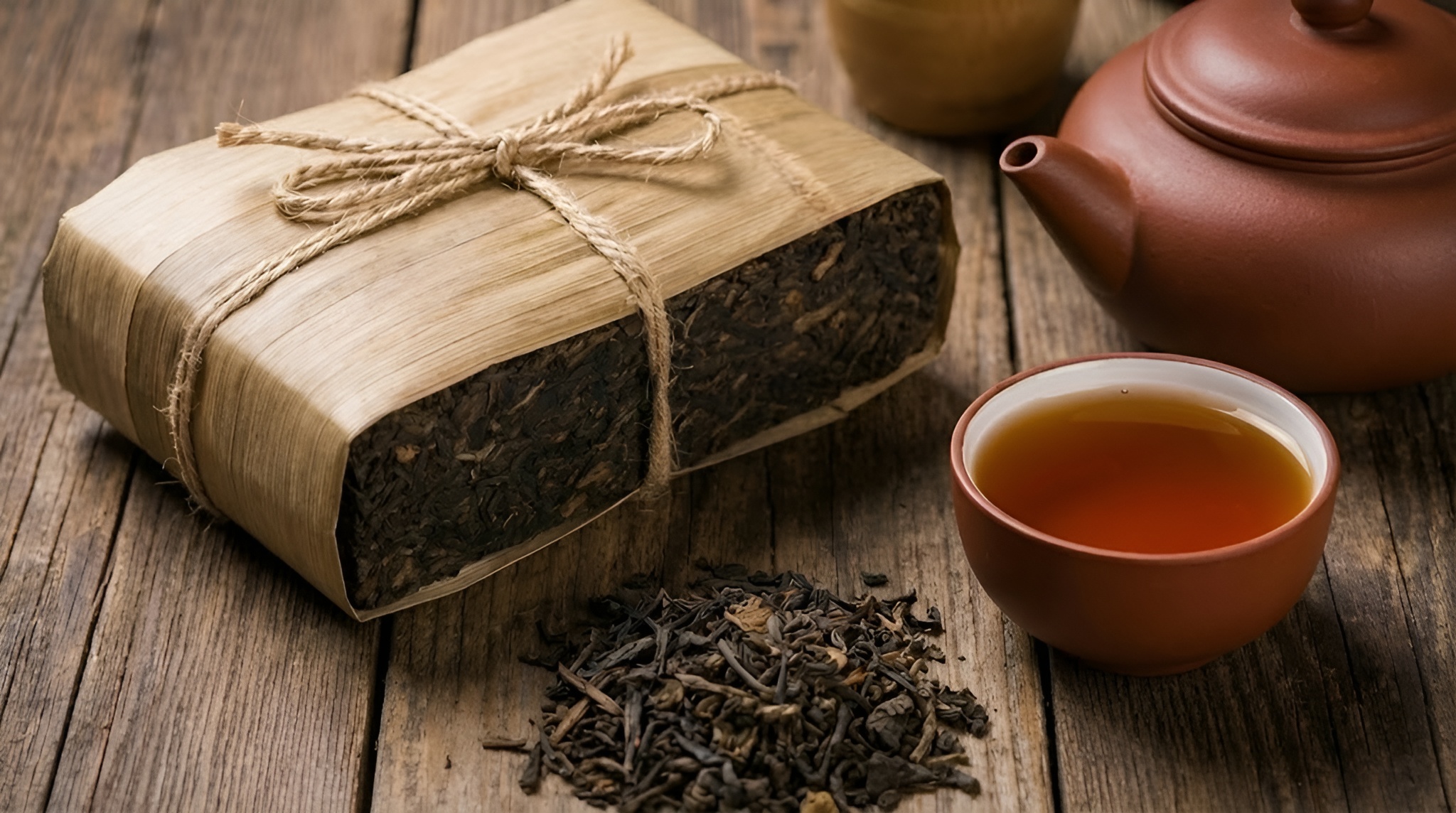
Surviving the Tea Horse Road: The Ancient Brew That Fueled an Empire. Find out how and why this tea became known as 'Black Gold' and so much more.
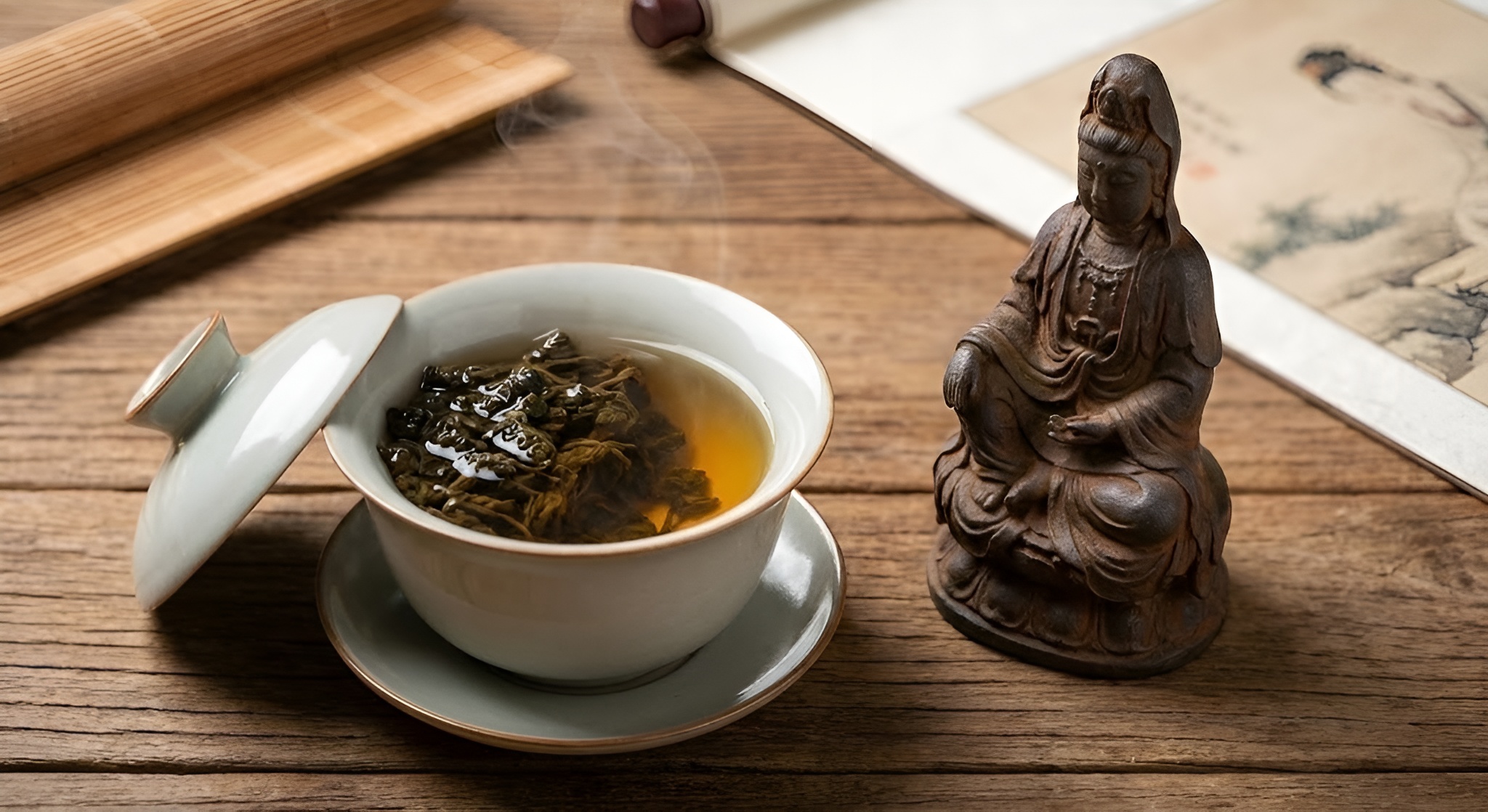
One of China's better known speciality tea - Iron Goddess is steeped in history supporting its informal name. But what is it, how is it made, how did it earn its name and much more.
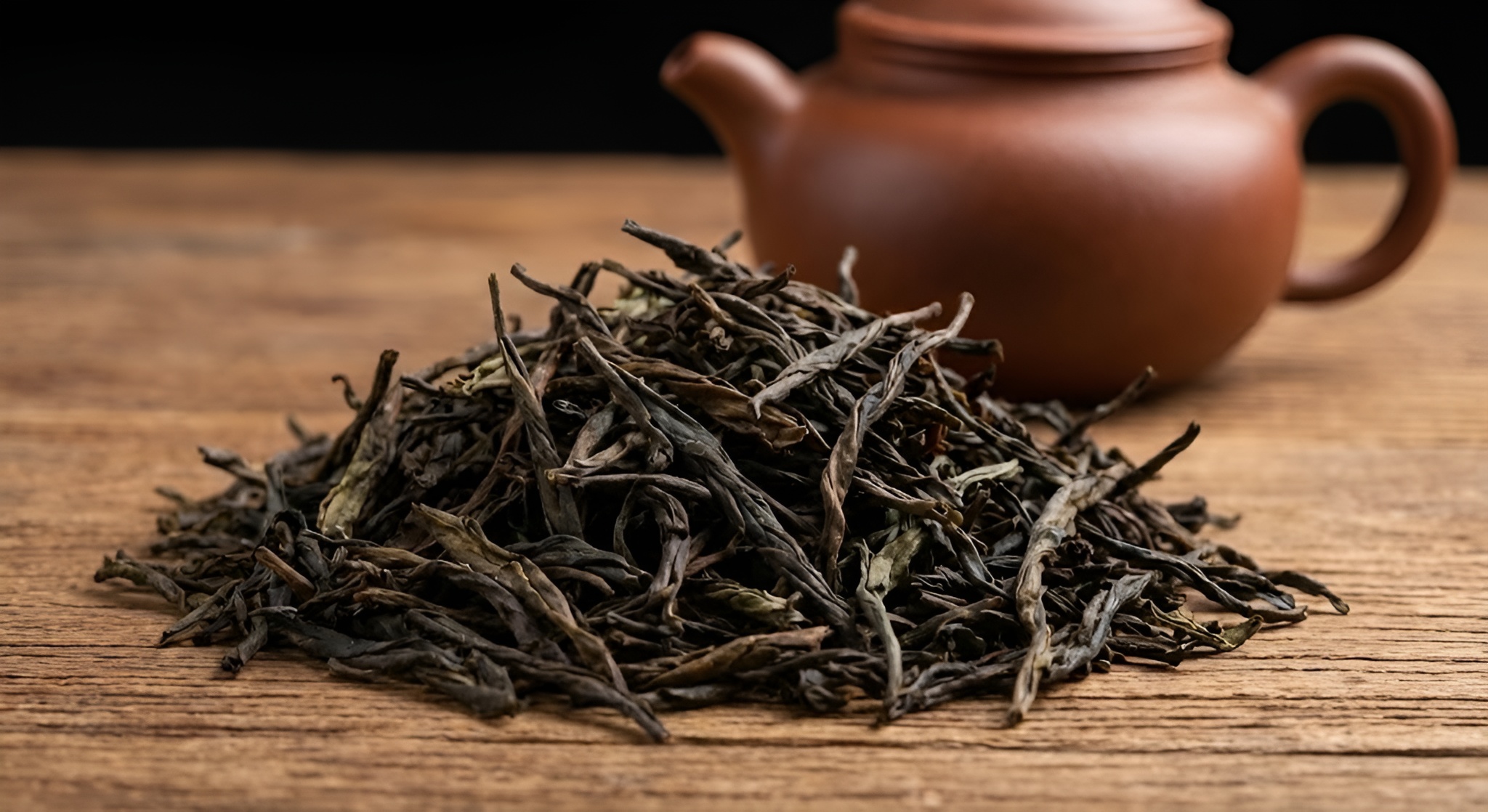
Originating from the Province of Guangdong, this gem of a tea has risen from a little known tea to become one of China's most celebrated - like a Phoenix. Understand more of how it got its' name, taste profile, how it's made and much more.
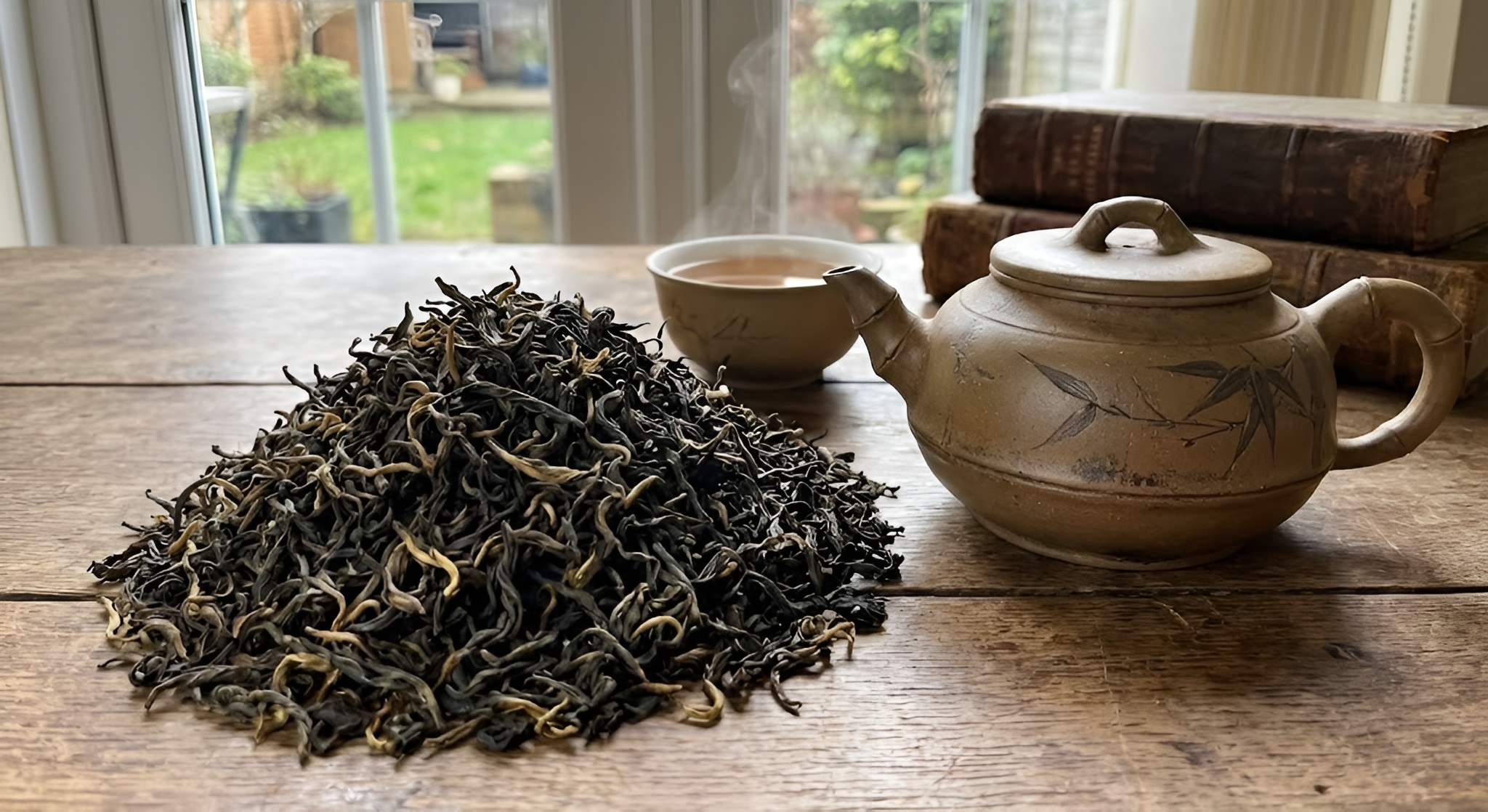
Originating from Northern Fujian, this stands as a testament to the adaptability of the tea plant and the ingenuity of Fujianese craftsmanship. Find out more here.

Malawi Antler Tea represents a masterclass in agricultural innovation. It is a product that leverages the specific limitations and strengths of its environment to create something novel.
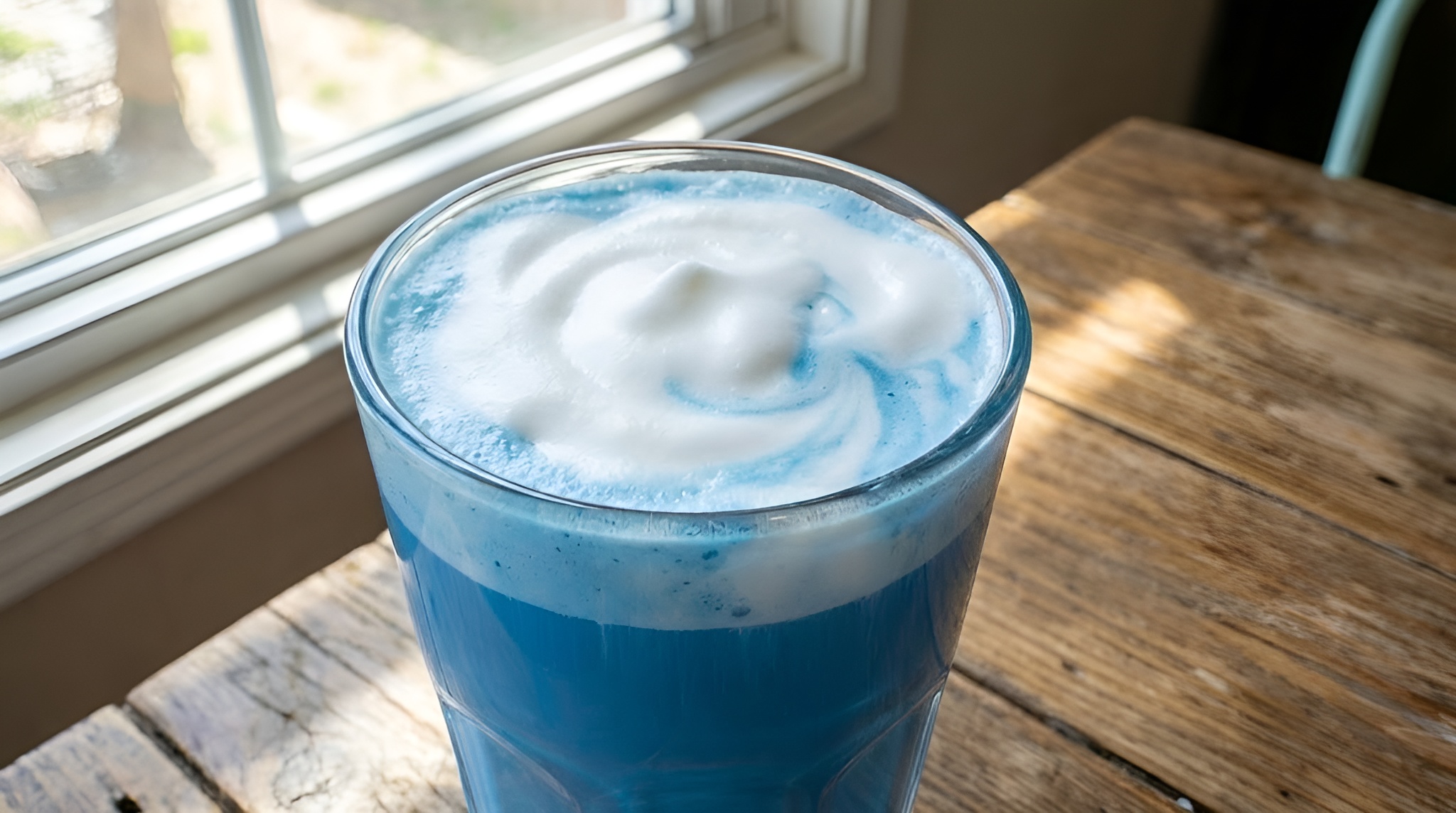
Tired of the jitters? Swap the viral 'Cloud Coffee' for this magical, color-changing Blue Cloud Tea Latte. Packed with antioxidants and zero caffeine. Get the recipe here.
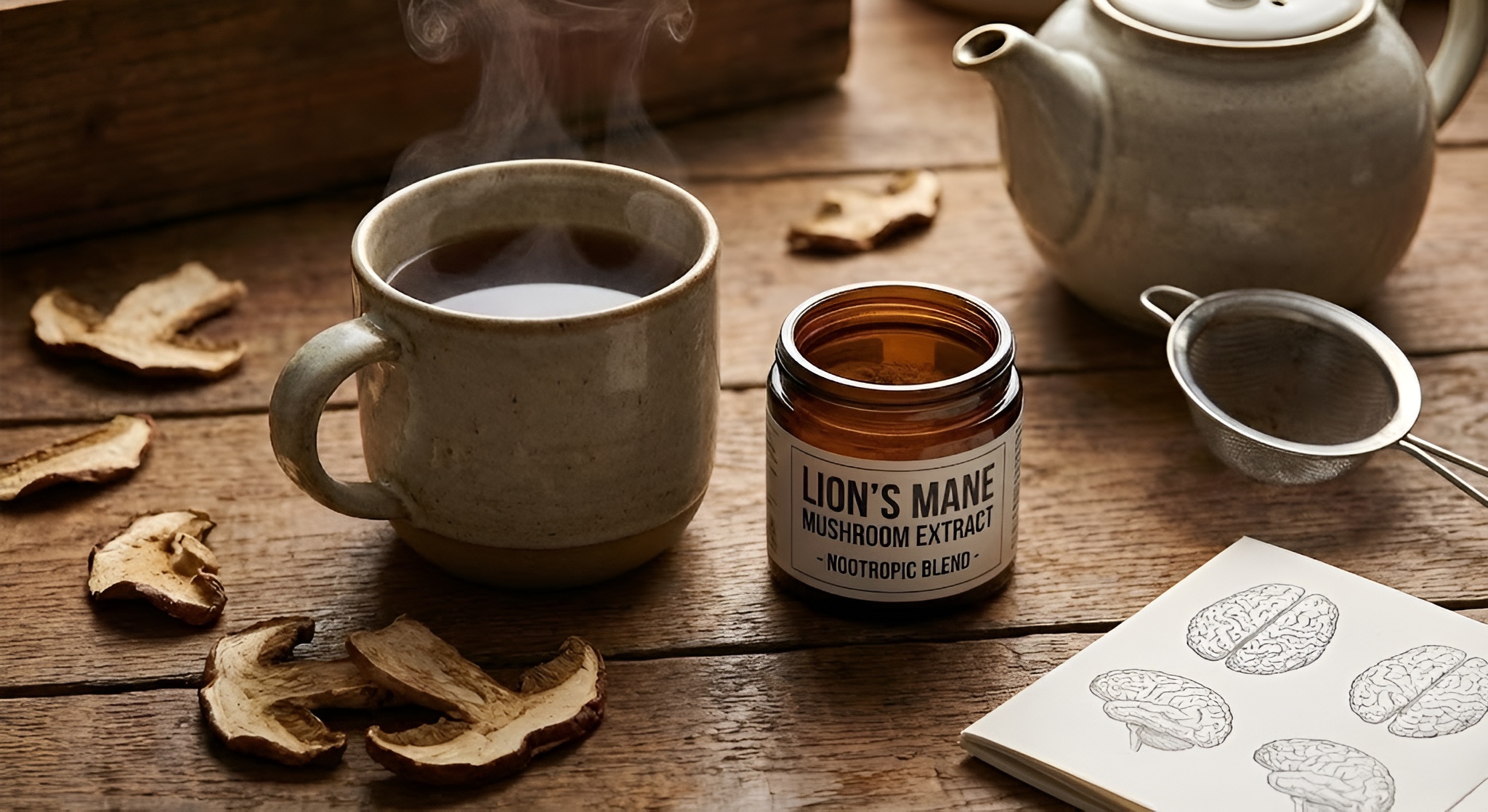
Does mushroom tea taste like soup? We debunk the myths about Lion's Mane, Chaga, and Cordyceps. Learn how functional fungi kill brain fog without the caffeine crash.
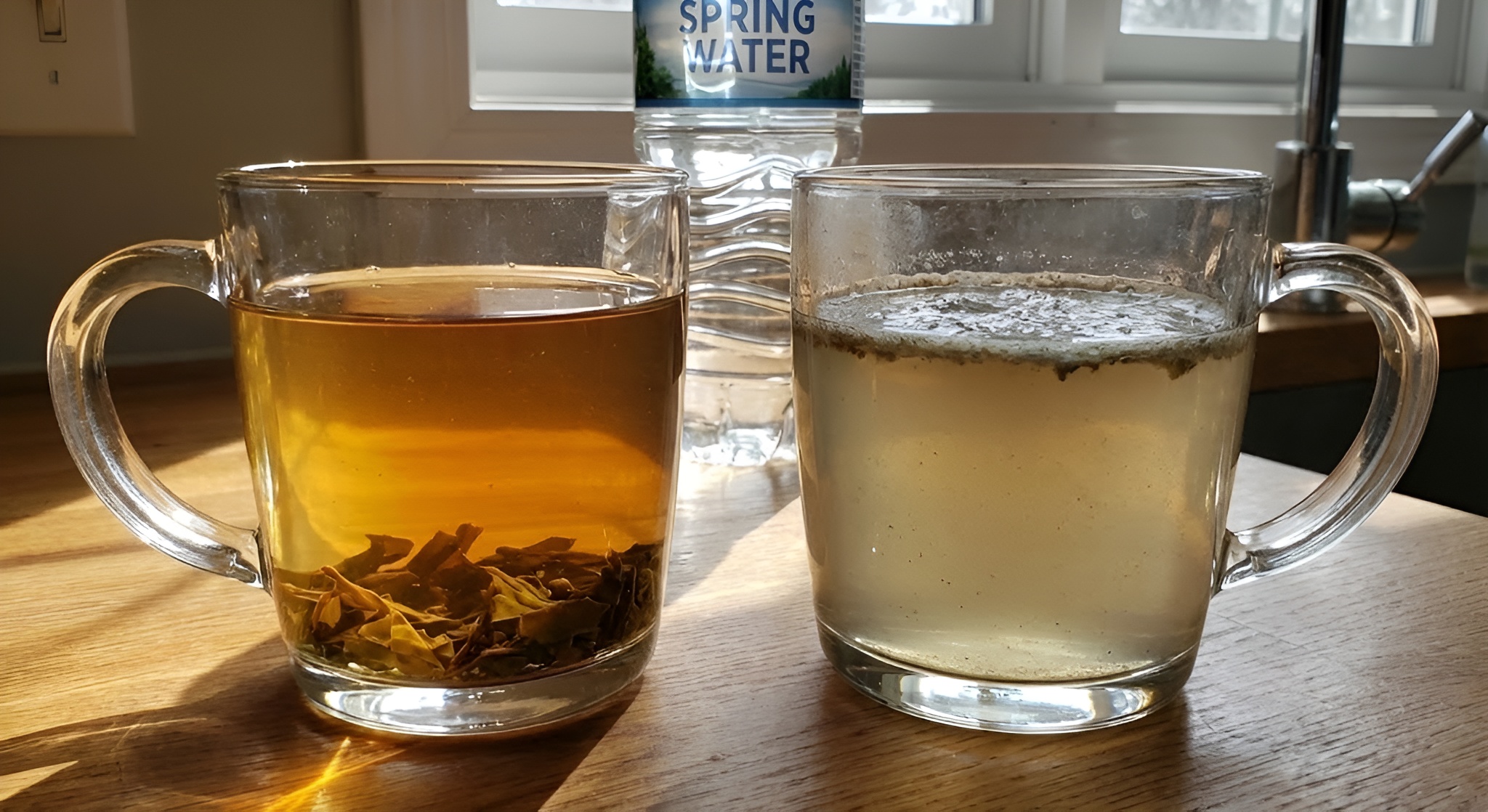
Is your tea dull, flat, or covered in scum? We analyze the chemistry of water hardness, TDS, and pH to help you find the perfect brewing solvent.
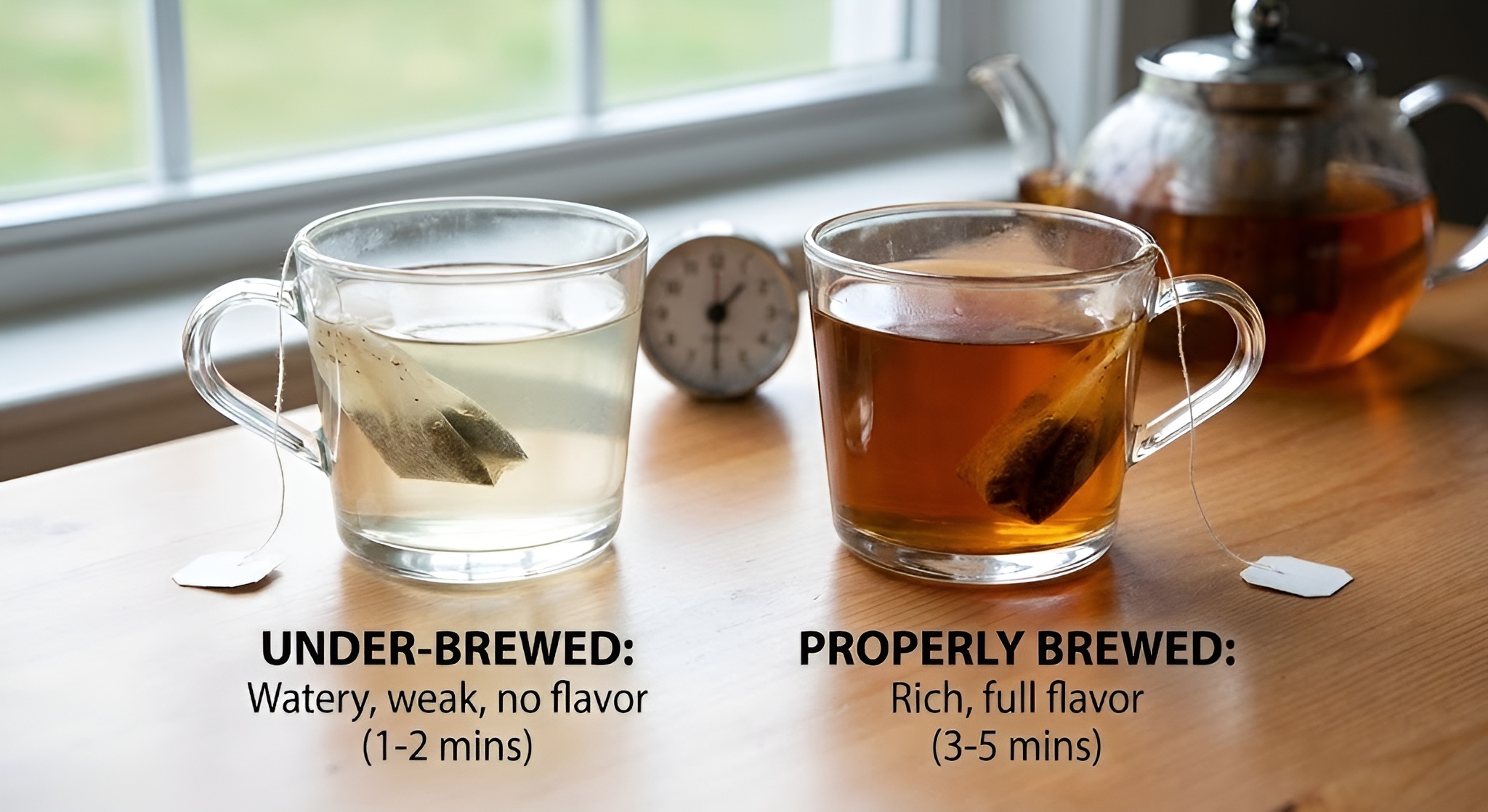
Is your tea bland or tasteless? Stop drinking hot brown water. An expert guide to fixing extraction errors, from water chemistry to leaf ratios.
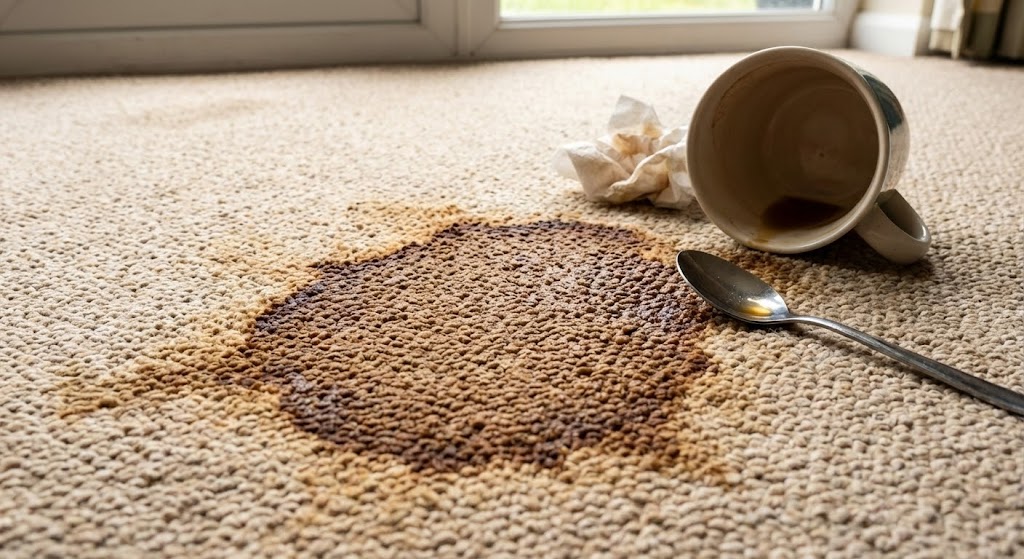
Spilled tea on your beige carpet? Don't panic. A complete emergency guide to removing tannin stains without bleach. Learn why heat sets the stain and how to use vinegar effectively.
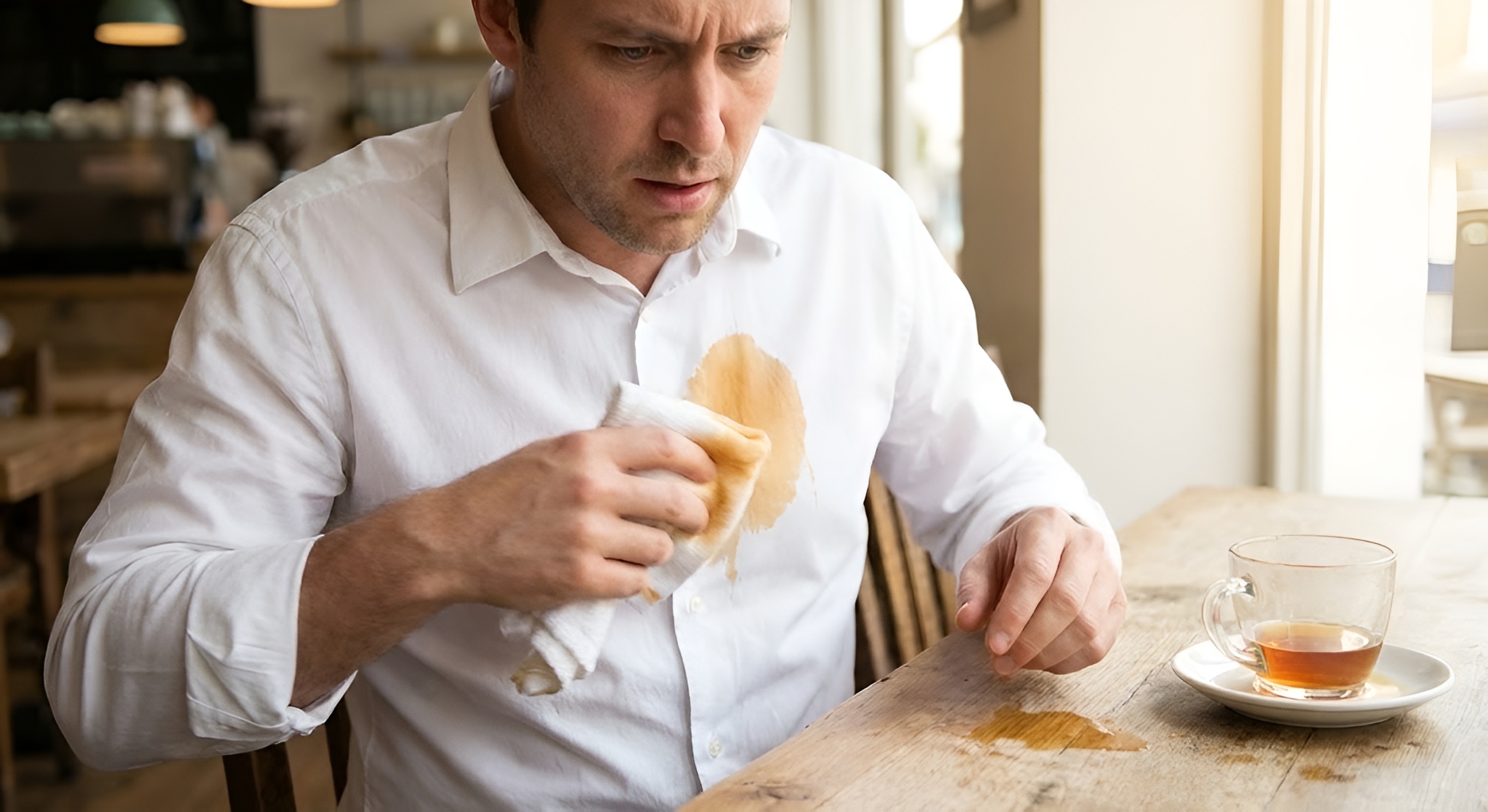
Spilled tea? Don't use hot water! We explain the chemistry of removing tannin stains from fabric without ruining the material.
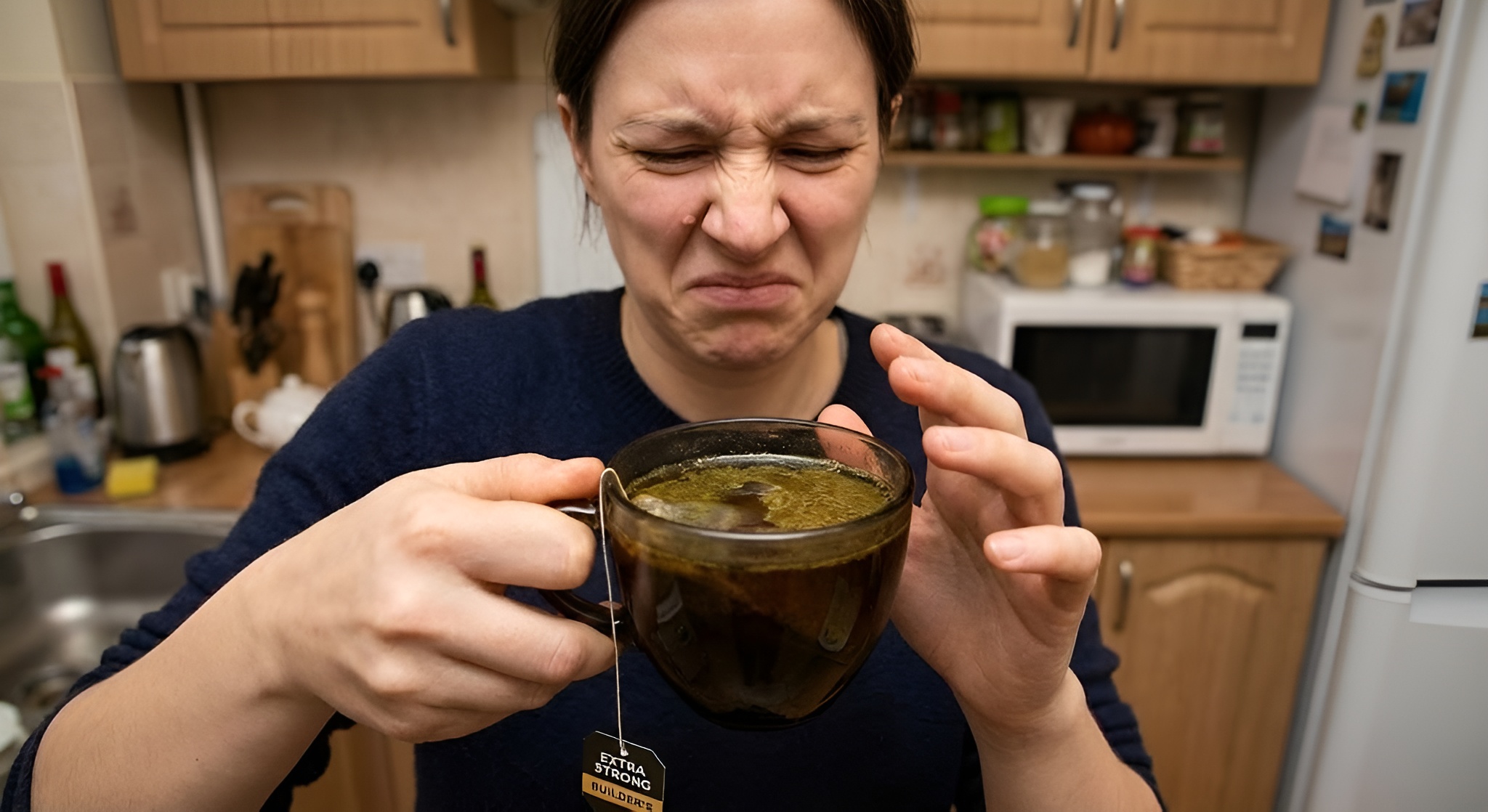
It's not just "strong" tea; it's a chemical reaction. We dive into the molecular war between Amino Acids and Tannins in your cup.

Why does distilled water taste flat? We analyze the chemistry of TDS, minerals, and why "pure" water isn't always best for tea.
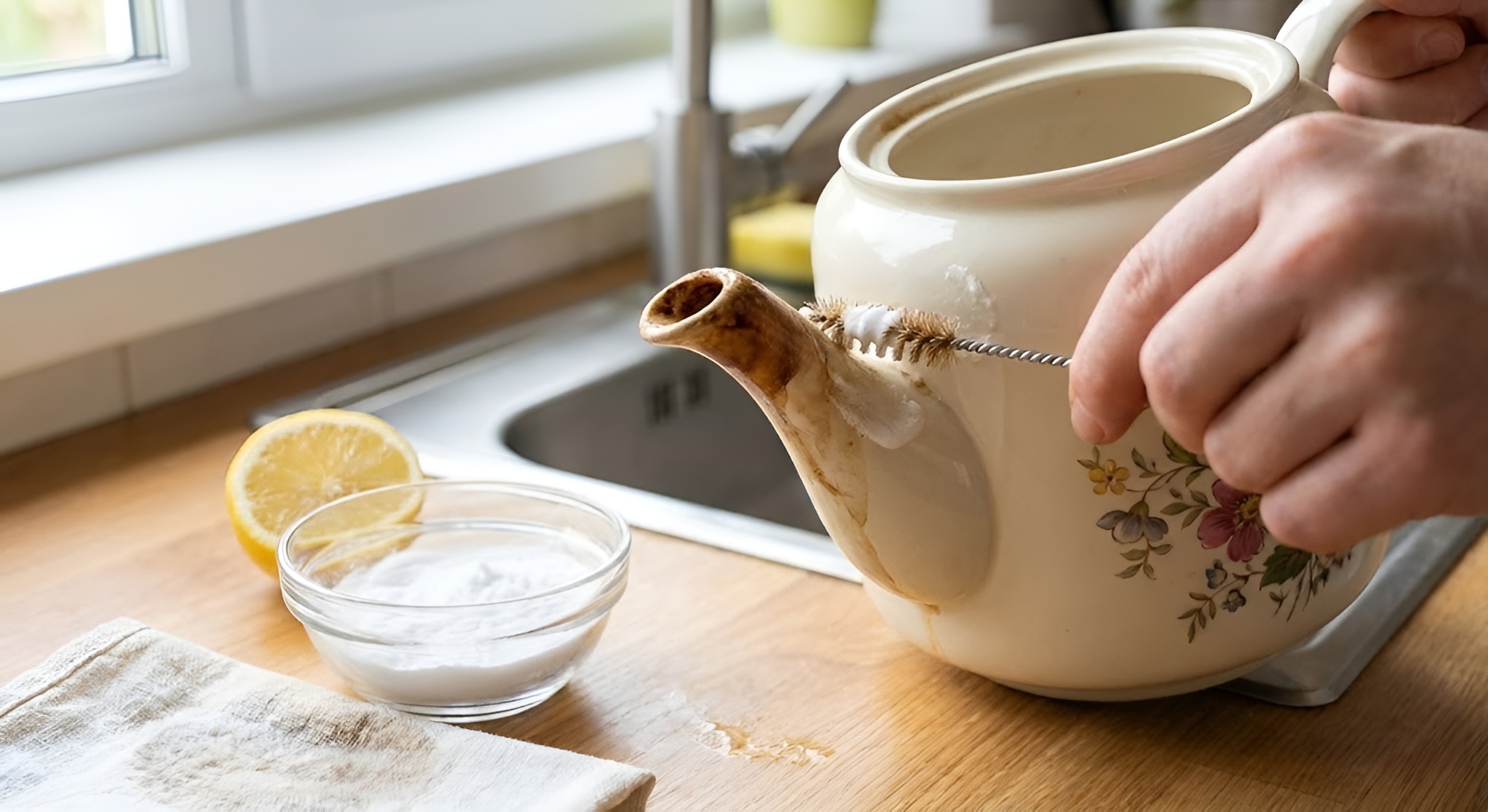
Does your teapot dribble? The hidden grime in your spout affects flavor and flow. An expert guide to safe cleaning for Porcelain, Glass, and Yixing.
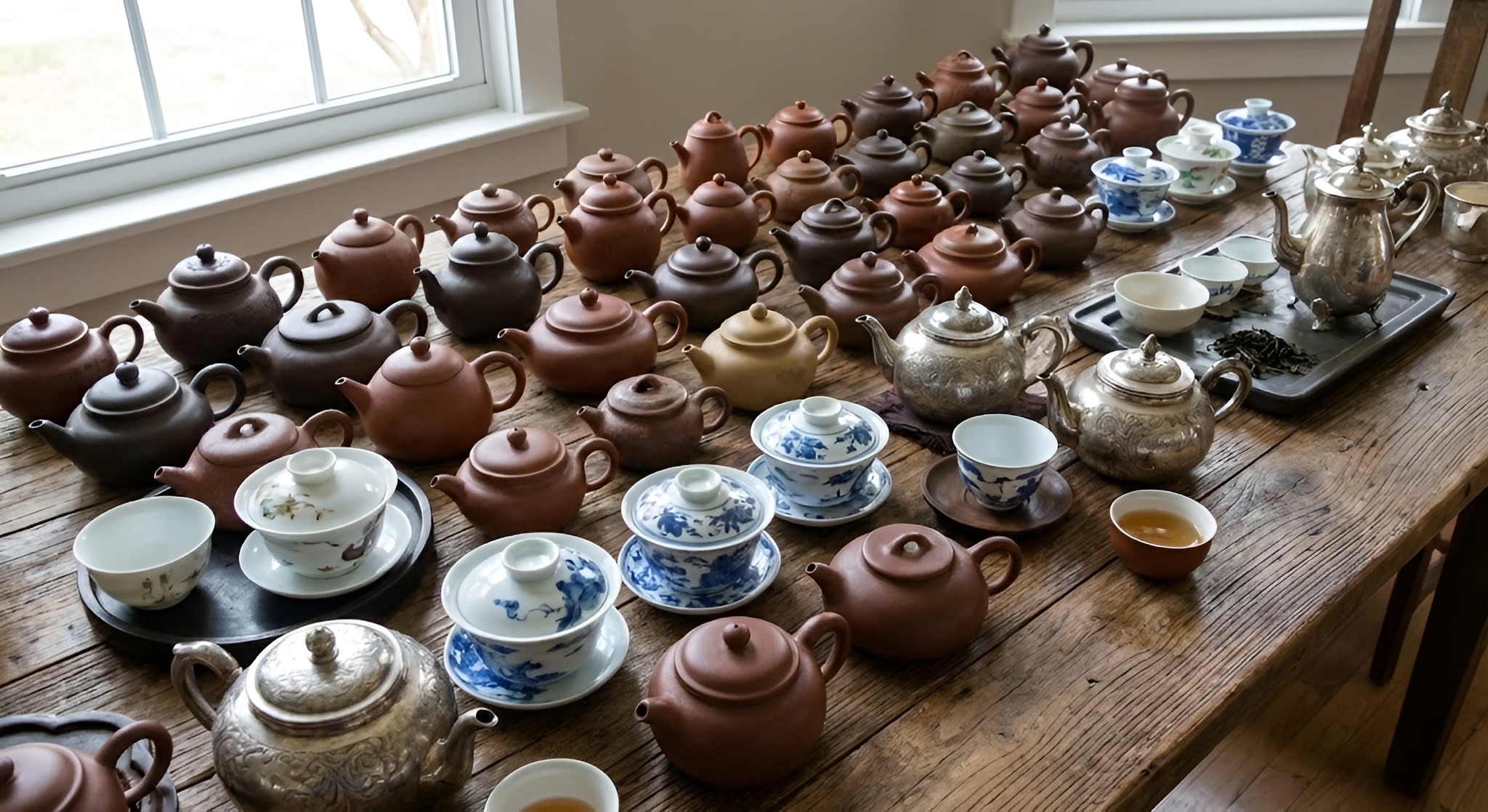
You wouldn't drink wine from a plastic cup. We explain why Yixing, Porcelain, and Silver create completely different teas.
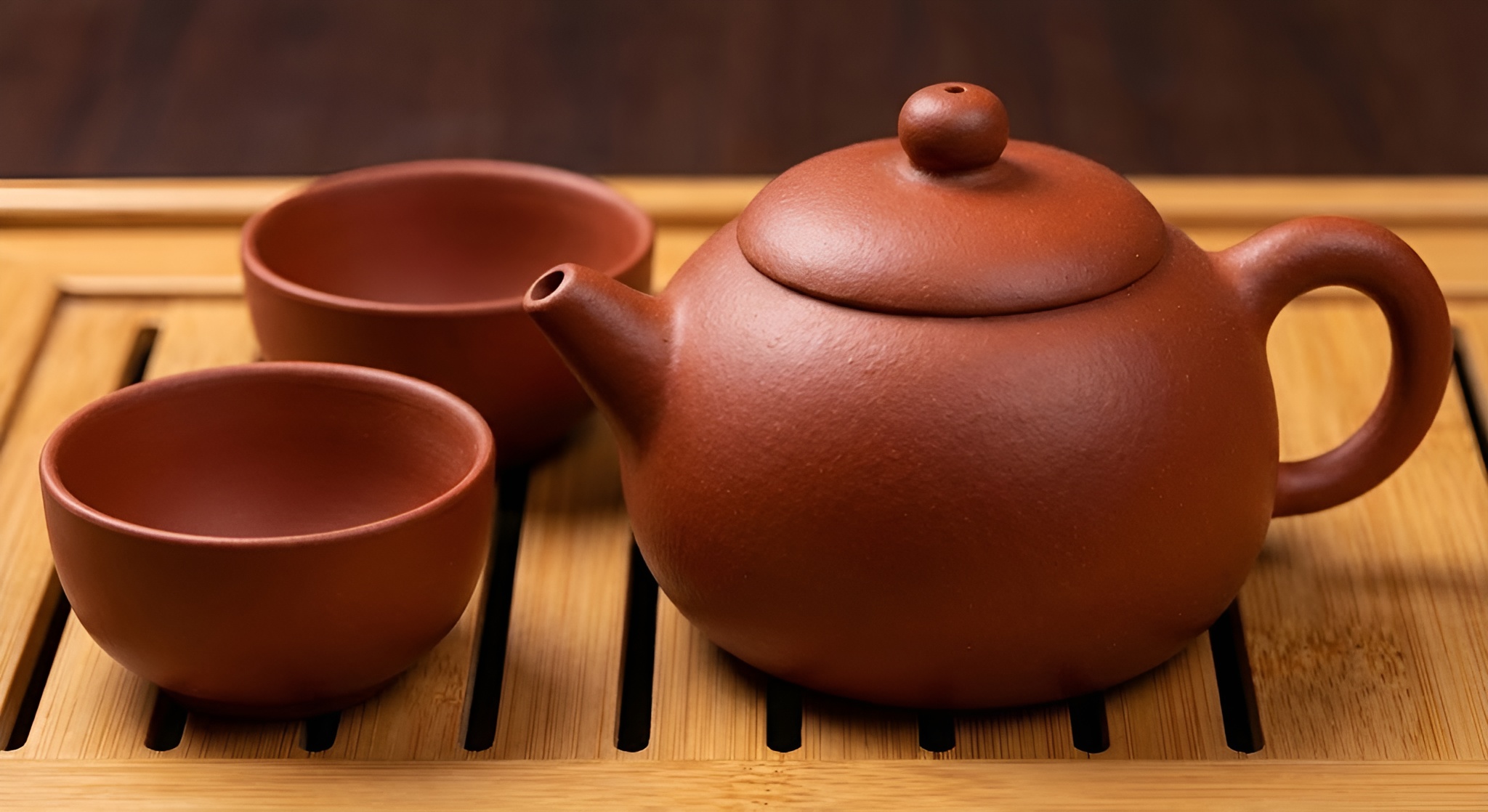
Why serious Oolong drinkers prefer this thin-walled red clay over famous Yixing pots.
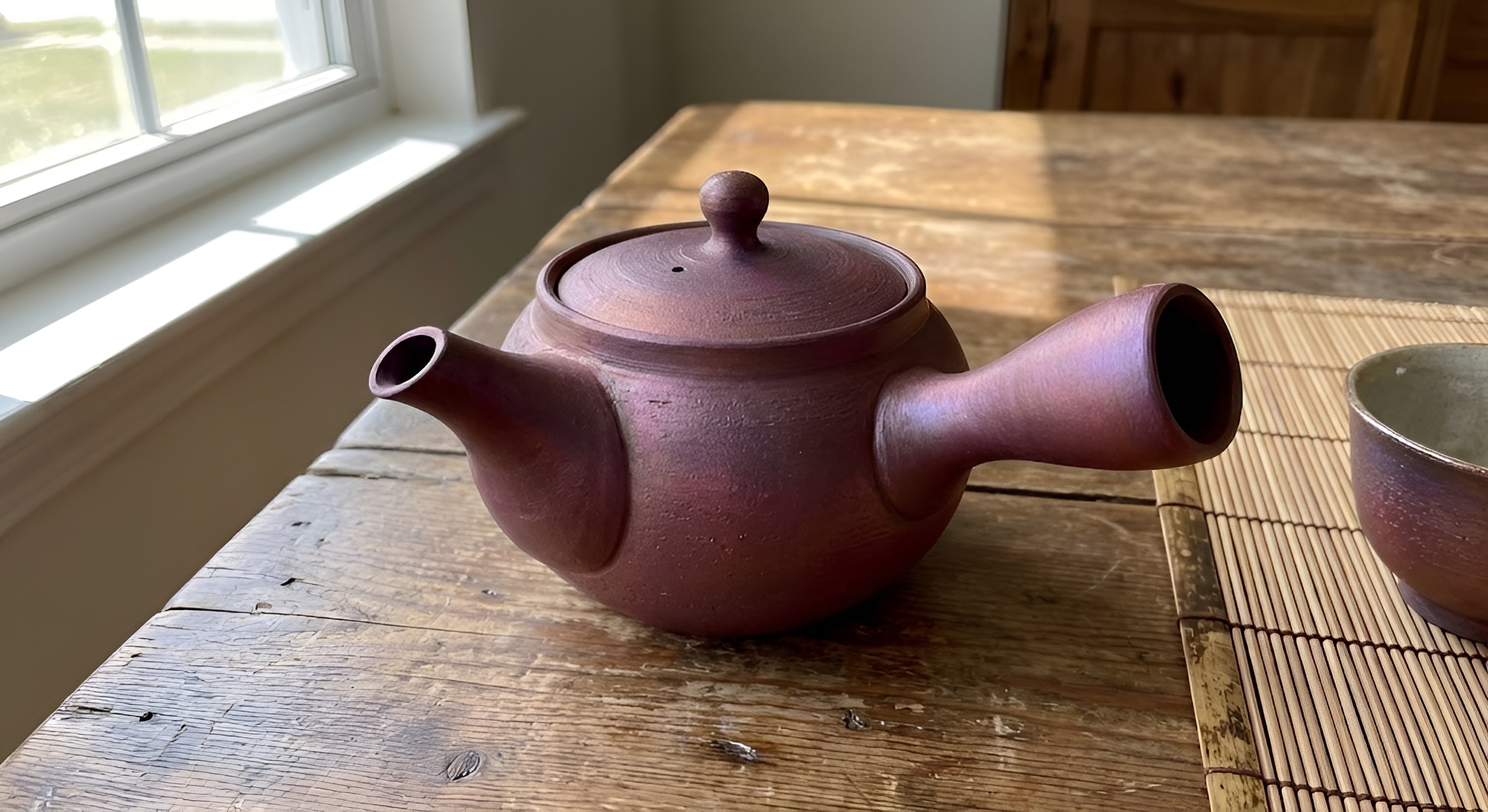
It looks like Yixing, but it isn't. Discover how reduction firing creates the perfect clay for brewing Gyokuro.
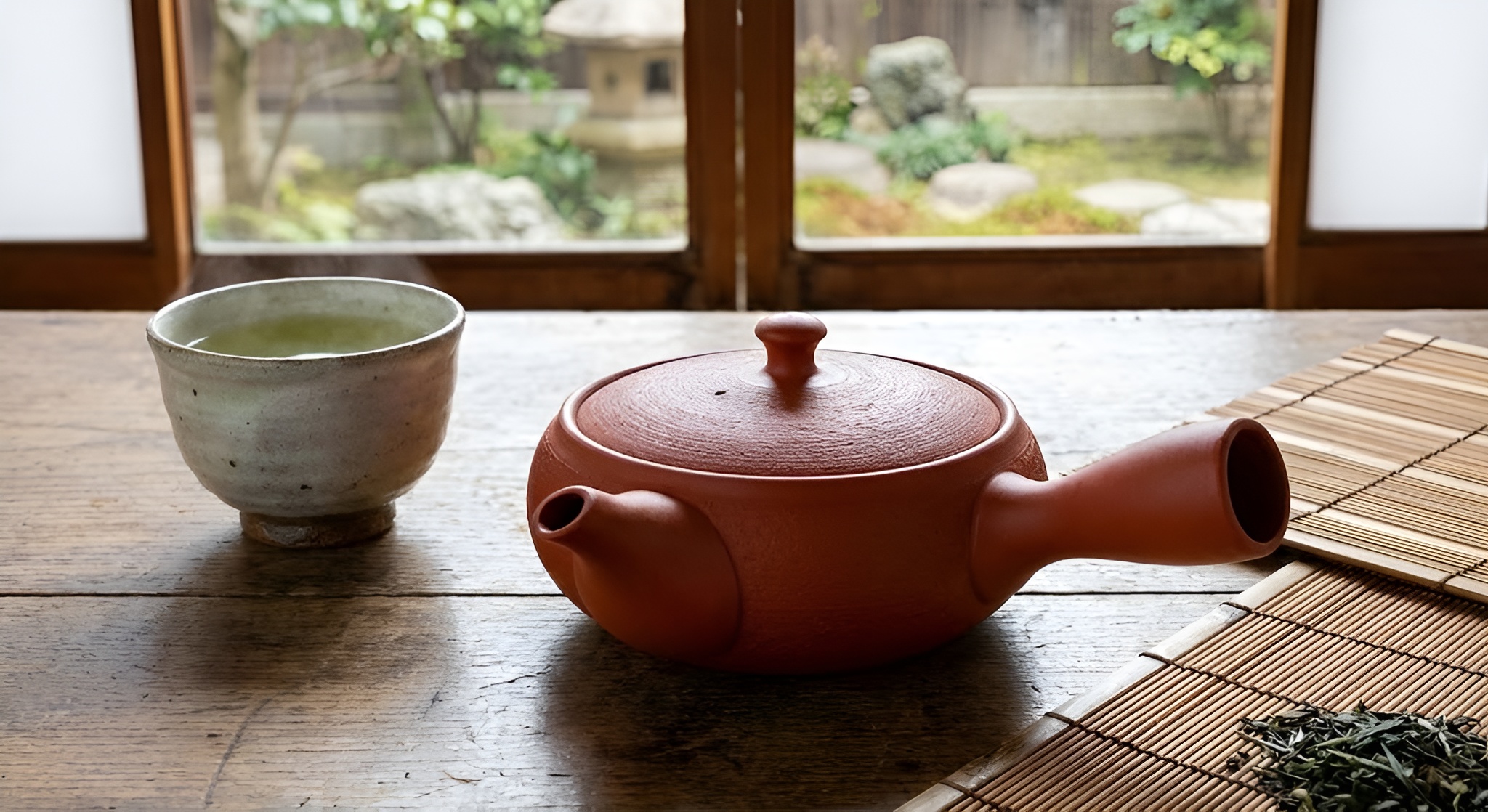
Why do Japanese pots have side handles? We explain the ergonomics and filter mechanics built for Sencha.
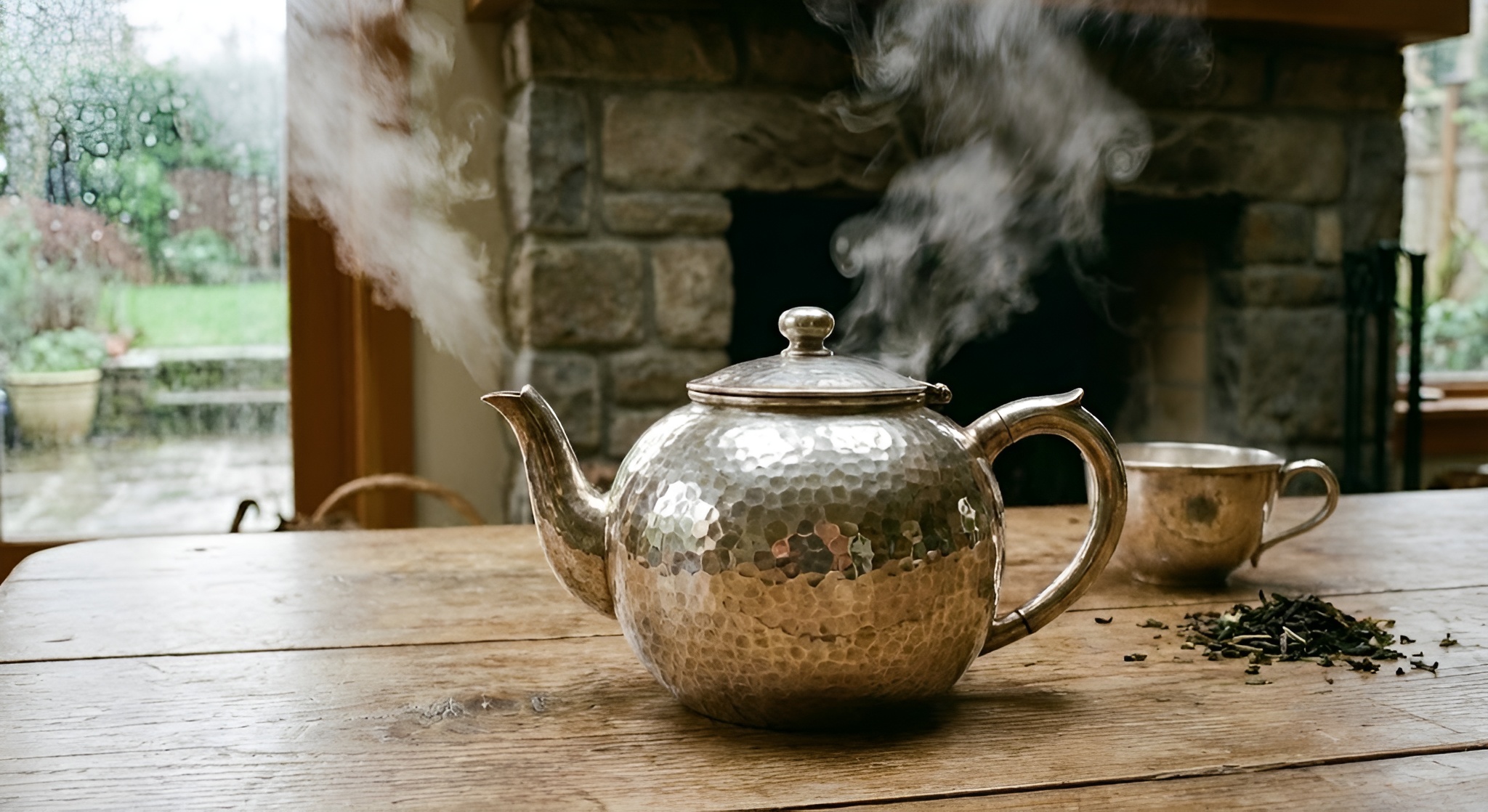
Why do tea masters pay $5,000 for silver? It's not the bling. It's the physics of heat and ion exchange.
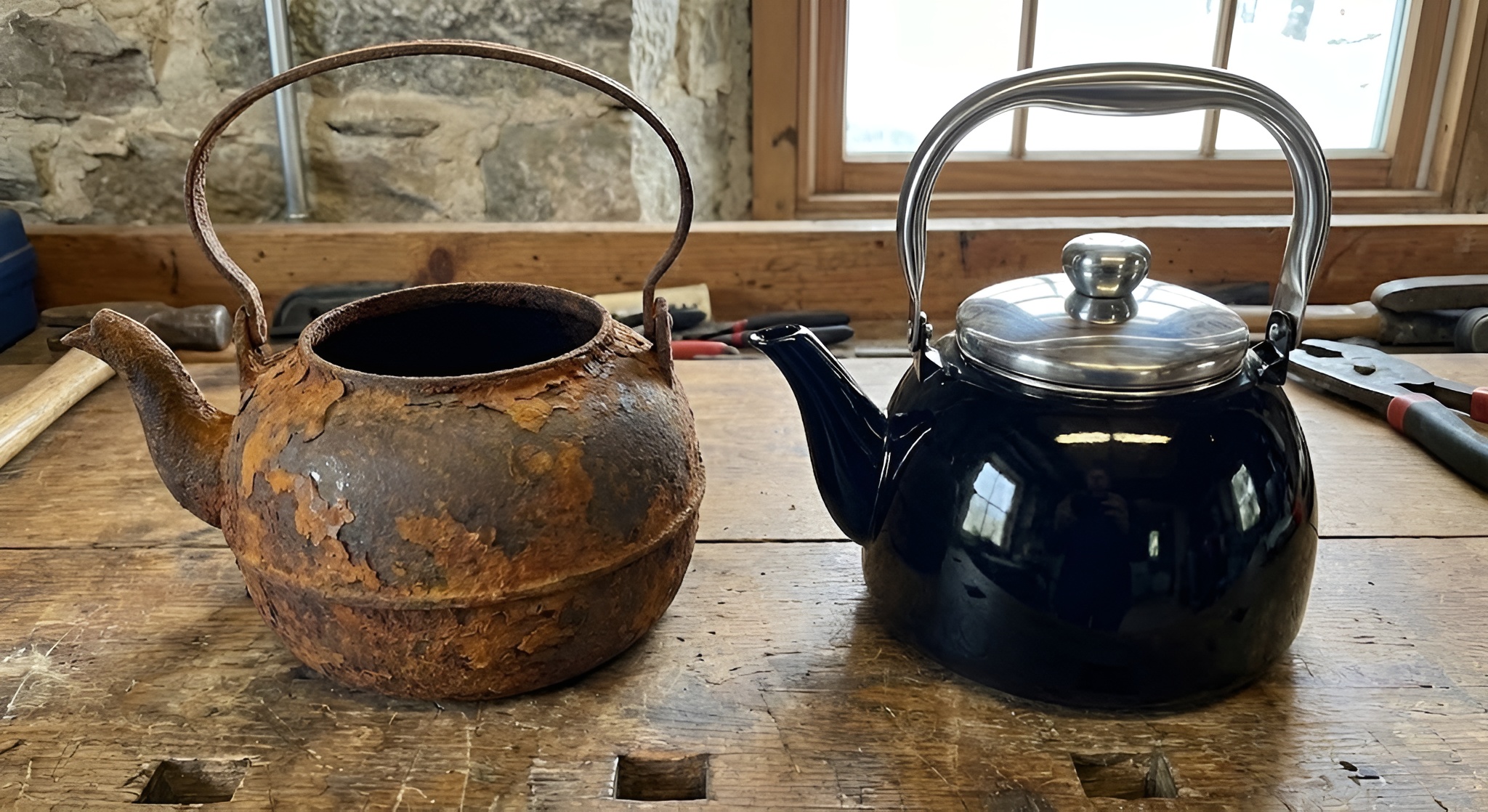
Did you buy it for the iron? If it's enamel-lined, you've been duped. We explain the difference between Kettles and Teapots.
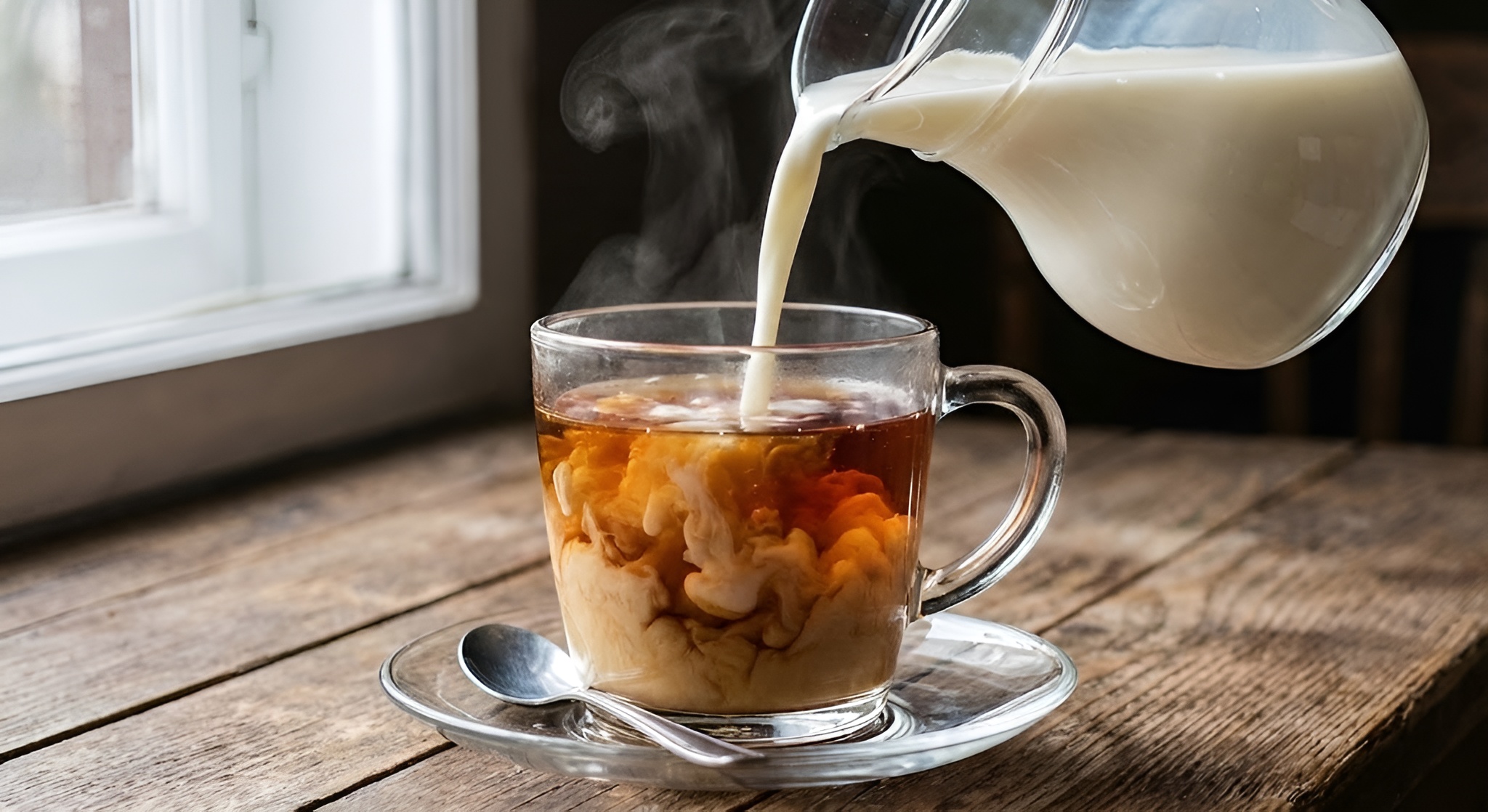
You are scalding your milk. We explain the chemistry of protein denaturation and why science says pour milk first.
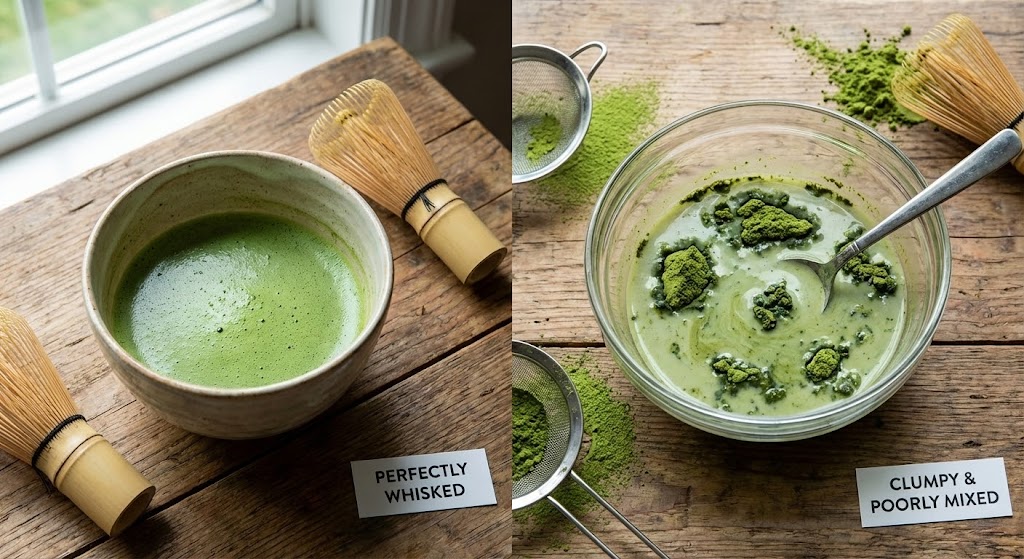
Stop ruining your expensive Matcha! Nothing worse than taking a $100 matcha and turnign into a lumpy mess. Find out your quick fixes and how to prevent it.
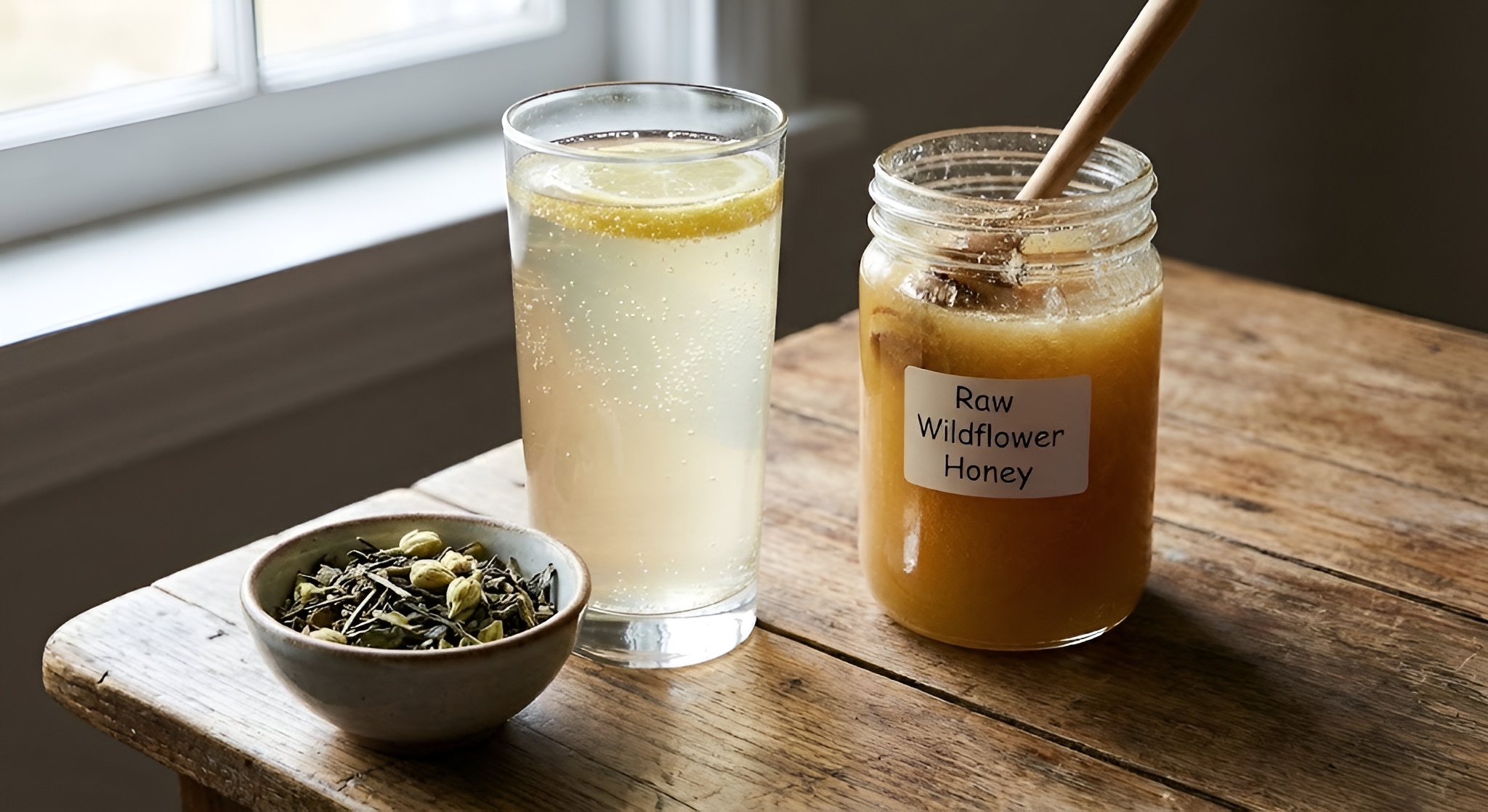
It feeds on raw honey, ferments in 3 days, and tastes like flowers. Discover the thoroughbred cousin of Kombucha.
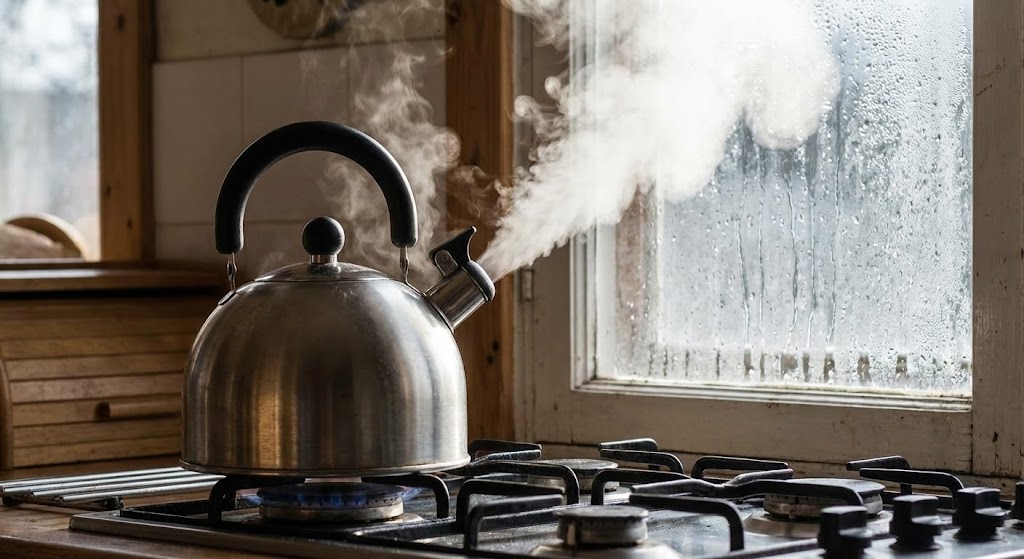
Is it safe to re-boil water in your kettle? We debunk the toxic myths and explain the real science: how dissolved oxygen affects the taste of your tea.
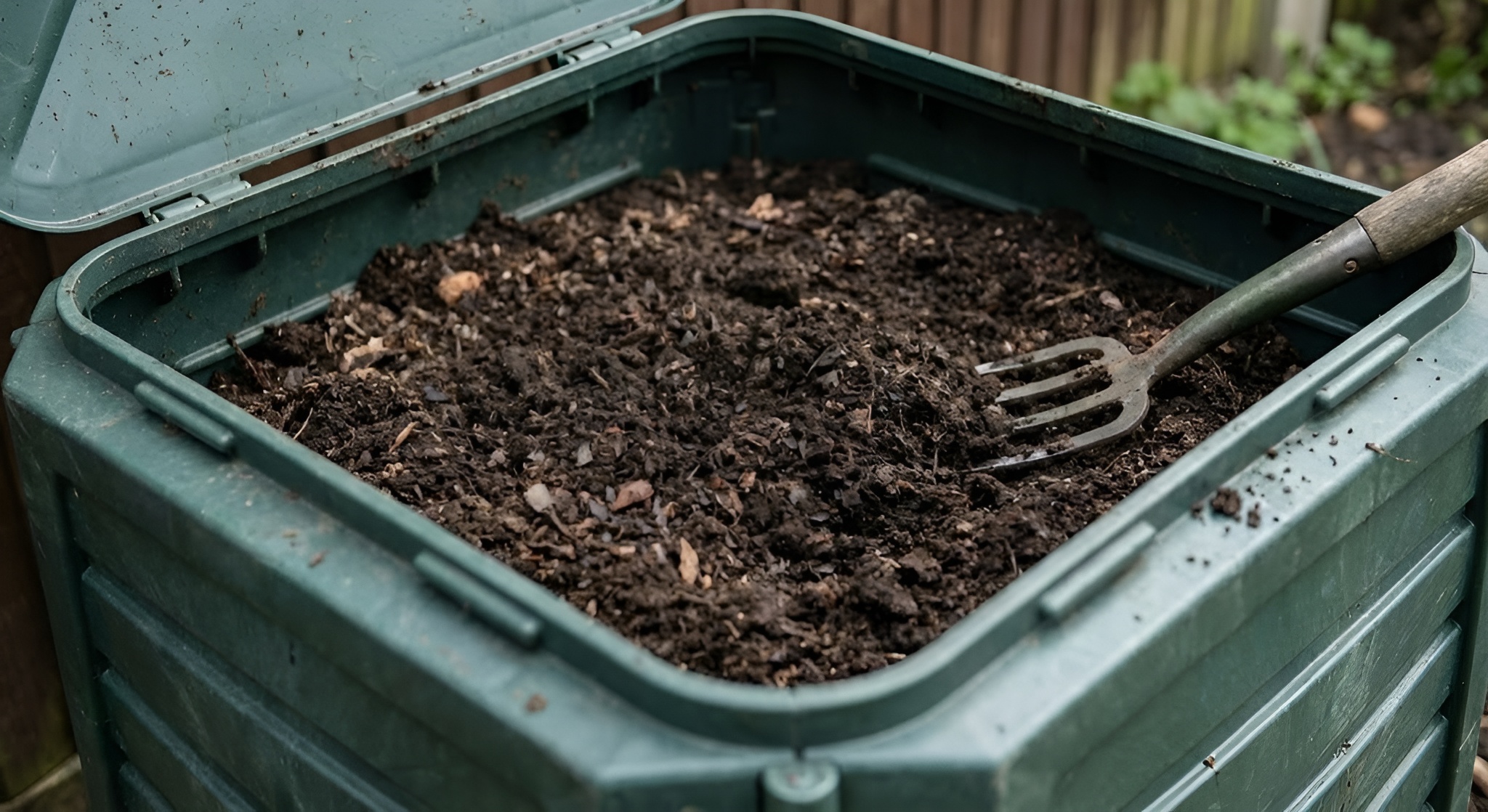
Stop feeding your garden plastic. We explain the difference between PLA, Polypropylene, and Paper tea bags, and how to test if your bag is safe for the compost heap.
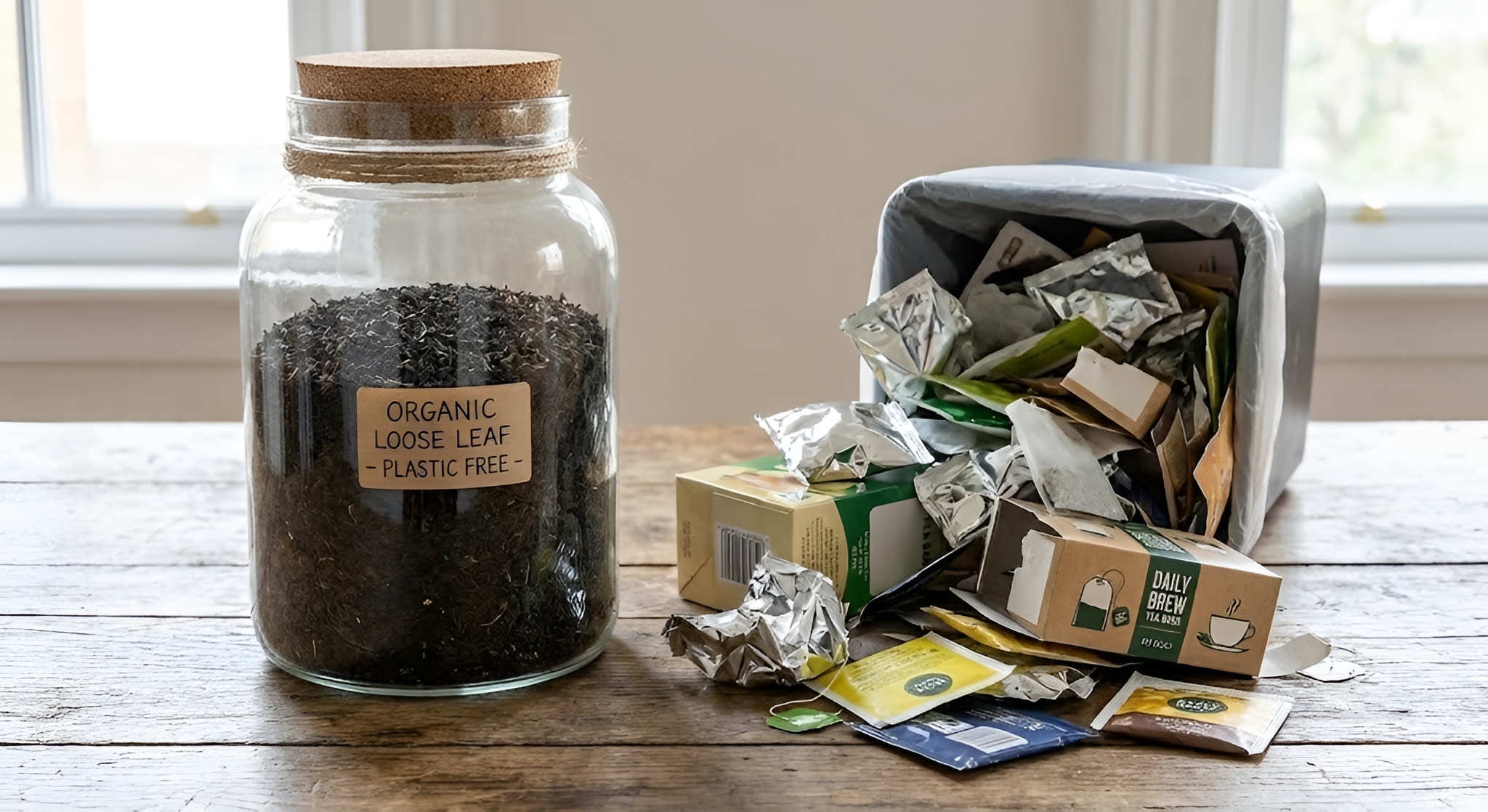
Is your daily cuppa hurting the planet? We analyze the Life Cycle Assessment (LCA) of tea to explain why Loose Leaf has a significantly lower carbon footprint than Bagged tea.
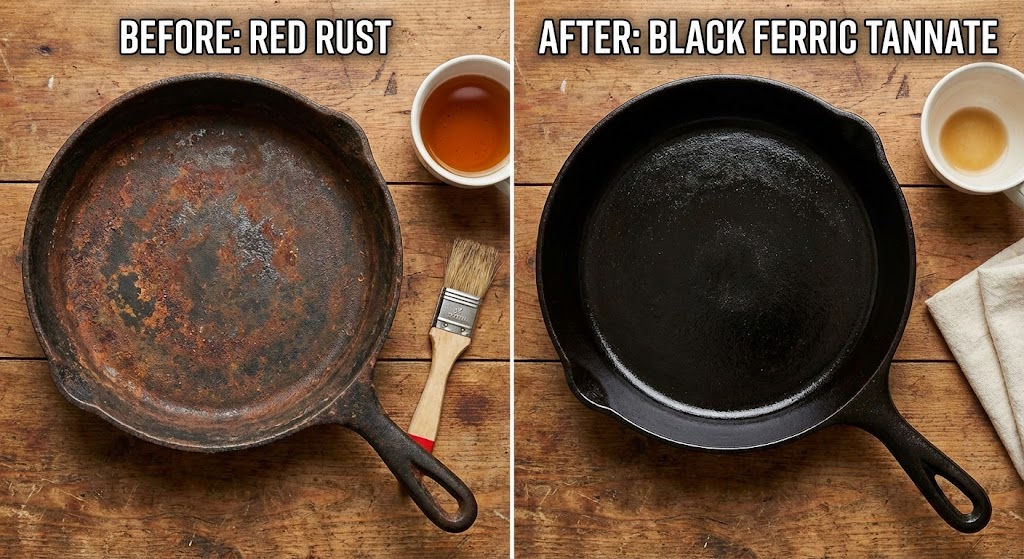
Black tea converts rust through tannic acid chemistry—Fe₂O₃ becomes ferric tannate (black protective coating). Overnight soak removes surface rust from cast iron. 95% success rate, costs 6p per treatment.
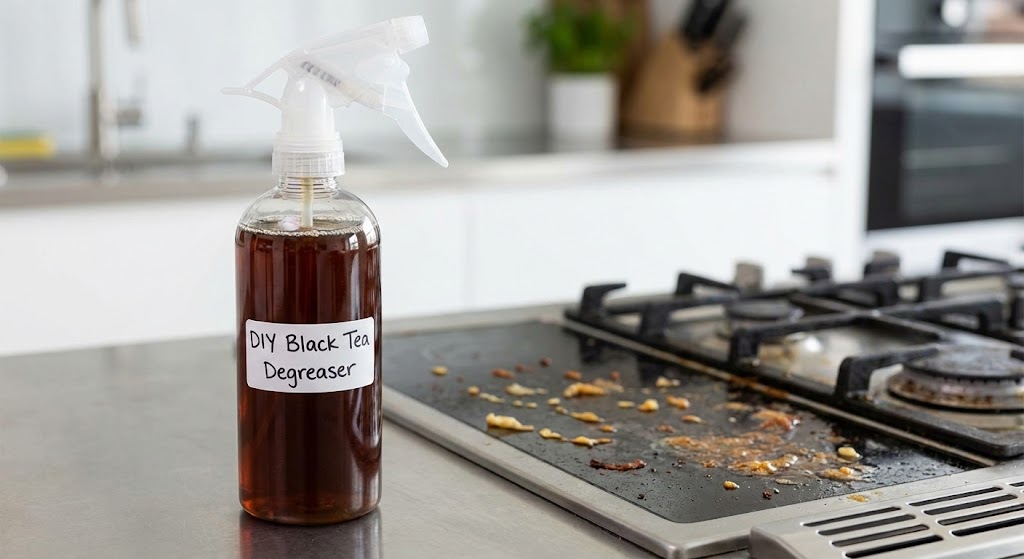
Black tea saponins cut grease like mild dish soap—amphiphilic molecules emulsify cooking oil. DIY spray: 10 bags + 500ml water + vinegar. Costs £0.20 per batch, 90% effective on daily stovetop grease.
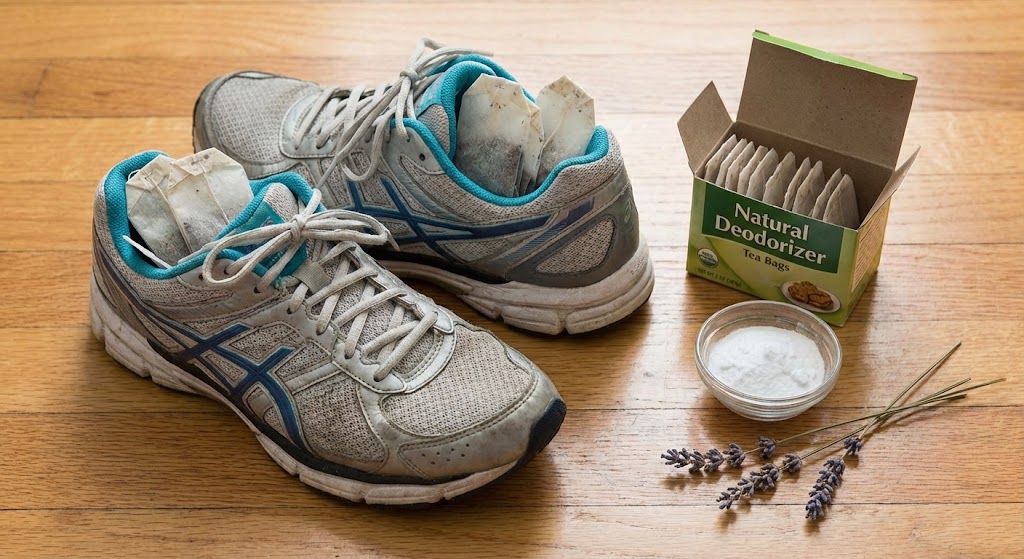
Dry tea bags absorb shoe moisture (2-3ml overnight) and kill odor-causing bacteria (catechins disrupt cell walls). Insert 1 bag per shoe after wearing, reuse 3-5 times. Costs 2.5p per treatment, reduces humidity 40-60%.
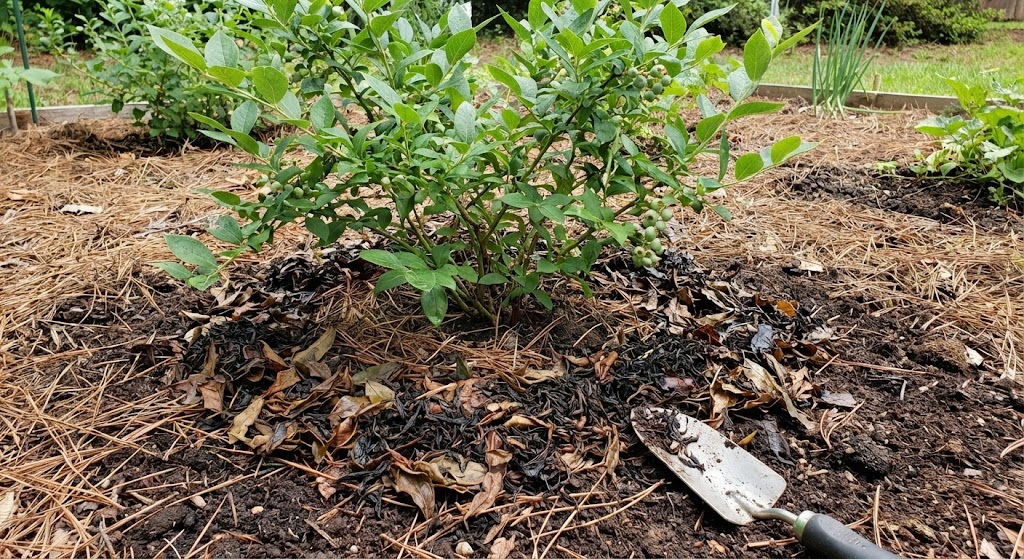
Used tea leaves lower soil pH (4.5-5.5) perfect for acid-loving plants—blueberries, azaleas, rhododendrons, ferns. Contain 2-4% nitrogen slow-release fertilizer. Direct application: 30-50g monthly. Avoid alkaline-loving lavender, clematis.
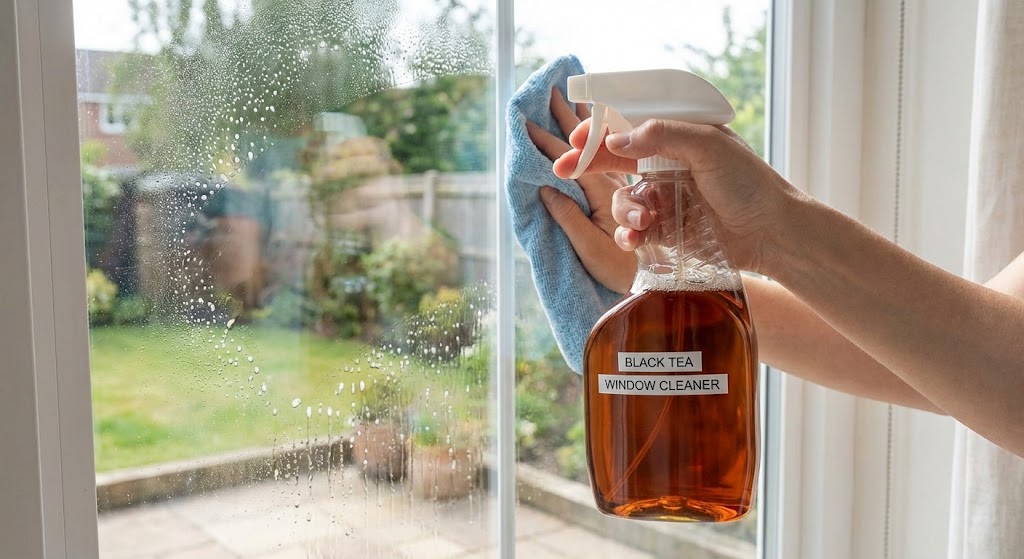
Black tea cleans glass streak-free—tannins evaporate completely unlike soap residue. Plus tannic acid dissolves hard water spots (calcium carbonate). Spray, wipe with microfiber, zero streaks. Costs £0.01 per 100ml vs £0.40 commercial.
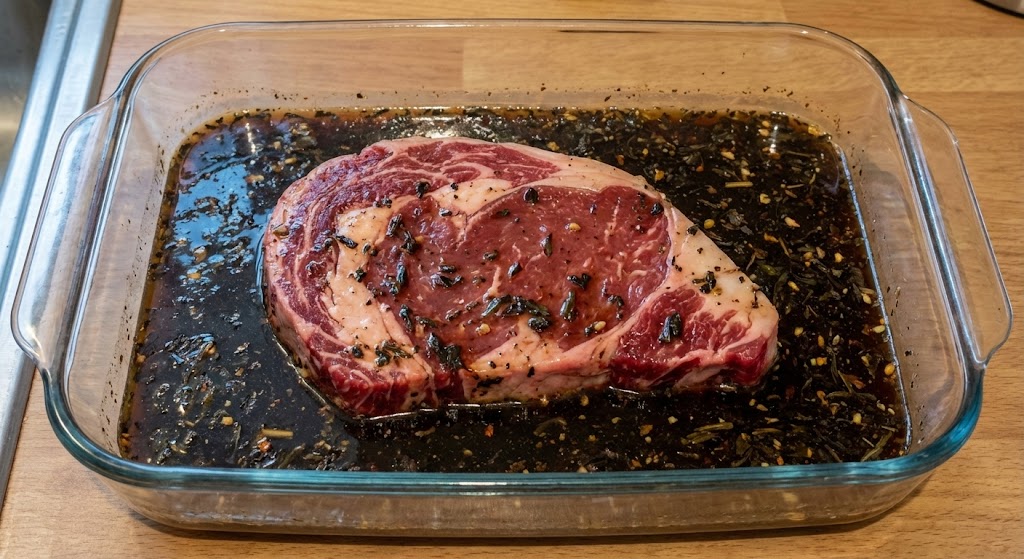
Black tea tannins denature collagen proteins, tenderizing cheap tough beef (chuck, round) without enzymes. Marinade 6-8 hours refrigerated = 60-80% softer texture. Costs 10p per marinade using 4 CTC tea bags.
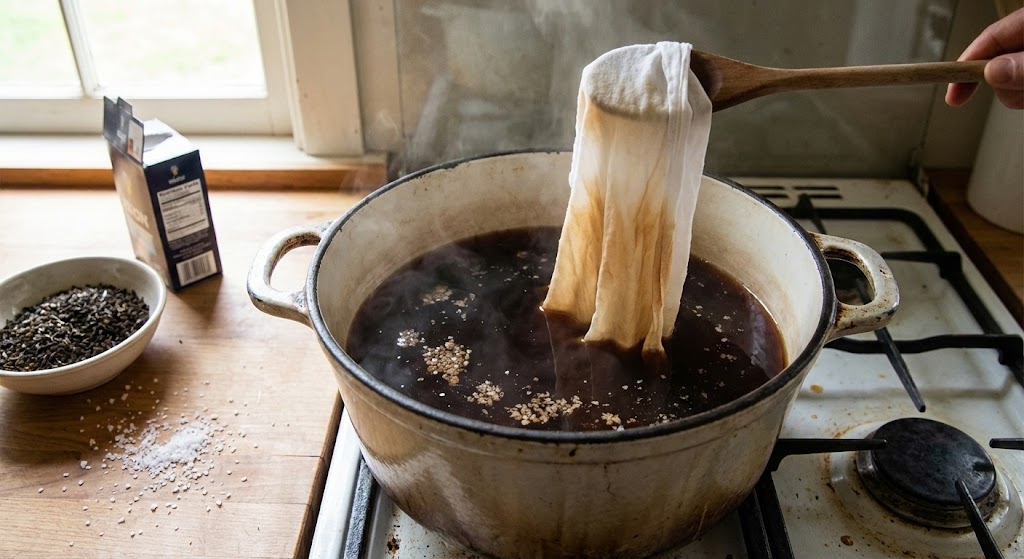
Black tea dyes white cotton to vintage beige—tannins bind cellulose via hydrogen bonds. Simmer 1 hour with salt fixative for 30-40 wash fastness. Costs £0.60 for 30 bags, dyes 1kg+ fabric. Color depth controlled by tea concentration.
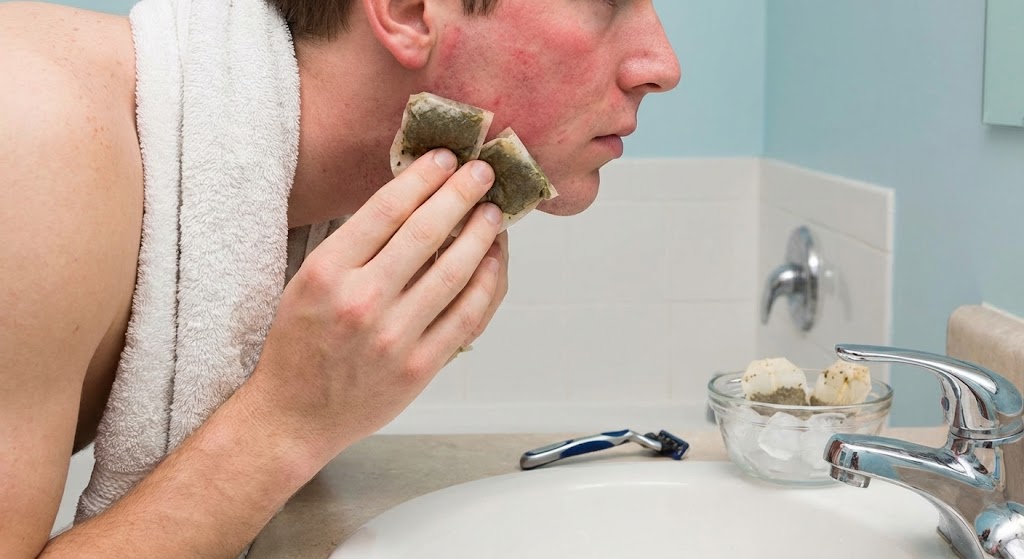
Cold tea bags treat razor burn three ways: tannins constrict blood vessels reducing inflammation, catechins kill bacteria preventing infection, cold numbs pain. Press refrigerated bags 5-10 minutes post-shave. Costs £0.05 per treatment.
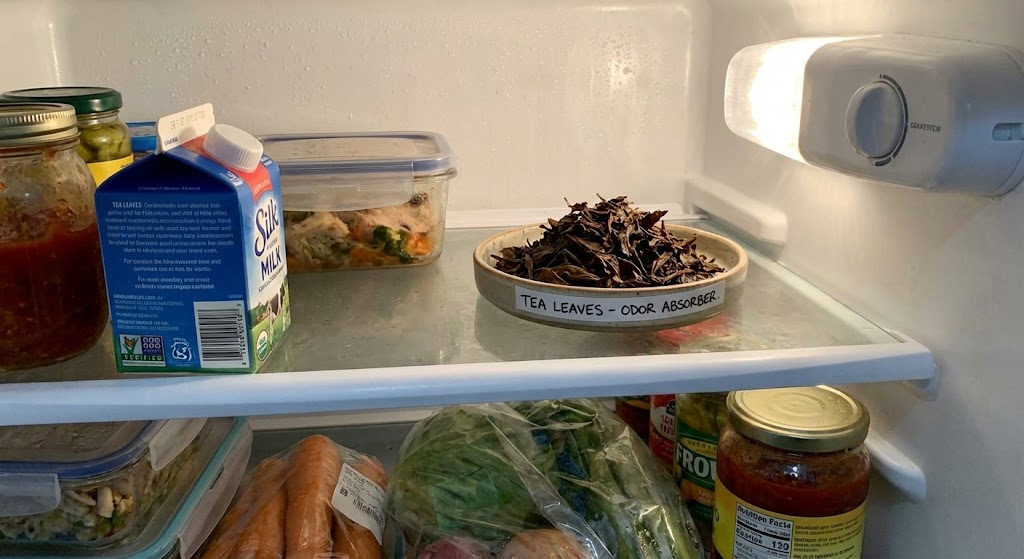
Dried tea leaves absorb fridge odors through massive surface area (300-400 m²/gram) trapping VOC molecules in porous cellulose. Place 50g dried used tea in dish, back of fridge, replace every 1-2 weeks. Costs £0.33 per month vs £2-6 for commercial.
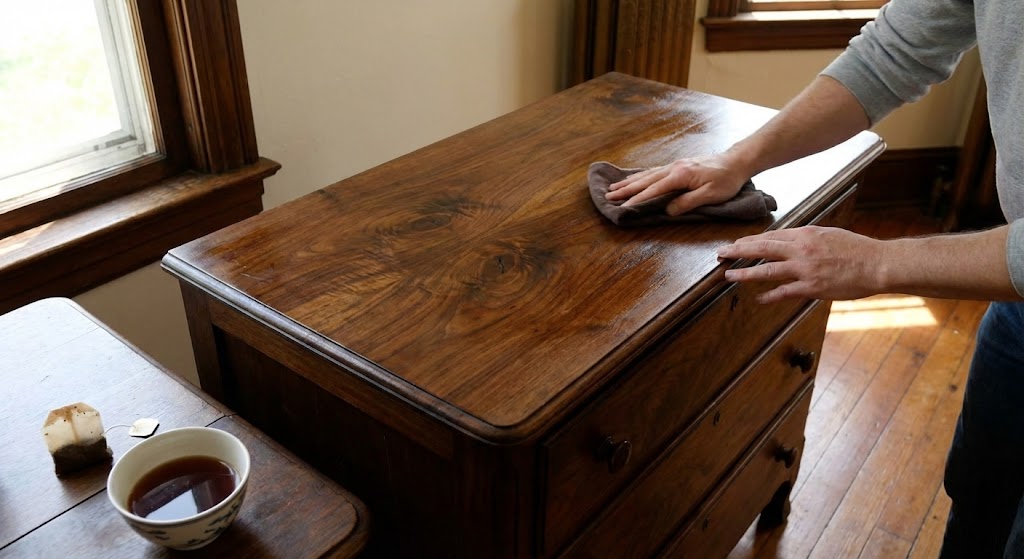
Weak black tea enhances dark wood furniture grain through tannic acid bonding with lignin. Wipe walnut, mahogany, cherry with damp tea-cloth monthly. Darkens tone 10-20%, emphasizes figure, no residue buildup. Works on dark woods only, avoid pine/maple.
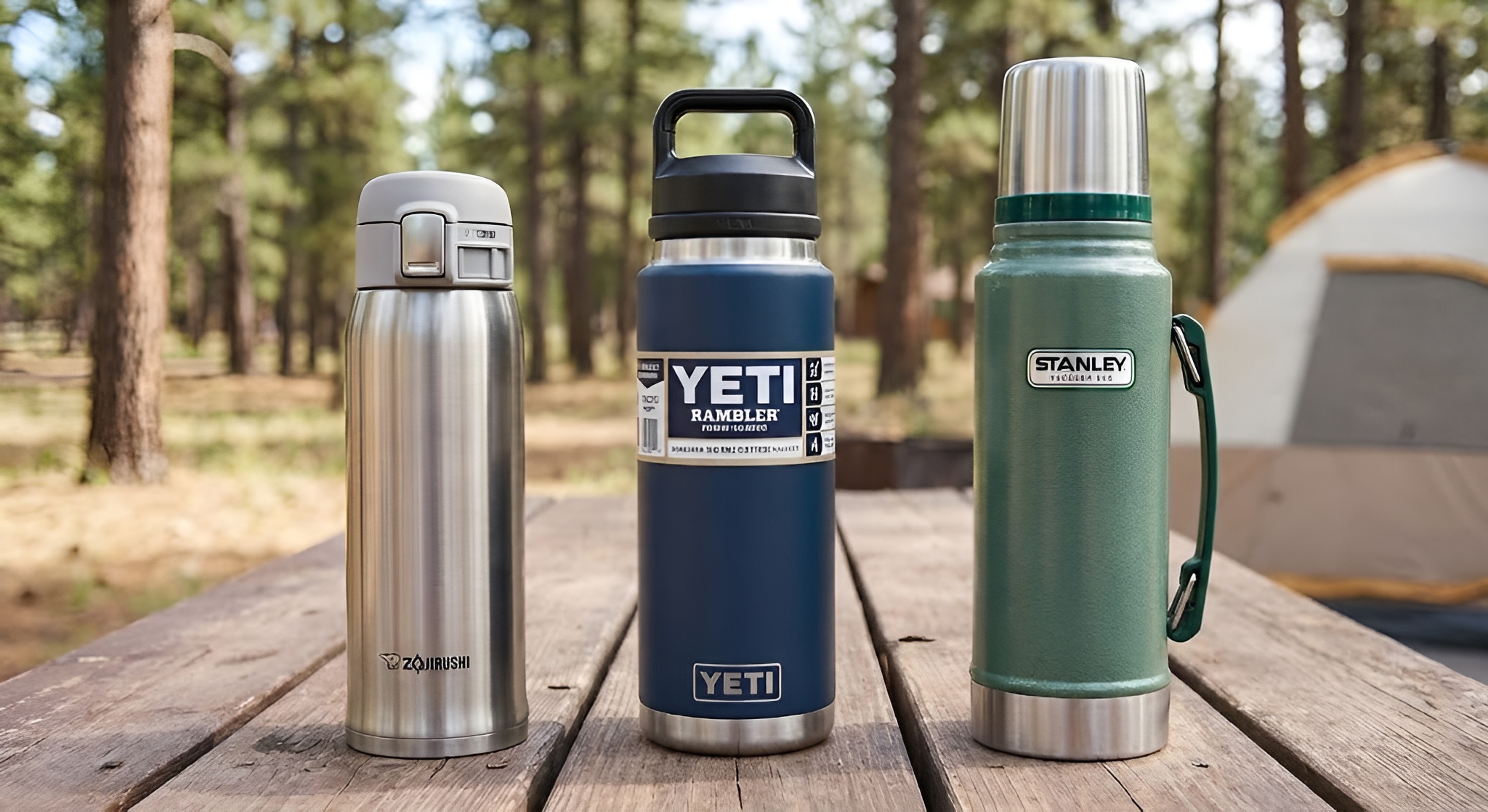
Which thermos keeps tea hot longer? Vacuum glass liners vs. double-wall steel. Know which is better & why, and the "flavor trap."
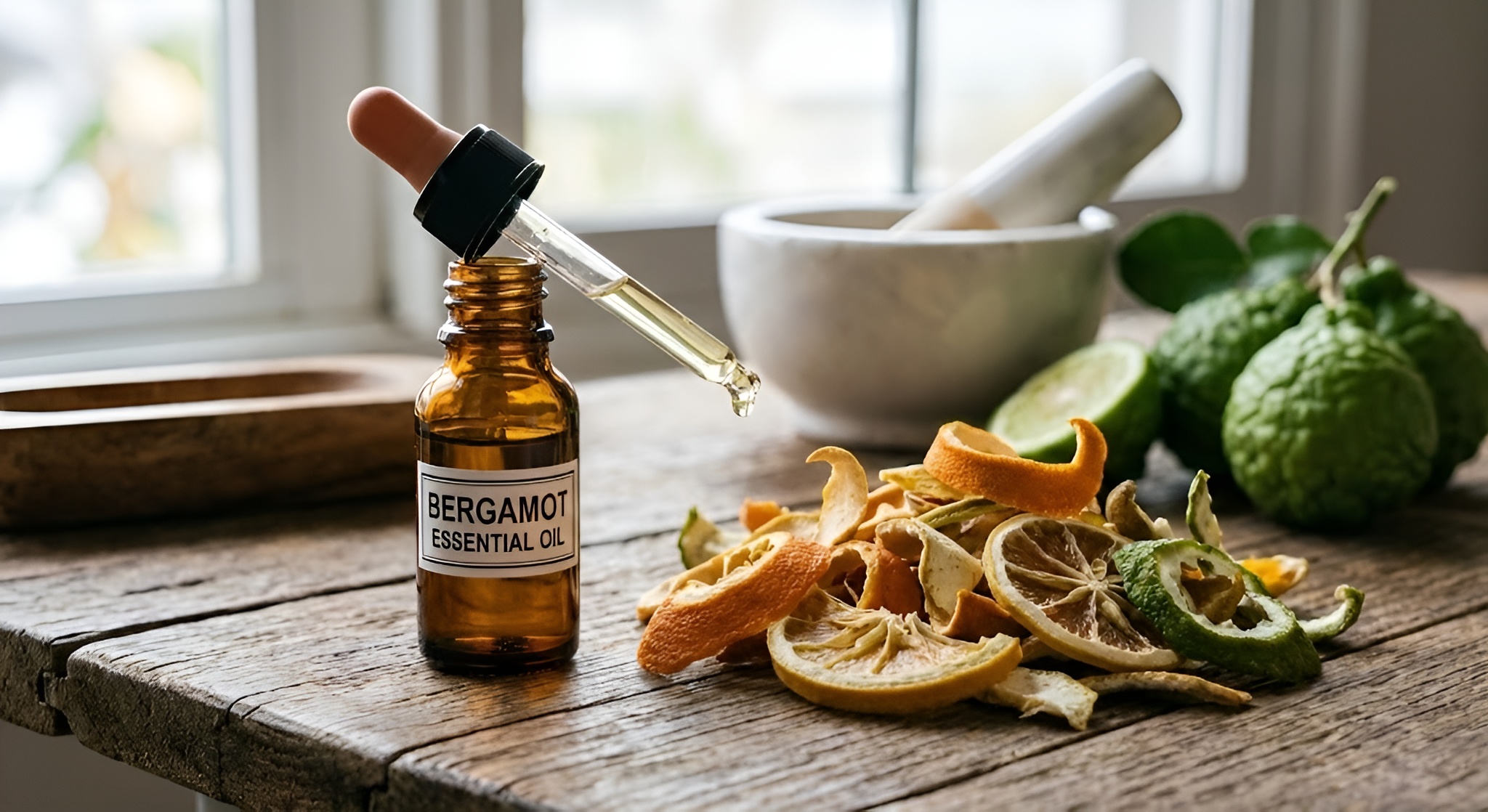
Stop buying synthetic tea. Learn how to scent your own Earl Grey at home using food-grade Bergamot oil, the correct curing process, and the right tea base.
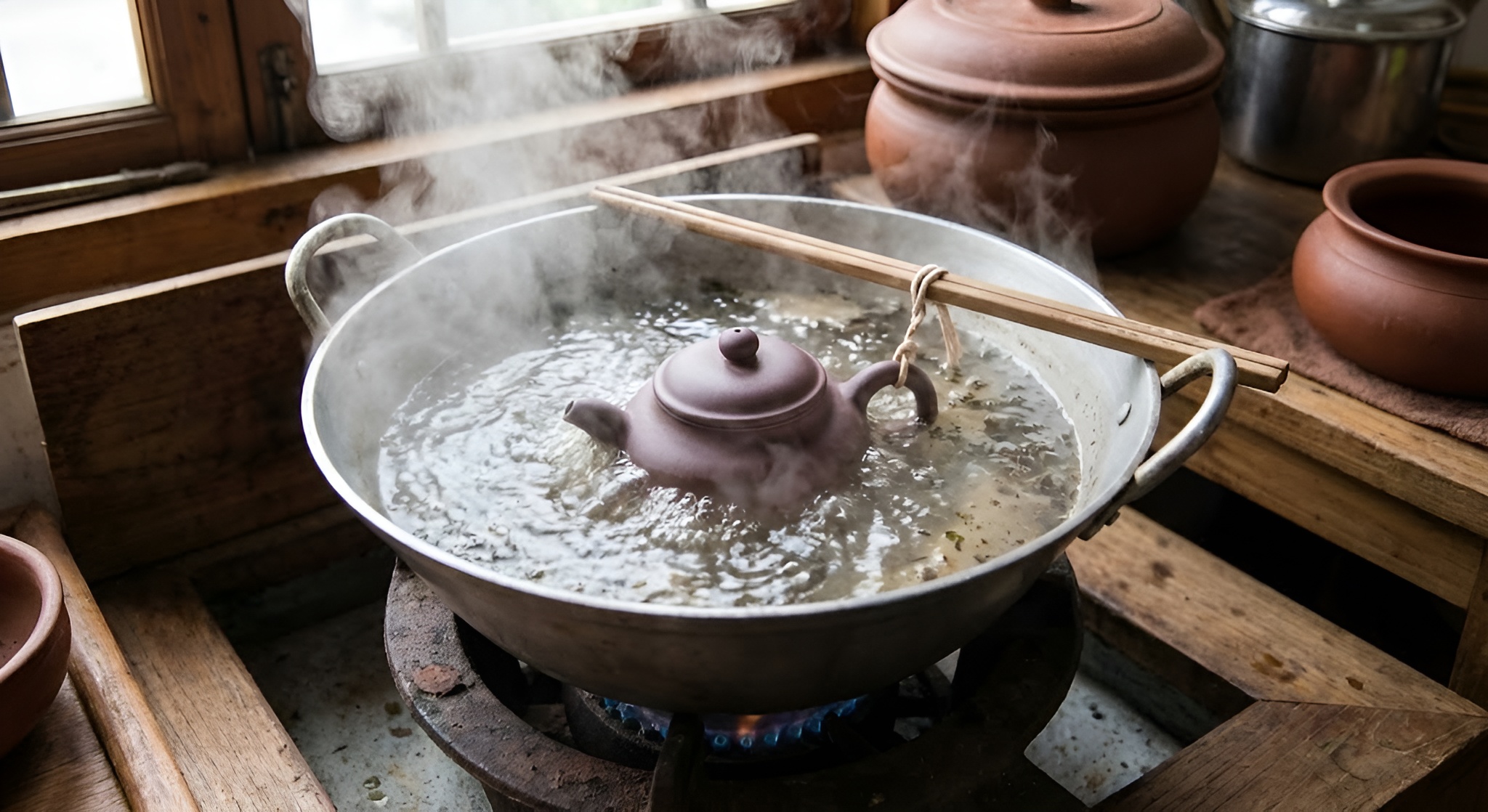
Don't ruin your clay. Learn the history, science, and traditional steps to season (raise) a Yixing teapot. Unlock the double-pore structure for the perfect brew.
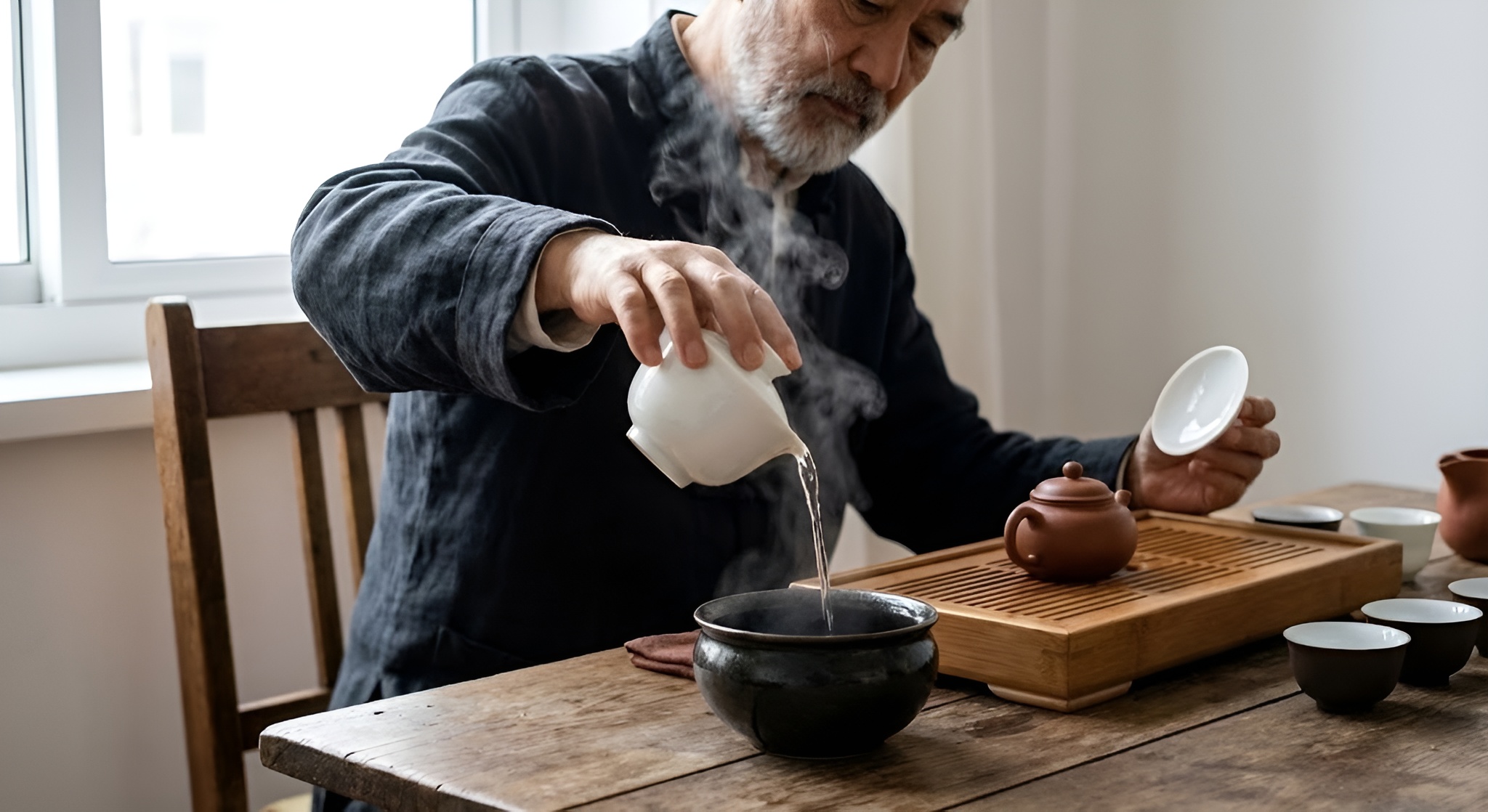
Why do tea masters throw away the first cup? We explain the science of 'Xing Cha' (The Awakening), why rinsing removes dust but not caffeine, and which teas must be rinsed.
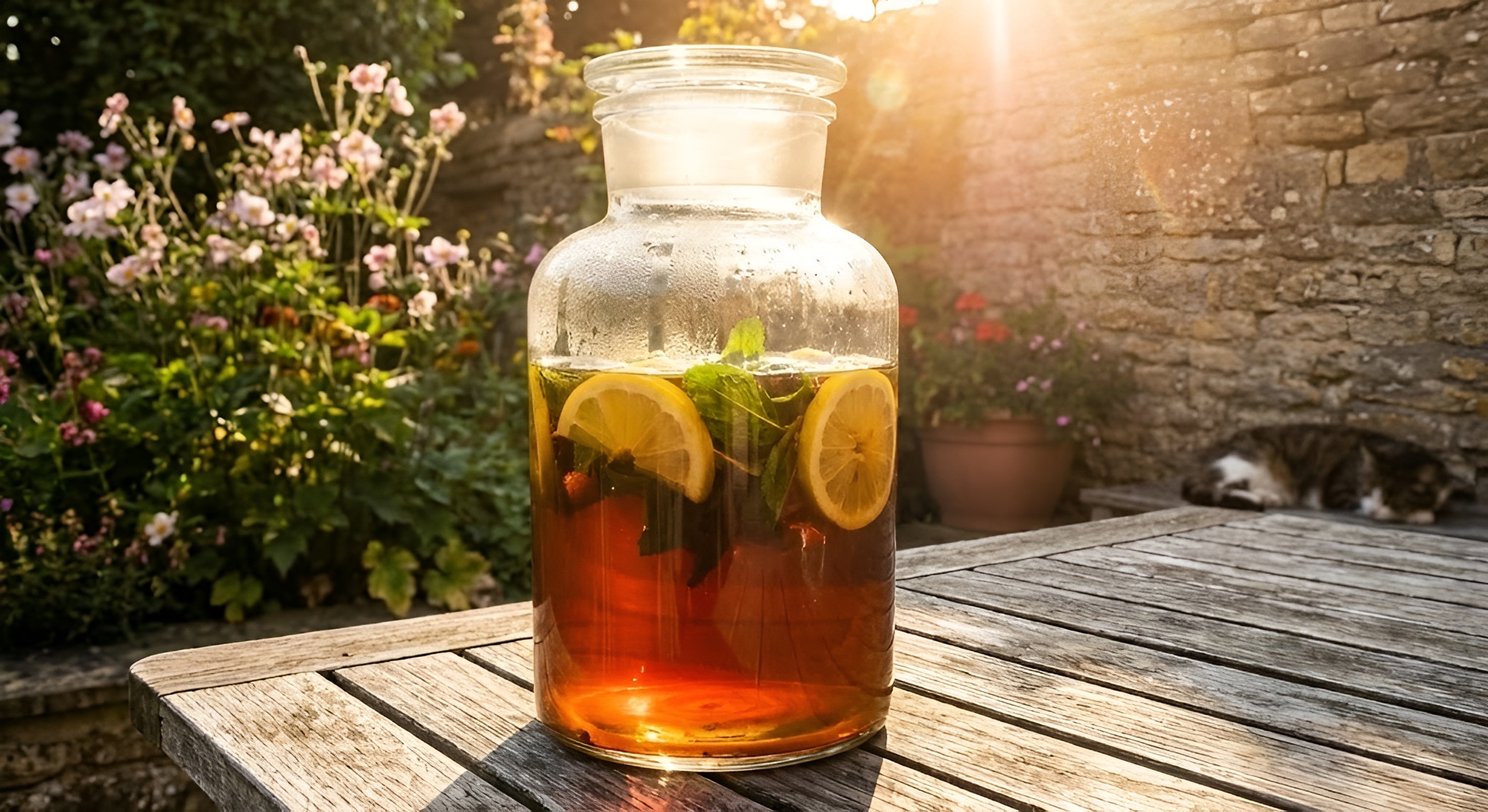
Is Sun Tea safe to drink? The CDC warns against it. We explain the 'Danger Zone' temperatures, the risk of Alcaligenes bacteria, and why Fridge Cold Brew is superior.
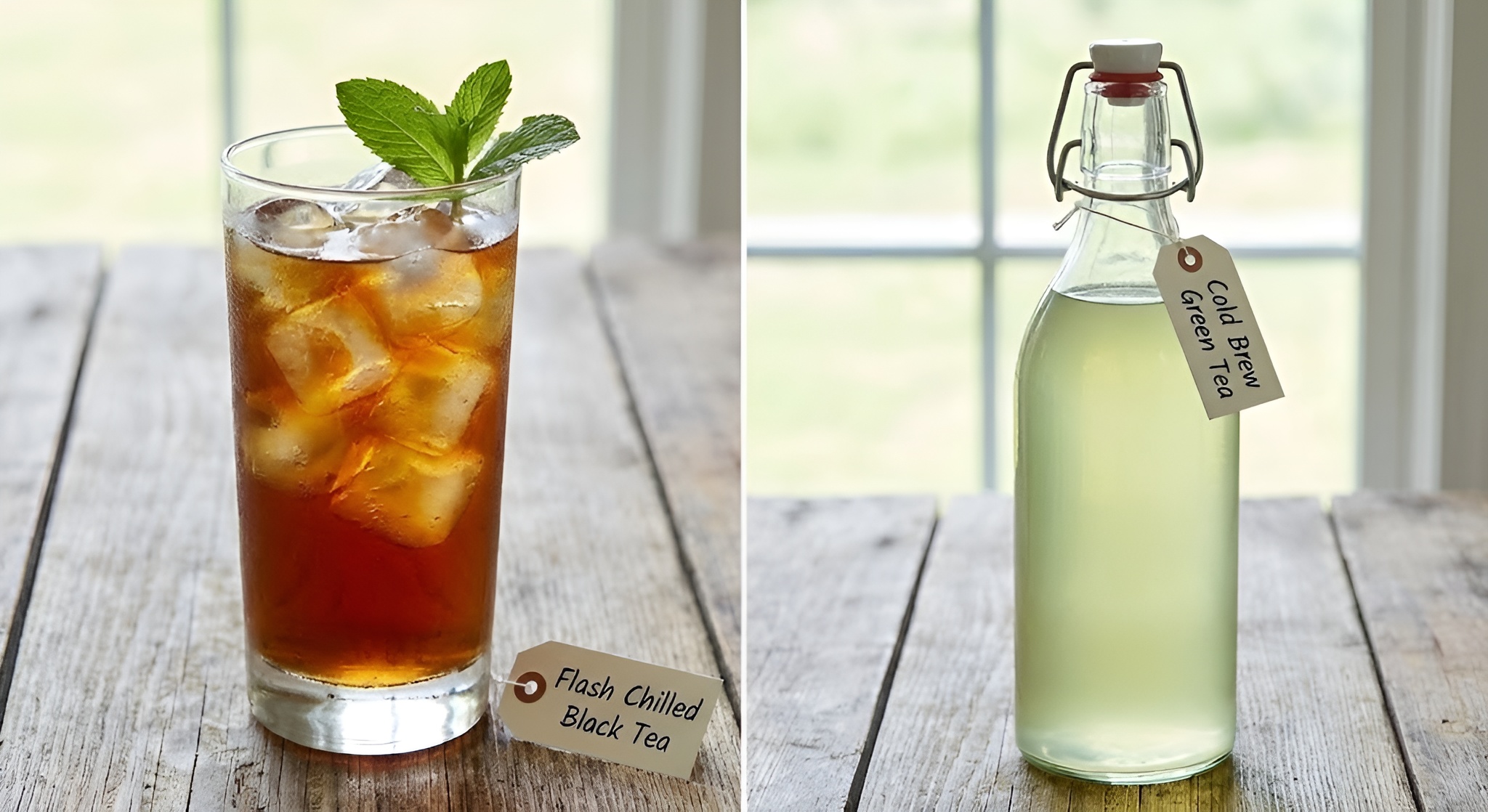
Stop settling for bitter iced tea. We analyze the science between Japanese Flash Chilling (hot extraction) vs. Cold Brewing (cold extraction) and which method suits your leaf.
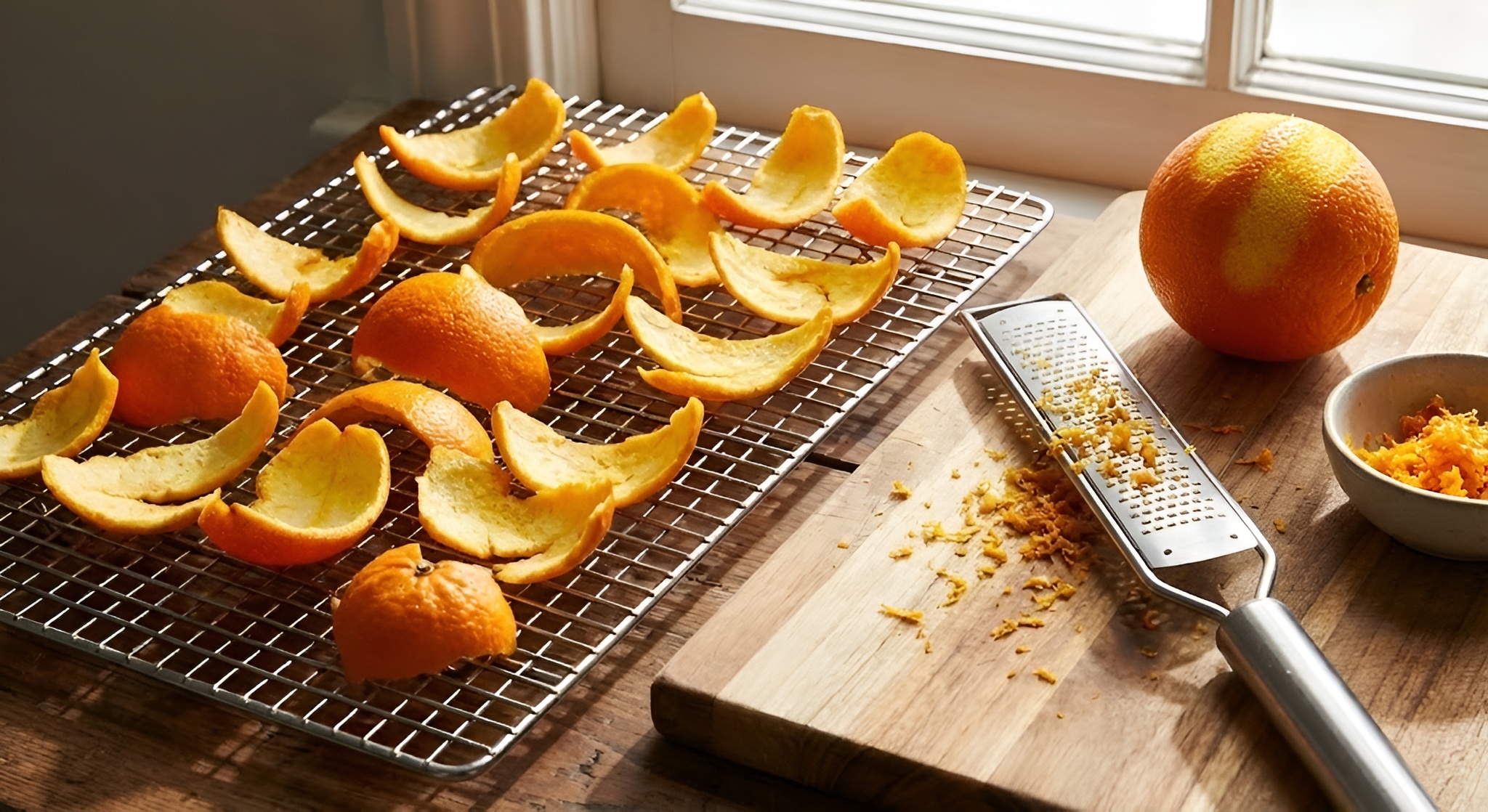
Don't throw away your peels! Learn how to dry orange, lemon, and grapefruit peels for tea blending. We cover the oven method, air drying, and the critical 'pith rule'.

Unlock the best flavor from your leaves by mastering water quality, temperature, and steeping time.
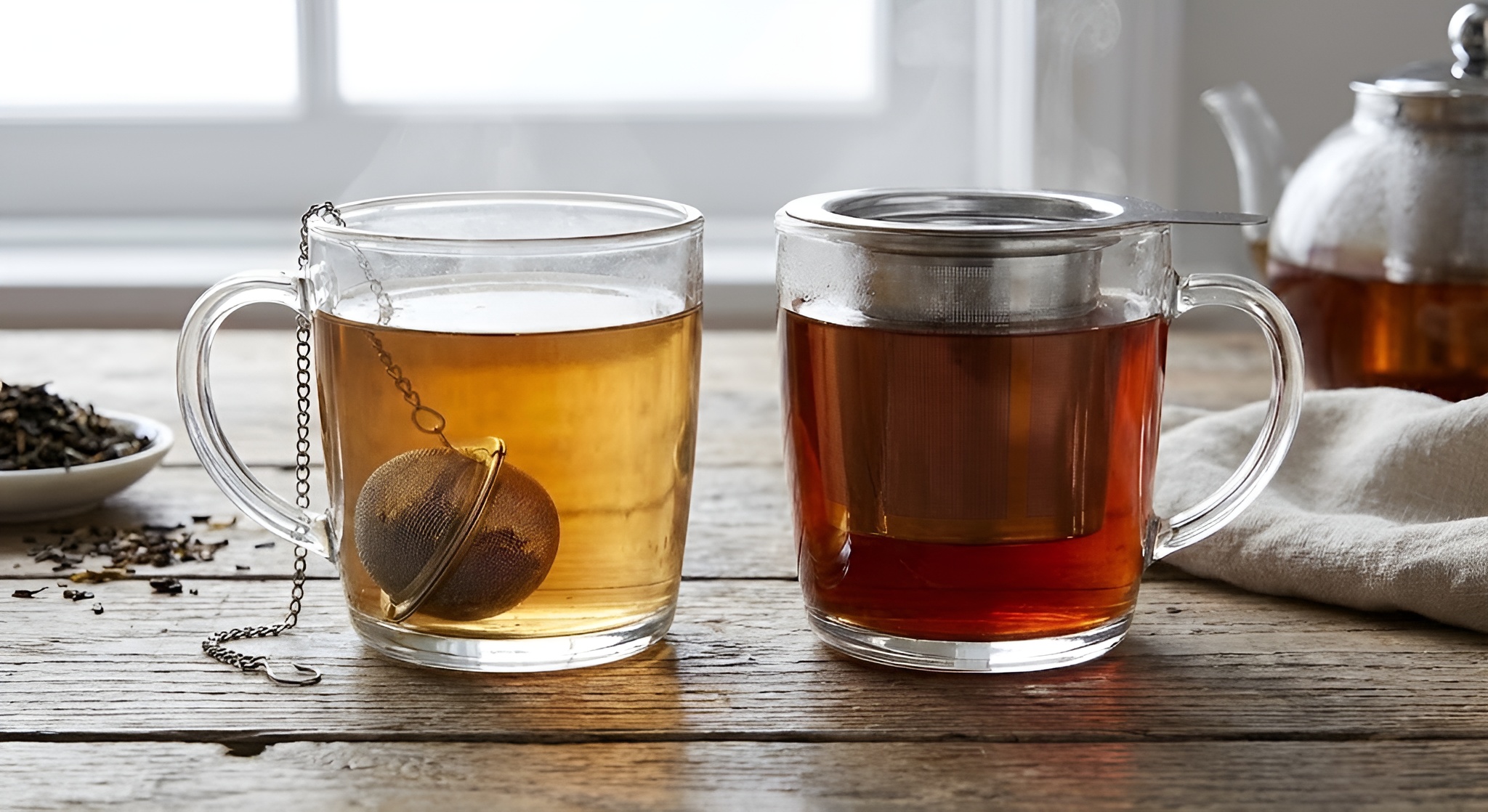
Is your tea ball ruining your brew? We analyze leaf expansion, why cramping leaves kills flavor, and why baskets are the superior choice.
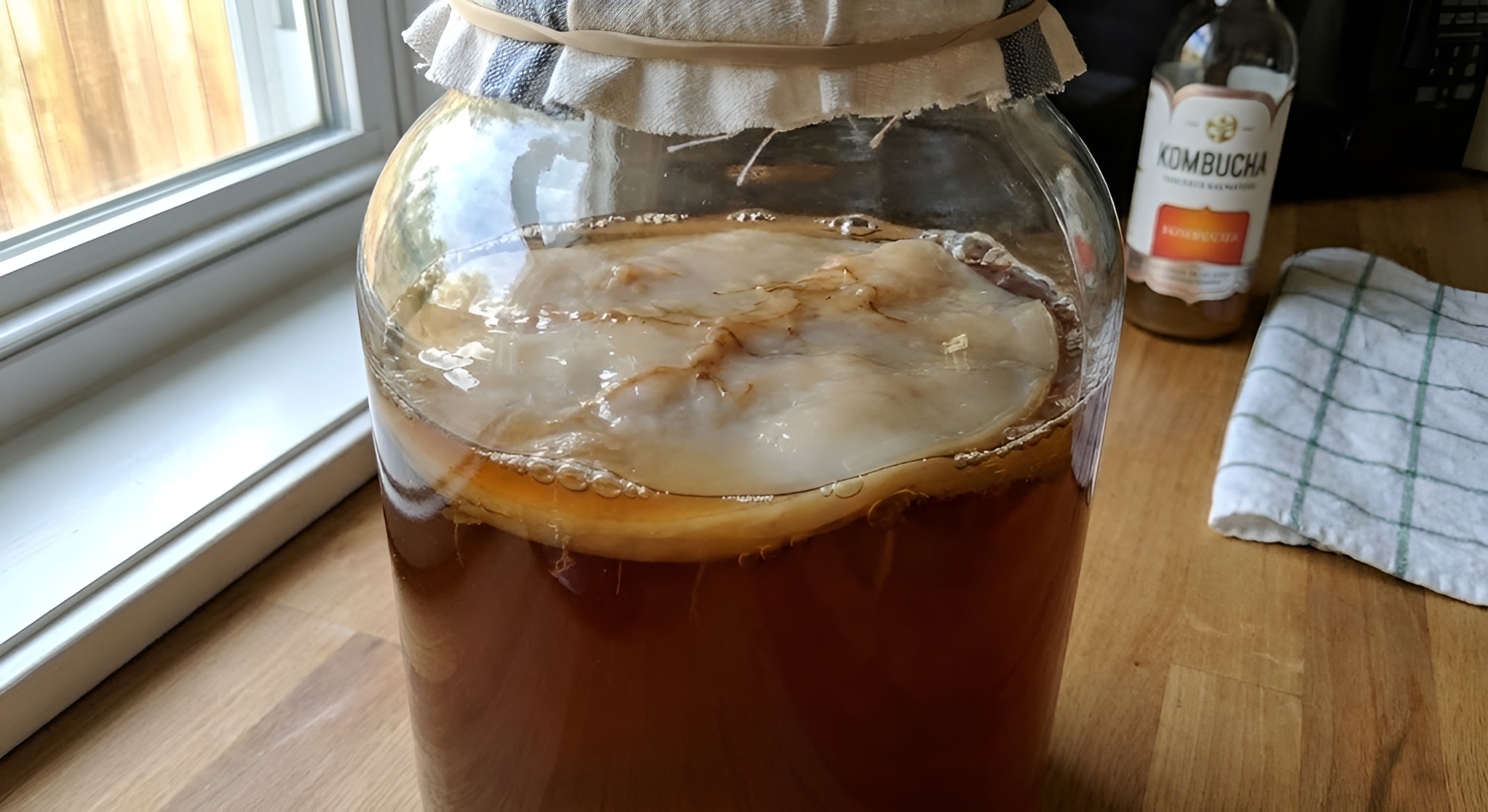
Forget the fruit. The secret to world-class Kombucha is the tea base. We explain the nitrogen science behind the SCOBY.
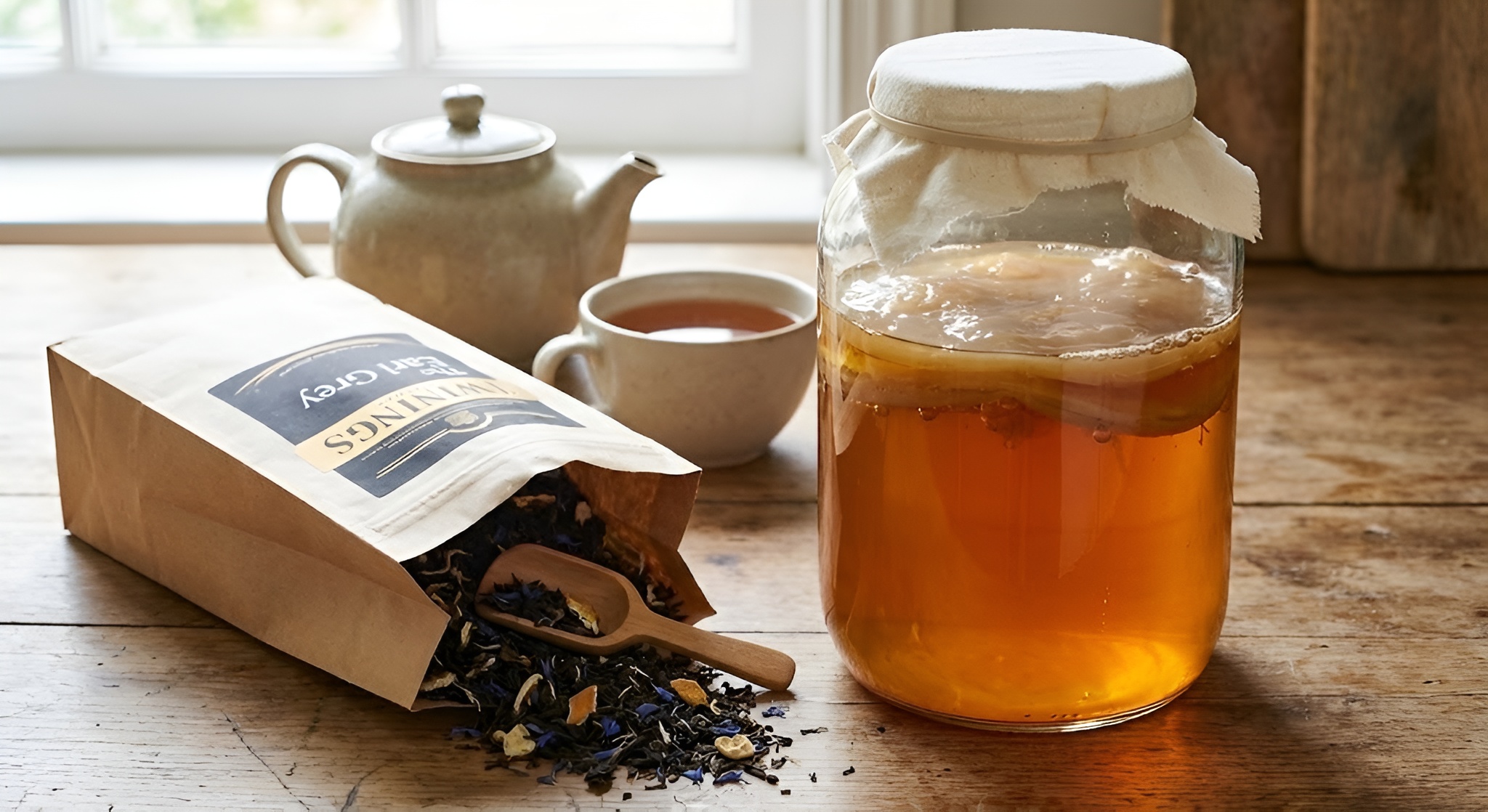
Why bergamot oil acts as an antibiotic to your SCOBY, and which tea cultivars provide the best nitrogen fuel.
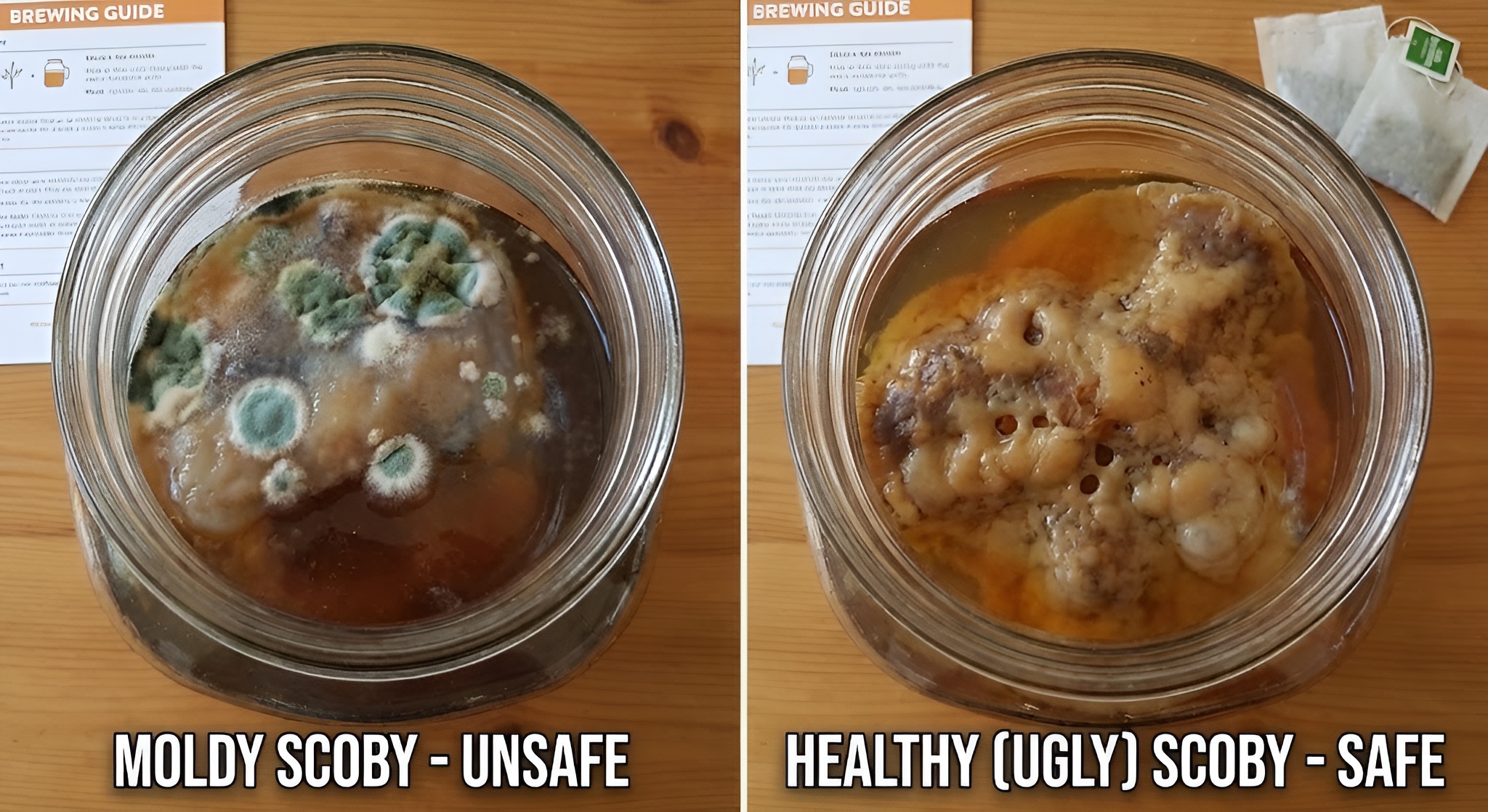
Don't panic. Learn to distinguish dangerous fuzzy mold from harmless Kahm yeast with our visual pathology checklist.
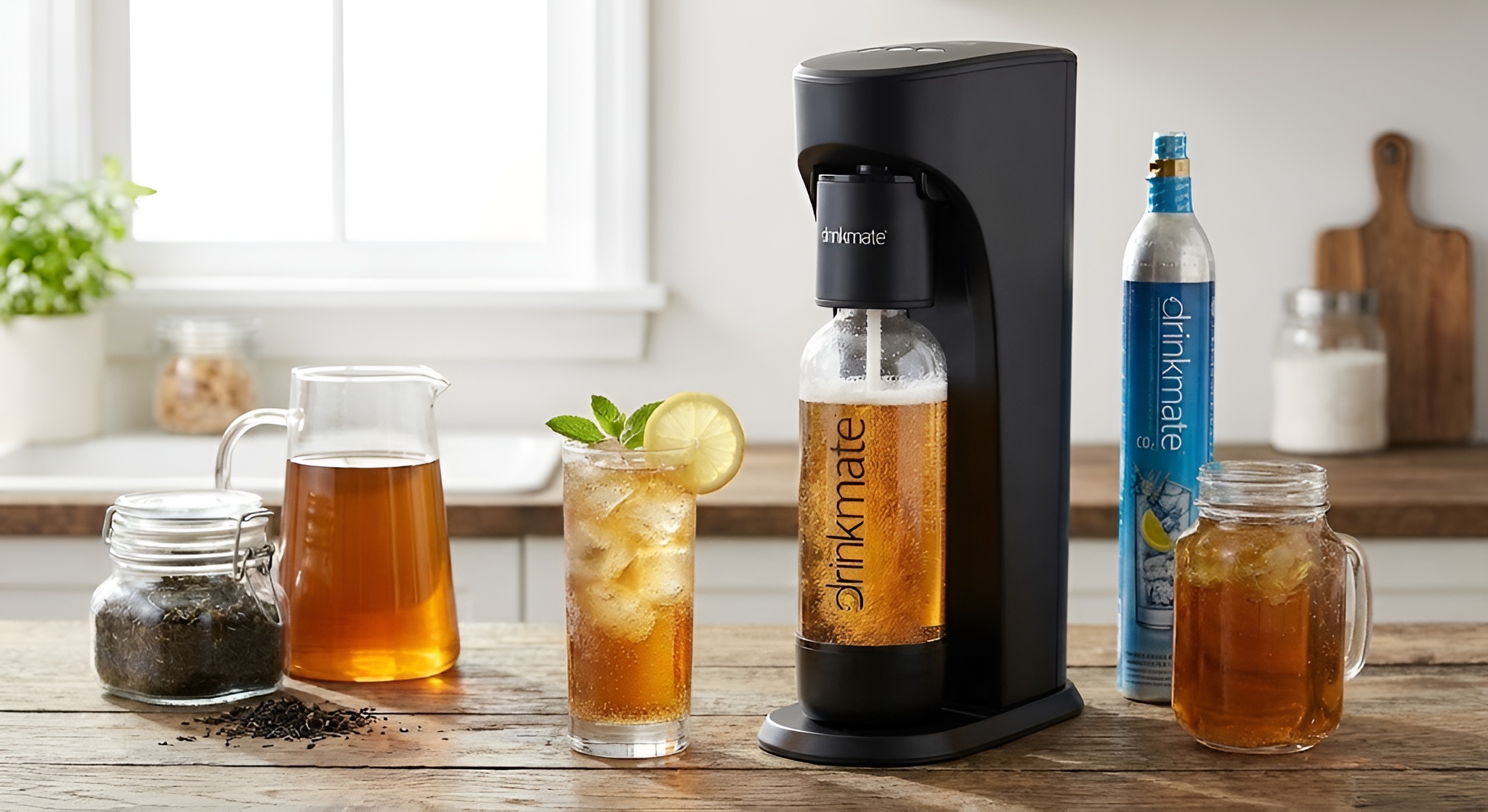
From the easy Drinkmate hack to professional force carbonation. We teach you how to add bubbles safely.
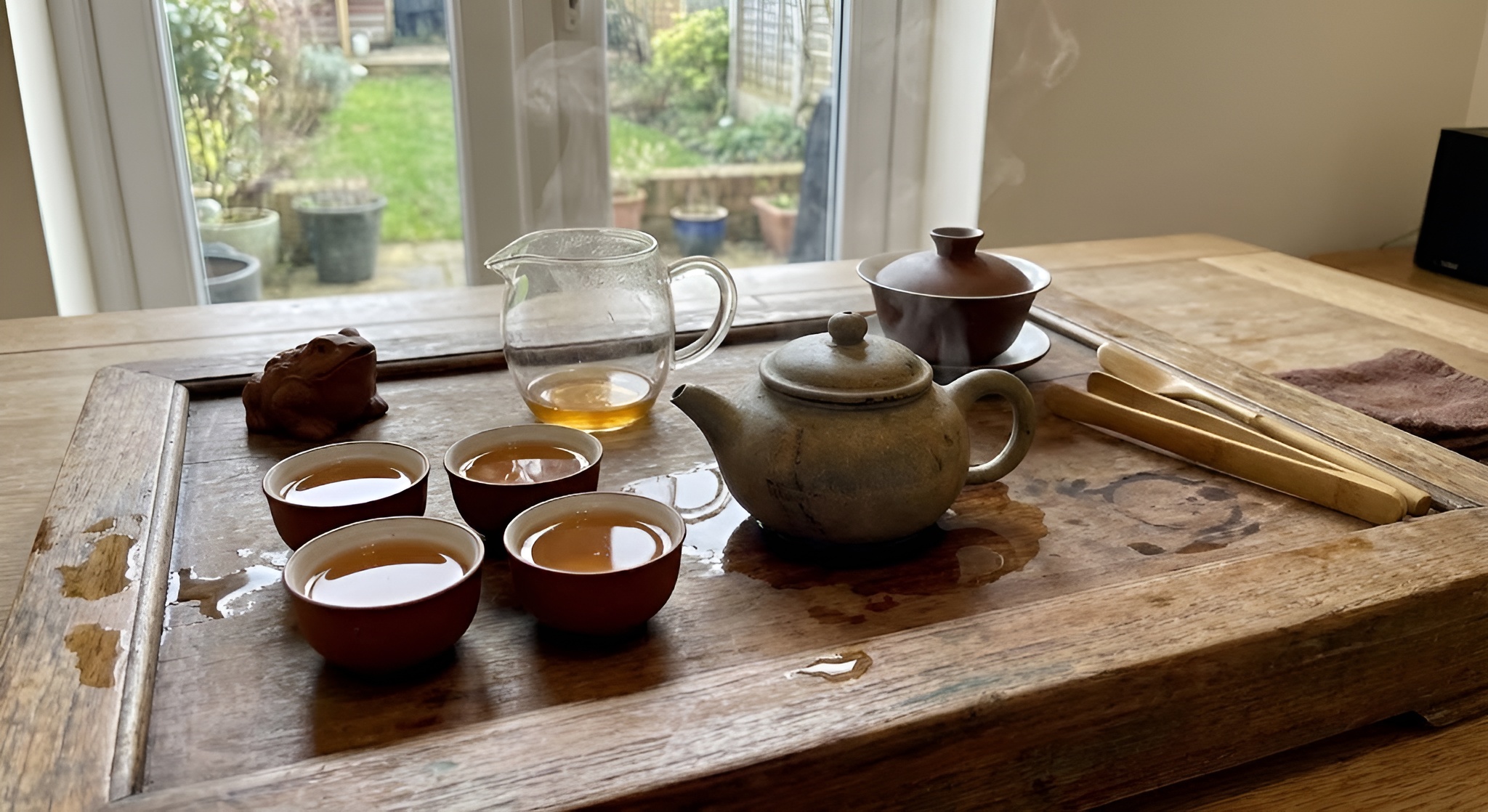
What is Gongfu Cha? It's not a martial art. It's the art of brewing tea with skill. Learn the high leaf ratio method that unlocks flavors you never knew existed.
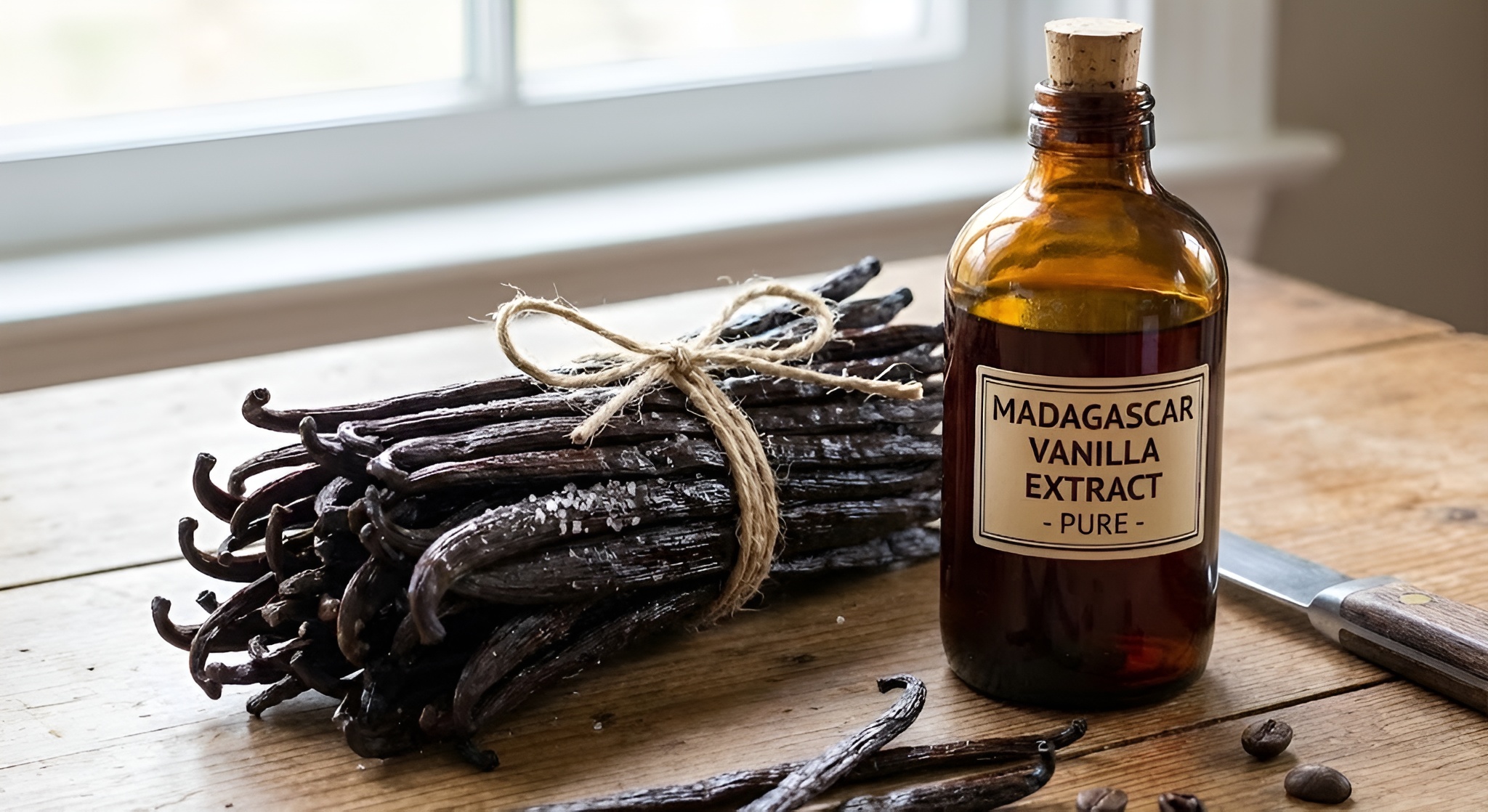
Learn how to scent your own vanilla tea. We compare the slow 'Curing Method' using whole beans vs. the fast 'Extract Method', plus tips on Grade B beans.
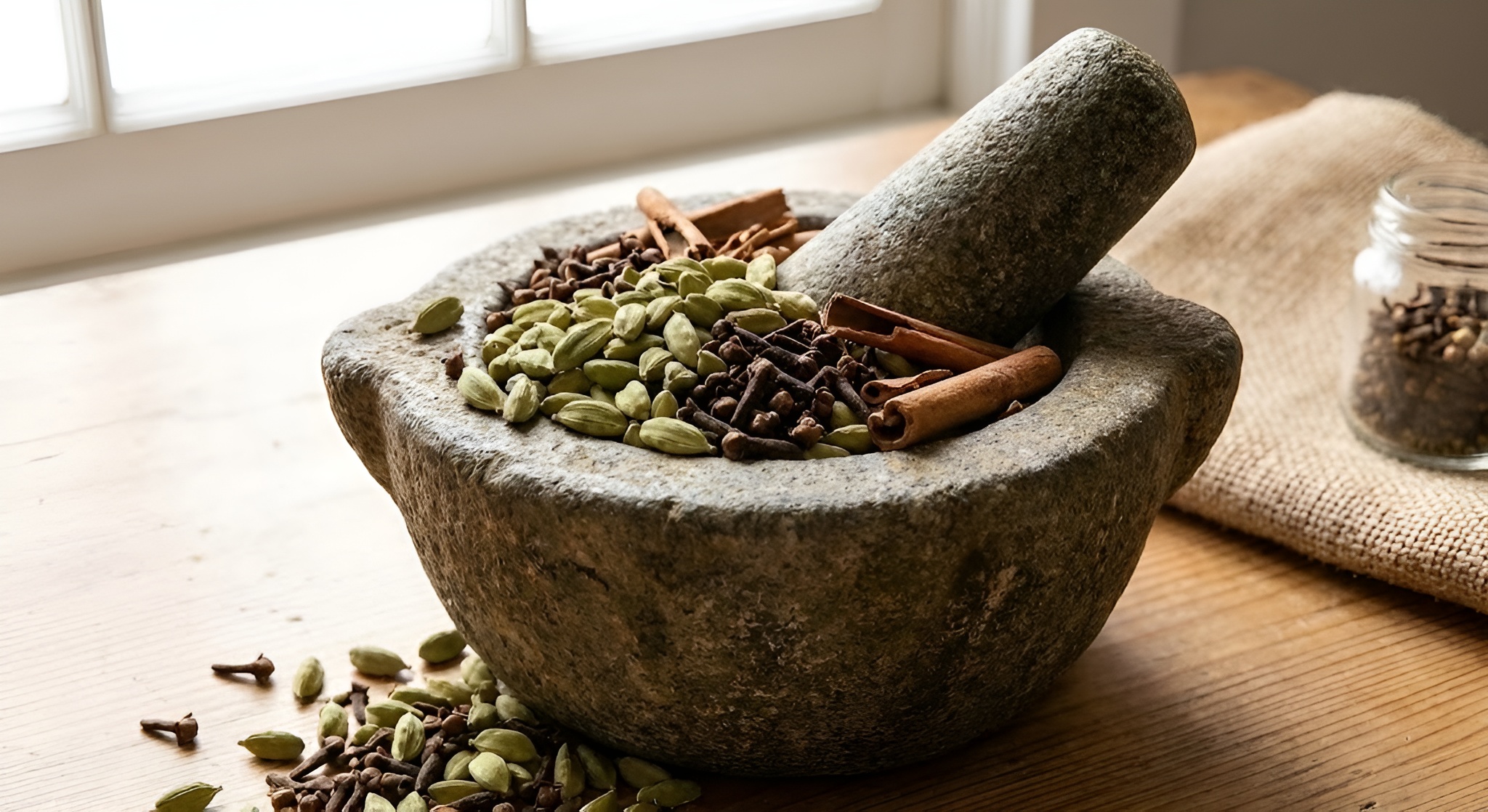
Skip the syrup. Learn how to blend whole spices—Cardamom, Cinnamon, Ginger, and Cloves—into a traditional Masala powder for the perfect cup of Chai.

No teapot? No problem. Learn the ancient Chinese method of 'Grandpa Style' brewing. Just leaves, water, and a tall glass. The ultimate lazy guide.

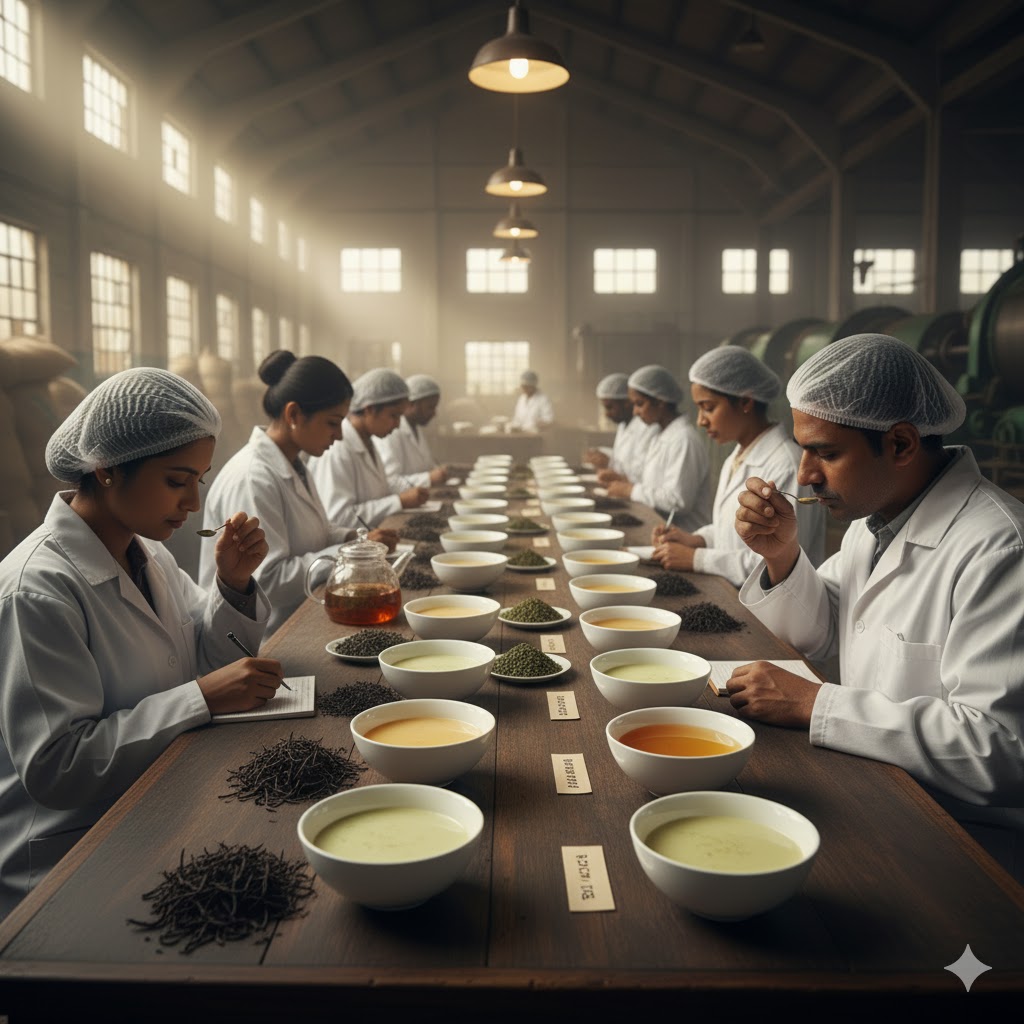
Learn the five steps of sensory analysis to see, smell, and savor your tea just like an expert.

Learn the difference between a Gaiwan, a Yixing teapot, and a Kyusu for brewing loose-leaf tea.

Also known as dark tea, or hei cha, this article explores its unique processing, regional nuances, and the art of aging.
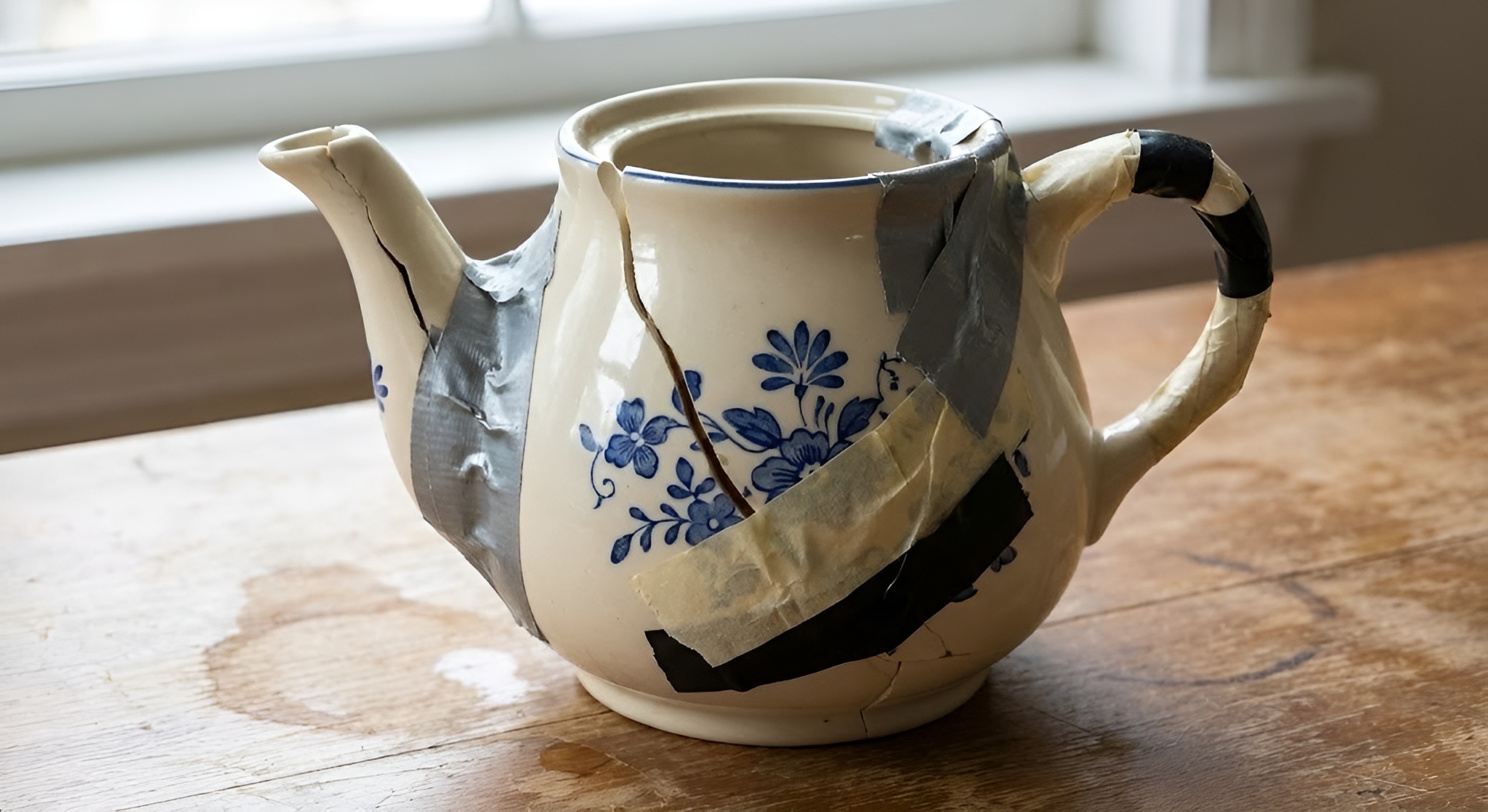
Don't throw away your broken teapot. Learn how to fix cracks safely using food-grade epoxy, the traditional Japanese art of Kintsugi, or the 'Milk Boil' trick.
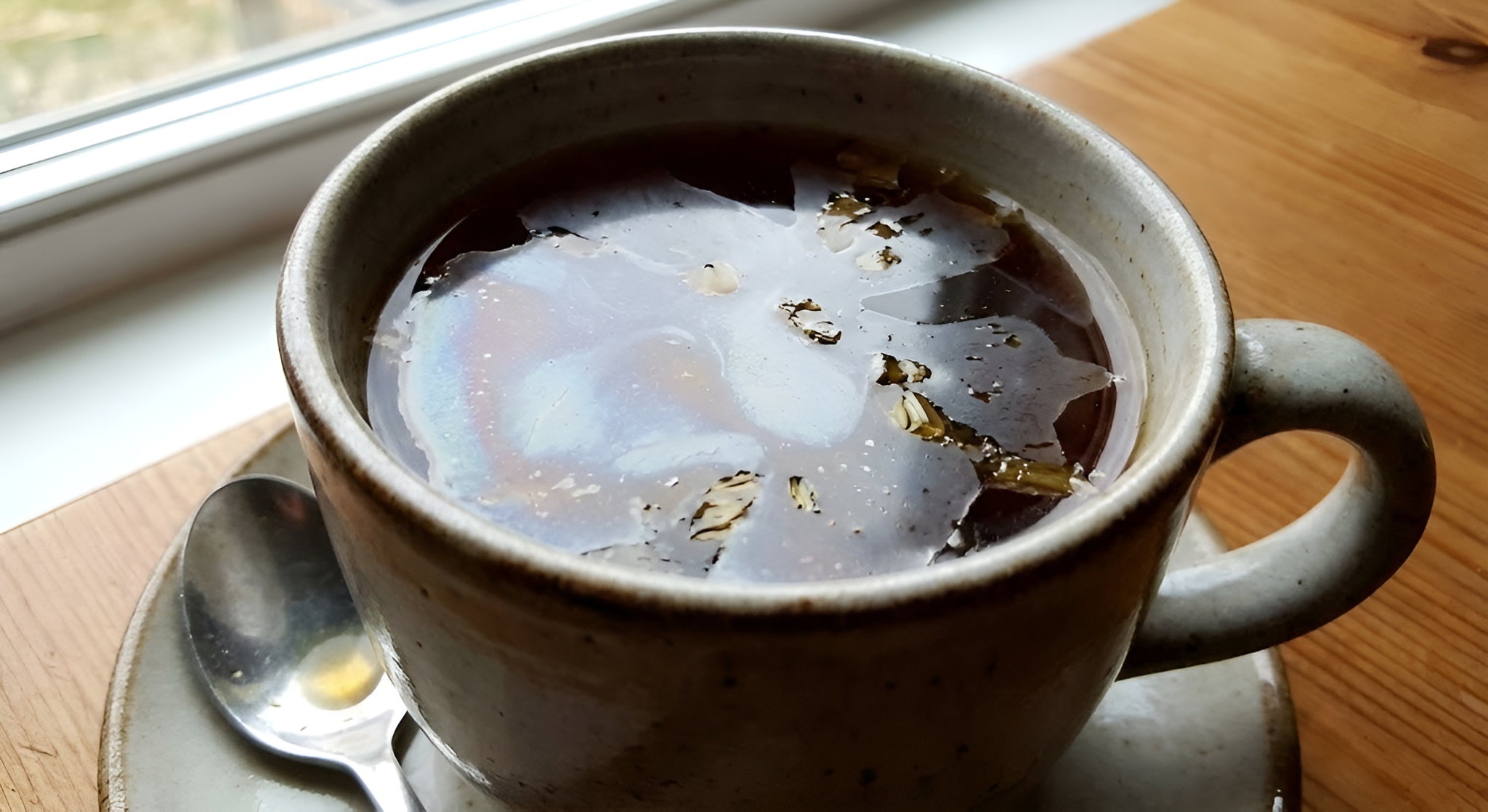
That oily film on your tea isn't dirt or harmful — it's chemistry. Learn why hard water creates "tea scum" and how to fix it with a simple lemon trick.
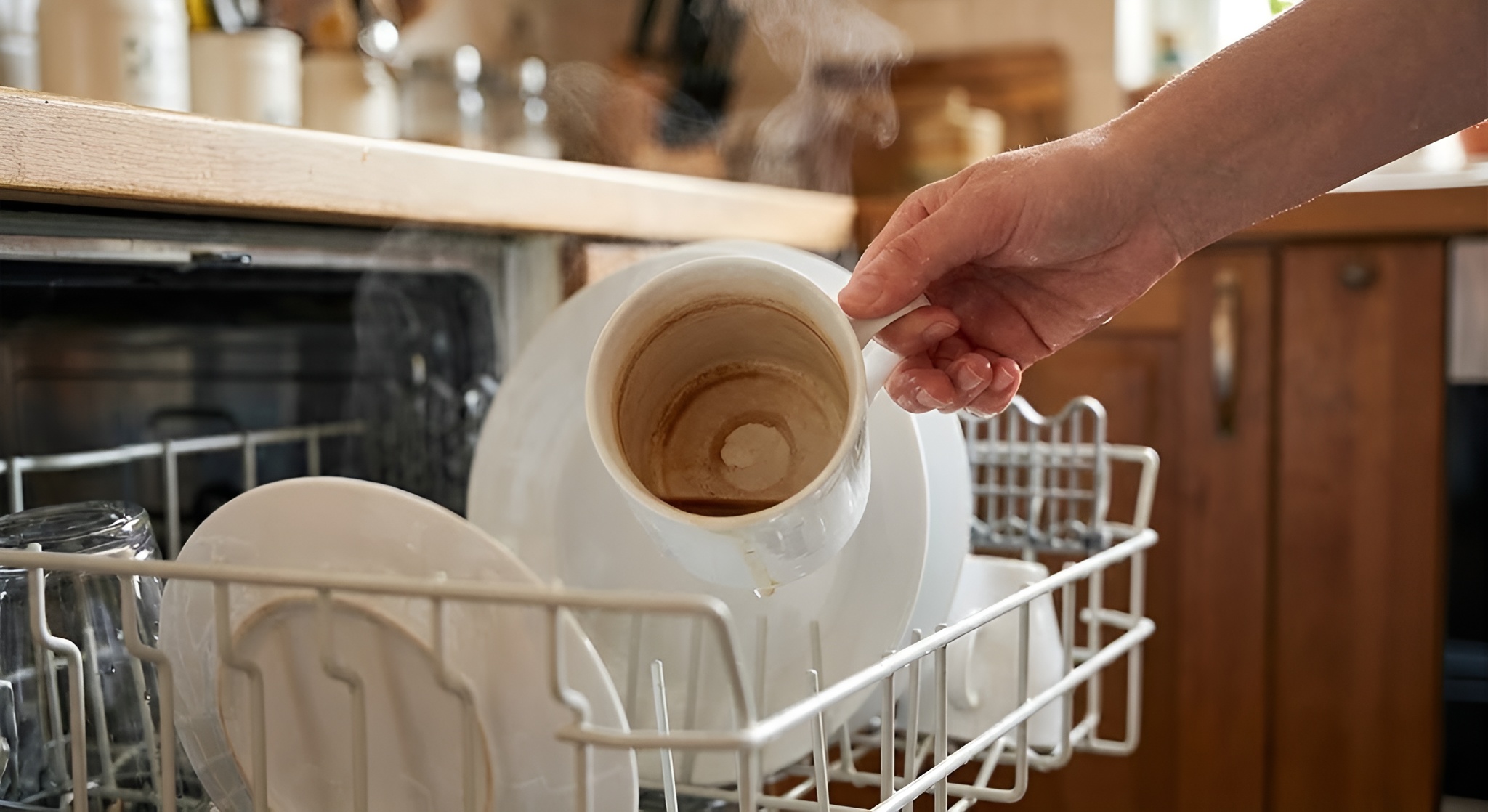
Can't get those brown rings off your favorite mug? Stop scrubbing. We explain why tea stains happen and the 3 simple, bleach-free ways to remove them instantly.

Explore what is causing that fishy taste in your Pu-erh, is it normal and most importantly - how to fix it!
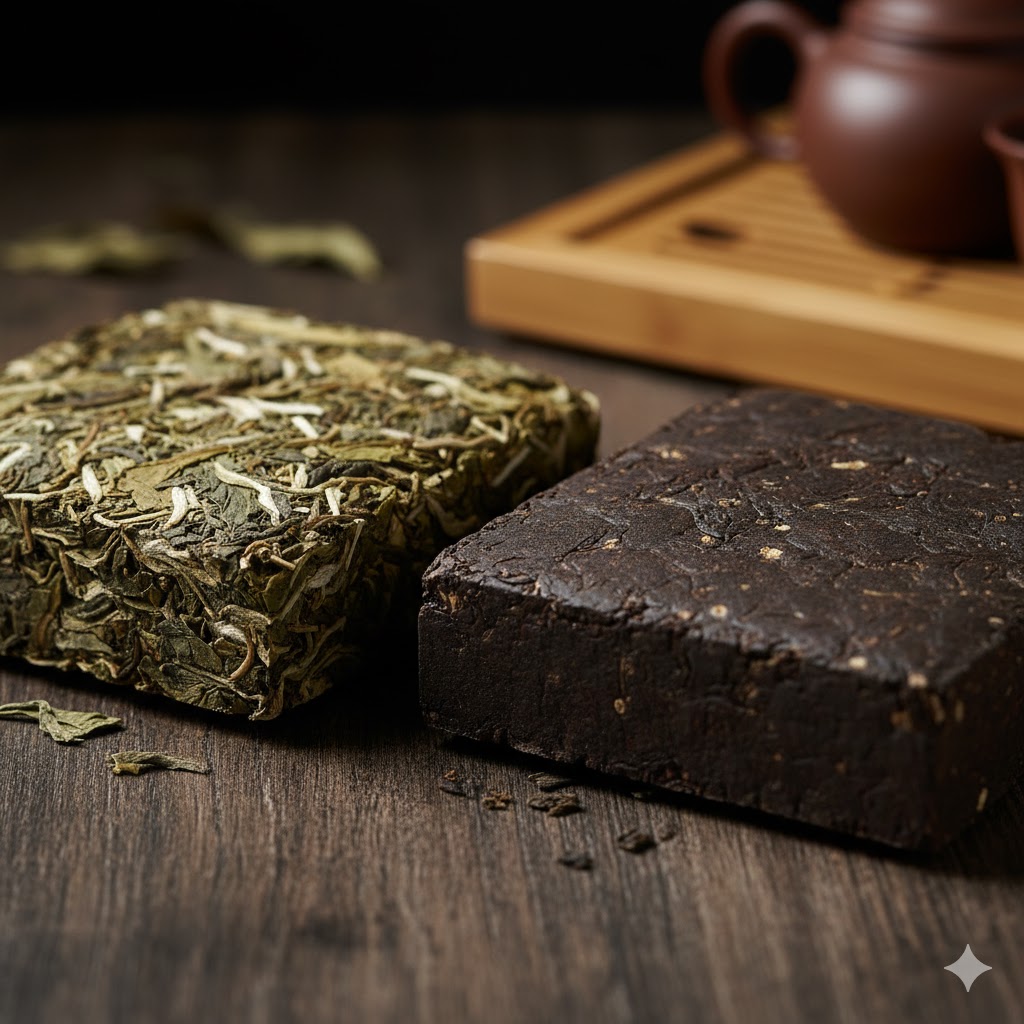
In the lexicon of global tea culture, few categories command the reverence and complexity of Pu-erh. Understand this and more.
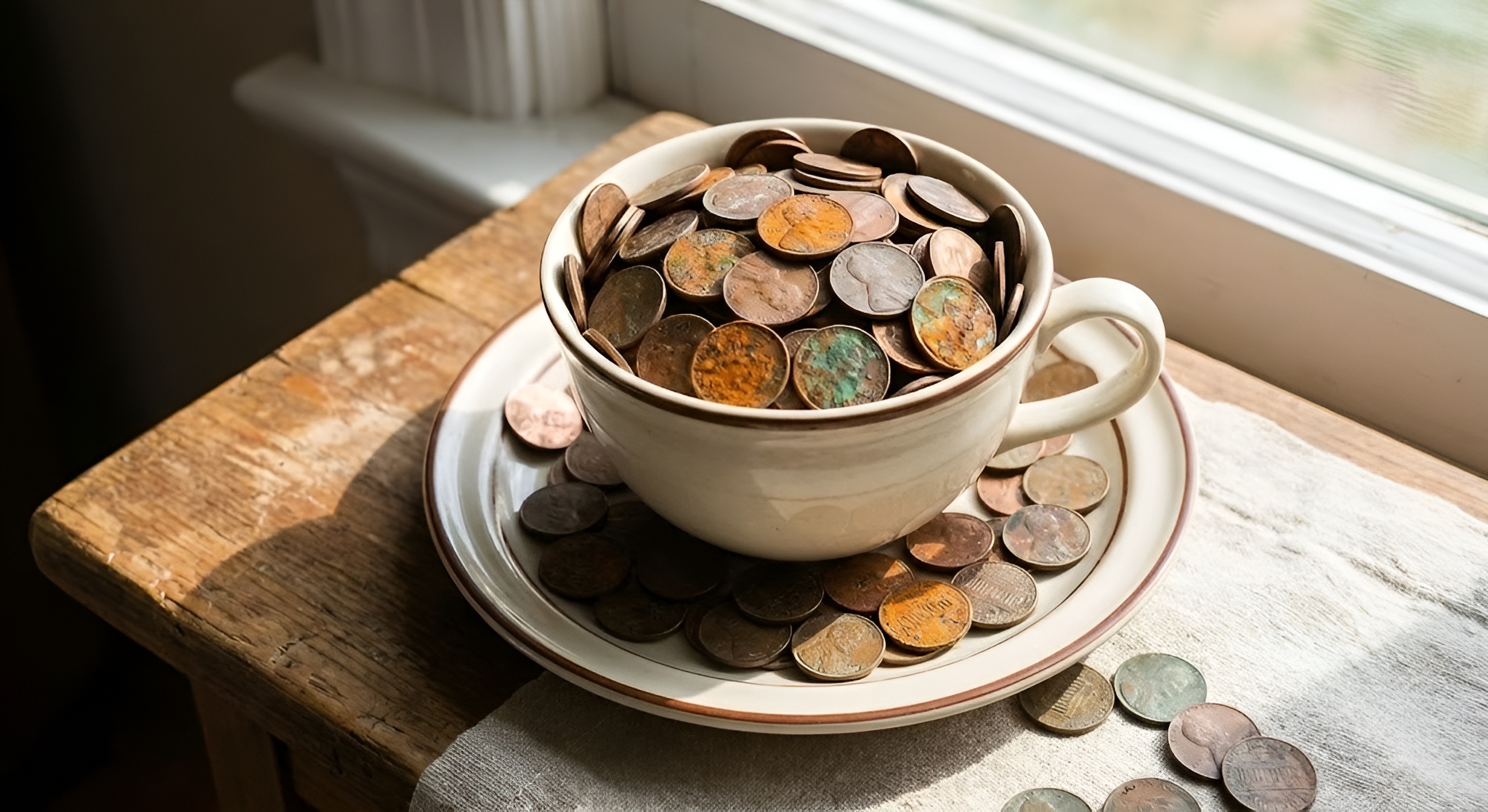
Is your tea tasting like coins, iron, or blood? It might be your kettle, your water, or even your body. We diagnose the 5 hidden causes and how to fix them instantly.
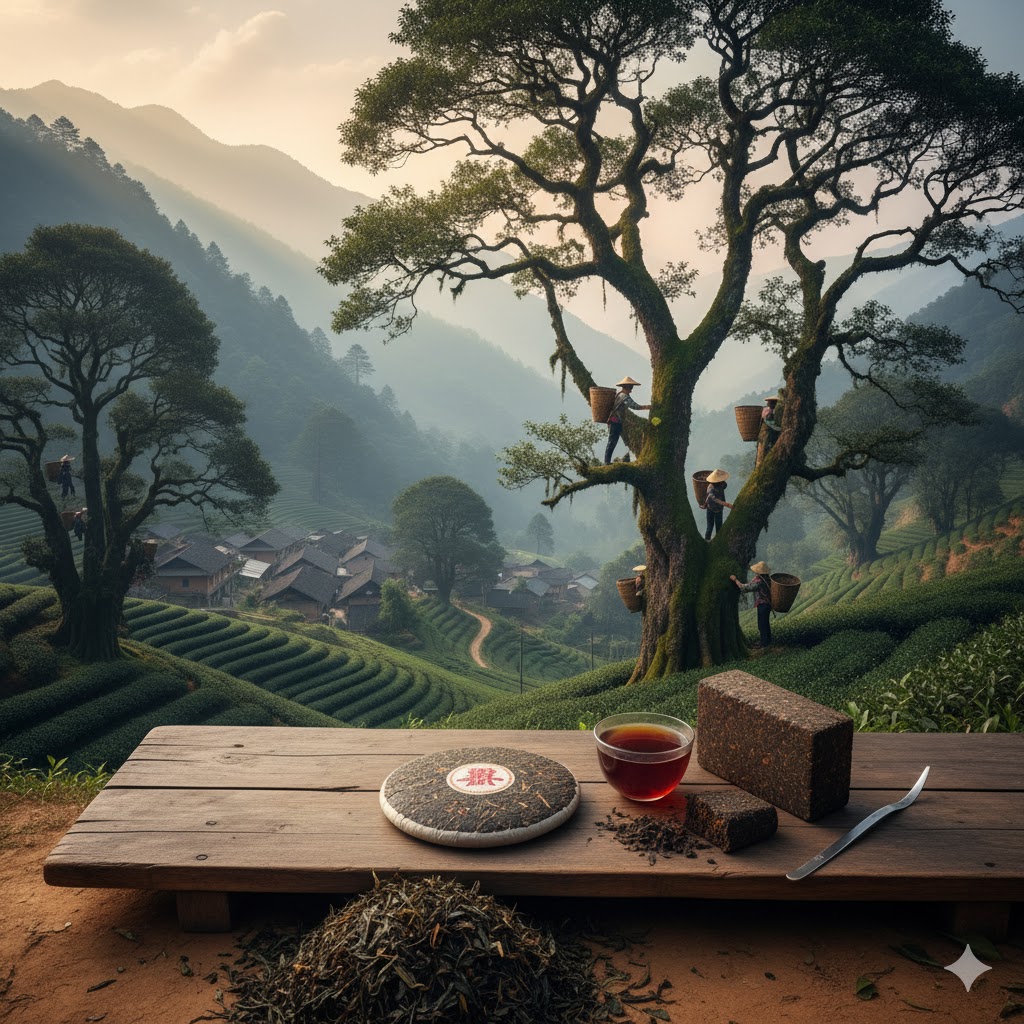
Examine the historical evolution of the "ancient tree" concept and the botanical mechanisms that differentiate these trees.

The Science and Engineering of the Pumidor and why this is so critical to a 'living' tea such as Pu-erh. Understand how storage affects taste.
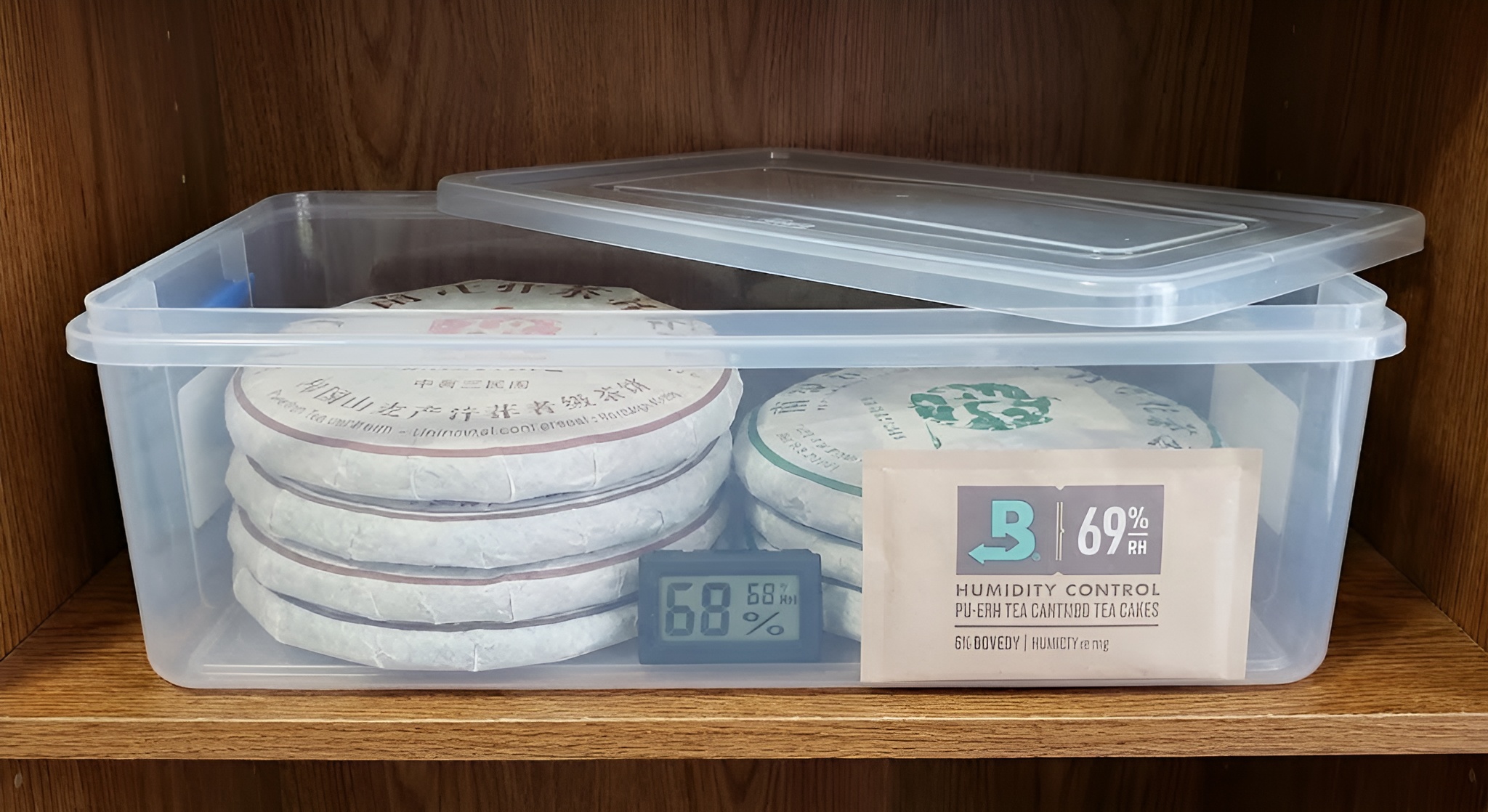
Finding a world class Pu-erh that suits your taste is hard work, keeping the quality is even harder. Find your how to guide right here. Buckle up.

Translated literally as "Tea Energy," Cha Qi refers to the physiological and psychological sensations induced by tea, beyond just caffeine.

Explore the concept of terroir and discover the famous teas of China, Japan, India, and more.
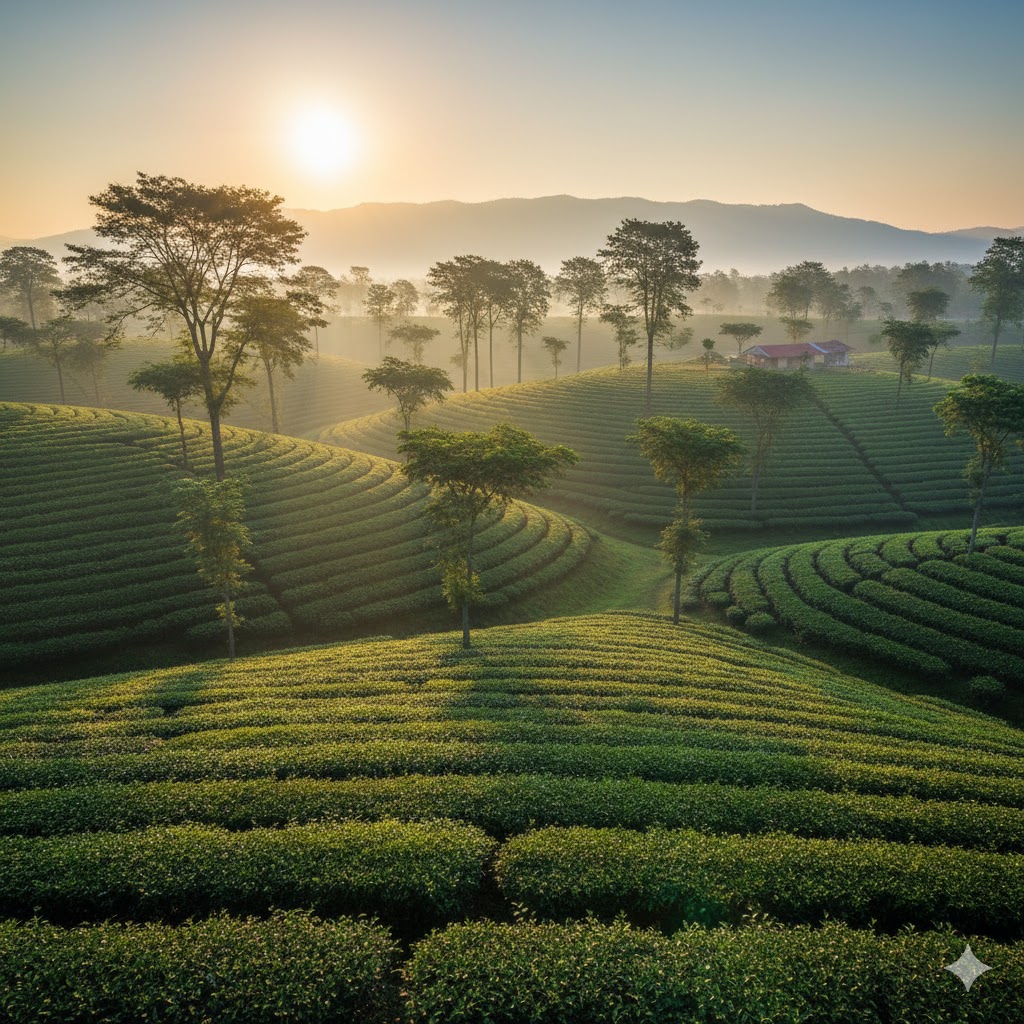
An Analysis of a Global Commodity at a Systemic Crossroads. Examine what makes Assam teas so robust.
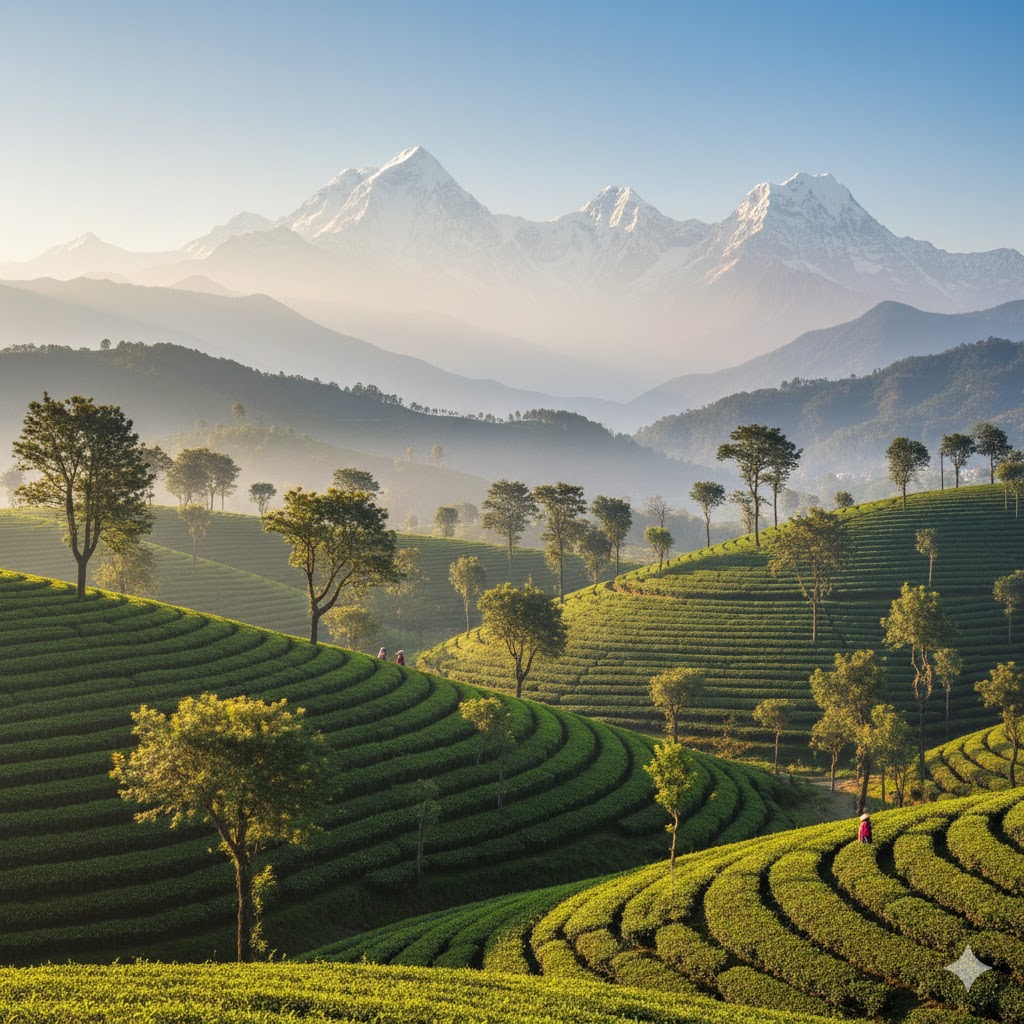
An Anatomy of a GI Brand in Crisis. Explore the history, tea manufacturing methods, and taste profile.
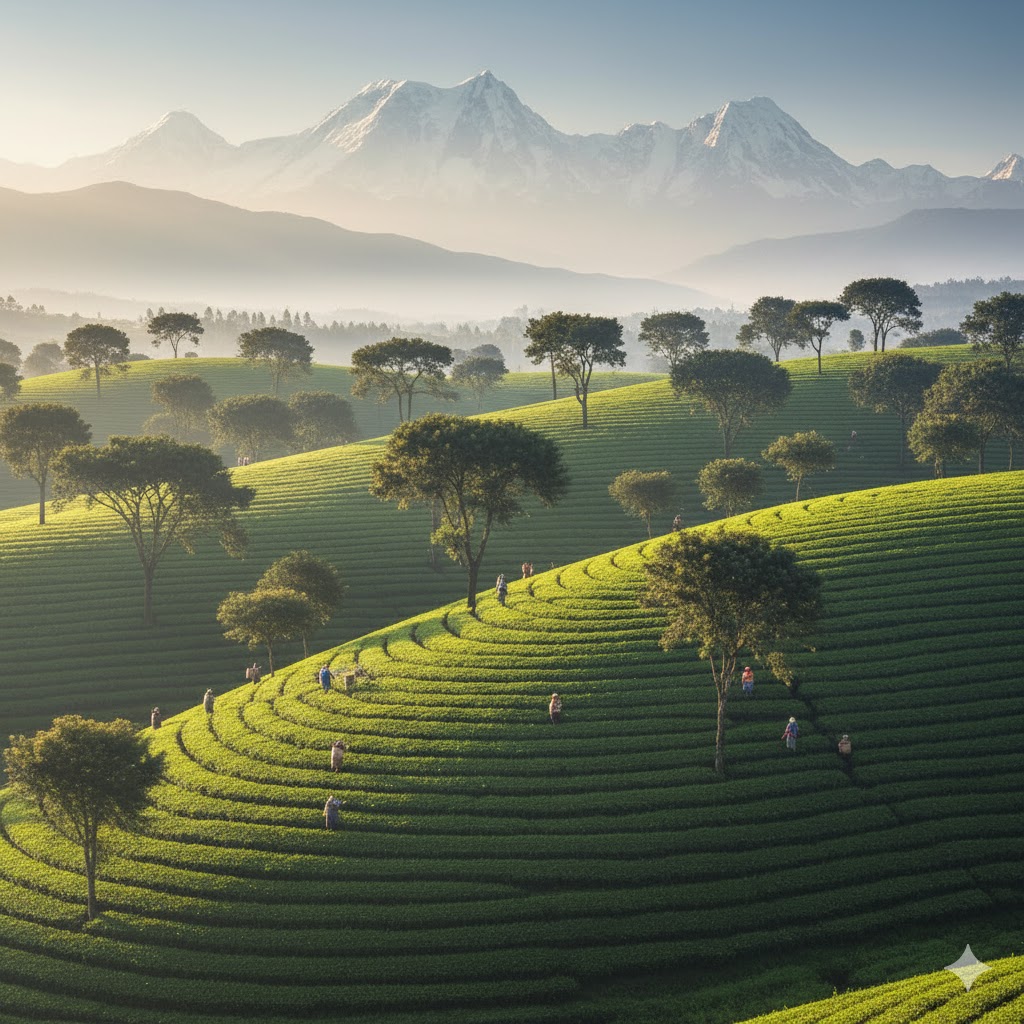
A quest for global domination, the 'Green Goldmine'. Learn the difference in flavor between East and West Rift.
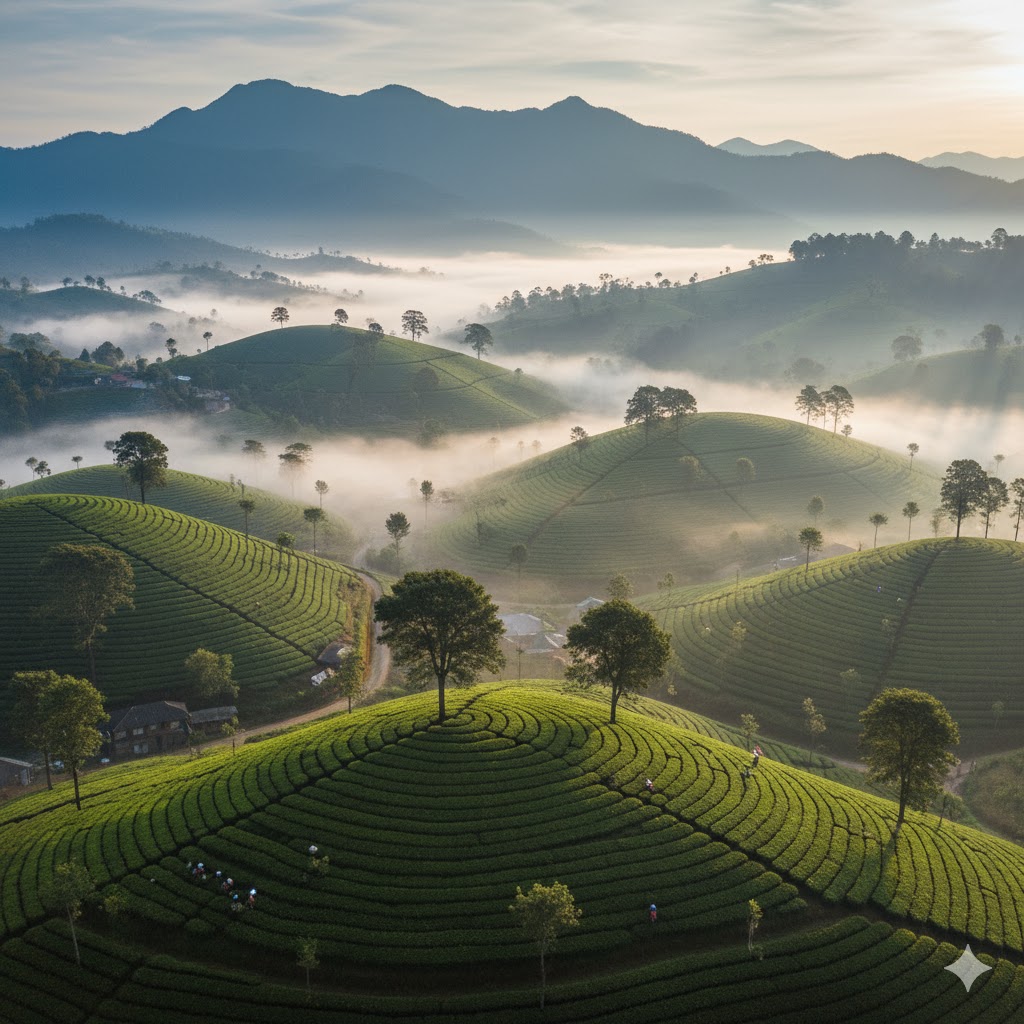
The 'Blue Mountains' - explore what makes these teas so unique and how teas are processed.
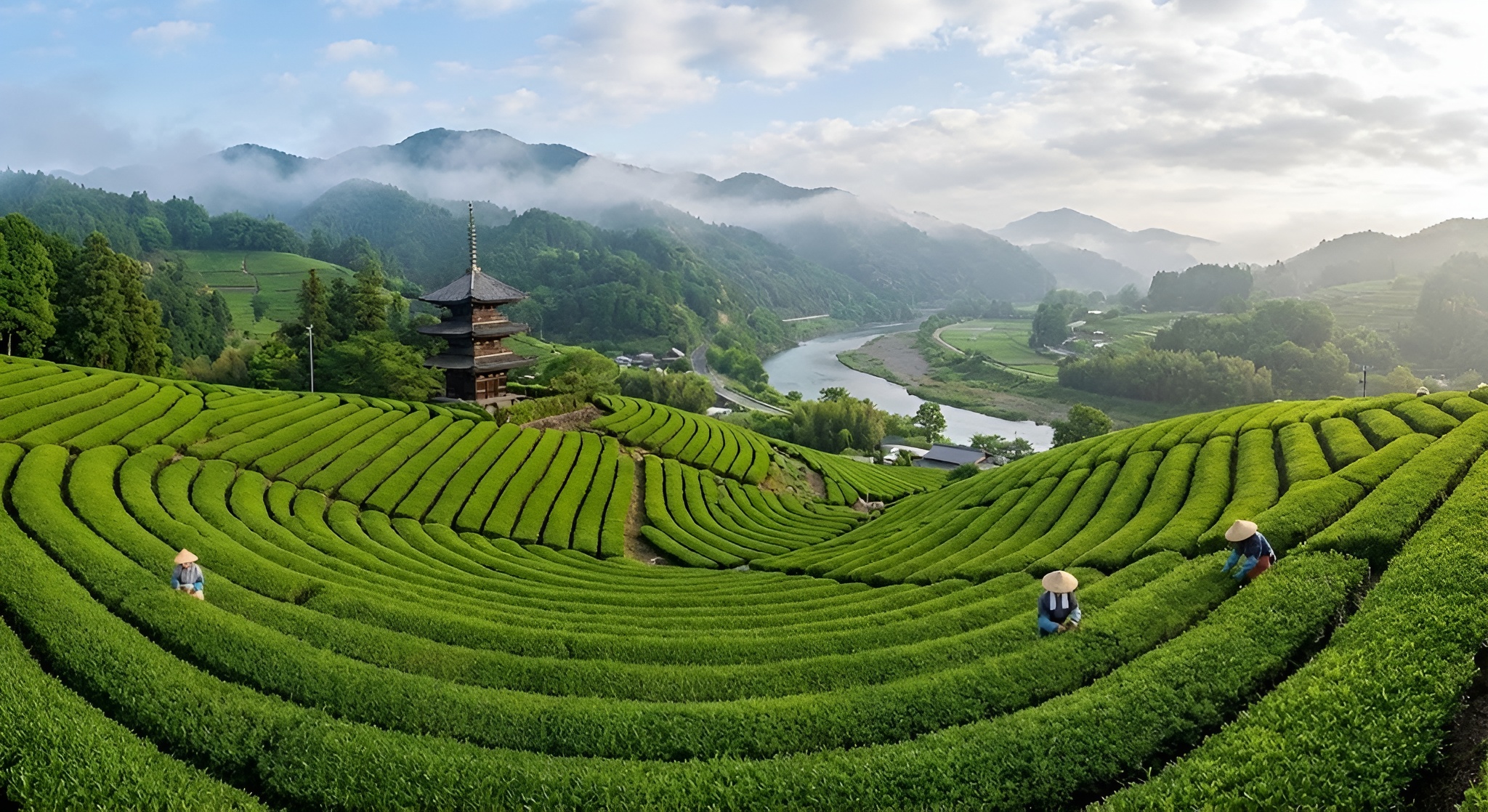
Why is Uji considered the Holy Land of Matcha? Discover the history of the Shoguns, the river mist, and the invention of shade-grown tea.

The mountainous, subtropical climate is ideal for tea cultivation, home to Oolong, White, and Black tea origins.
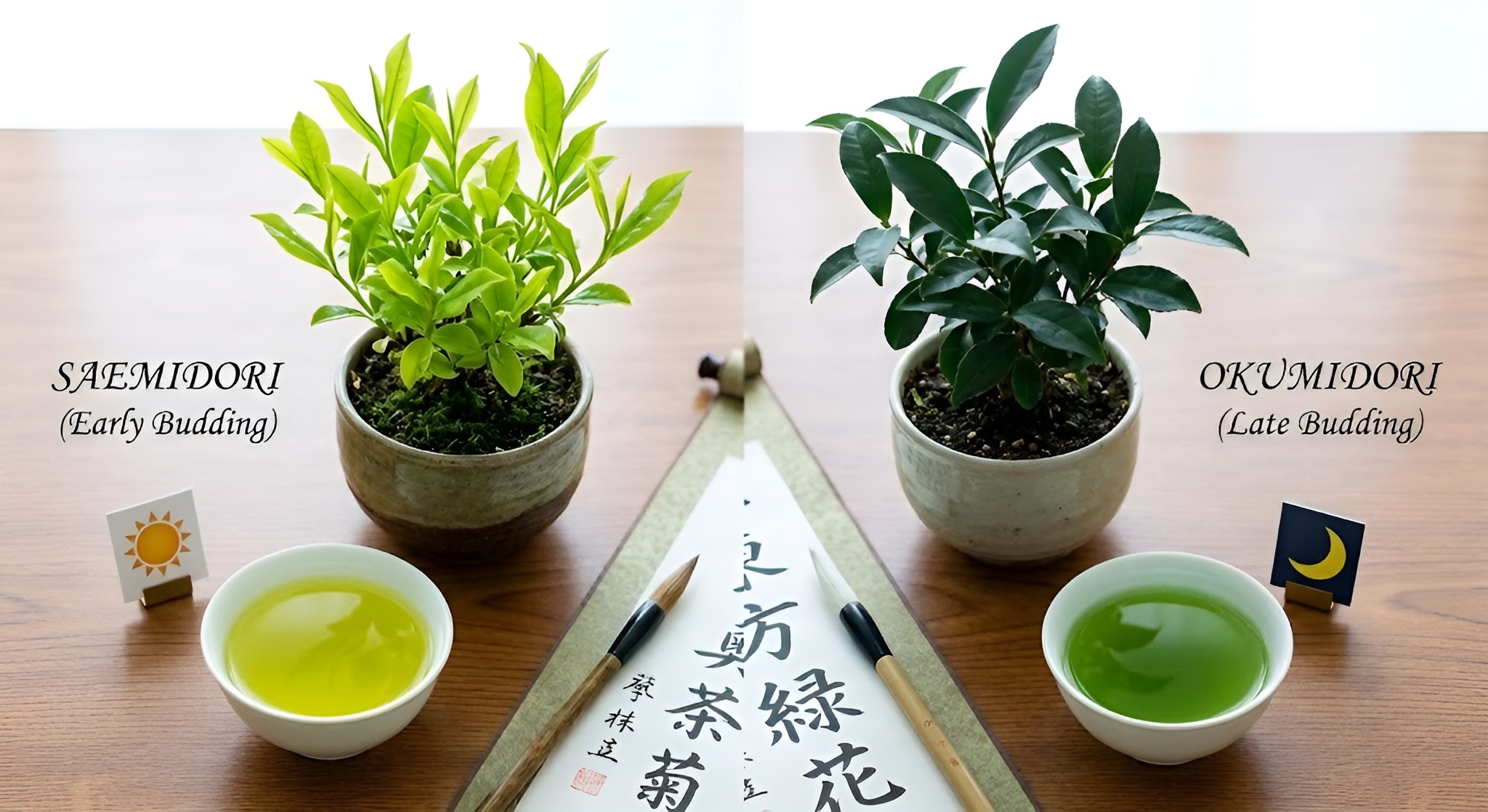
Yabukita is not the only option. What's the better Japanese variety; Saemidori (The Sweet Early Bud) or Okumidori (The Deep Late Green). Essential knowledge for Matcha and Sencha connoisseurs.
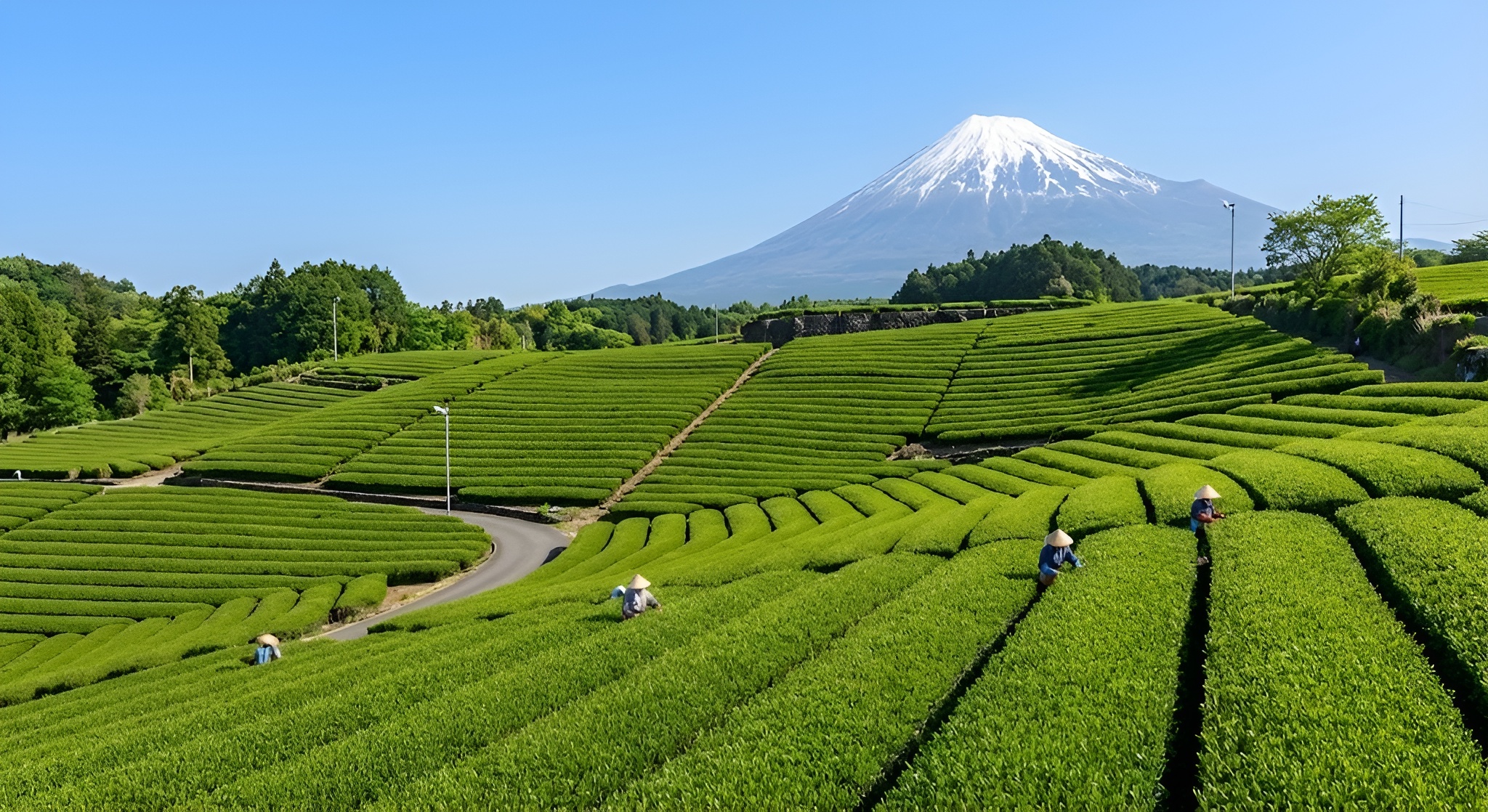
Why does 40% of Japan's tea come from one prefecture? Discover the terroir of Mt. Fuji, the samurai farmers, and the art of deep-steamed Fukamushi.
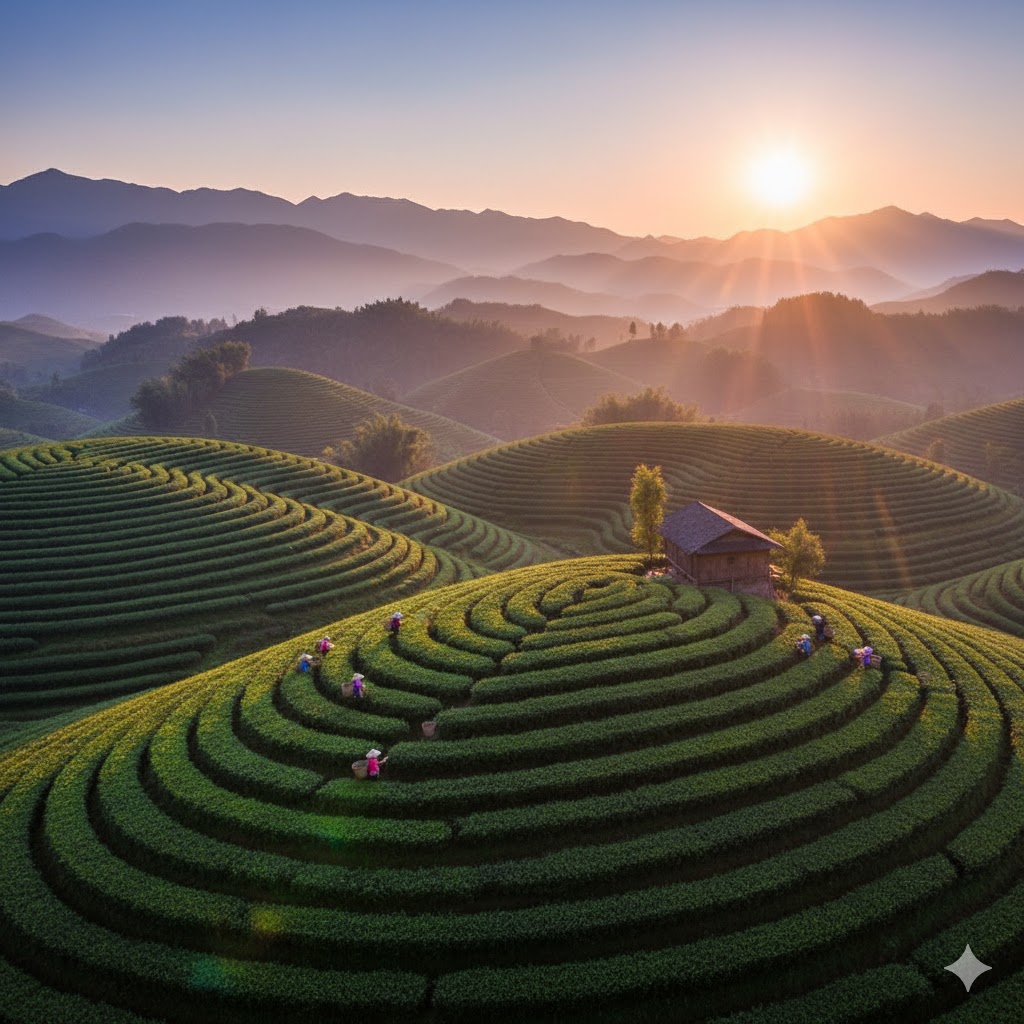
Renowned for its high-quality green teas, including the famous Longjing (Dragon Well) and An Ji Bai.
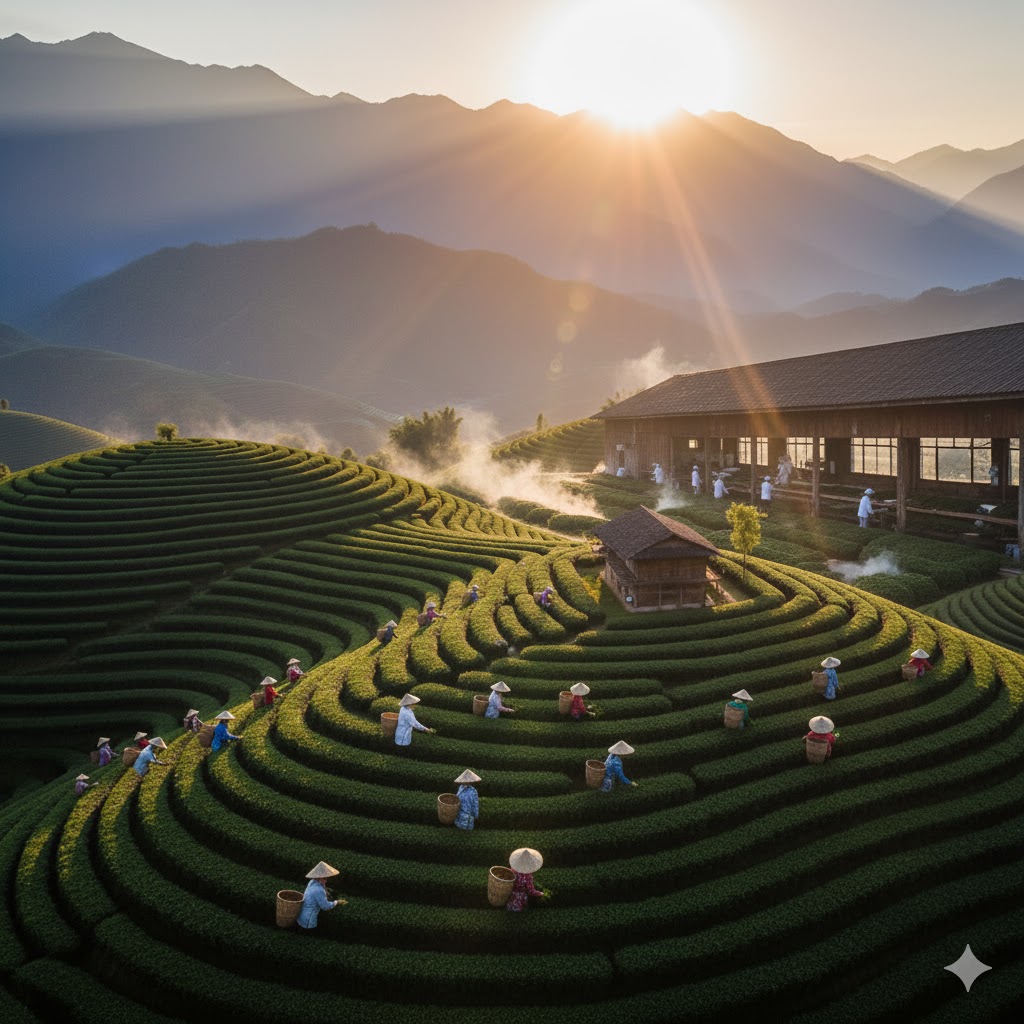
Known for its ancient tea trees and Pu'er tea. Explore the 4 keys teas from this region and more.

Explore the 7 regions of Sri Lanka, from the delicate high-grown Nuwara Eliya to the strong low-grown Ruhuna.
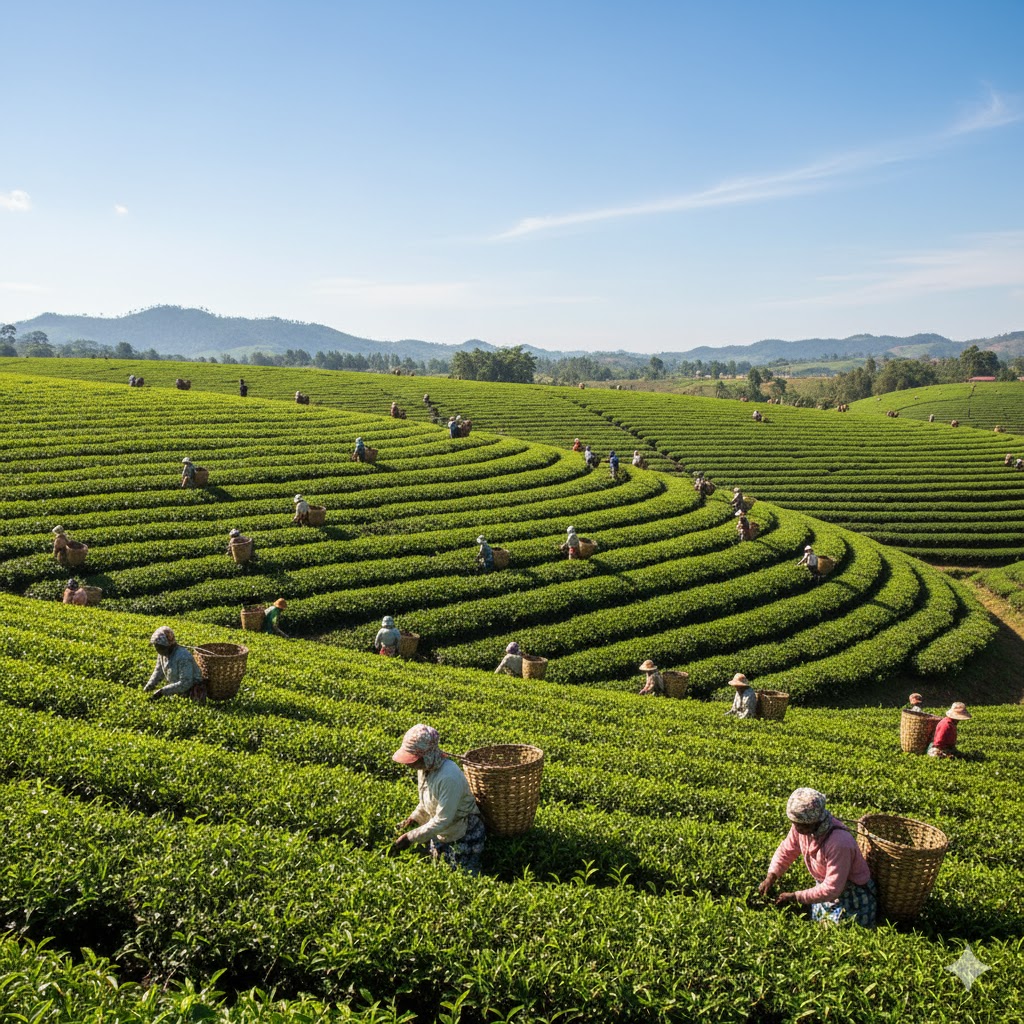
Explore Africa's oldest tea producer, known for its unique red soils and emerging specialty white and green teas.

Known for producing high-quality green tea. Explore key taste profiles, tea manufacture techniques, history and more.

The world's 8th largest tea producer, primarily producing black tea with some production of green tea. It's not just coffee from Java!
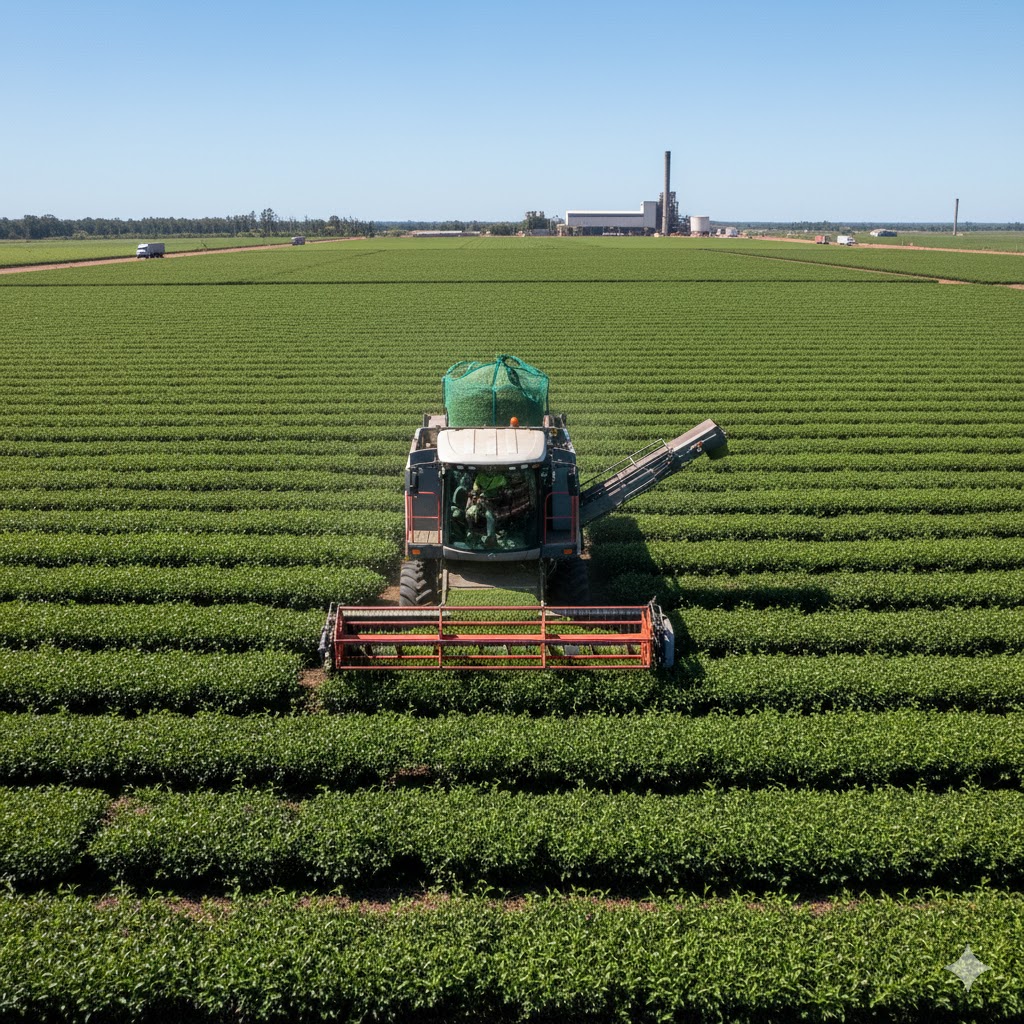
The world's 8th largest tea producer, primarily producing black tea with some production of green tea for local consumption.
Discover how Zimbabwe’s tea industry blends rich tradition, fertile highlands, and global flavour.
A hidden gem in the tea world, known for its exceptional oolong teas and rich tea culture steeped in history.
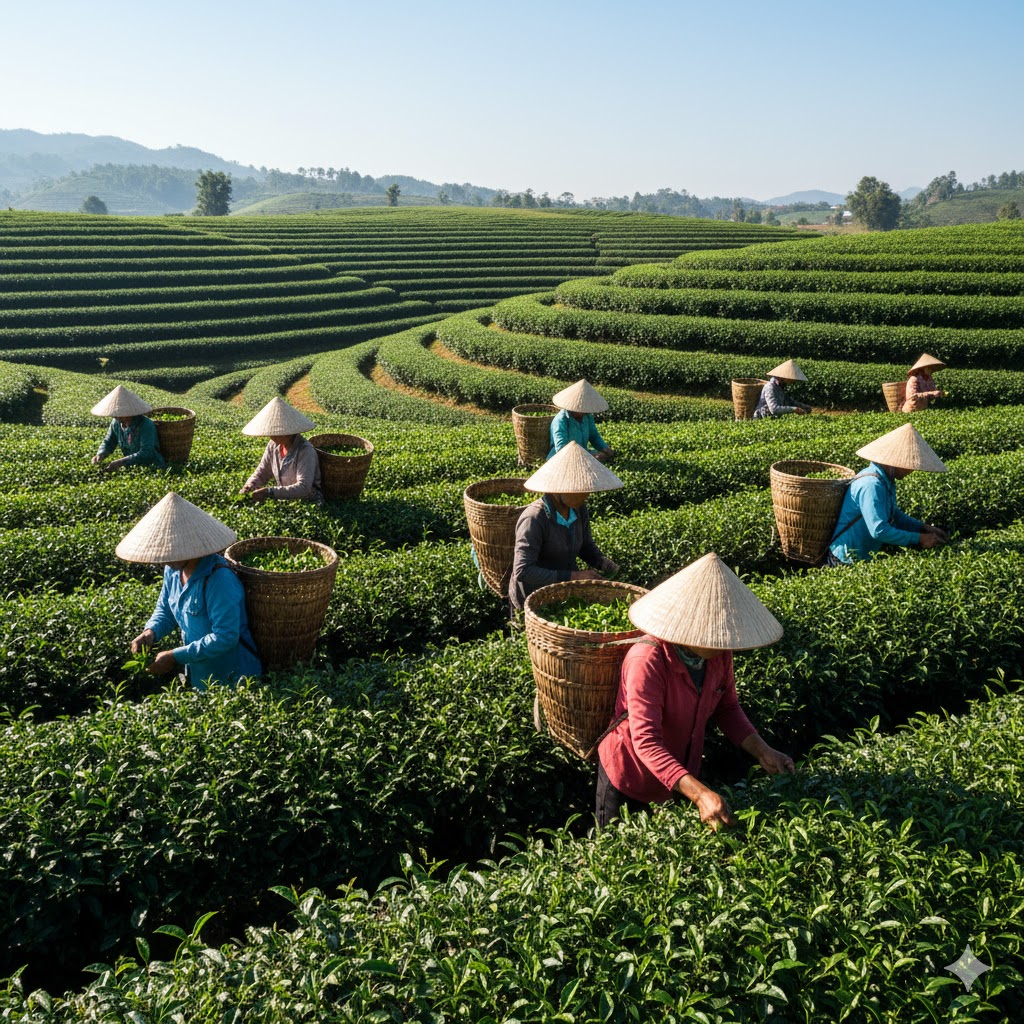
A leading global tea producer with a diverse climate that supports various tea types. Explore what is driving this large-scale producer.

Explore the science-backed benefits, from heart health and brain function to the power of antioxidants.

Understand if tea really does help you shred that belly fat & are detox teas really a thing?
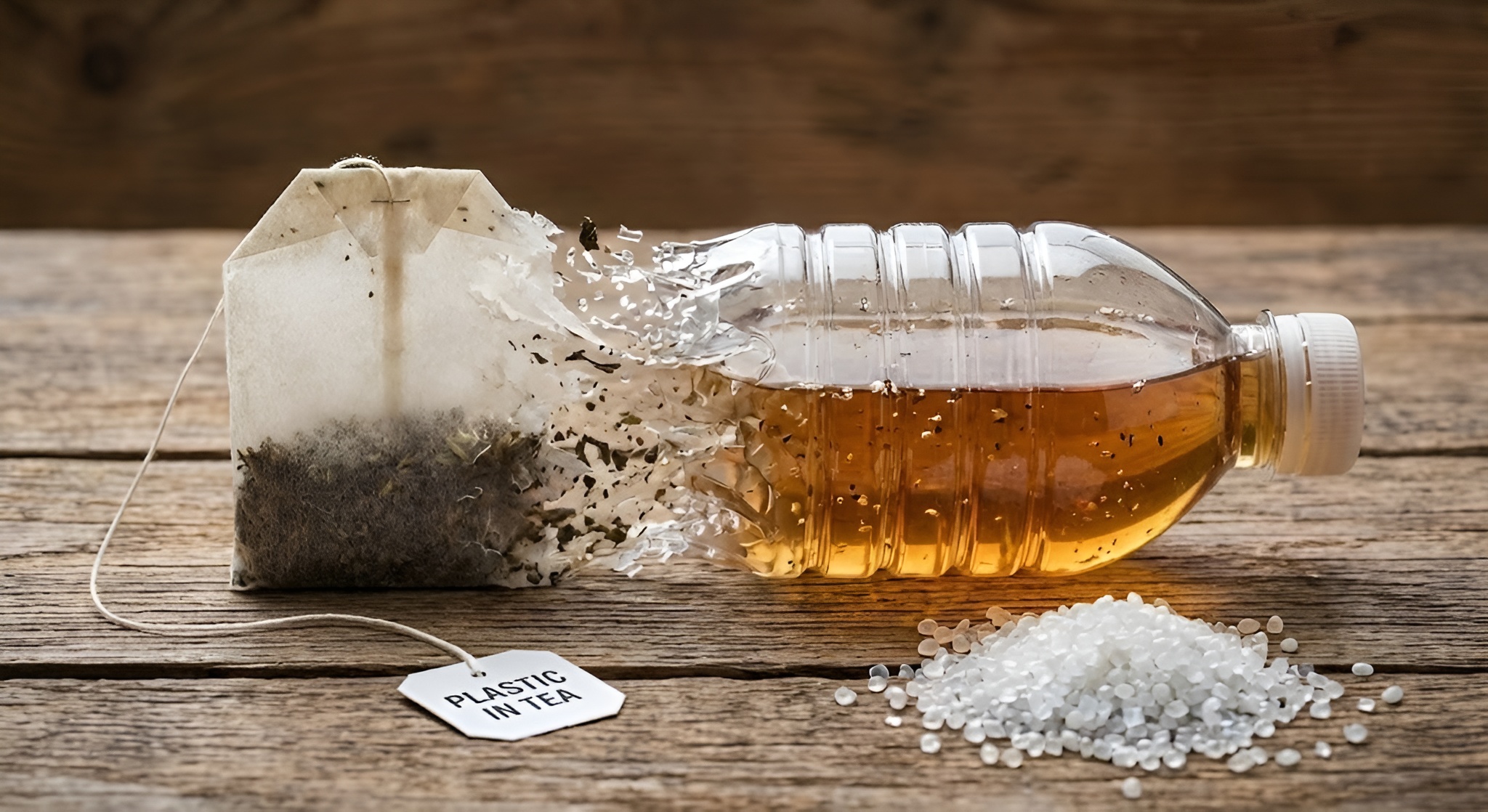
Stop drinking plastic. A single mesh tea bag releases 11.6 billion microplastics into your cup. We uncover the DNA risks of Nylon & PLA.
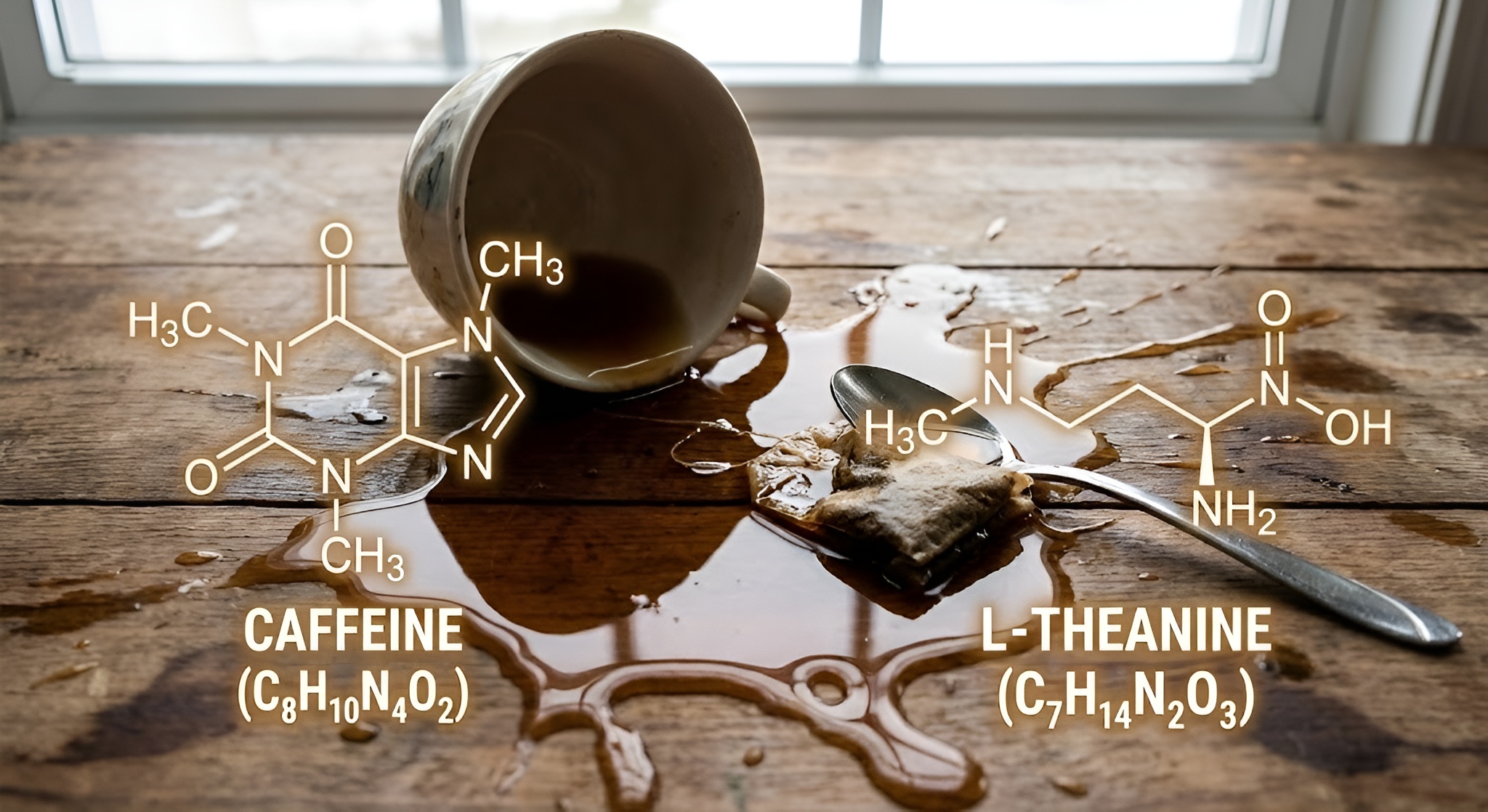
You'd need to drink 100 cups in 4 hours. We explore the biology of caffeine metabolism and the safety limits of your brew.
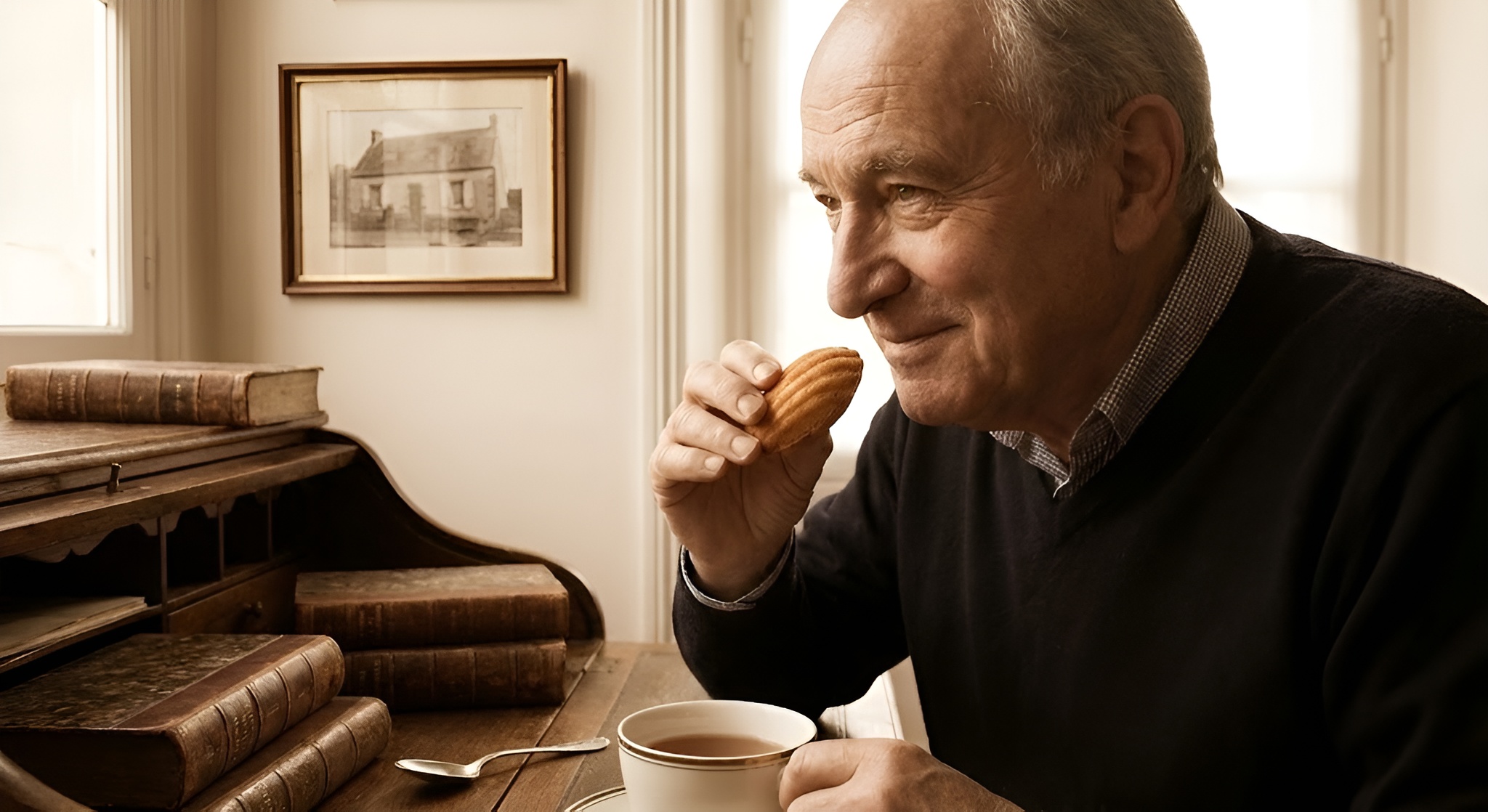
It wasn't just a cake. It was the tea. Discover the neuroscience behind the most famous sip in literature and why it triggers total recall.
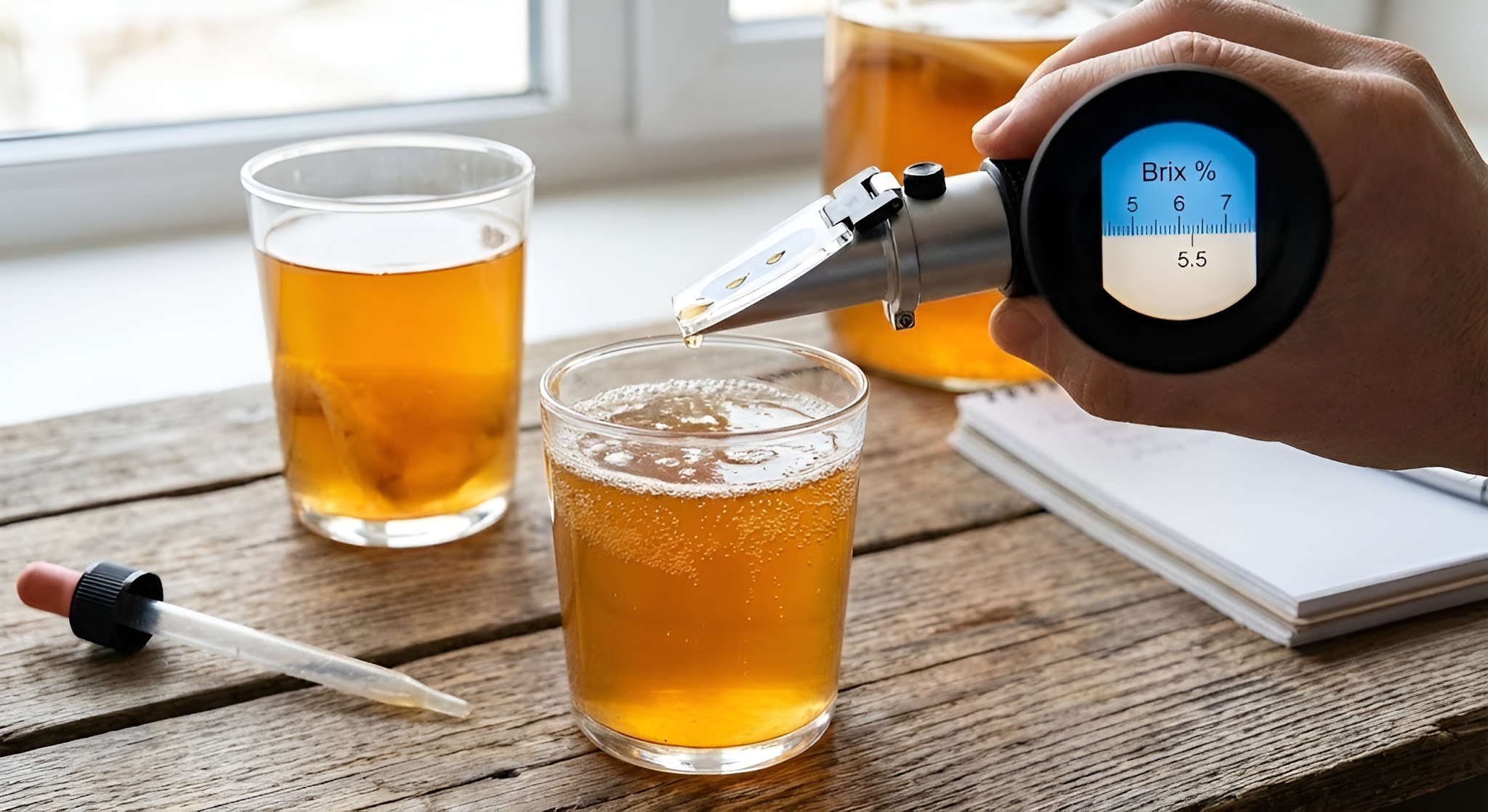
Terrified of the cup of sugar in the recipe? Don't be. We explain how the SCOBY eats 90% of it for you.
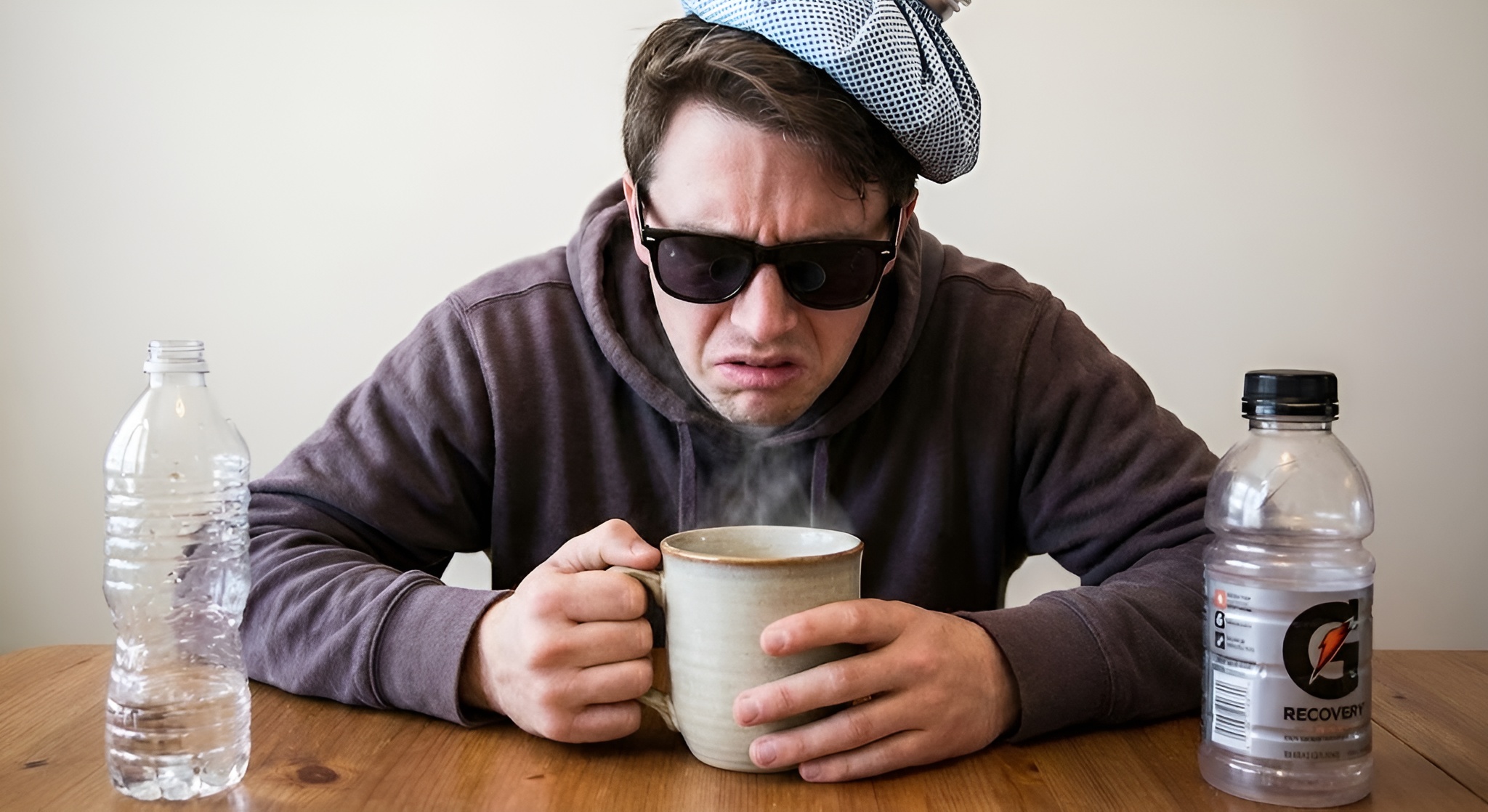
Can tea cure a hangover? We explain the science of how Green Tea aids the liver, how Ginger stops nausea, and why you should avoid too much caffeine.
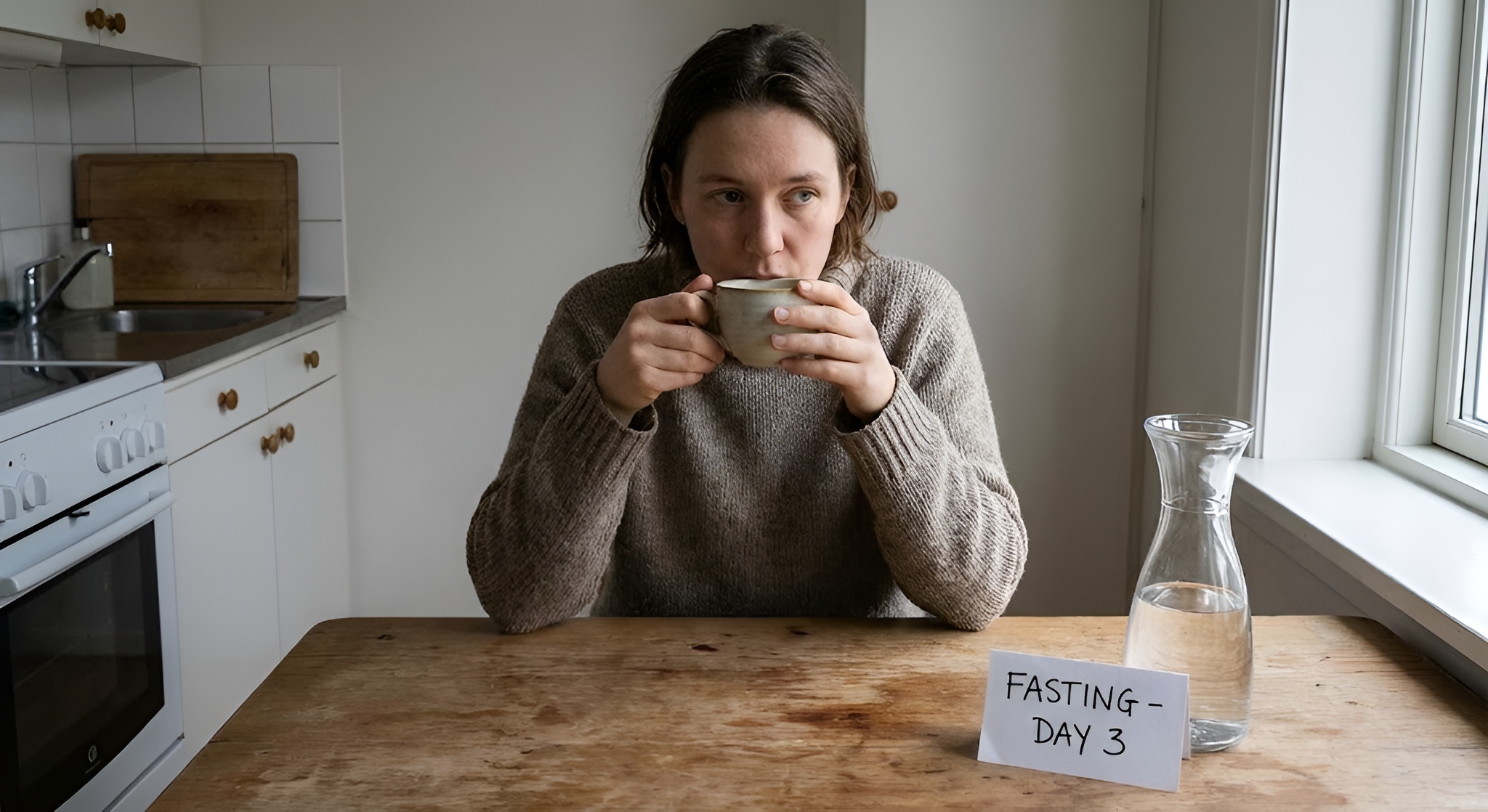
Will a cup of tea stop autophagy? We analyze calories in Green, Black, and Herbal teas to see which are safe for Intermittent Fasting.
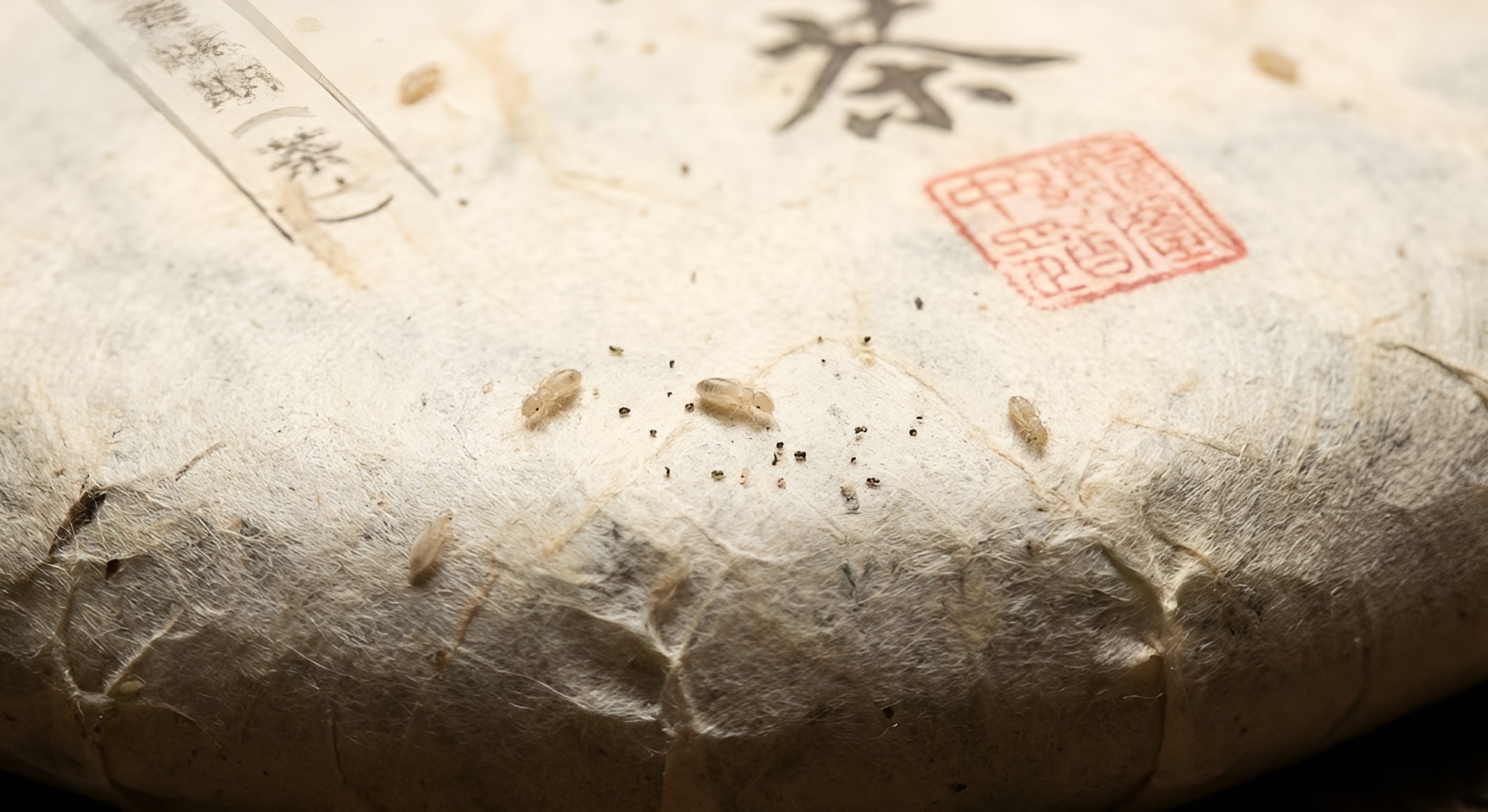
Found tiny white bugs in your Pu-erh tea cake? Don't panic. We explain what 'Paper Lice' are, why they eat the wrapper (not the tea), and how to deal with them.
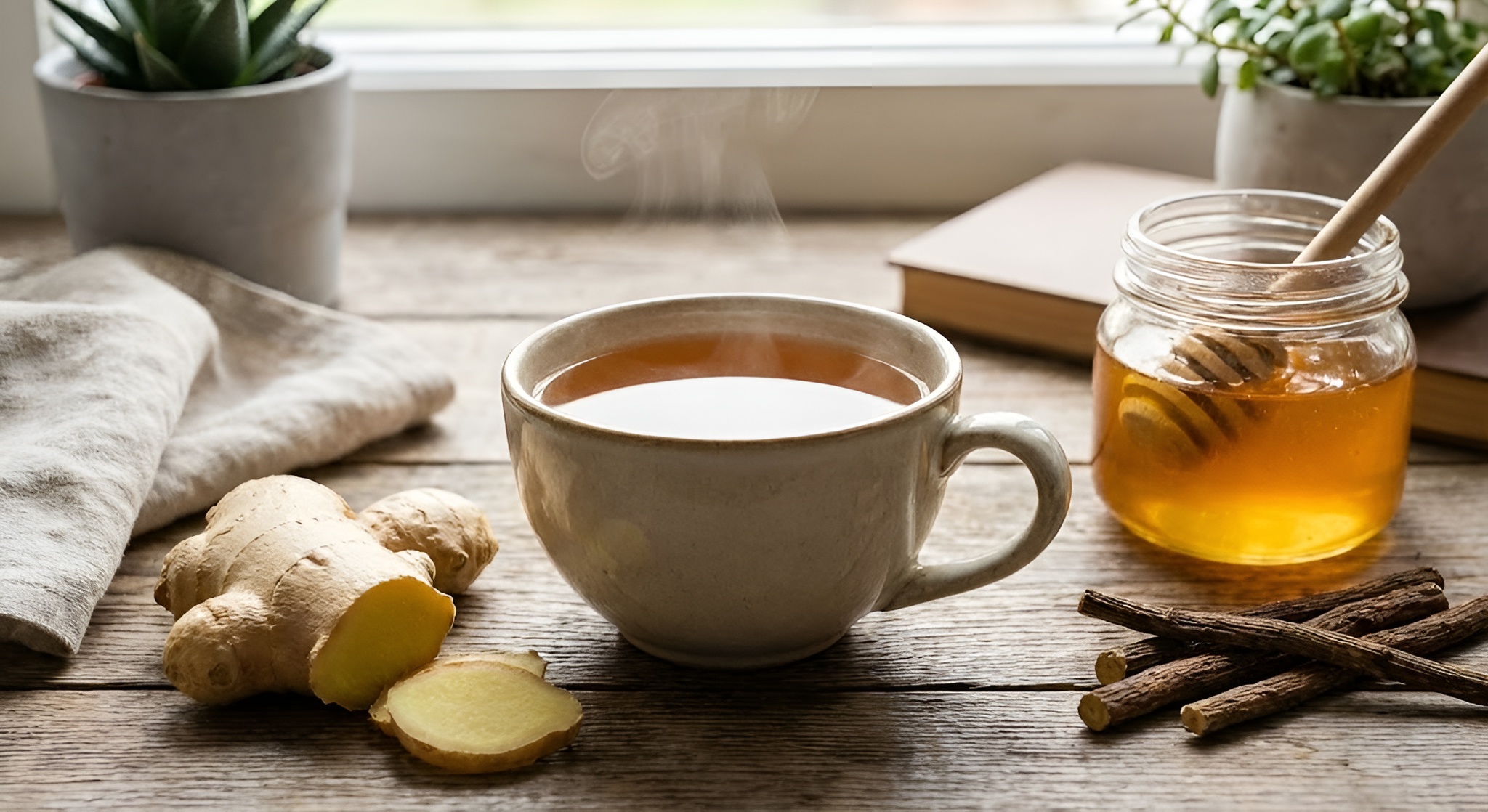
Why do singers drink tea? We explain the science of hydration, why caffeine and menthol are the enemies of the voice, and which herbs act as 'internal moisturizer'.
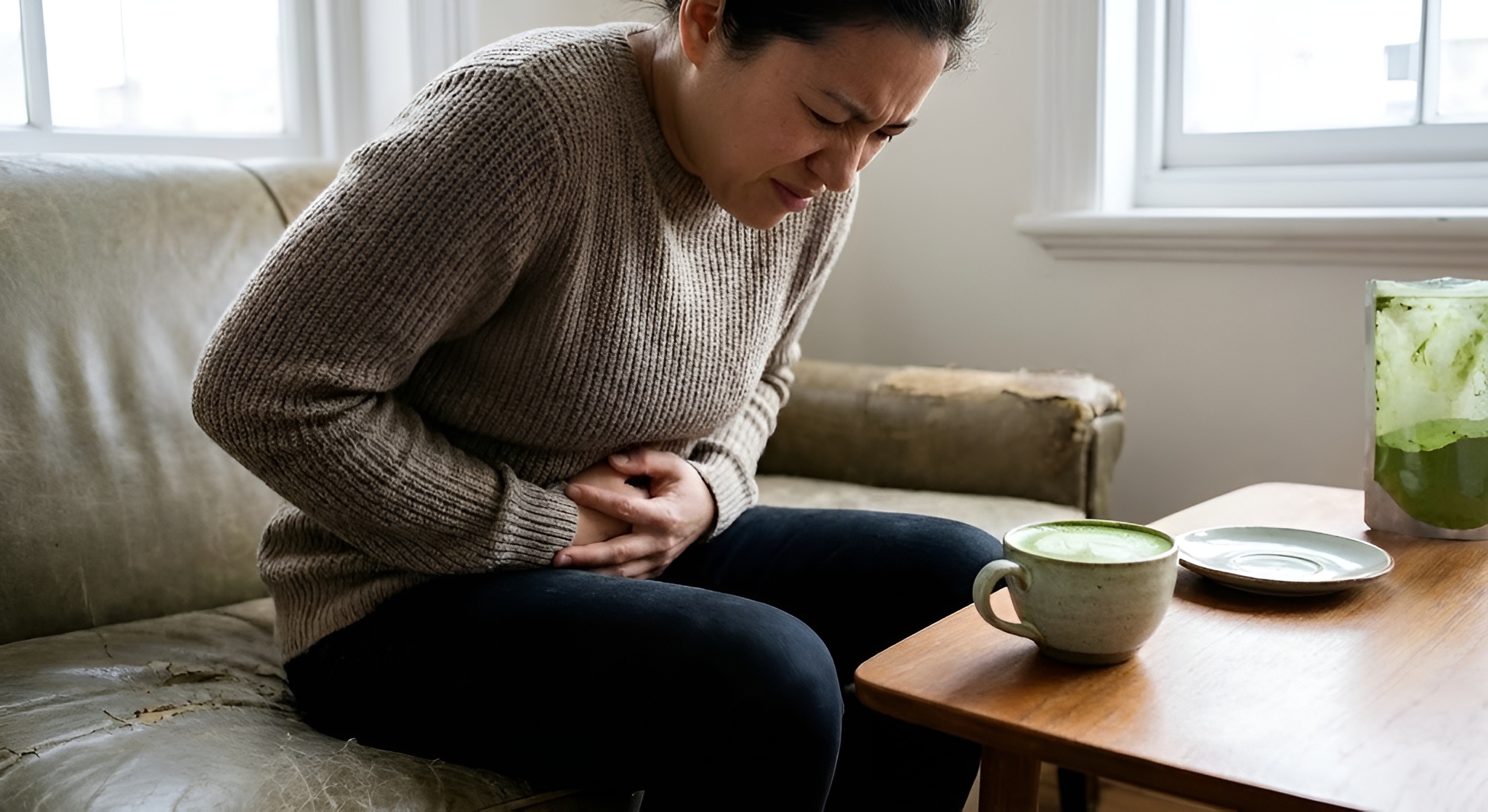
Stomach rumbling after Matcha? We explain why caffeine and tannins trigger the "laxative effect" and the simple food fix to stop it.
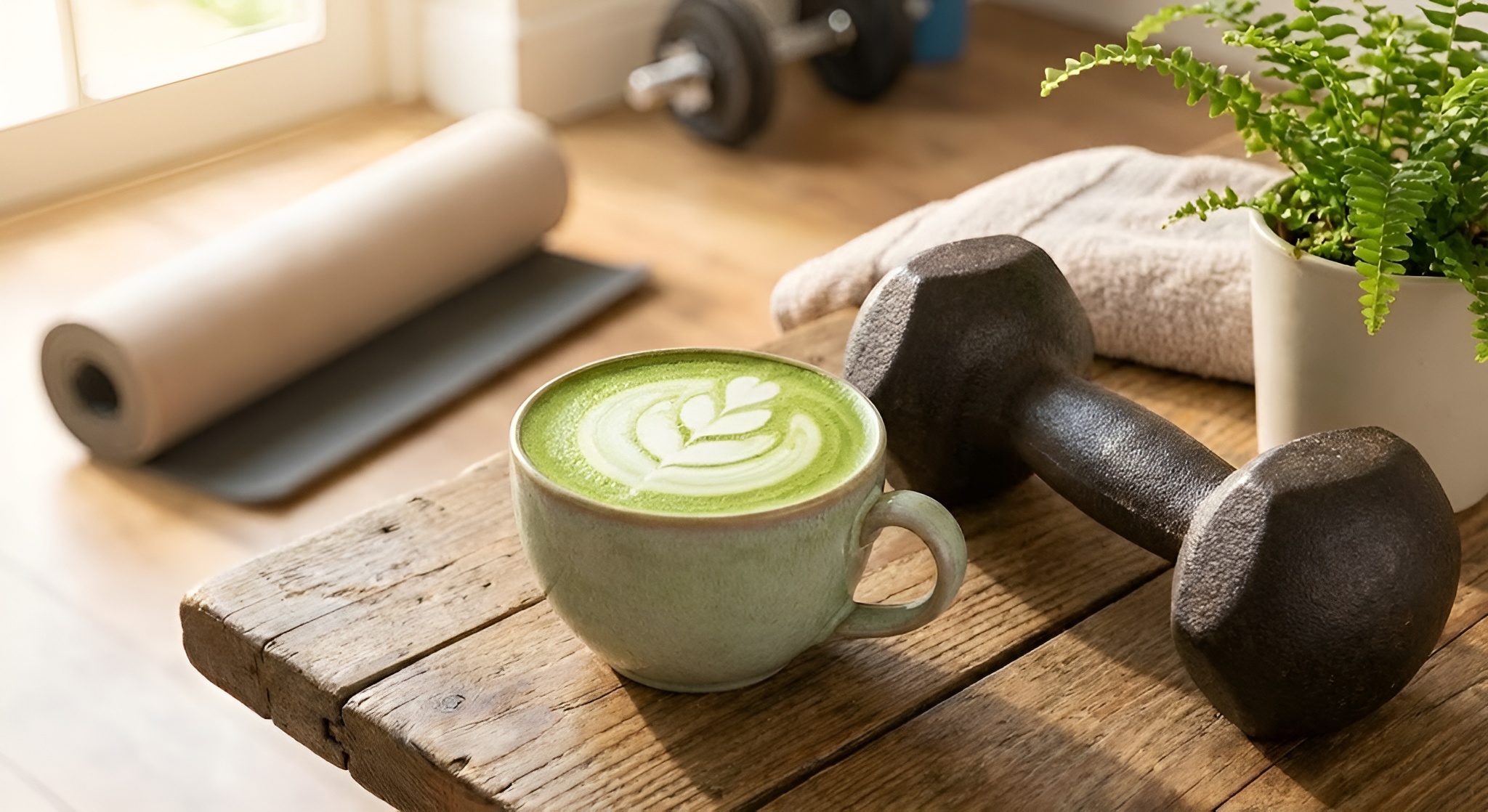
Ignore the "bro-science." We debunk the myth that tea kills your gains and explain why it might actually help hormones.
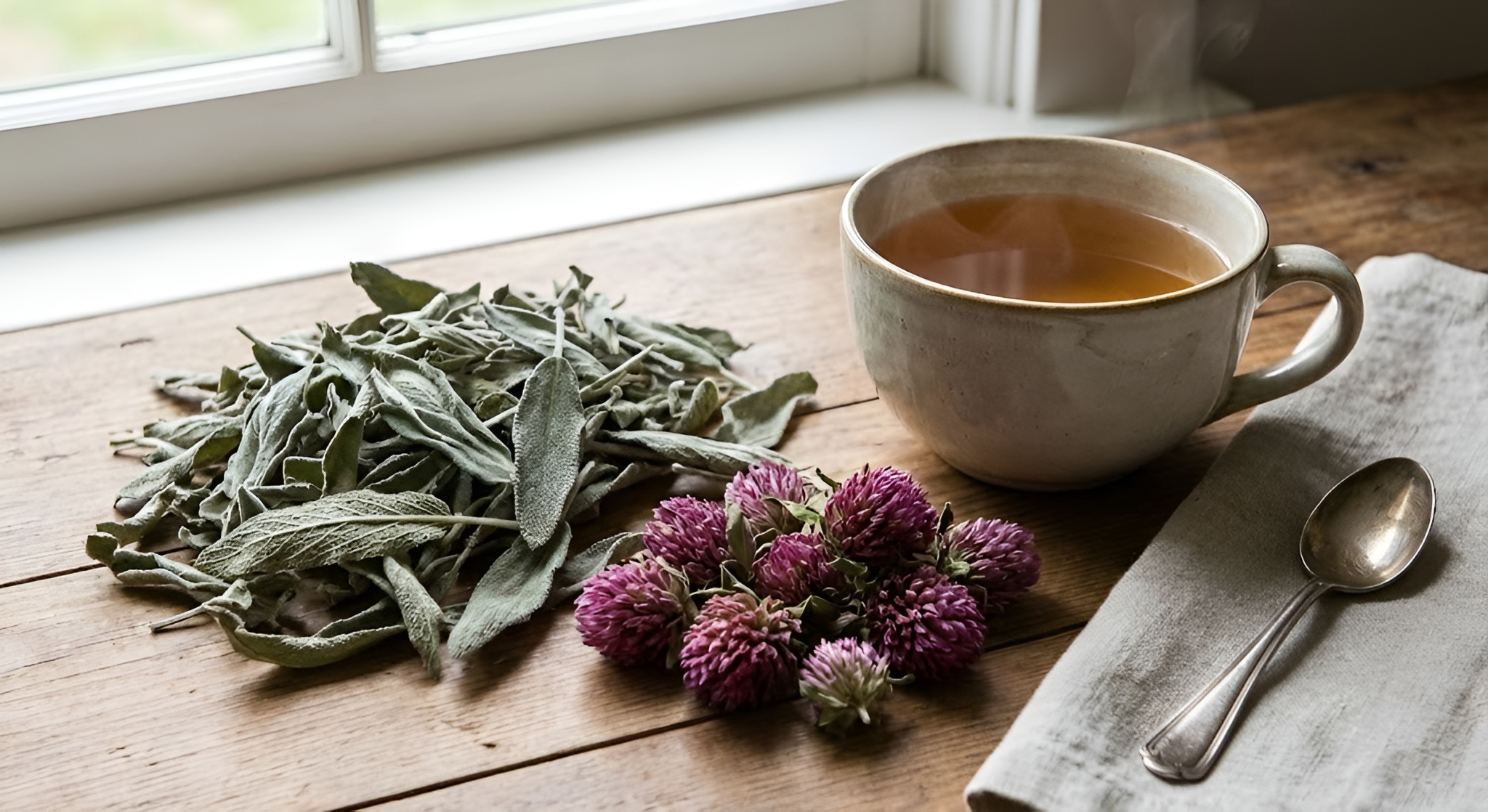
Can tea replace HRT? Probably not, but Sage and Red Clover are powerful tools for managing hot flashes. We explain the science of phytoestrogens and how to brew them safely.
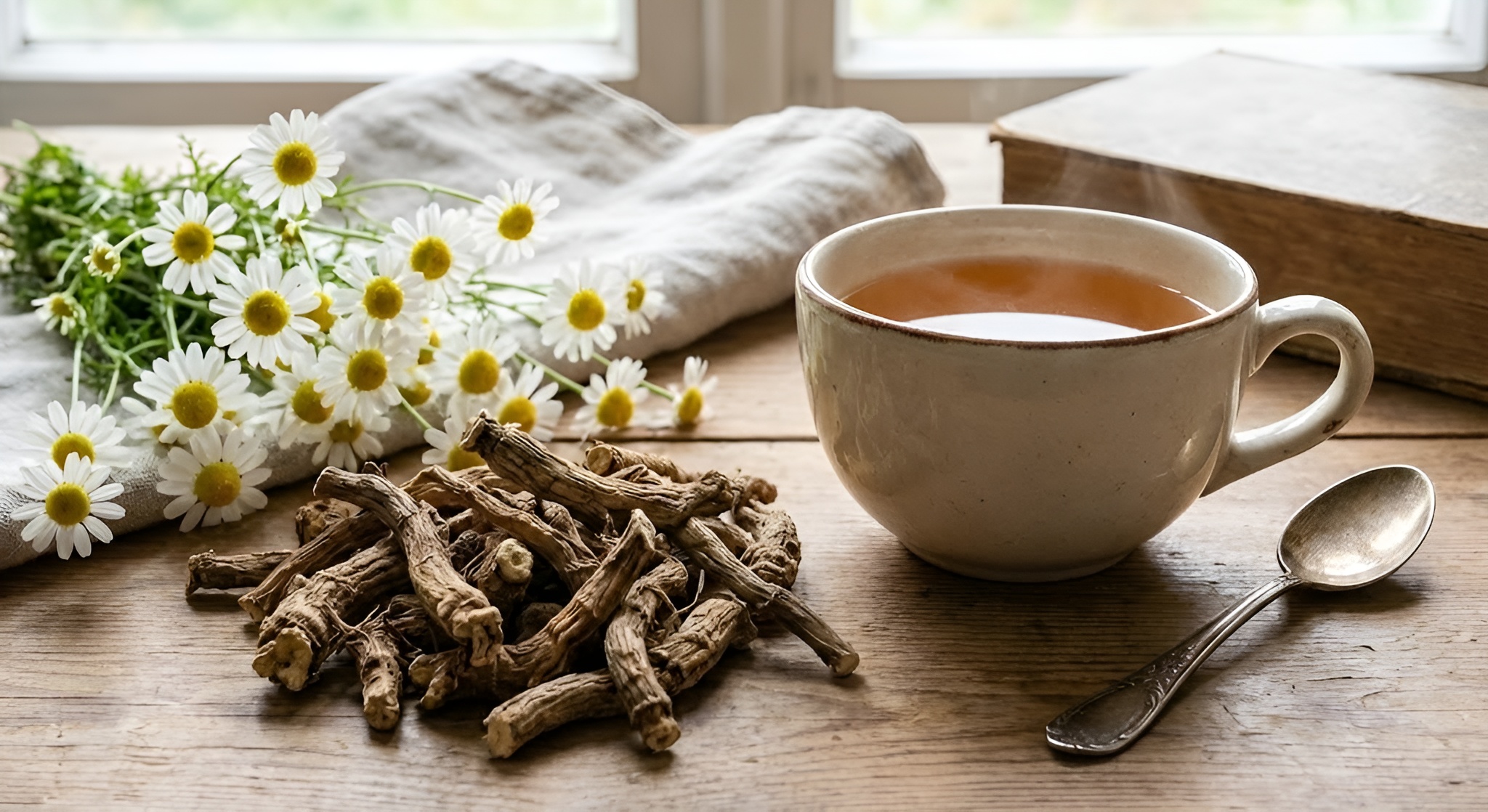
Struggling to sleep? We explain the science of Valerenic Acid vs. Apigenin, why Valerian smells like dirty socks, and which herb is right for your insomnia.
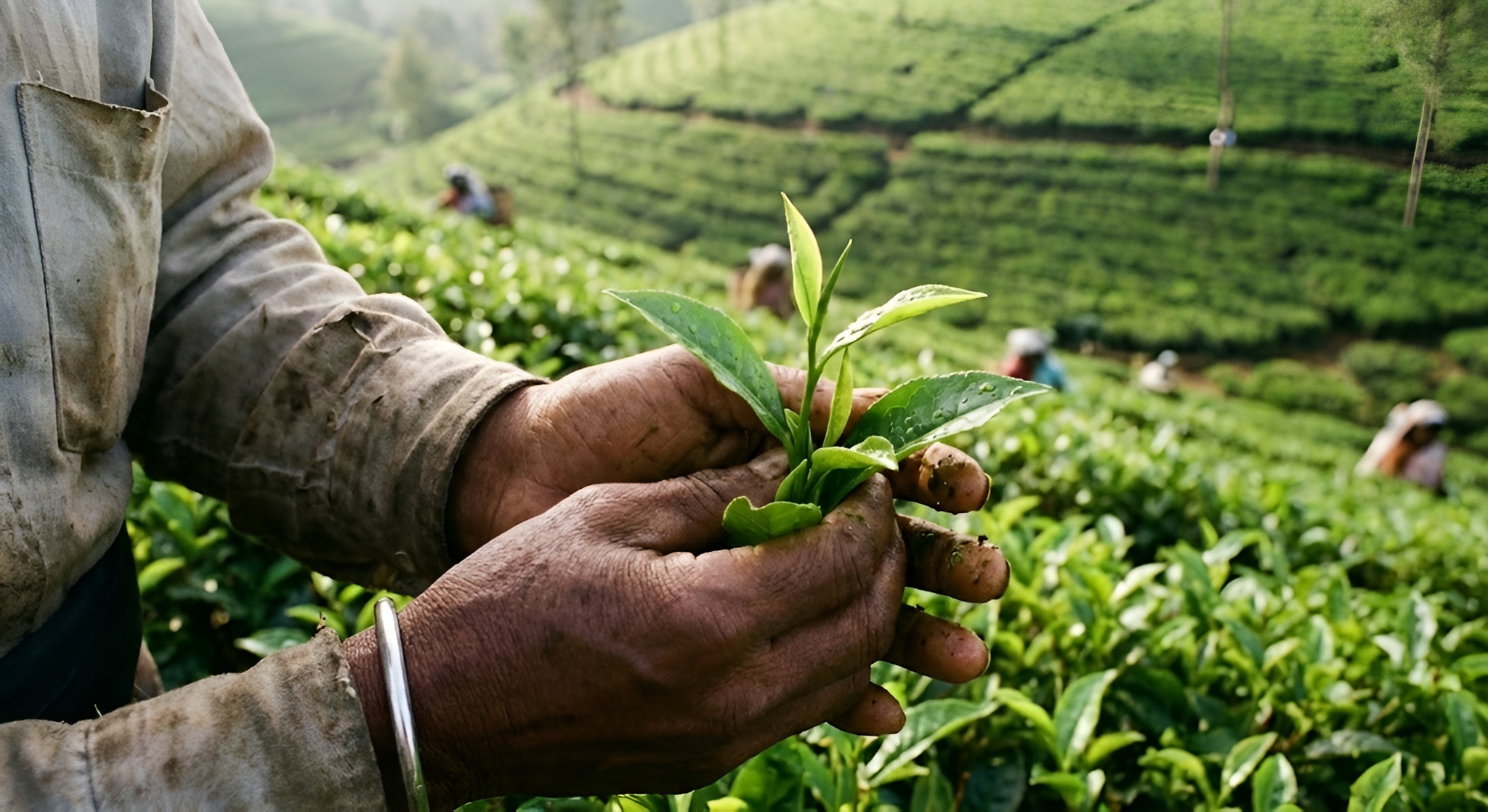
You buy 'Fair Trade' to feel good. But where does the money go? We decode the labels and follow the supply chain.
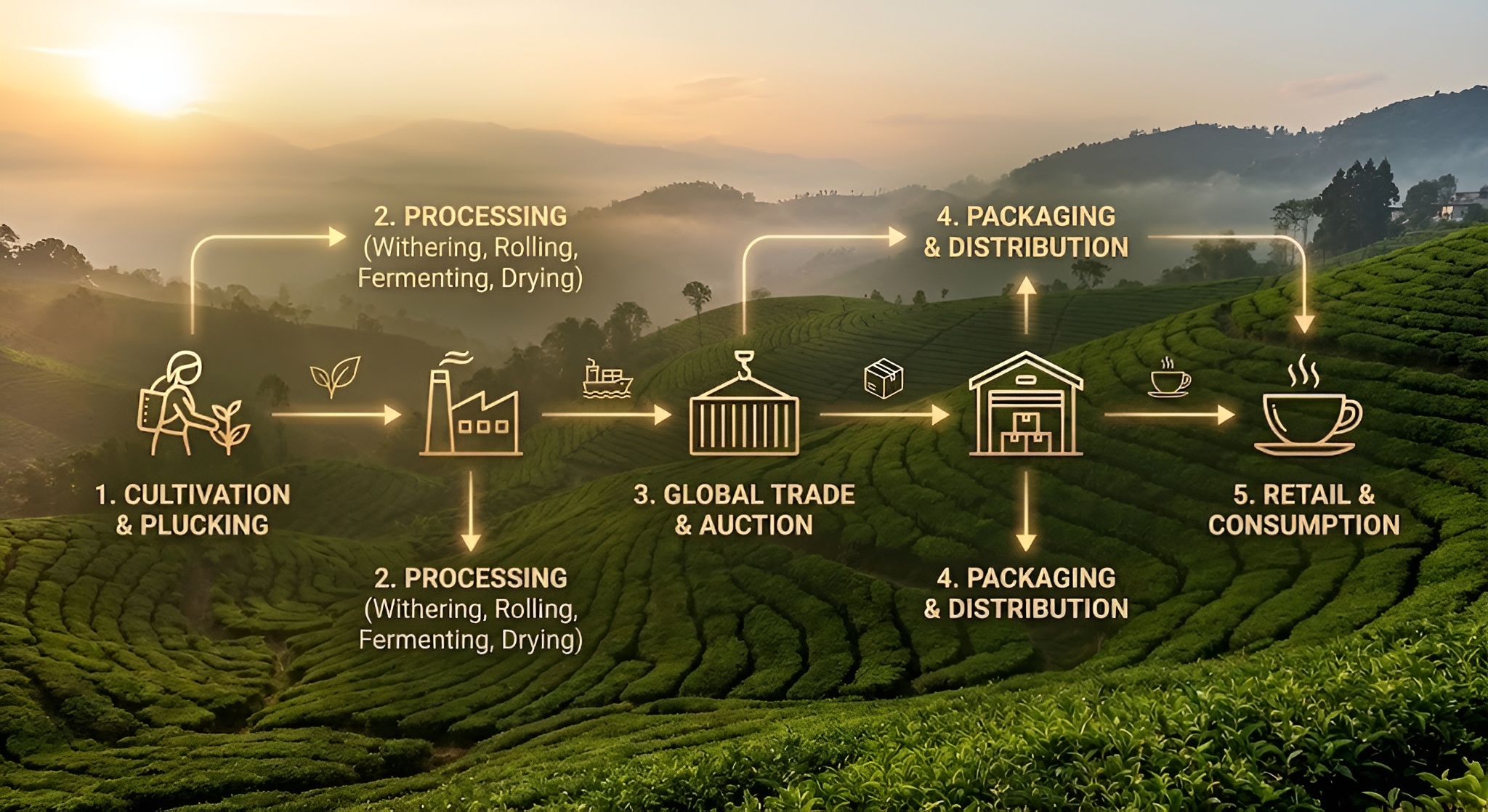
We break down the supply chain economics of a standard box of tea bags. Discover why the retailer takes 35% and the farmer gets less than 3%.
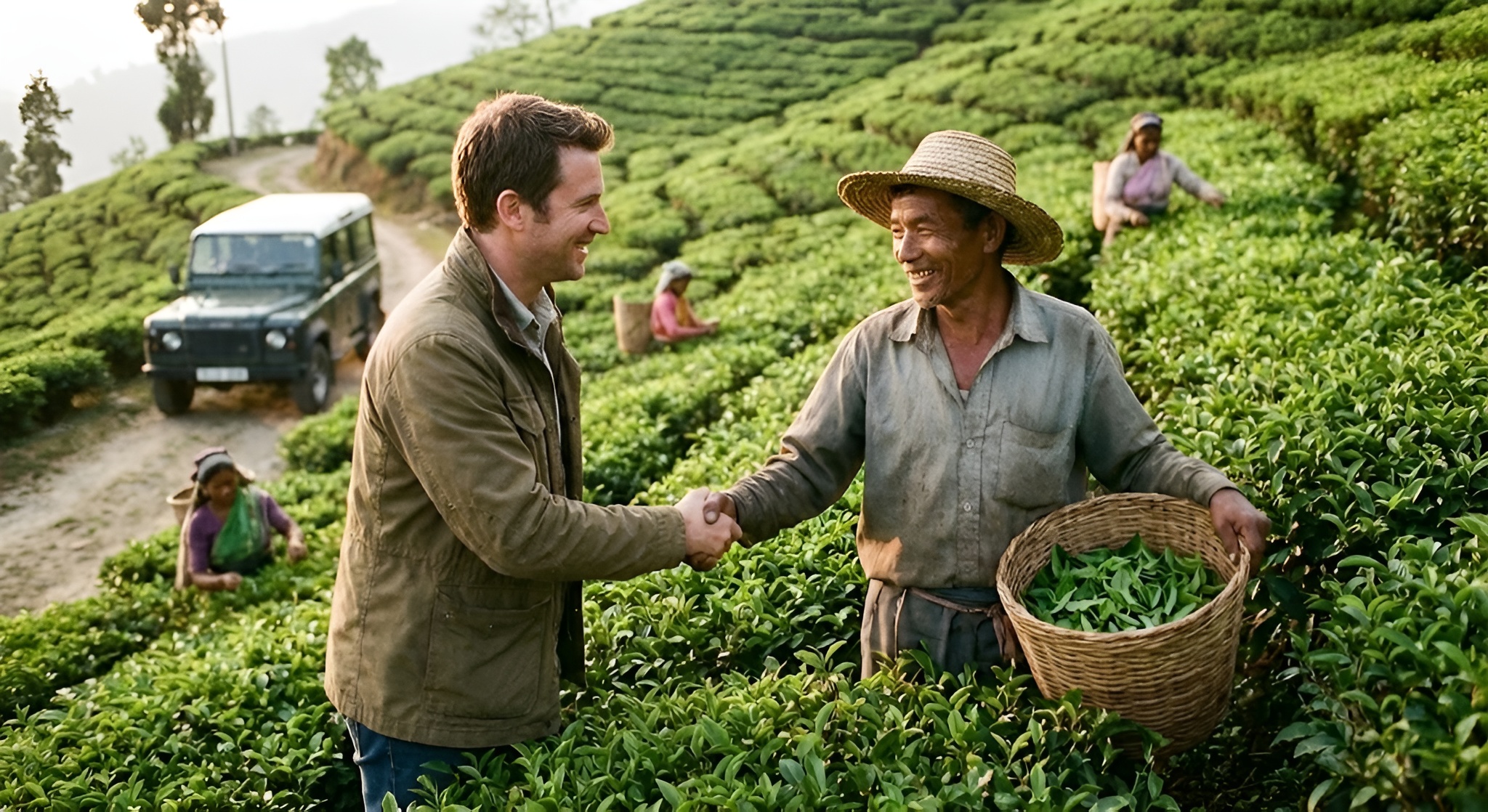
Is cutting out the middleman always better? We explain the economics of relationship coffee/tea and the logistics trap.
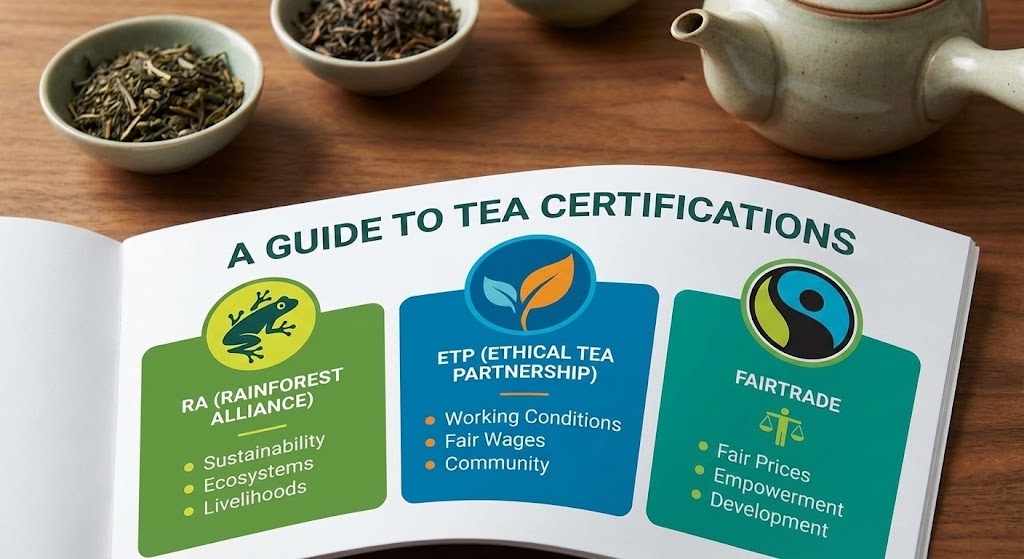
Confused by the logos? We decode what each certification actually guarantees (and what loopholes they hide).
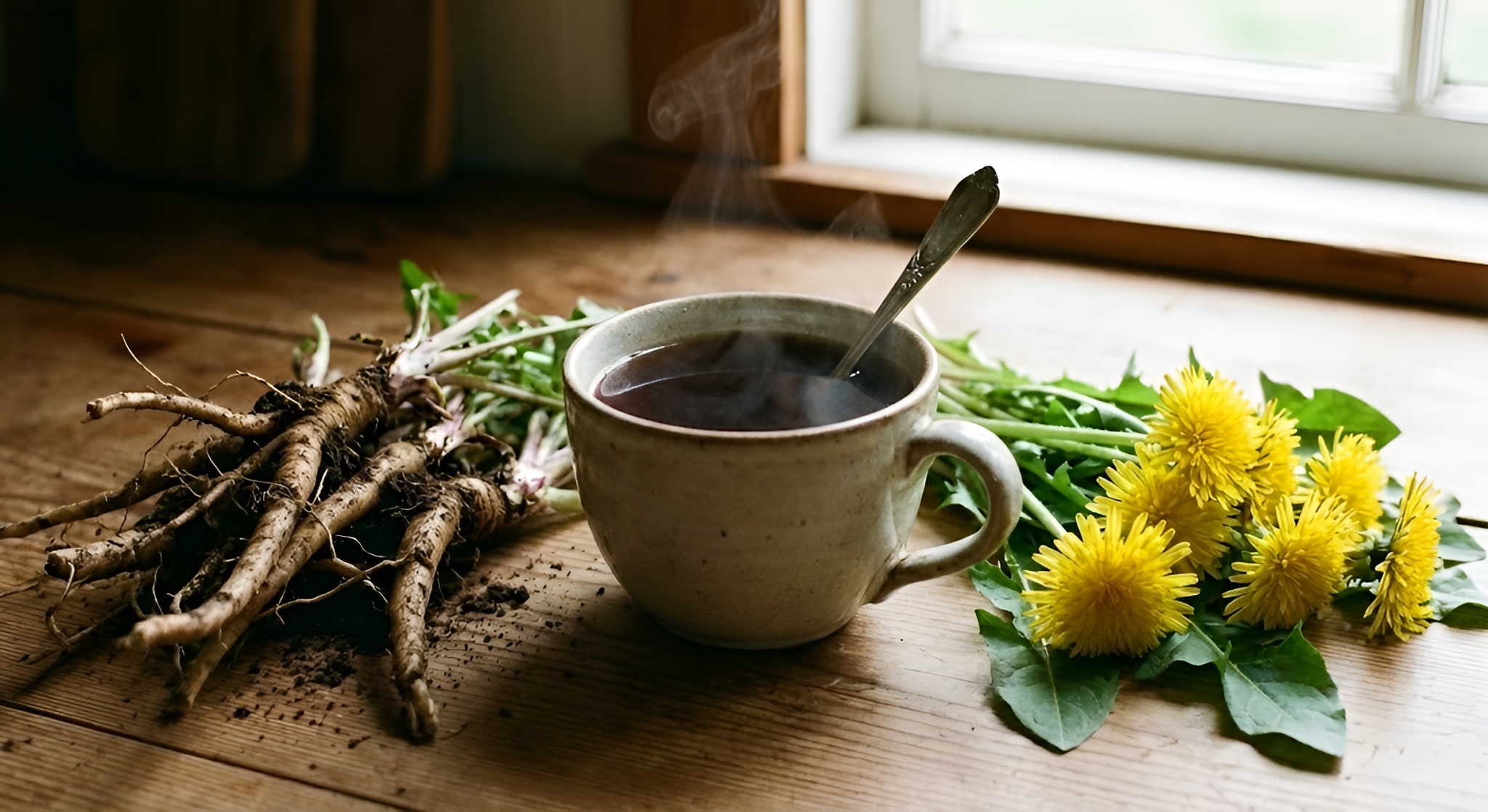
Most 'detox' teas are just laxatives. Dandelion Root is different. We explain the science of how it supports the liver, kidneys, and bile production naturally.
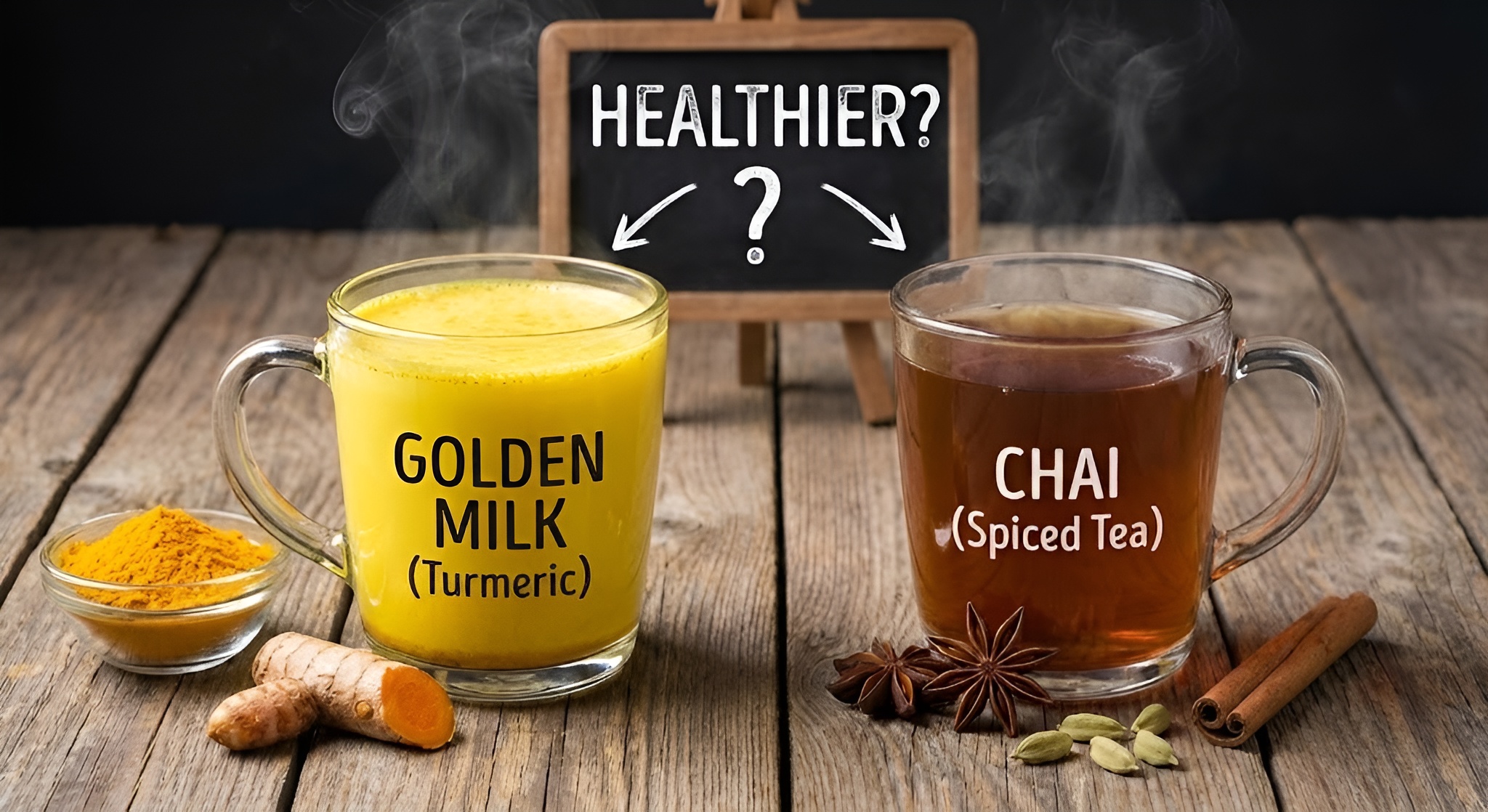
Battle of the Spices: Turmeric vs. Black Tea. We compare the caffeine content, anti-inflammatory benefits, and best use cases for these ancient elixirs.

Stop sneezing and start brewing. We explain how Stinging Nettle blocks histamine, how to forage it safely (without getting stung), and why it's a nutritional powerhouse.
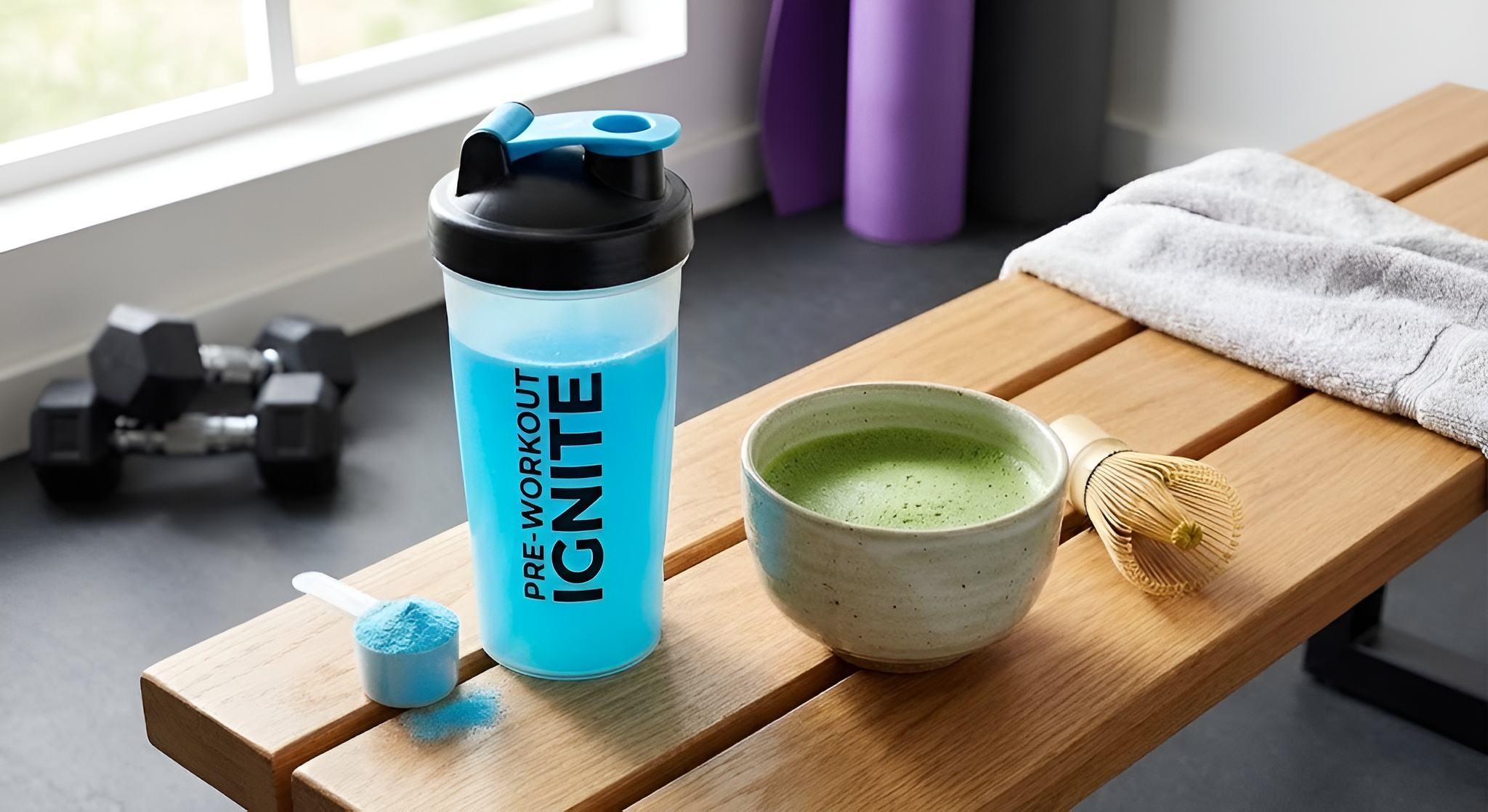
Ditch the jitters and the itch. We analyze the science of Matcha vs. synthetic pre-workout powders and why L-Theanine is the ultimate gym hack.
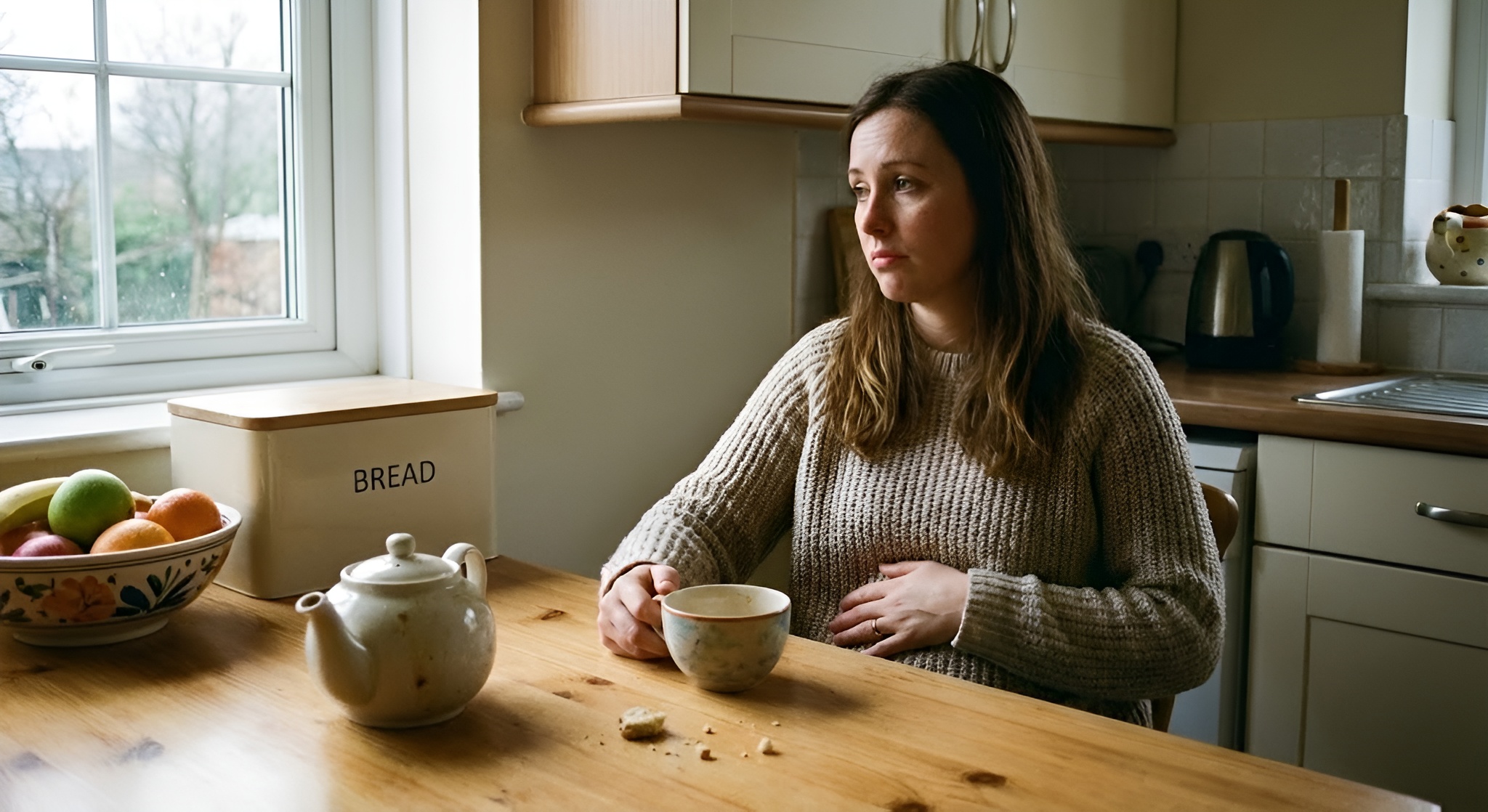
Does drinking tea make you ravenous? Explore the science of caffeine, stomach acid, and blood sugar drops.
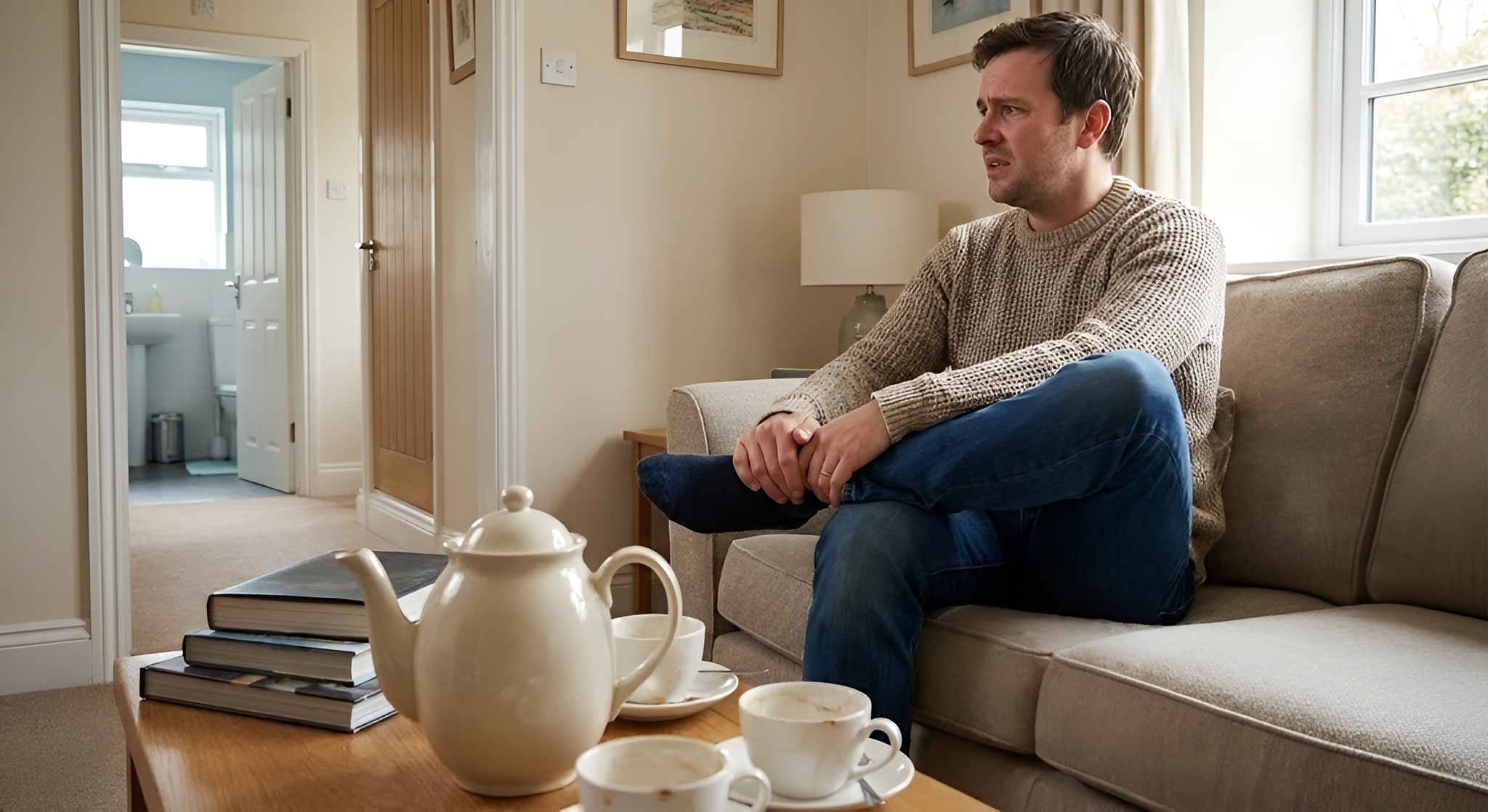
Is tea making you run to the bathroom? An expert guide on the diuretic effects of Caffeine and Theophylline. Learn why tea makes you pee but doesn't dehydrate you.
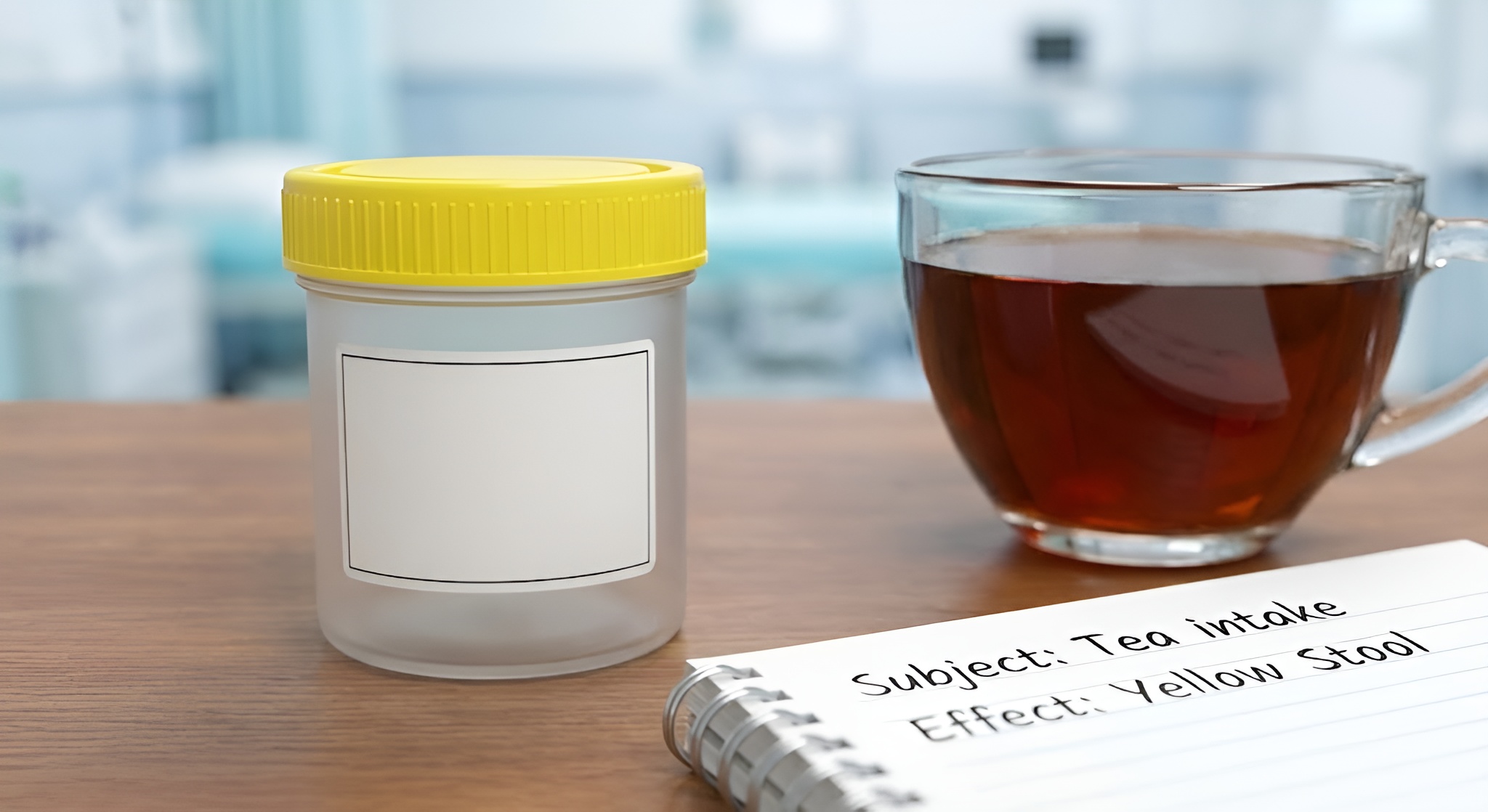
Is your tea habit affecting your digestion? A medical deep dive into why tea might cause yellow stool. Explore the science of bile, caffeine, and fat malabsorption.
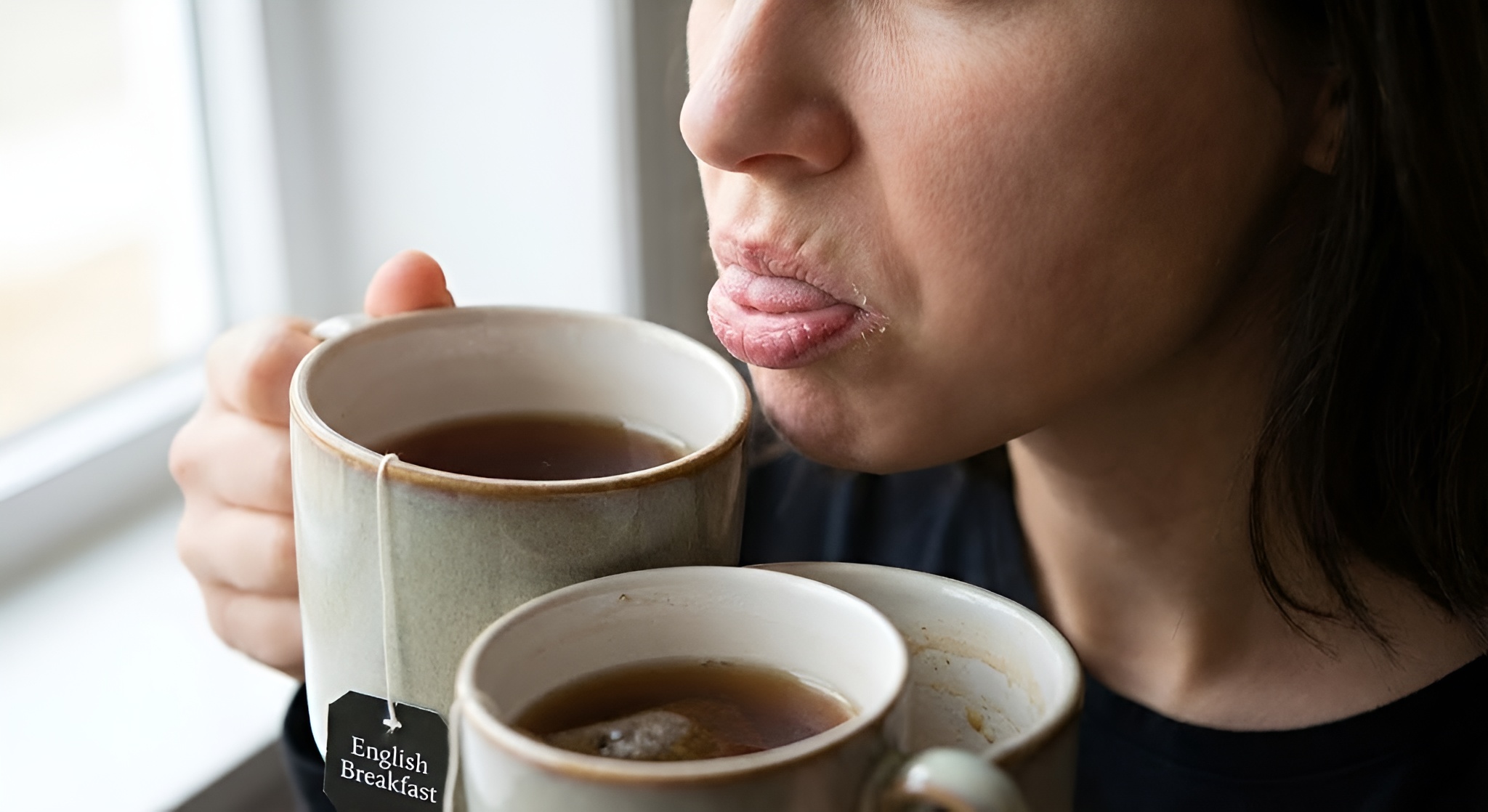
Does tea make your mouth feel like sandpaper? It isn't dehydration. An expert guide to Astringency, Tannins, and the loss of salivary lubrication.
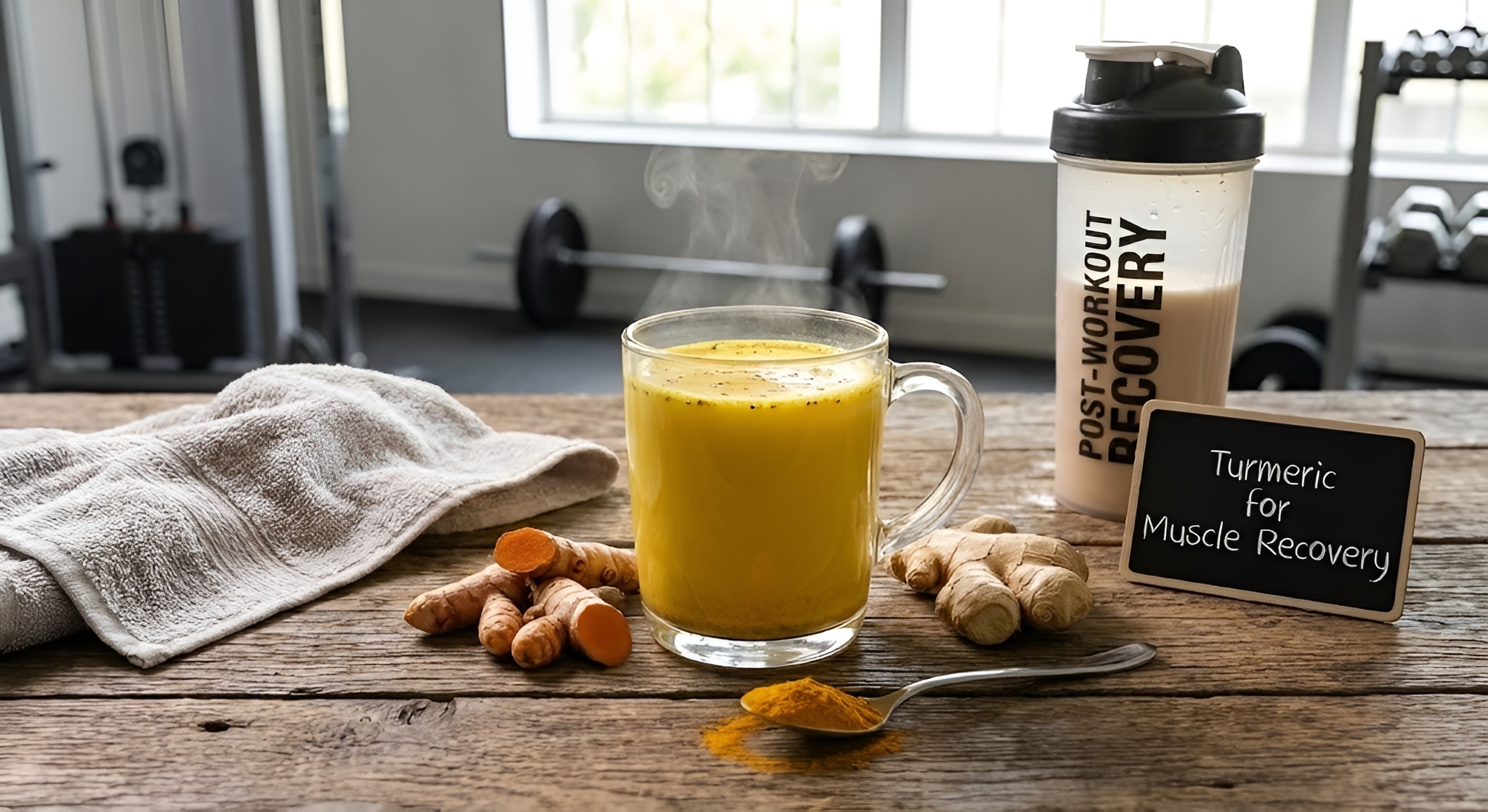
Sore after leg day? Skip the ibuprofen. We analyze the science of Turmeric (Curcumin) for muscle recovery, how it reduces DOMS, and why you must add black pepper.
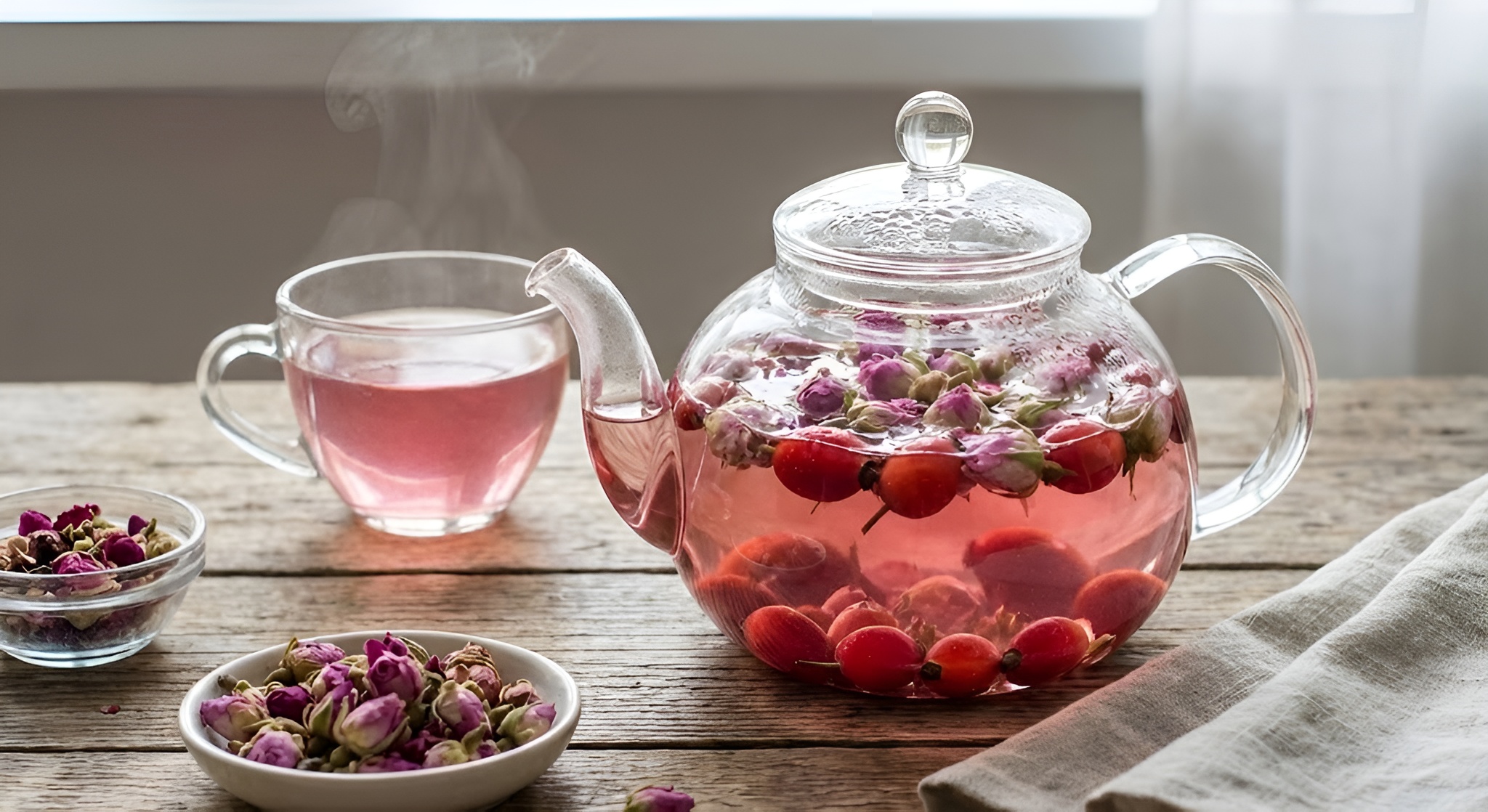
Is Rose Tea the secret to glowing skin? We analyze the Vitamin C content of Rose Hips vs. Petals, and how the aroma acts as a powerful anti-anxiety agent.
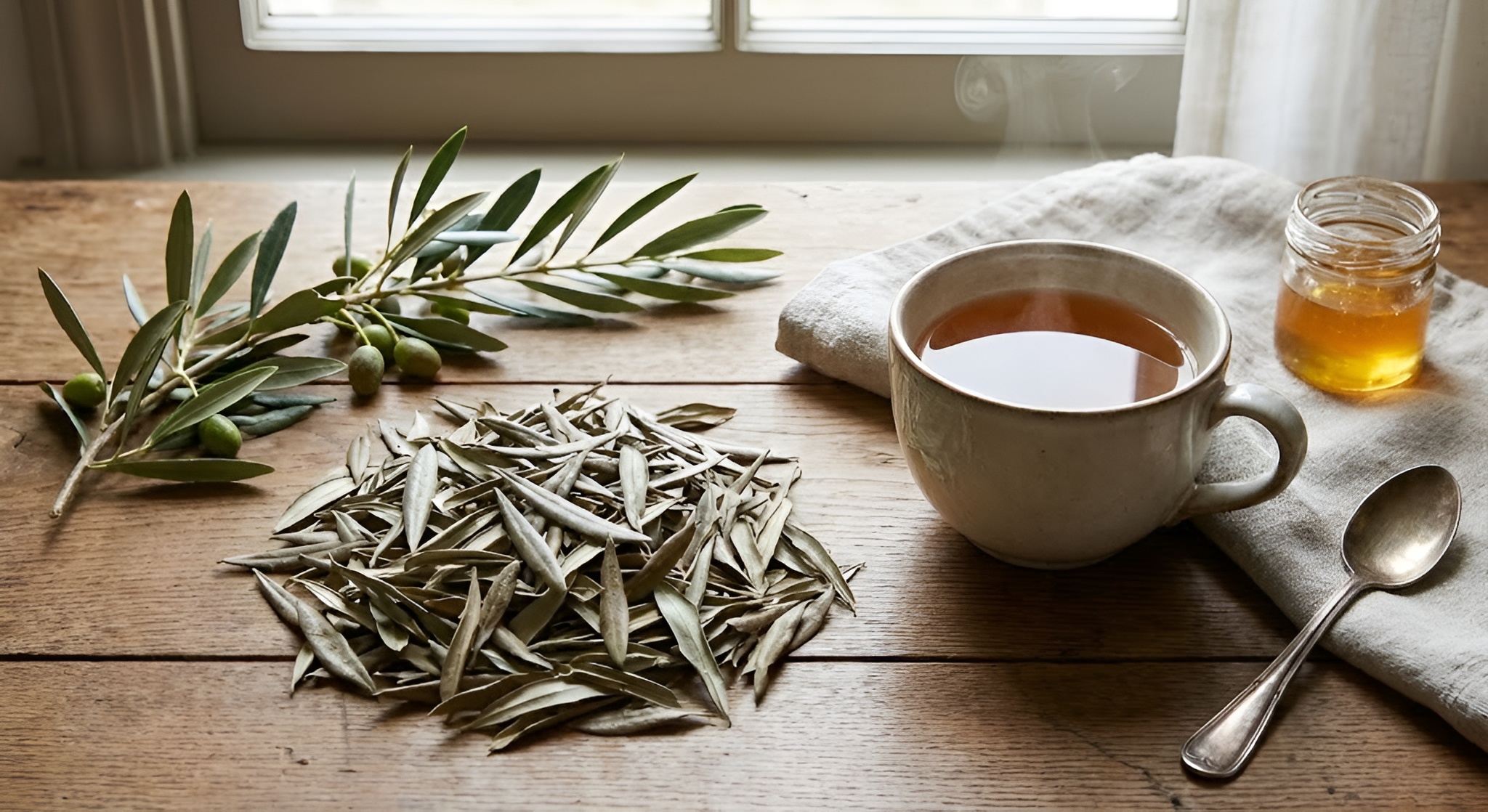
Olive leaf tea is packed with Oleuropein, an antioxidant that supports heart health and immunity. We explain the benefits, side effects, and how to brew it.
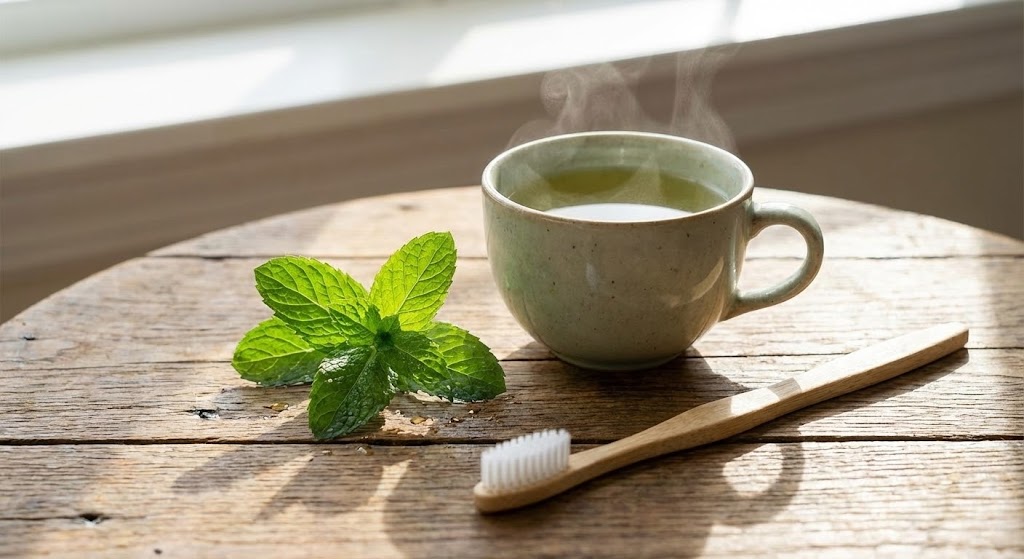
Forget mints. Learn the science of how Green Tea's catechins kill the sulfur-producing bacteria that cause halitosis, and why Matcha is the ultimate breath freshener.
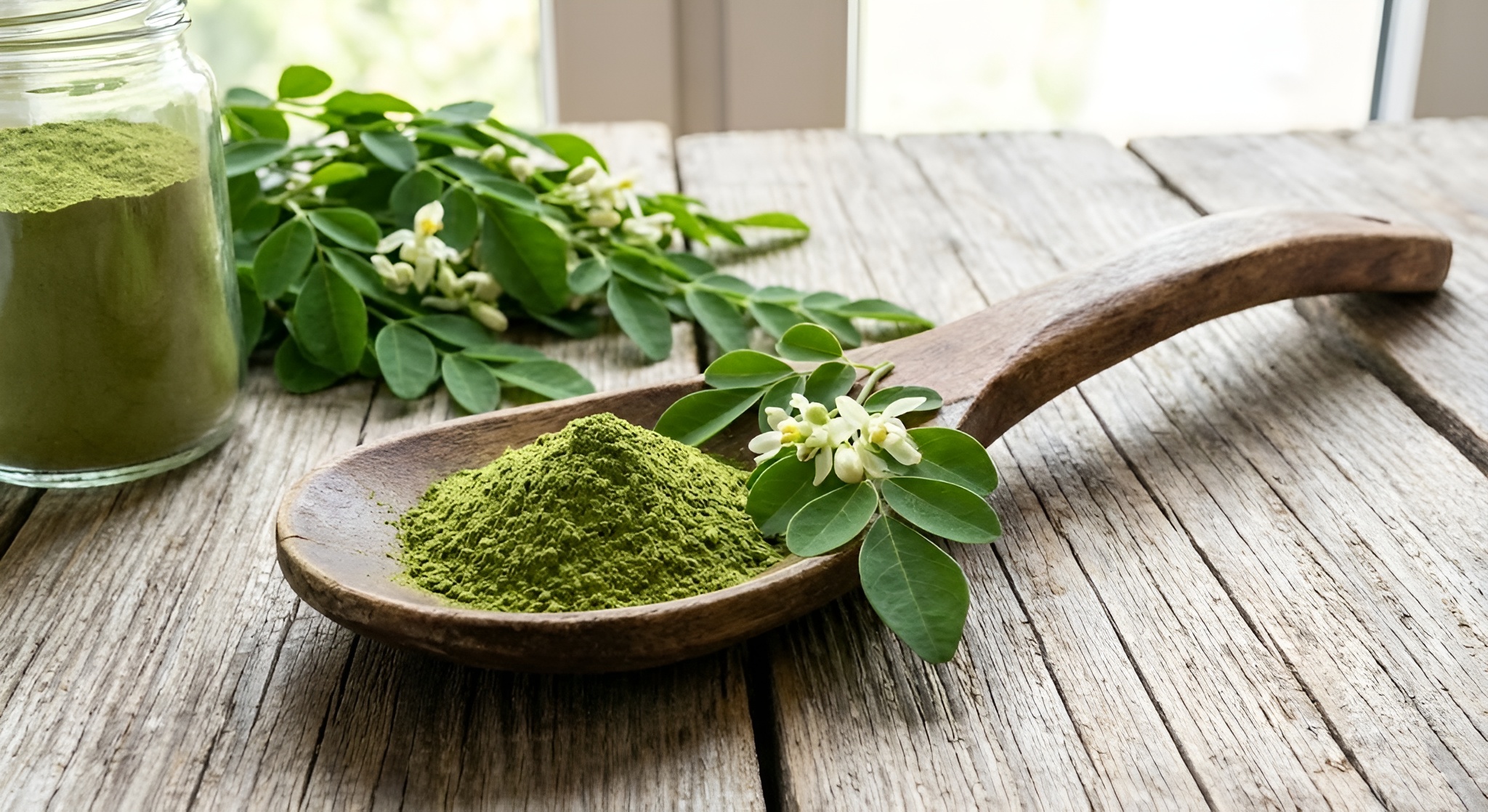
Why call it the Miracle Tree? We analyze Moringa's nutrient density, its ability to lower blood sugar, and how it compares to Matcha for caffeine-free energy.
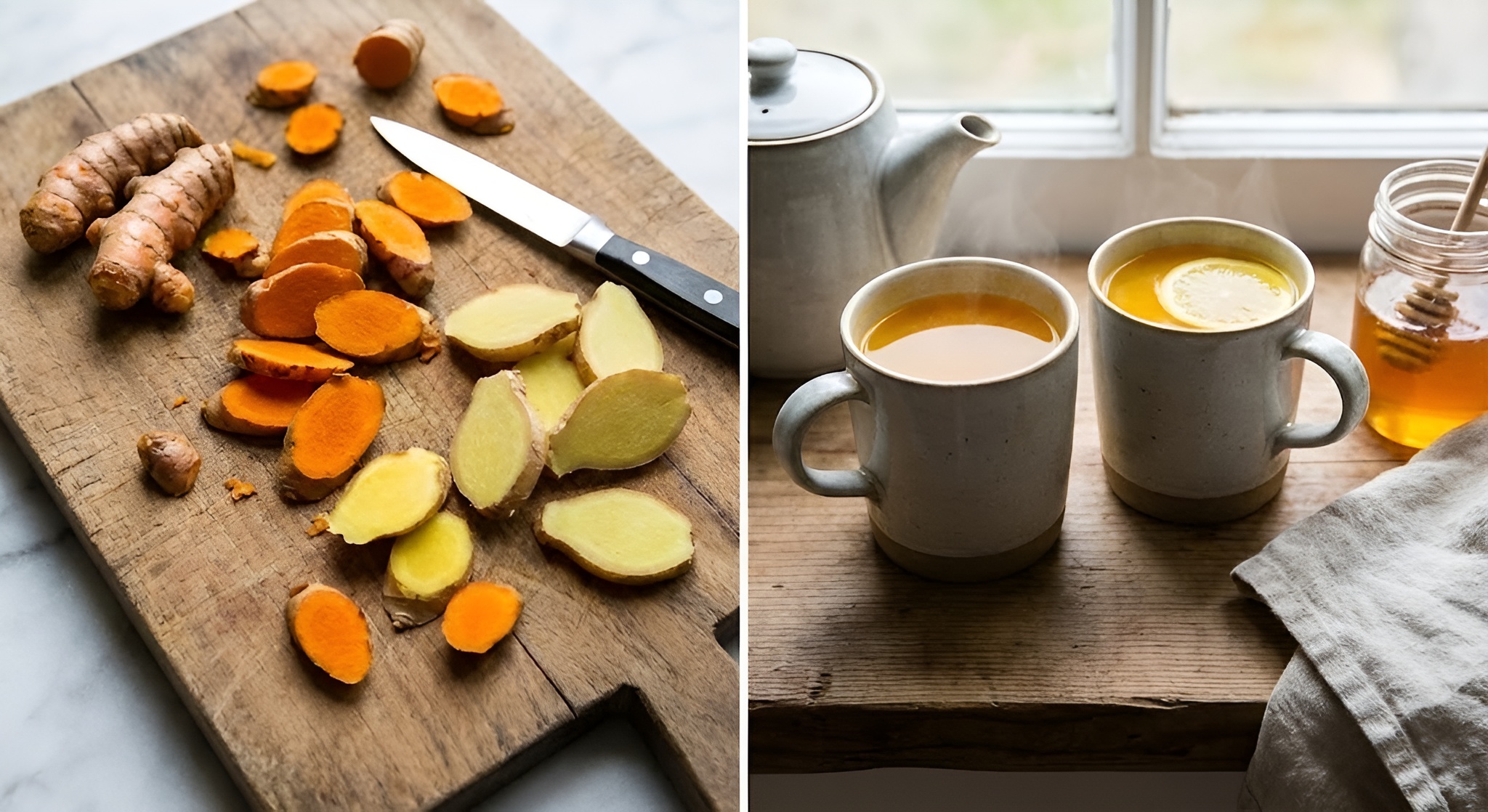
Curcumin vs. Gingerol. We explain the science behind these two super-roots, why you need black pepper for turmeric, and which one wins for pain relief.
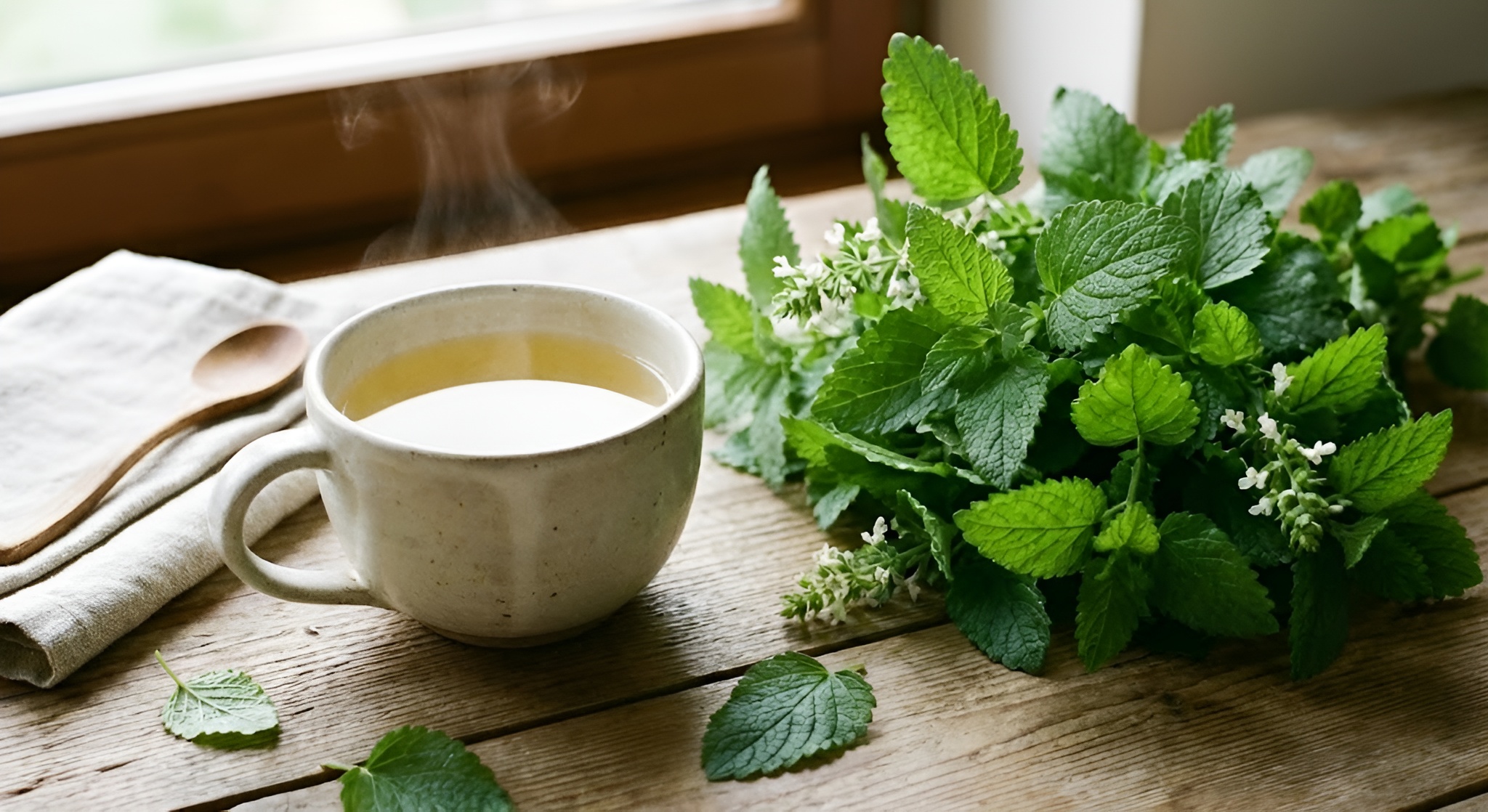
Need to calm down but stay sharp? We explain the science of Lemon Balm (Melissa officinalis), how it boosts GABA, and why it doesn't make you drowsy like Valerian.
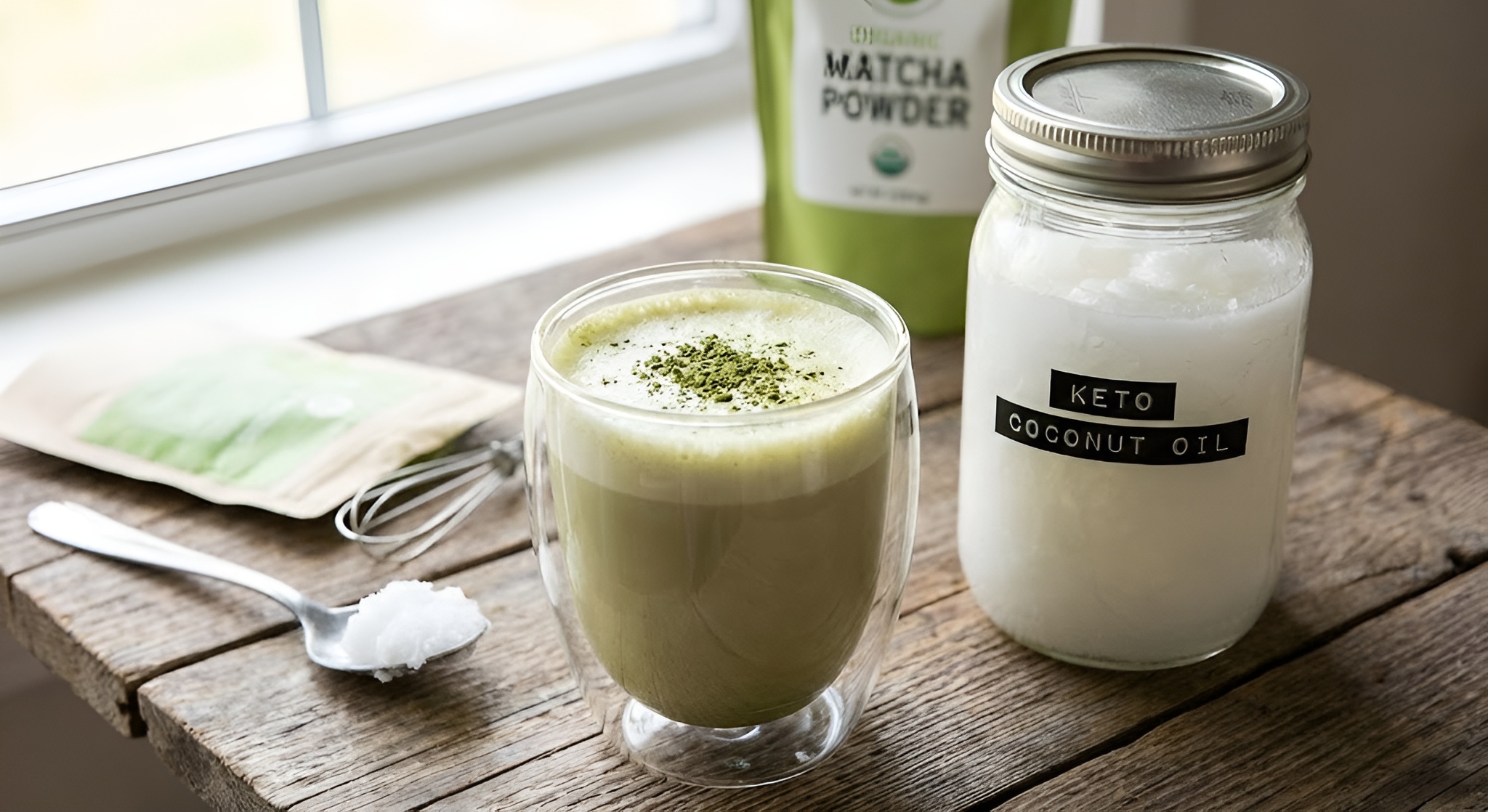
Can you drink Matcha on a Keto diet? Yes, but there is a catch. We analyze the net carbs in pure Matcha vs. Starbucks lattes and how to stay in ketosis.

Is your tea habit helping you lose weight or gain it? We analyze the calorie difference between plain tea (0 cal) and the hidden sugar in Lattes and Boba.

Pregnancy means cutting caffeine, but you don't have to give up your cuppa. We analyze why Rooibos is the safest, most nutrient-dense choice for mums-to-be.
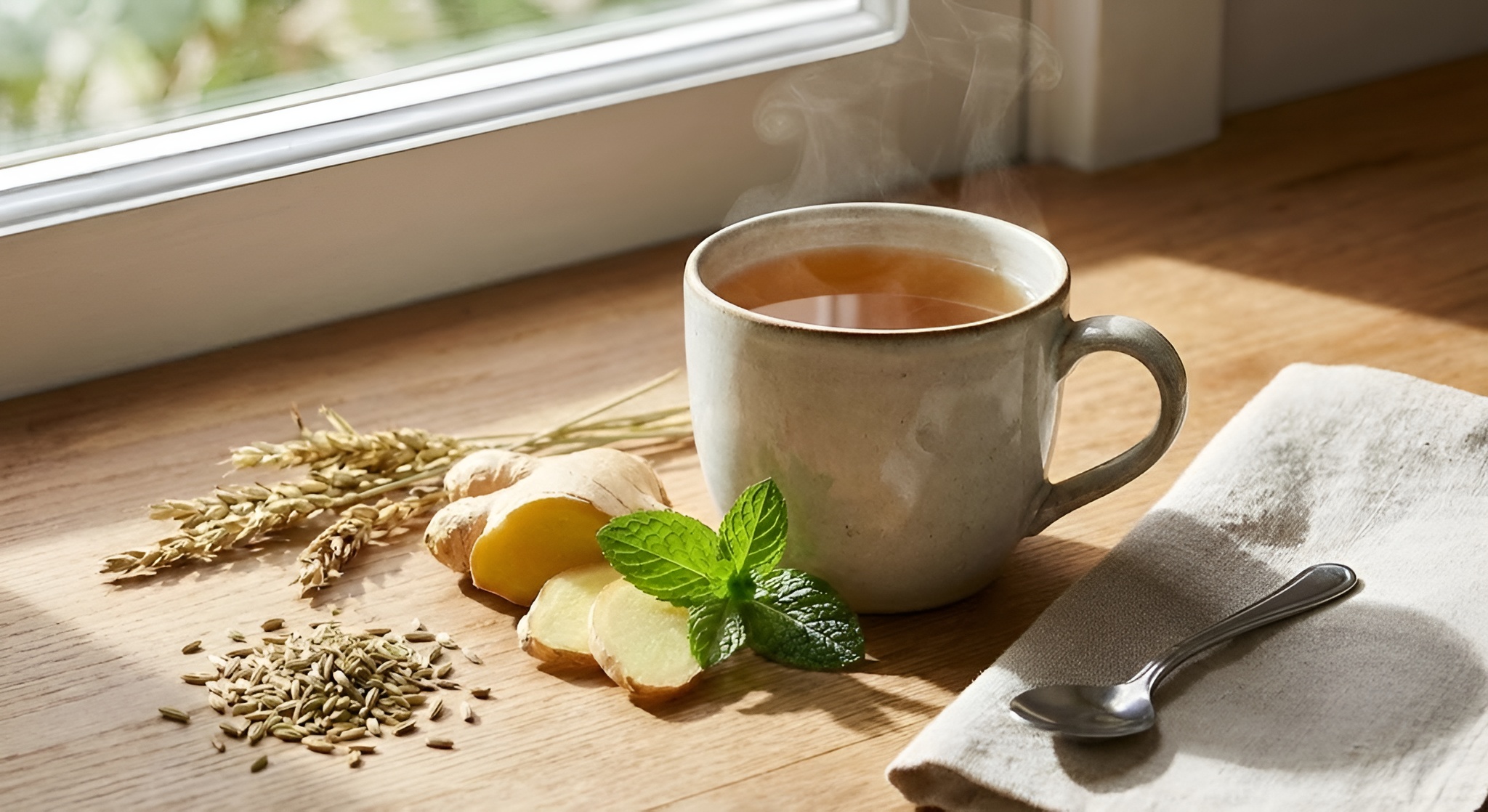
Feeling bloated after dinner? We explain which tea works best for your symptoms: Ginger for nausea, Peppermint for trapped gas, and Fennel for puffiness.
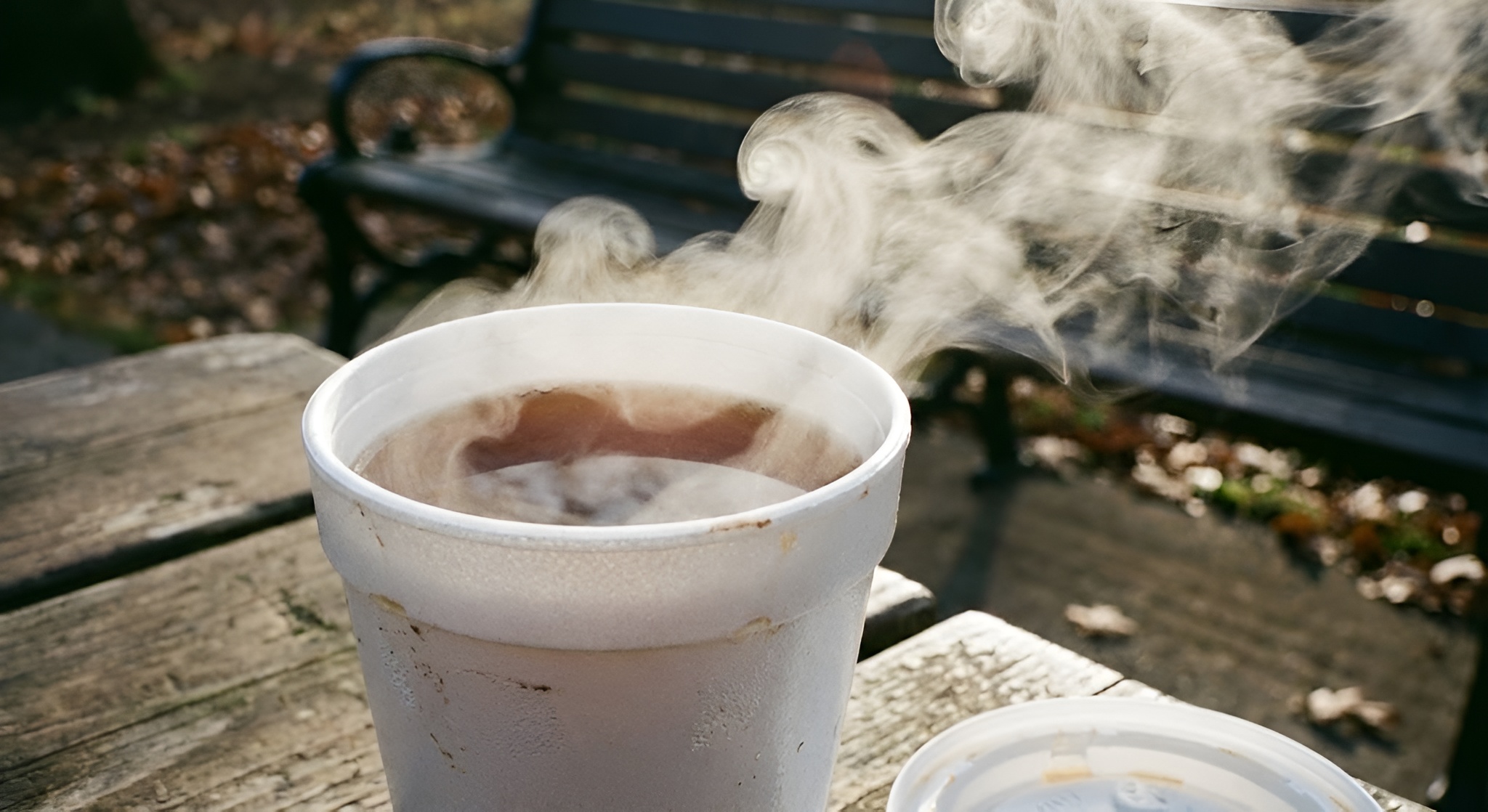
Is that office foam cup slowly poisoning you? We analyze the science of Styrene leaching, why you should never add lemon to styrofoam, and the microplastic risk.

Suffering from GERD or heartburn? Choosing the wrong tea can make it worse. We reveal why Peppermint is dangerous and why Ginger is your best friend.

Can drinking Green Tea replace your blood pressure medication? We analyze the science of EGCG, Nitric Oxide, and the 'Caffeine Paradox' in hypertension management.
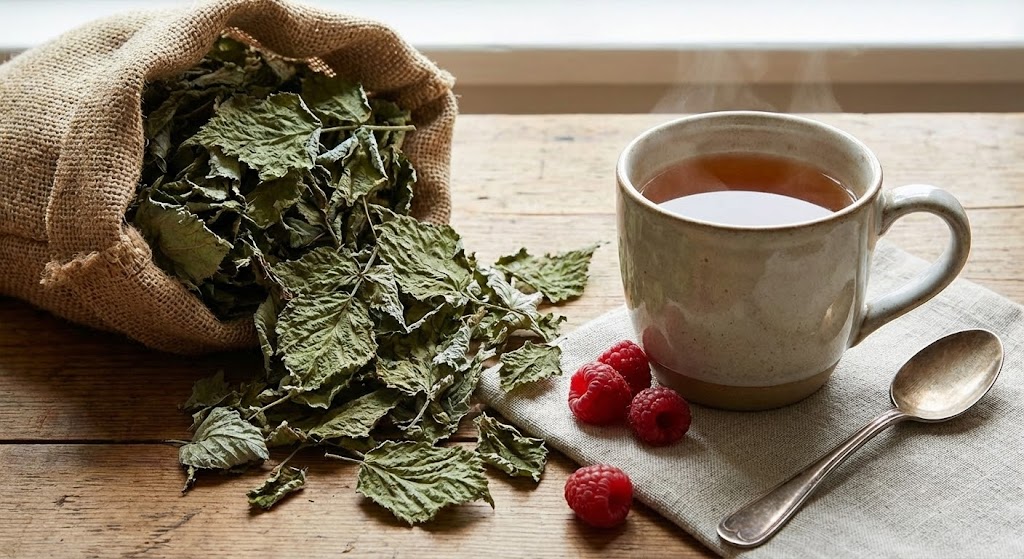
It's known as the 'Woman's Herb,' but does Raspberry Leaf Tea actually induce labor? We analyze the science of fragarine, the 32-week rule, and its benefits for PMS.

Tired of the coffee crash? Discover how L-Theanine in tea prevents anxiety and jitters while keeping you focused. The ultimate guide to switching from coffee to Matcha or Black Tea.
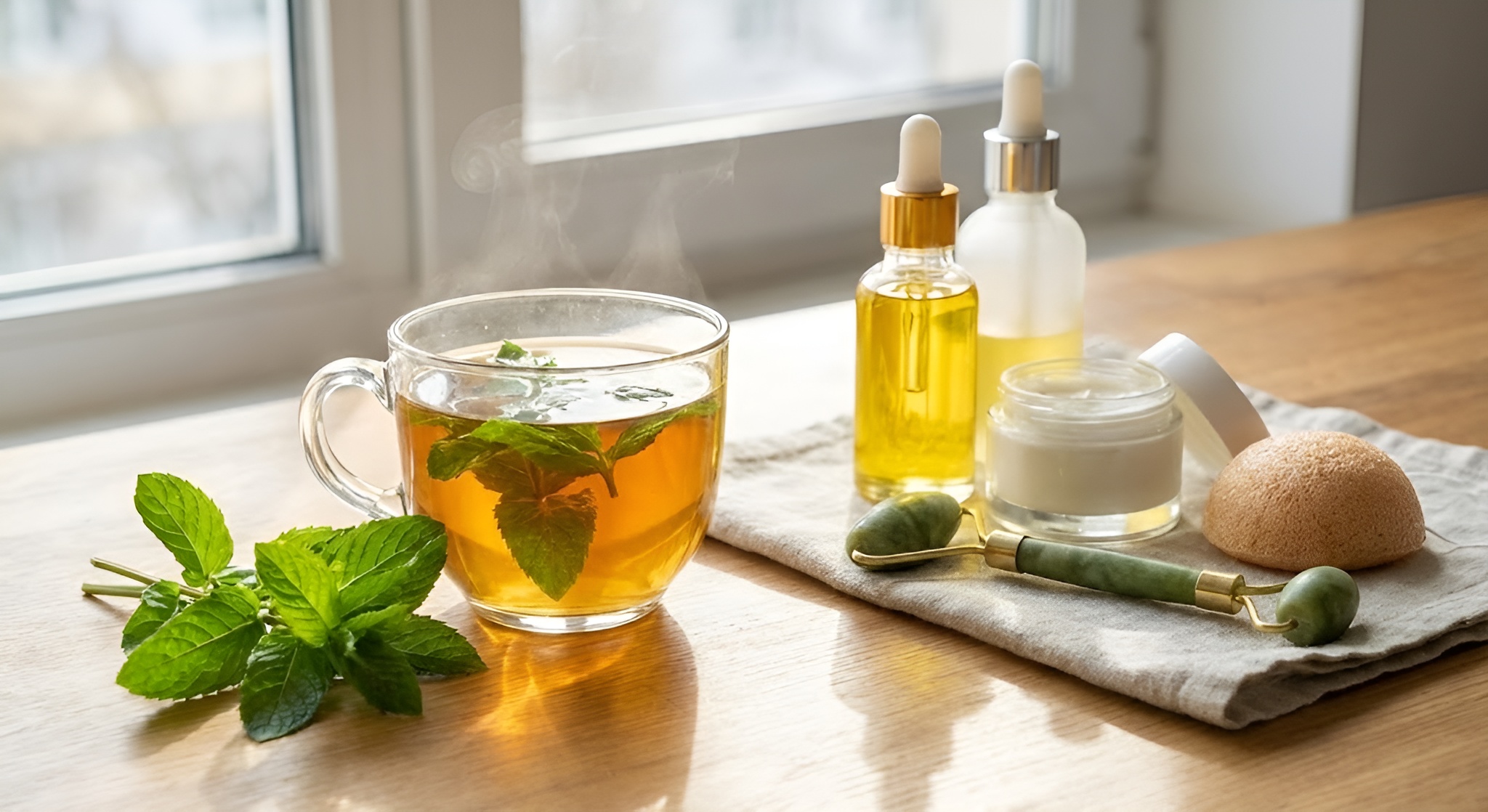
Is Spearmint Tea the cure for hormonal acne? We analyze the anti-androgen science, the correct daily dosage (2 cups), and why Peppermint won't work.

Does tea trigger a migraine or tension headache? We analyze the science of caffeine vasoconstriction, tannin sensitivity, and histamine intolerance.
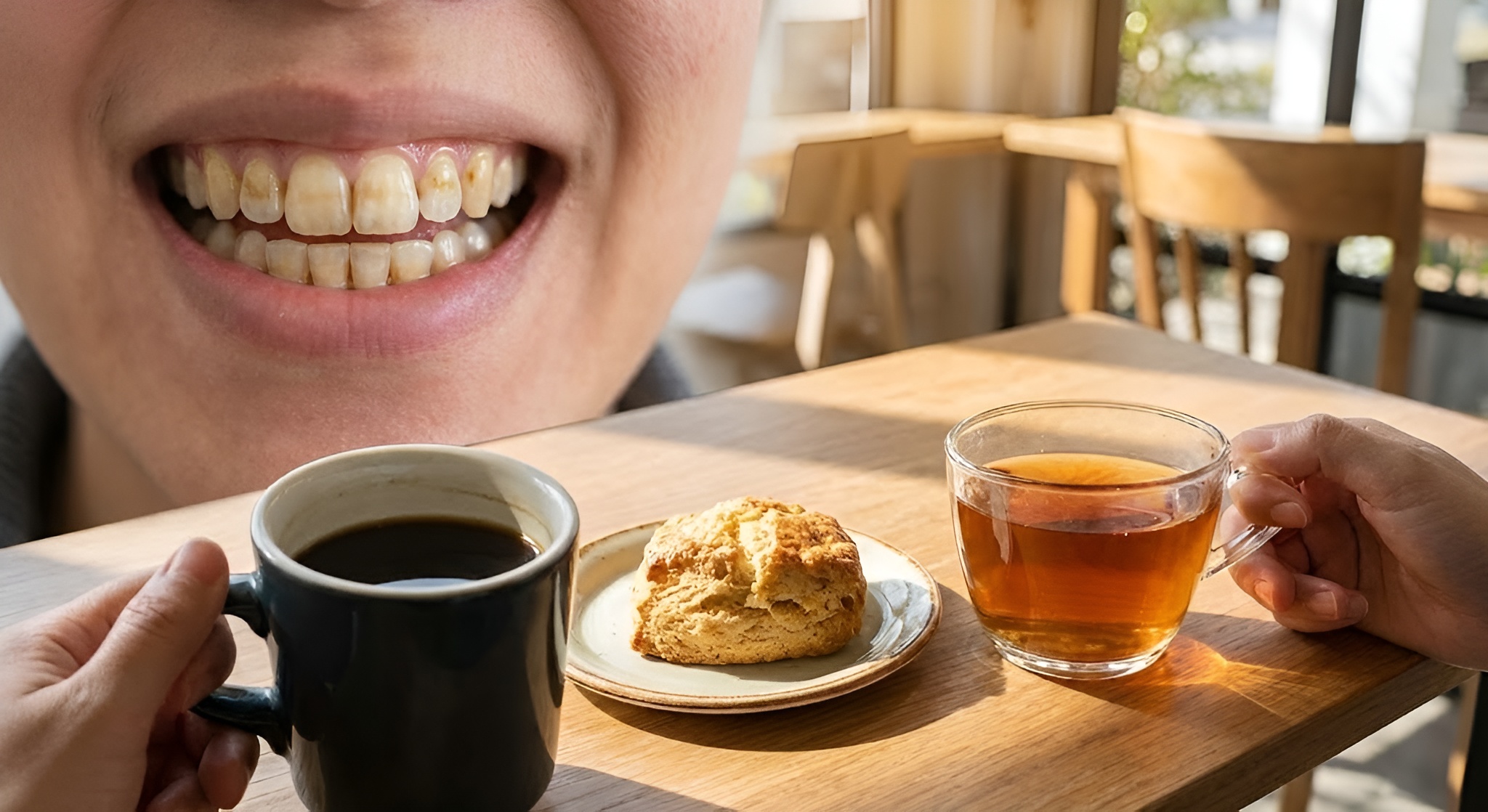
Is your morning cuppa ruining your smile? We analyze why tea tannins stain harder than coffee, which teas are safest, and how to prevent yellowing.
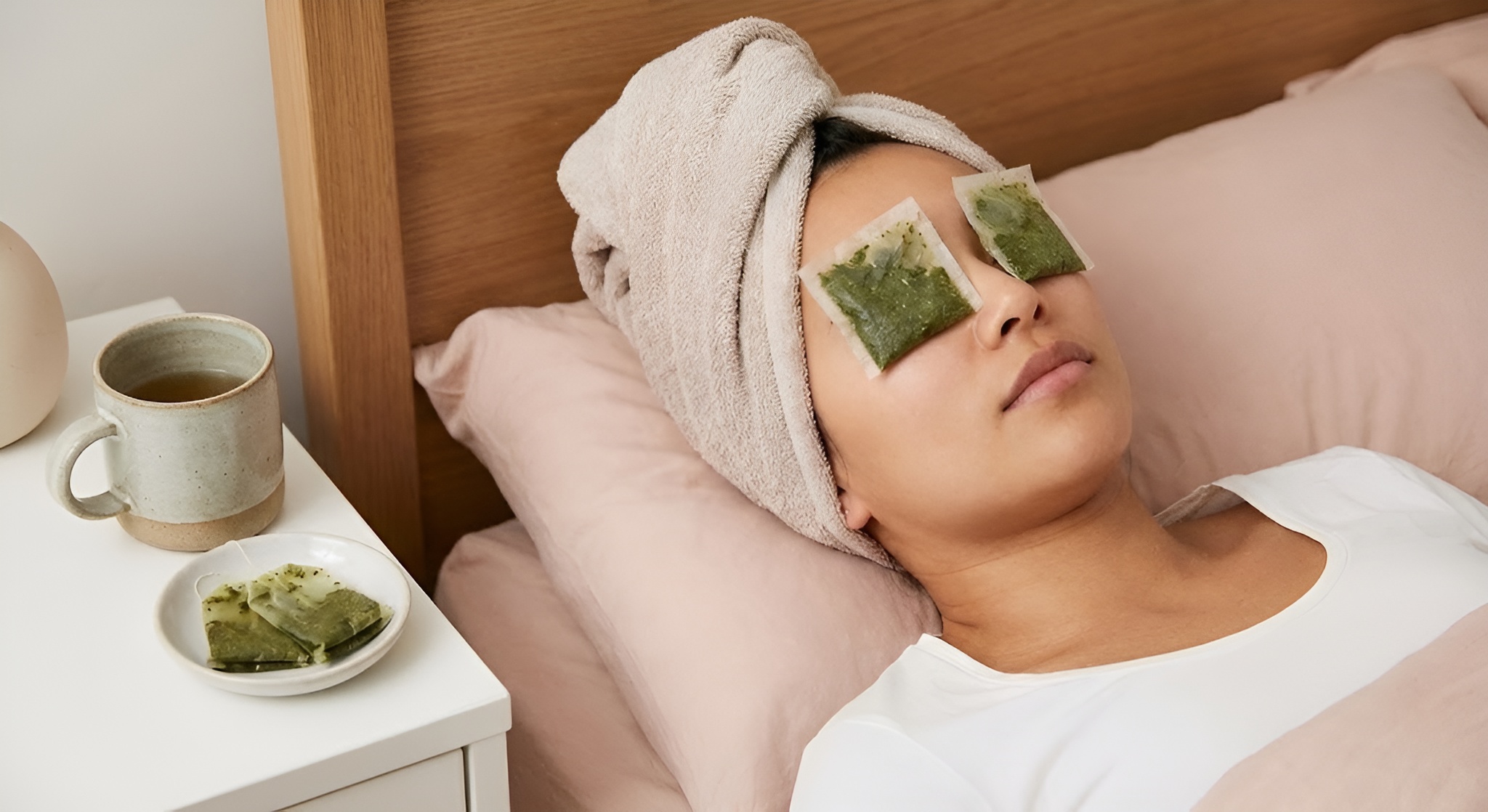
Forget expensive creams. We analyze the science of EGCG and caffeine vasoconstriction to see if Green Tea bags really cure dark circles and puffy eyes.

Concerned about kidney stones? We analyze the oxalate levels in Black vs. Green tea, the 'Calcium Paradox', and how to drink tea safely.
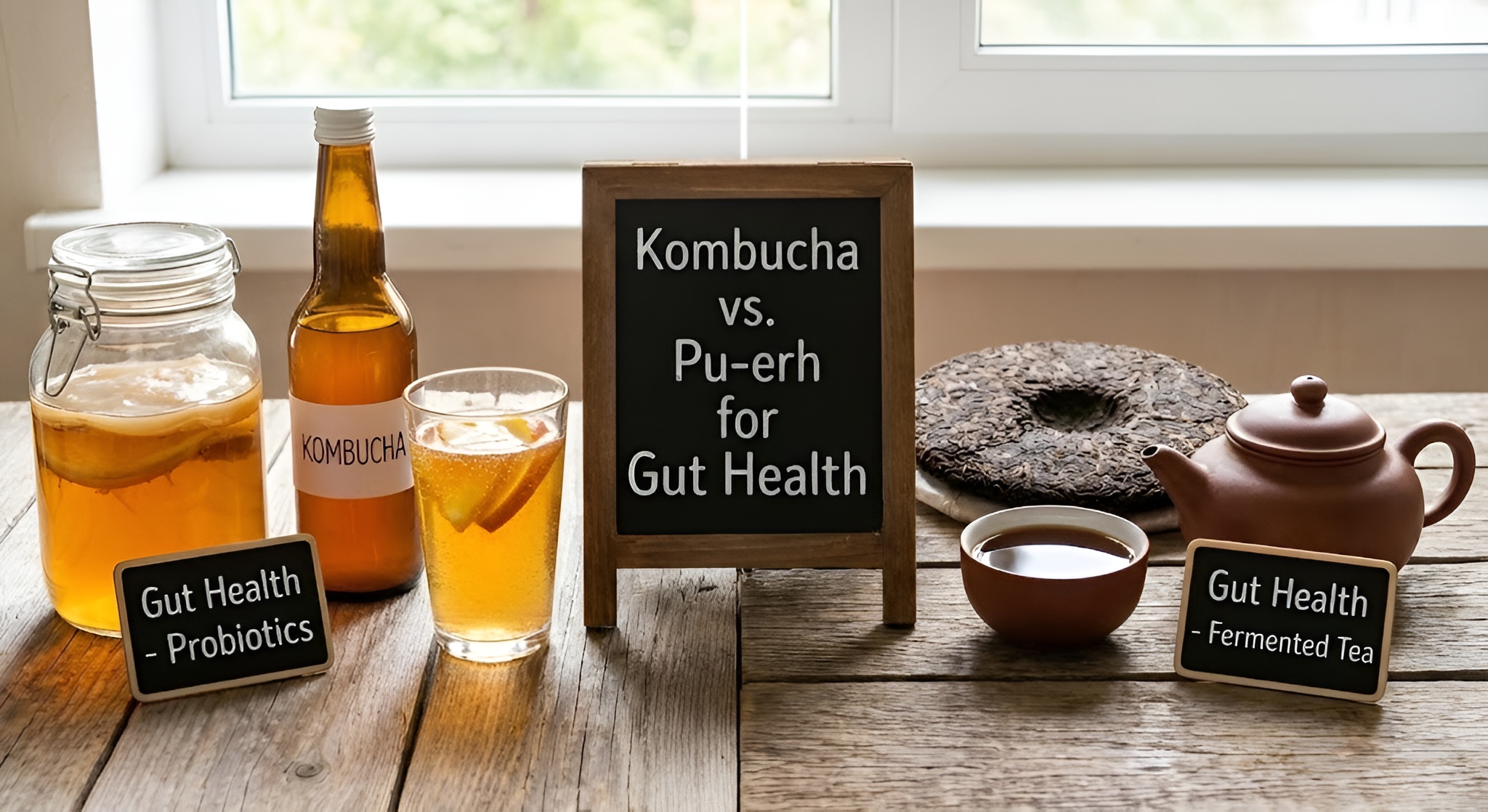
Is Kombucha actually healthy? We compare the sugar content, probiotics, and gut health benefits of Kombucha vs. Ripe Pu-erh. The definitive guide.

Pu-erh has been cited as a weight loss aid - but is there a right time you should drink it. Turns out there just may be!

What really is too much caffeine or tea during pregnancy & what can replace your traditional morning cuppa?

The 'Glass Skin' trend is taking over. Discover how White Tea naturally inhibits the enzymes that destroy collagen and elastin, giving you a glow from the inside out.

Does your daily cuppa count towards your water intake? We analyze the science of the 'Hydration Index', caffeine tolerance, and the 'Net Gain' rule.
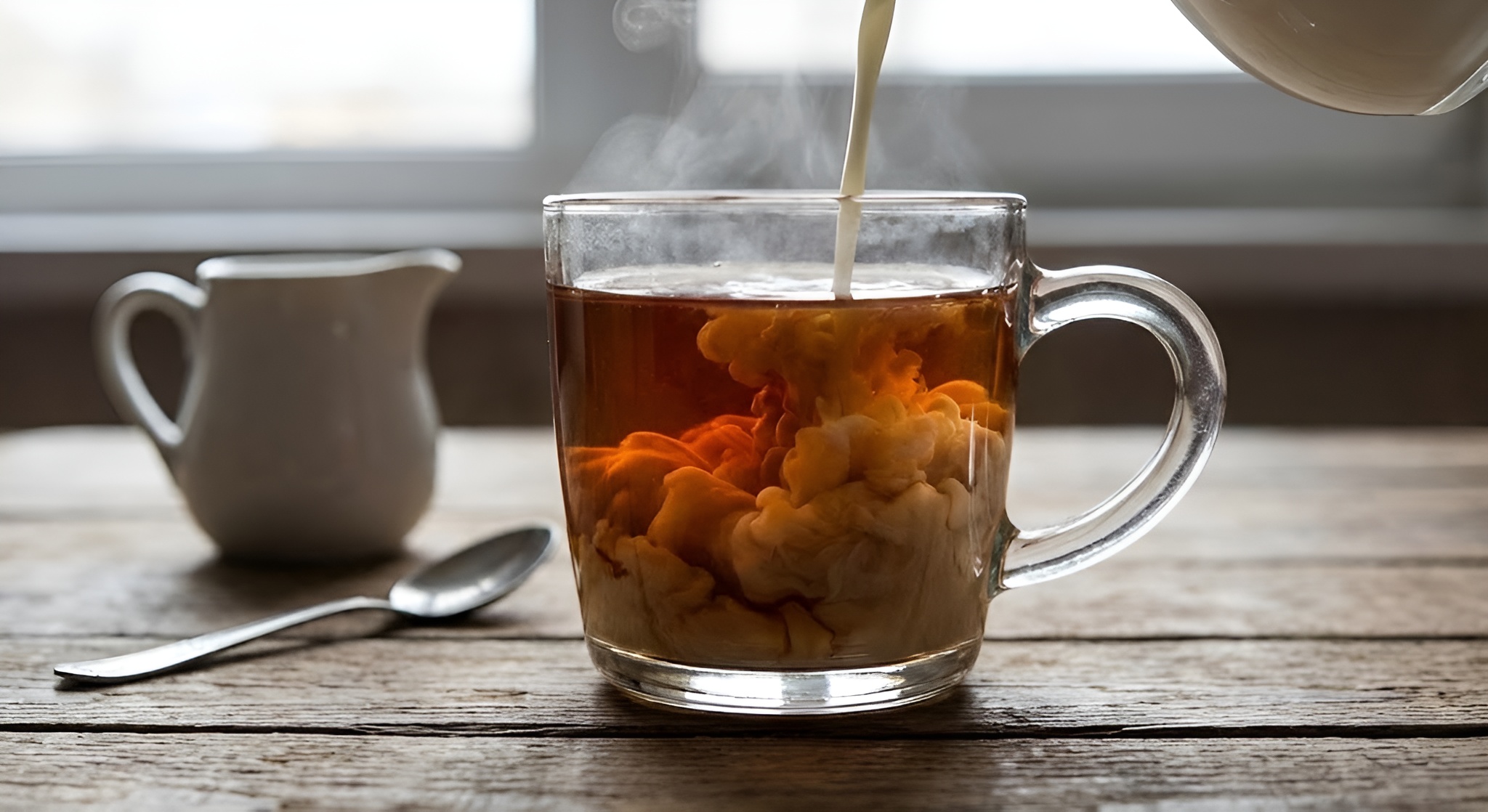
Feeling constantly exhausted? It might be your tea habit. We explain how tannins block iron absorption and the simple 'One Hour Rule' to fix it.
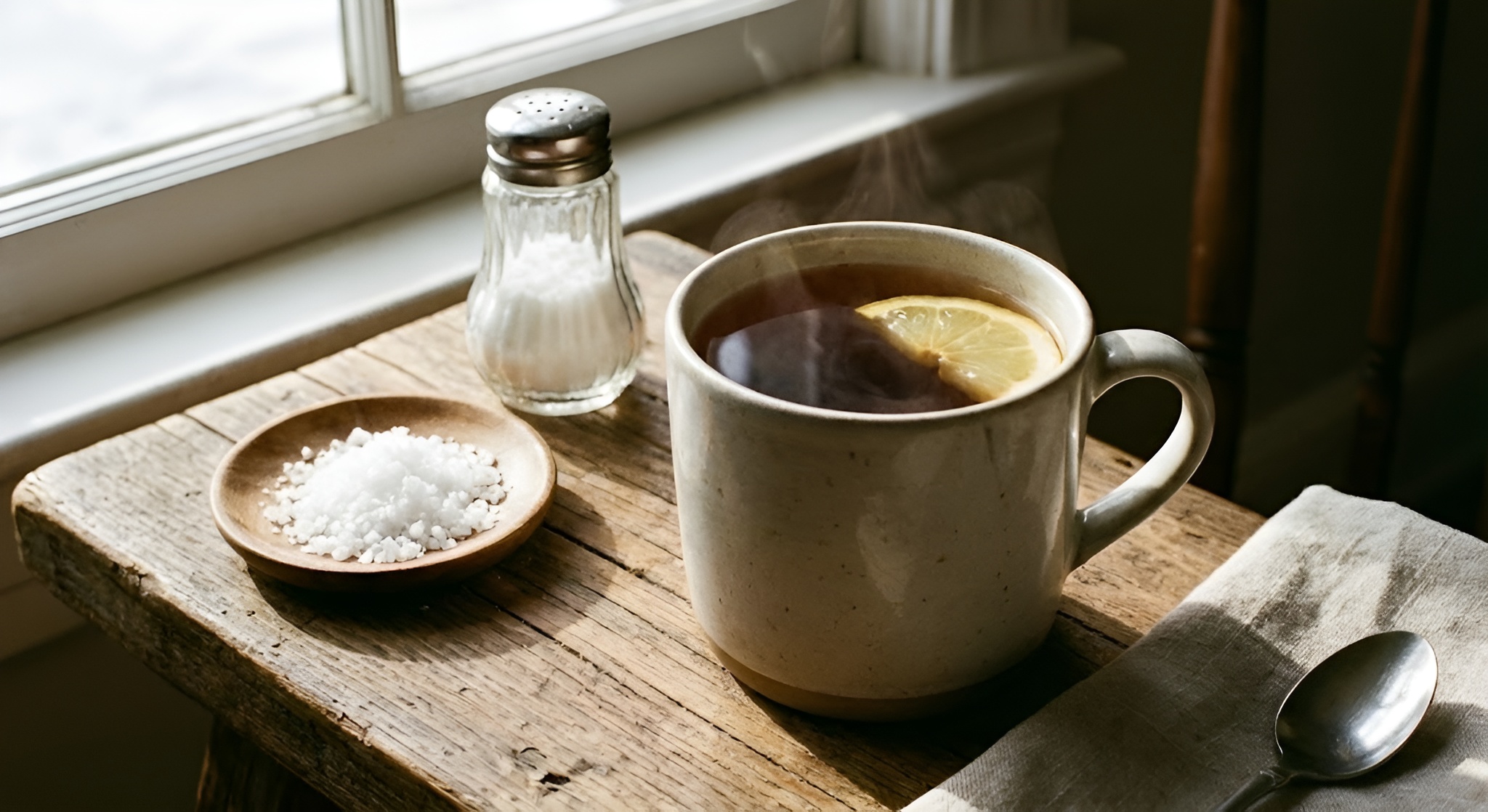
Stop adding sugar. Expert analysis on how sodium ions block bitterness receptors, improve hydration retention, and unlock flavor profiles in high-tannin teas

Missed your morning cuppa and now your head is pounding? We explain the science of Adenosine rebound, cerebral vasodilation, and how to fix the caffeine crash.

Green tea, lemon and ginger: Turns out Grandma's home remedies may have just been the cure you were looking for.
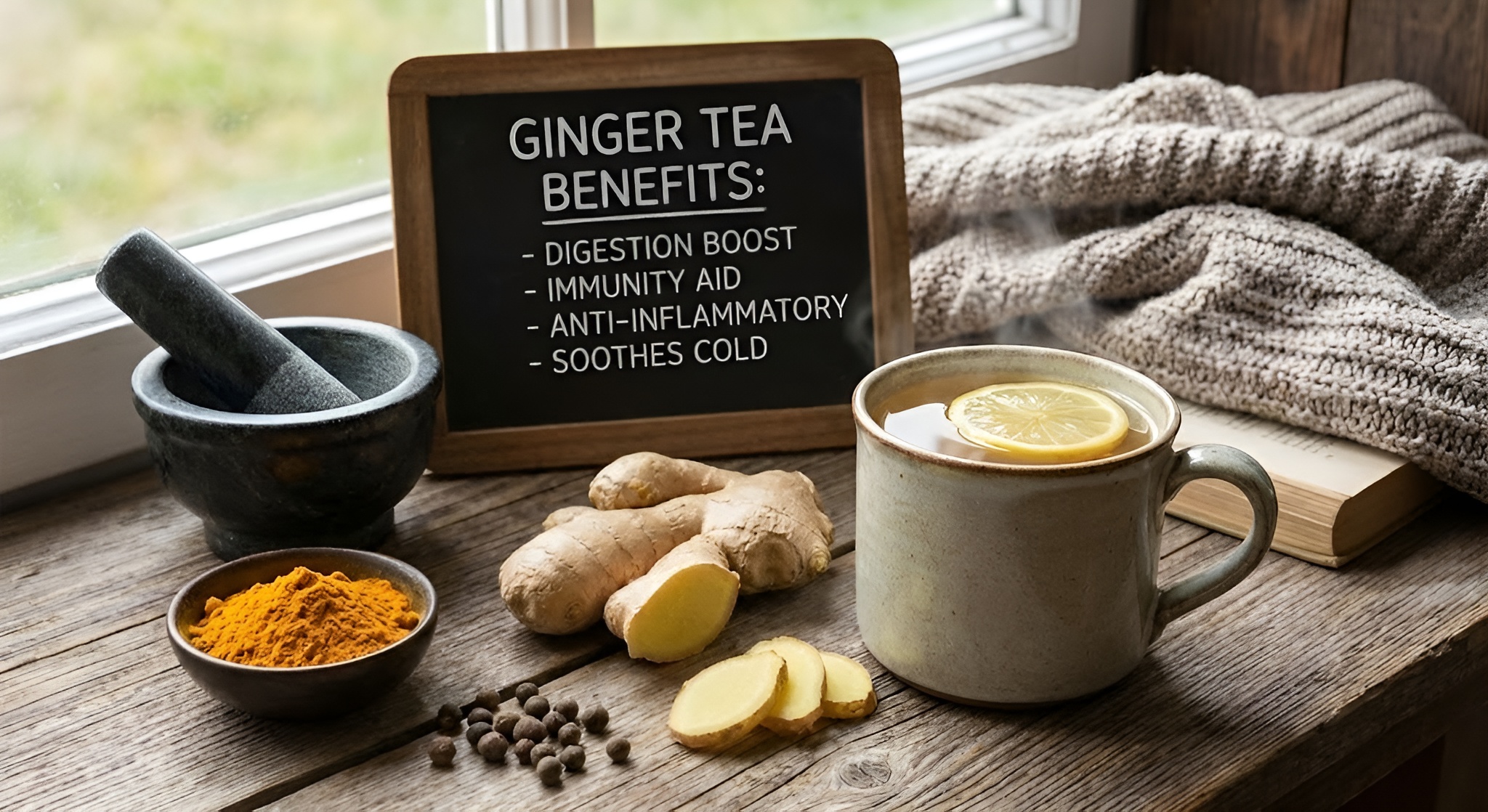
It's not just an old wives' tale. We break down the science of Gingerols, why fresh ginger beats tea bags for nausea, and how to brew the perfect anti-inflammatory cup.
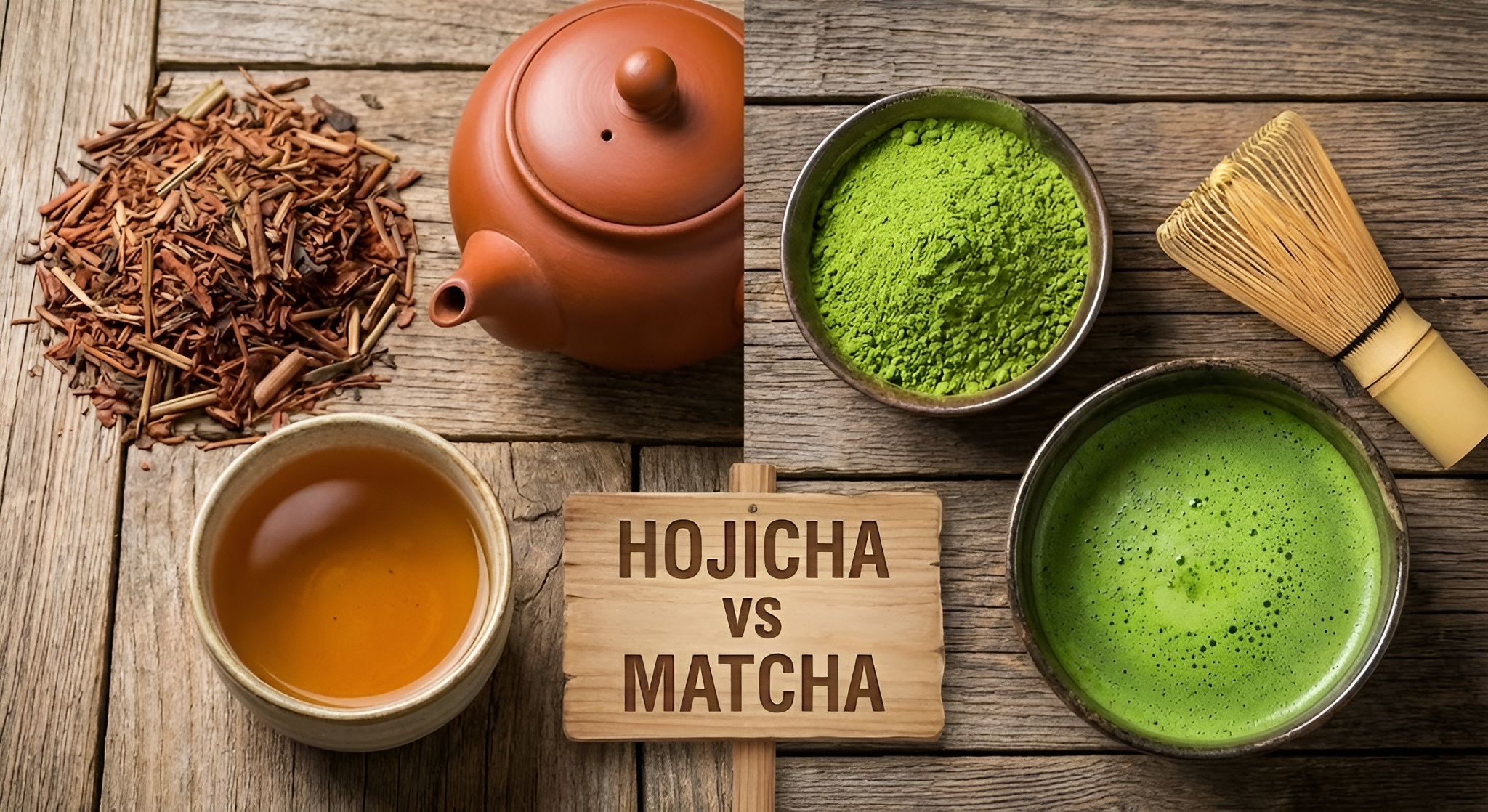
Hojicha or Matcha? One is a high-caffeine powerhouse, the other is a low-caffeine roasted comfort tea. Find out which fits your lifestyle.

Feeling sick after green tea? It's likely tannins reacting with stomach acid. Here are 3 simple ways to drink it without the nausea.
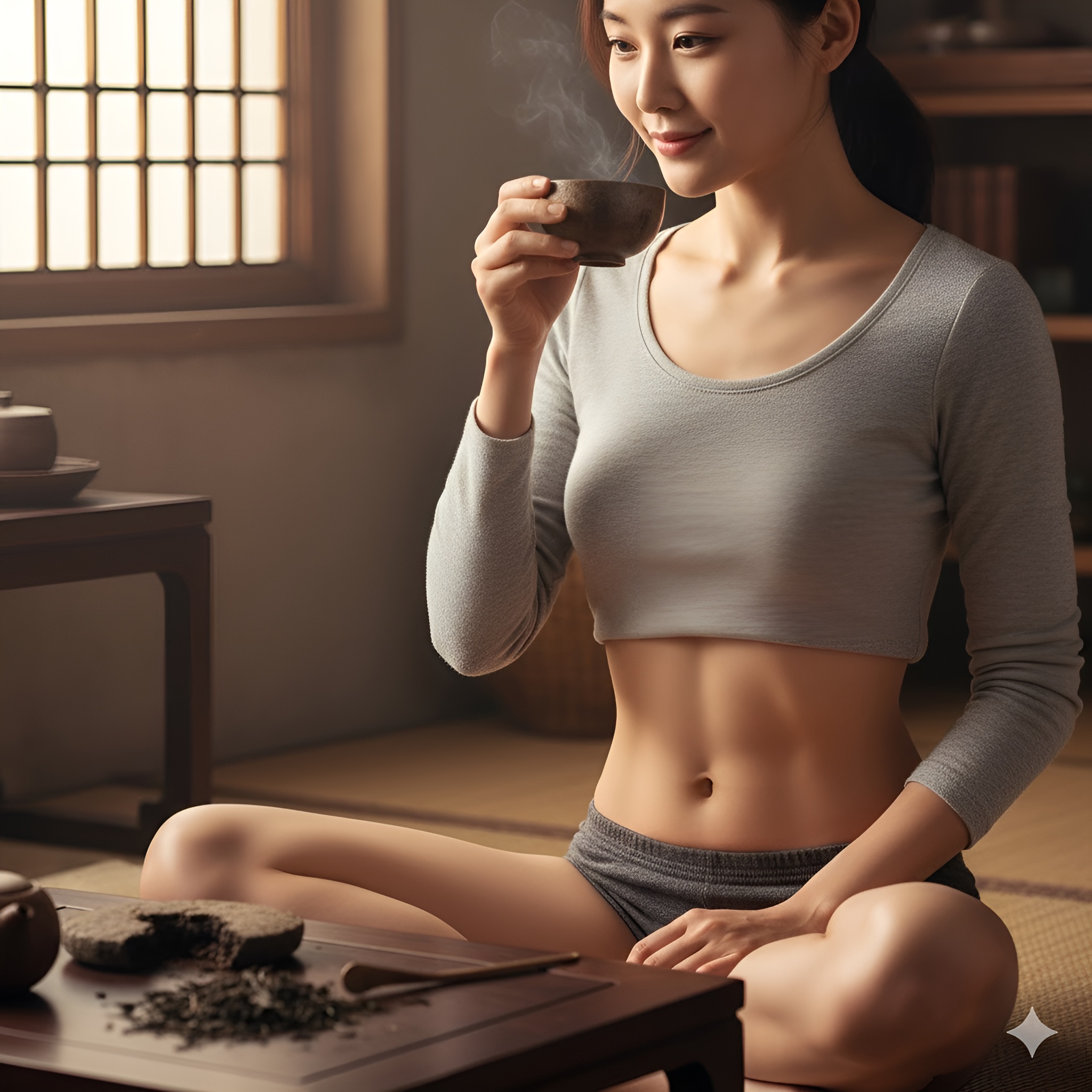
Weight loss drugs are trending, but this fermented tea has been blocking fat for centuries. We compare the biology of Pu-erh vs. the 'jab'.
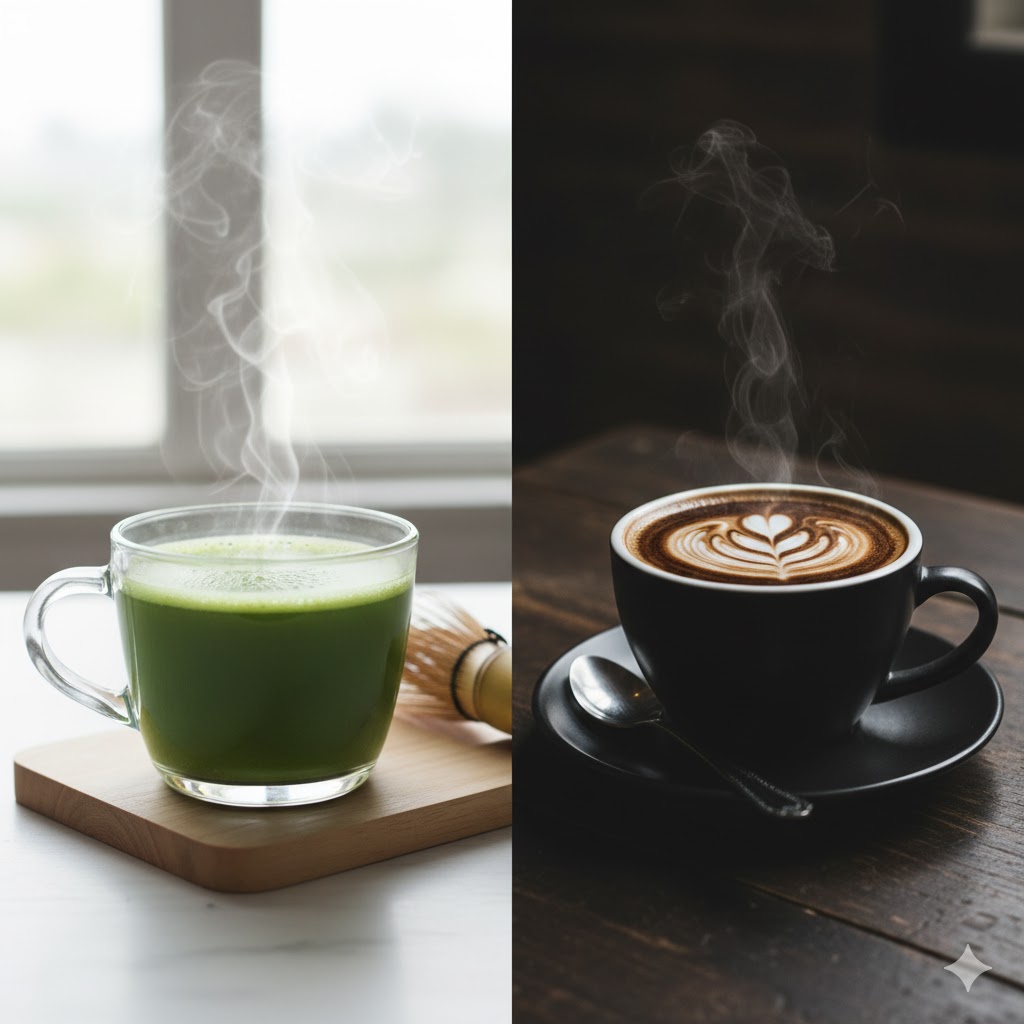
Is Coffee or Green Tea better for focus, what are the benefits of Green tea versus Coffee and which one is right for you?

Explore the convergence of traditional pharmacognosy and modern neurochemistry for modulating anxiety.

Is there truth in the claims of tea settling stomach related issues? Explore the science behind these claims.
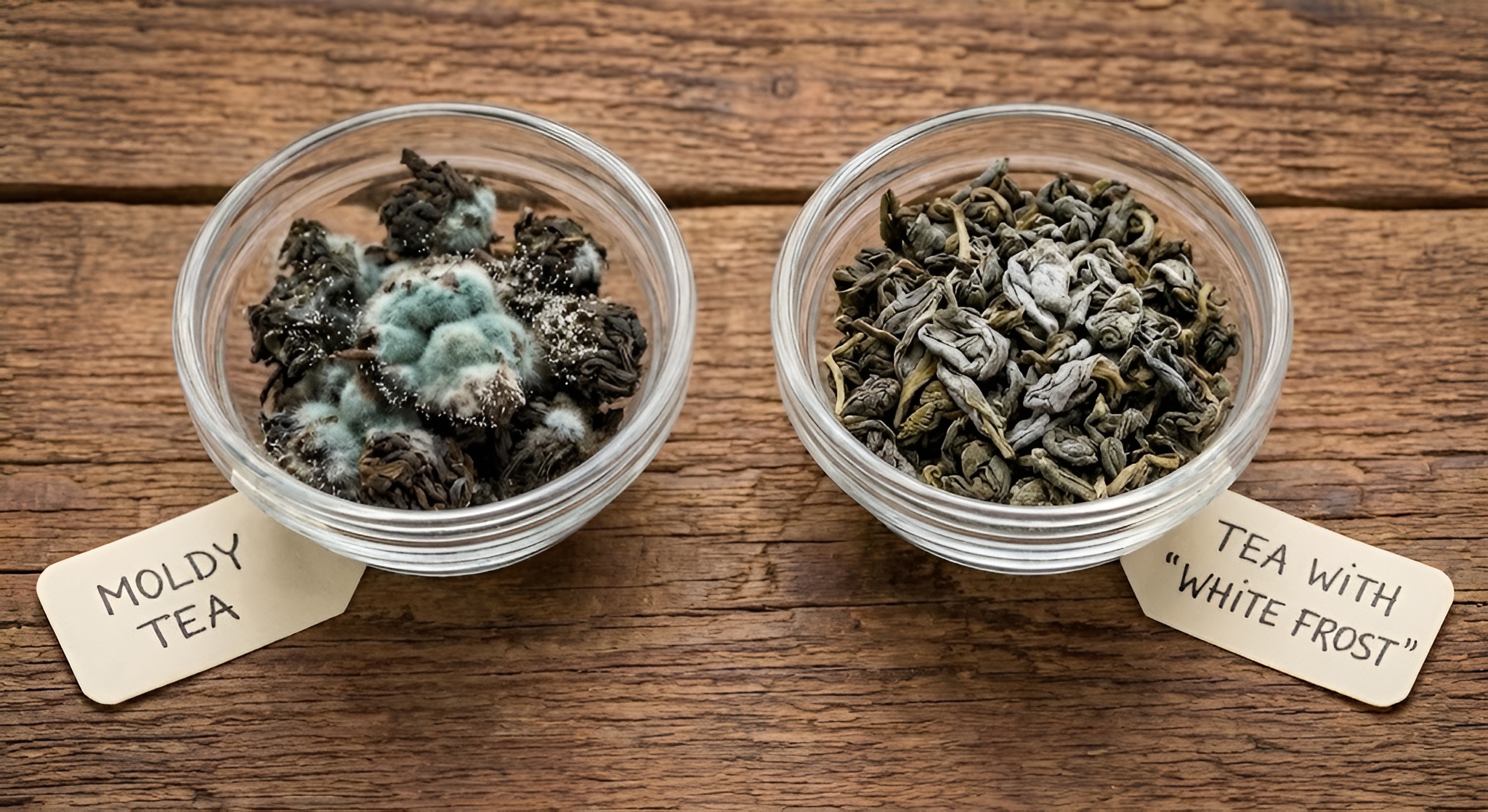
Before you trash that expensive cake, grab a magnifying glass. You might be throwing away 'White Frost'—the sign of a perfectly aged tea.

Hibiscus contains bioactive compounds like anthocyanins that contribute to its blood pressure-lowering properties. Learn more here.
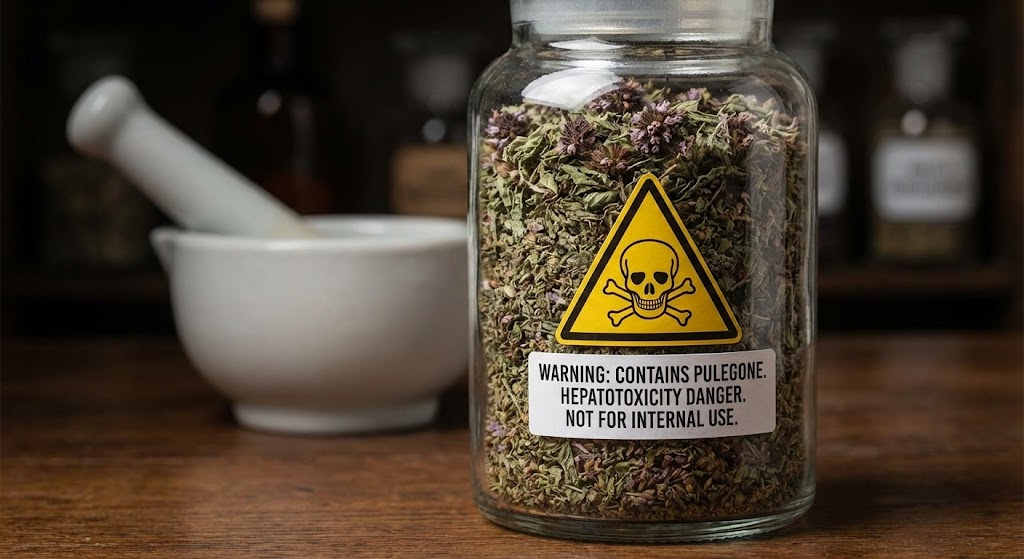
Pennyroyal contains pulegone—hepatotoxic compound causing liver failure at 10-15ml oil or 30-50g dried herb. Legal UK/EU despite deaths. No antidote—liver transplant only treatment. Never consume.
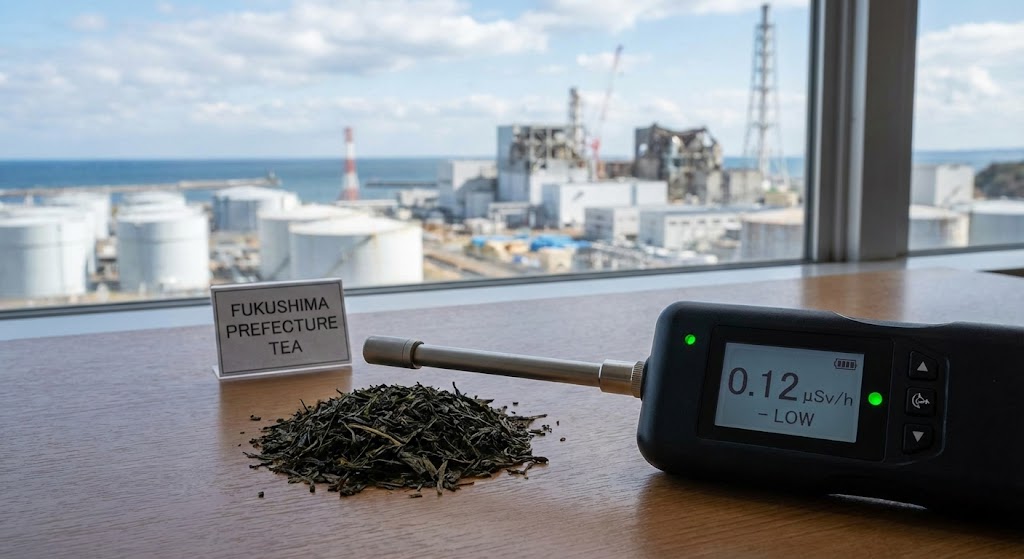
Tea contains Cesium-137 (10-50 Bq/kg globally) because Cs⁺ mimics potassium K⁺ in plant uptake. Fukushima 2011 elevated Japan tea to 500-700 Bq/kg temporarily. Annual radiation dose from tea ~0.01 mSv—negligible.
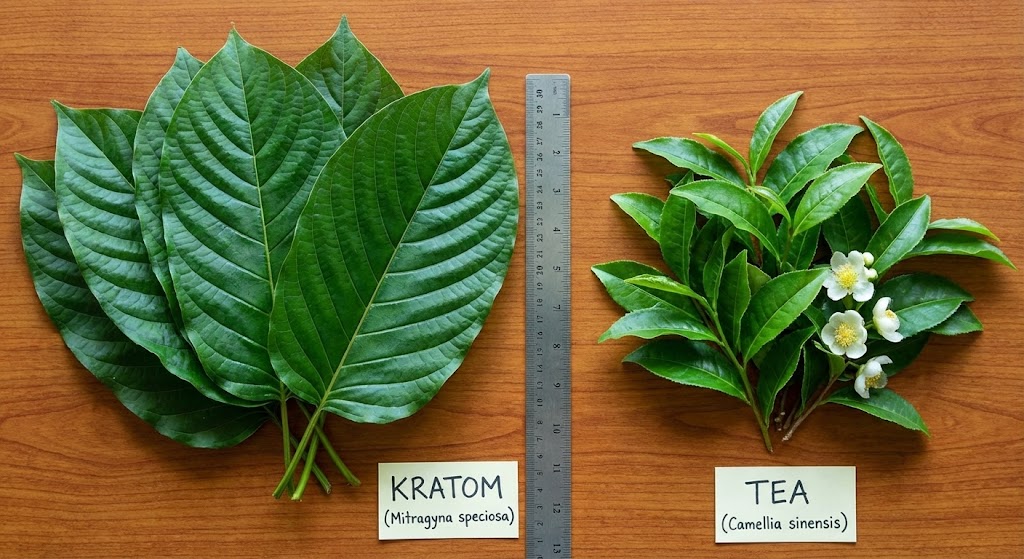
Kratom (Mitragyna speciosa) contains mitragynine—μ-opioid receptor agonist causing dose-dependent stimulation (low dose) to sedation/analgesia (high dose). Legal UK, banned some USA states. Not casual tea—it's drug.
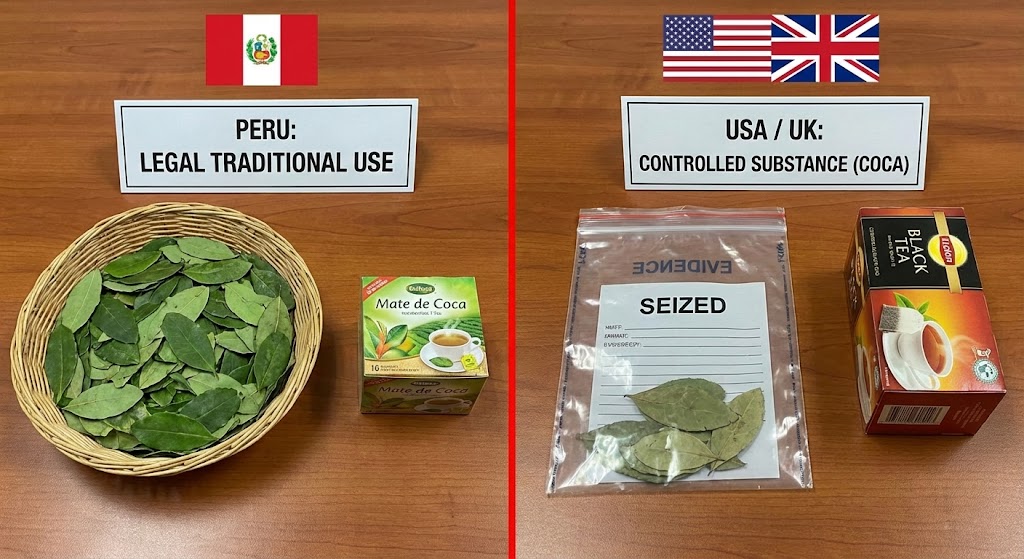
Coca tea (mate de coca) contains 1-5mg cocaine per cup from Erythroxylum coca leaves—10-100x lower than abuse doses. Legal Peru/Bolivia for altitude sickness. USA/UK: Schedule II controlled substance, possession = felony.
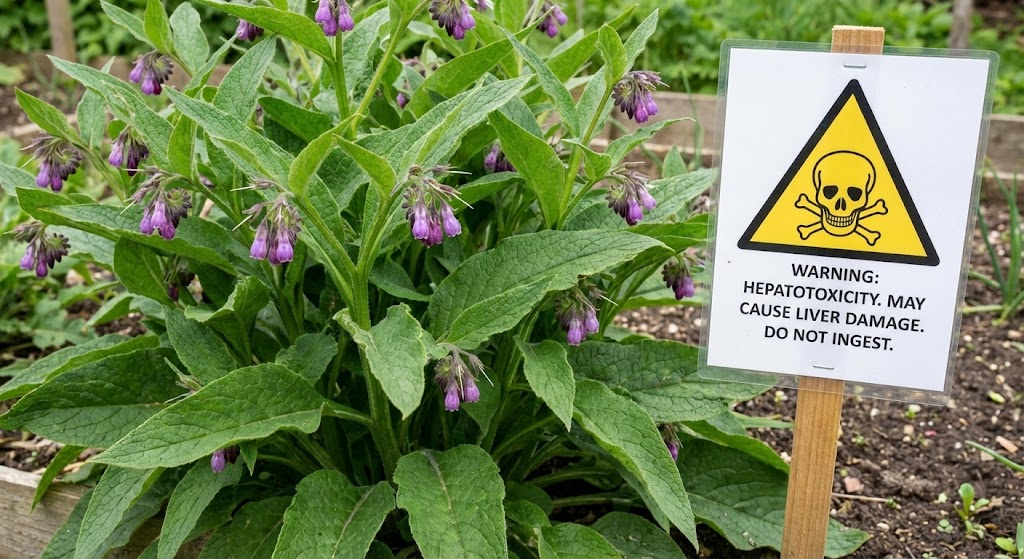
Comfrey contains pyrrolizidine alkaloids causing hepatic veno-occlusive disease (HVOD)—liver blood vessel blockage leading to cirrhosis. 1-5mg PAs per cup tea. Cumulative toxicity, no safe dose. Topical use safe, never consume internally.
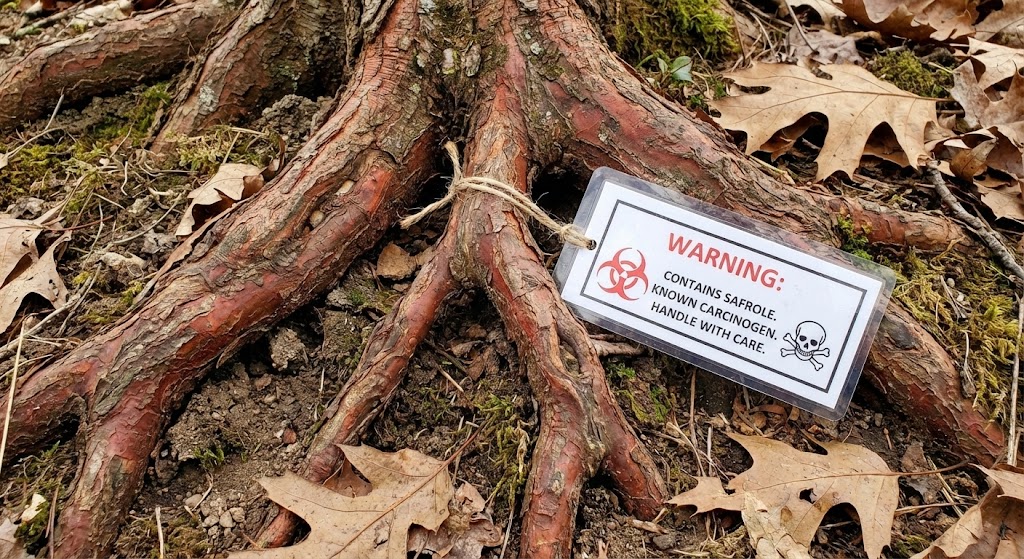
Sassafras root contains 80-90% safrole—liver carcinogen banned by FDA 1960. 200-400mg safrole per cup tea. Metabolizes to DNA-alkylating carbocation causing liver cancer in rats. Original root beer ingredient replaced with synthetic flavor.

Understand what Raspberry Leaf Tea is, what its' actual benefits are, how to brew it and what to look out for.

While Rooibos is a singular species, Honeybush represents a complex genus of over 23 species. Explore the differences.
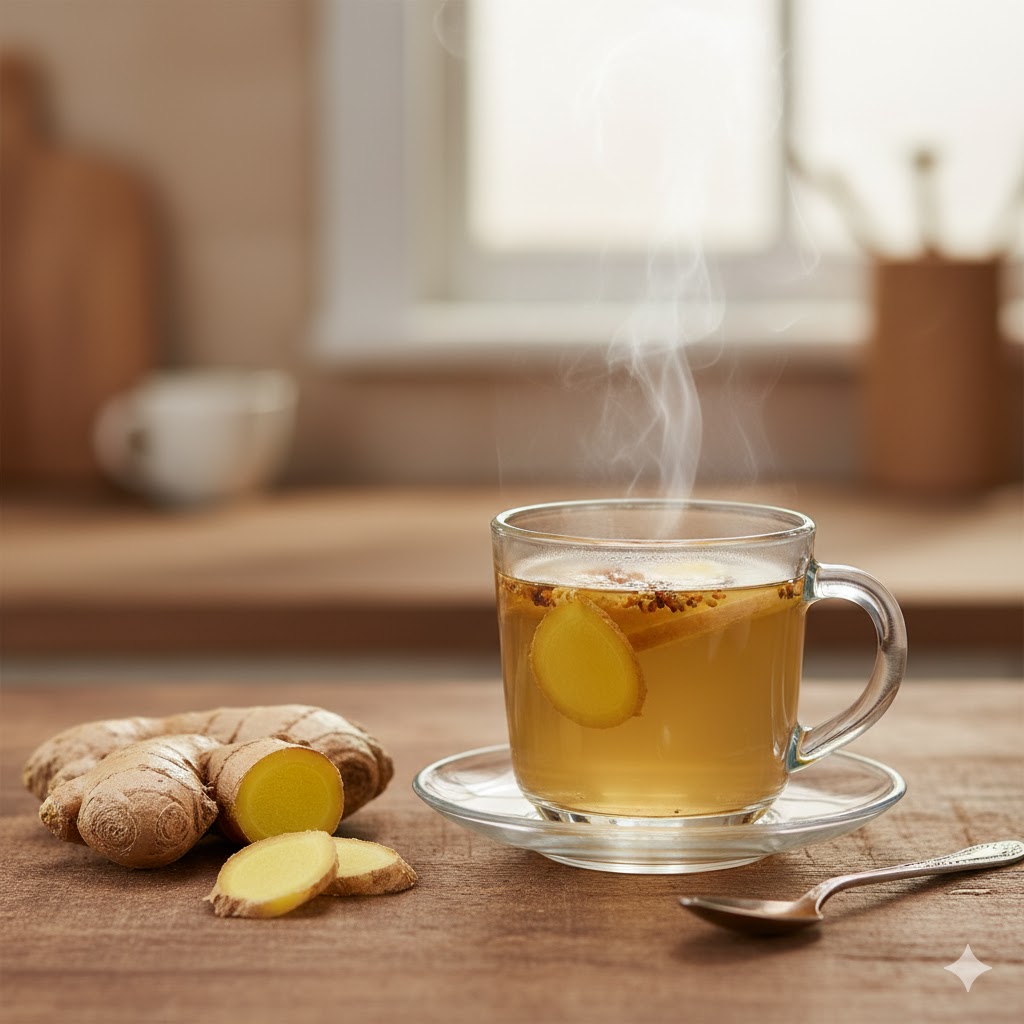
Is the science behind this home remedy true? Learn how to brew it correctly to get the most out of your Ginger Tea.

Beneath the simple ritual lies a complex interplay of organic chemistry, thermodynamics, and plant anatomy. What does that mean for your body?
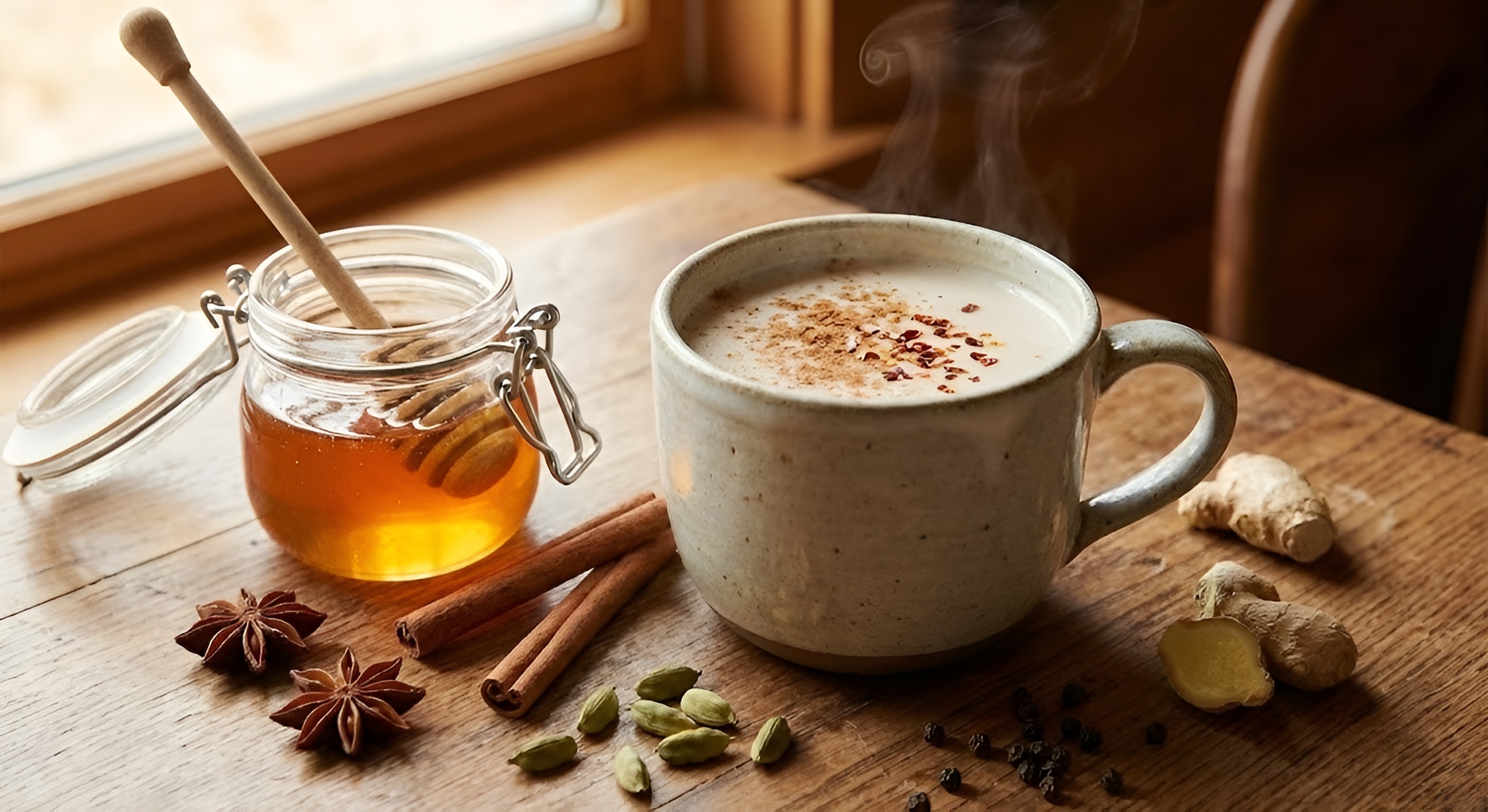
Sweet + Spicy = Swicy. Discover the recipe for Hot Honey Chai and why chili belongs in your tea

When sleep is hard to reach, which should you be reaching for? We explore the science behind each.

Explore the differences between these two lemon flavoured beverages and the core scientific elements that make each unqiue.
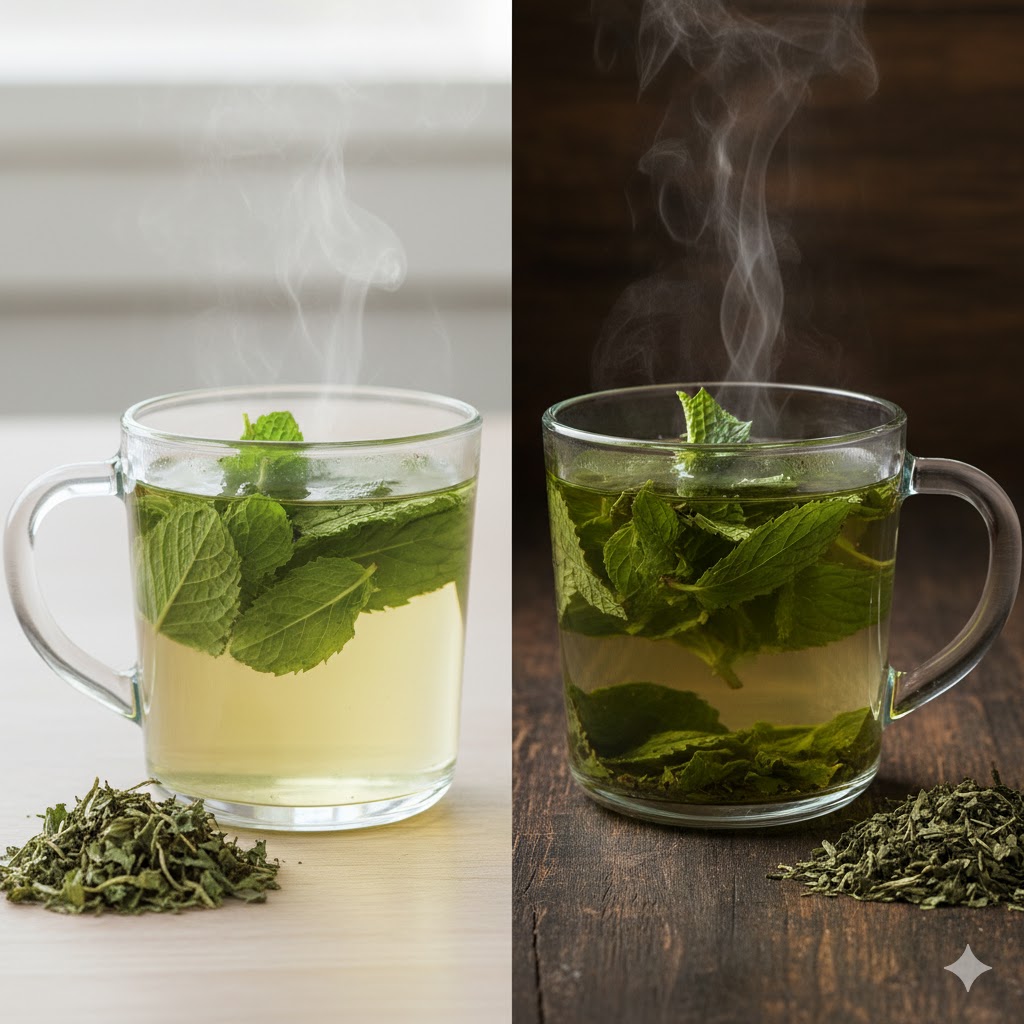
Both have been consumed for millenia, but for very different reasons. Do you know which compounds are targeted to ease your specific ailment?

Why did Emma Woodhouse's tea table determine social status? Explore how Regency tea service exposed class, wealth, and marriageability in Austen's mas

Why does Stevens the butler obsess over perfect tea service while his personal life crumbles? Ishiguro's masterpiece uses tea as metaphor for emotiona

How Evelyn Waugh uses tea to track the decline of British aristocracy. From Oxford tea parties to wartime rationing, tea marks every stage of loss.

Why did Christie poison 40+ characters over tea? Explore cucumber sandwich cyanide and the perfect murder weapon: the British tea ritual.
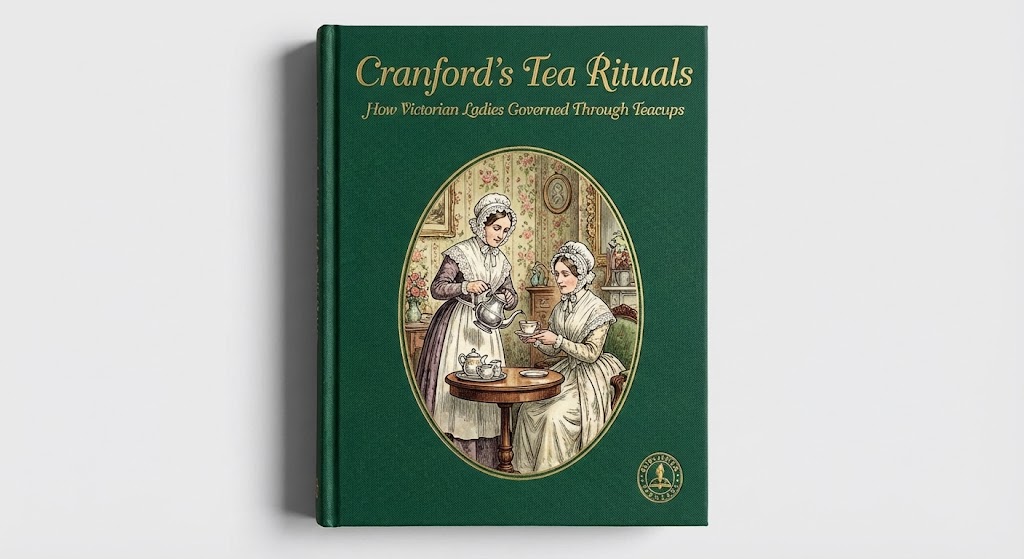
Elizabeth Gaskell's Cranford shows Victorian women governing through tea ritual. Matriarchal power expressed through tea table politics and ceremony.

Tolstoy uses the samovar (Russian tea urn) as moral infrastructure in Anna Karenina. Family tea gatherings define virtue versus vice.

Dostoevsky uses St. Petersburg tea houses as survival infrastructure for the poor. Democratic spaces where Raskolnikov's confession unfolds over tea.

Ang Lee uses tea houses in Crouching Tiger Hidden Dragon to visualize Taoist philosophy. The famous fight scene shows tea-mind as martial excellence.

Arthur Golden's Memoirs of a Geisha shows tea ceremony as geisha foundation training. The Chairman recognizes Sayuri's worth through tea mastery.

James Clavell's Shogun uses tea ceremony as diplomatic technology between English and Japanese feudal powers. Tea as geopolitical tool.

CS Lewis uses tea throughout Narnia series as moral infrastructure. Lucy's first tea with Mr. Tumnus defines hospitality versus treachery.

Doctor Who uses tea across 14 regenerations as British identity marker. The Doctor offers tea to enemies and friends alike as universal peace gesture.

Frank Herbert based Dune's spice melange on historical tea trade: single-commodity monopoly controlling interstellar politics through addiction.

Jane Austen uses tea service as emotional barometer in Sense and Sensibility. Elinor's composure at the tea table defines her character.

Kung Fu Panda uses Master Oogway's tea ceremonies to teach martial wisdom. Tea time as spiritual training for inner peace philosophy.

Zadie Smith's White Teeth shows tea as site of multicultural negotiation in London. Three generations redefine what British tea culture means.

Ishiguro's Never Let Me Go shows clones learning tea culture at Hailsham boarding school. British tea ritual as performance of doomed normalcy.

Forster's Room with a View uses tea gatherings as sites of repressed sexuality and social control. Lucy's journey from tea table to freedom.

Agatha Christie's Miss Marple solves murders through village tea culture intelligence. Tea shops as information networks for amateur detection.

"It's mud." Ian Fleming's hatred of the national drink and Bond's caffeine addiction - It's Sinensis, Camellia Sinensis.

Did the Emperor drink Earl Grey? We explore the botany of Dagobah, the chemistry of Stim-Tea, and why the Jedi loved a good brew.
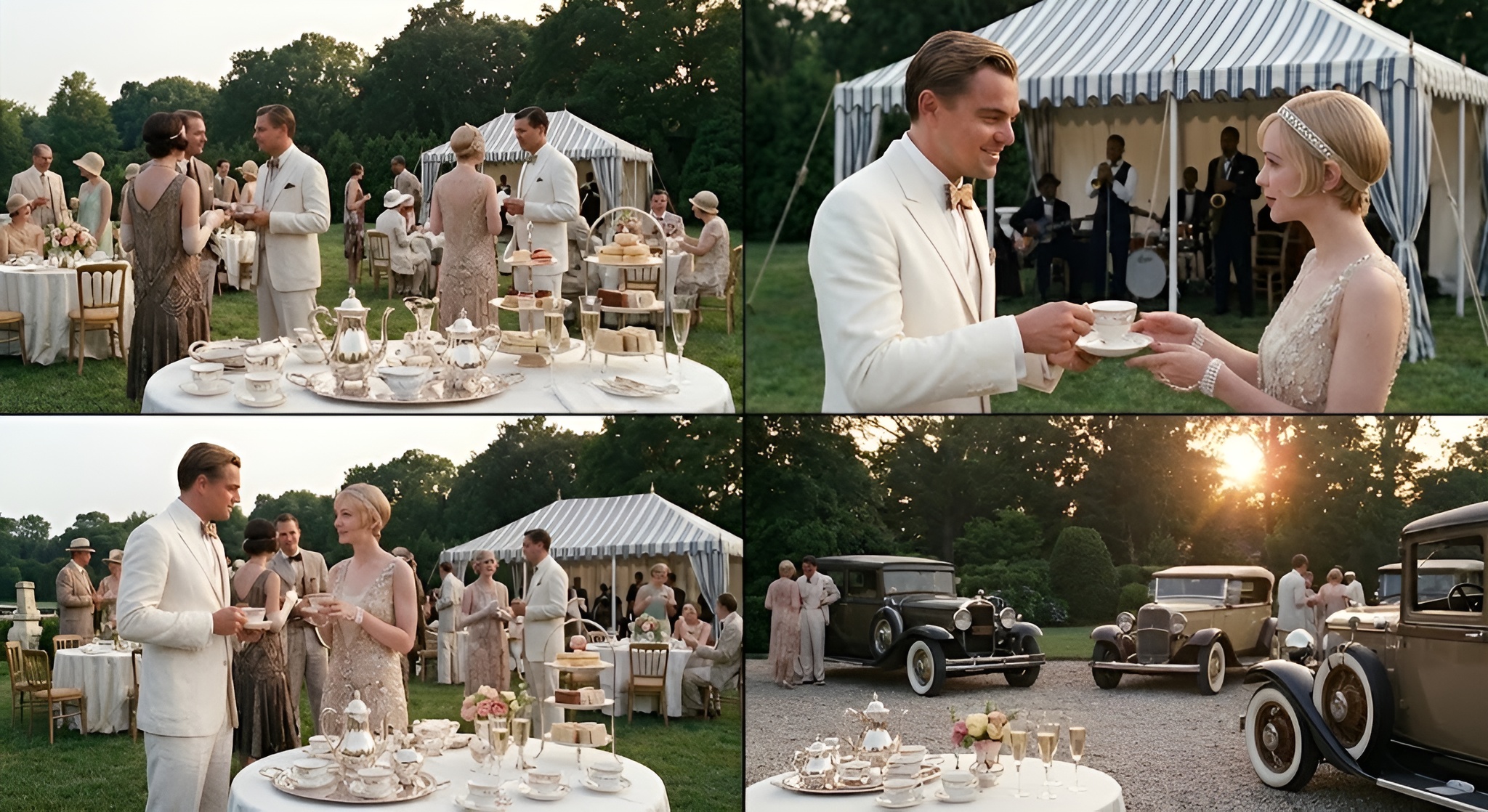
Old Money vs. New Money. Prohibition vs. Excess. Discover how a simple cup of tea defines the tragedy of Jay Gatsby.

"But what about second breakfast?" We explore the tea culture of the Shire and why Bilbo missed his kettle so much.

Why Earl Grey? We analyze the molecular science of the Replicator and the psychology of the Captain's cup.
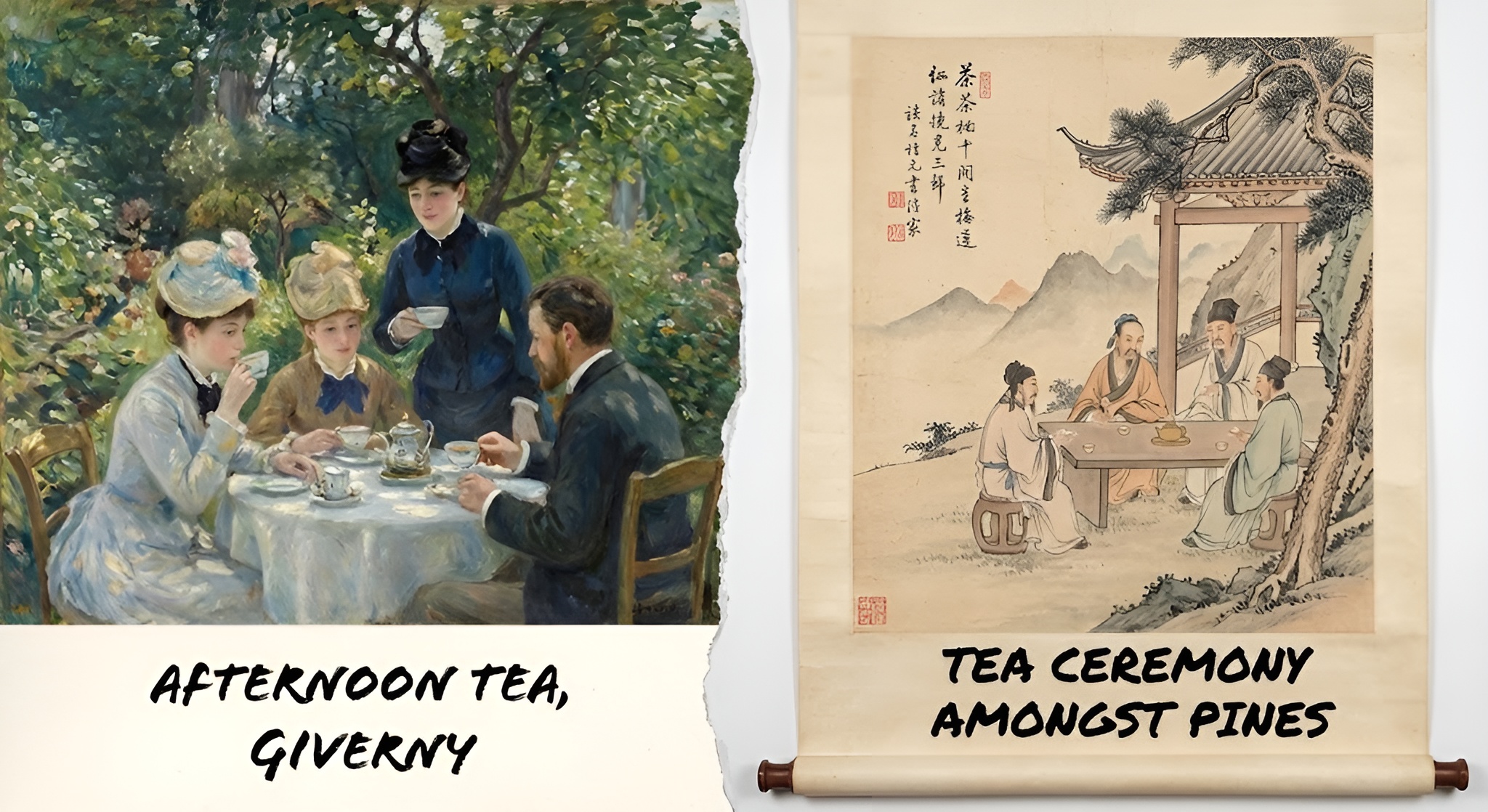
How tea conquered the canvas. A deep dive into the contrast between the Parisian parlor and the Chinese mountain hut.

"It's always six o'clock now." We analyze the famous quotes, Victorian satire, and dark history behind Lewis Carroll's masterpiece.
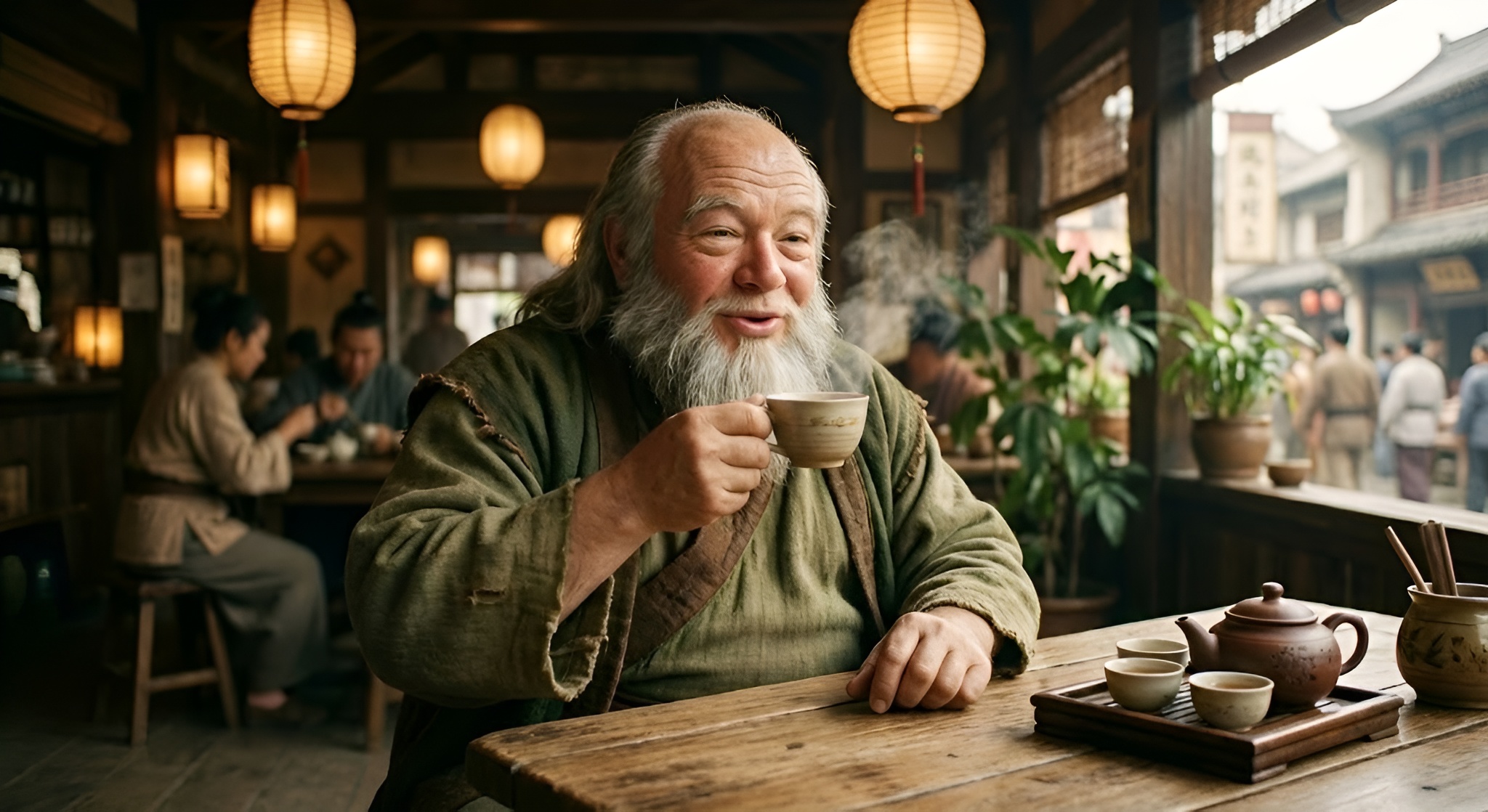
"Sick of tea? That’s like being sick of breathing!" We analyze the Daoist wisdom and brewing mastery of the Dragon of the West.

Elementary? Not quite. We analyze the tea habits of 221B Baker Street, debunking modern myths and exploring Victorian tea history.

Why did Arthur Dent crash a spaceship for a cup of Earl Grey? We analyze the Nutri-Matic, Improbability Physics, and the philosophy of tea in space.
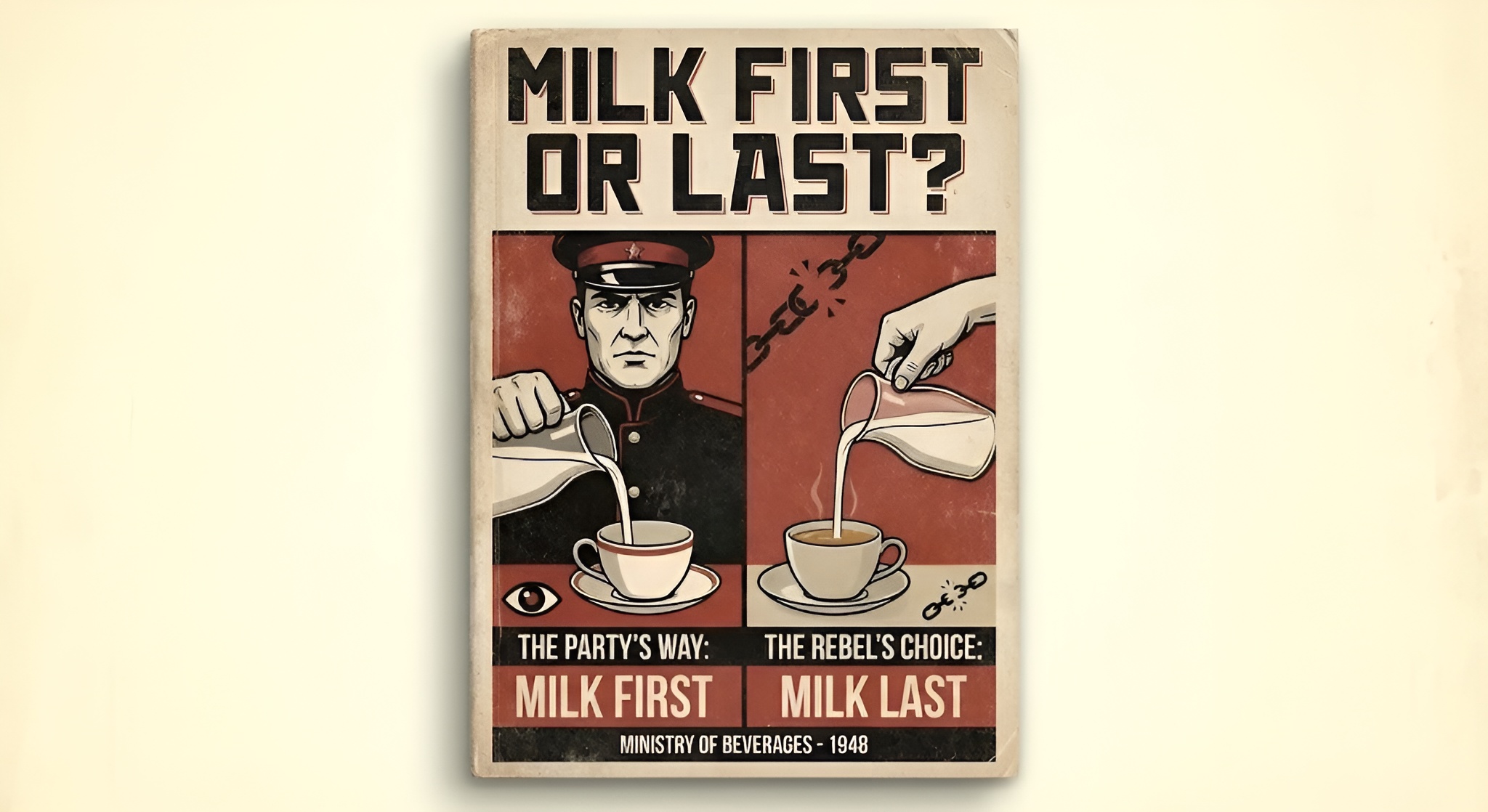
Milk first or milk last? Sugar or no sugar? Check out all 11 rules and why rule 7 may surprise you.
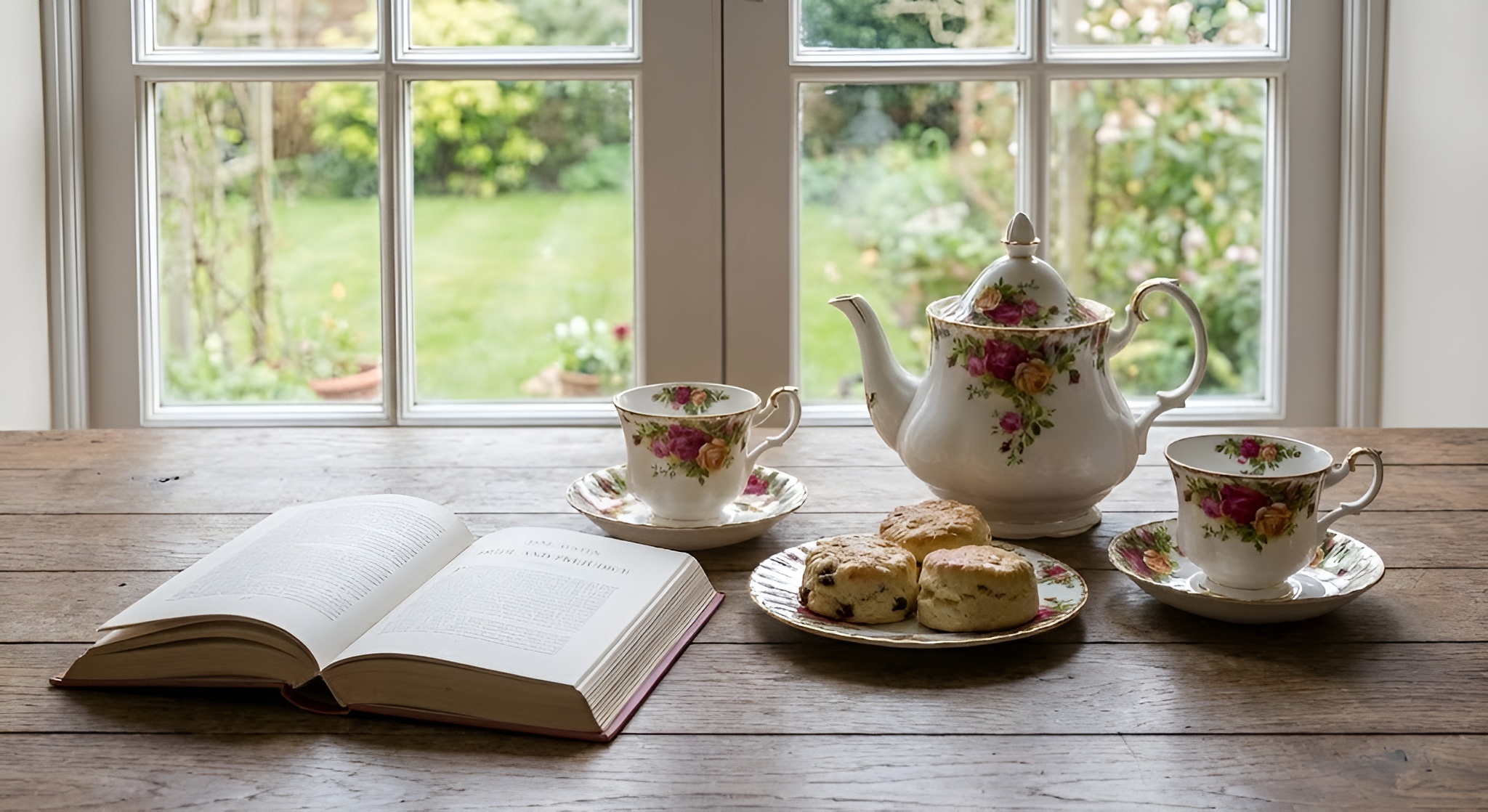
It wasn't just a drink; it was a social battlefield. We explore the chemistry, cost, and class warfare of Jane Austen's tea table.

It wasn't just a drink; it was a social minefield. We explore the hierarchy, the silver service, and the scandal of 'milk in first'.
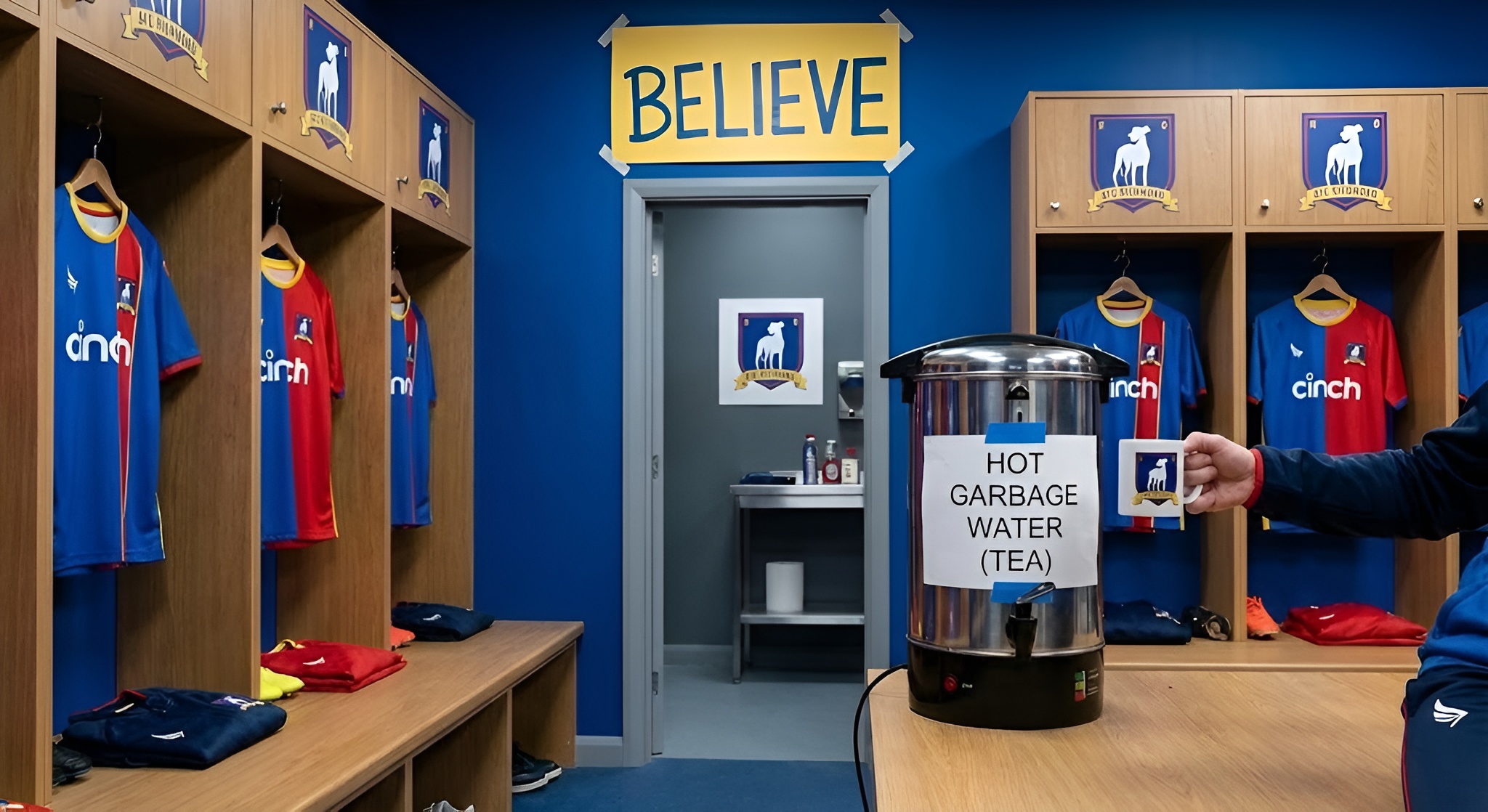
"It tastes like a wet paper bag." What was behind Ted's insults and how to fix the (American) palate and take on tea.

It wasn't just heroin; it was gallons of sugary tea. We explore the chemistry of the Scottish brew and the ritual of 'drying out.'
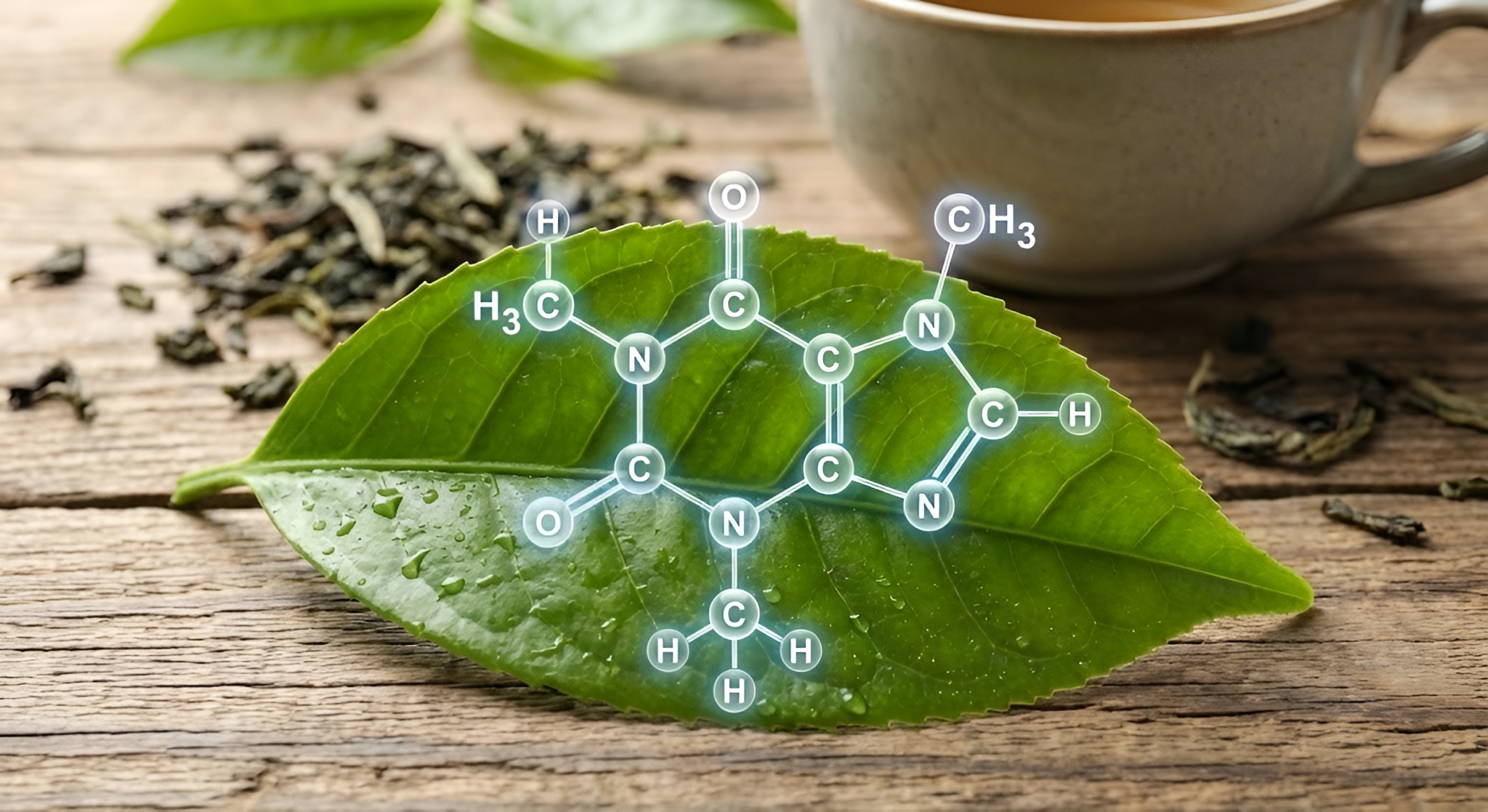
From Linalool to Theanine. We decode the exact chemistry behind why tea tastes the way it does.
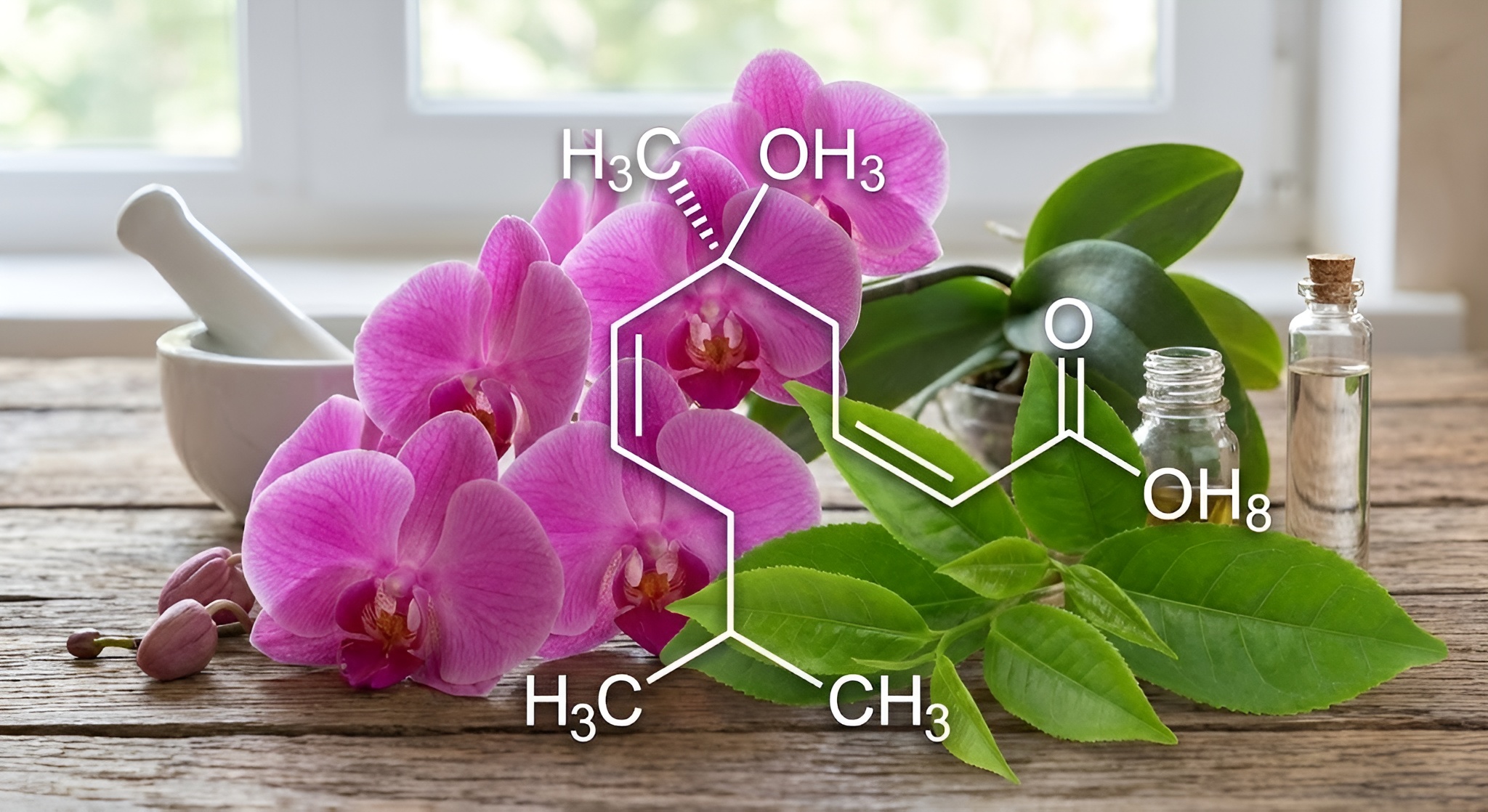
Why does High Mountain Oolong smell like flowers? We explain the chemistry of Linalool and the 'bug-bitten' effect.
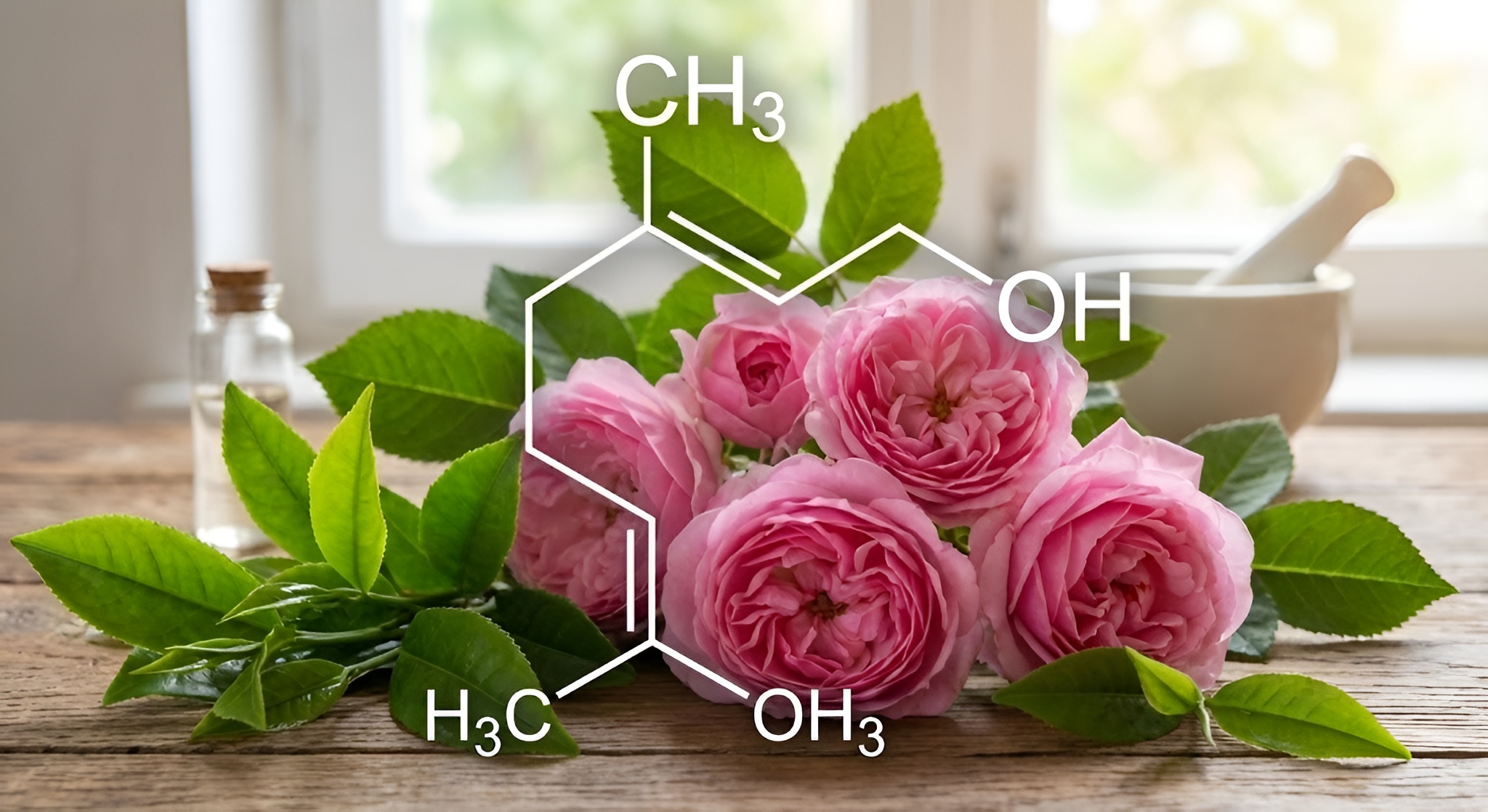
Why does Darjeeling taste like grapes? Discover the chemistry of the rose-scented terpene.
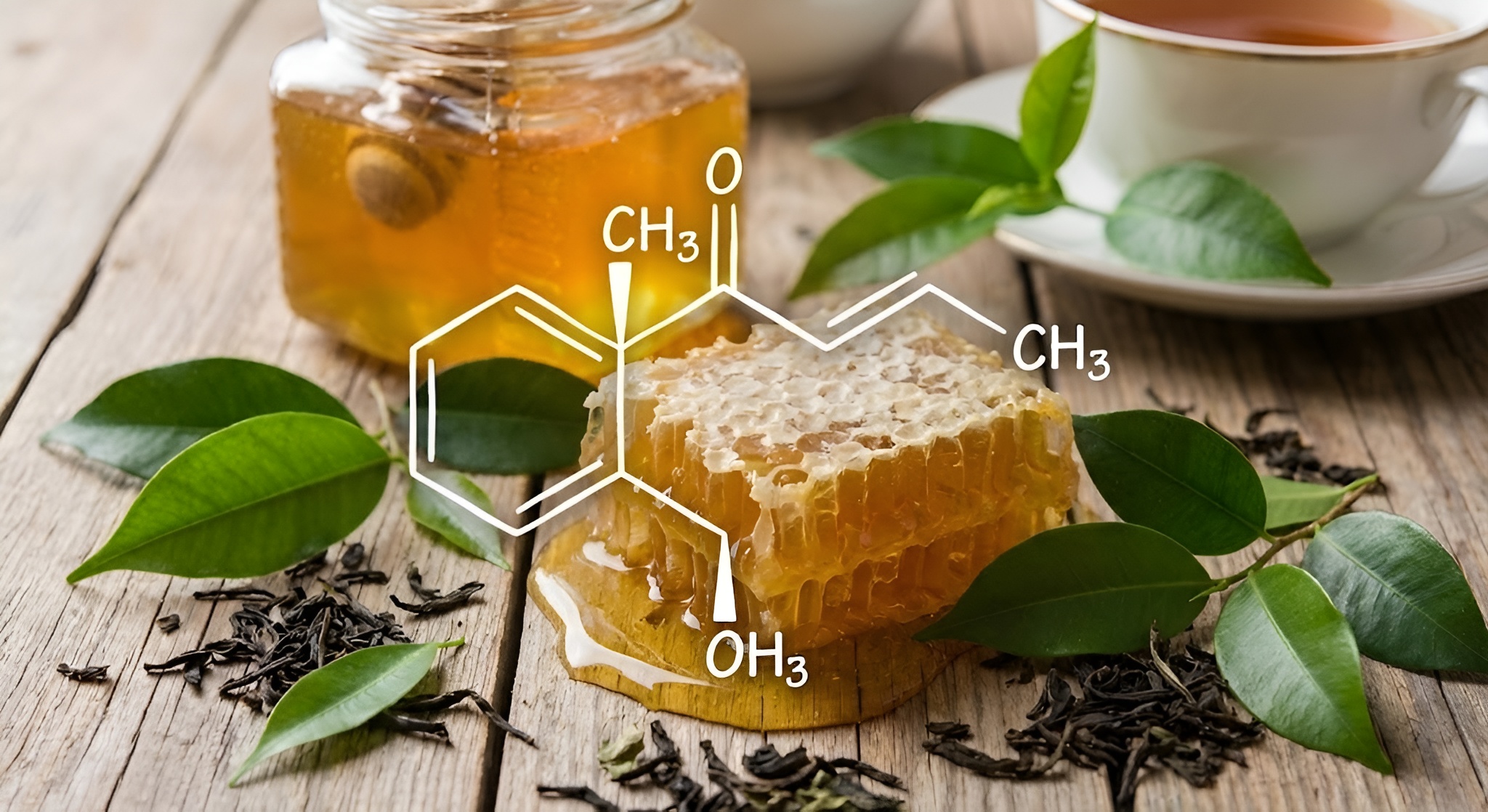
Why does Keemun taste like honey? We decode the chemistry of carotenoid breakdown and the 'stewed fruit' molecule.
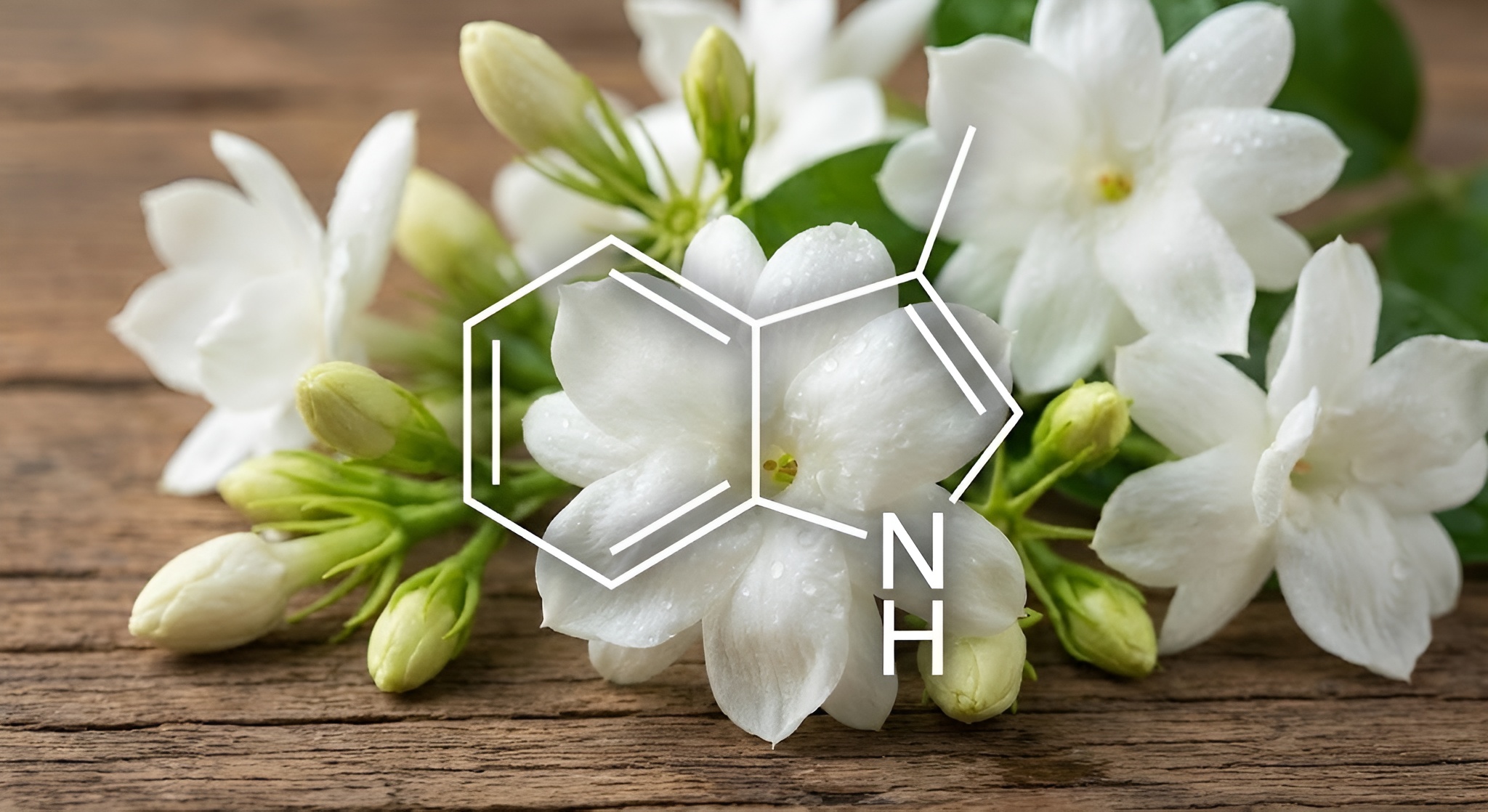
It smells like flowers in low doses, but like a swamp in high doses. Discover the chemistry of the most controversial molecule in tea.
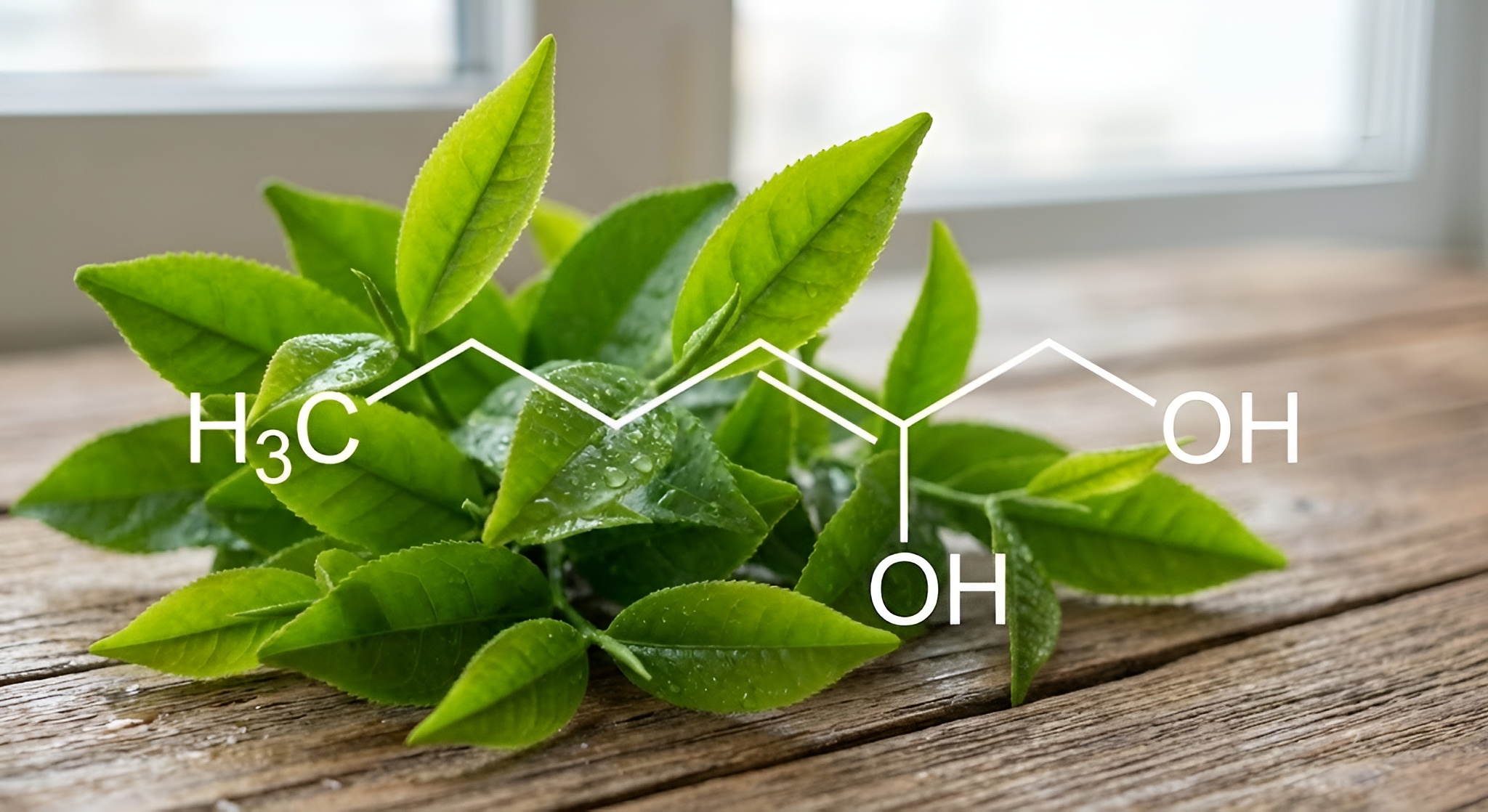
Why does Sencha smell like a lawnmower? We decode the Leaf Alcohol molecule and the Yabukita cultivar.
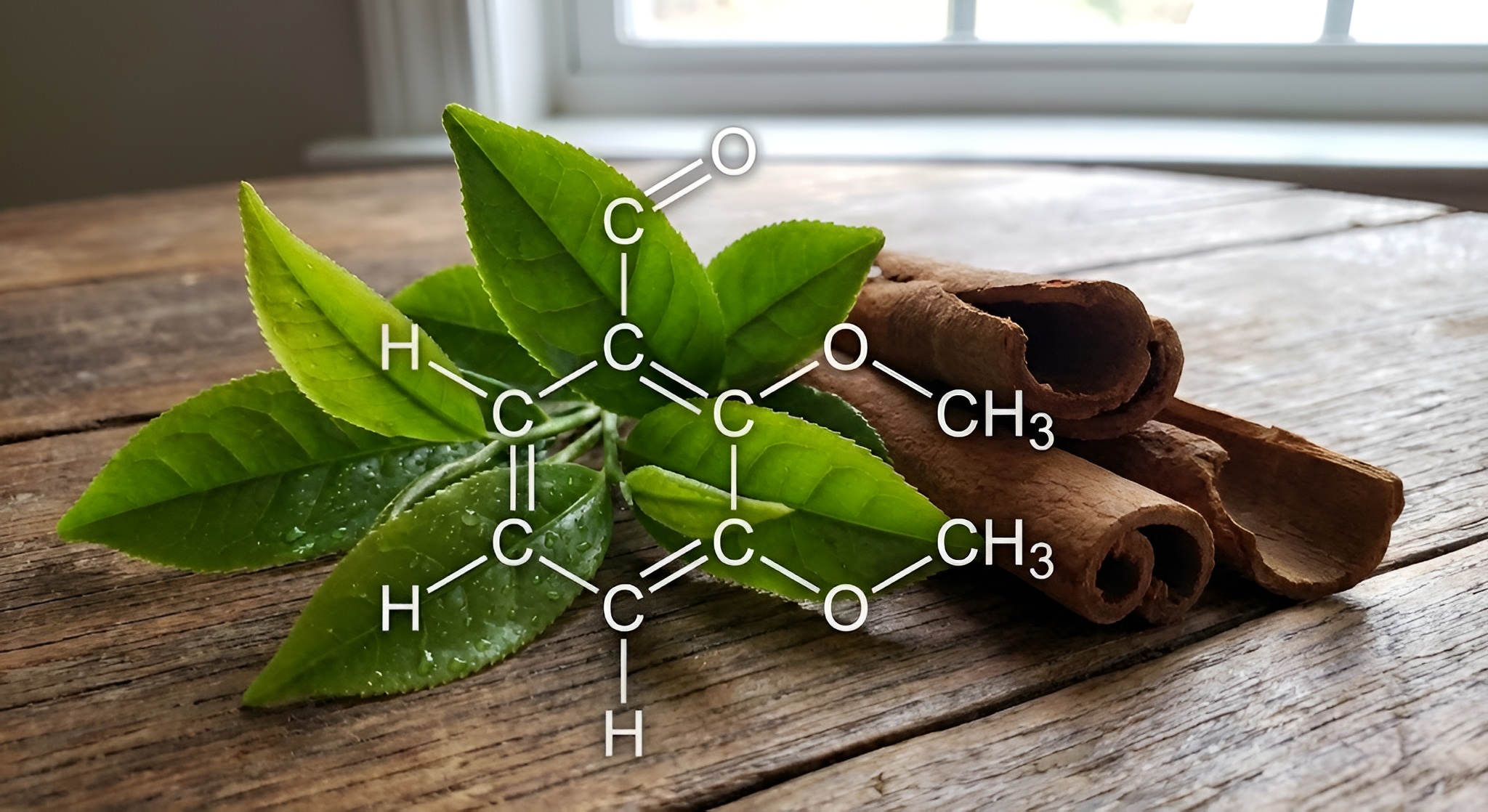
Why does Ruby #18 taste like root beer? We decode the cooling chemistry of this rare ester.
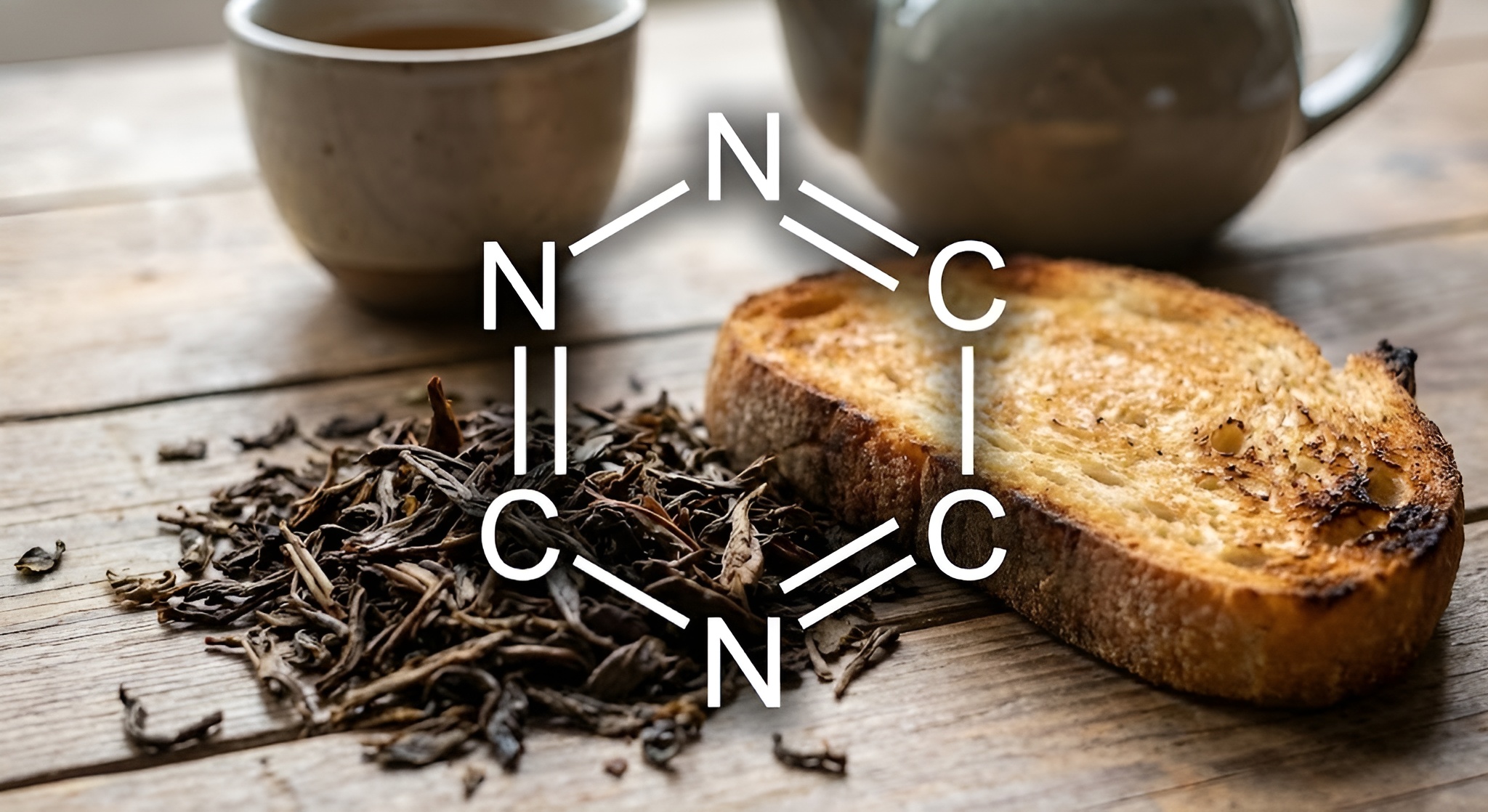
Why does Hojicha smell like coffee? We decode the Maillard Reaction and the comforting chemistry of roasted tea.
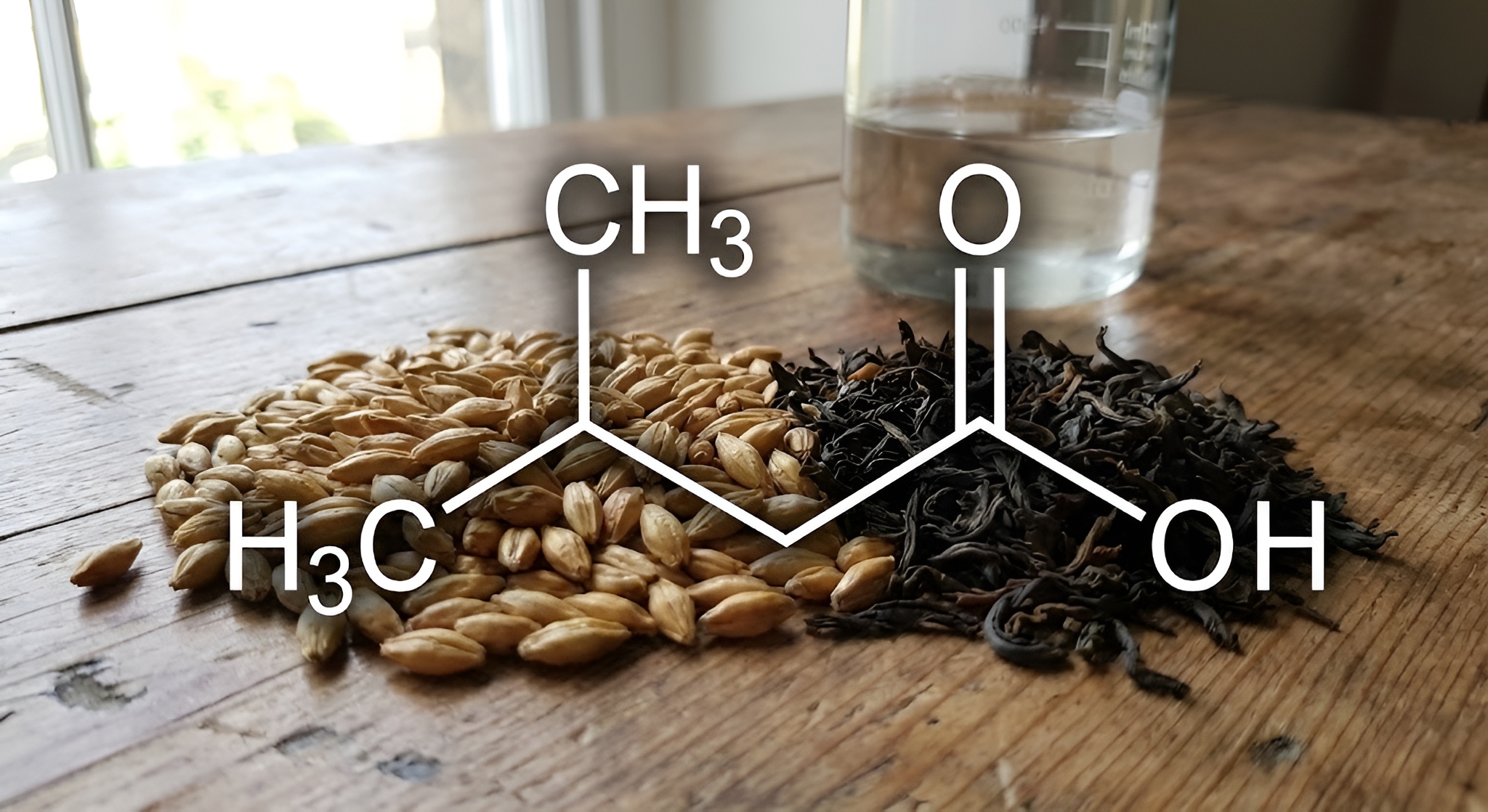
Why does Assam tea taste like malt and beer? We decode the chemistry of the 'Breakfast' aroma.
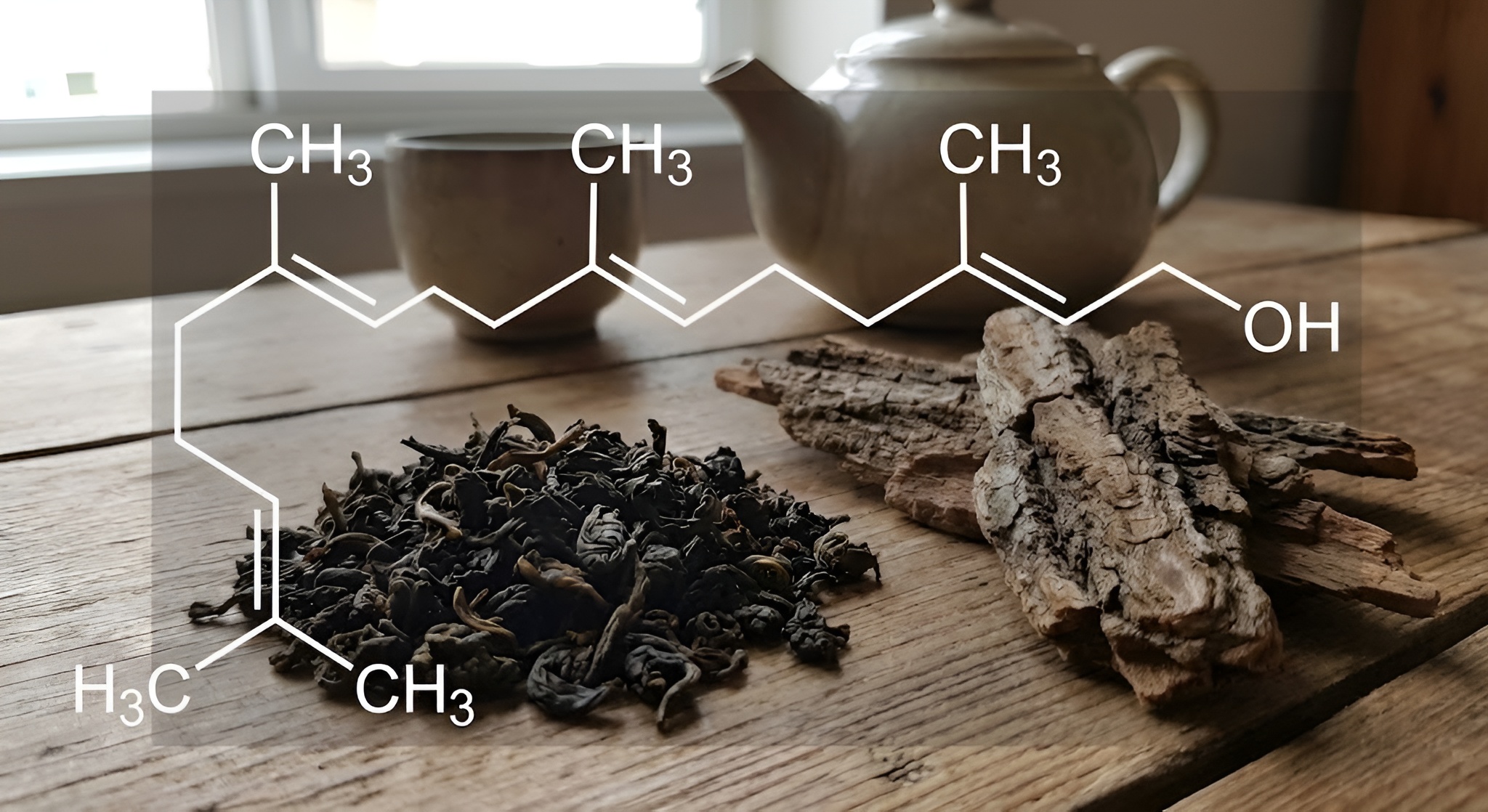
Why does Tie Guan Yin have a lingering aftertaste? We decode the heavy sesquiterpene that anchors Oolong flavor.
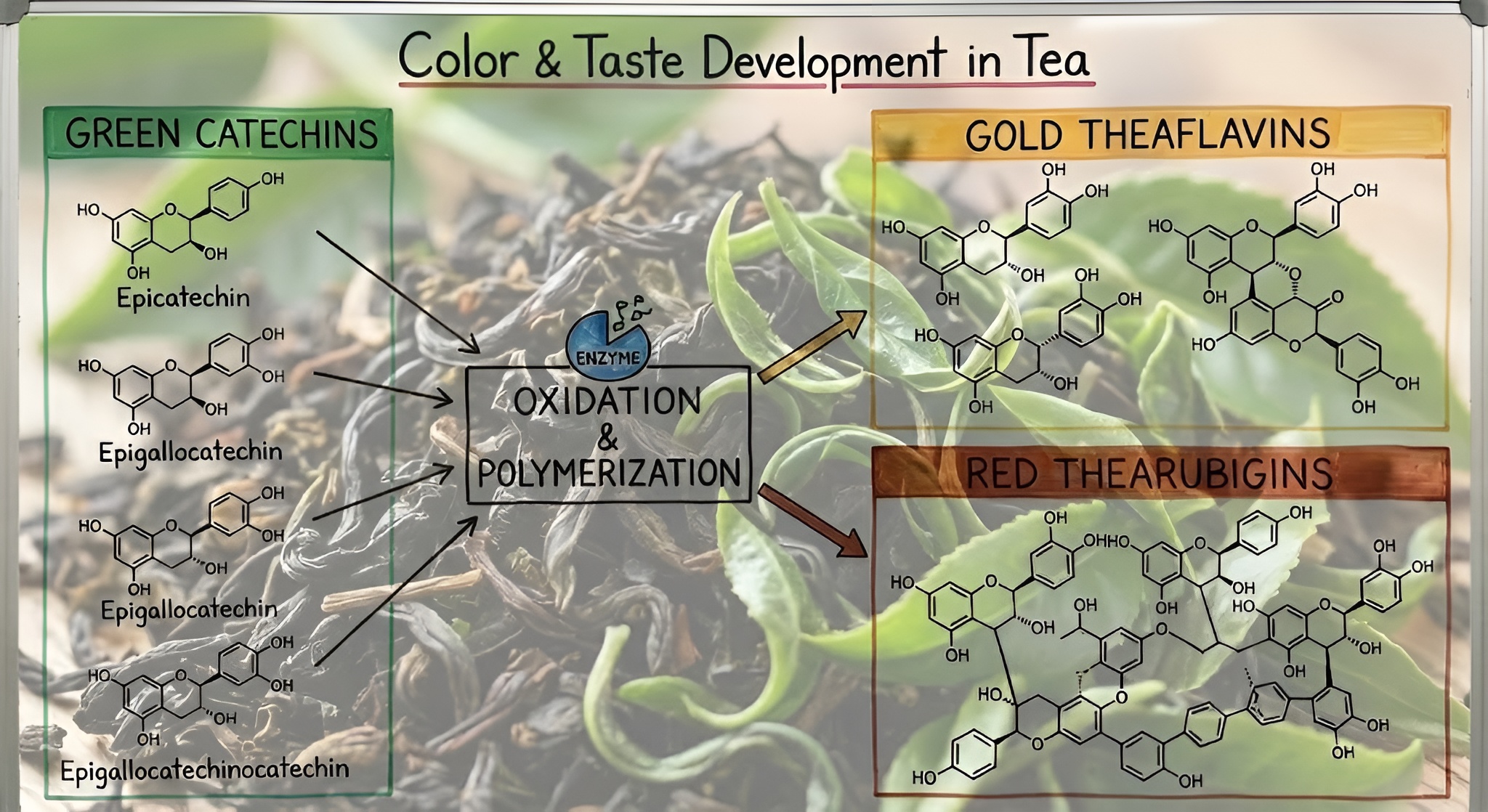
Why is black tea red? We decode the two molecules responsible for the color, body, and kick of your morning cup.
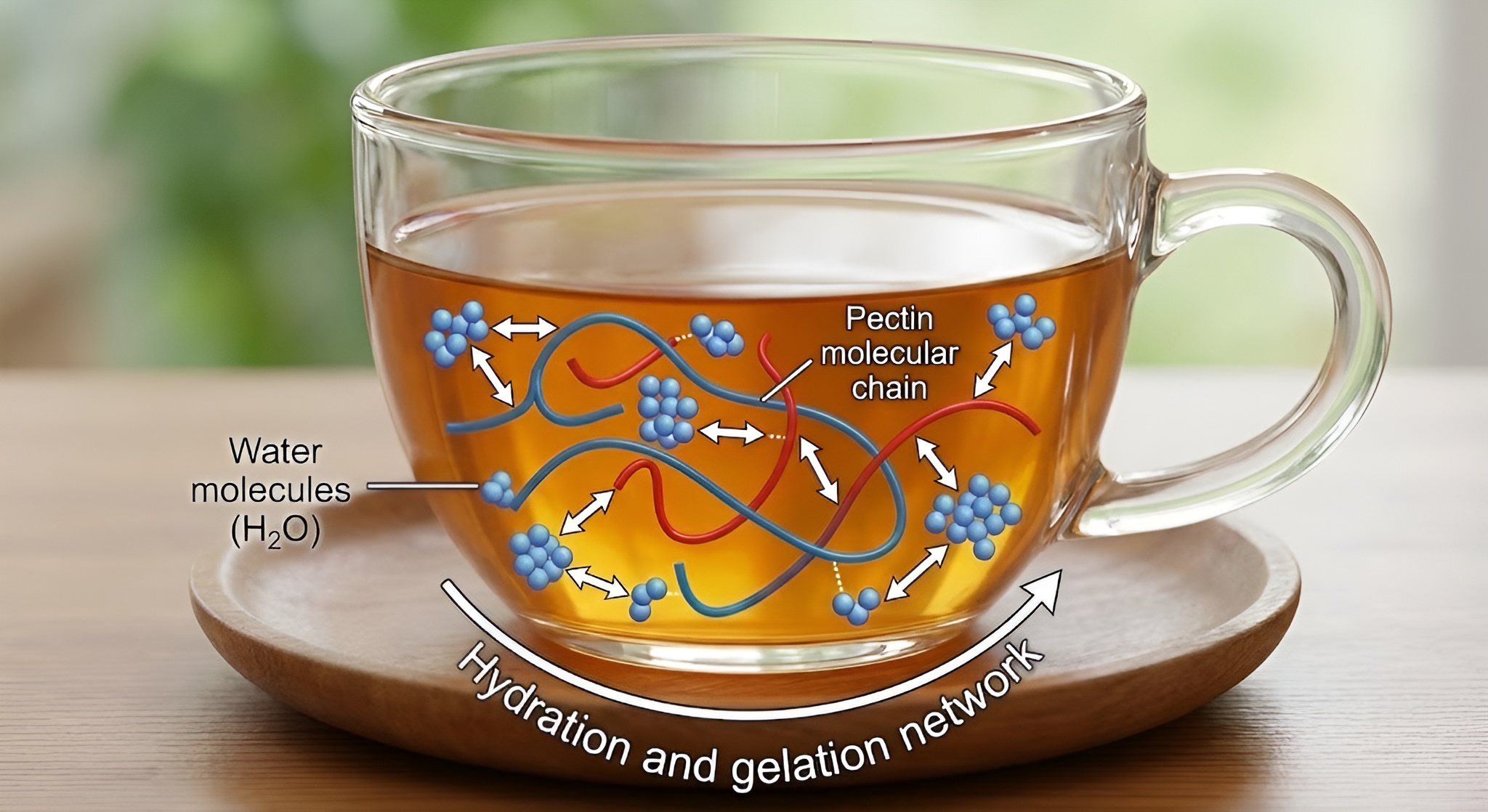
Why does Gushu Pu-erh feel like oil? We decode the colloidal chemistry of texture and mouthfeel.
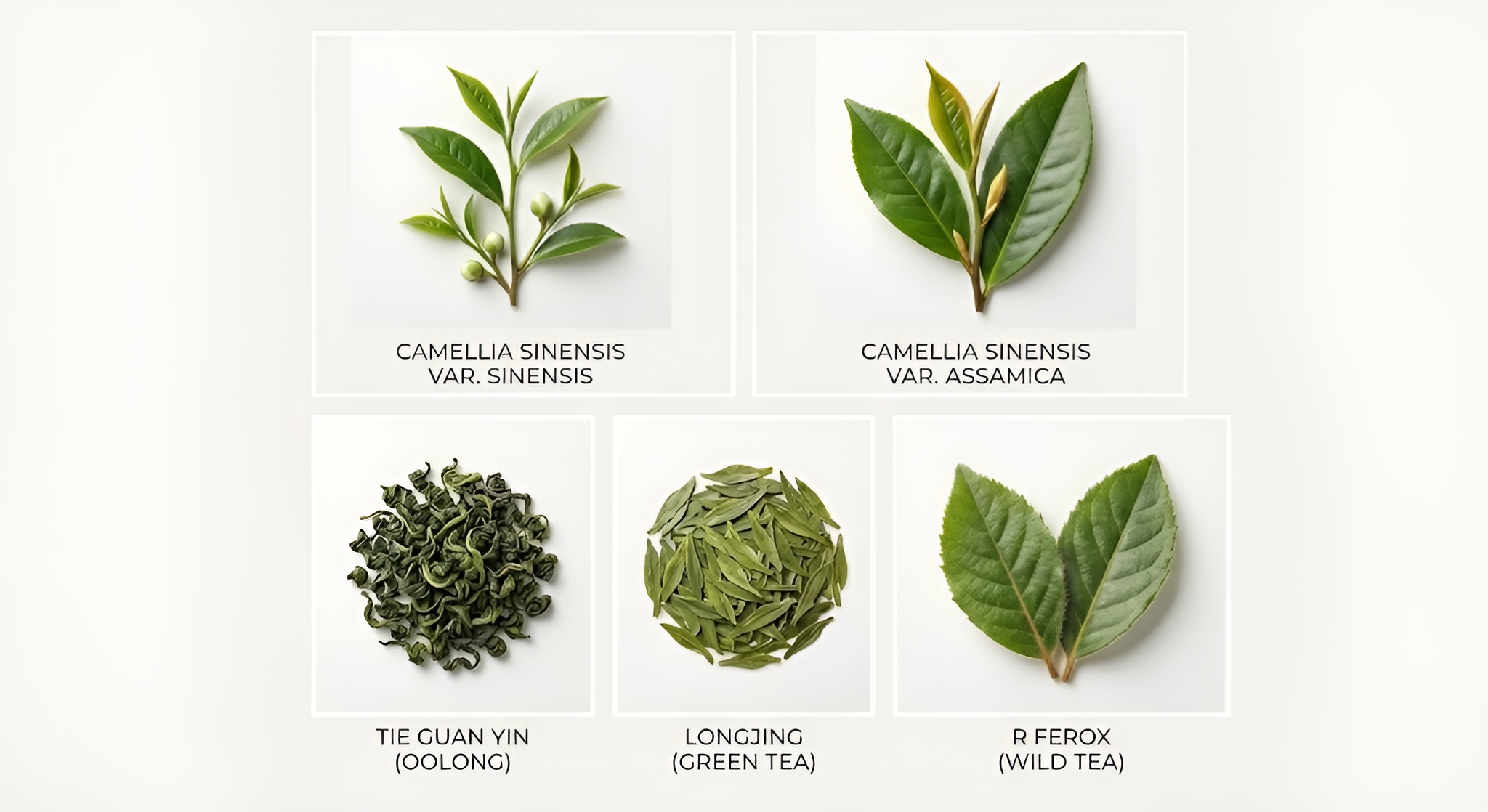
From Yabukita to Ruby #18. We index the world's most important tea varieties and their flavor profiles.
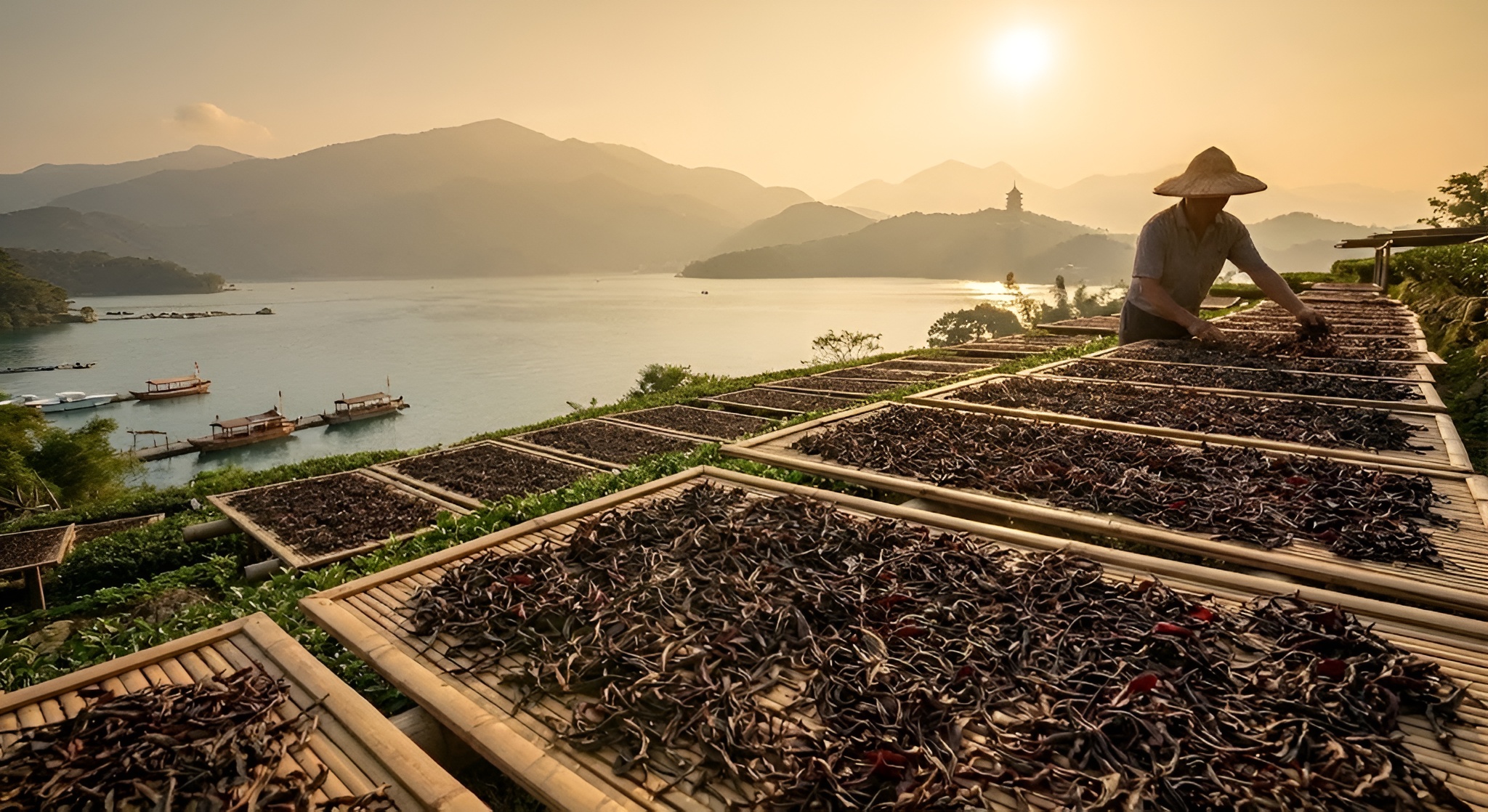
Why does Red Jade taste like root beer? We decode the genetics of Taiwan's famous hybrid.
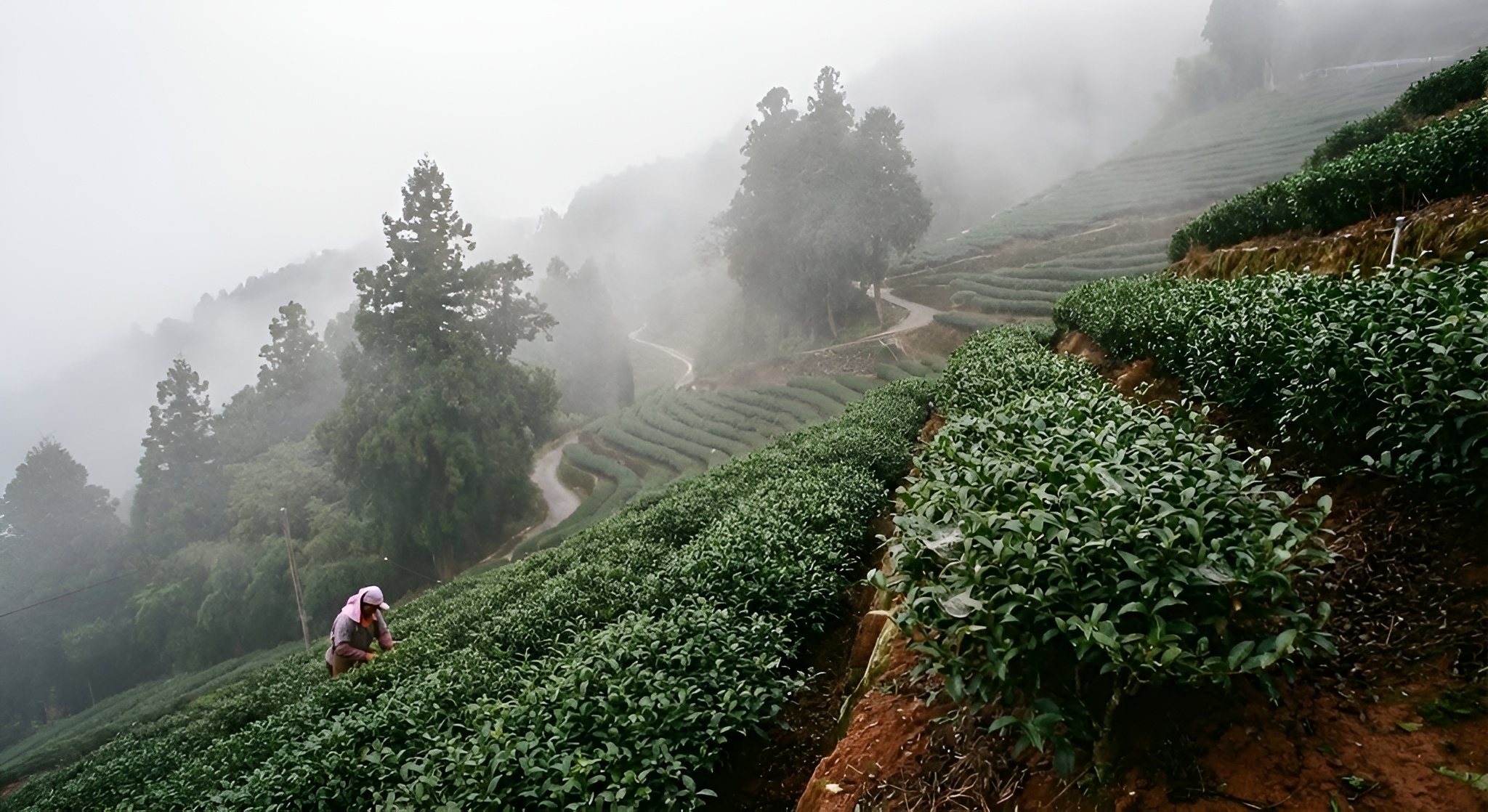
Why is Alishan tea so expensive? We decode the 'Green Heart' genetics that define premium Taiwanese tea.
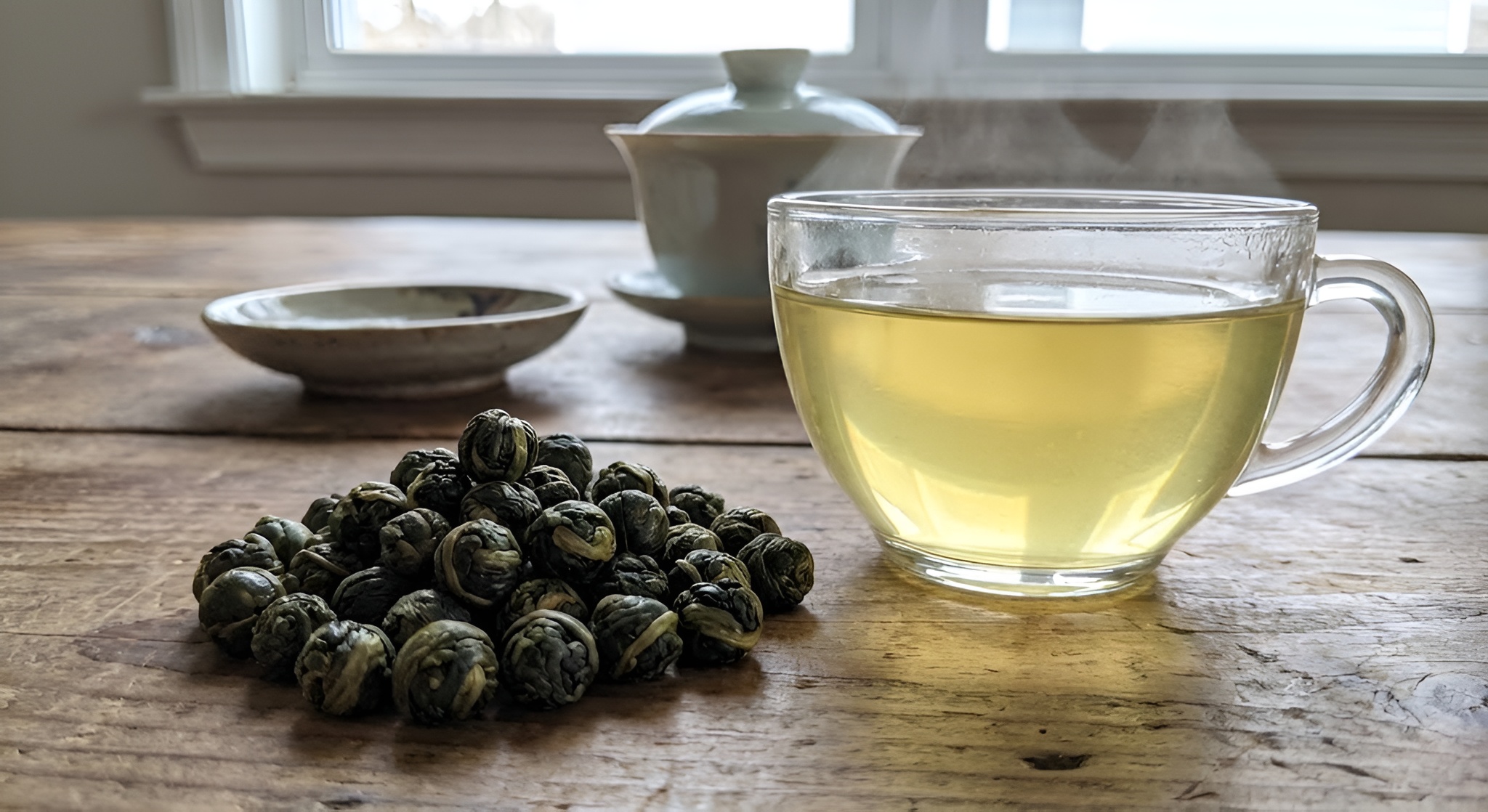
Is it natural or flavored? We decode the genetics of Taiwan's creamy TRES #12 cultivar.
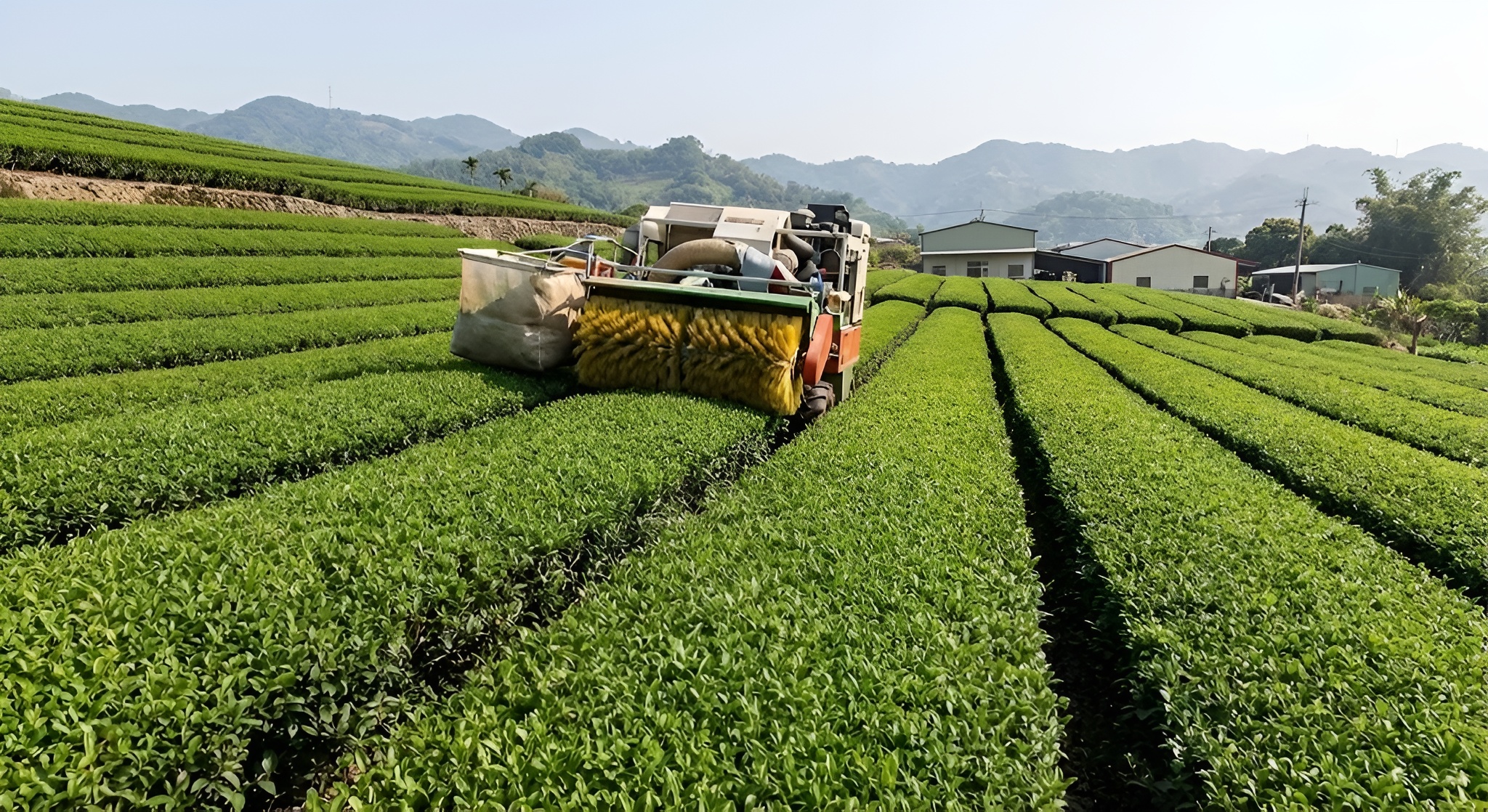
Why is Four Seasons Oolong so floral and affordable? We decode the cultivar that changed the tea industry.
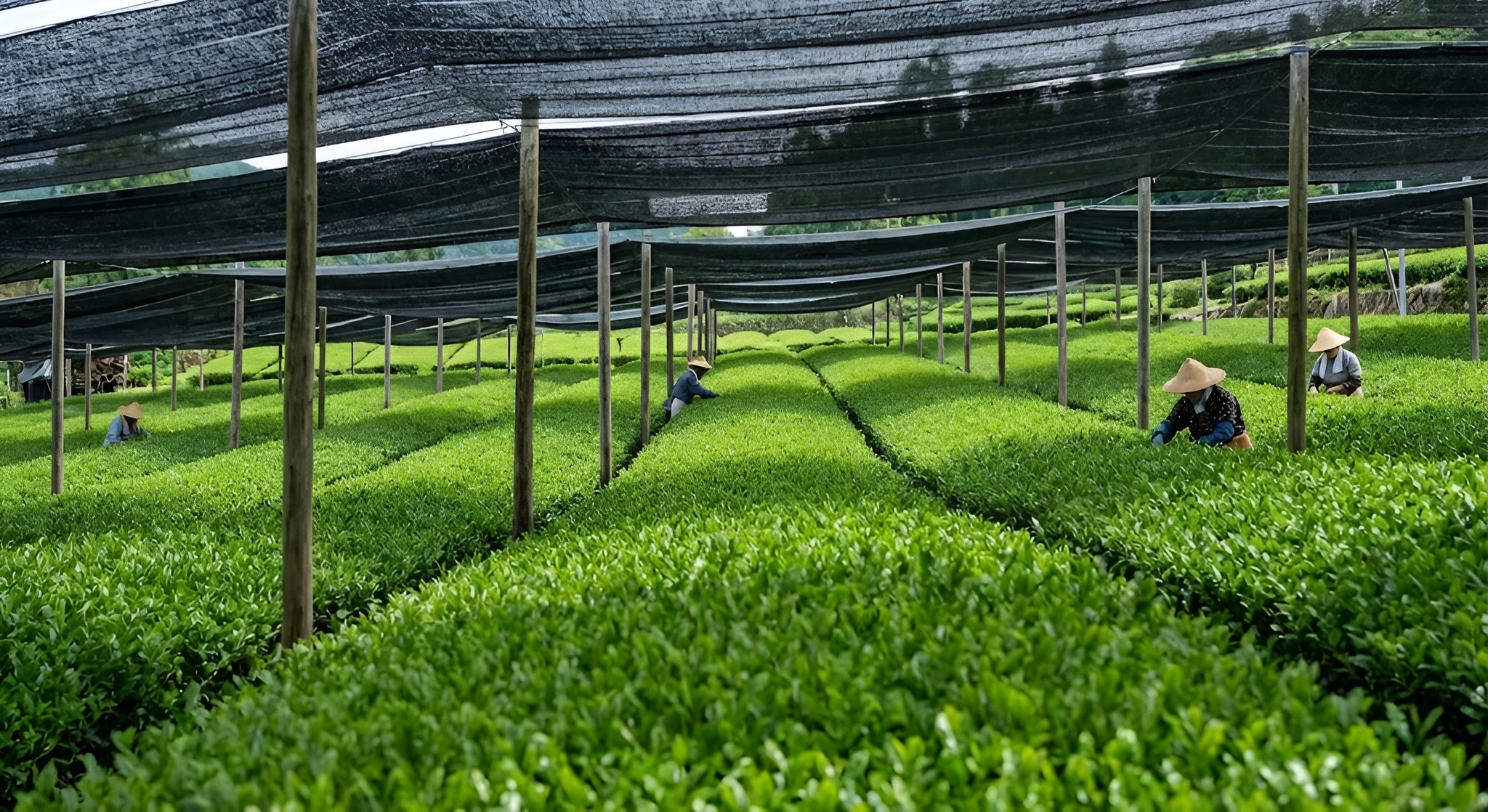
Why does Uji Matcha taste creamy? We decode the genetics of Kyoto's most famous shade-grown tea.
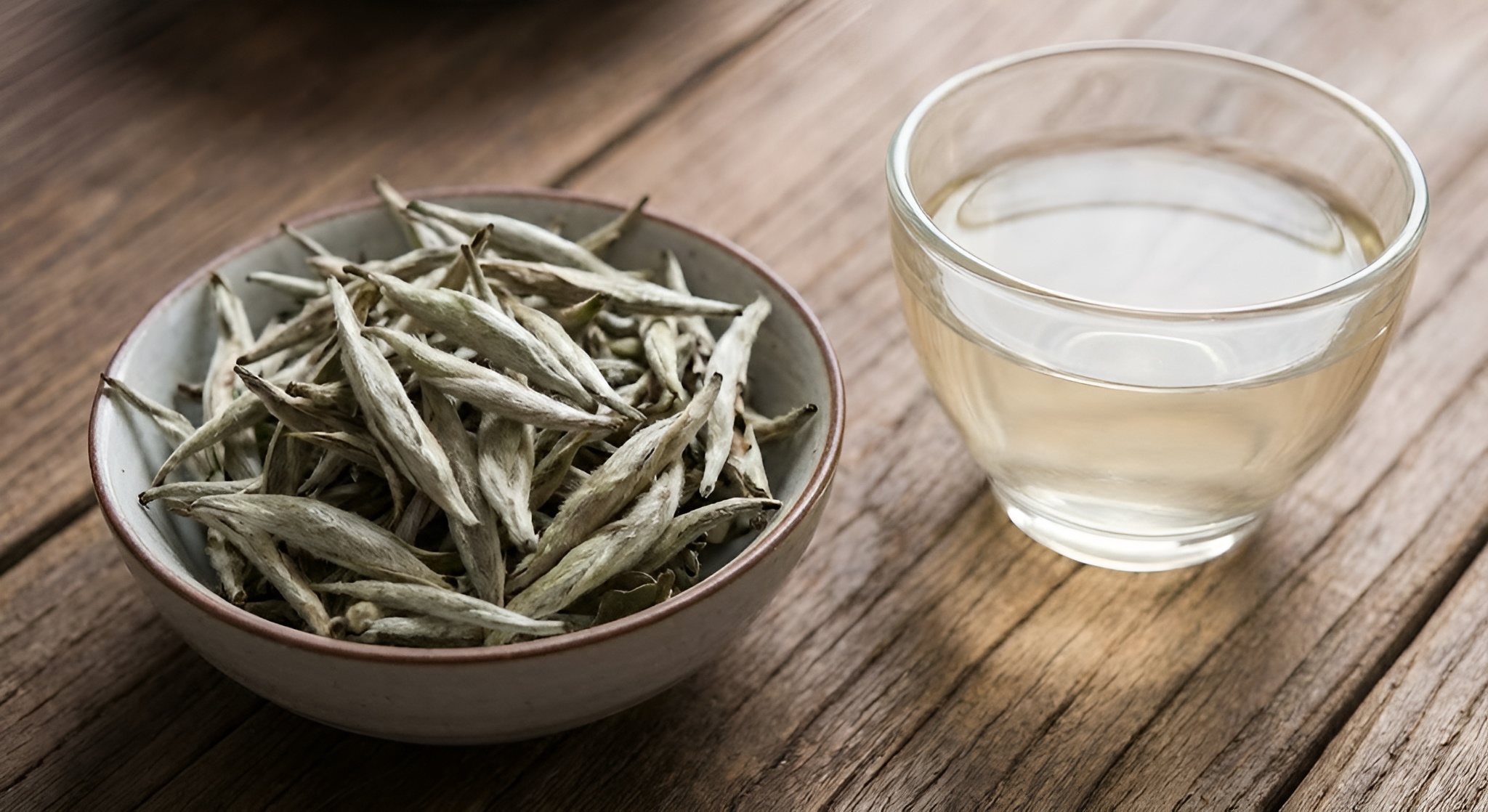
Why is White Tea white? We decode the biology of the trichomes (hairs) that create the texture of Silver Needle.
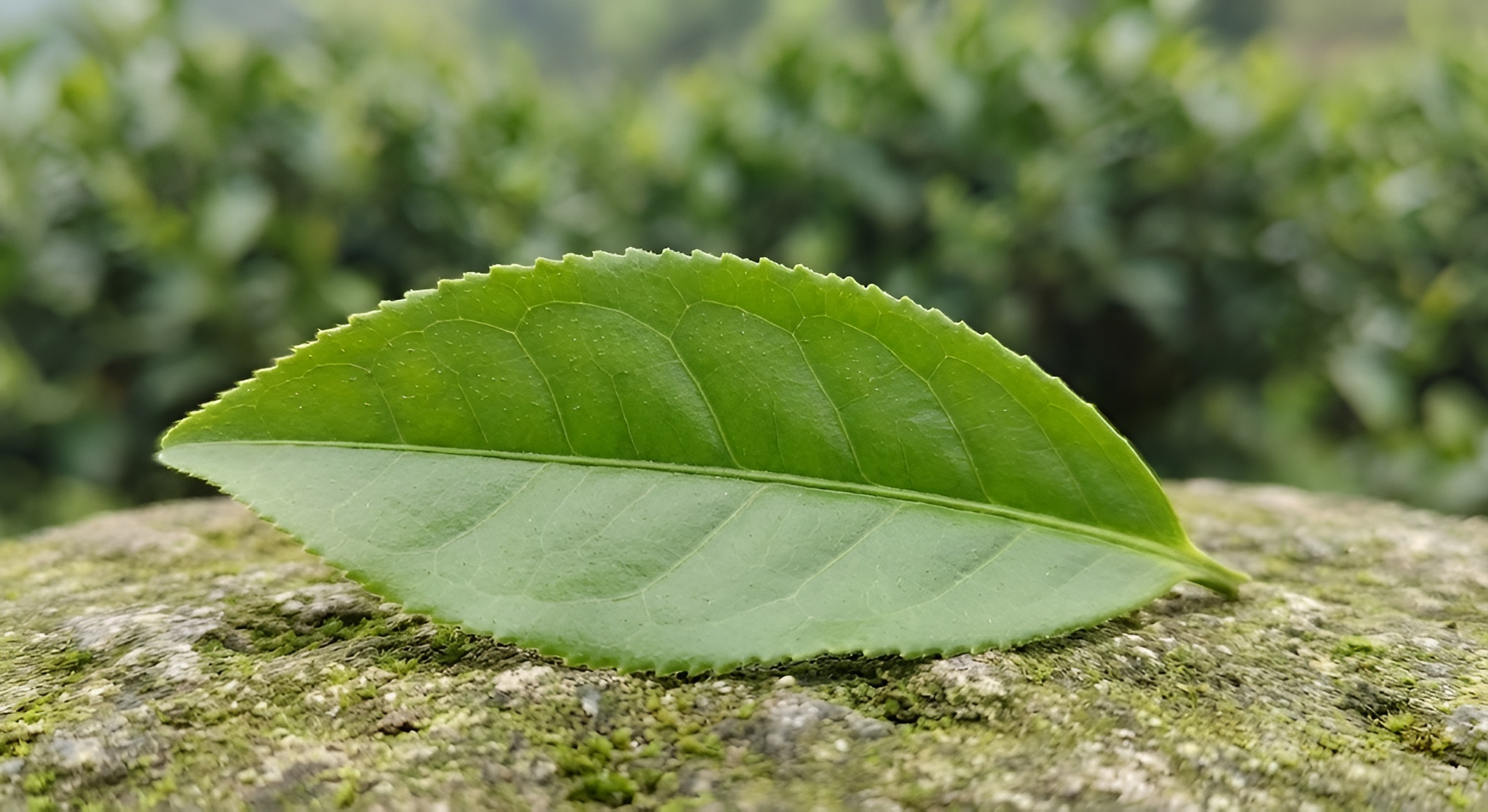
Why is Dragon Well so expensive? We decode the 'Early Budding' genetics that define China's most famous tea.
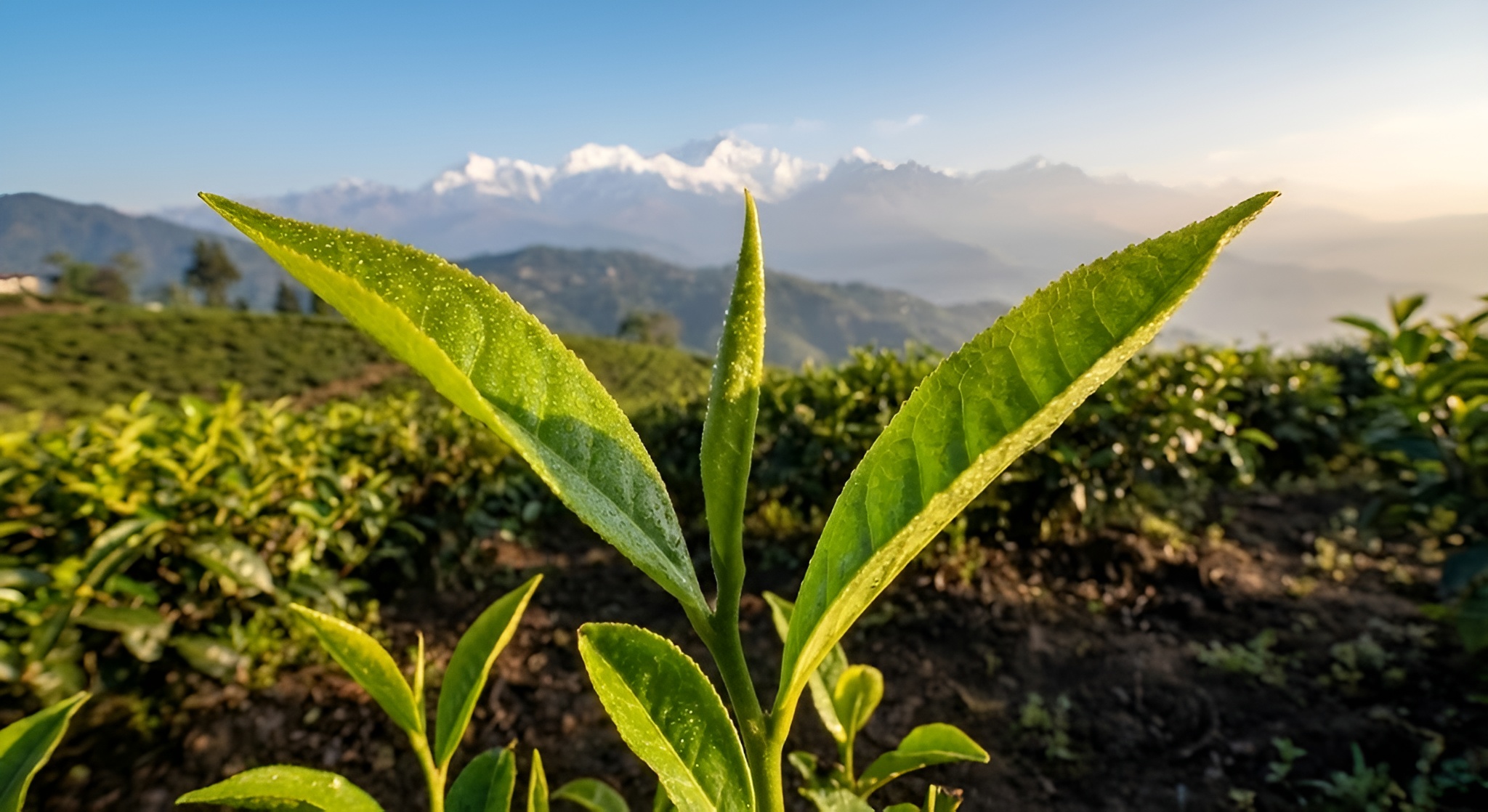
Why does Second Flush taste like muscat grapes? We decode the genetics of the famous AV2 clone.
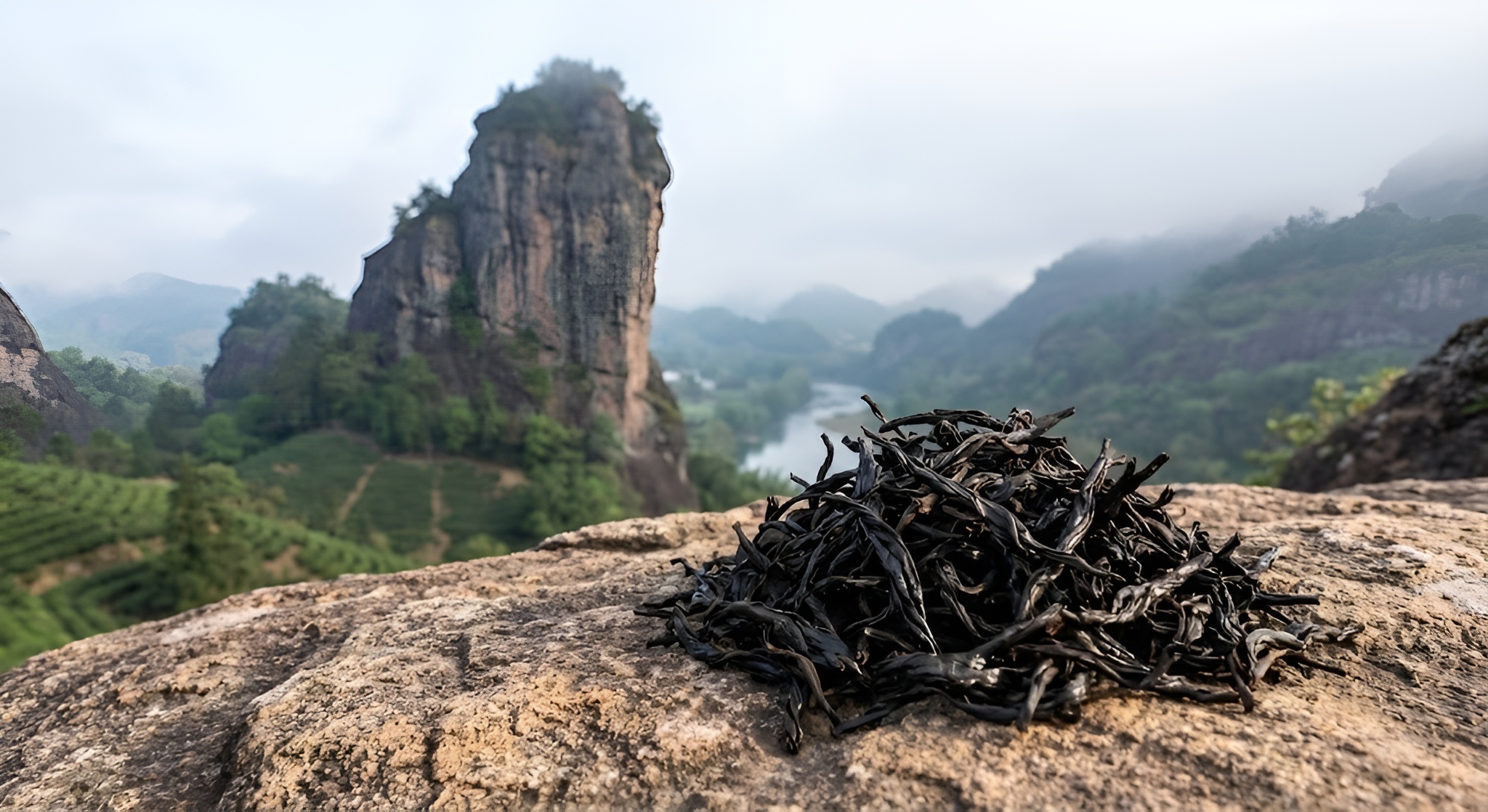
Why does Wuyi Rock Tea taste like cinnamon and fire? We decode the genetics of the aggressive Rou Gui cultivar.
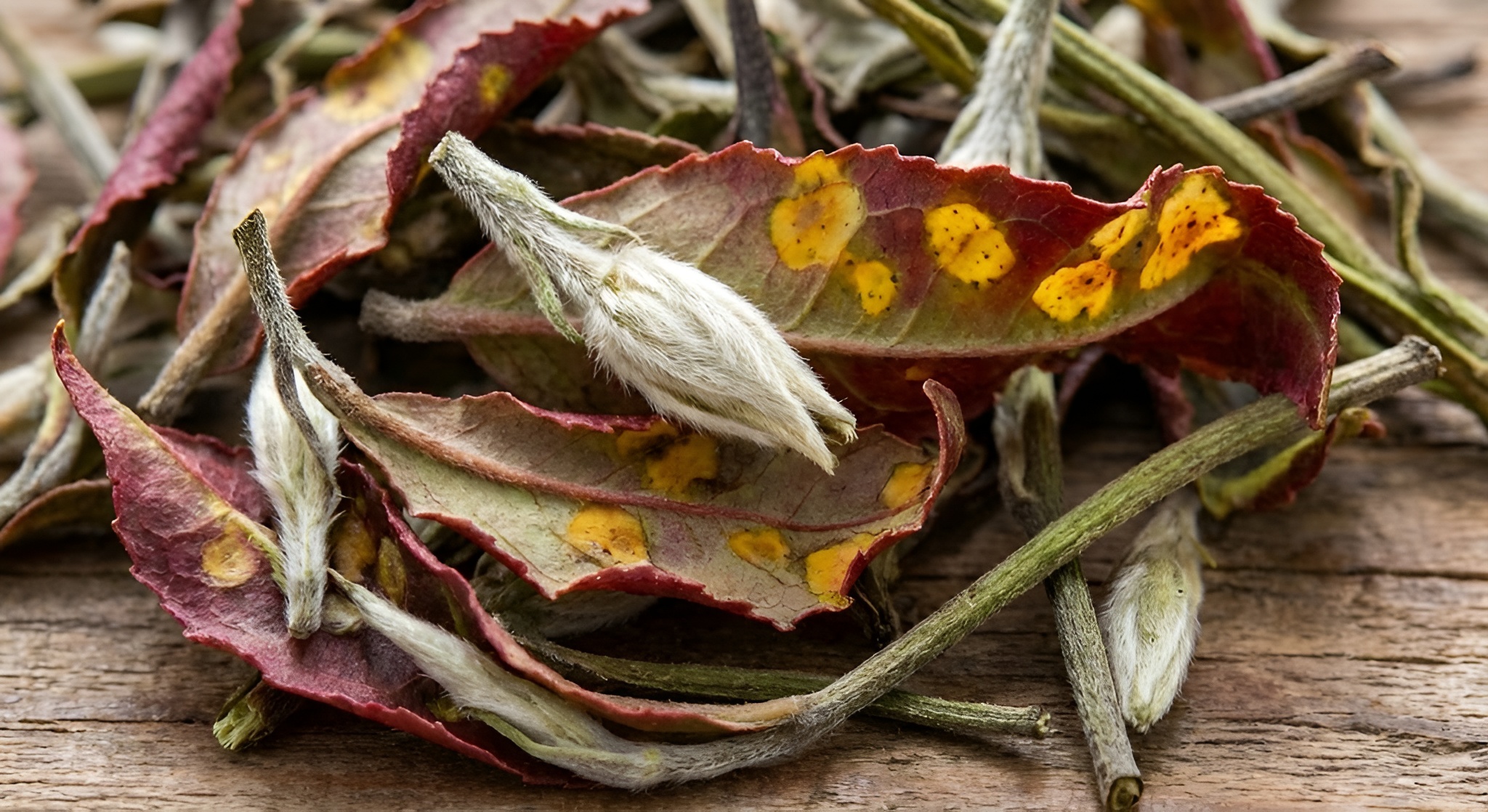
Why does this tea taste like honey? We decode the science of the Green Leafhopper and plant defense.
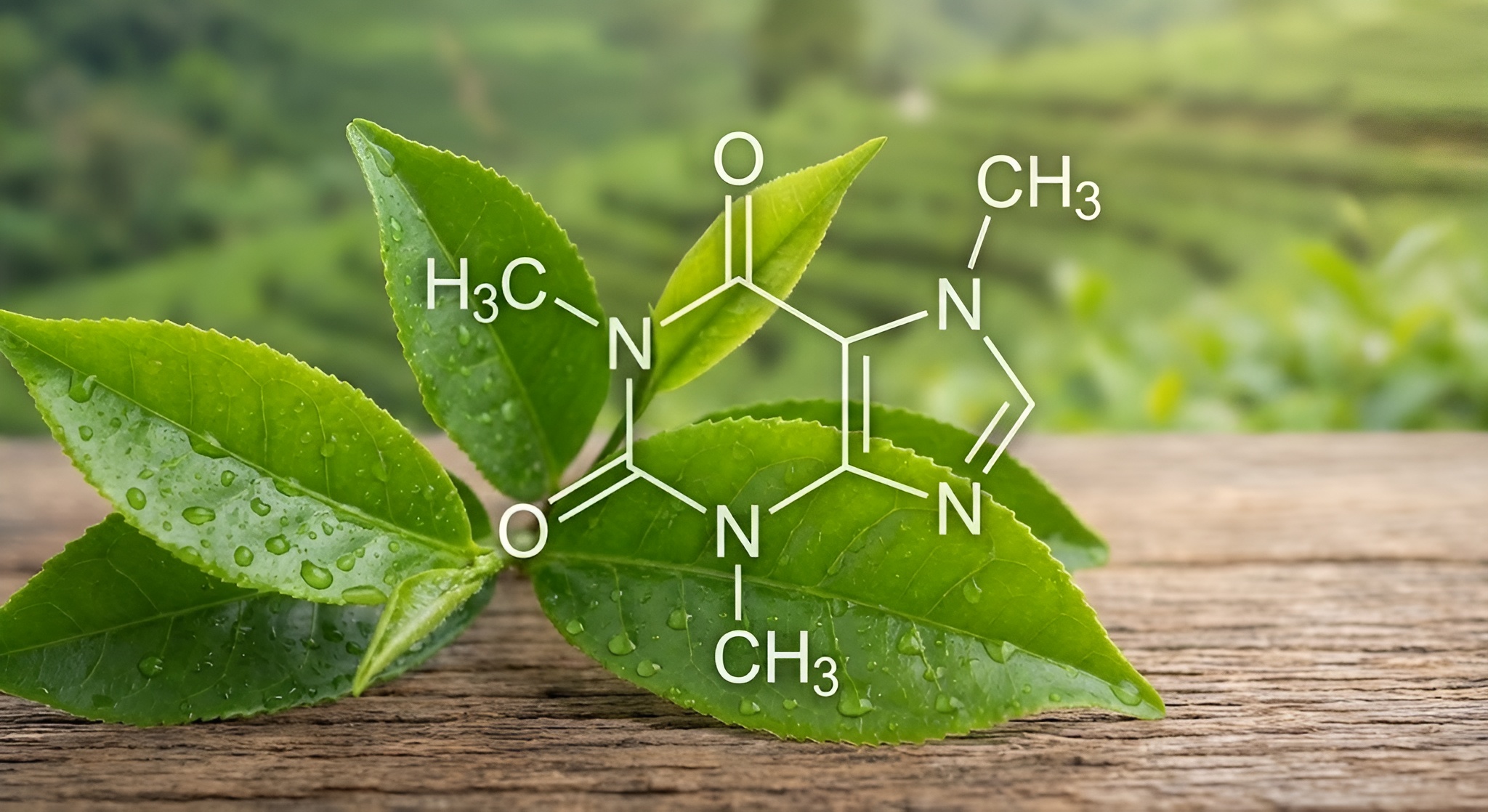
Does tea have more caffeine than coffee? We decode the science of stimulation and L-Theanine.
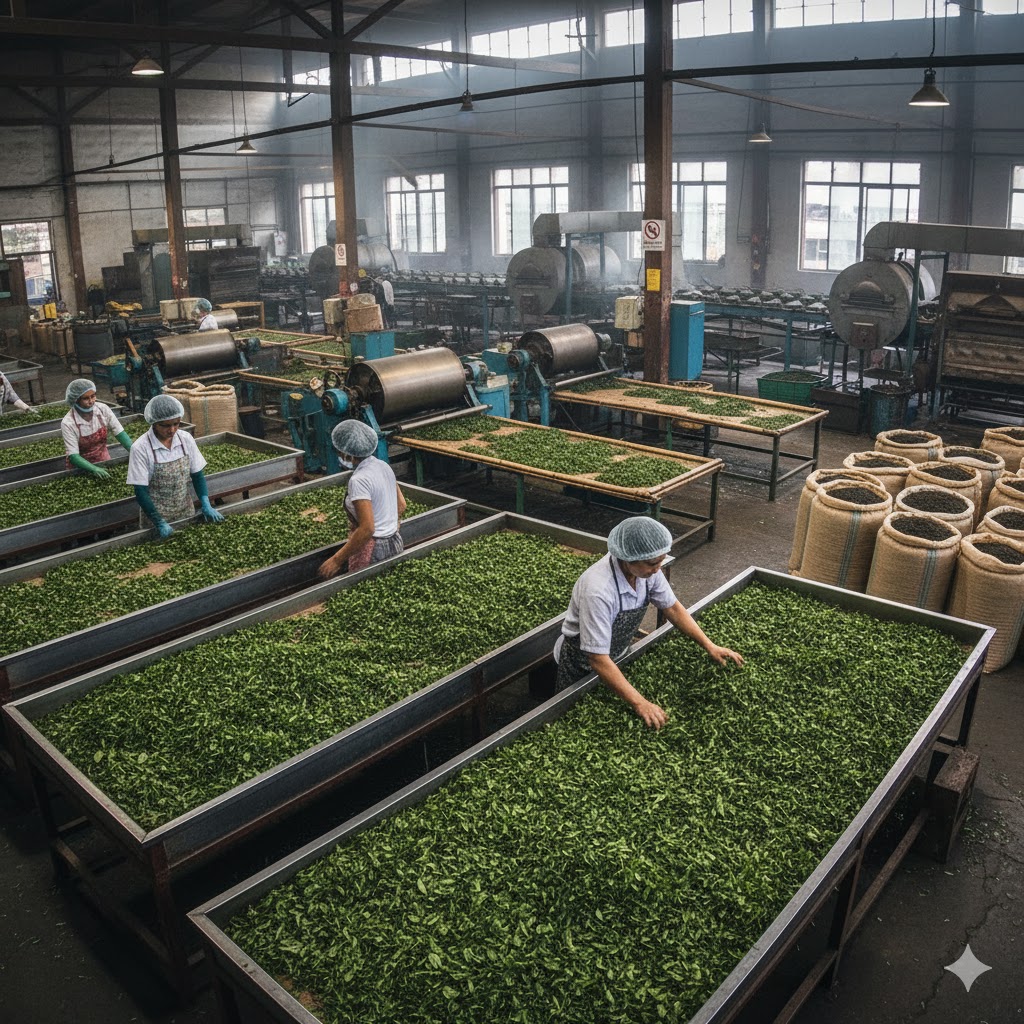
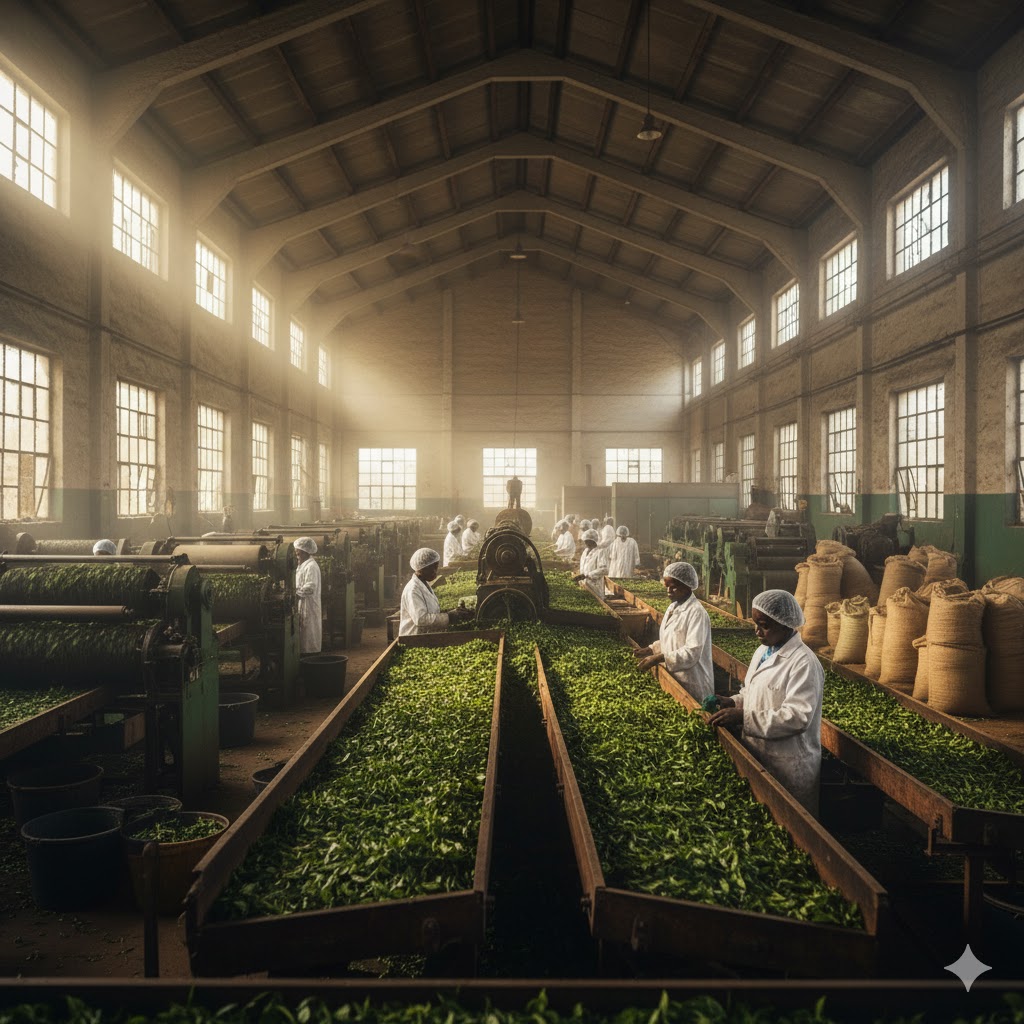
An expert guide in the journey of tea from crop to cup - what it really takes to deliver your perfect tea.
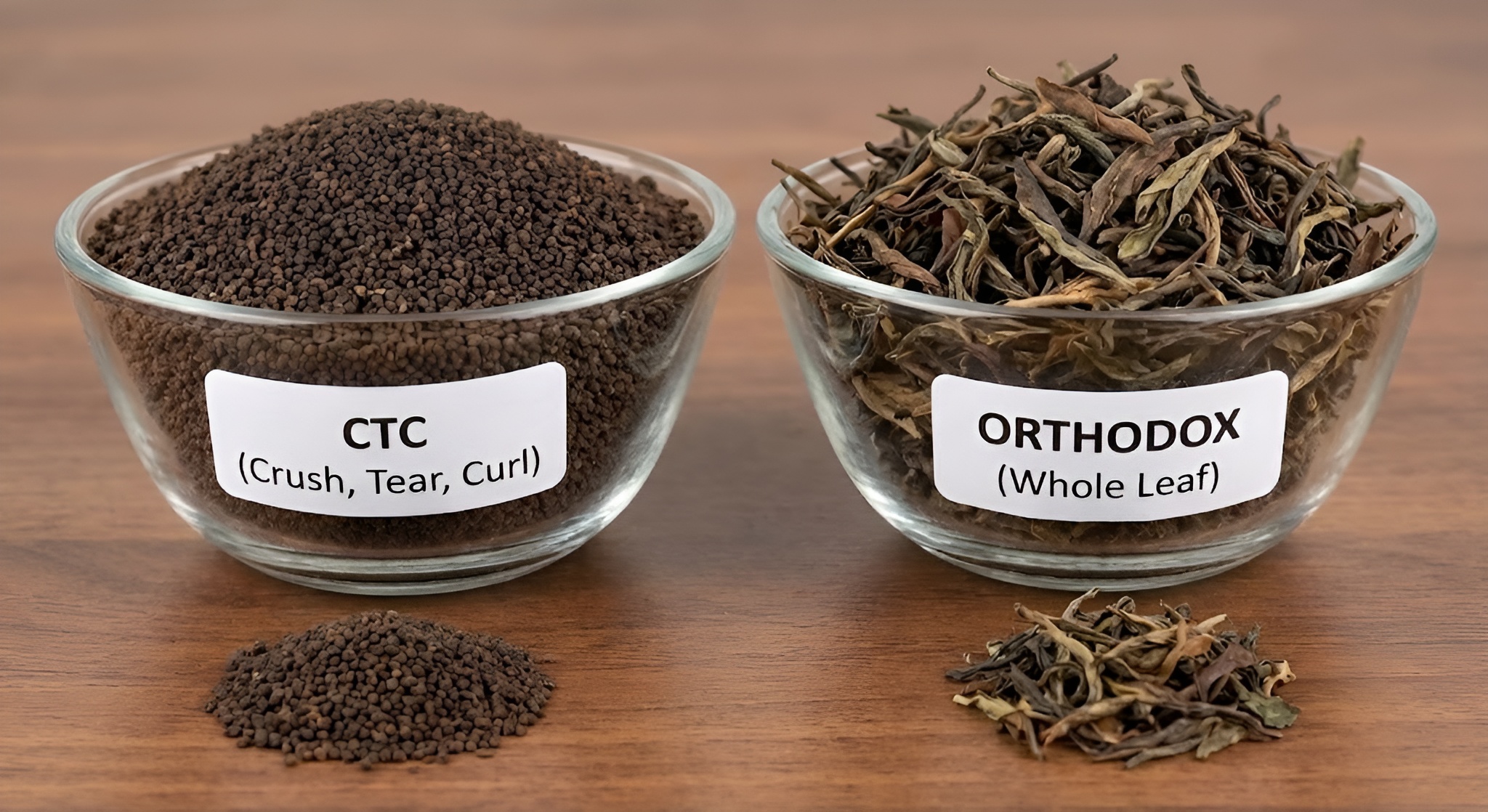
It’s not just the leaf; it’s the machine. We explain the difference between Orthodox (Rolled) and CTC (Crushed) tea, and why one is perfect for milk while the other demands respect.
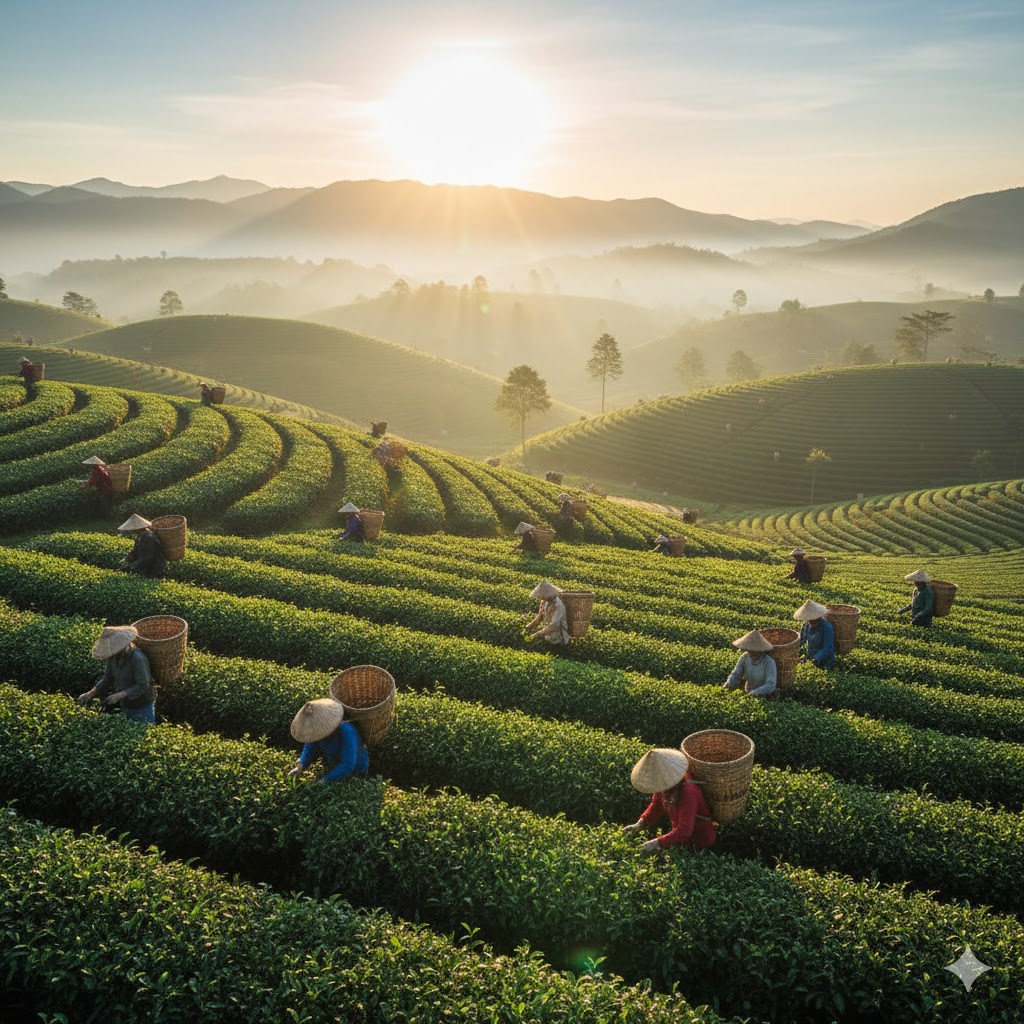
An exploration of all plucking and harvesting methods with an evaluation of advantasges and disadvantages.

An exploration of withering and how this crucial stage of tea production/manufacture alters flavour profile.
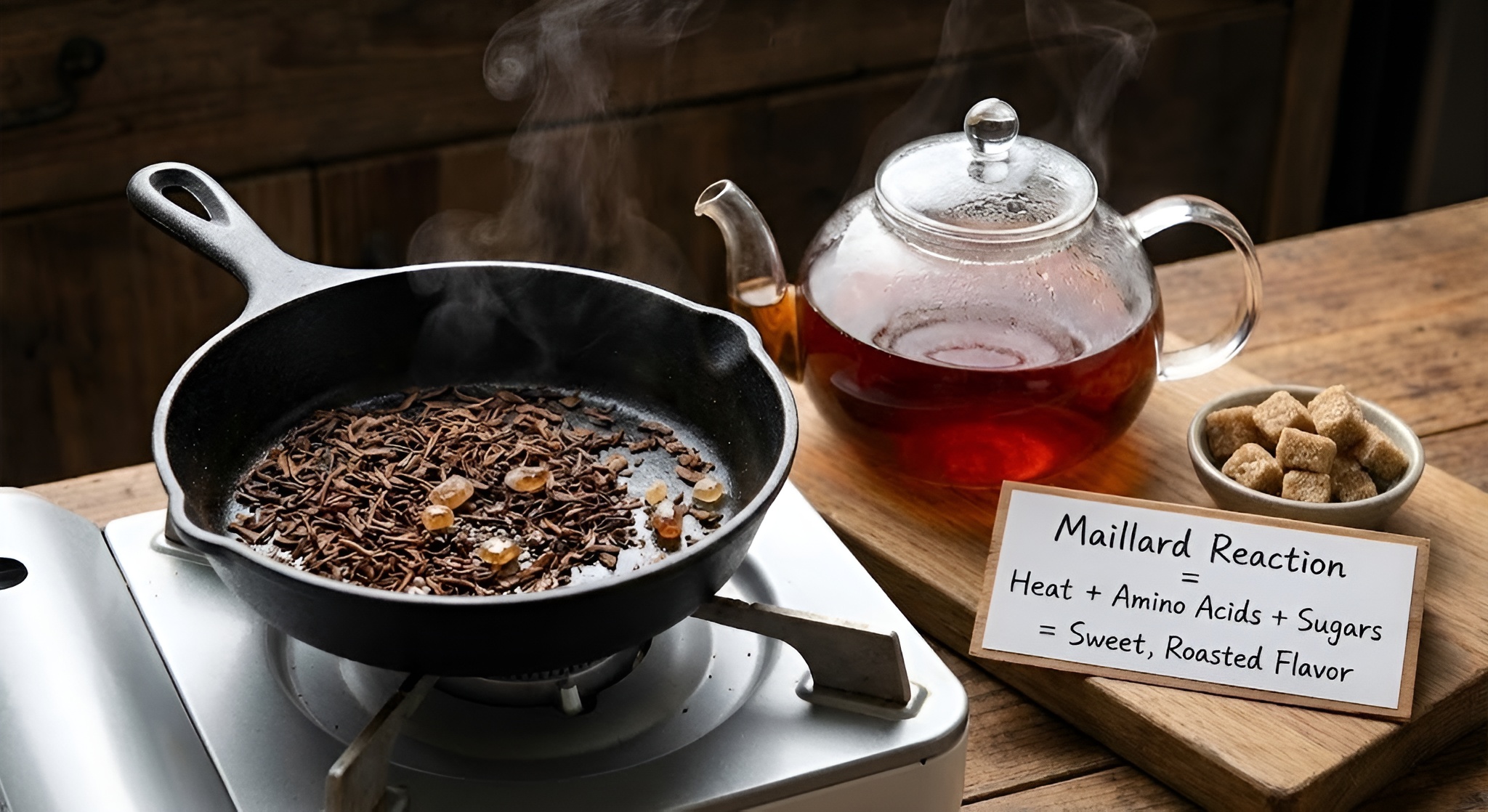
A deep dive into the chemistry of roasting. How heat transforms amino acids into the nutty, caramel flavors of Hojicha and Oolong.
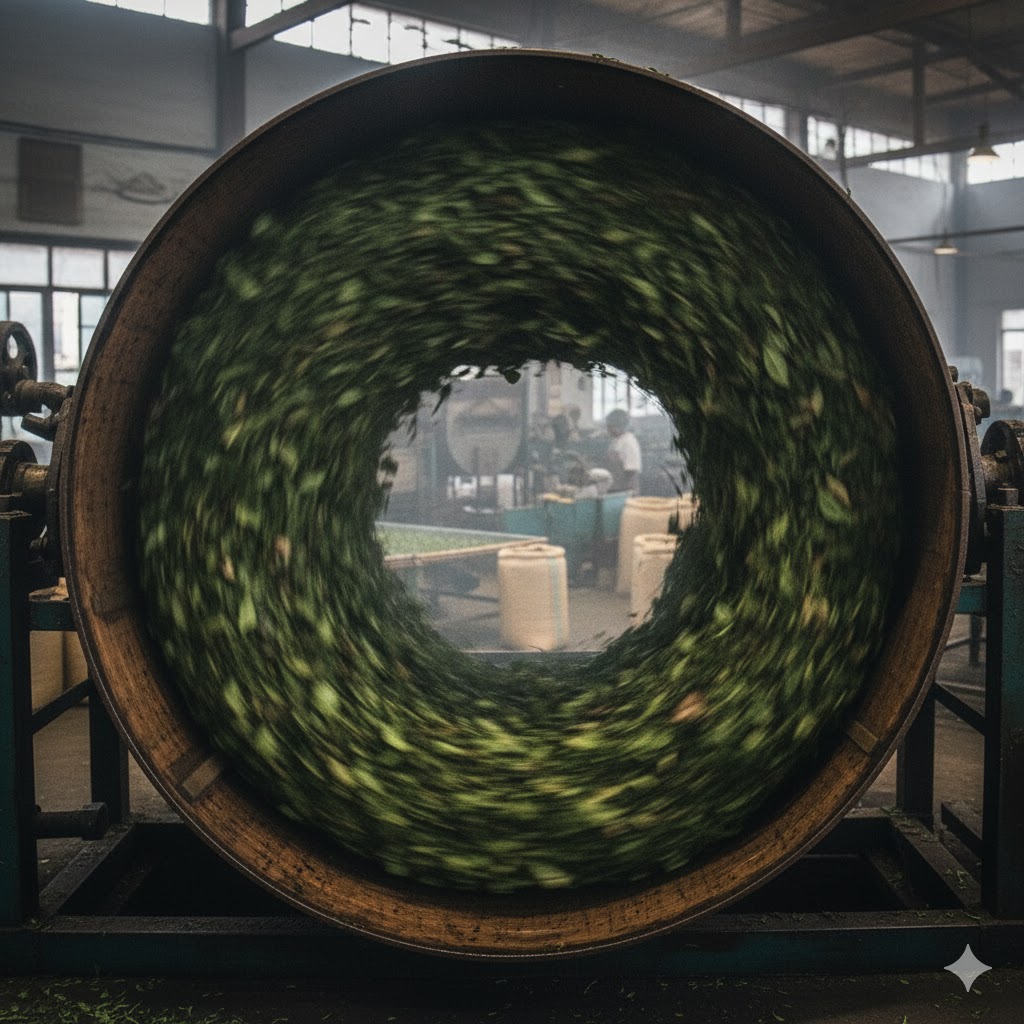
Understand the intracicies of preparing freshly plucked and withered tea leaves for disruption, rolling or tossing.

Yet another stage in the truly magical, mesmerising and complex world of tea manufacture - oxidization.

Green teas are only possible due to a process which halts any oxidation of the tea leaves. This is known a 'Fixing'.
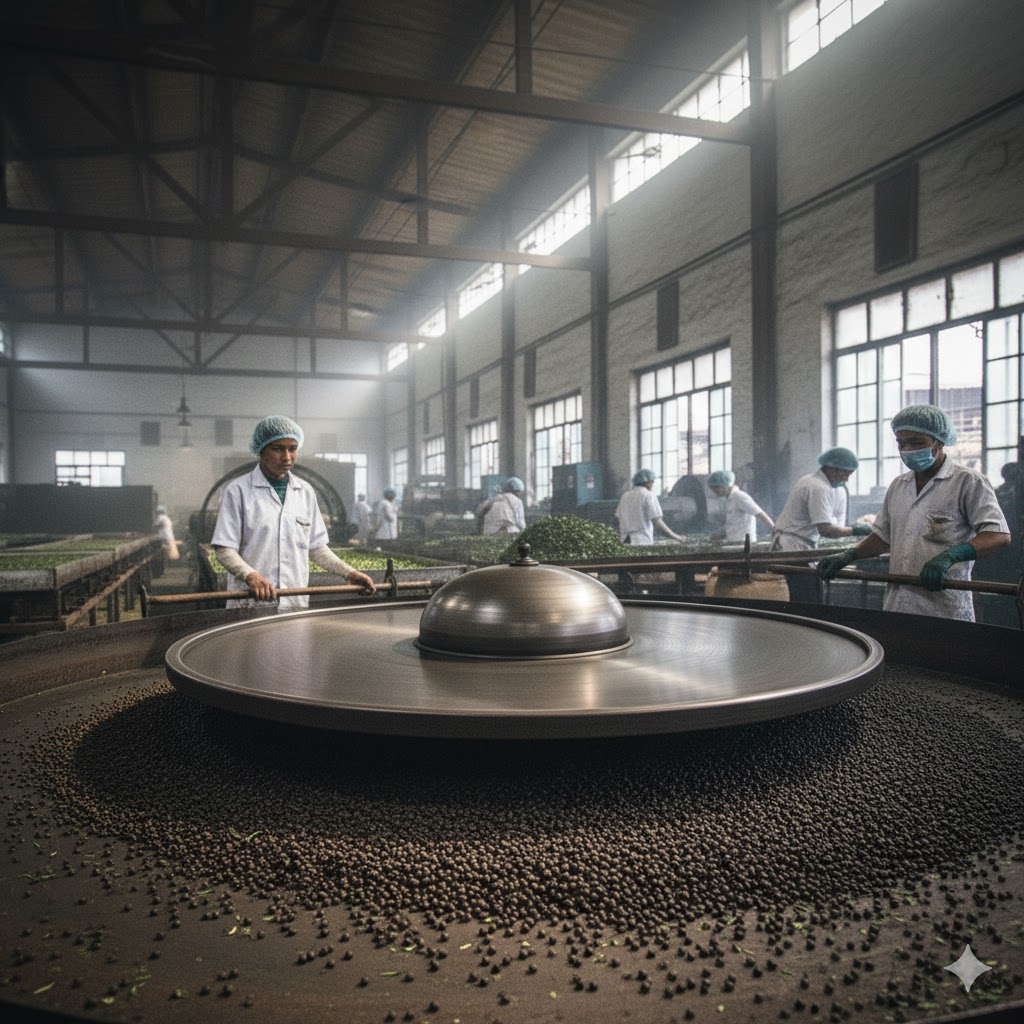
Explore the key differences between CTC and Orthodox production and how the wonderful world of tea styles are expertly crafted.

Understand why and how drying of teas are done as their quality becomes 'locked-in' and preserved.

Exploring how and why teas are sorted and categorized into specific sizes ready for packing.
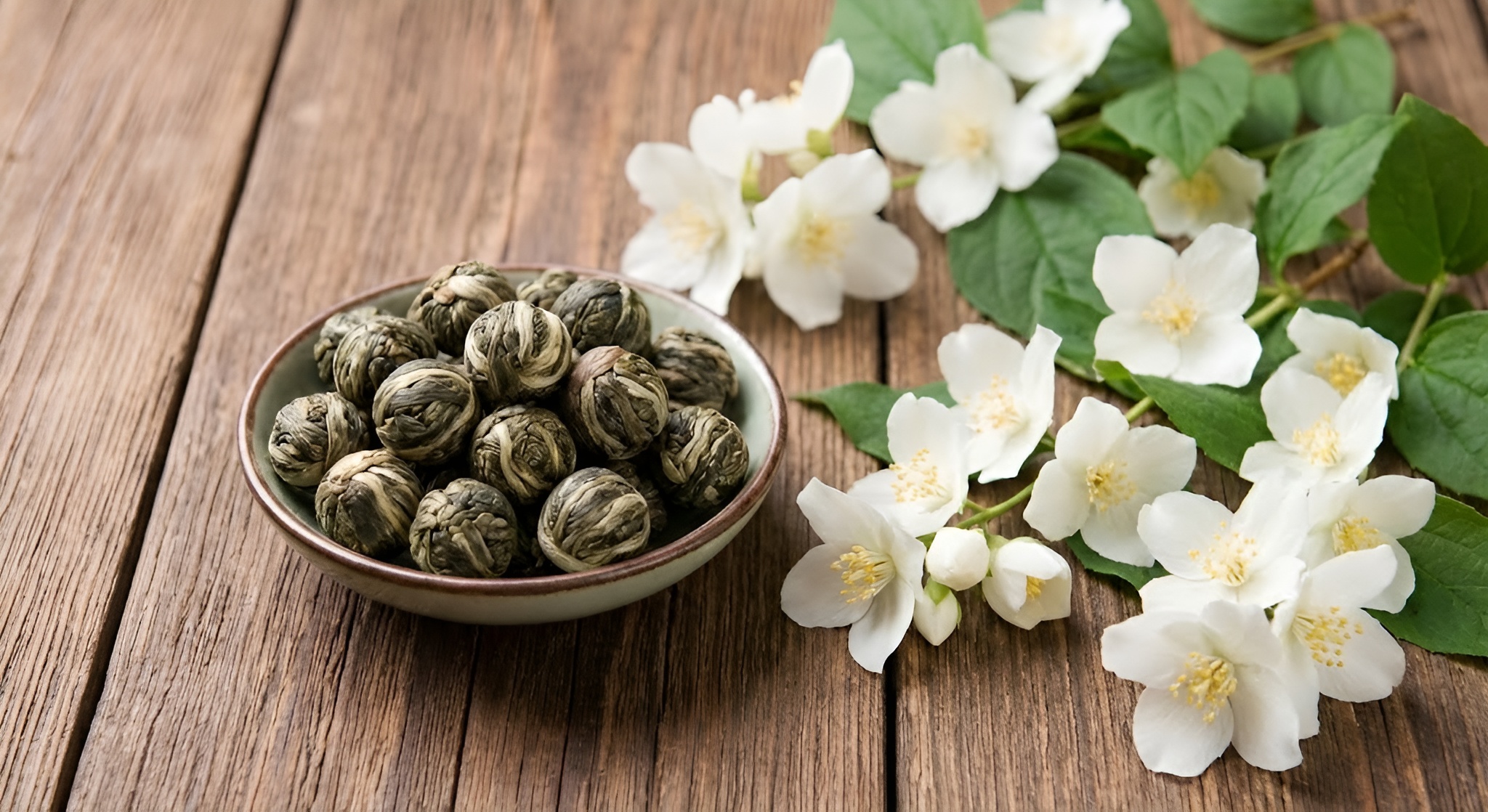
Why are Jasmine Pearls so expensive? We explain the hand-rolling process and the 'Marriage' of tea and flowers that happens 7 times over summer nights.
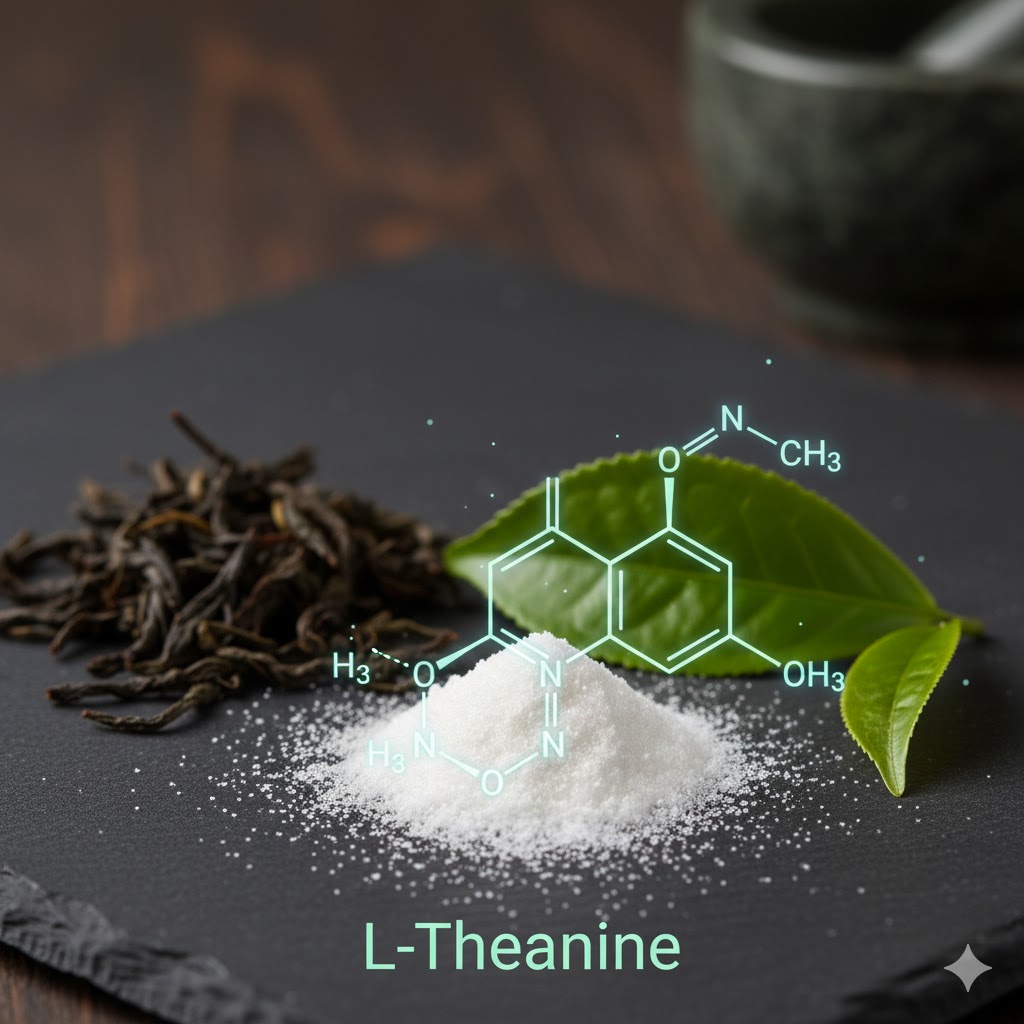
From Zen Buddhist monks to modern science, understand the amino acid that makes tea paradoxically alert yet tranquil.
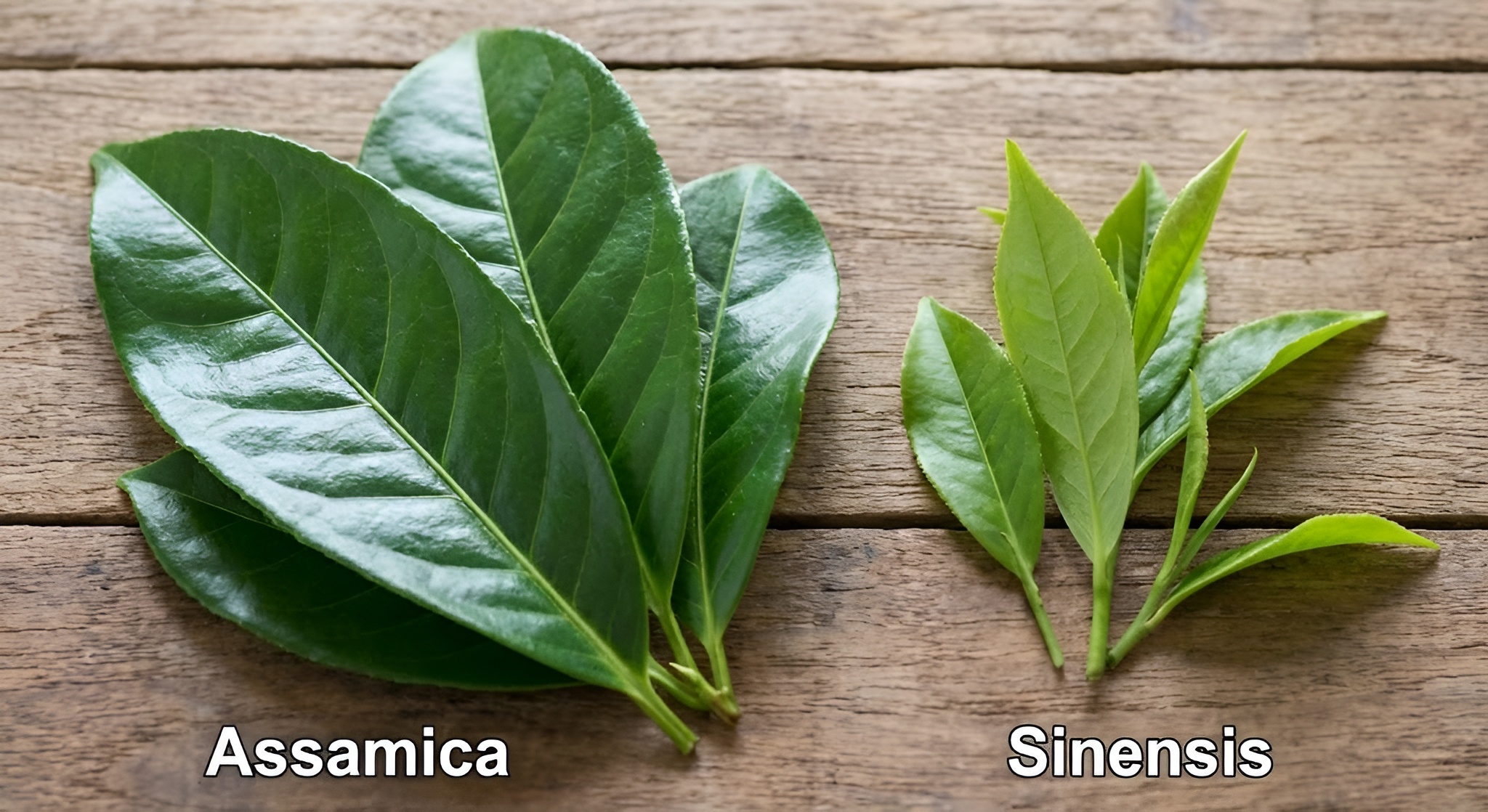
A deep dive into the botany of the 'Jungle Tea'. Understand the genetics, chemistry, and history of the plant that fuels the global black tea industry.
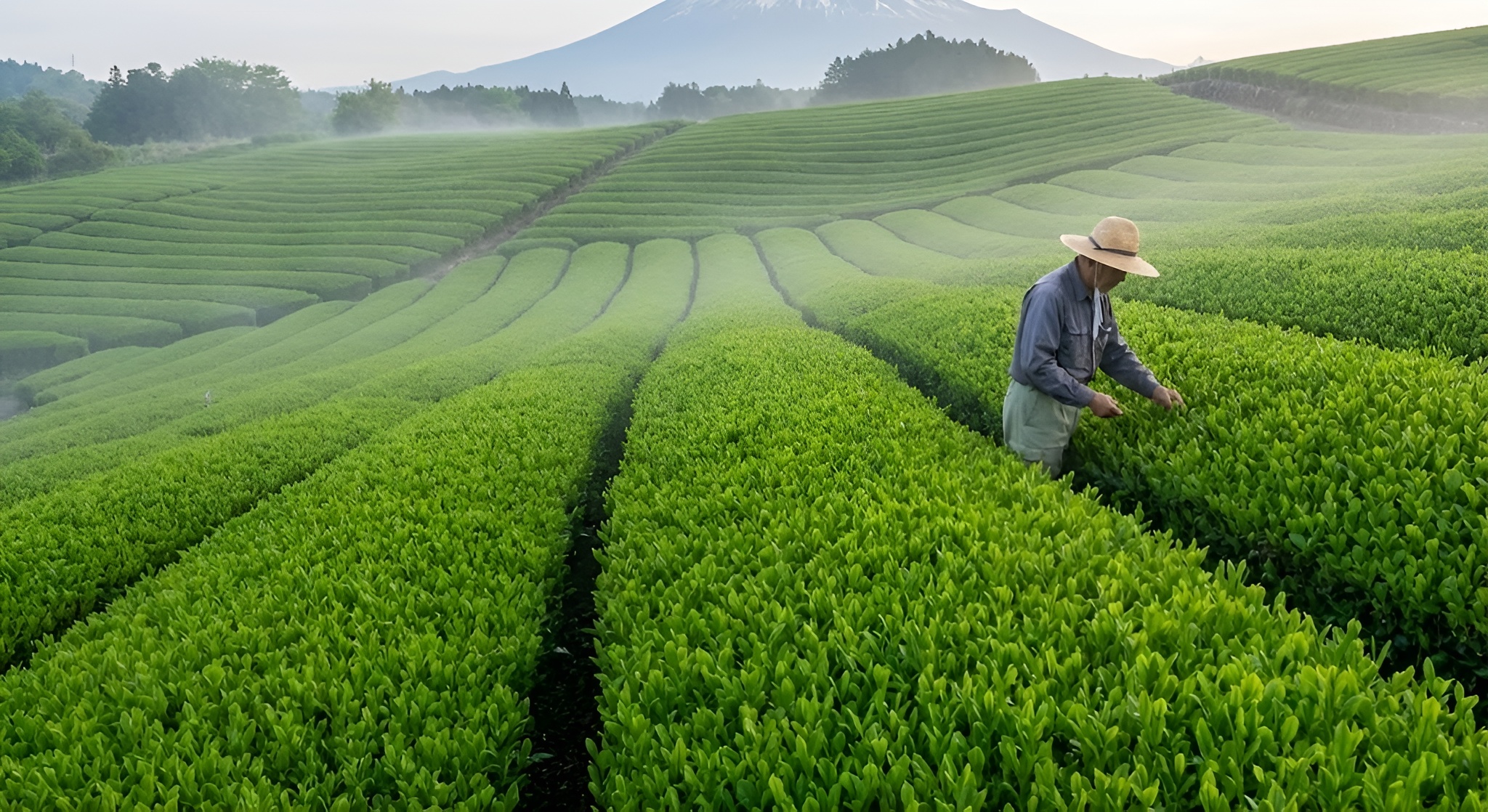
Why does 75% of Japanese tea come from one plant? We explore the Yabukita cultivar, the 'Cabernet Sauvignon' of the tea world, and why it defines the taste of Sencha.
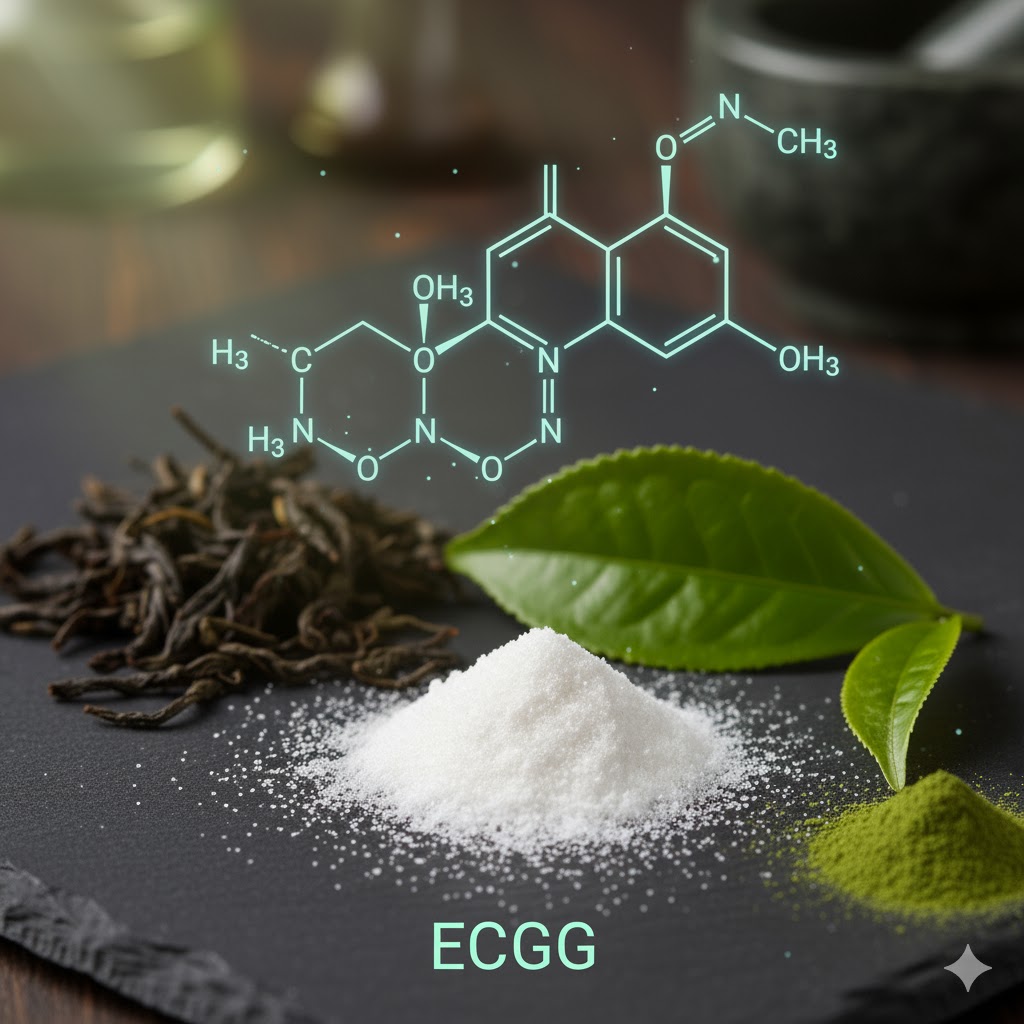
Few molecules have elicited as much rigorous scientific scrutiny and enthusiasm as (−)-Epigallocatechin-3-gallate, commonly known as EGCG. Discover more.

Learn the botanical science behind authenticating tea quality, detecting processing defects, identifying toxins, and exposing fraud through microscopic analysis.

True Camellia sinensis has secondary veins that curve backward 90° before reaching the leaf margin. The backlight test catches 90% of fake tea in 10 seconds.

Wild tea: 25-40 serration teeth per 5cm. Cultivated tea: 10-20 teeth per 5cm. Count the teeth in wet leaves to verify "ancient wild tree" claims instantly.

That "dusty" white coating on tea buds contains 2-3x more L-theanine than regular leaves. More hairs = higher quality. First flush: 100-200 trichomes/cm².

Cut a wet stem—round = hand-plucked, crushed flat = machine-cut. "Hand-picked" commands 2-5x premium. The stem cross-section never lies.

Green tea with red/brown edges isn't "rustic character"—it's oxidation bruising from rough handling. Uniform green = proper processing. Patchy brown = defect.
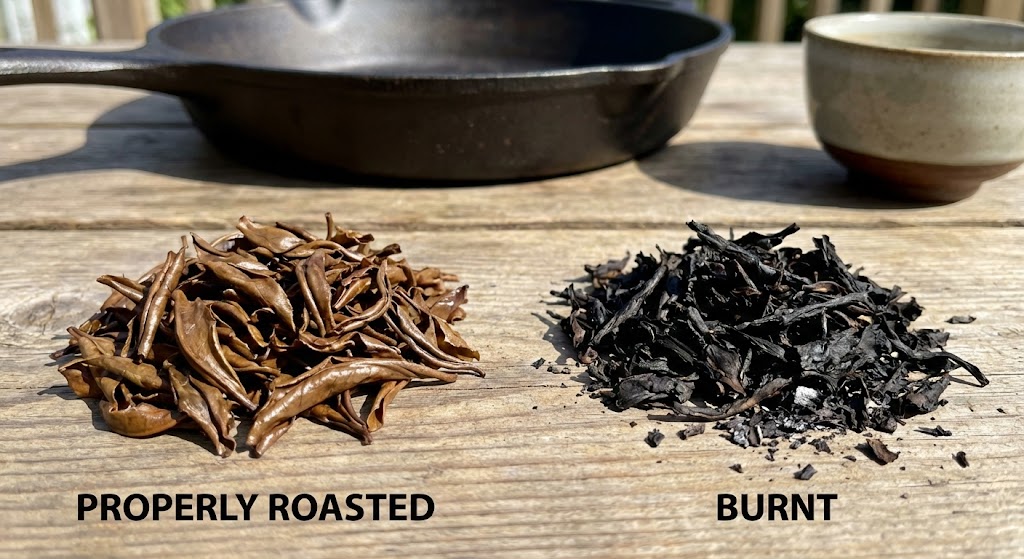
Wet leaf test: brown and flexible = roasted. Black and crumbles to ash = burned. Maillard reaction creates flavor. Pyrolysis creates destruction.

Sour pu-erh isn't "aged character"—it's acetic acid from acetobacter contamination. pH test: below 5.0 = bacterial infection, not fermentation.

That fishy smell in ripe pu-erh is trimethylamine from anaerobic bacteria. Proper wo dui = earthy. Excessive TMA = oxygen-starved pile turned toxic.
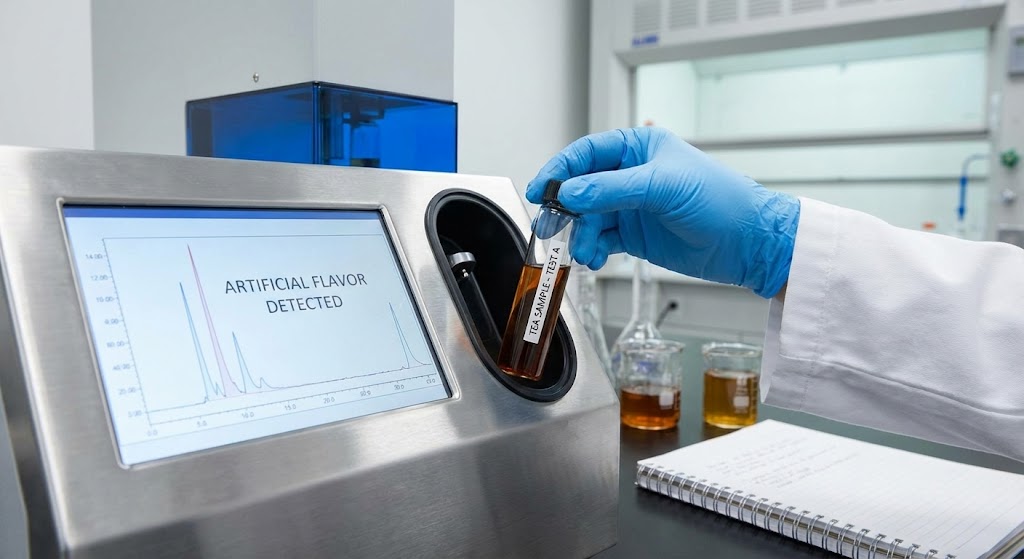
The paper towel test: place dry leaf on white paper for 24 hours. Oil stain residue = artificial flavoring. Natural tea leaves zero detectable oil transfer.

Metallic/chemical aftertaste isn't terroir—it's pesticide residue. Organophosphates create bitter metallic taste. Pyrethroids create numbing tongue sensation.

The white cloth test: rub dry leaf on damp white cloth. Color transfer = dye. Natural tea releases tannins only in hot water, never from dry leaf friction.
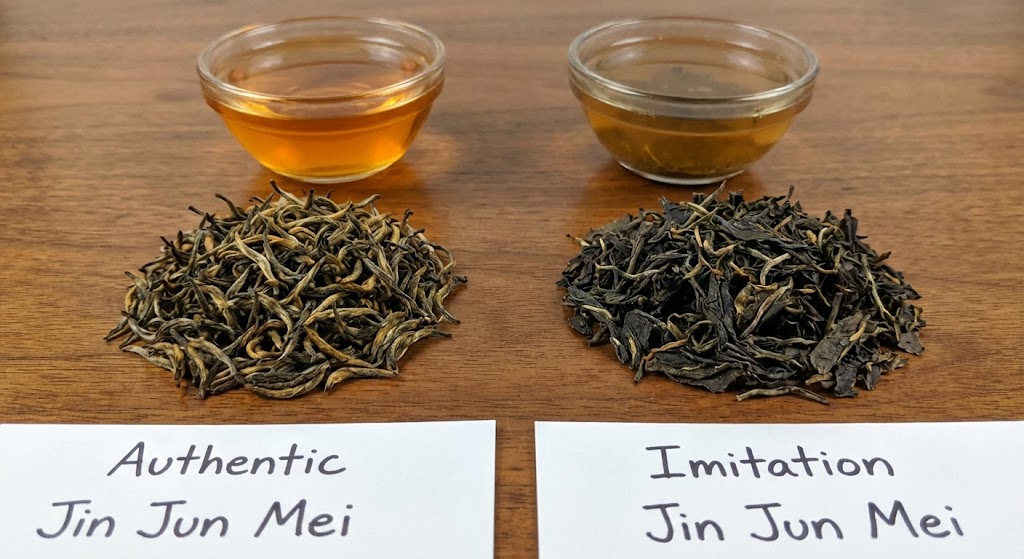
Real Jin Jun Mei: small-leaf variety, golden tips, sweet potato aroma. Fake: large-leaf assamica dyed golden, caramel added. Wet leaf reveals truth instantly.

Old tree markers: thick veins, irregular serrations, deep mineral taste. Plantation tea: thin veins, uniform serrations, flat vegetal taste. Wet leaf comparison is definitive.

True high-mountain markers: thick leaf, slow oxidation, high amino acid ratio. Low-altitude fraud: thin leaf, fast oxidation, high catechin ratio. Lab test or bust.

Premium grade: <5% stem by weight. Commercial grade: 15-25% stem. The stem ratio never lies—separate 10g sample, weigh stems, calculate fraud markup instantly.
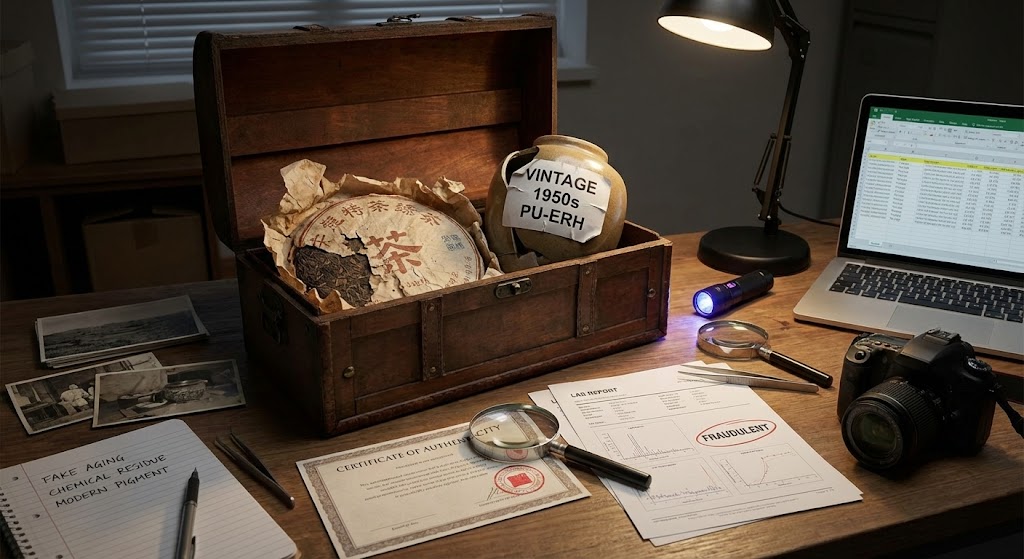
Explore the dark side of tea trade: vintage counterfeiting, money laundering, geographic fraud, and international smuggling. 16 articles covering forensic authentication and economic crime.
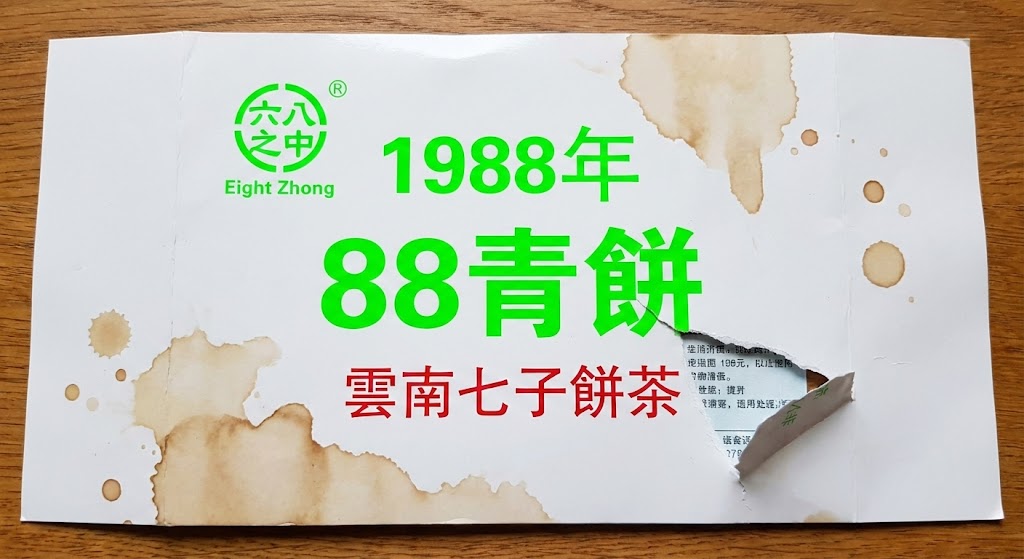
How a 1988 tea cake became the most faked vintage in history. Carbon dating, wrapper forensics, and the $50,000 counterfeiting industry.
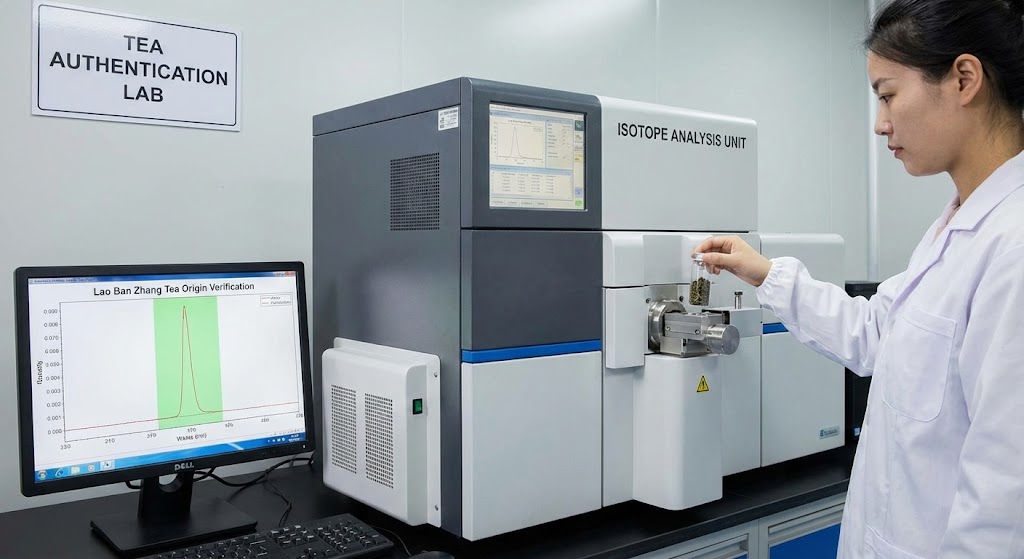
How neighboring villages sell tea for 300-1,000% markup using false LBZ labels. Strontium isotope ratios reveal geographic truth.
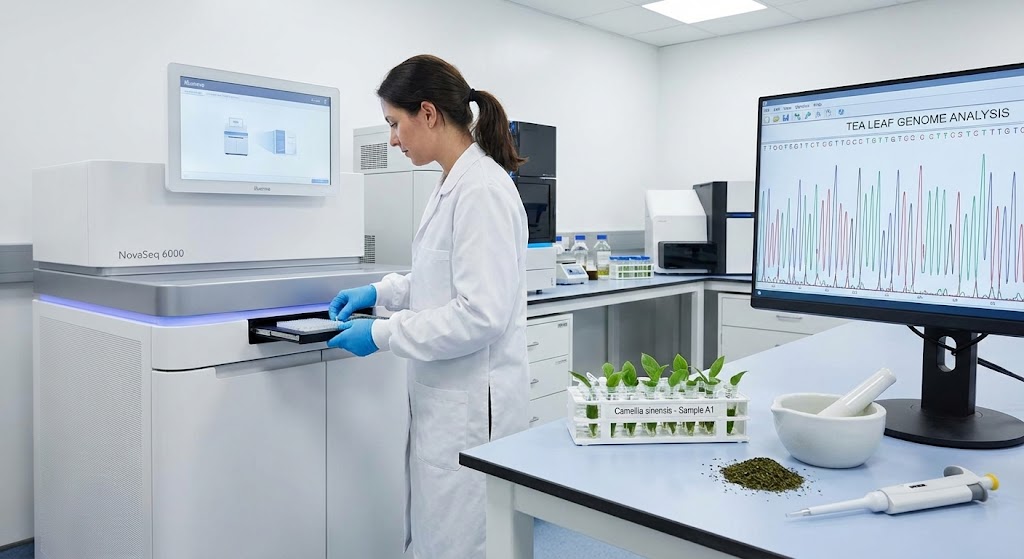
How DNA barcoding catches cultivar fraud. matK and rbcL gene sequencing expose mislabeled premium varieties sold at markup.
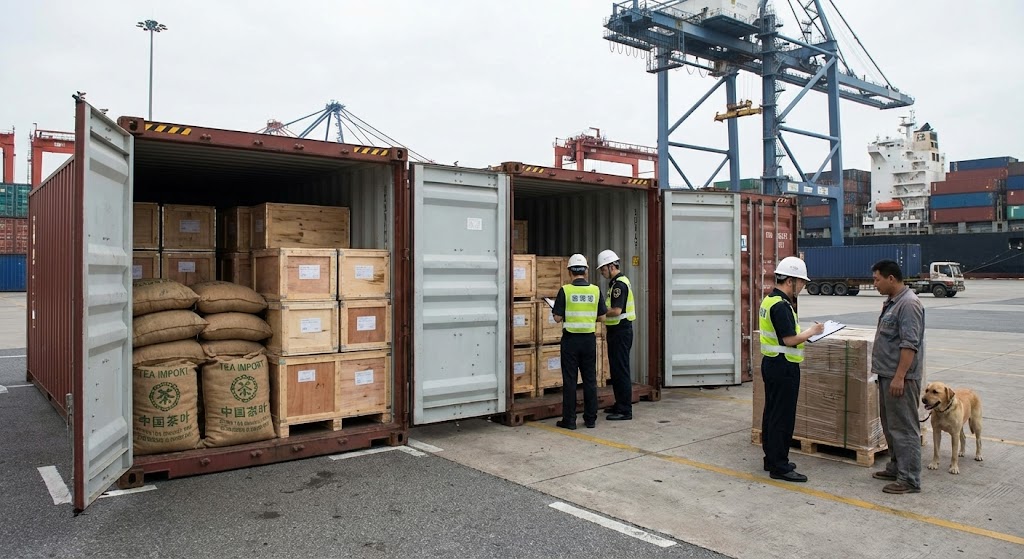
How mainland Chinese tea crosses to Taiwan and returns with false "Taiwan High Mountain" labels. Isotope analysis catches the fraud.
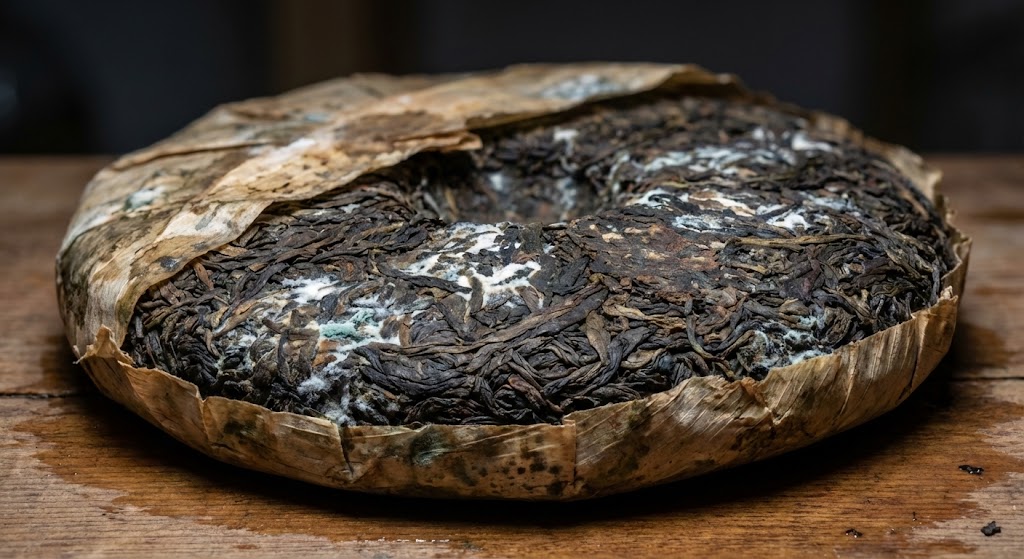
How 3-year puerh gets sold as 20-year vintage using forced humidity. UV light wrapper tests and carbon dating expose the scam.
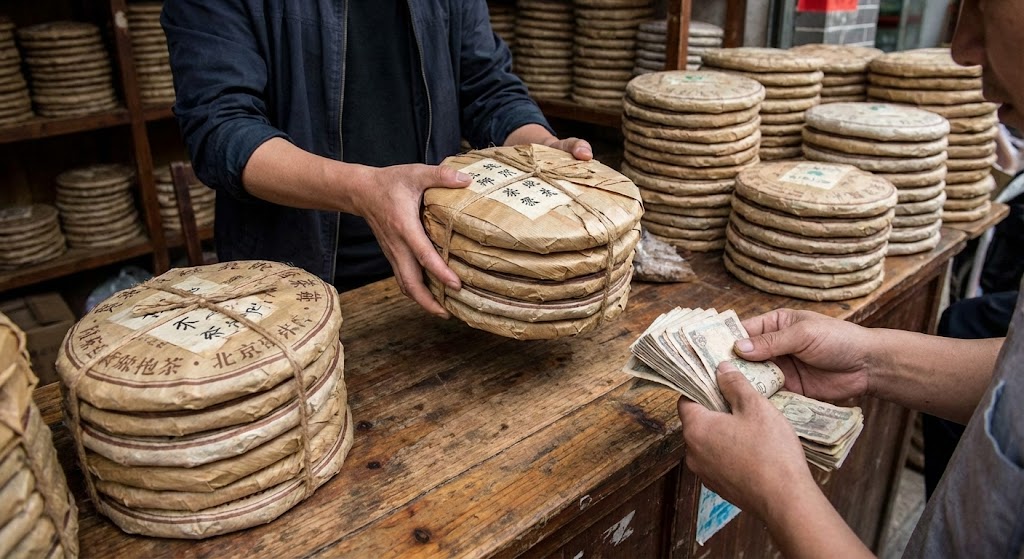
How vintage puerh became money laundering infrastructure. Subjective valuation, international markets, and clean cash flow systems.
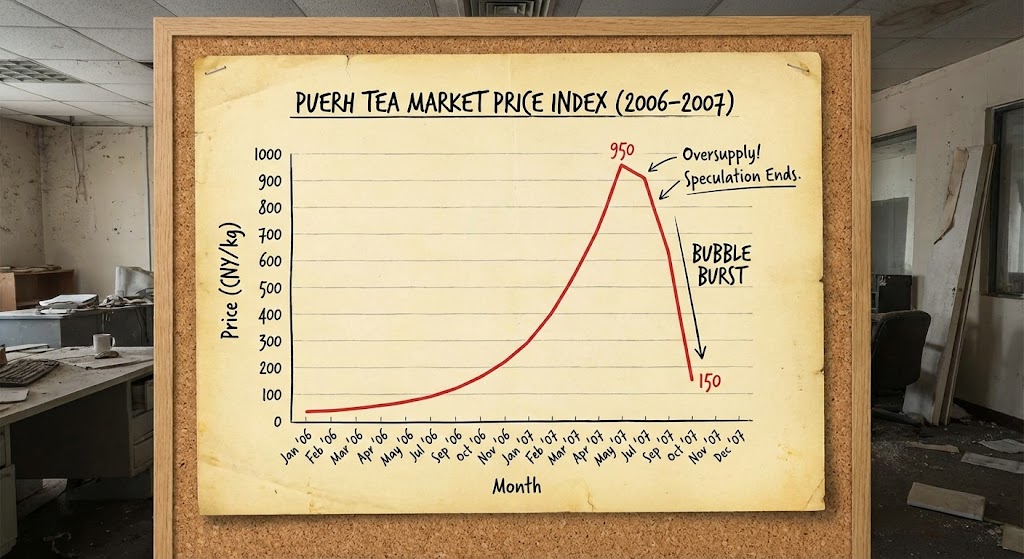
How speculation drove prices up 1,000% then collapsed 90% in 6 months. The parallels to Dutch Tulip Mania and modern crypto crashes.
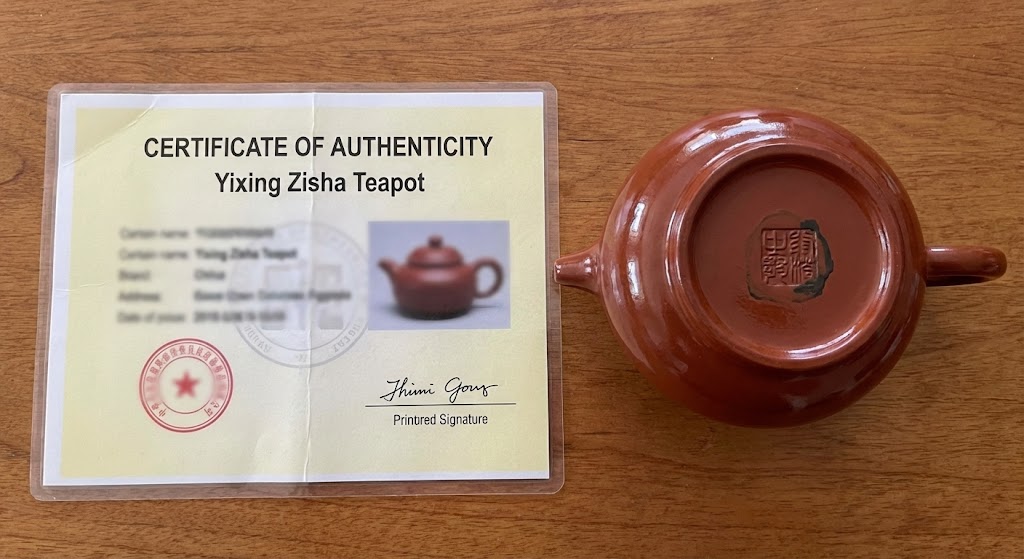
How certificate fraud enables $500 teapots to sell for $5,000. Subjective valuation makes paperwork more valuable than the pot.
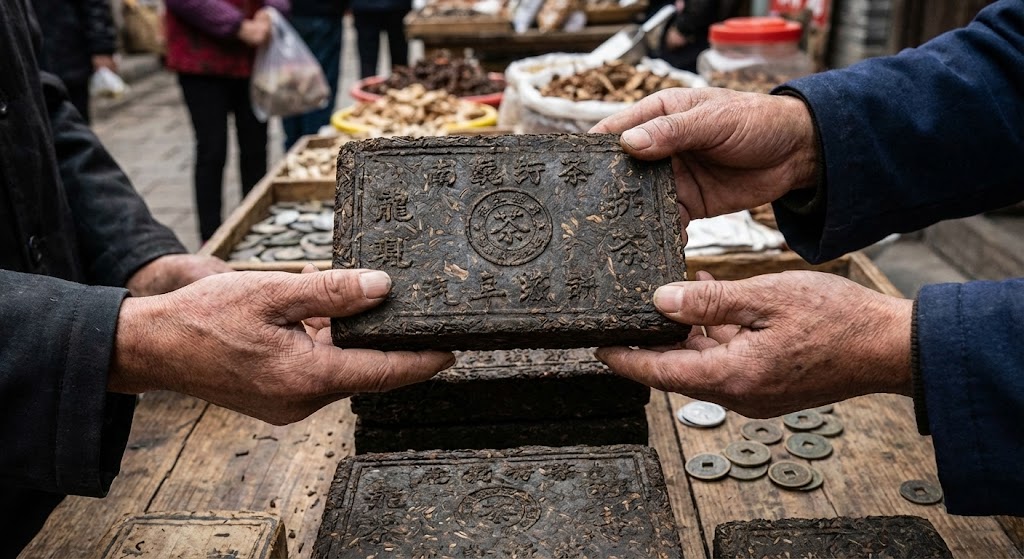
How compressed tea bricks functioned as money in Mongolia, Tibet, and Central Asia. The economics of a commodity currency system.
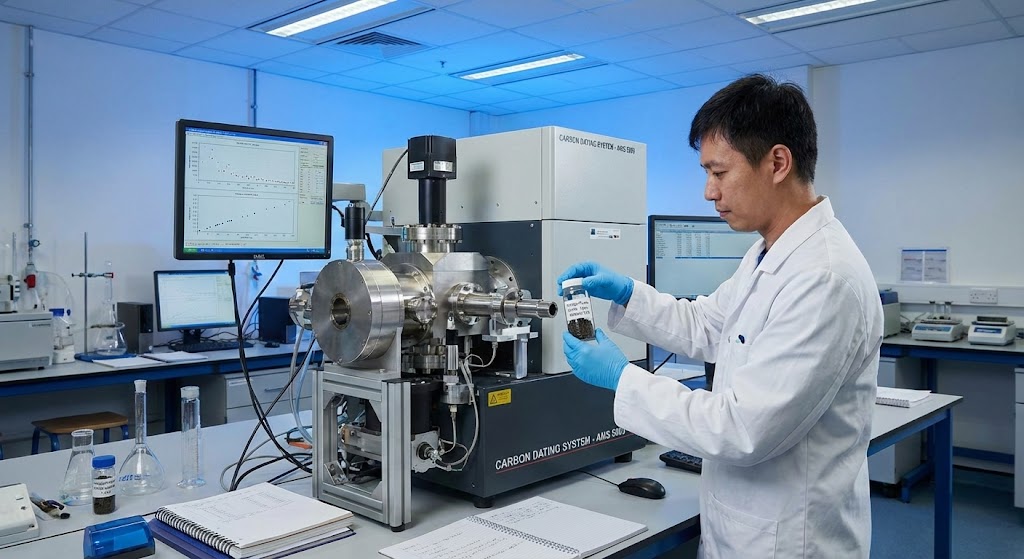
How C-14 testing catches fake vintage puerh. Post-1963 atomic testing created a radioactive fingerprint in all organic matter.
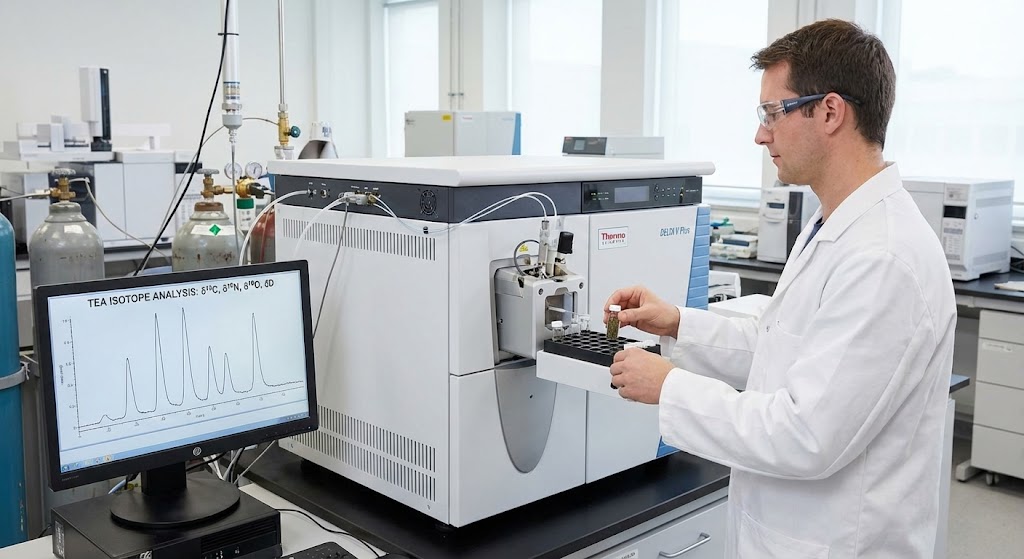
How Sr-87/Sr-86 ratios reveal true geographic origin. Bedrock geology creates unique isotope signatures that fake labels can't hide.
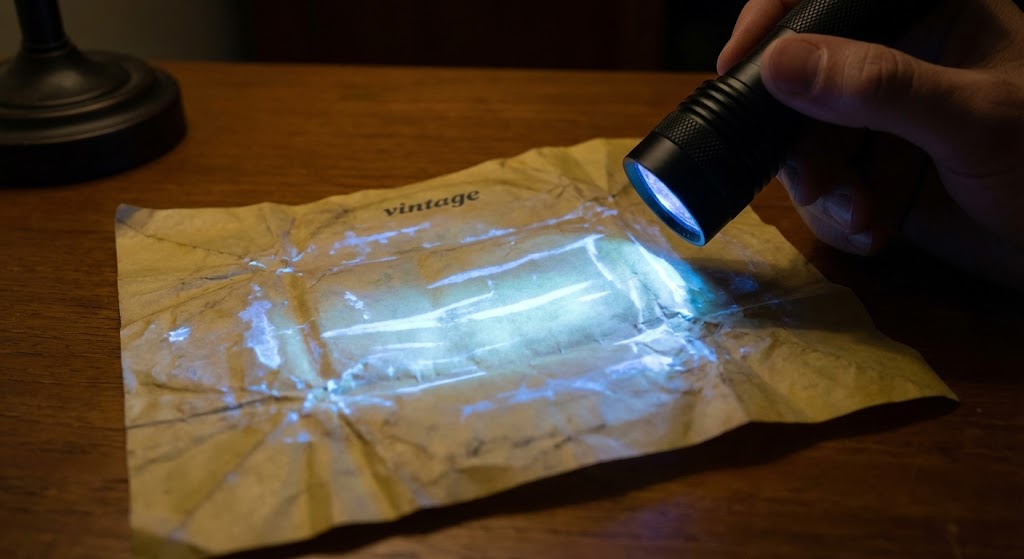
Modern paper glows bright blue under UV light due to optical brighteners. Vintage paper shows dull yellow. The 10-second fraud test.
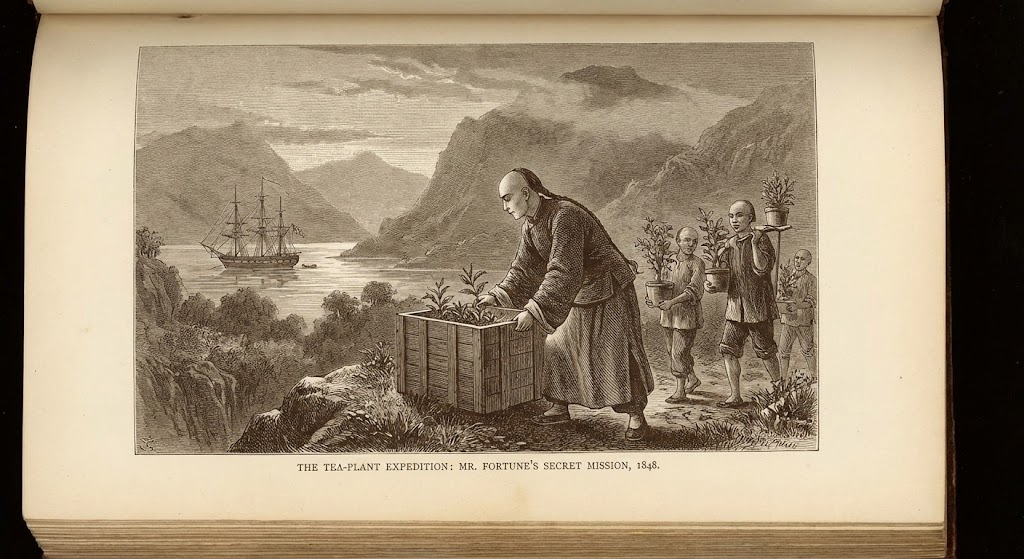
How a Scottish botanist disguised as Chinese merchant stole tea seeds and production secrets to break China's monopoly. The greatest botanical heist.
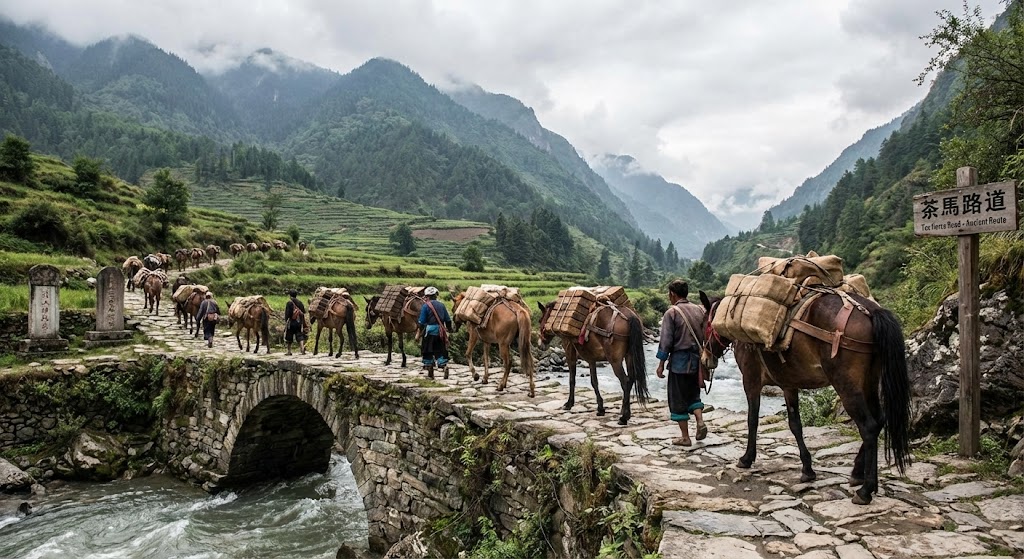
How the Tea Horse Road connected China to Tibet through treacherous mountain trade. Tea-for-horses exchange and smuggling economics.
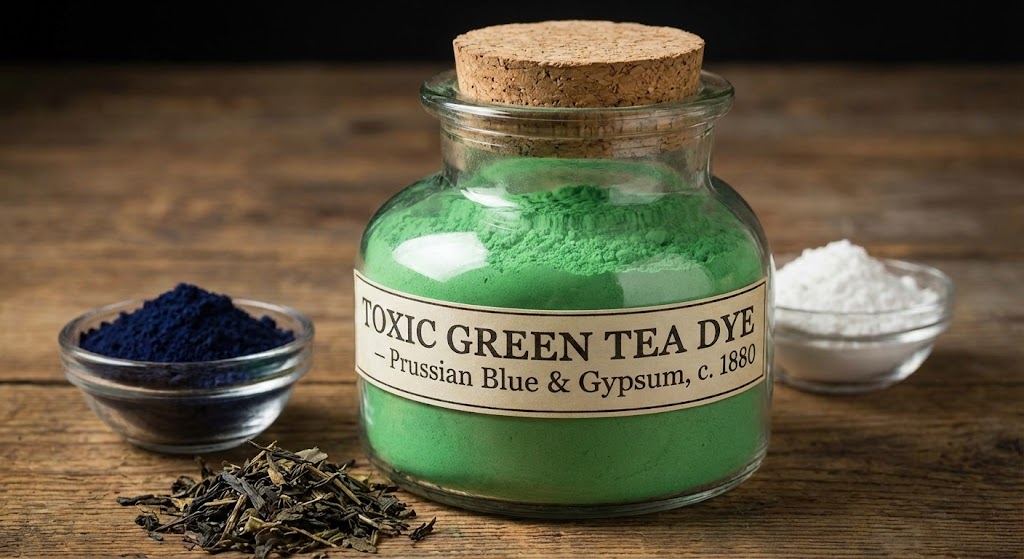
How 19th-century British merchants dyed tea with toxic Prussian blue and lead chromate. The white cloth test still catches modern dye fraud.
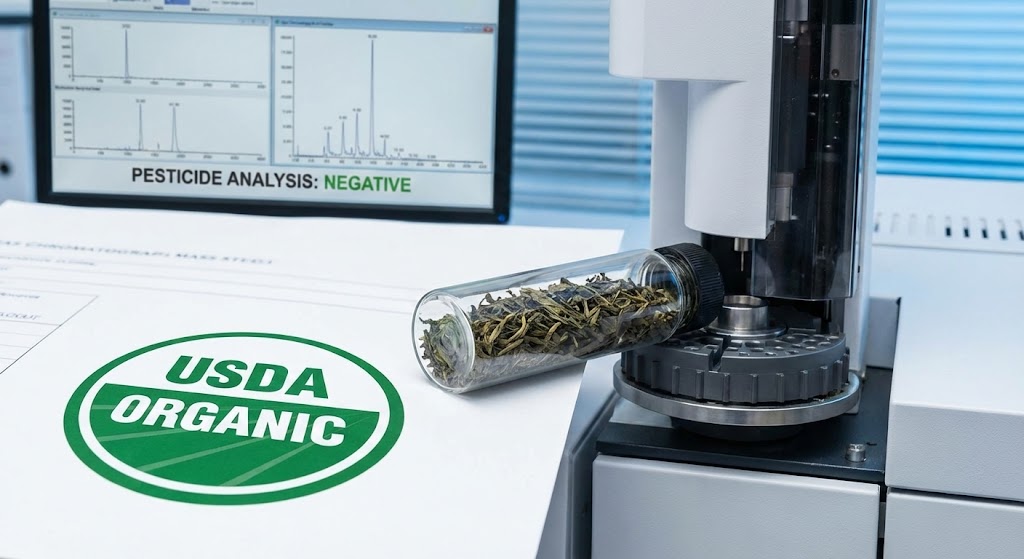
Why 'pesticide-free' and 'certified organic' are legally different. Chain of custody, MRL limits, drift contamination, and why uncertified wild tea might be cleaner than organic estates.
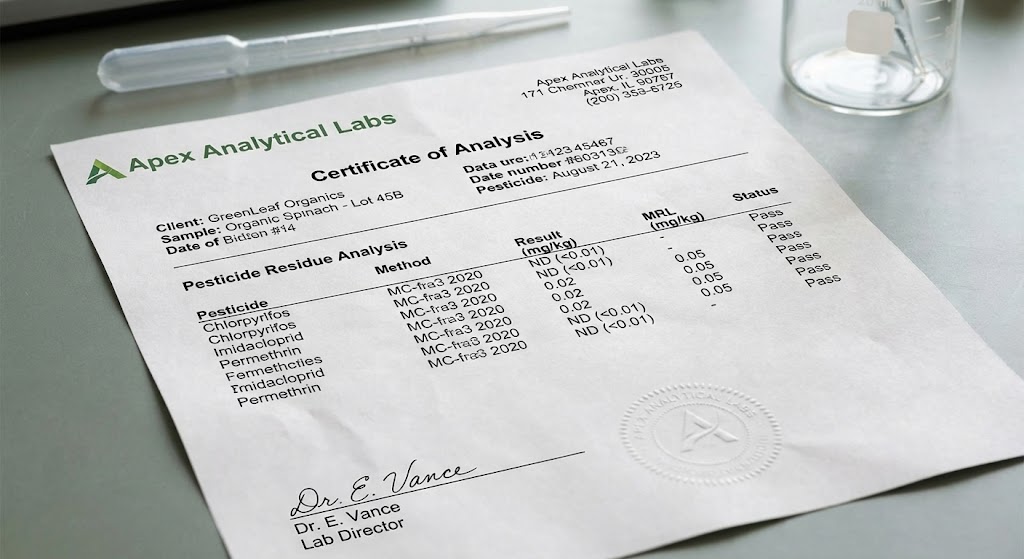
ISO 17025 accreditation, LOD vs LOQ, LC-MS/MS vs GC-MS methods, batch verification, and the 8 red flags that expose fake COAs.
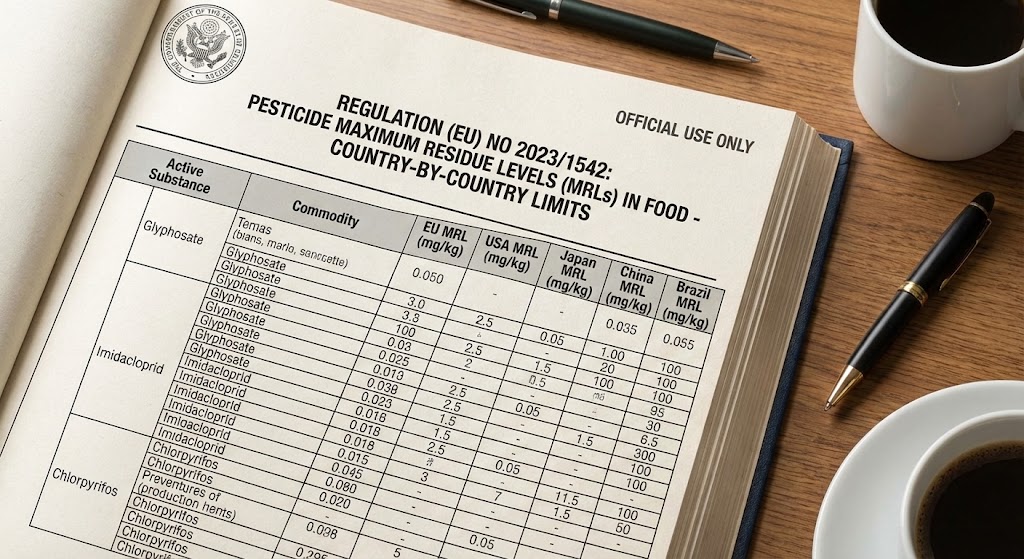
How Maximum Residue Limits are calculated from rat studies, why EU limits are 10-100x stricter than US limits, and the fatal flaw in single-chemical testing.
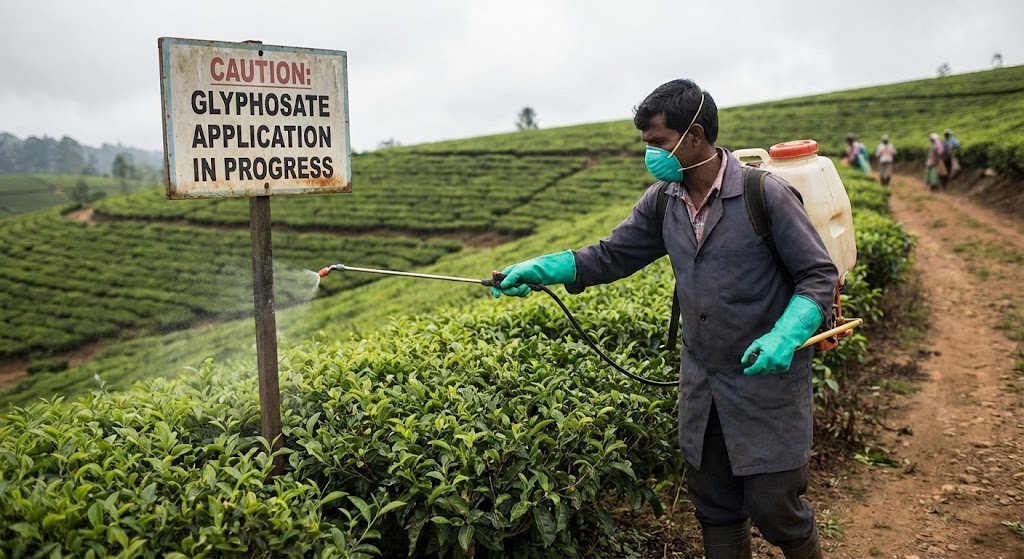
Why tea producers spray glyphosate directly on bushes 7 days before harvest. Systemic absorption, 31% contamination rate, and regulatory arbitrage.
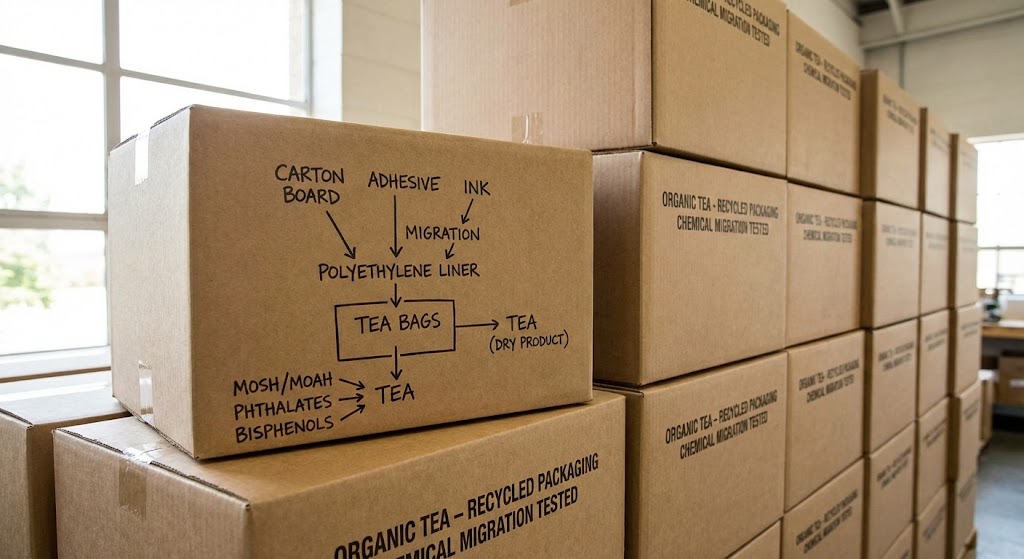
How anthraquinone migrates from recycled cardboard into tea during storage. 15-40% violation rate and $80k-150k losses per rejected container.
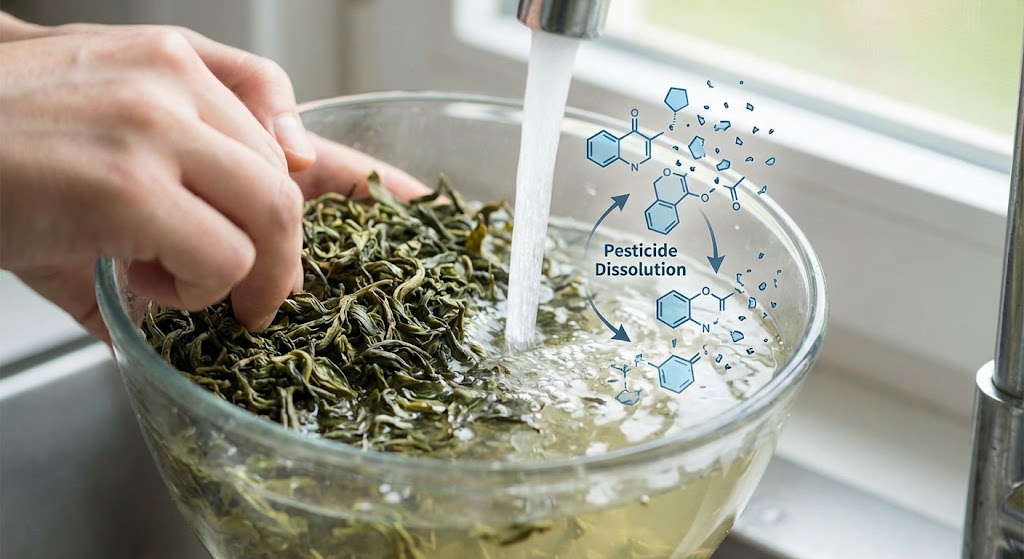
Why rinsing tea removes only 3-15% of pesticide residues. Systemic pesticides are inside leaf cells, not on surfaces. Security theater vs. real solutions.
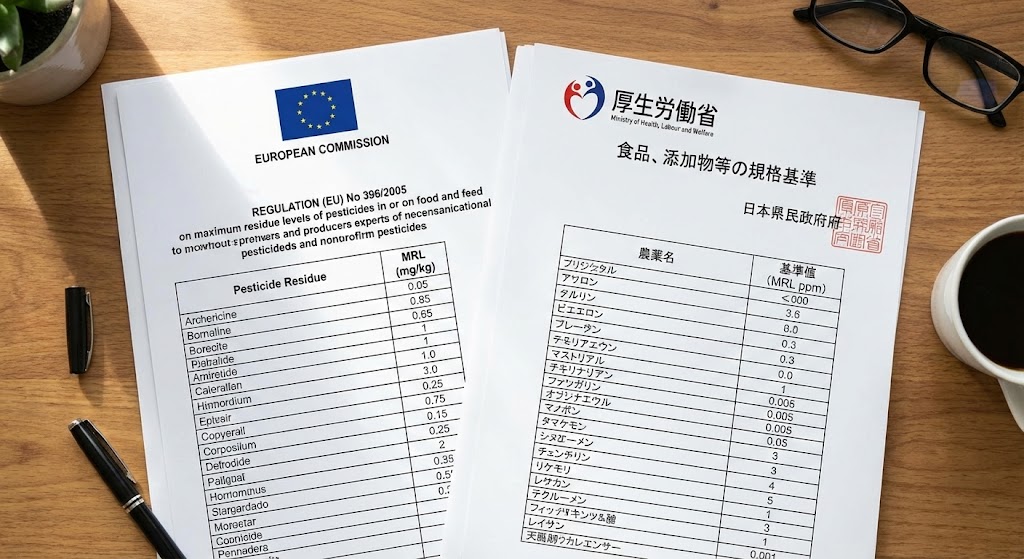
Three regulatory philosophies (precautionary, positive list, risk-benefit), 10-50x MRL variation, and why tea legal in LA gets rejected in Yokohama.
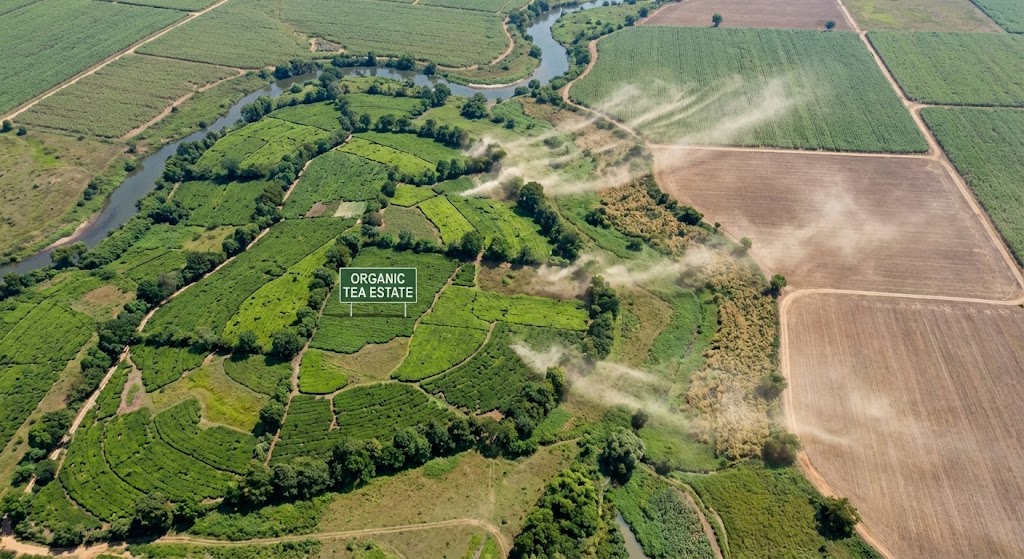
Why 38% of certified organic Darjeeling tests positive for prohibited pesticides. Thermal updrafts carry contamination 3-15km from conventional farms.
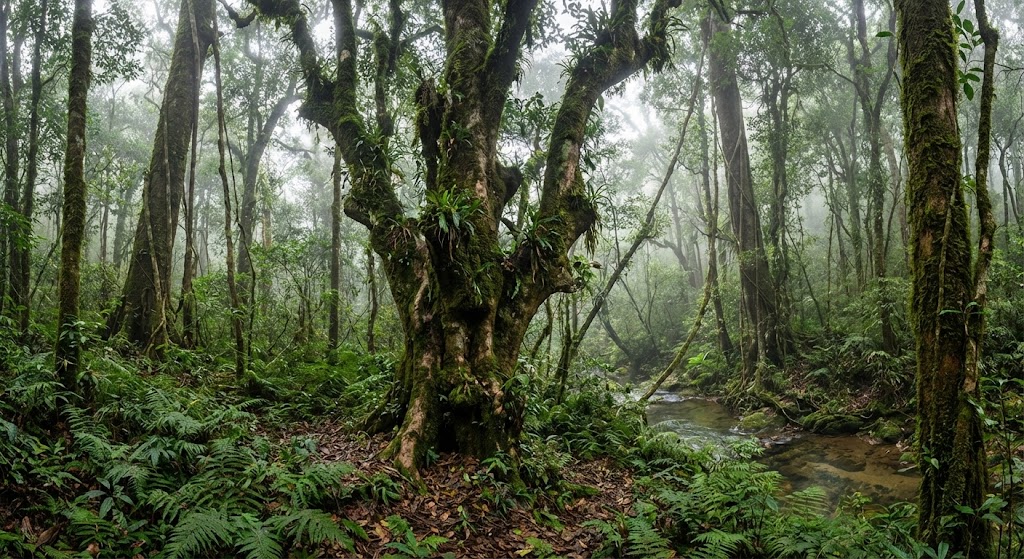
Wild harvest tea tests cleaner than organic but lacks certification. 300-800 year old trees, geographic isolation, and the certification paradox.
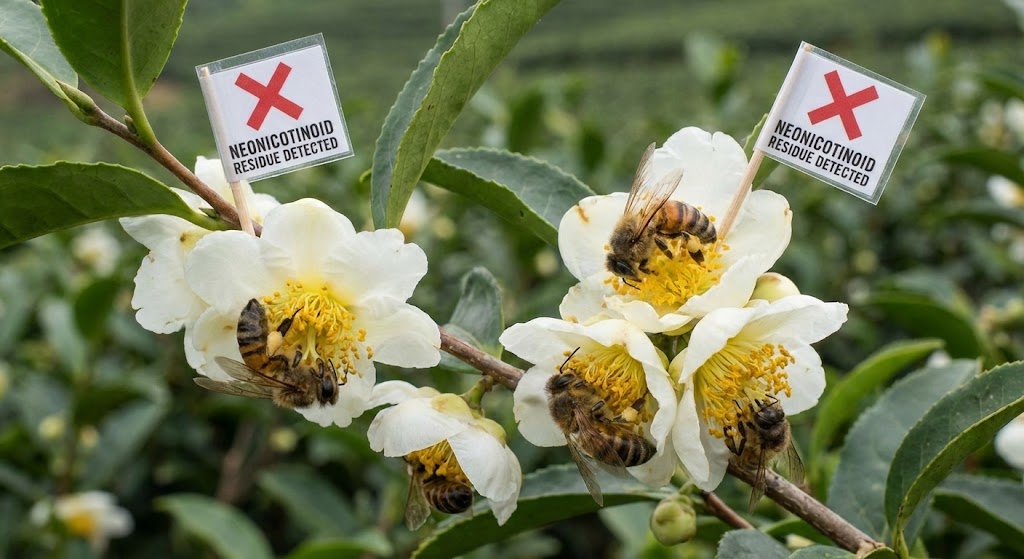
How systemic neonicotinoids in tea plantations cause 23% lower bee survival. 40-60% wild bee decline in tea-growing biodiversity hotspots.
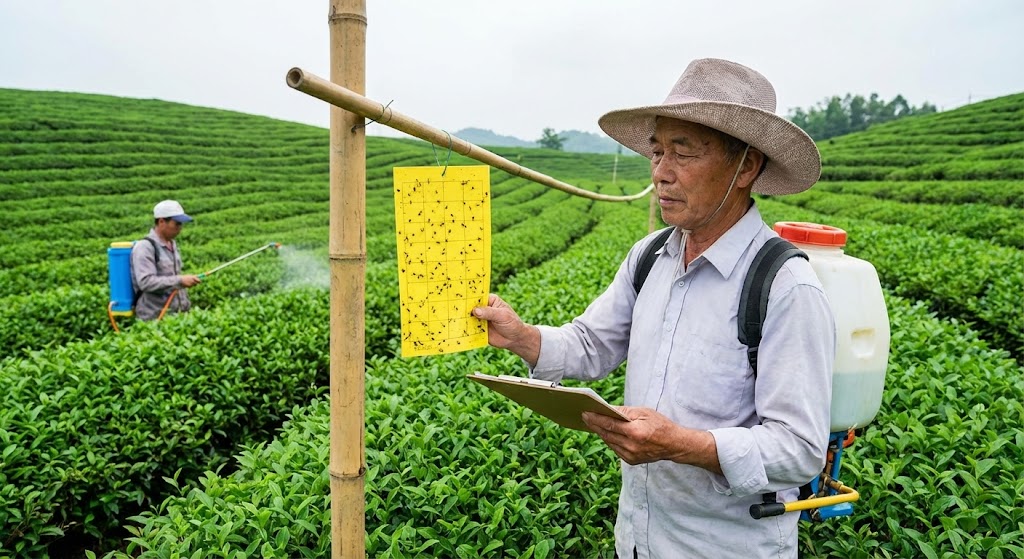
How IPM reduces pesticide use by 70-85% through biological controls, pheromone disruption, and threshold monitoring. Taiwan case study proving profitability.
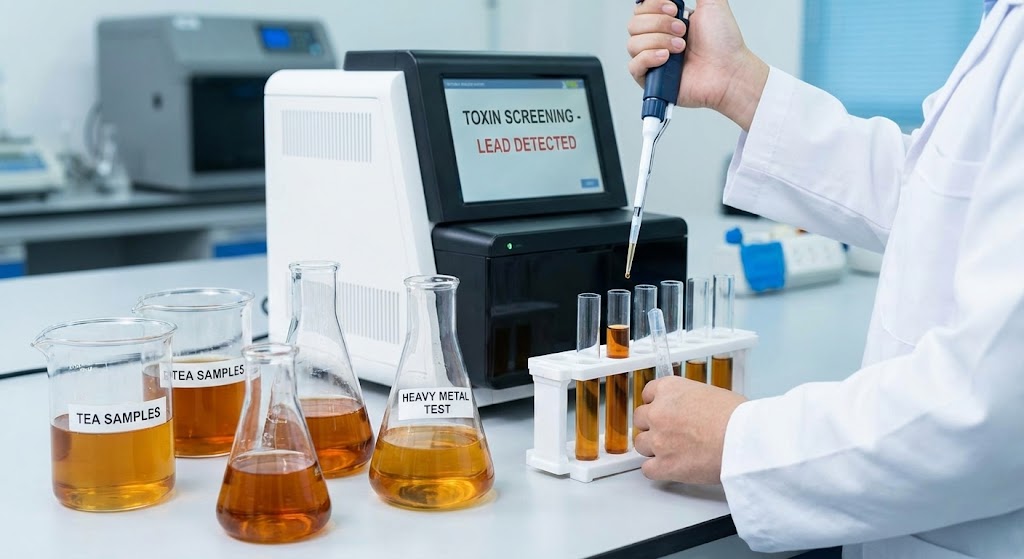
Comprehensive guide to tea safety: chelation chemistry, drug interactions, heavy metal contamination, fluoride toxicity, and botanical toxins. Evidence-based risk assessment.
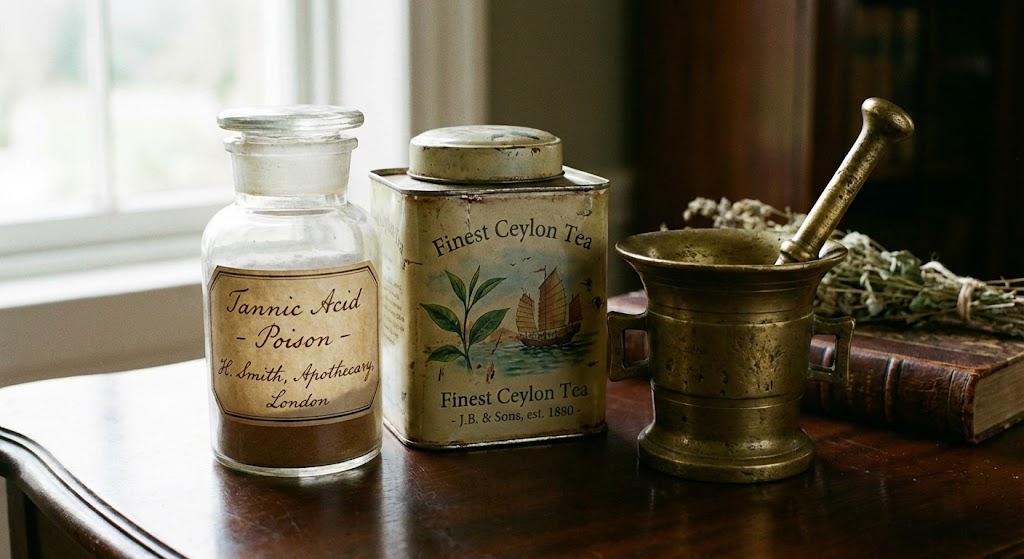
How Victorian doctors prescribed strong tea for arsenic, strychnine, and opium poisoning. The chemistry of why it worked for some poisons but failed for others.
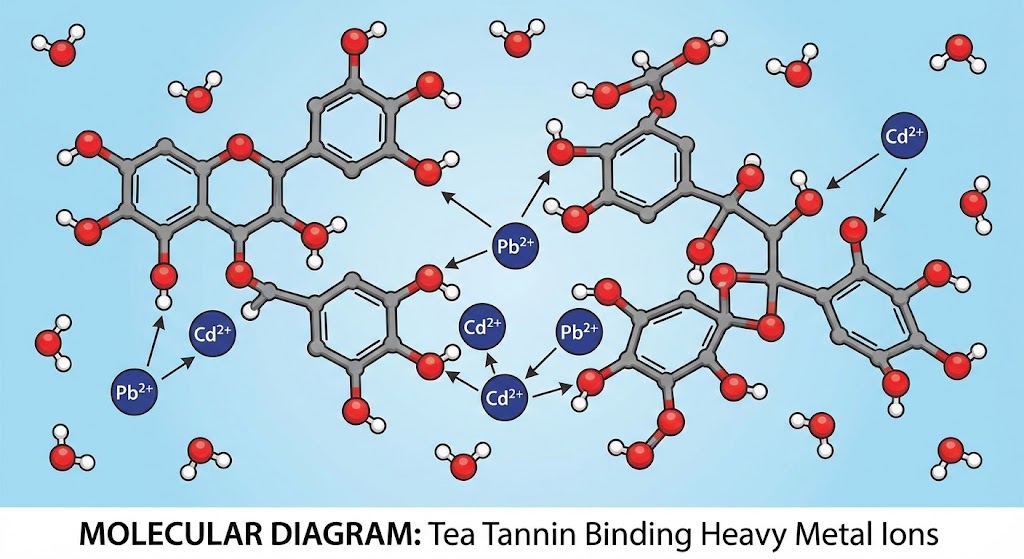
How tea tannins bind iron, lead, and mercury through chelation chemistry. Formation constants, anemia risks, and heavy metal detoxification protocols.
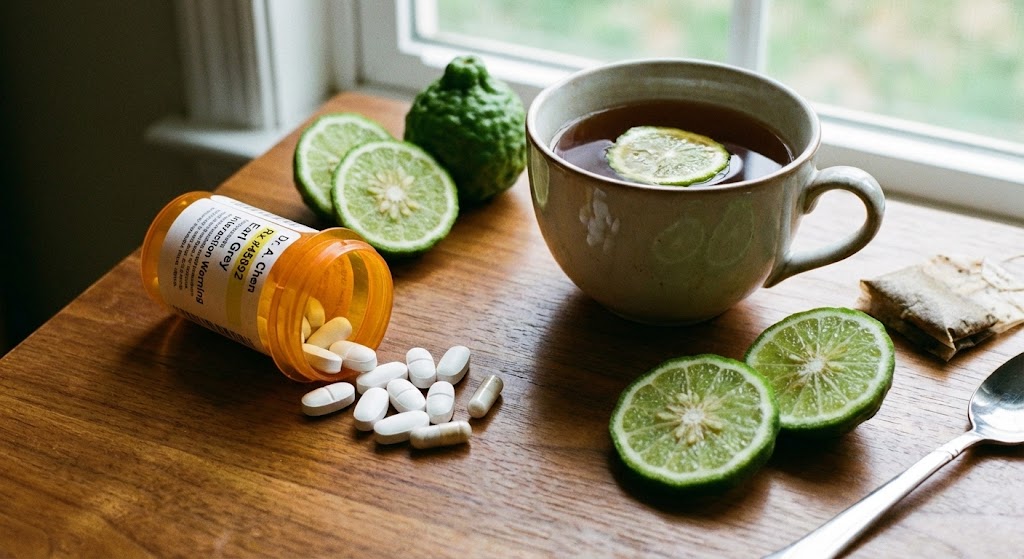
Why Earl Grey is worse than grapefruit for drug interactions. Bergamottin irreversibly inhibits CYP3A4, causing statin overdose and medication toxicity.
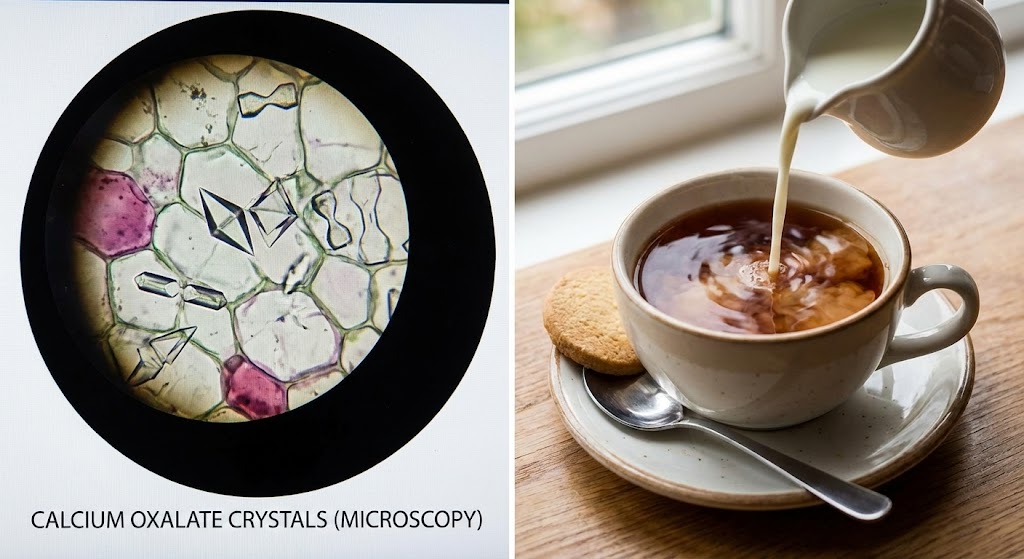
How tea oxalates form calcium oxalate kidney stones. Crystal chemistry, who's at risk, why adding milk prevents stone formation, and prevention protocols.
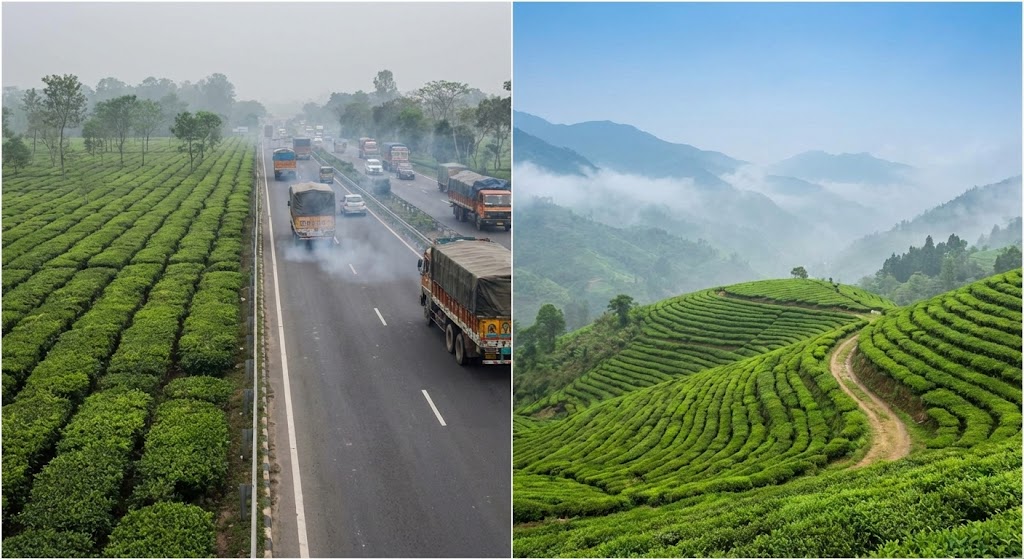
Which teas have dangerous heavy metal levels. Soil contamination, brewing transfer rates, and regulatory limits for lead, cadmium, and arsenic.
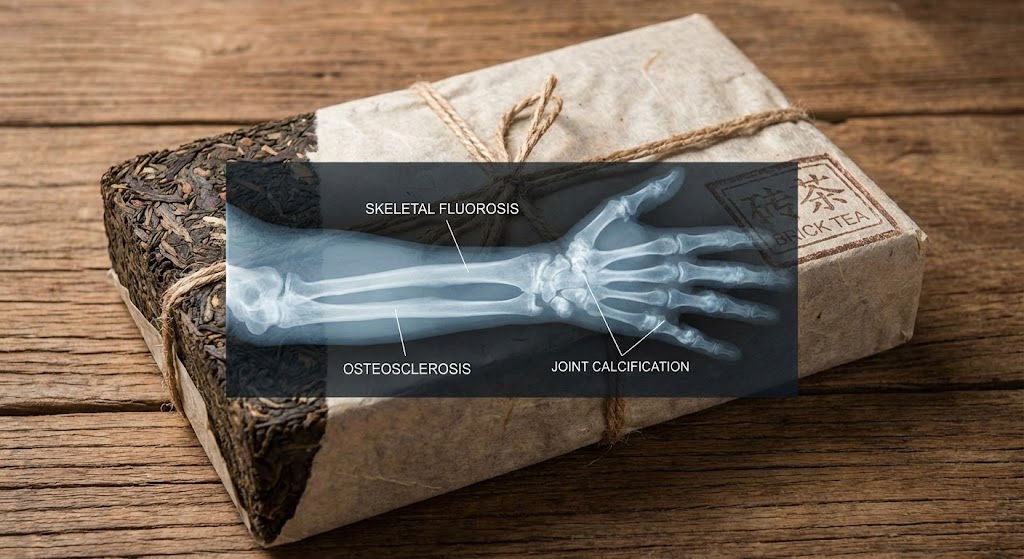
Why brick tea drinkers develop skeletal fluorosis. Mature leaves accumulate 10-20x more fluoride, causing bone deformities at high consumption.
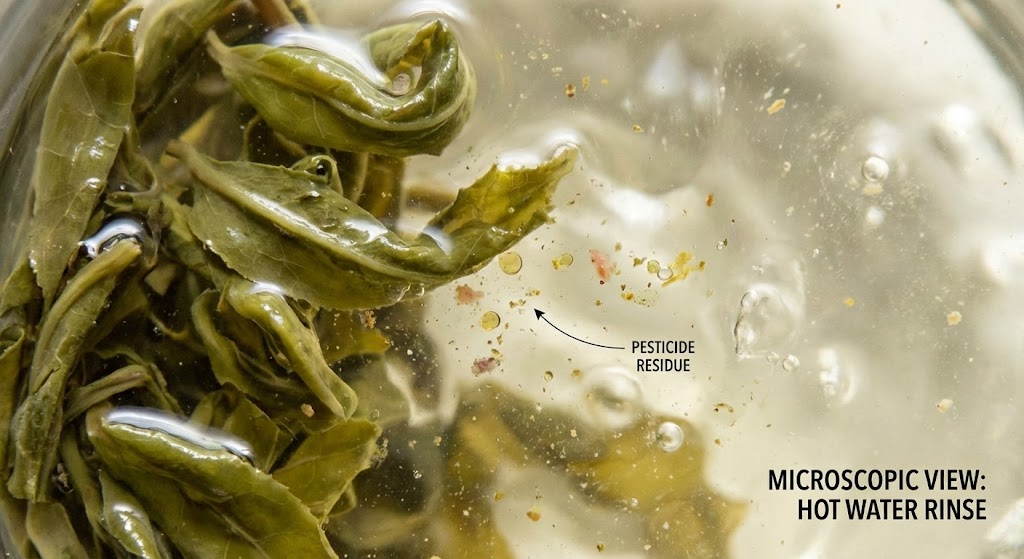
How pesticide residues transfer from leaf to cup. Solubility chemistry, regulatory limits, and whether organic certification matters for safety.
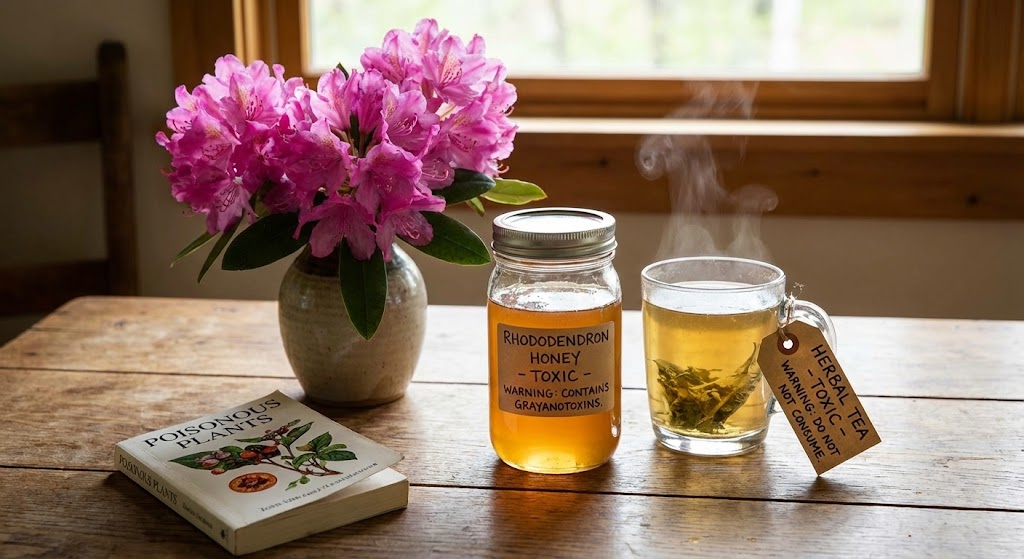
How rhododendron-contaminated tea causes cardiac arrhythmias. Grayanotoxin blocks sodium channels, causing bradycardia and hypotension.
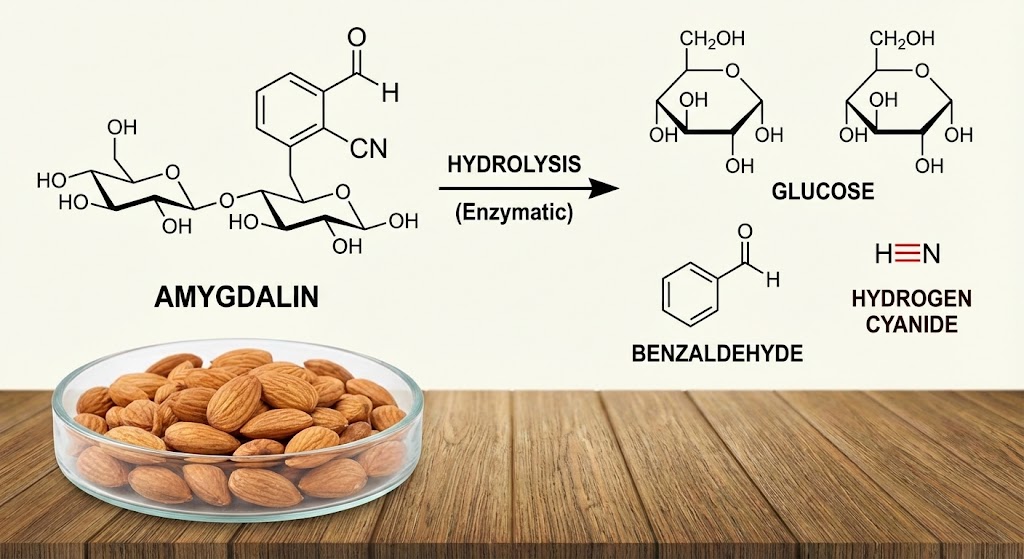
Why apricot kernel tea can cause cyanide poisoning. Amygdalin breakdown releases hydrogen cyanide through β-glucosidase enzyme action.
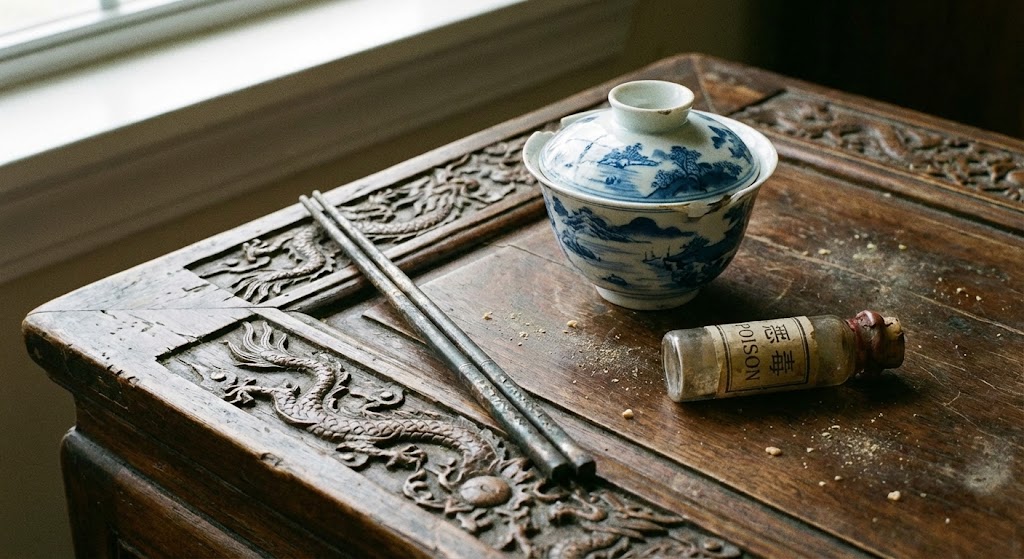
Why Chinese emperors' silver needle poison test failed spectacularly. Arsenic trioxide doesn't react with silver metal despite royal confidence.
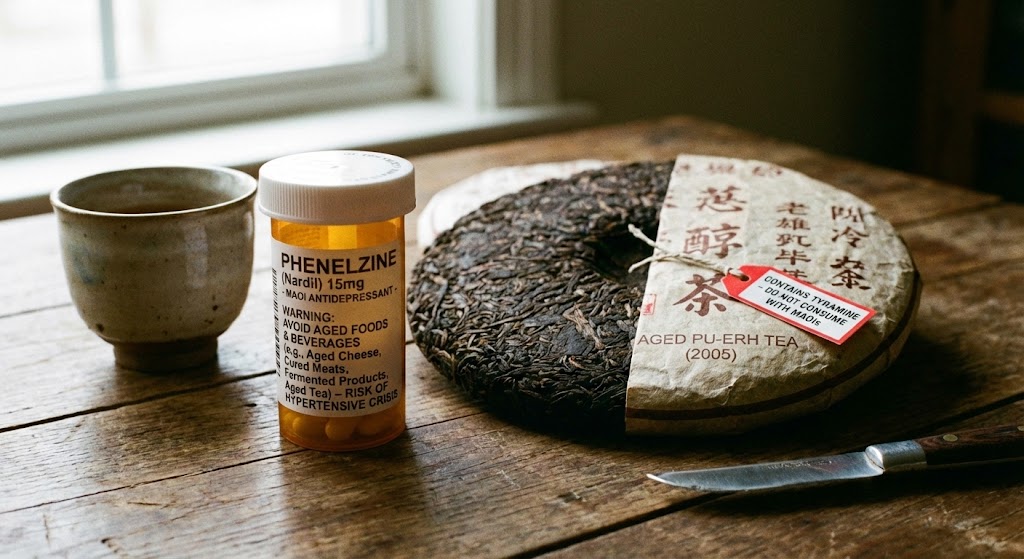
Why fermented teas are dangerous with MAOI antidepressants. Tyramine accumulation causes hypertensive crisis requiring emergency treatment.

How GABA oolong tea lowers core body temperature and enhances REM sleep. GABA increases delta waves, improves sleep quality architecture, and accelerates sleep onset.

Green tea epicatechins activate eNOS → Nitric Oxide → vasodilation. Sustained blood flow improvement exceeds Citrulline Malate, Beetroot Extract, even Viagra. Pre-workout dosing for 45+ min enhancement.

EGCG activates AMPK → mTOR inhibition → autophagy (cellular cleanup). Fasting + green tea synergize for accelerated cell renewal, longevity benefits, and metabolic optimization without calorie restriction.

L-Theanine reduces cortisol by 16-20% within 30-60 minutes through GABA receptor modulation. Comparison vs. Ashwagandha (slower, 8-12 weeks), Holy Basil (moderate, 4-6 weeks). Real-time stress buffer explained.

Zone 2 cardio (60-70% max HR) trains fat oxidation. EGCG + caffeine amplify mitochondrial fat oxidation rate by 16-20%, increase aerobic capacity, improve endurance performance without intensity.

Matcha sustains 70-80% cognitive performance for 6+ hours. Coffee peaks at 90-100% in hour 1, crashes to 40-50% by hour 4. L-Theanine smooths caffeine curve vs. caffeine alone.

Cold brew (8-12 hours, 4°C) extracts 30-40% less EGCG but preserves delicate flavor compounds and reduces bitterness. Hot brew (3-5 min, 70-80°C) maximizes catechins but risks astringency. Optimization strategies compared.
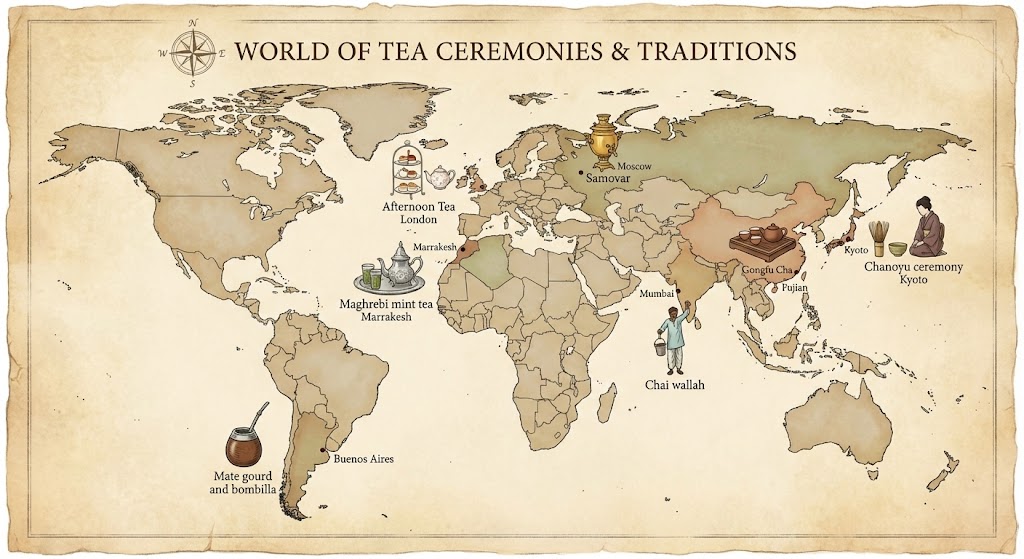
From Tibetan butter tea to Southern sweet tea, explore 35 tea rituals across 6 continents. Cultural anthropology, chemistry, and architecture of tea ceremonies.
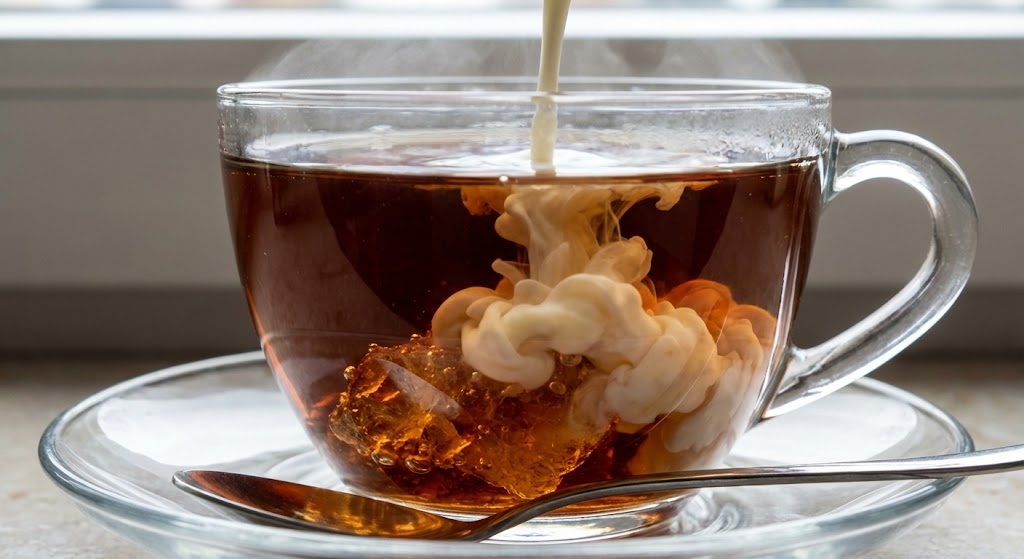
Why East Frisians drink more tea per capita than China. The physics of Kluntje rock sugar crackle, cream cloud formation, and the mandatory 3-cup social rule.
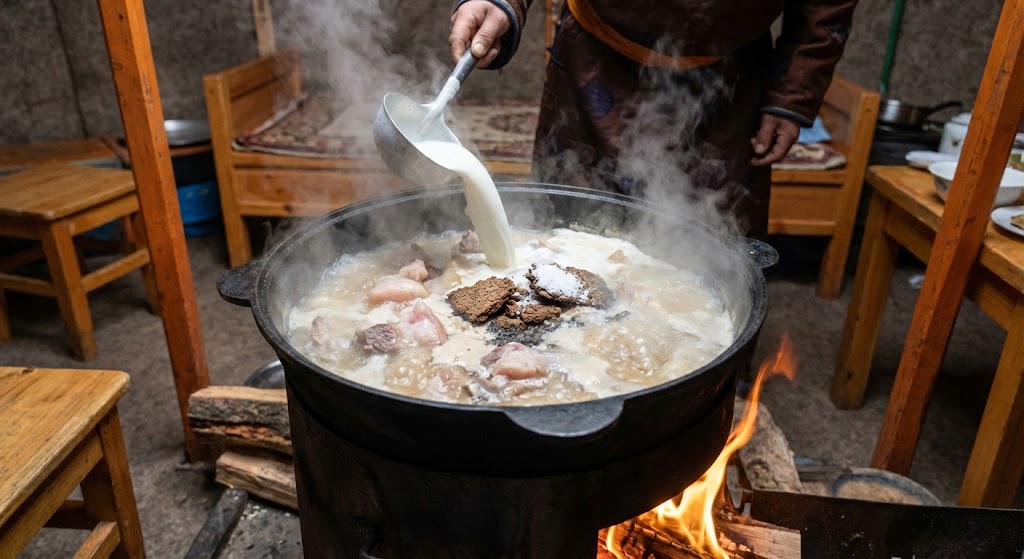
Why Mongolian nomads fry tea with mutton fat, milk, and millet. The chemistry of salt + tannins, and why this 'tea' is classified as meal.
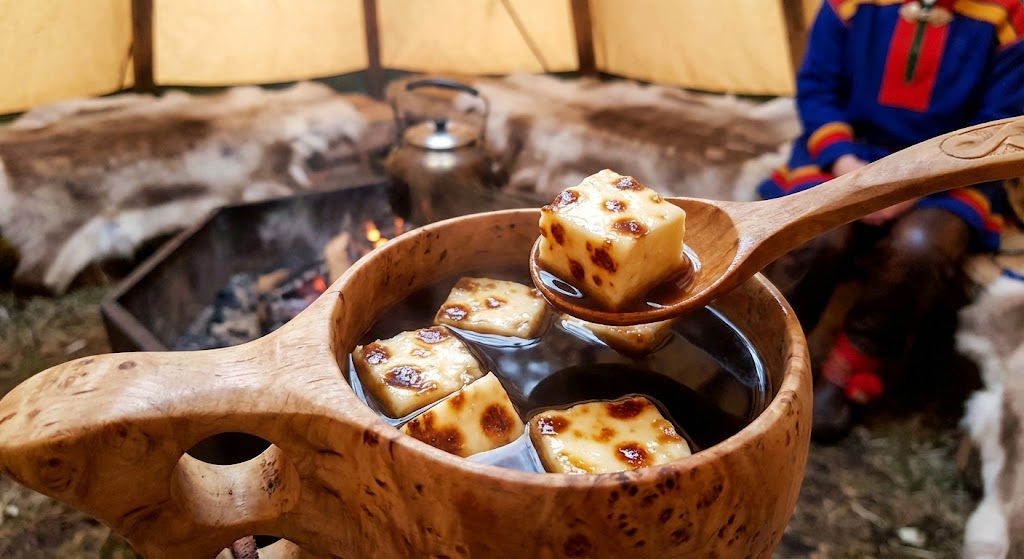
Why Sami reindeer herders dip Leipäjuusto (bread cheese) into hot tea. The Maillard reaction that makes cheese 'squeak' and the lipid extraction chemistry.
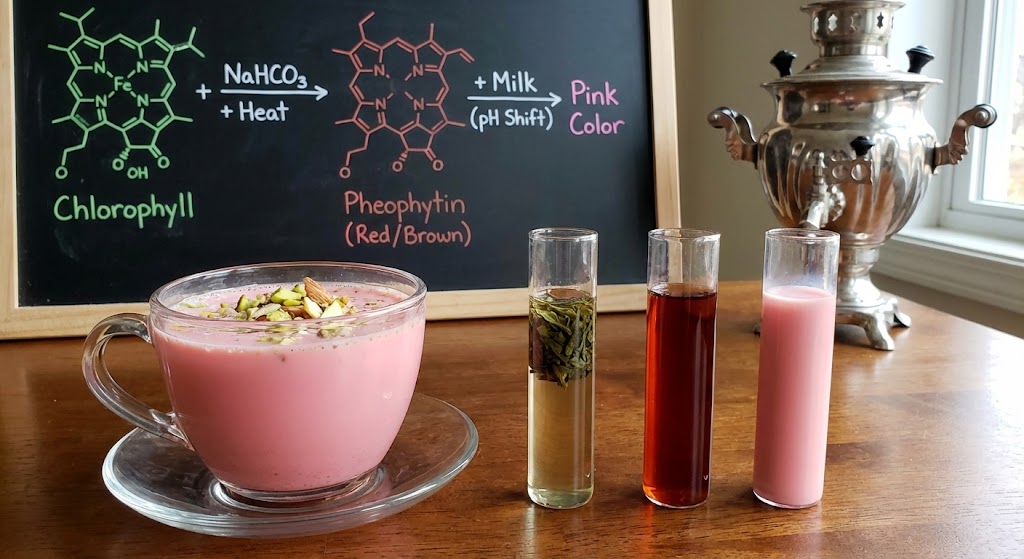
Why is Noon Chai pink? The chemistry of baking soda + green tea + aeration. Chlorophyll oxidation, color-changing reactions, and salt + butter emulsion.
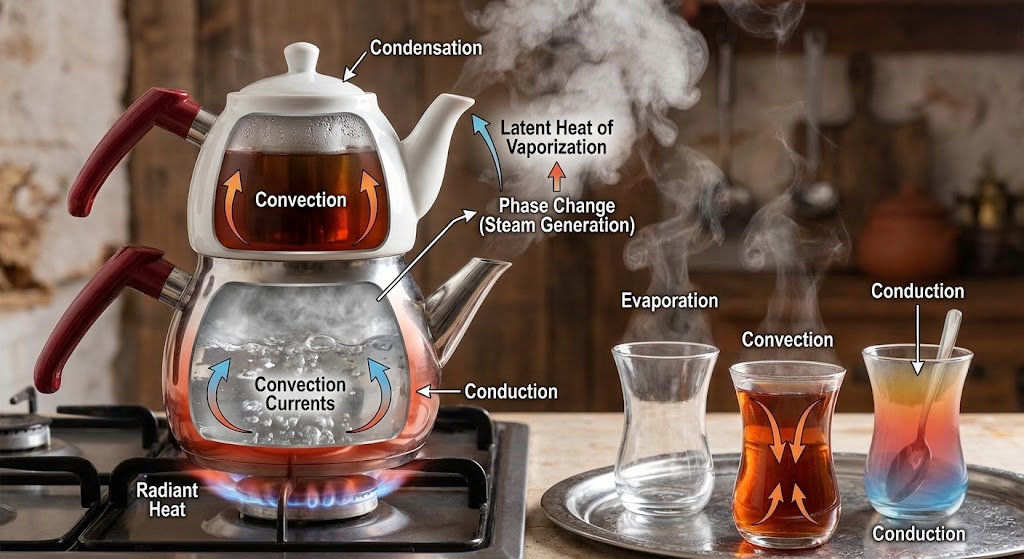
Why Turkish tea is brewed in double-stacked kettles (Çaydanlık). The thermodynamics of steam-heated tea concentrate and tulip glass heat retention.
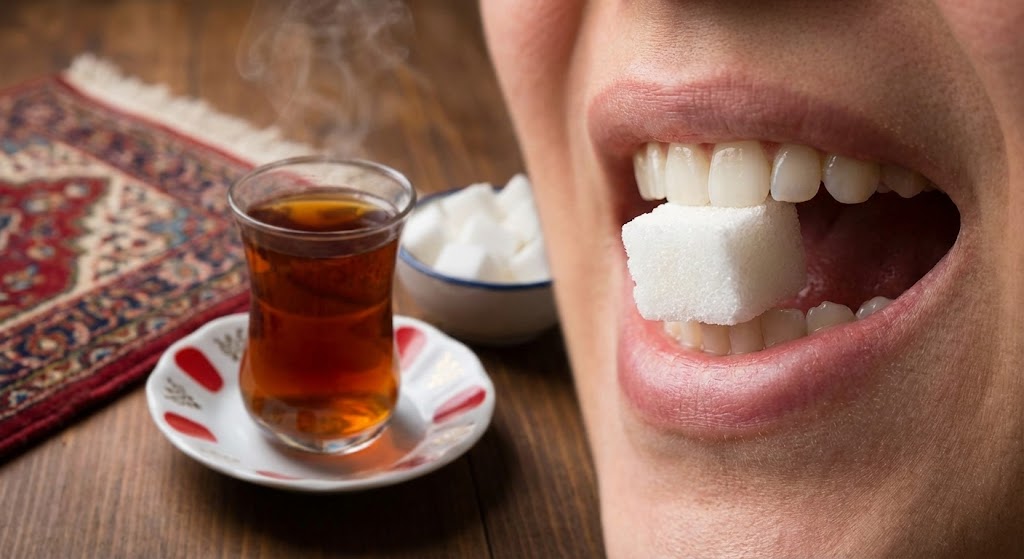
Why Iranians hold sugar cubes (Ghand) in their mouths while sipping tea. The dissolution physics, class signaling, and crystallization science.
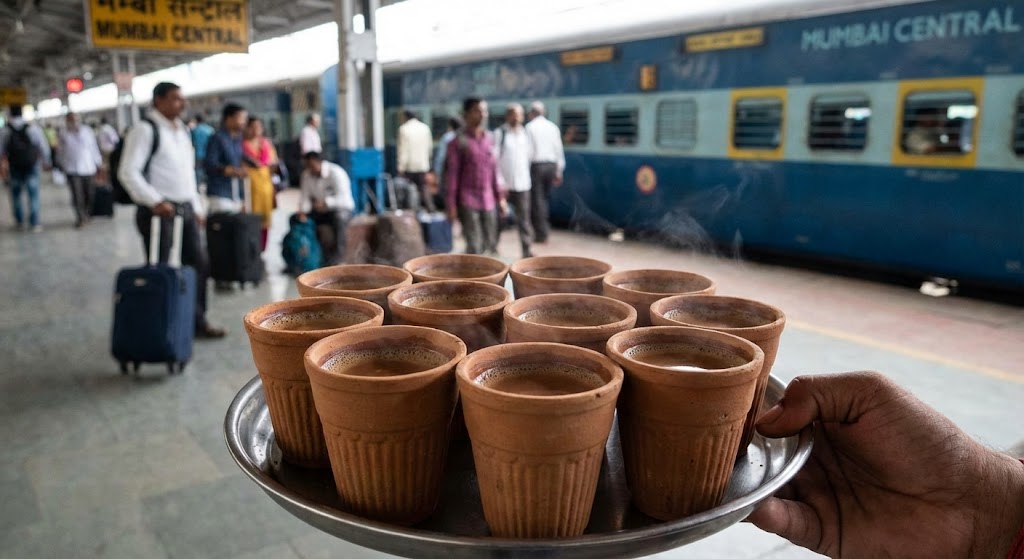
Why Indian chai is served in unglazed clay cups (Kulhar) then smashed. The petrichor flavor, biodegradability, and railway station chai culture.
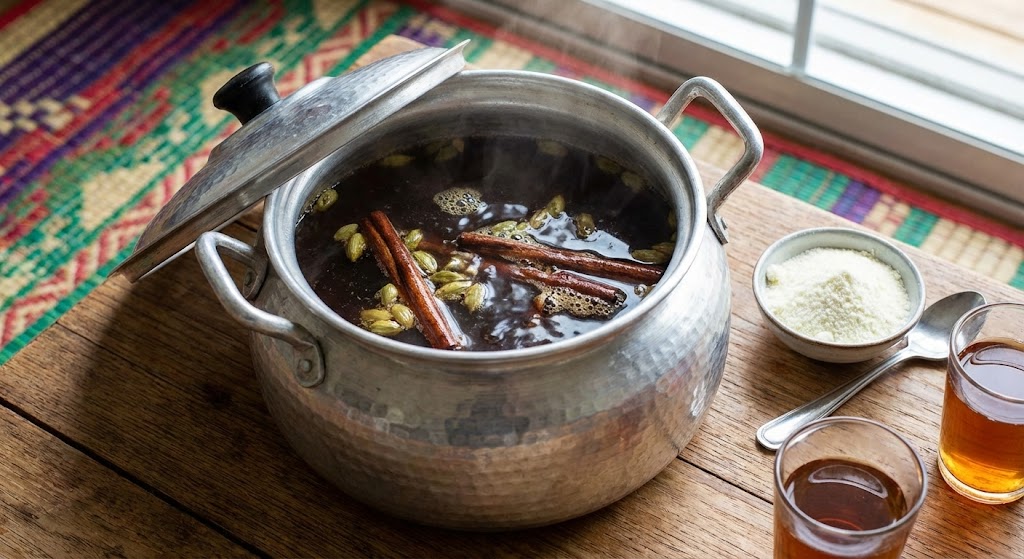
Why Somali tea uses powdered milk and extreme spice ratios. The Indian Ocean trade route influence, cardamom chemistry, and condensed milk substitution.
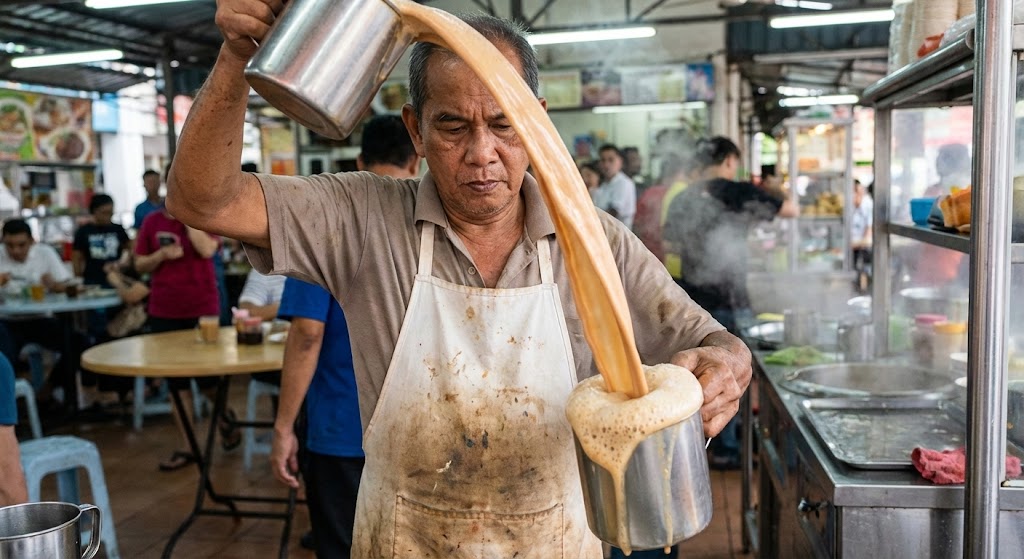
Why Malaysian Teh Tarik is 'pulled' from 1 meter high. The fluid dynamics of laminar flow, lipid oxidation, and condensed milk emulsion stability.
Why Chinese farmers drink tea with leaves floating in the glass. The osmotic equilibrium of continuous infusion, teeth as filter, and anti-pretension philosophy.
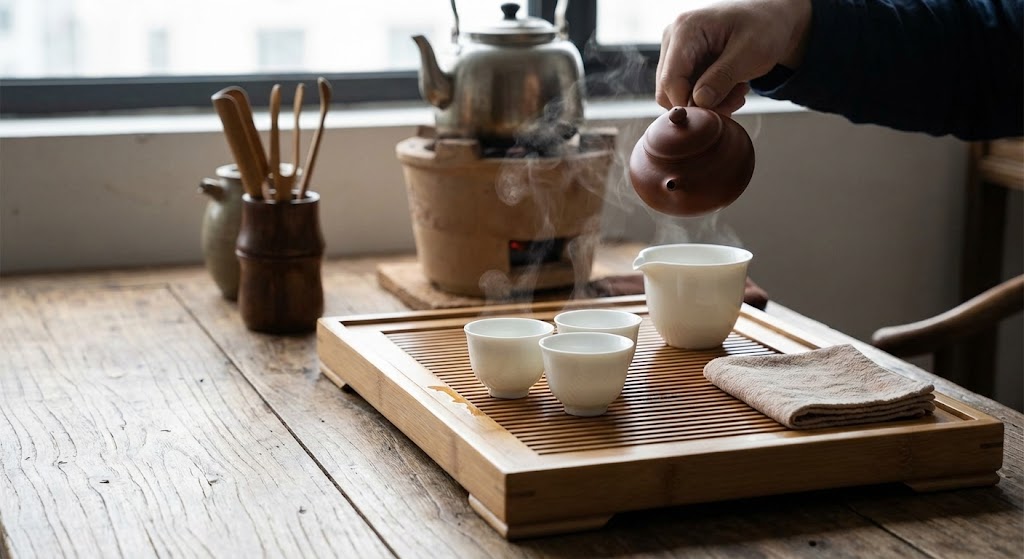
How Chaozhou Gongfu differs from standard Gongfu. The 3-cup triangle (品 character), Starving Horse pour speed, and Phoenix oolong terroir.
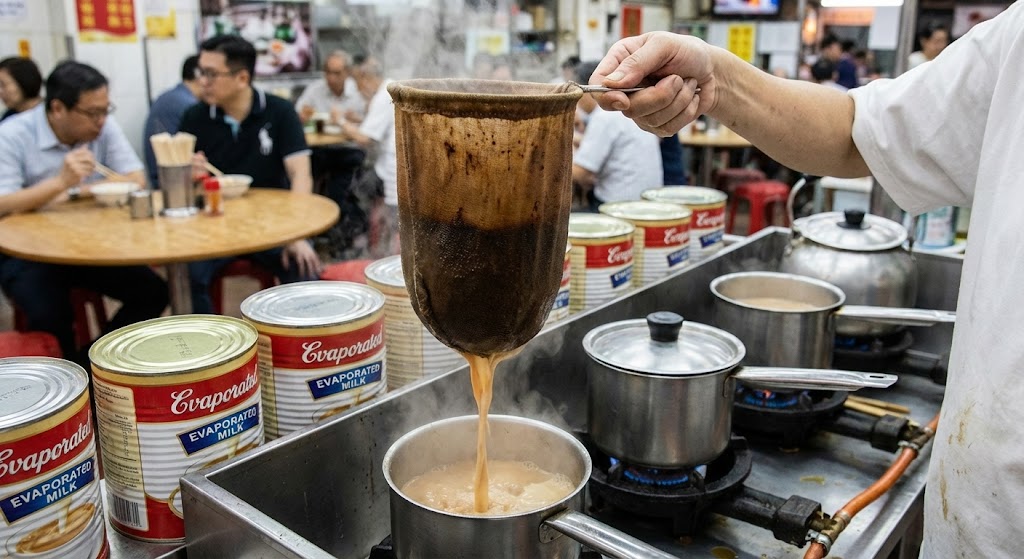
Why Hong Kong milk tea uses a pantyhose-like sackcloth filter. The tannin removal chemistry, evaporated milk vs condensed milk, and 'Cha Chaan Teng' culture.
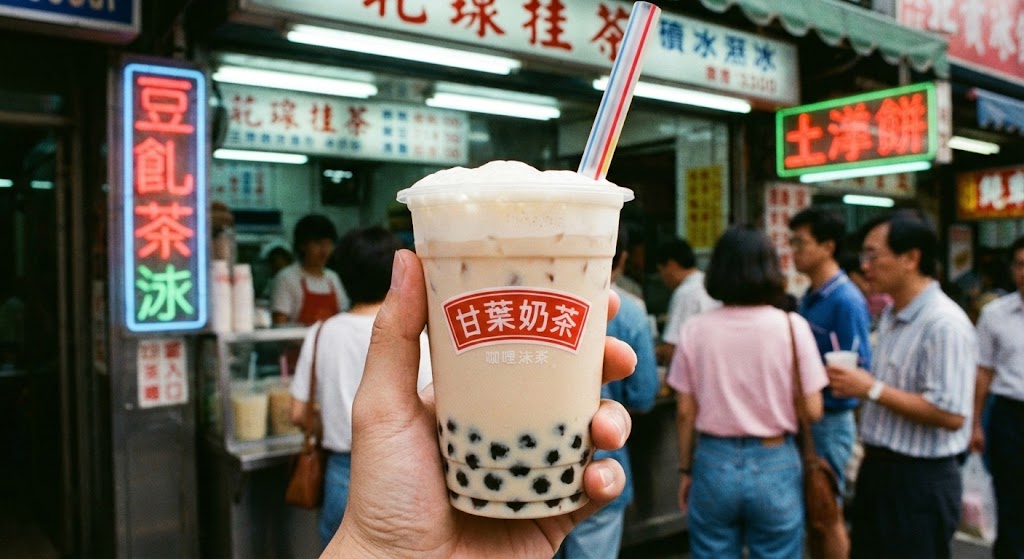
The 1980s origin of bubble tea as rebellion against traditional tea ceremony. The chemistry of tapioca pearls, QQ texture, and global boba explosion.
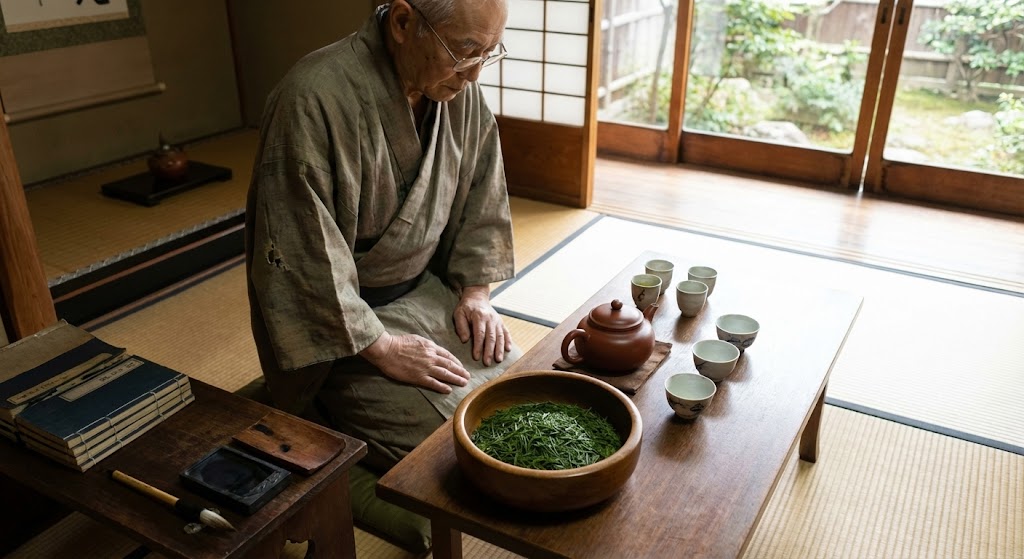
How Senchado emerged as intellectual rebellion against rigid Matcha ceremony. Loose leaf vs powder, Bunjin culture, and the 'Way of Sencha' philosophy.
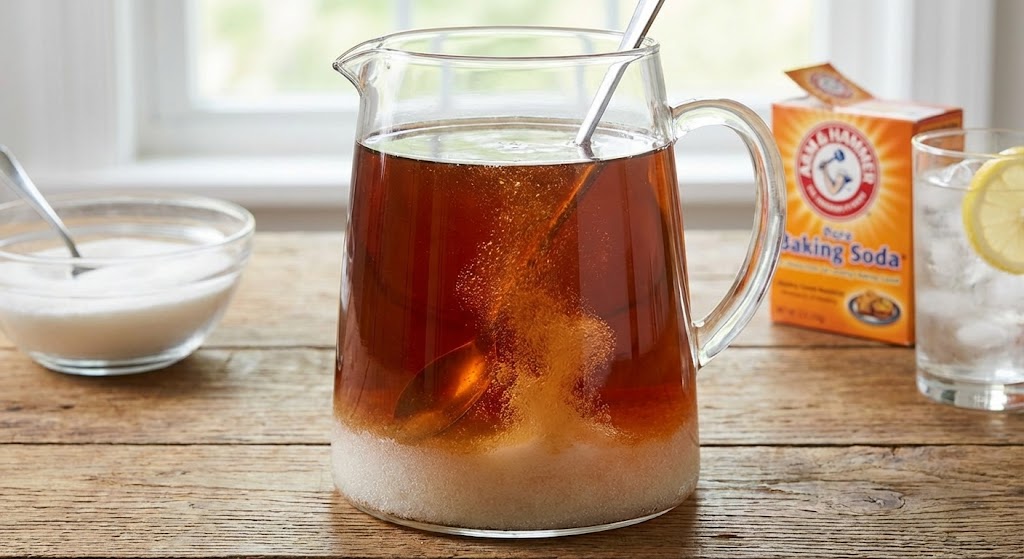
Why Southern sweet tea sugar must be added hot. The supersaturation chemistry, baking soda tannin neutralization, and the science of 'diabetes in a glass'.
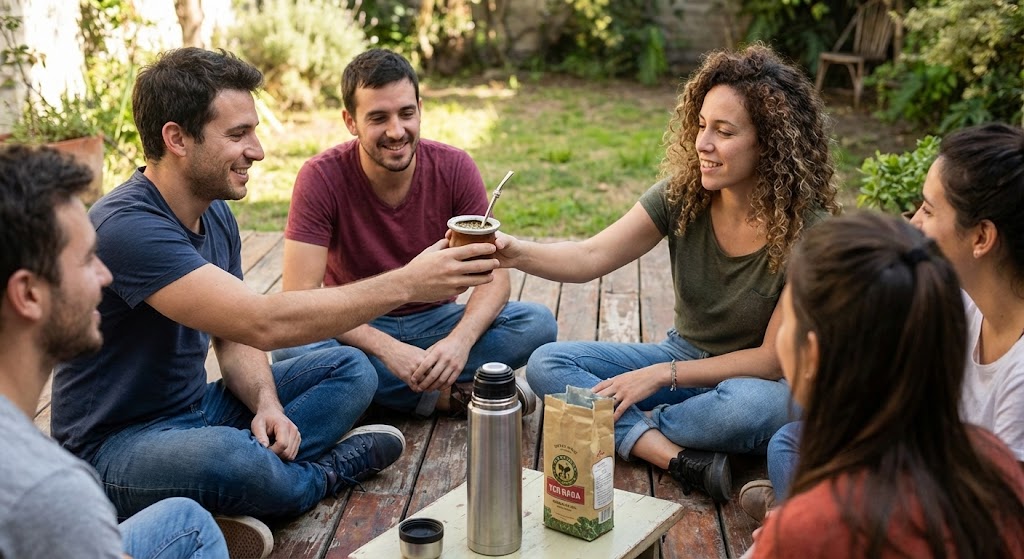
Argentine yerba mate gourd etiquette decoded. The Cebador role, why you don't touch the bombilla straw, and the social laws of the mate circle.

Why Australian bushmen swing boiling tea cans over their heads. The centrifugal force physics that settles leaves, gum tree infusion, and Swagman culture.
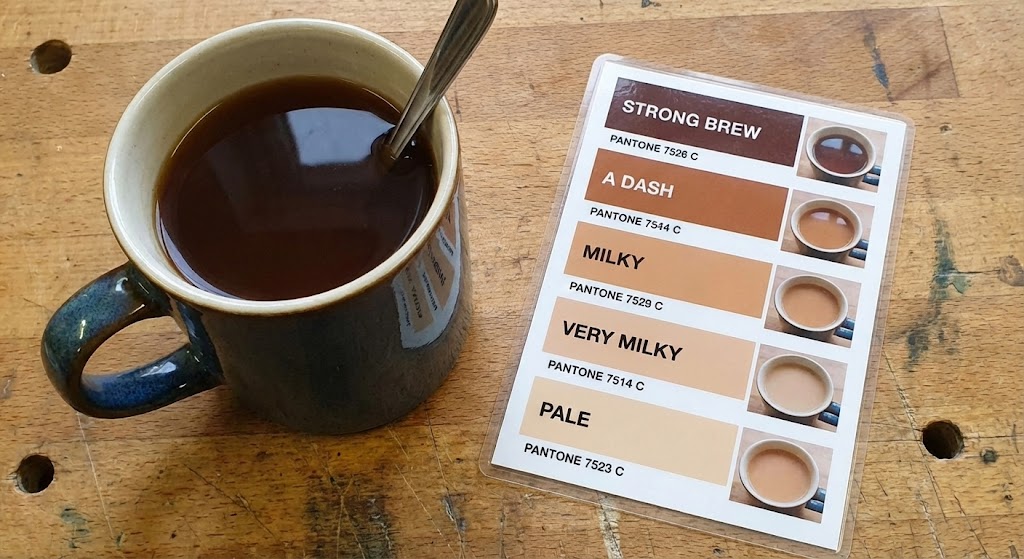
British working-class tea decoded. The mug mandate, milkiness color grading, 'builder's strength' definition, and why 'a brew' measures time.
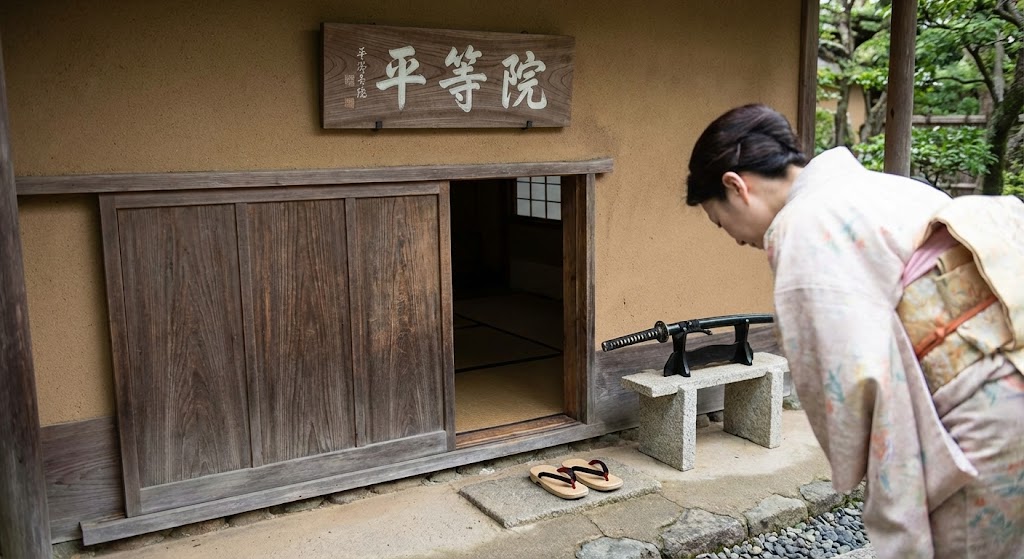
Why Japanese tea rooms have 2-foot doors. The Nijiriguchi entrance forces samurai to remove swords and crawl, creating social equality inside the tea space.
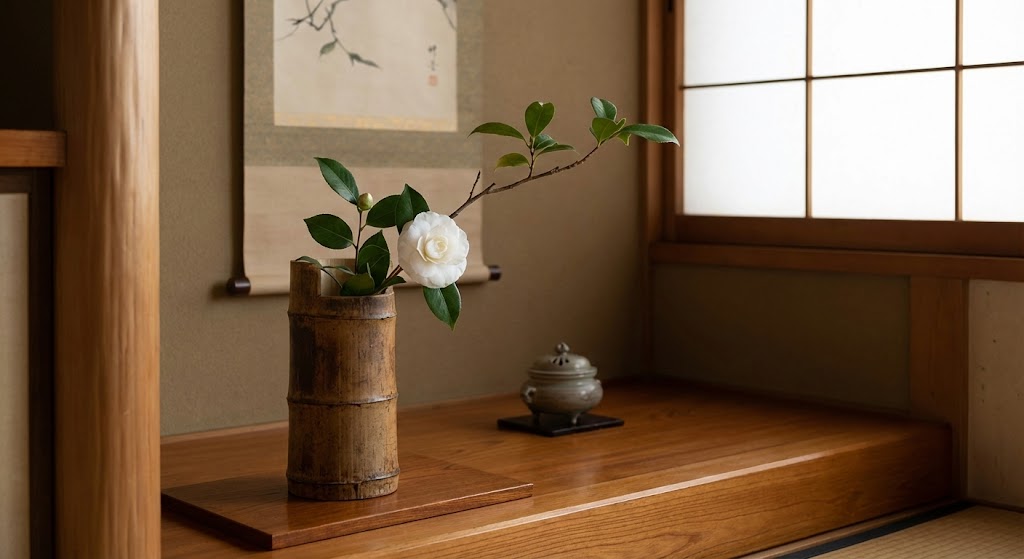
Why Japanese tea flower arrangements must look accidental. Chabana vs Ikebana philosophy, wabi-sabi imperfection, and the Tokonoma alcove.
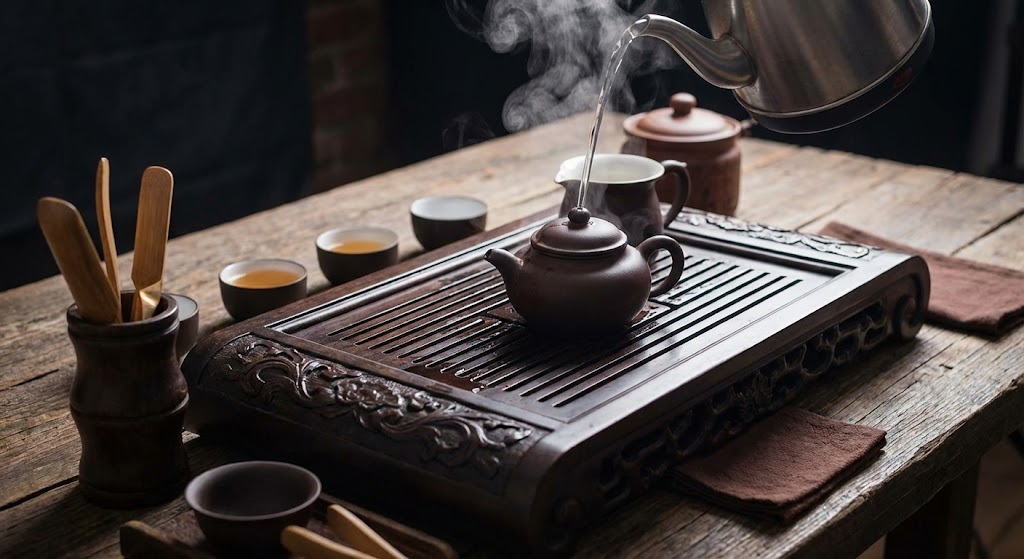
The evolution from dry brewing to wet brewing. Why Gongfu cha uses water-filled trays (Chapan), the science of external heating, and wastewater theater.
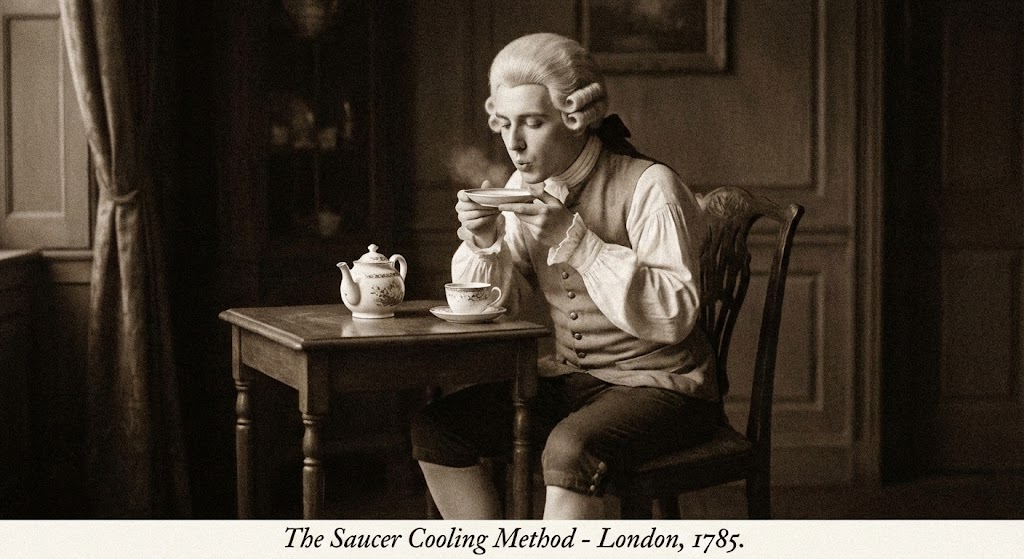
Why teacups have saucers, and why drinking from the saucer became taboo. The cooling physics, social class signaling, and Victorian etiquette evolution.
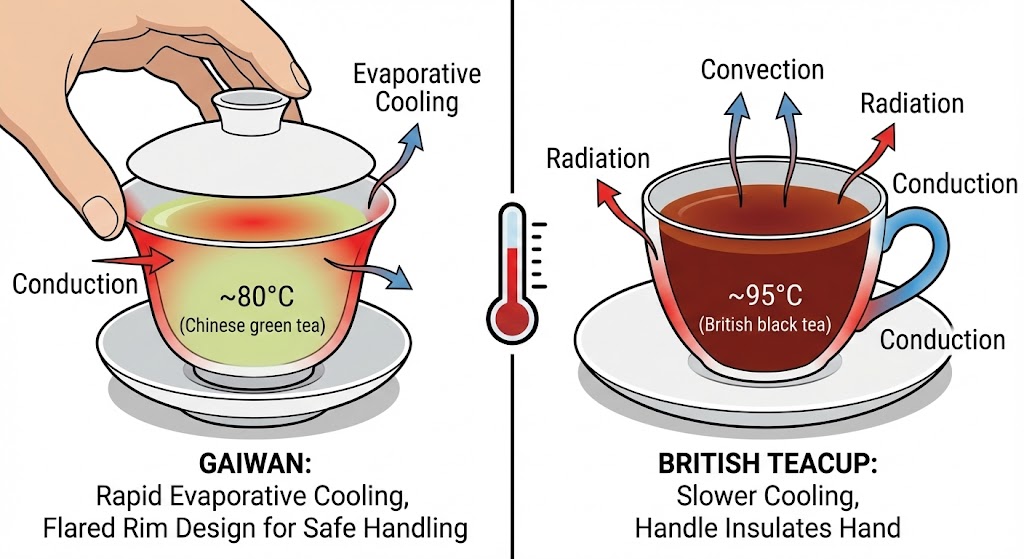
The thermal physics of teacup handles. Why Chinese gaiwans are handleless (warm water), British teacups have handles (boiling water), and heat conduction science.
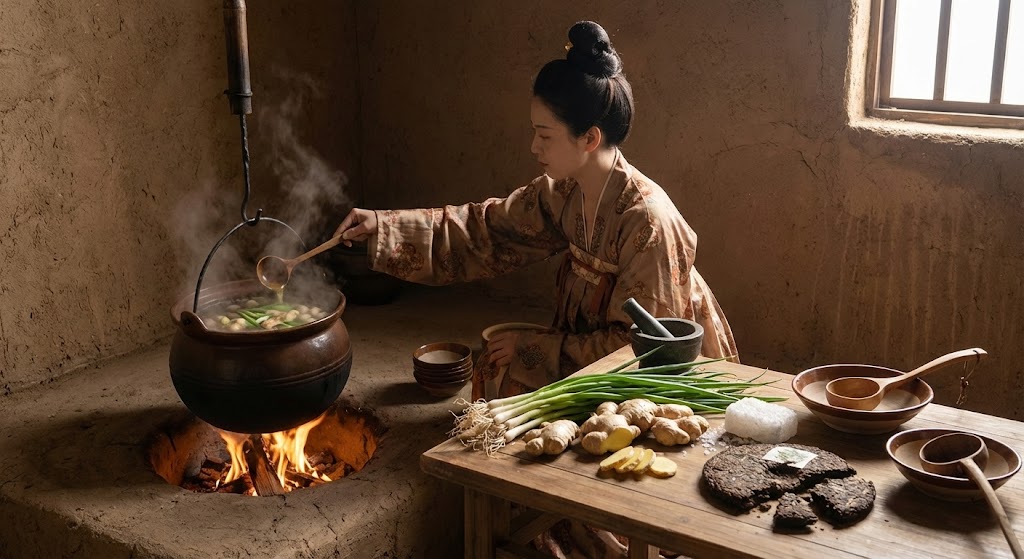
How Tang Dynasty Chinese drank tea before Lu Yu. The 'soup tea' recipe with onion, ginger, orange peel, salt—and why Lu Yu rejected it.
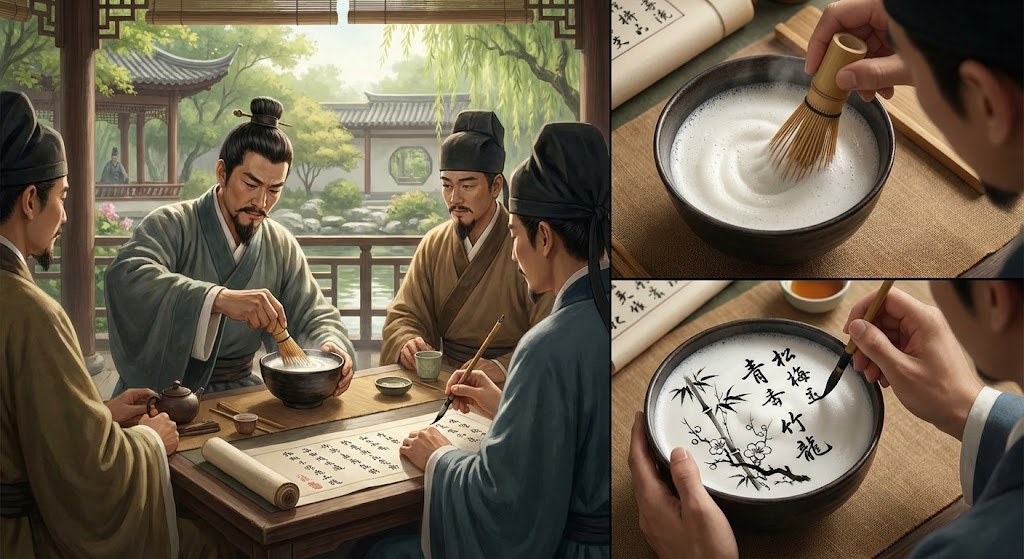
How Song Dynasty emperors whisked tea into foam and wrote poetry in bubbles. The lost art of Chabaixi, Matcha's ancestor, and Japan's preservation.

Why Victorian tea gowns were feminist liberation. The afternoon tea ritual allowed corset removal, breathing freely, and women-only social spaces.

Why tea ships raced from China to London at life-threatening speeds. The economics of 'First Flush' bonuses, clipper ship design, and the Suez Canal's end.
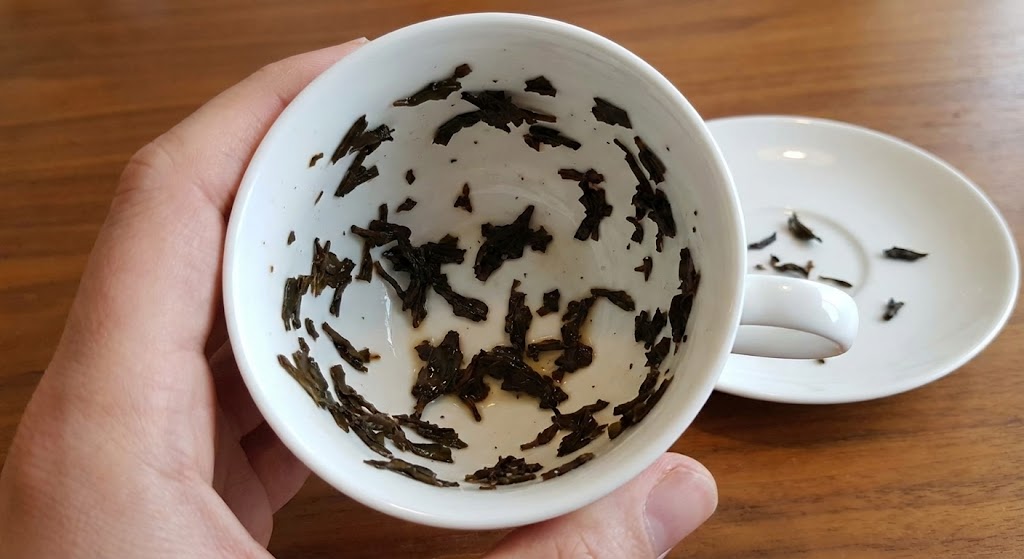
How tea leaf reading works (or doesn't). The history from Romani fortune-telling to Harry Potter, and the psychology of pareidolia pattern recognition.
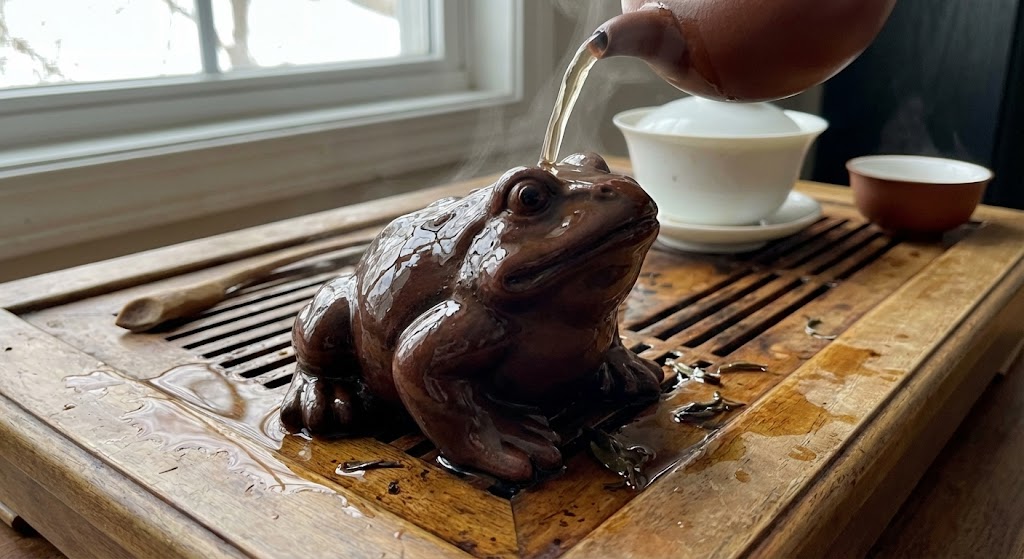
The Chinese tradition of tea pets—clay animals 'fed' with tea. The chemistry of patina development, the Pissing Boy water-squirting physics, and Zisha clay.
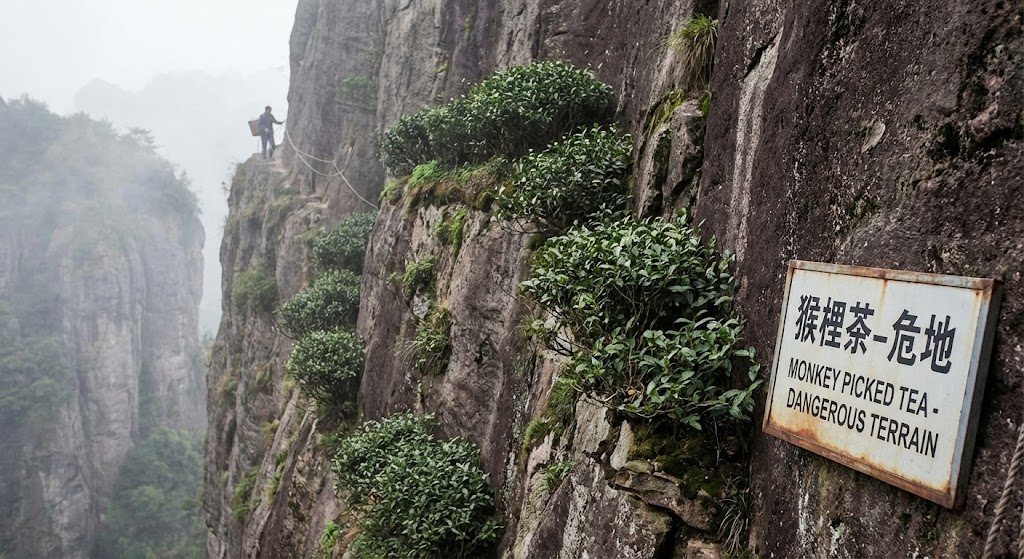
Why 'monkey picked oolong' doesn't involve monkeys. The truth: it's a metaphor for inaccessible cliff-grown tea, and the price markup scam.
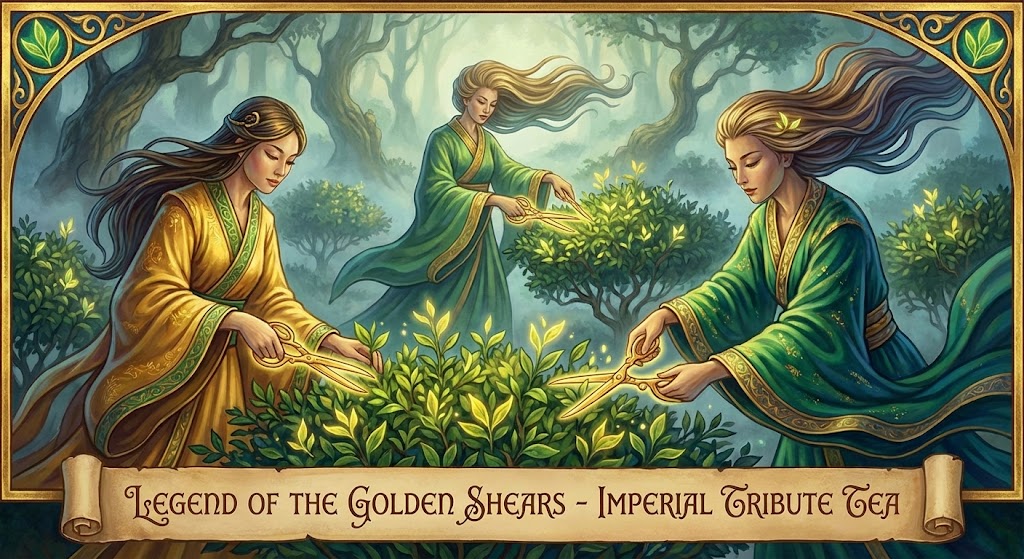
The Chinese imperial tribute tea myth: virgin girls picking tea with golden scissors at dawn. Separating propaganda from reality in tea labor history.
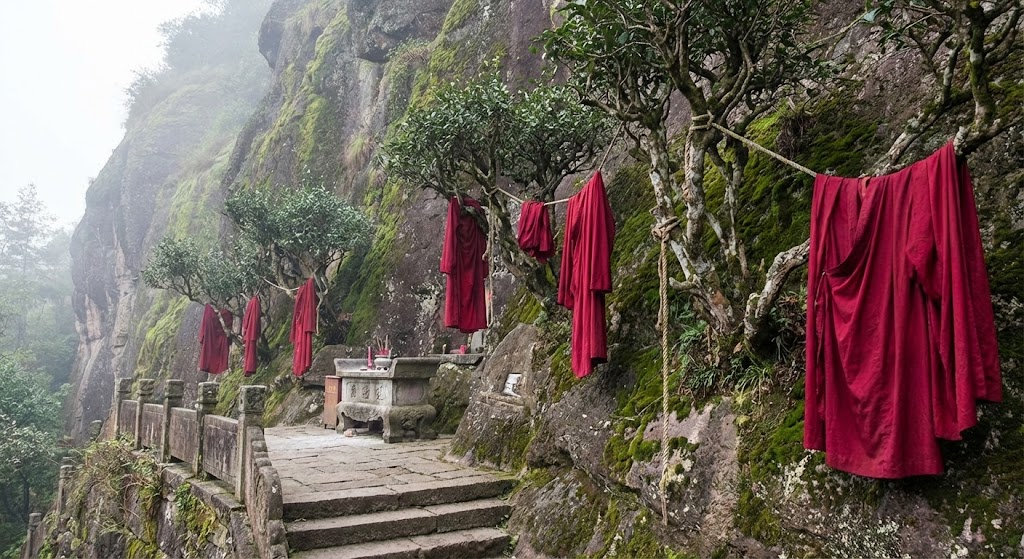
The legend of Da Hong Pao mother bushes: saved Emperor's mother, gifted with red robe, insured for $1.4 million. Myth vs reality of the world's most expensive tea.
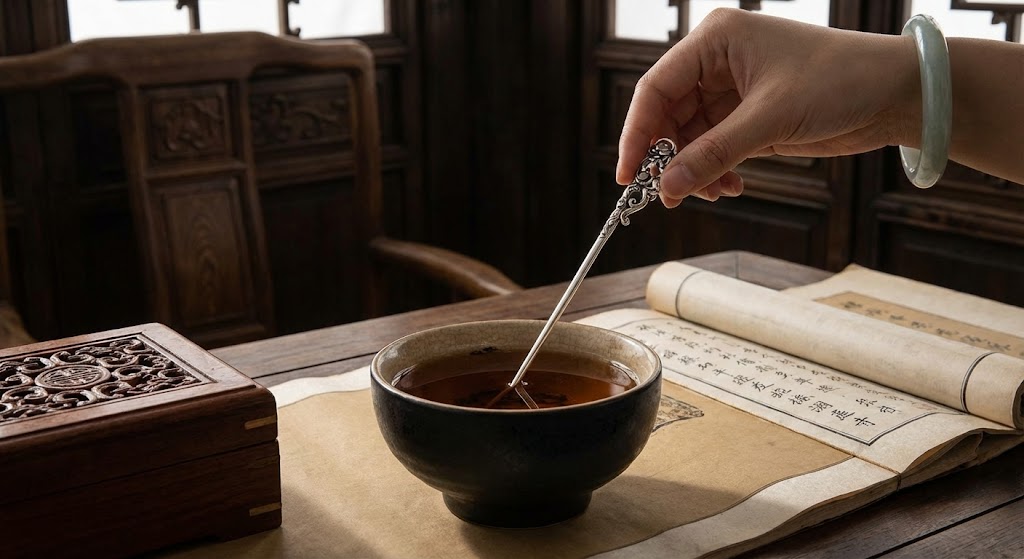
Ancient Chinese belief that tea detects poison and guards against magic. The Gu poison tradition, silver needle testing myth, and tea's role in sorcery protection.
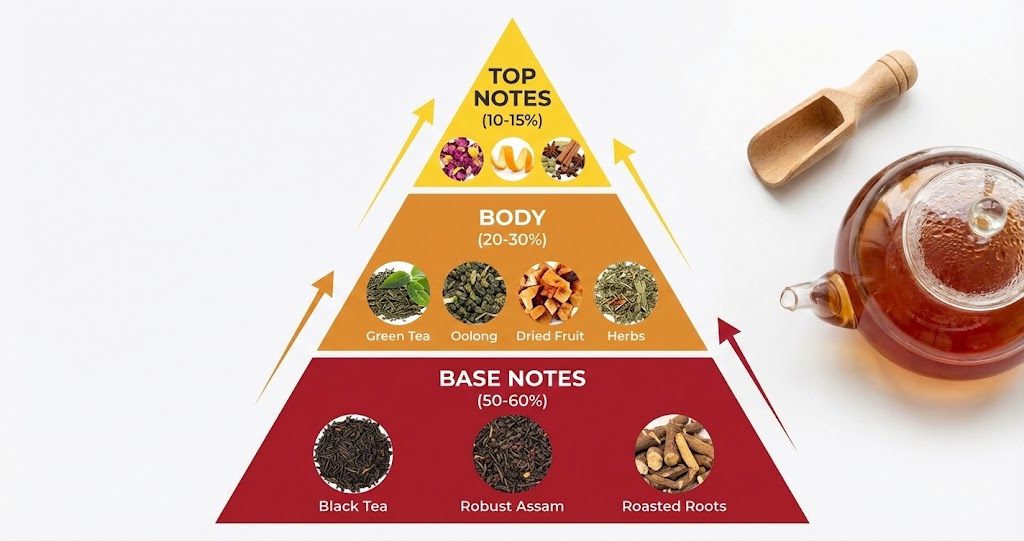
Professional tea blending ratios decoded. How Breakfast Blends use Assam base, Kenya body, and Darjeeling top notes in the Golden Ratio formula.
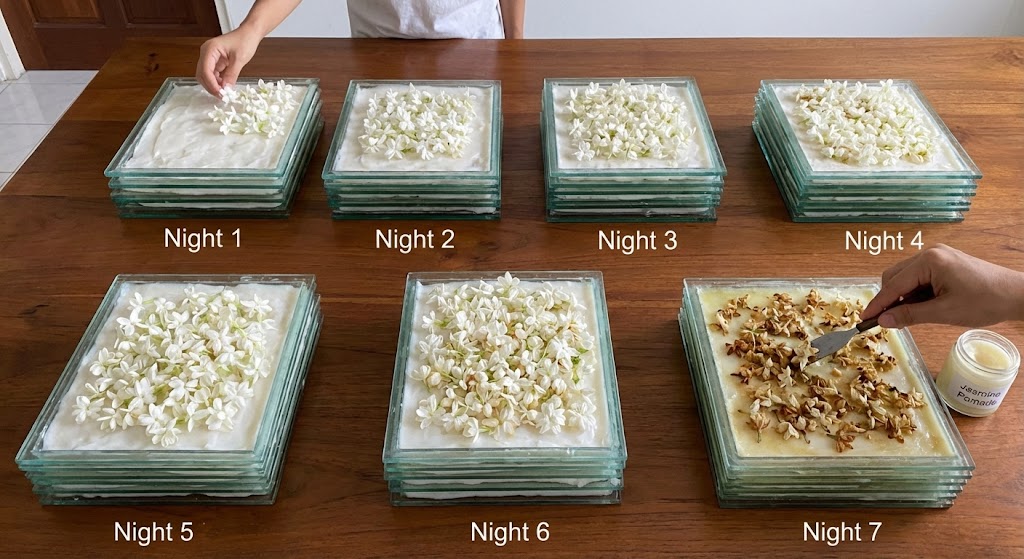
Traditional jasmine tea scenting technique. Why fresh flowers beat essential oils, and the osmosis science of fragrance absorption into dry tea leaves.

How to roast green tea at home to create Hojicha. The precise temperature curve (150-200°C) to trigger Maillard reactions without burning.
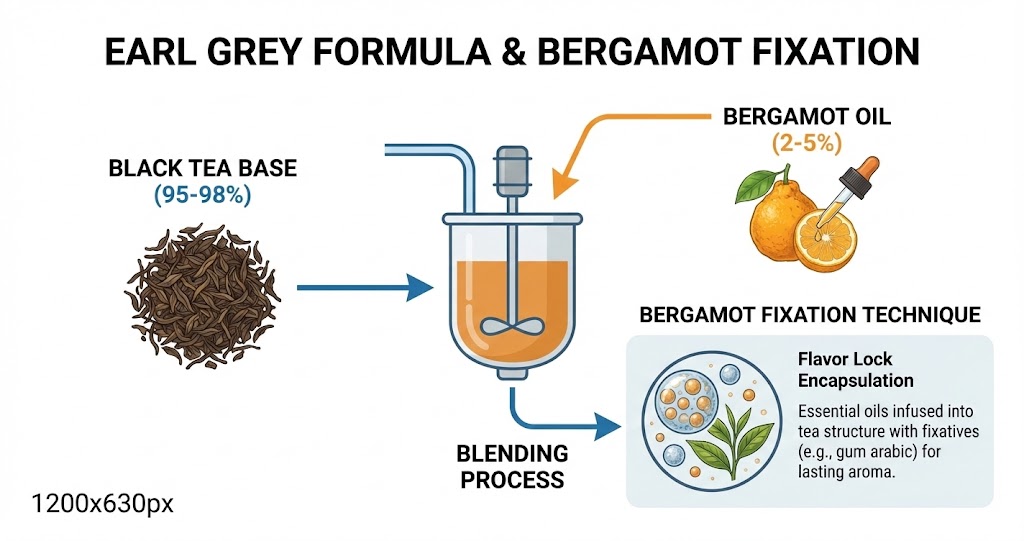
How to flavor tea with essential oils. Why bergamot needs a fixative, calculating the 2-3% oil ratio, and preventing volatility loss.
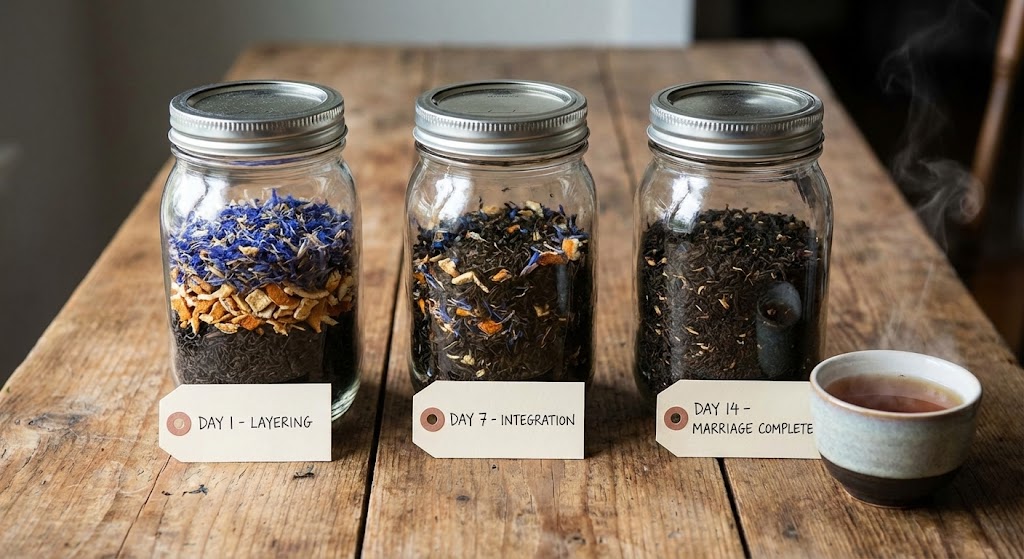
Flavor aging chemistry in tea blends. Why fresh blends taste disjointed and the 2-week marriage period for oil penetration into cellulose.
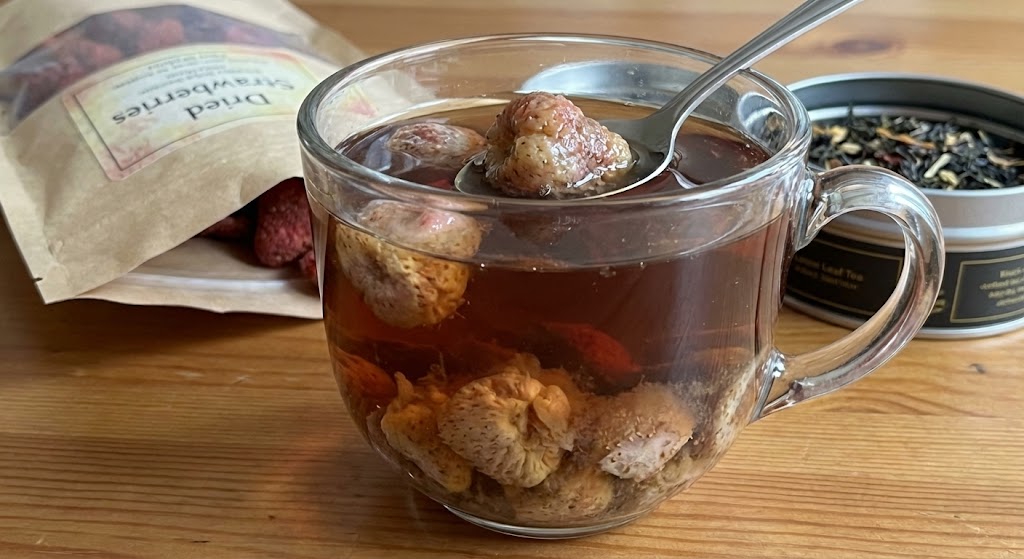
The science of dried fruit inclusions in tea. Why visible pieces look pretty but taste bland, and when you need nature-identical flavors.
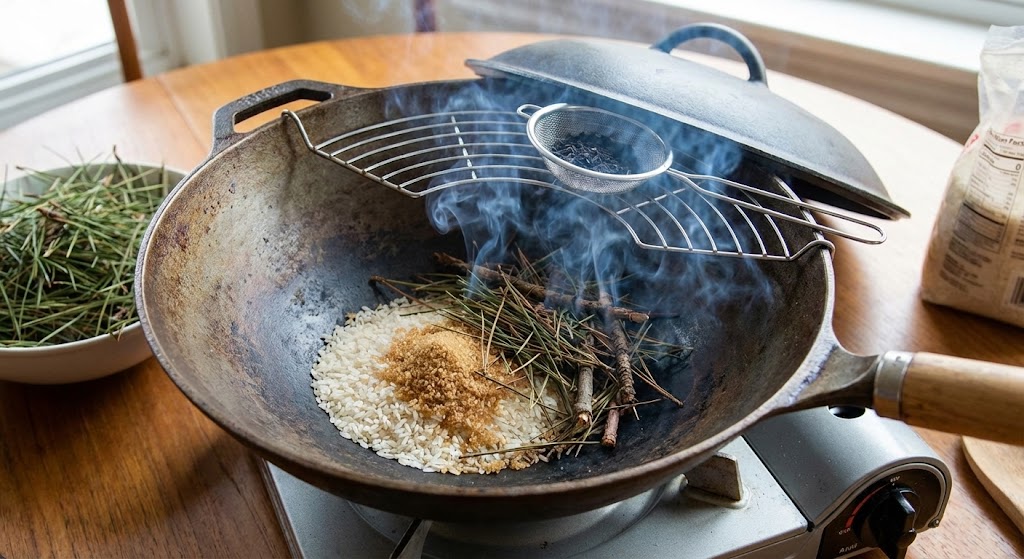
How to cold-smoke tea at home using a wok. The rice, brown sugar, and pine needle technique to create Lapsang Souchong flavor.

Masala chai spice science. How crushing vs. cracking spices changes surface area and extraction rates in boiling milk.
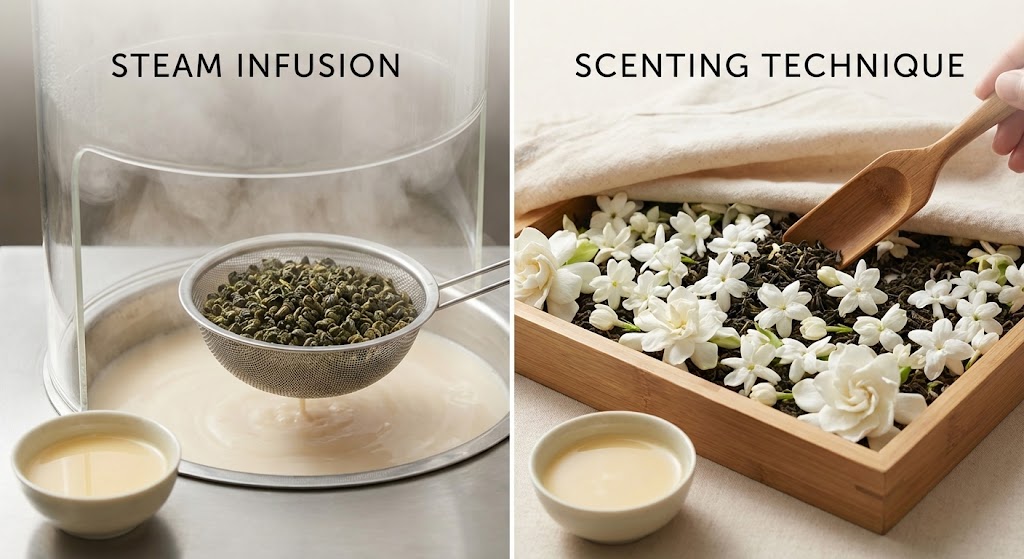
How to create 'milk' oolong flavor. The steam infusion technique vs. scenting, and how to spot artificially flavored Jin Xuan.
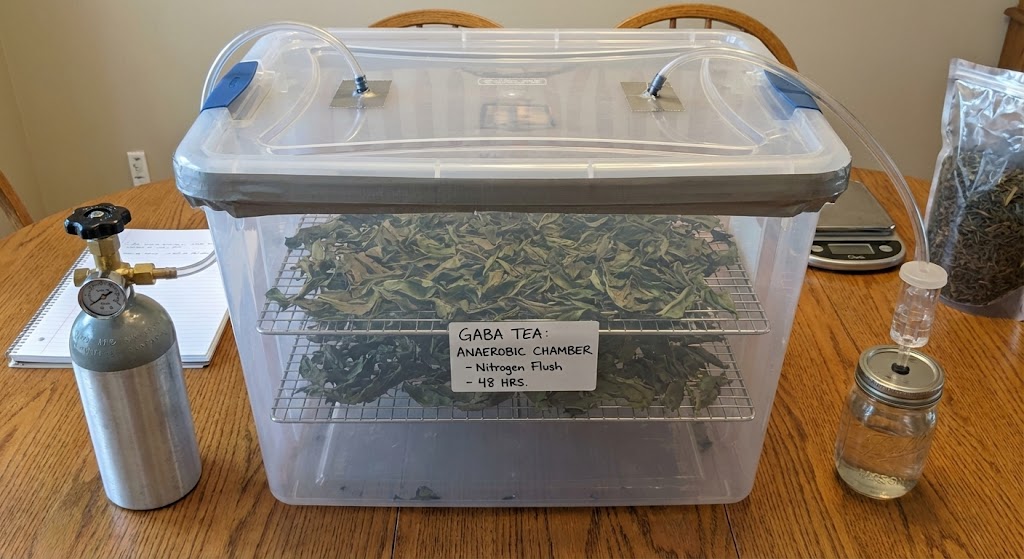
How to make GABA tea at home using a vacuum sealer. Creating anaerobic conditions to spike gamma-aminobutyric acid levels in tea leaves.

How the Mombasa tea auction works. Why Kenyan CTC sets the baseline price for European tea bags and the world's commodity tea market.
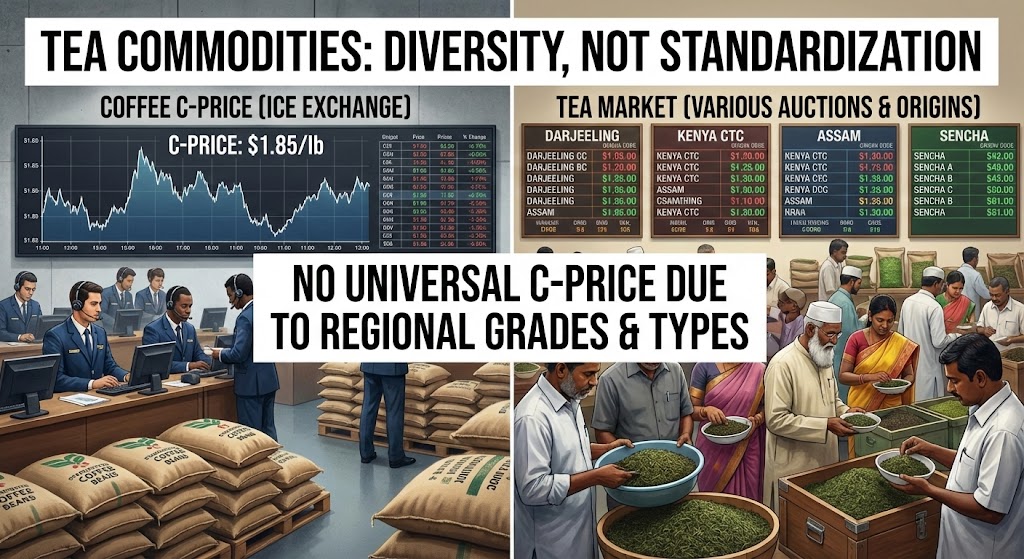
Why tea lacks a global commodity ticker like coffee's C-Price. The market volatility caused by fragmented pricing across origins.
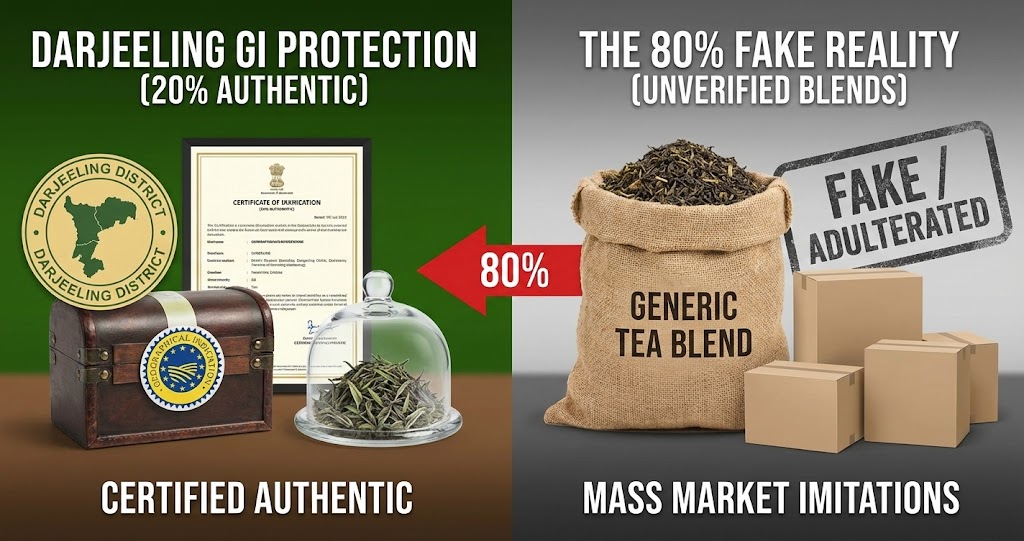
Protected Geographical Indication law for Darjeeling tea. The legal battles against counterfeit 'Darjeeling' and terroir vs. brand protection.
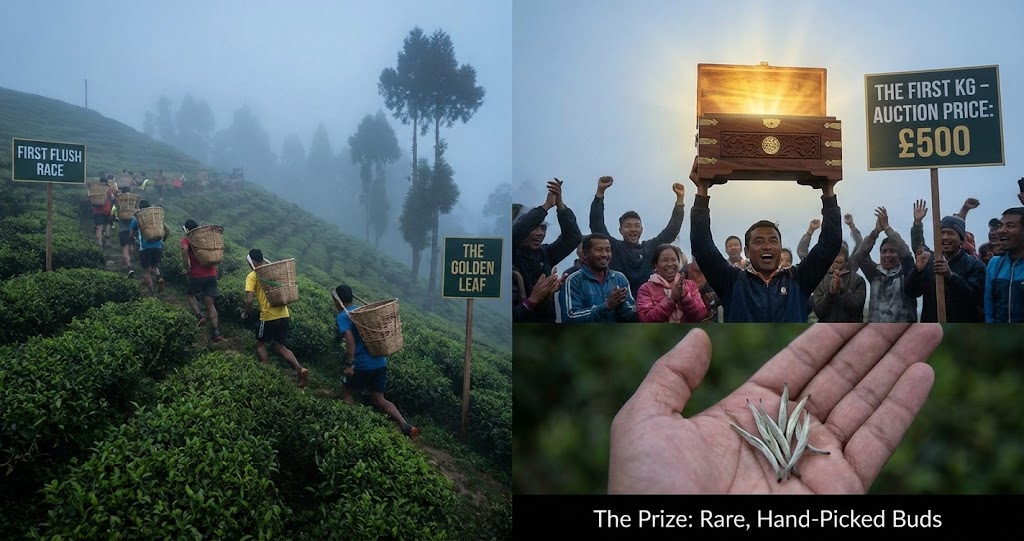
The economics of air-freighting First Flush Darjeeling. Why early harvests command 10x premiums and logistics drive the price curve.
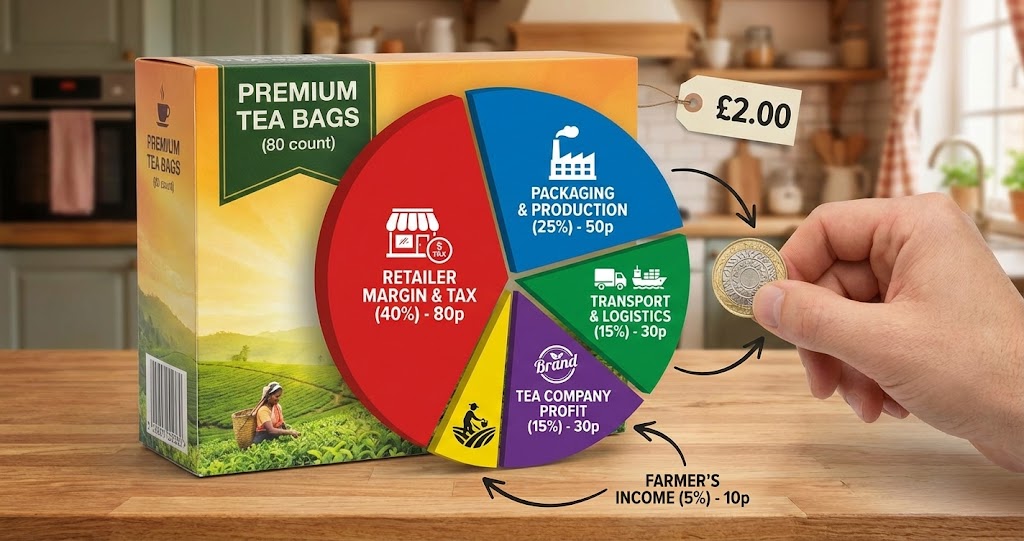
The cost breakdown of a retail tea bag. Farmer gets 1%, packer takes 30%, retailer claims 40% - where the money actually flows.
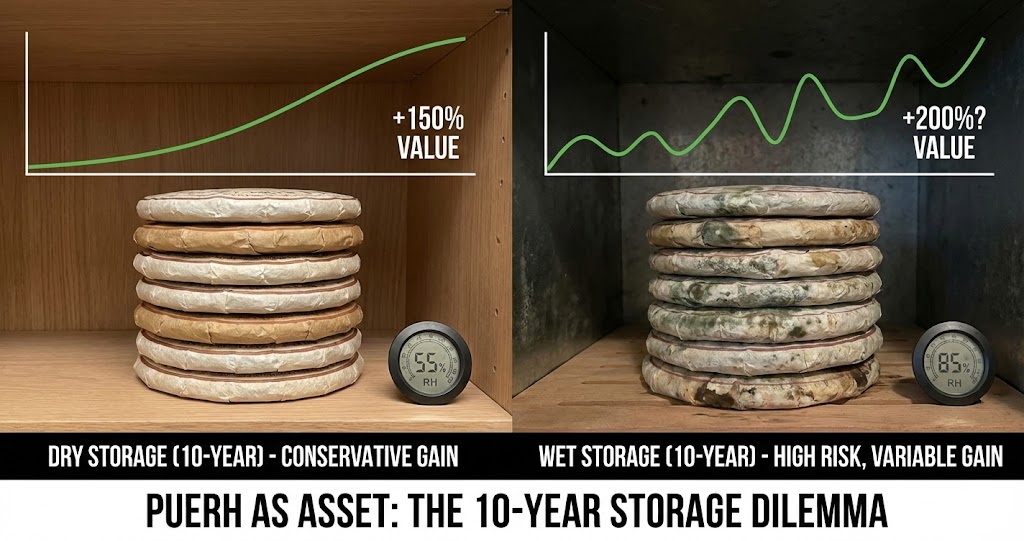
Investing in aged puerh tea. How dry storage (Guangzhou) vs. wet storage (Hong Kong) affects 10-year valuation and market premiums.
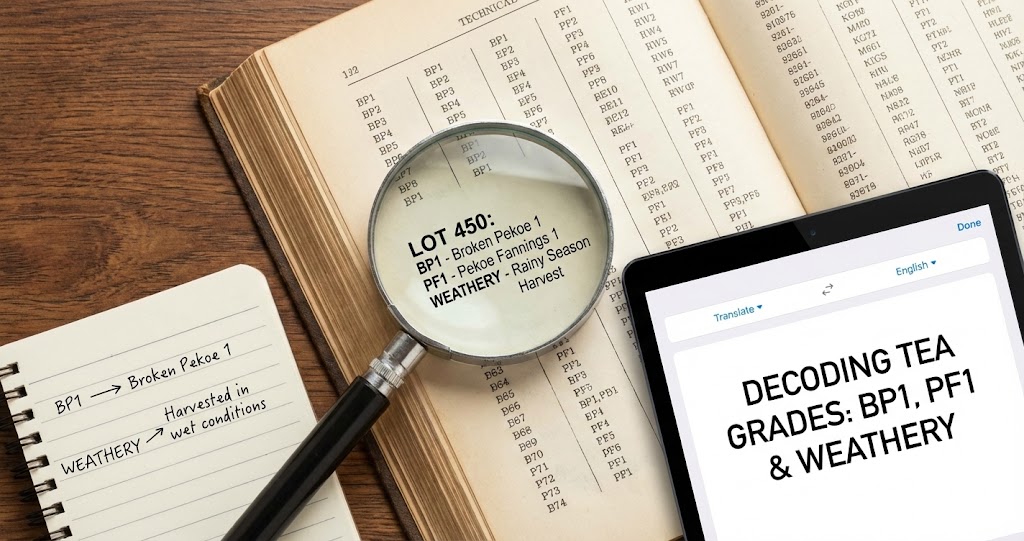
How to read a tea auction report. Breaking down broker codes like BP1 (Broken Pekoe), PF1 (Pekoe Fannings), and taster notes.
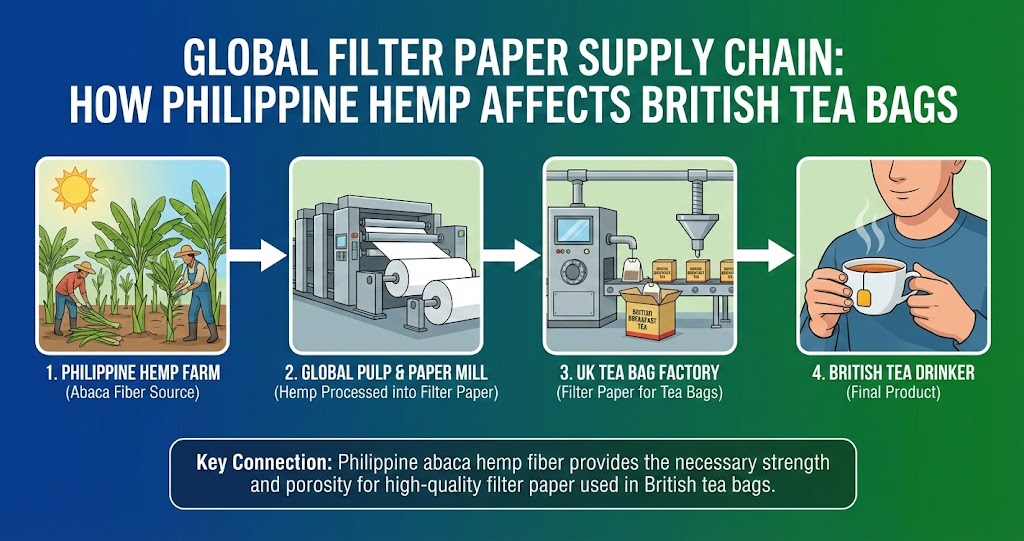
The filter paper supply chain. How abaca hemp shortages in the Philippines raise the cost of tea bags across Europe.
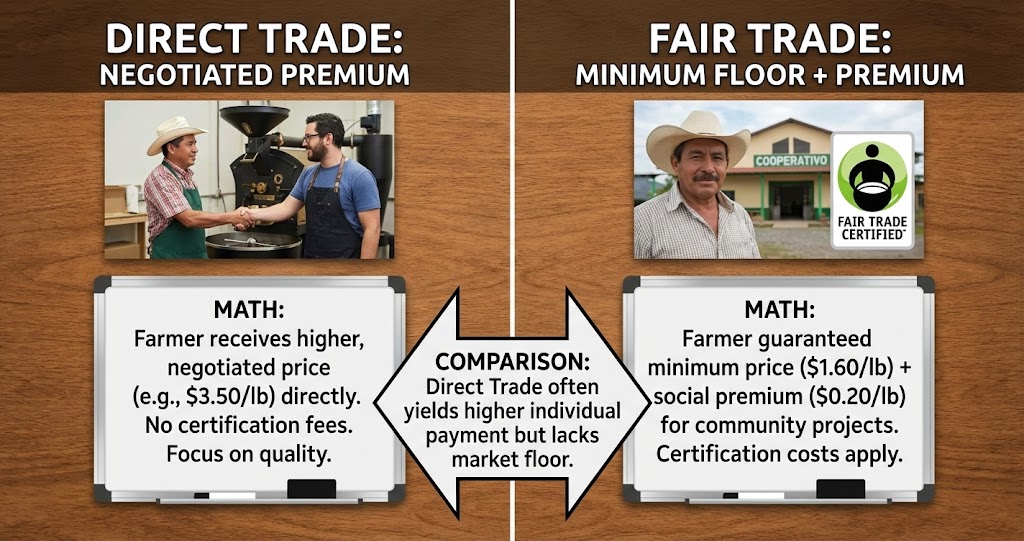
Comparing direct trade and fair trade tea economics. Does direct trade actually pay more when certification costs are factored in?
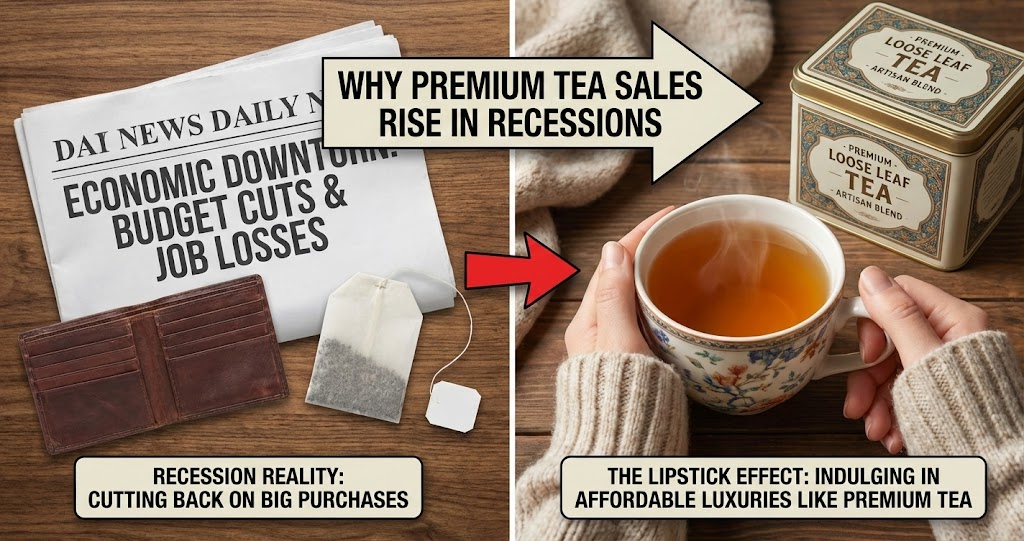
The affordable luxury theory in tea. Why specialty tea sales increase during economic downturns - the lipstick effect phenomenon.

Tea is heterozygous - seeds from great bushes produce random offspring. Why professional growers use clones (cuttings) for flavor consistency and how to root grocery store tea branches.

Camellia sinensis is an aluminum accumulator requiring acidic soil (pH 4.5-5.5) to unlock aluminum uptake. Using coffee grounds and sulfur to prep soil for tea cultivation.
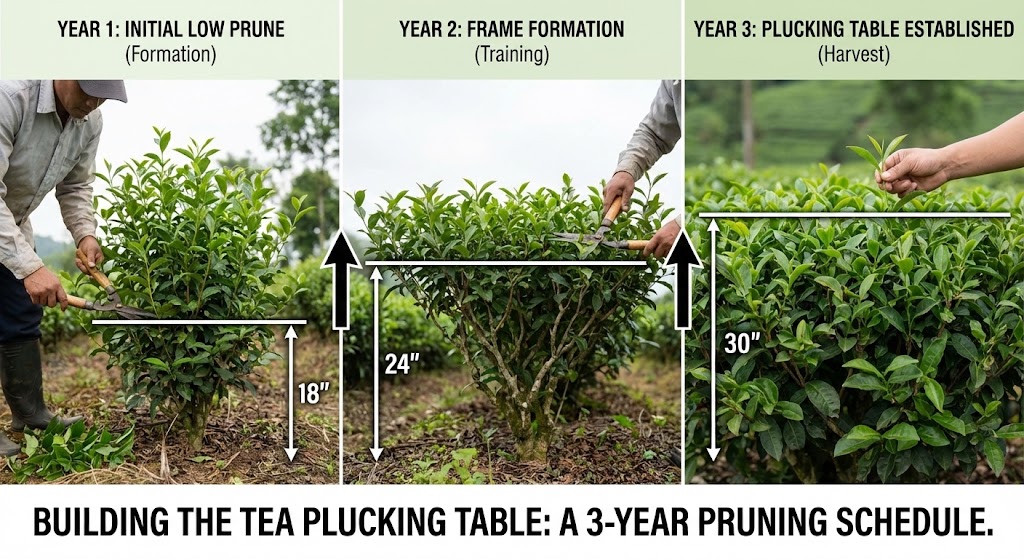
Creating a flat-topped tea bush for easy harvesting. The professional 3-year pruning schedule that transforms a tree into a productive plucking table.
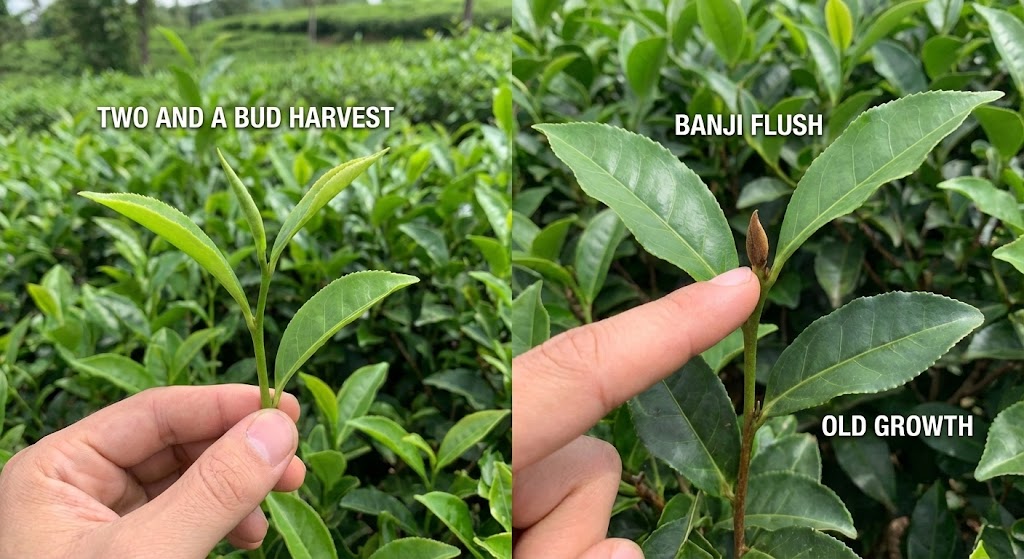
The art of identifying dormant buds (Banji) vs. active flush. Why picking overmature leaves ruins green tea quality and timing your harvest.
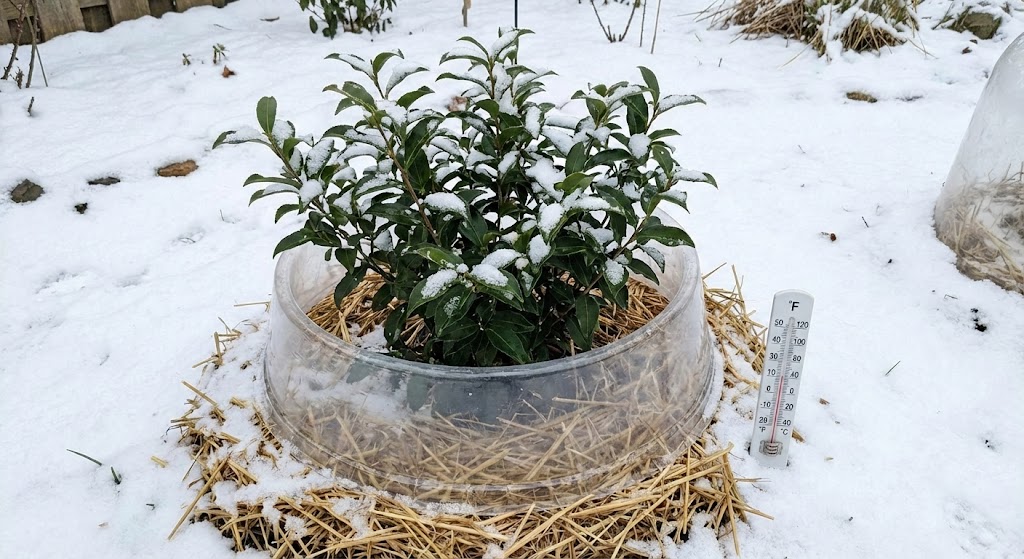
Camellia sinensis vs. assamica cold tolerance differences. Creating heat traps using south-facing walls for successful tea cultivation in UK and USA climates.
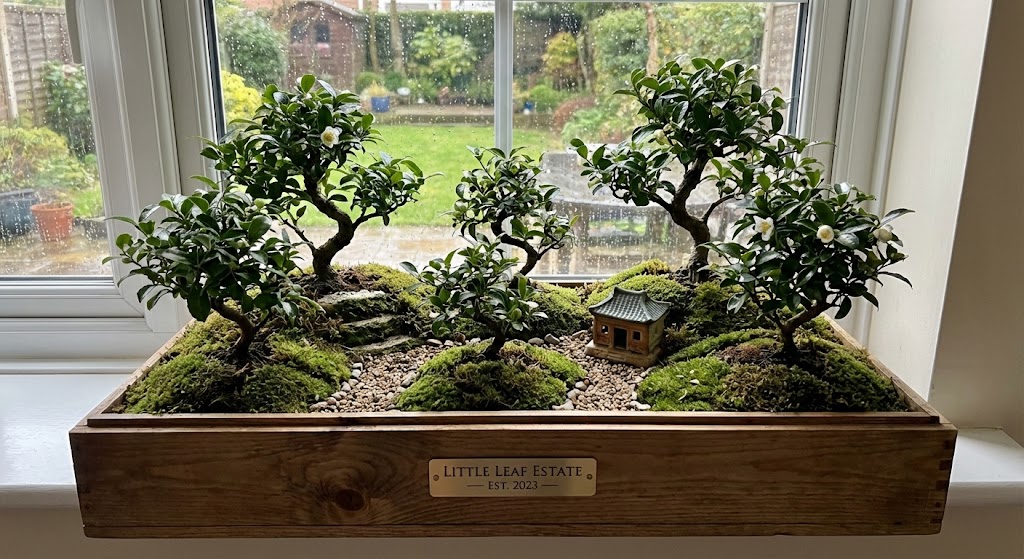
Growing tea indoors in pots. Pot size requirements, humidity trays, grow lights, and the bonsai approach to creating an indoor tea estate.
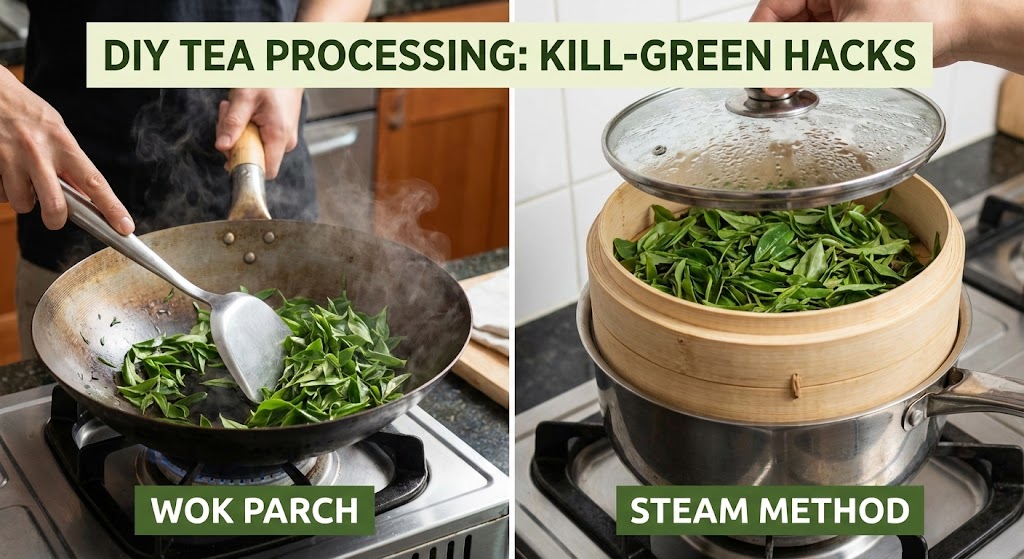
Stopping oxidation immediately after picking using kitchen tools. Steaming in a pasta colander (Japanese style) vs. wok parching (Chinese style) for DIY green tea.
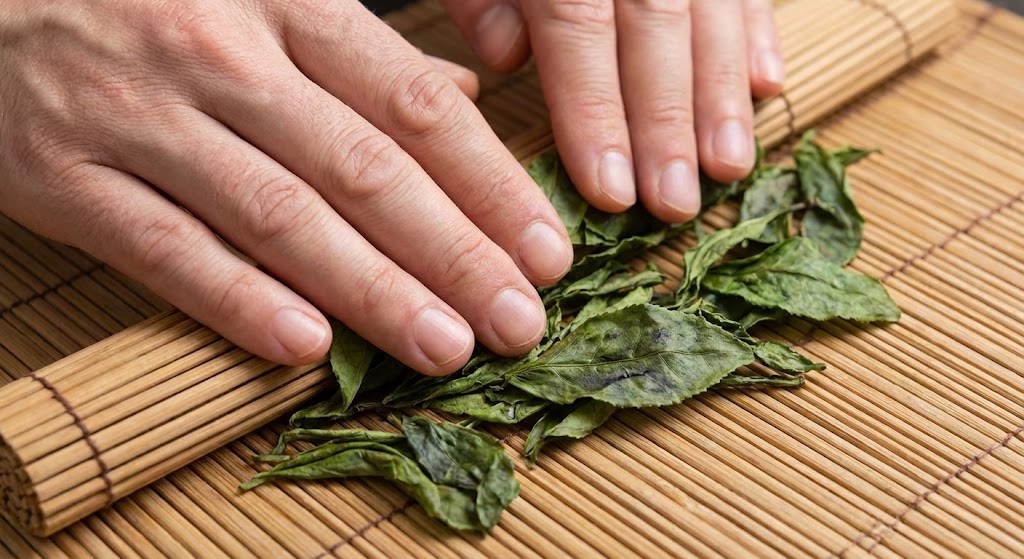
Hand-rolling tea to bruise cell walls and release oils without tearing leaves. The physics of proper rolling pressure and technique for home tea makers.
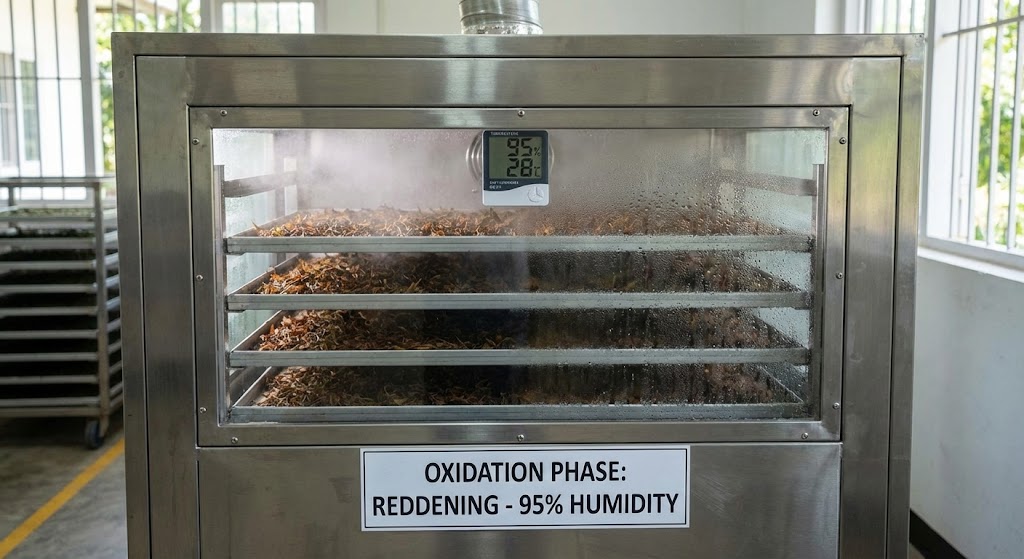
Building a DIY black tea oxidation chamber using a cooler and wet towel. Maintaining 95% humidity for the reddening oxidation phase at home.
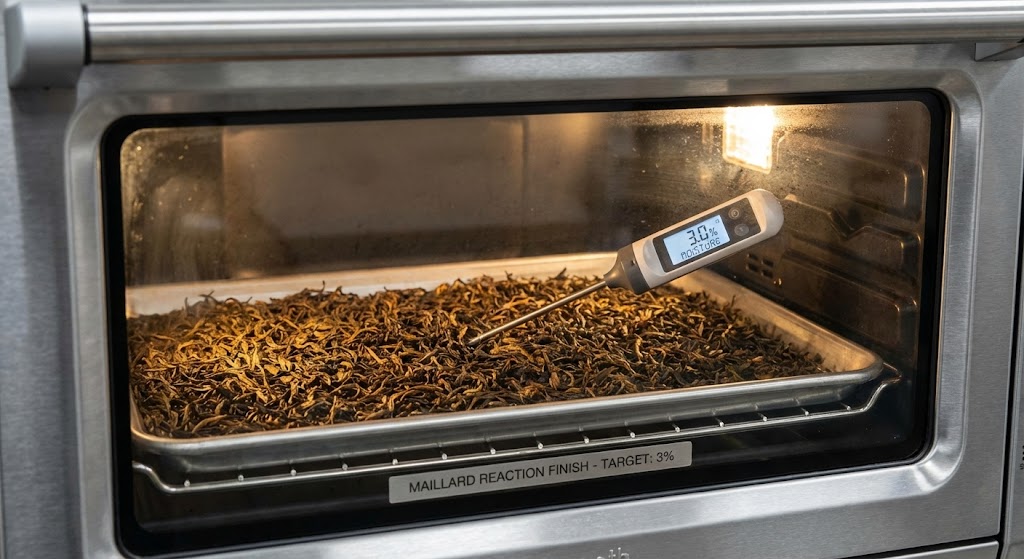
How to dry tea leaves in an oven to 3% moisture without burning. The Maillard finish that develops flavor during the final firing step.

Complete engineering guide to tea brewing: input variables (density trap, surface area, TDS), thermodynamics (Newton's Law, emissivity, altitude), fluid dynamics (laminar flow, stirring physics), and output measurements (extraction yield, tannin curves, caffeine kinetics). Formulas included.

One teaspoon of CTC weighs 3g. One teaspoon of whole leaf oolong weighs 0.8g. Volumetric dosing introduces 300% variability. Mass-based measurement (grams) eliminates the density trap and ensures reproducible brewing.

Broken leaf has 2-4x more surface area than whole leaf. Fick's Law shows diffusion rate scales with exposed area—broken leaf extracts 40-60% faster. Surface area math explains why CTC brews in 60 seconds while whole oolong needs 3 minutes.

TDS (Total Dissolved Solids) measures mineral content in water—40-100 ppm is ideal for tea. High TDS (200+ ppm) blocks flavor extraction. Low TDS (0-20 ppm) extracts too aggressively. TDS meters measure brewing water quality objectively.

Gongfu uses 1:15 ratio (6.7g/100ml). Western uses 1:50 ratio (2g/100ml). High ratio creates steep concentration gradient—saturation point reached quickly regardless of brew time. Math explains why gongfu can use boiling water on green tea without bitterness.

Yixing clay (14mm thick) loses 2°C per minute. Borosilicate glass (2mm) loses 8°C per minute. Newton's Law shows heat loss scales with thermal conductivity and surface-to-volume ratio. Clay's thermal mass keeps water hotter longer—critical for oolong and pu-erh.

Emissivity measures radiative heat loss. Polished silver (ε=0.02) radiates 50x less heat than unglazed clay (ε=0.90). Stefan-Boltzmann Law shows polished metal stays hot longer—explains why Russian samovars and British silver teapots keep tea warm.

Water boils at 100°C at sea level. At 2000m altitude, water boils at 93°C. At 4000m, only 86°C. Clausius-Clapeyron equation shows boiling point drops 1°C per 300m elevation gain. High altitude brewing requires longer steep times to compensate for lower extraction temperature.

Arrhenius equation shows reaction rates double every 10°C increase. Cold brew at 4°C has 20x slower diffusion than 90°C hot brew. What takes 3 minutes hot requires 8-12 hours cold. Temperature is the master variable—time compensates when temp is constrained.

Reynolds number (Re = ρvD/μ) determines flow regime. Re < 2300 = laminar flow (smooth). Re > 4000 = turbulent (chaotic). Gooseneck spouts maintain laminar flow—smooth, controlled pour prevents tea leaf agitation and over-extraction from turbulence.

Stirring reduces diffusion boundary layer thickness—passive diffusion requires 1mm layer, stirring reduces to 0.1mm. Extraction rate increases 10x. But excessive shear stress fragments leaves and releases excess tannins. Gentle swirl optimizes extraction without over-agitation.

Spherical teapots create symmetrical convection currents—hot water rises at center, cooler sinks at walls. Tall cylindrical pots develop stratification—hot top, cool bottom, uneven extraction. Physics explains why traditional round yixing pots extract more evenly than modern tall designs.

Grandpa style leaves tea in water indefinitely. Why doesn't it over-extract? Osmotic pressure reaches equilibrium—no concentration gradient means no net diffusion. Saturation point protects from bitterness. Adding hot water shifts equilibrium, restart extraction briefly.

Extraction Yield (EY%) = (TDS × Brew Water Mass) / Dry Leaf Mass × 100. Coffee targets 18-22% EY. Tea extraction is less studied—estimated 20-30% for optimal flavor. Refractometers measure TDS objectively. Formula lets you reverse-engineer any recipe to target extraction yield.

Desirable compounds extract early (30-90 sec). Tannins extract late (2-5 min). Steep time sweet spot is narrow window where flavor peaks before bitterness rises. Broken leaf shifts curve left (faster tannin), whole leaf shifts right (slower tannin). Temperature accelerates entire curve.

Myth: 80% of caffeine extracts in 30 seconds. Reality: caffeine extraction follows smooth curve—30 sec = 30-40%, 3 min = 70-80%, 5 min = 90%. You cannot "decaffeinate" tea with short rinse. Xanthine solubility depends on time AND temperature—no shortcuts exist.

Complete guide to tea psychology: gastrophysics (cup color, teaware weight), identity politics (MIF vs MIL, builders' tea), emotional bonding (crisis cuppa, social tea), and sensory genetics (supertasters, thermal tasters).
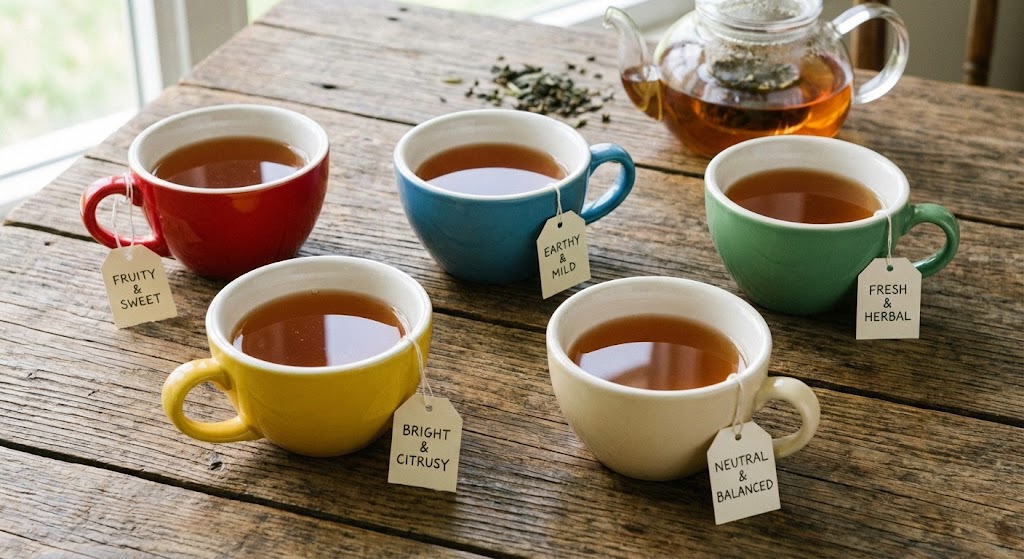
White cups make green tea taste more bitter. Pink cups make tea taste sweeter. Brown cups make coffee taste stronger. The color of your mug rewrites your brain's flavor perception before you even sip.

Heavy teaware makes tea taste better—even when it's the exact same tea. Your brain associates weight with premium quality, triggering expectations that rewrite flavor perception through neurological pathways.

Slurping isn't rude—it's science. Professional tea tasters slurp to activate retronasal olfaction, aerate the tea, and spread it across the entire tongue. The noise is a byproduct of flavor maximization.

Expensive tea activates your brain's reward centers before you even taste it. The price tag rewrites flavor perception through neurological expectation. Marketing doesn't just sell tea—it literally changes how it tastes.

Milk in first (MIF) was upper-class necessity to protect fine china. Milk in last (MIL) became status symbol once porcelain improved. This arbitrary choice became British class marker—still debated today.

Builders' tea (strong, milky, sweet) is working-class identity marker, not taste preference. Refusing it signals class betrayal. Drinking it signals solidarity. The tea itself is secondary to the social meaning.

Tea collectors reach "Stash Above Beverage Level" (SABLE): buying faster than drinking. Loss aversion, FOMO, and collecting reward drive accumulation. Most tea goes stale undrunk. The psychology of hoarding explained.

Gongfu tea ceremony requires expensive equipment, knowledge, and time—creating barriers to entry. This transforms tea into status display and cultural capital. When does appreciation become elitism? The psychology of tea gatekeeping.
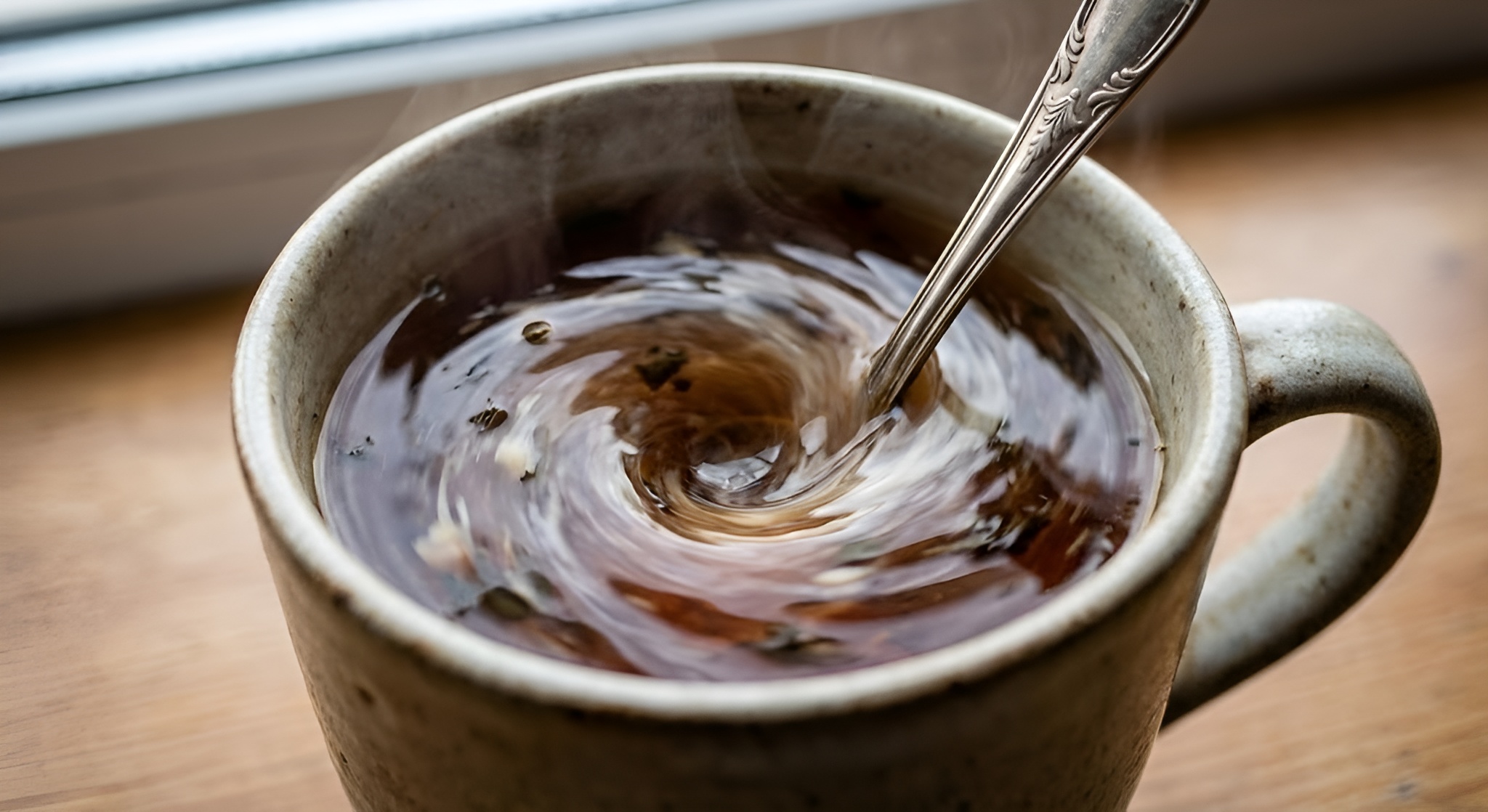
Are you a logical Clockwise stirrer or a creative Counter-Clockwise rebel? We analyze the hidden psychology, brain mechanics, and etiquette of the tea vortex.

Making tea during crisis provides pattern interrupt, prefrontal cortex activation, and somatic grounding. The ritual prevents freeze response. Sweet tea restores blood glucose. Social tea-making signals care without demanding emotional labor.

Offering tea is social ritual creating low-stakes interaction, signaling hospitality, and establishing reciprocity. Accepting tea signals trust. Refusing tea can signal rejection. The psychology of tea as social glue.

Making tea is displacement activity—productive enough to feel justified, easy enough to avoid hard work. Tea ritual provides mental break disguised as necessary task. The psychology of tea as acceptable procrastination.

Tea aroma triggers vivid memories through direct connection between olfactory bulb and hippocampus. This "Proust effect" explains why tea smell instantly recalls childhood, places, people. The neuroscience of tea and memory.

Supertasters have more taste buds (200+ per square cm) and experience bitter compounds (EGCG, catechins) as overwhelmingly intense. This genetic variation explains why some people hate green tea. Test yourself and find your tea match.

Thermal tasters have heightened sensitivity to temperature through TRPV1 receptors. Tea above 60°C feels painful, not pleasurable. This genetic variation explains preference for iced tea, long cooling waits, and milk-first pouring.
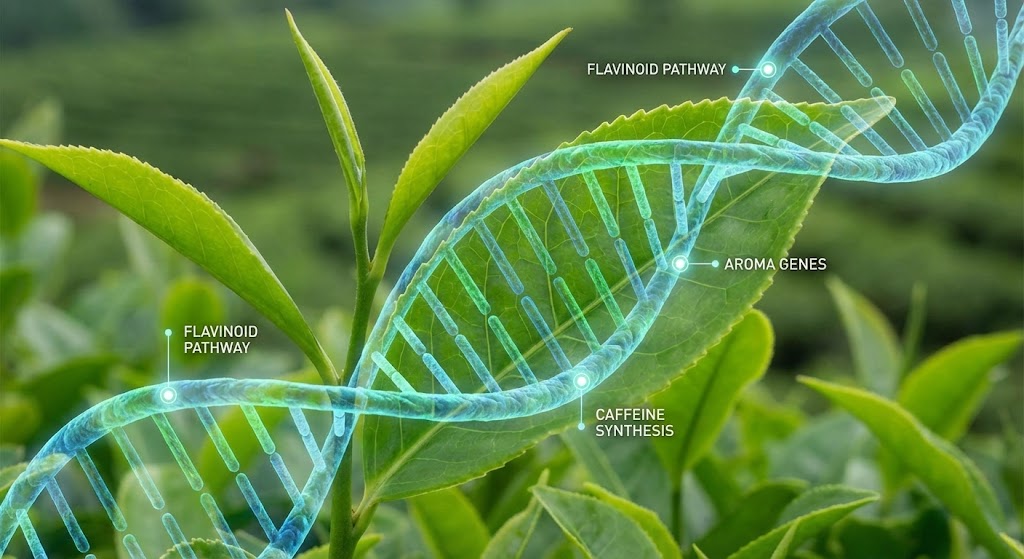
Genetic variations in taste receptors (TAS2R) make certain teas taste soapy, metallic, or unbearably bitter. Combined with learned aversion from negative experiences, this creates permanent tea rejection. The genetics of taste explained.
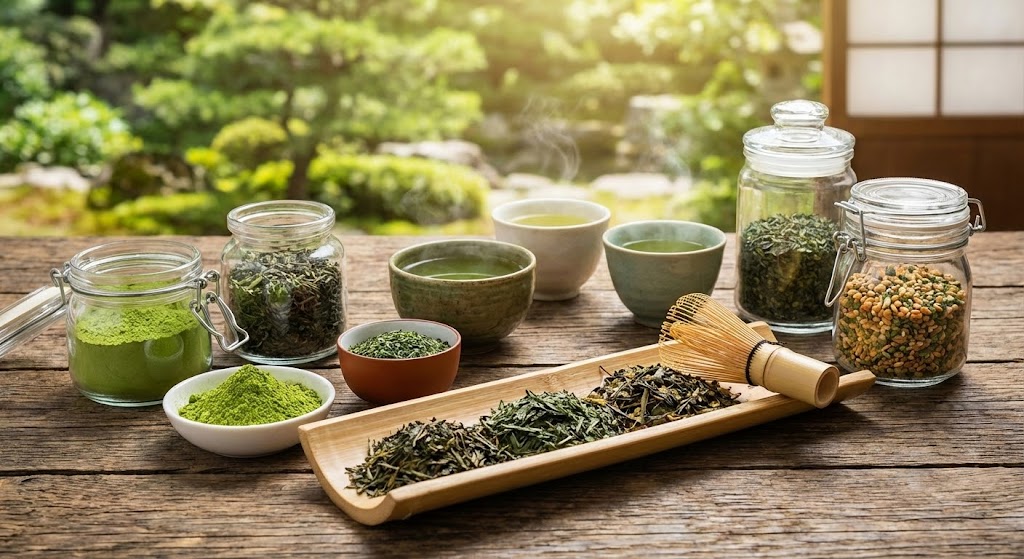
Your central guide to everything green tea: health benefits, processing secrets, and the major varieties.
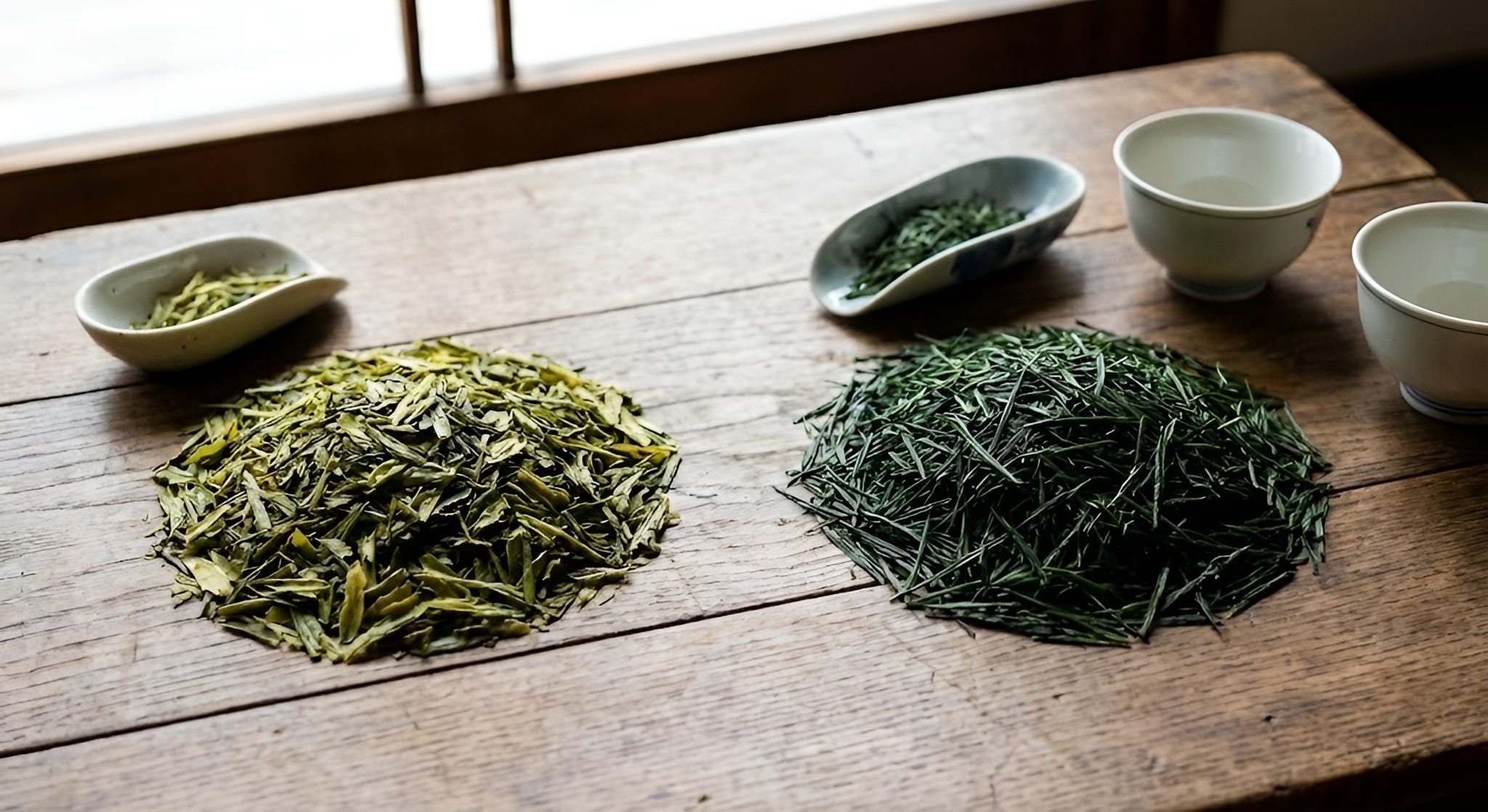
Both are Japanese green teas, but one costs 3x more. We explain the shading process, the Umami factor, and the difference between Sencha and Gyokuro."
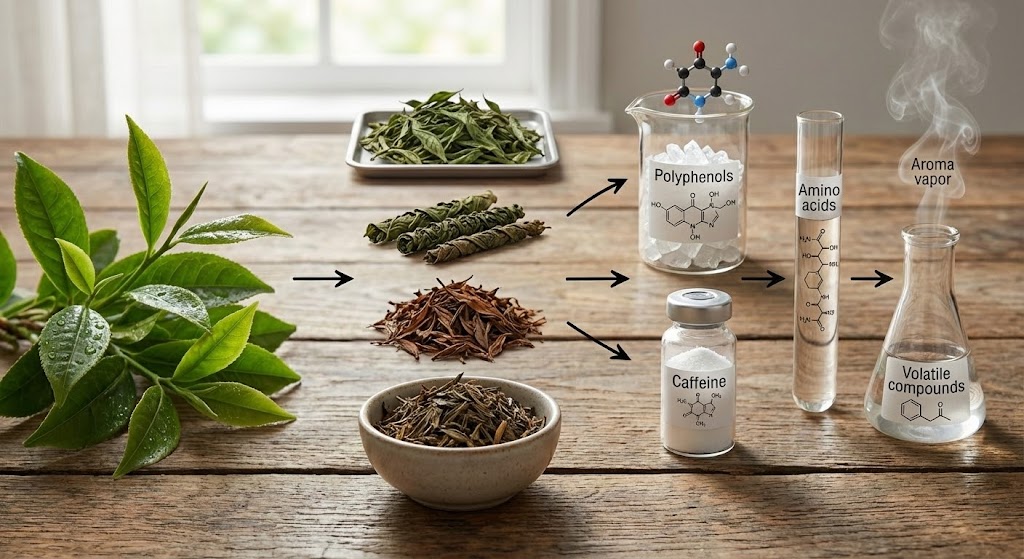
Confused by the chemistry? We break down the hierarchy of tea compounds. Learn the difference between Polyphenols, Flavonoids, Catechins, and EGCG.
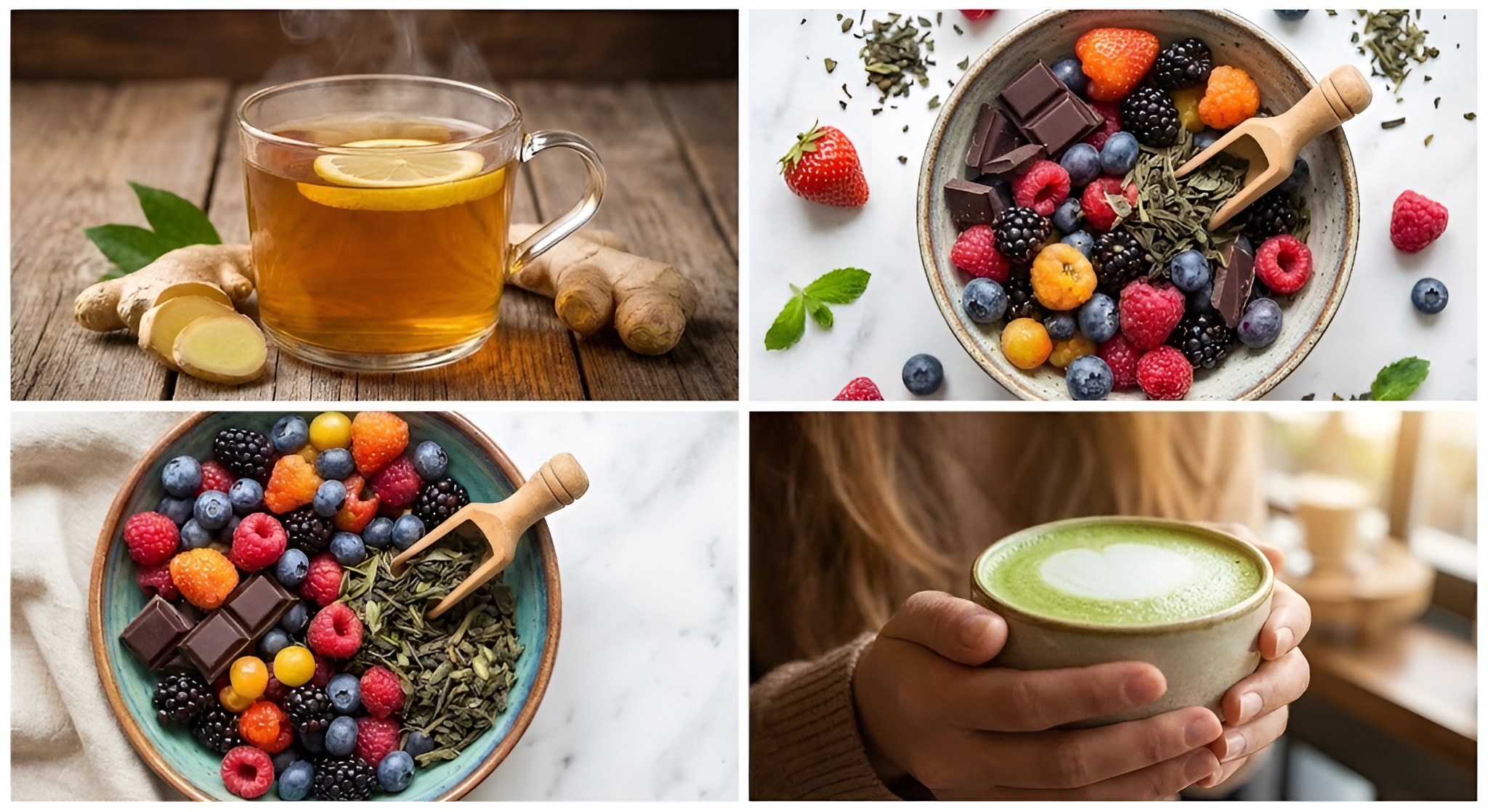
Discover the 5th taste in tea. We explain the science of Glutamic Acid and Theanine, why Japanese teas taste like seaweed, and how to brew for maximum Umami.
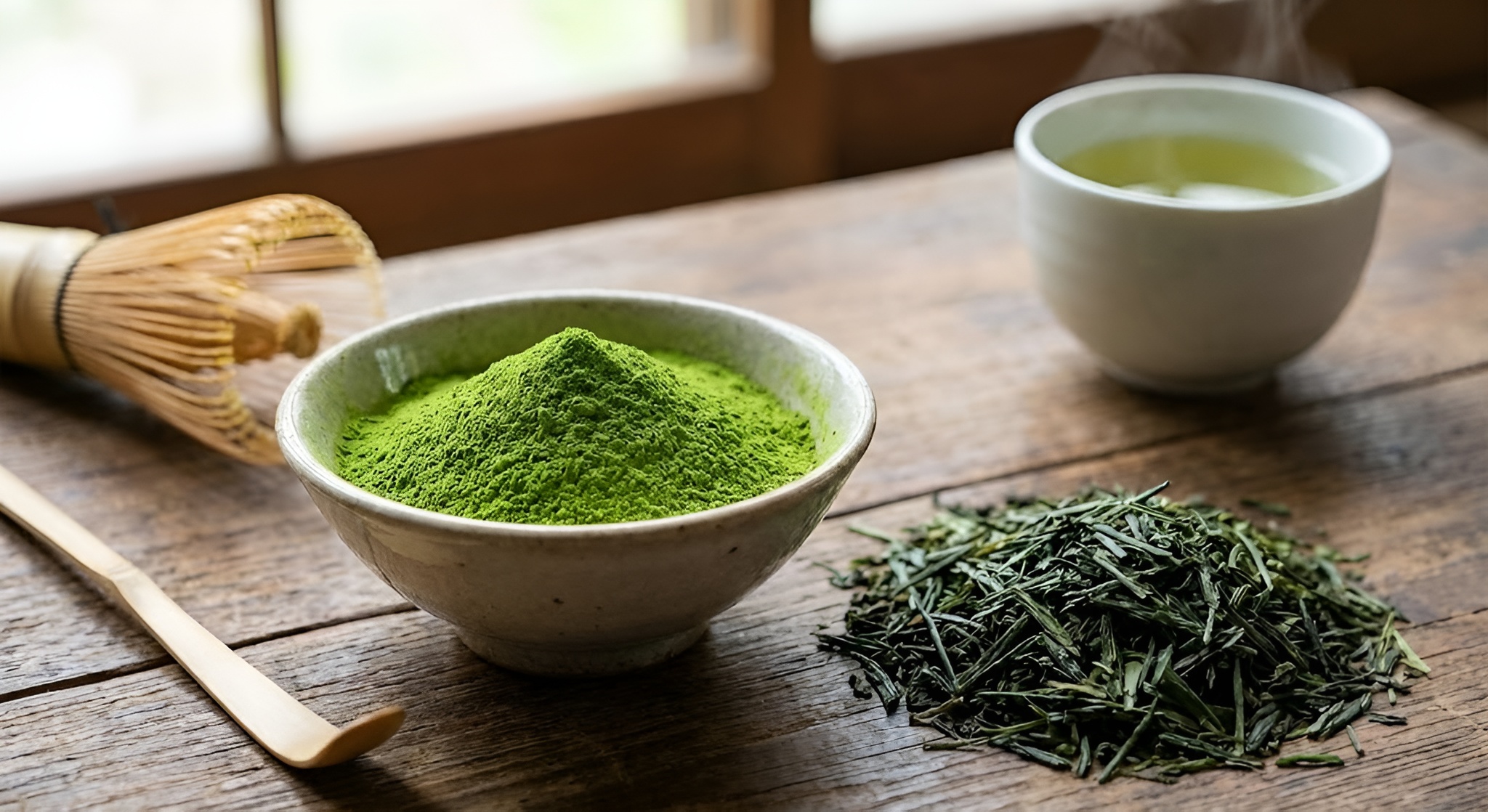
Matcha is powdered green tea, but is it really healthier? We analyze the science of EGCG absorption, leaf consumption vs. infusion, and the antioxidant difference."
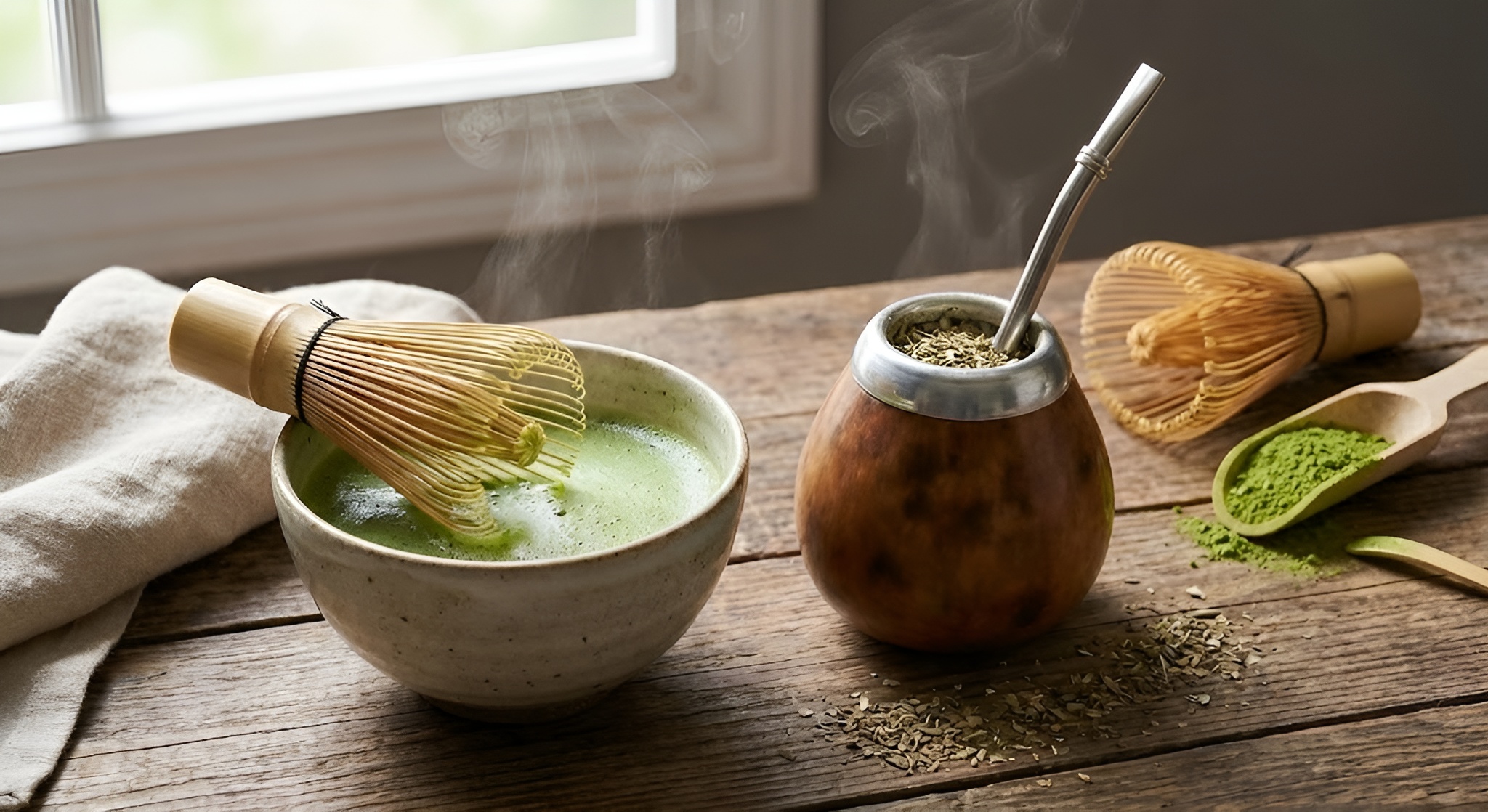
Looking for maximum energy? We compare the caffeine, crash-factor, and health benefits of South American Yerba Mate vs. Japanese Matcha."
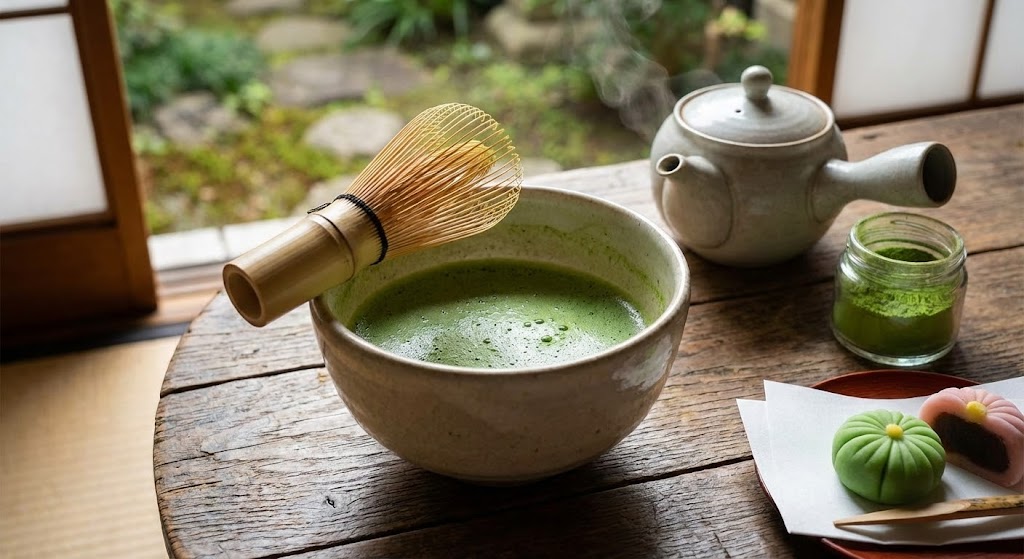
Your central guide to everything Matcha: health benefits, processing secrets, major varieties and how to spot fake Matcha.

It looks like a mistake, but it tastes like comfort. We explore the history of Genmaicha ('Popcorn Tea'), why Samurai drank it, and the science of why rice makes green tea stomach-friendly.
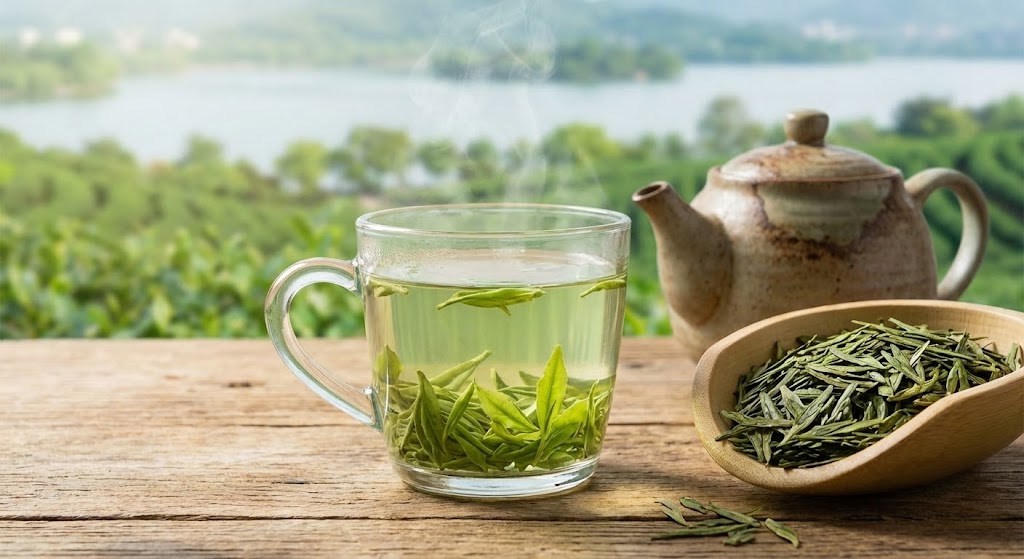
Your central guide to everything Longjing: health benefits, processing secrets and major varieties.
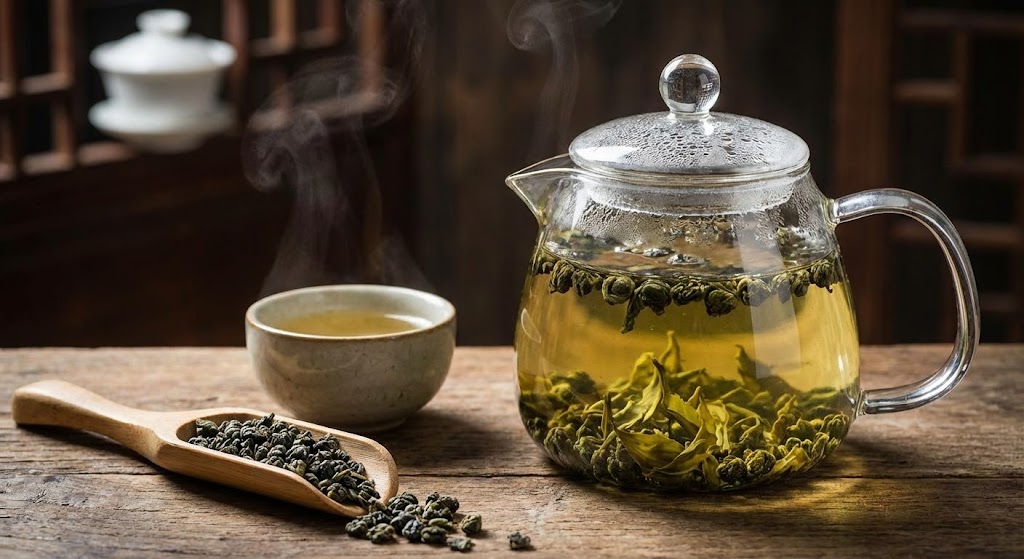
Your central guide to everything Gunpowder: health benefits, processing secrets and major varieties.
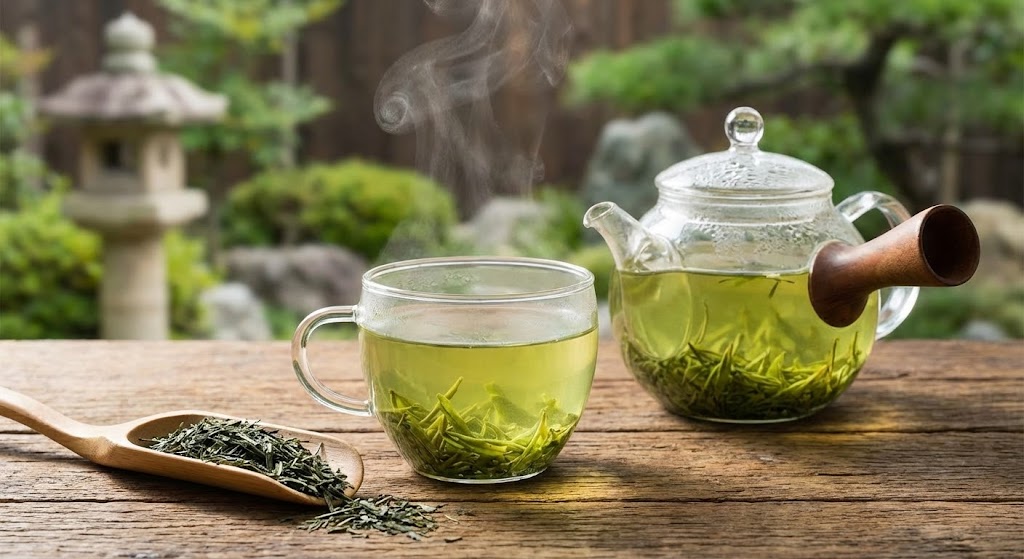
Your central guide to everything Sencha: health benefits, processing secrets and major varieties.
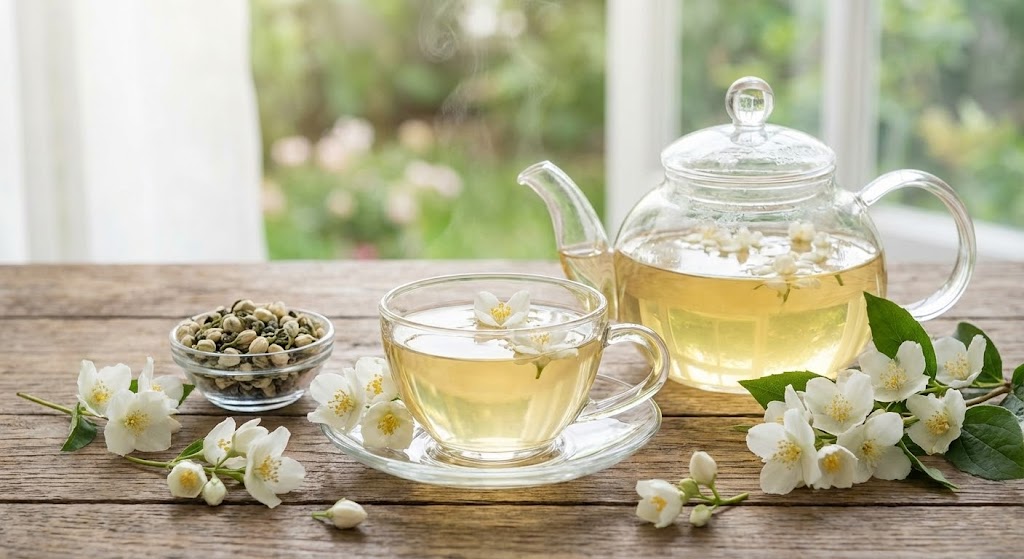
Your central guide to everything Jasmine: health benefits, processing secrets and major varieties.
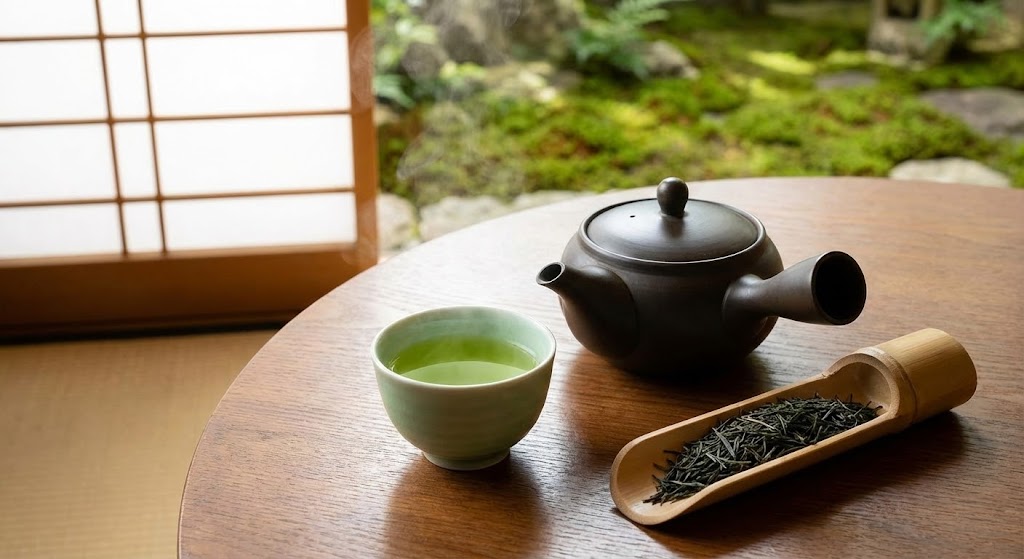
Your central guide to everything Gyokuro: health benefits, processing secrets and major varieties.
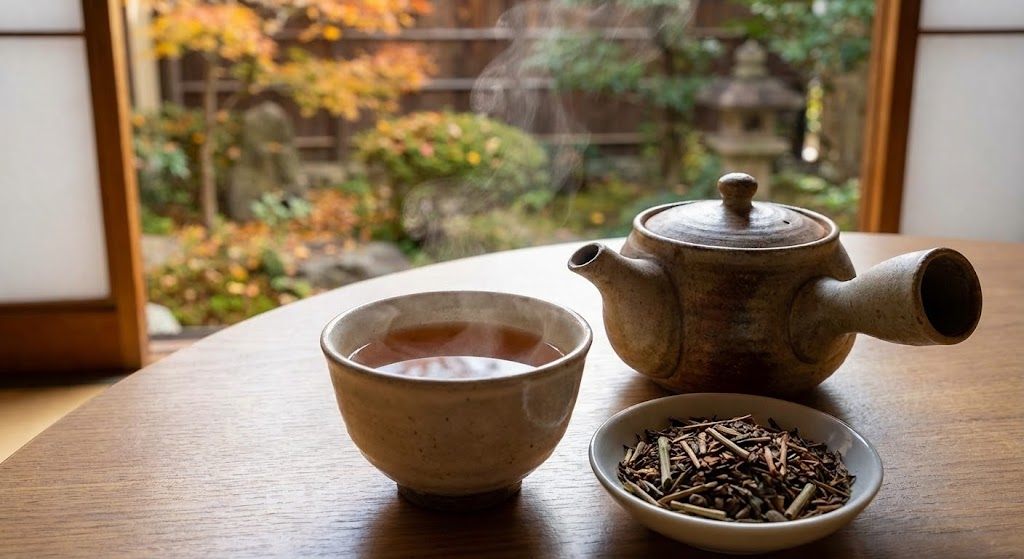
Your central guide to everything Hojicha: health benefits, processing secrets and major varieties..

Your central guide to everything Bancha: health benefits, processing secrets and major varieties.