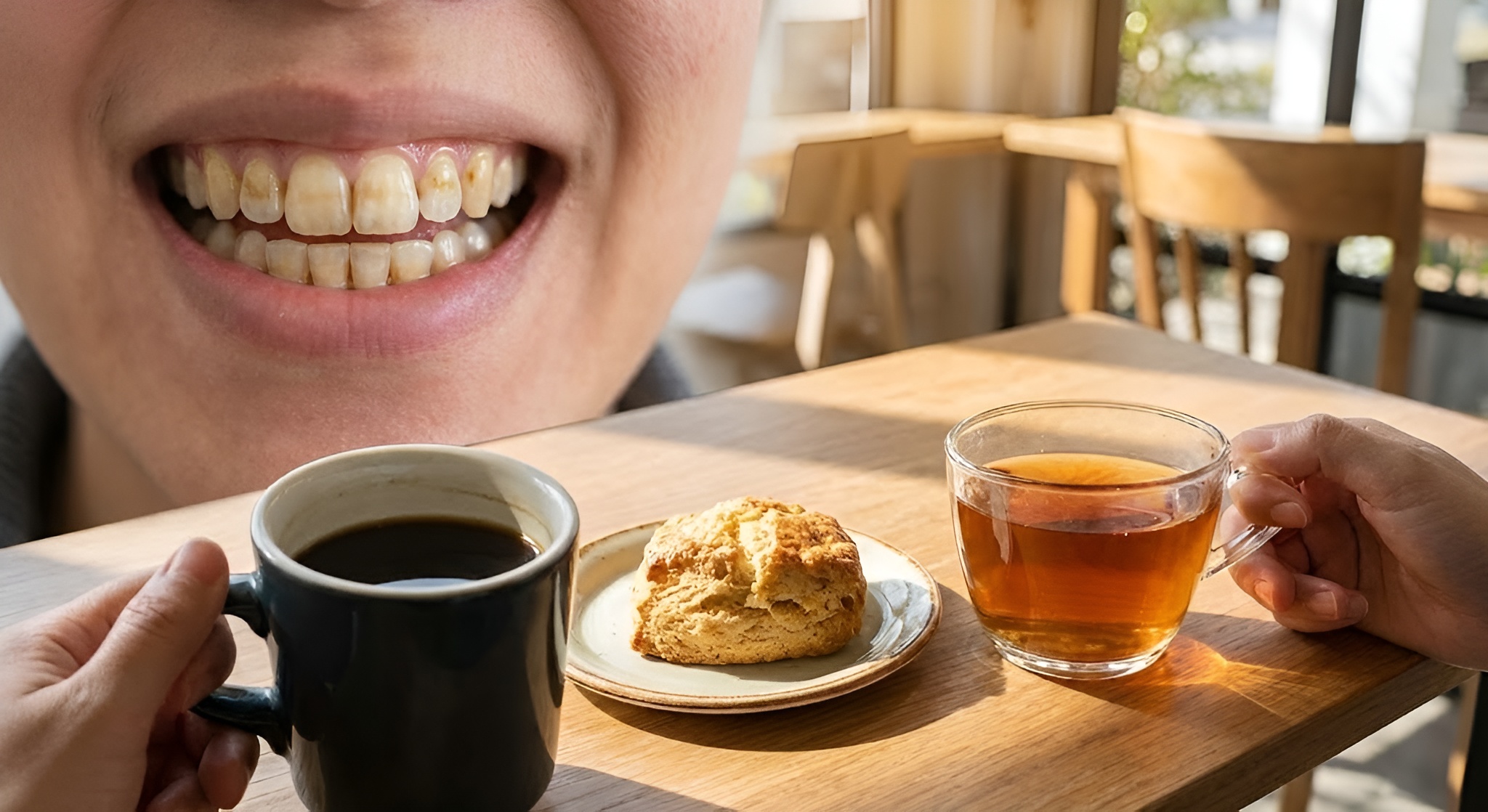
The Master Table: Find Your Stain
Can't find what you need? Find your stain below to jump to the dedicated guide.
| Surface | The Problem | The Fix | Read Guide | Top Products |
|---|---|---|---|---|
| Stain Removal Guide | Binding to specific surfaces | Read to know more. | Prevent Tea Stains → | Find your specific product in the reviews below → |
| Clothes / Fabric | Tannins dyeing the fiber. | Cold water flush + Vinegar. | How to Save Your Shirt → | Best Laundry Stain Removers → |
| Carpet / Rugs | Liquid soaking into pile/backing. | Blotting + Baking Soda. | Emergency Carpet Guide → | Best Carpet Cleaners → |
| Mugs / Teapots | Polymerization on glaze. | Baking Soda Paste (Abrasive). | Restore Your Mugs → | Best Cleaning Tablets → |
1. The Science: Why Tea Stains Stick
To understand why tea stains are so stubborn, we have to look at the chemistry. Staining requires three elements: Chromogens (pigments), Acidity (surface roughening), and Tannins (binding agents).
Coffee is high in chromogens but relatively low in tannins. Tea, specifically Black Tea, is packed with tannins. Think of tannins as "molecular velcro." They latch onto the proteins in your enamel, and then they grab onto the dark pigments in the tea. This means tea doesn't just sit on the surface of your tooth; it effectively "glues" itself there.
Expert Tip: The Tongue Test
Run your tongue over your teeth after drinking Strong Assam vs. Coffee. If your teeth feel "fuzzy" or rough after tea, that is the tannins binding to your bio-film. This "fuzz" is exactly where the stain will settle.
2. Ranking the Worst Offenders
Not all teas stain equally. The level of oxidation and processing directly correlates to staining potential. We have ranked them from "Safe Smile" to "Danger Zone."
| Tea Type | Stain Risk | Why? |
|---|---|---|
| White Tea | Low | Very light pigment, low tannin count. Safest daily option. |
| Herbal (Peppermint) | Low | Clear liquor, zero tannins. (Avoid berry/hibiscus which are high acid). |
| Green Tea | Medium | Can cause dull grey stains over long periods due to catechins, but less severe than black tea. |
| Coffee | High | Dark pigment (Chromogens) causes yellowing, but easier to scrub off than tea. |
| Black Tea (Plain) | Very High | High tannins + Dark pigment = Stubborn grey/brown stains. |
| Matcha | Variable | Since you consume the whole leaf powder, chlorophyll can temporarily stain plaque green, but it brushes off easily. |
Expert Tip: Beware of Berry Teas
While herbal teas are generally safe, fruit infusions like Hibiscus or Blackcurrant are highly acidic and highly pigmented. The acid etches the enamel, creating microscopic pits for that deep red color to soak into.
3. The Milk Shield (Casein Protein)
The British habit of adding milk to tea isn't just for flavor—it is surprisingly effective dental protection. A study published in the International Journal of Dental Hygiene found that adding milk to tea significantly reduces its ability to stain teeth.
Why? The main protein in milk, Casein, acts as a magnet for tannins. The tannins bind to the casein molecules instead of binding to your teeth. The resulting complex is too large to stick to enamel and is washed away when you swallow.
Expert Tip: Milk First or Last?
For dental purposes, it doesn't matter. As long as the milk is present in the cup, the casein will intercept the tannins. However, note that vegan milks (Oat, Soy) lack Casein, so they do not offer the same level of stain protection.
4. Don't Brush Immediately!
This is the most common mistake. When you finish a cup of tea, your mouth is in an acidic state, meaning your enamel is temporarily softened. If you rush to the bathroom and scrub your teeth immediately, you are literally brushing the enamel away, exposing the yellow dentin underneath.
The Golden Rule: Wait at least 30 minutes after your last sip before brushing. This gives your saliva time to neutralize the acid and re-harden the enamel.
Expert Tip: The "Water Chase"
Instead of brushing, "chase" your tea with a glass of plain water. Swishing water around your mouth restores the pH balance and physically dislodges the pigmented liquid before it dries onto the tooth surface.
5. The Straw Strategy
It might look odd drinking hot tea through a straw, but for Iced Tea or Bubble Tea, a straw is your best defense. By bypassing the front teeth entirely, you minimize contact time with the visible "smile zone" of your mouth.
For hot tea, consider sipping quickly rather than swishing or holding the liquid in your mouth to savor it. The less contact time, the less staining.
6. How to remove existing stains
If the damage is already done, simple whitening toothpastes (which use abrasives like silica) can scrub off surface stains. However, be careful not to over-use charcoal powders, which can be too abrasive and damage enamel permanently.
For deep, grey tea stains, professional chemical whitening (peroxide based) is often required, as these stains penetrate deeper than coffee yellowing.
Expert Tip: Crunchy Snacks
Eating crunchy, raw vegetables like carrots, apples, or celery after tea acts as a natural toothbrush. The mechanical action of chewing helps scrub surface stains off teeth while stimulating saliva flow to neutralize acid.
Concerned about mug stains too?
If tea does this to your teeth, imagine what it does to your favorite mug. Learn why bleach is a bad idea and the safe way to clean them: How to Remove Tea Stains from Mugs (Without Bleach) →
Comments