The Master Table: Find Your Stain
Select your stain below to jump to the dedicated guide.
| Surface | The Problem | The Fix | Read Guide | Top Products |
|---|---|---|---|---|
| Stain Removal Guide | Binding to specific surfaces | Read to know more. | Prevent Tea Stains → | Find your specific product in the reviews below → |
| Clothes / Fabric | Tannins dyeing the fiber. | Cold water flush + Vinegar. | How to Save Your Shirt → | Best Laundry Stain Removers → |
| Carpet / Rugs | Liquid soaking into pile/backing. | Blotting + Baking Soda. | Emergency Carpet Guide → | Best Carpet Cleaners → |
| Teeth | Binding to enamel protein. | Water Swish + Casein (Milk). | Prevent Teeth Stains → | Best Toothpastes → |
1. The Science: Why Does Tea Stain So Badly?
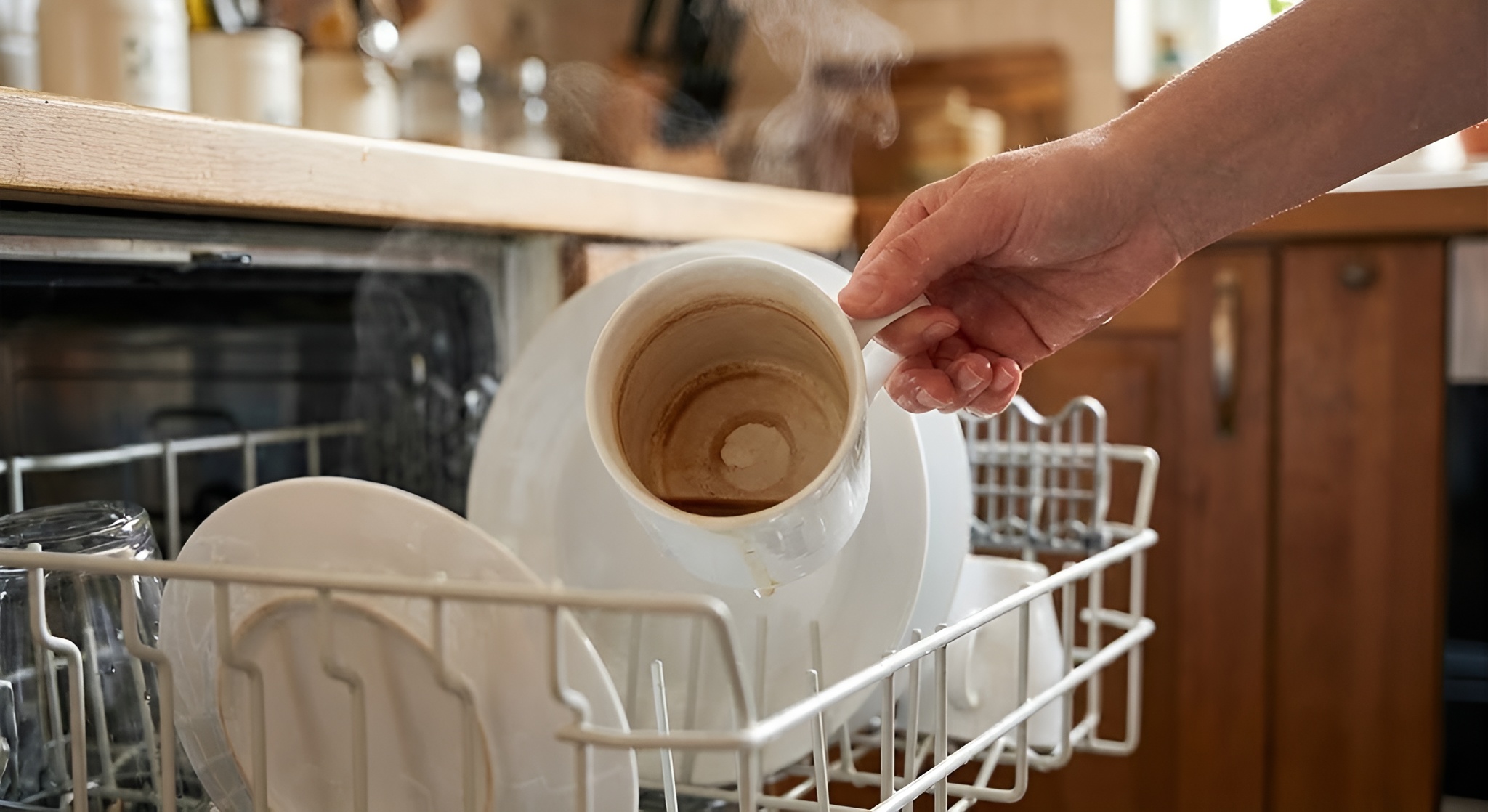
Tea is rich in Tannins (polyphenols). These are natural vegetable dyes—historically used to dye leather and fabric. When tea is made with hot water, these tannins bond with microscopic pores in the ceramic glaze.
[Image of tannin chemical structure]This bonding process is accelerated by two things:
- Hard Water (Limescale): Calcium ions in the water grab the tannins and stick them to the cup wall (this is also what causes "Tea Scum").
- Time: Leaving a tea bag in the cup or letting the dregs sit overnight allows the tannins to polymerize into a hard, lacquer-like resin.
Is it the Water?
If your tea stains instantly, you probably have Hard Water. The calcium acts like glue for the stain. Learn how to fix your water here: The Science of Tea Scum →
2. Method 1: The "Baking Soda Paste" (Best for Daily Cleaning)
This is the gold standard. Baking soda (Sodium Bicarbonate) works two ways: it is mildly abrasive (physical cleaning) and alkaline (chemical cleaning).
The Protocol:
1. Rinse the mug with water but leave it damp.
2. Sprinkle 1 tablespoon of Baking Soda inside.
3. Use a damp sponge or cloth to scrub the paste into the stains.
4. The brown rings should vanish in seconds.
5. Rinse thoroughly.
Why it works: The crystals gently scour the surface without scratching the glaze.
3. Method 2: The "Acid Soak" (Best for Hard Water Scale)
If your stain feels rough or chalky, it is mixed with limescale. You need acid to dissolve the calcium.
The Protocol:
1. Fill the mug halfway with White Vinegar.
2. Fill the rest with very hot water.
3. Let it sit for 10-20 minutes.
4. Wash as normal.
Why it works: The acid dissolves the calcium mineral bonds, releasing the tannin dye trapped inside.
4. Method 3: The "Denture Tablet" Hack (Best for Zero Scrubbing)
This is the secret weapon for impossible stains inside narrow flasks or teapots where you can't fit your hand.
The Protocol:
1. Fill the vessel with hot water.
2. Drop in 1-2 Denture Cleaning Tablets (like Steradent).
3. Watch it fizz. Leave it overnight.
4. In the morning, rinse it out. The stain will be gone.
Why it works: These tablets contain oxidizers (like bleach but safer) designed to remove organic stains from ceramics/plastics without toxicity.
Cleaning Yixing Teapots?
STOP! Never use soda, vinegar, or tablets on unglazed Yixing clay. You *want* the stains (seasoning) to build up inside. Only clean the outside with hot water. Read more: The Yixing Guide →
5. Prevention: How to Keep Mugs White
Once your mugs are clean, keep them that way.
- Rinse Immediately: Even if you don't wash the cup, rinse it with water the second you finish drinking. This stops the tannins from drying and bonding.
- Use a Filter: Removing the calcium from your water prevents the "glue" that holds the stain.
- Avoid "Magic Erasers": While they work, they are essentially sandpaper. Over time, they micro-scratch the glaze, creating rough patches that stain *faster* in the future.
Comments