The Master Table: Find Your Stain
Select your stain below to jump to the dedicated guide.
| Surface | The Problem | The Fix | Read Guide | Top Products |
|---|---|---|---|---|
| Stain Removal Guide | Binding to specific surfaces | Read to know more. | Prevent Tea Stains → | Find your specific product in the reviews below → |
| Clothes / Fabric | Tannins dyeing the fiber. | Cold water flush + Vinegar. | How to Save Your Shirt → | Best Laundry Stain Removers → |
| Mugs / Teapots | Polymerization on glaze. | Baking Soda Paste (Abrasive). | Restore Your Mugs → | Best Cleaning Tablets → |
| Teeth | Binding to enamel protein. | Water Swish + Casein (Milk). | Prevent Teeth Stains → | Best Toothpastes → |
The Chemistry of the Stain: Why is Tea So Hard to Clean?
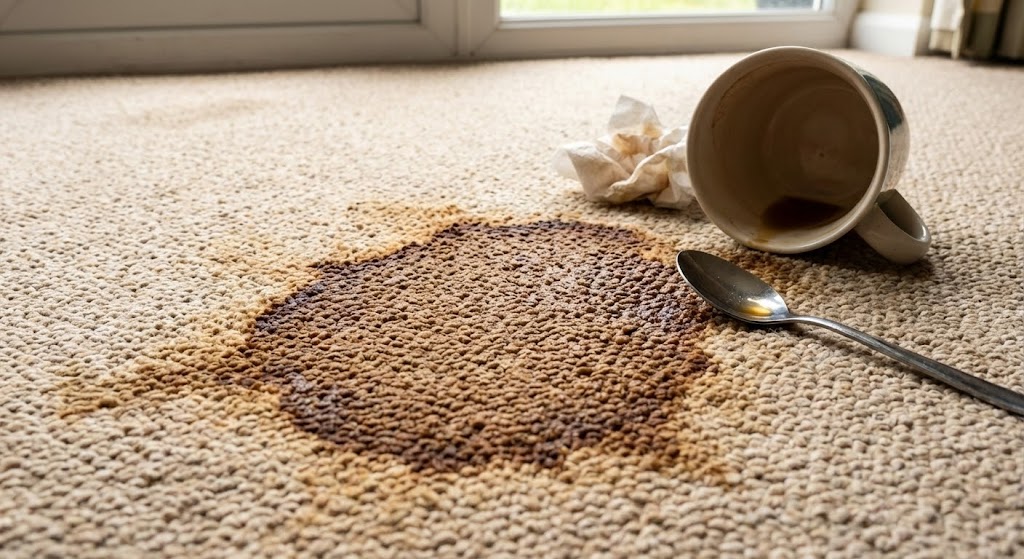
To defeat the stain, you must understand it. Tea is not like a sugary soda spill; it is a chemical bonding agent. The color comes from oxidized polyphenols—specifically Theaflavins and Thearubigins in Black Tea.
The "Acid Dye" Effect: In textile chemistry, tannins act as "mordants," meaning they help fix dyes to fibers. Tannins are acidic. When they come into contact with certain fibers—especially protein-based fibers like Wool or Nylon—they form a chemical bond that is very difficult to break with water alone. This bond effectively dyes the carpet fiber brown.
If you have a Wool Carpet, you are in the danger zone. Wool is highly absorbent and possesses cationic sites (positive charge) that attract the anionic (negative charge) tannins. Synthetic carpets like Polypropylene or Olefin are hydrophobic (water-repelling) and generally easier to clean because the tea sits on the surface rather than penetrating the core of the fiber.
Temperature Warning
NEVER use hot water. It might feel intuitive to "wash" the stain with hot soapy water, but hot water opens the pores of the carpet fibers and accelerates the chemical bonding process of the tannins. You are effectively "cooking" the dye into the rug. Always use cold or lukewarm water to keep the fibers closed.
Phase 1: The Emergency Response (Fresh Spills)
Speed is everything. As soon as the tea hits the floor, the clock is ticking. The longer it sits, the more it oxidizes and bonds.
Step 1: The Blot (Capillary Action)
Grab a clean, white cloth or paper towel. Do not use a colored cloth, as the dye from the cloth might transfer to the carpet (color bleeding). Press down firmly on the stain. Do not rub back and forth. Rubbing frays the carpet fibers (creating a fuzzy texture) and pushes the liquid outward, making the stain larger. Rely on capillary action to suck the liquid up into the towel. Keep moving to a clean part of the towel until no more liquid transfers.
Step 2: The Dilution
Pour a small amount of Cold Water directly onto the stain. Use just enough to dilute the remaining tea, but not so much that you soak the carpet backing (which can lead to mold or wicking later). Blot again immediately. Repeat this 2-3 times to remove the bulk of the sugar and tannins.
Phase 2: The Cleaning Solution (DIY Methods)
If water didn't remove it all, it's time for chemistry. Avoid harsh chemical carpet cleaners initially, as they can set the stain if they have the wrong pH. You likely have the best tools in your kitchen.
Method A: White Vinegar (The Acid Neutralizer)
This method is best for removing the tannin color on wool or nylon carpets.
1. Mix 1 part Distilled White Vinegar with 2 parts Cold Water in a spray bottle.
2. Spray the stain generously.
3. Let it sit for 5-10 minutes. The acidity of the vinegar helps dissolve the mineral bonds of the stain and neutralizes any alkalinity from tap water.
4. Blot dry with a clean cloth.
Note: This method is generally safe for wool, but always test a hidden patch first.
Method B: Baking Soda (The Absorber)
This method is best for odors (especially if the tea had milk) and lifting deep moisture.
1. Create a thick paste using Baking Soda and a little water.
2. Spread it over the stain.
3. Let it dry completely (this may take several hours or overnight). As the paste dries, it pulls moisture and pigment out of the deep fibers via osmosis.
4. vacuum up the dried powder. You should see the powder has turned brown, indicating it absorbed the tea.
The Salt Myth
You may read advice to pour table salt on a red wine or tea stain. Be careful. While salt absorbs liquid, it can also act as a "mordant" (dye fixative) in certain chemical contexts. In the textile industry, salt is used to help dye stick to fabric permanently. Using salt on a tea stain might dry it out, but it could also lock the color in. Use Baking Soda instead—it absorbs without setting the color.
Phase 3: The Milk Factor (Protein Stains)
If you drink your tea British style (with milk), you have a double problem: Tannin Dye + Protein. Milk contains fats and proteins (casein) that can go rancid and smell if not removed. Vinegar alone won't break down the fat.
The Fix: You need a surfactant. Mix 1 teaspoon of clear dish soap (bleach-free, like washing up liquid) with a cup of cold water. Blot the stain gently. The surfactants in the soap will break down the milk fats and lift the proteins. Avoid laundry detergent, which often contains optical brighteners that can leave a glowing patch on your rug under UV light. Read more about milk protein chemistry here.
Phase 4: The Old, Dried Stain
Found a stain from last week under the sofa? It's harder, but not impossible. The tannins have oxidized and bonded firmly. You need to rehydrate them before you can lift them.
The Glycerin Rehydration Method
1. Apply a mix of Vegetable Glycerin and warm water to the spot. Glycerin is a humectant that softens the dried residue.
2. Let it sit for 30 minutes to penetrate the crust.
3. Rinse and blot with cold water.
4. If the color persists, use a 3% Hydrogen Peroxide solution. Warning: Peroxide is a bleaching agent. Test on a hidden area first. Dab gently, let it fizz for a minute, then rinse immediately. Do not leave it on wool for long periods.
The Phenomenon of "Wicking"
You cleaned the stain, it disappeared, but two days later... it's back! This is called Wicking. The liquid soaked deep into the carpet backing or underlay padding. As the carpet dries, the liquid (carrying the tea pigment) wicks up the fiber to the tip and evaporates, leaving the brown stain behind.
The Solution: Place a thick stack of paper towels over the wet spot and weigh it down with a heavy book or brick for 24 hours. This forces the deep moisture to wick into the towel instead of the carpet tip.
Before applying any chemicals, check your carpet type.
- Wool: Natural, protein-based. Highly absorbent. Sensitive to alkalis (ammonia) and bleach. Stick to Vinegar and Dish Soap. Avoid heavy scrubbing which causes "felting."
- Nylon: Synthetic but often dyed with acid dyes. Can be stained by tannins easily. Responds well to stain removers but can be bleached by peroxide.
- Polyester/Olefin: Hydrophobic and oil-loving (oleophilic). Tea usually sits on the surface. Easy to clean with water, but milk fats can bond strongly.
Stain Severity by Tea Type
| Tea Type | Stain Difficulty | Reason |
|---|---|---|
| Assam / Breakfast Tea | High (Severe) | Highest tannin content. Dark red/brown pigment bonds instantly. |
| Green Tea / Matcha | Medium | Lower oxidation levels mean lighter yellow stains, but chlorophyll can leave green marks. |
| Fruit / Hibiscus | High (Red Dye) | Contains anthocyanins (red pigment) which act like berry stains. Very difficult. |
| Peppermint / Chamomile | Low | Usually pale yellow; lacks the heavy tannins of Camellia sinensis. |
When to Call a Professional
If you have spilled a full pot of tea on a cream wool carpet, or if the stain has set for months, DIY methods might fail. Professional carpet cleaners use Hot Water Extraction (Steam Cleaning) with specialized tannin-spotting agents that are not available to consumers. If the rug is an expensive antique or silk blend, do not attempt to clean it yourself—the water alone could ruin the pile or cause shrinkage.
Comments