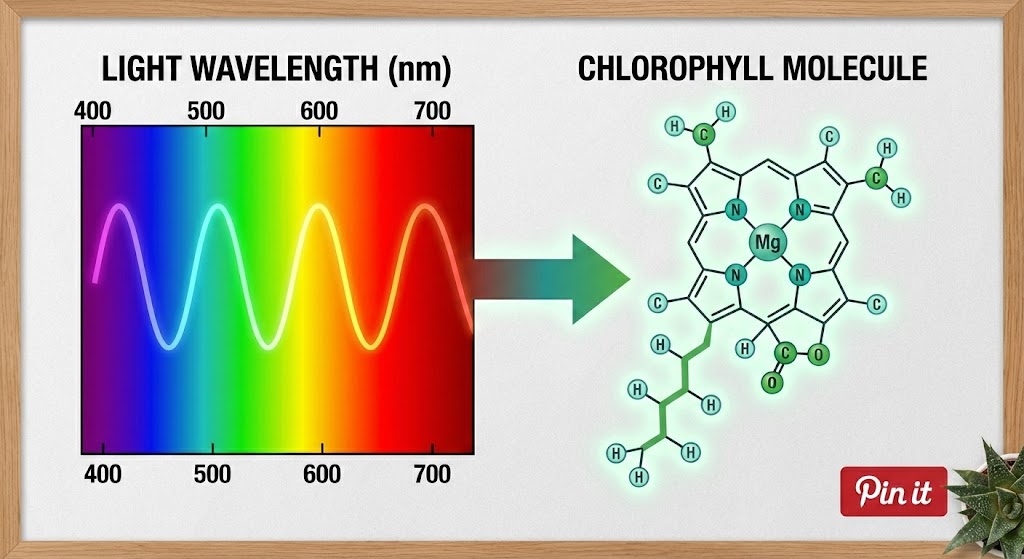
Understanding light-induced chlorophyll degradation: wavelength testing | teatrade is essential for tea professionals, enthusiasts, and anyone seeking to deepen their knowledge of tea science. This comprehensive guide explores the scientific principles, practical applications, and expert insights that make this topic crucial for the modern tea industry.
How different light frequencies destroy green tea color and flavor.
Whether you're a tea professional looking to refine your expertise, a home enthusiast seeking to improve your brewing techniques, or simply curious about the science behind your daily cup, this guide provides evidence-based insights backed by research and decades of collective industry experience in professional tea evaluation.
The Scientific Foundation
The chemistry and physics underlying light-induced chlorophyll degradation: wavelength testing | teatrade represents one of the most fascinating aspects of tea science. At the molecular level, multiple tea compounds interact in complex ways that determine the final sensory experience in your cup.
Research from leading tea institutes worldwide has revealed that these interactions follow predictable patterns governed by fundamental principles of organic chemistry, thermodynamics, and botanical science. Understanding these patterns allows us to manipulate variables with precision, achieving consistent and optimal results.
Modern analytical techniques including gas chromatography-mass spectrometry (GC-MS), high-performance liquid chromatography (HPLC), and spectrophotometry have allowed researchers to identify hundreds of specific compounds involved in these processes. Each compound contributes its own character to the overall profile, creating the complex flavor and aroma signatures we associate with quality tea.
Temperature, time, pH, oxygen exposure, and water mineral content all play critical roles in how these compounds behave. Small variations in any of these parameters can produce dramatically different results, which is why precision and consistency are hallmarks of professional tea preparation.
Professional Insight
Industry professionals recommend maintaining detailed brewing logs when experimenting with these parameters. Record water temperature, steeping time, leaf-to-water ratio, and sensory observations. Over time, these records reveal patterns that can be replicated for consistent quality.
Practical Applications in Tea Brewing
Translating scientific knowledge into practical technique requires understanding how theory manifests in real-world brewing scenarios. Professional tea tasters and master brewers have developed protocols that optimize these principles for commercial and home use.
The key lies in controlling variables systematically. Start with high-quality filtered water at the appropriate temperature for your specific tea type. Use precise measurements rather than approximations—a digital scale measuring to 0.1g provides the accuracy needed for professional-level consistency.
Timing matters more than most brewers realize. A difference of just 30 seconds can shift the balance between pleasant astringency and harsh bitterness, or between subtle complexity and washed-out blandness. Professional cupping protocols standardize these parameters to ensure reliable evaluation.
Container material influences results through heat retention, surface area contact, and micro-oxidation rates. Porcelain, glass, and unglazed clay each impart subtle differences. Understanding these material properties allows intentional selection based on desired outcomes.
Commercial operations employ standardized operating procedures (SOPs) that eliminate guesswork. Every variable is specified, measured, and documented. This same rigor can be applied at home using simple tools: a thermometer, timer, scale, and brewing notebook.
Expert Technique
When experimenting with new teas, brew three identical samples simultaneously with slight temperature variations (±5°C). This triangle test reveals the tea's temperature sensitivity and optimal brewing range more efficiently than sequential testing.
Advanced Considerations and Variables
Beyond fundamental brewing parameters, advanced practitioners consider secondary variables that fine-tune results. Water mineral composition significantly affects extraction rates and flavor development. Calcium and magnesium content ("water hardness") interact with tea polyphenols, altering both taste and appearance as seen in tea scum formation.
Geographic origin of tea leaves introduces terroir variables: soil composition, altitude, rainfall patterns, and microclimate all influence biochemical profiles. High-altitude teas grown in mineral-rich soils exhibit different extraction characteristics than lowland plantation teas from sandy soils.
Processing methodology leaves distinct chemical signatures. Orthodox leaf processing preserves more intact cell structures compared to CTC (crush, tear, curl) methods. These structural differences affect how quickly compounds dissolve during brewing, requiring adjusted parameters for optimal extraction.
Storage conditions prior to brewing matter more than commonly recognized. Tea stored in humid environments undergoes enzymatic changes; oxidation continues slowly even in "finished" tea. Professional tasters account for storage history when calibrating brewing protocols.
Seasonal variation affects even the same tea from the same producer. Spring harvests typically contain higher concentrations of amino acids and lower levels of catechins compared to summer harvests. These compositional differences require seasonal parameter adjustments for consistent results.
Pro Calibration Method
Test your water hardness using aquarium test strips or a TDS meter. Ideal brewing water ranges from 50-150 mg/L total dissolved solids. If your tap water exceeds this, consider using filtered or bottled spring water for high-value teas.
Common Mistakes and How to Avoid Them
Even experienced tea preparers fall into predictable traps. The most frequent error involves inconsistent measurement. "A teaspoon" varies wildly depending on leaf morphology—twisted oolongs, flat-pressed puerh cakes, and rolled balls all have different densities. Always measure by weight, not volume.
Overlooking water quality represents another common oversight. Chlorinated tap water masks delicate flavors and creates off-notes. Even "clean" municipal water contains dissolved minerals that interact unpredictably with tea compounds. When troubleshooting flavor issues, water should be the first variable examined.
Rushing the process undermines precision. Preheating vessels, allowing water to return to target temperature after adding leaves, and maintaining consistent timing all require patience. Professional protocols build in these steps explicitly.
Using inappropriate vessels for specific tea types leads to suboptimal results. Porous teaware absorbs and releases flavors over time—using the same pot for delicate whites and robust blacks creates contamination. Dedicated vessels for each category preserve flavor integrity.
Conclusion and Next Steps
Mastering light-induced chlorophyll degradation: wavelength testing | teatrade requires both theoretical knowledge and practical experience. The principles outlined here provide a foundation for continued exploration and refinement of brewing technique.
Begin by implementing one variable change at a time, documenting results carefully. Over weeks and months, patterns emerge that reveal your personal preferences and your specific water chemistry's interaction with different tea types.
The journey from novice to expert follows predictable stages: initial enthusiasm, overwhelming complexity, gradual pattern recognition, and finally intuitive mastery. Professional expertise develops through thousands of cups brewed with intentional attention to detail.
Continue your education by exploring related topics, attending professional cuppings, and connecting with the broader tea community. Knowledge compounds over time, each insight building on previous understanding.
Comments