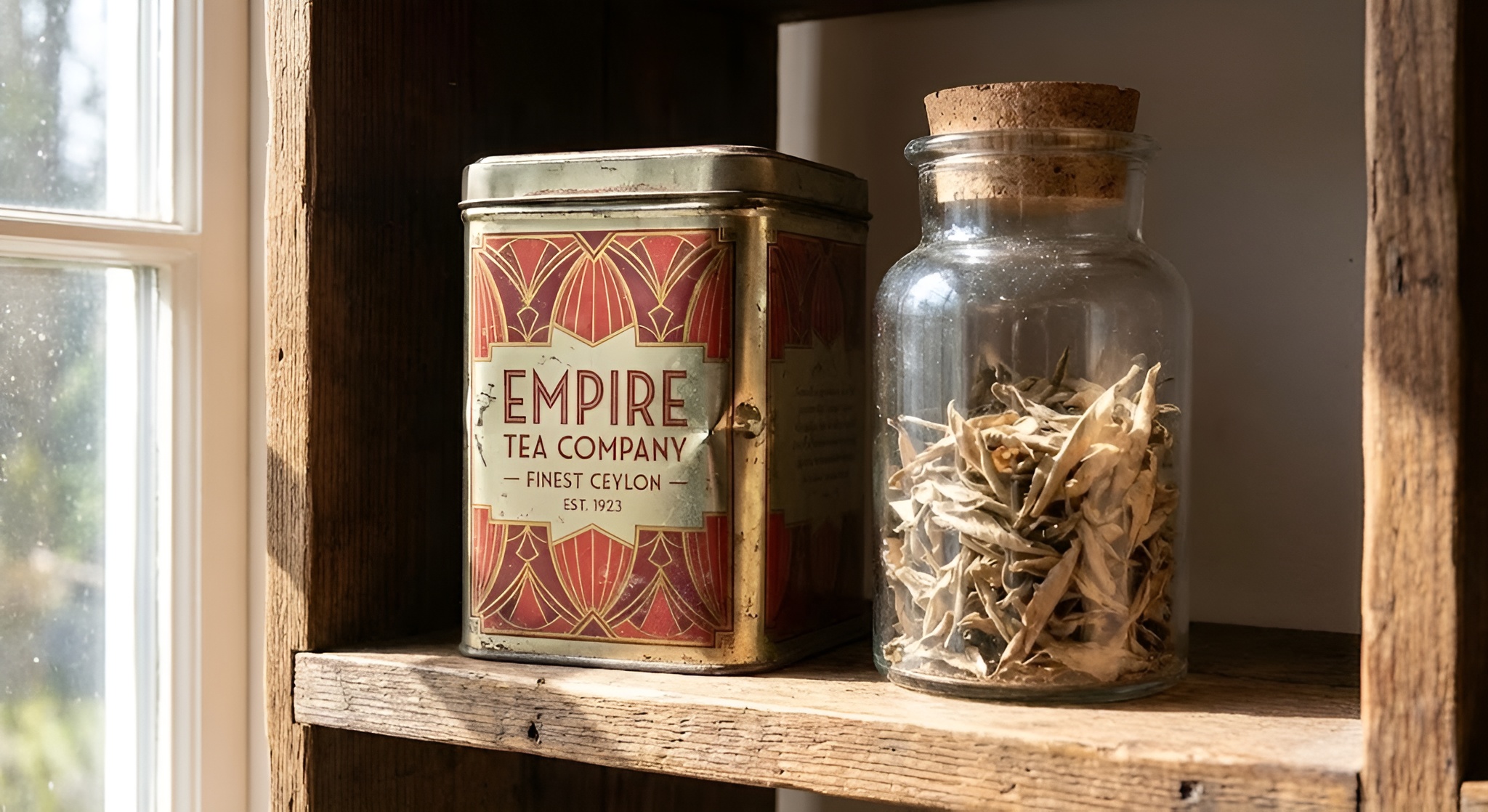
1. Light Exposure: The Primary Enemy of Tea
The photodegradation problem: Light (especially UV wavelengths 280-400nm) triggers oxidative degradation of tea polyphenols. When photons strike catechin molecules, they provide energy for oxidation reactions that normally proceed slowly in darkness. The result: your £15 gyokuro develops the stale, fishy aroma of oxidized tea in weeks instead of months.
Glass transmission rates: Clear glass transmits 90-95% of visible light and 40-60% of UV light. Even "amber" or "brown" glass (designed for beer/medicine) only blocks 60-85% of UV—leaving 15-40% to degrade your tea. Ceramic transmits 0% (opaque), and metal transmits 0%. The choice is obvious for premium teas like gyokuro or longjing.
Real-world test: Store identical samples of sencha in clear glass (kitchen counter), amber glass (same counter), and metal tin (same counter) for 30 days. Brew all three and taste side-by-side. The clear glass sample will taste flat and oxidized. The amber glass will show noticeable degradation. The metal tin sample will retain fresh, grassy character. This isn't subjective—chlorophyll degradation is measurable via spectrophotometry.
| Container Type | UV Transmission | Visible Light | Freshness Duration |
|---|---|---|---|
| Clear Glass Jar | 40-60% | 90-95% | 2-4 weeks |
| Amber Glass Jar | 15-40% | 30-50% | 4-8 weeks |
| Metal Tin (opaque) | 0% | 0% | 3-6 months |
| Ceramic Jar (opaque) | 0% | 0% | 3-6 months |
2. Oxygen Permeability: The Silent Killer
The oxidation cascade: Tea leaves contain polyphenols (catechins, theaflavins) that react with atmospheric oxygen. This oxidation is desirable during tea processing (making oolong or black tea) but disastrous during storage. Oxygen converts fresh catechins into theaflavins and thearubigins, turning your delicate white tea into something resembling stale black tea.
Glass jar reality: Most glass jars use rubber gaskets or cork lids. These materials have oxygen transmission rates (OTR) of 10-50 cc/m²/day. Over weeks, oxygen slowly permeates the seal, degrading tea from the top layer downward. You'll notice the top leaves browning faster than bottom leaves—this is oxygen gradient in action.
Metal tin advantage: Quality metal tins (tinplate or aluminum) have double-lid systems: outer friction lid + inner foil/plastic seal. When properly closed, these create near-vacuum conditions with OTR <0.1 cc/m²/day—100-500x better than glass jars. Some premium tins include nitrogen flushing (replacing air with inert nitrogen gas) for even longer storage. This is why commercial tea vendors ship in foil-lined bags inside metal tins.
Expert Tip: The "Burp" Test
How to check your container's seal: Fill your tea container, close it, and squeeze gently. A properly sealed metal tin will resist compression (air has nowhere to escape). A poorly sealed glass jar will "burp" air out through imperfect gaskets. If your container burps, oxygen is getting in. This simple test tells you if your storage is adequate for long-term freshness (3+ months) or short-term only (4-8 weeks).
3. Moisture Control: Keeping Tea Dry
The humidity problem: Tea is hygroscopic—it absorbs moisture from air. Fresh tea should have 3-7% moisture content. If stored in high humidity (>60% RH), tea will absorb moisture, reaching 10-15% moisture. This triggers enzymatic activity and potential mold growth. Moldy tea isn't just unpleasant—it's potentially toxic (mycotoxins).
Glass jars: Glass itself doesn't transmit moisture, but the lid seal matters. Rubber gaskets can deteriorate over time (1-2 years), developing micro-cracks that allow humidity penetration. In coastal or humid climates (UK, Japan), this is serious risk. I've seen expensive matcha develop clumps in glass jars after 6-8 weeks in humid kitchens—ruined by moisture absorption.
Metal tins: Quality tins use silicone or EPDM gaskets that maintain elasticity for 5-10 years. The double-lid system creates two moisture barriers. Some tins include silica gel packets in the inner chamber for active moisture absorption. For humid storage environments, metal tins with desiccant packets are far superior to glass jars with aging rubber seals.
4. Temperature Stability: Thermal Mass Matters
The thermal cycling problem: Kitchen temperatures fluctuate daily (morning cool, afternoon warm from cooking). Each temperature cycle causes air expansion/contraction inside containers, creating micro-pumping action that draws fresh air (with oxygen and moisture) into imperfect seals.
Glass disadvantage: Glass has low thermal mass—it heats and cools quickly with ambient temperature. A glass jar on a kitchen shelf will cycle through 10-15°C temperature swings daily. Each swing pumps air through imperfect seals. Over weeks, this accelerates oxidation.
Metal advantage: Metal (especially thick tinplate 0.20-0.30mm) has higher thermal mass than thin glass. It buffers temperature swings, reducing the pumping effect. Additionally, metal reflects thermal radiation from sunlight, while glass absorbs it. A metal tin stays cooler in sunlit storage (pantry with window) compared to glass jar.
| Storage Factor | Glass Jar | Metal Tin | Winner |
|---|---|---|---|
| Light Blocking | 15-60% UV transmission | 0% transmission | Metal |
| Oxygen Barrier | 10-50 cc/m²/day OTR | <0.1 cc/m²/day OTR | Metal |
| Moisture Seal | Rubber gasket (degrades) | Double-lid + silicone | Metal |
| Temperature Stability | Low thermal mass | High thermal mass | Metal |
| Visual Appeal | See contents | Opaque | Glass (aesthetic only) |
| Long-term Cost | Tea degrades faster | Tea lasts longer | Metal |
5. When Glass Makes Sense (The Exception)
Short-term daily-use containers: If you consume tea within 1-2 weeks, glass jars are acceptable for convenience. Keep them in dark cupboards (not on sunny counters). Refill from long-term storage (metal tins) as needed. This two-tier system works: bulk storage in metal, daily portion in glass.
Display purposes: For tea shops or Instagram aesthetics, glass creates visual appeal. However, professional tea vendors use glass only for display samples that are replaced weekly. Never store expensive puerh, matcha, or longjing in glass for more than 2 weeks.
The humidity-controlled exception: If you have a dedicated tea storage cabinet with humidity control (40-50% RH) and no light exposure, glass jars with excellent gaskets (Weck jars with fresh rubber) can work for 4-8 weeks. But this requires active environmental control—not practical for most home users.
6. Best Practices: Combining Storage Methods
The two-tier system: Buy tea in large quantities (50-100g) to reduce per-gram cost. Store bulk in double-lidded metal tins with inner foil seals. Transfer 5-10g portions to small glass jars for daily use (1-2 week supply). This balances convenience (glass for daily access) with preservation (metal for long-term storage).
Recommended containers: For long-term storage, use Japanese-made tinplate canisters (0.25-0.30mm thick) with double lids. Brands like Yoshikawa or Hakoya are designed specifically for tea. For budget options, buy plain metal tins and add silica gel packets. Avoid decorative tins with single press-fit lids—they lack adequate seals for serious storage.
Storage location matters: Even with perfect containers, store tea in cool (15-20°C), dark, dry locations. Kitchen cupboards are acceptable if away from stove heat and dishwasher steam. Avoid: above refrigerator (warm rising air), near windows (temperature swings + potential light), in bathroom (humidity from showers). Ideal: dedicated pantry shelf or bedroom closet.
Expert Tip: The Freezer Myth
Should you freeze tea? Not for daily-use tea. Freezing preserves tea indefinitely but requires absolute moisture protection—any condensation when removed from freezer will ruin the tea. Use freezer storage only for long-term archival (1+ year) of expensive tea in vacuum-sealed mylar bags. For normal storage (3-6 months), metal tins at room temperature outperform freezer storage without the condensation risk.
7. Cost Analysis: Why Metal Pays Off
Initial investment: Quality metal tea tin: £8-15 per 100g capacity. Glass jar with good gasket: £4-8 per 100g. Metal costs 1.5-2x more upfront.
Tea preservation value: Premium sencha (£15/50g) stored in glass degrades in 4 weeks—you throw away £7.50 of stale tea. Same tea in metal tin stays fresh 12 weeks—you use all £15. Over one year, the £8 tin saves £20-30 in prevented waste. The tin pays for itself in 3-6 months of prevented degradation.
Long-term durability: Quality metal tins last 10-20 years with proper care (hand wash, dry thoroughly). Glass jars last 5-10 years before gaskets fail. Replacement gaskets cost £2-4 each, negating initial savings. When you factor in tea preservation + container longevity, metal wins economically.
Conclusion: Chemistry Over Aesthetics
Glass jars look beautiful. They let you see your tea collection. They feel premium and rustic. But they destroy tea chemistry through light exposure, oxygen penetration, and inadequate moisture sealing. For teas consumed within 1-2 weeks, glass is acceptable. For anything longer—especially expensive greens, whites, and oolongs—metal tins are non-negotiable.
The science is clear: opaque + airtight + moisture-sealed = metal tins. Your £20 gyokuro deserves better than a £6 glass jar that will ruin it in a month. Invest in proper storage. Your future self (drinking fresh tea 6 months later) will thank you.
Comments