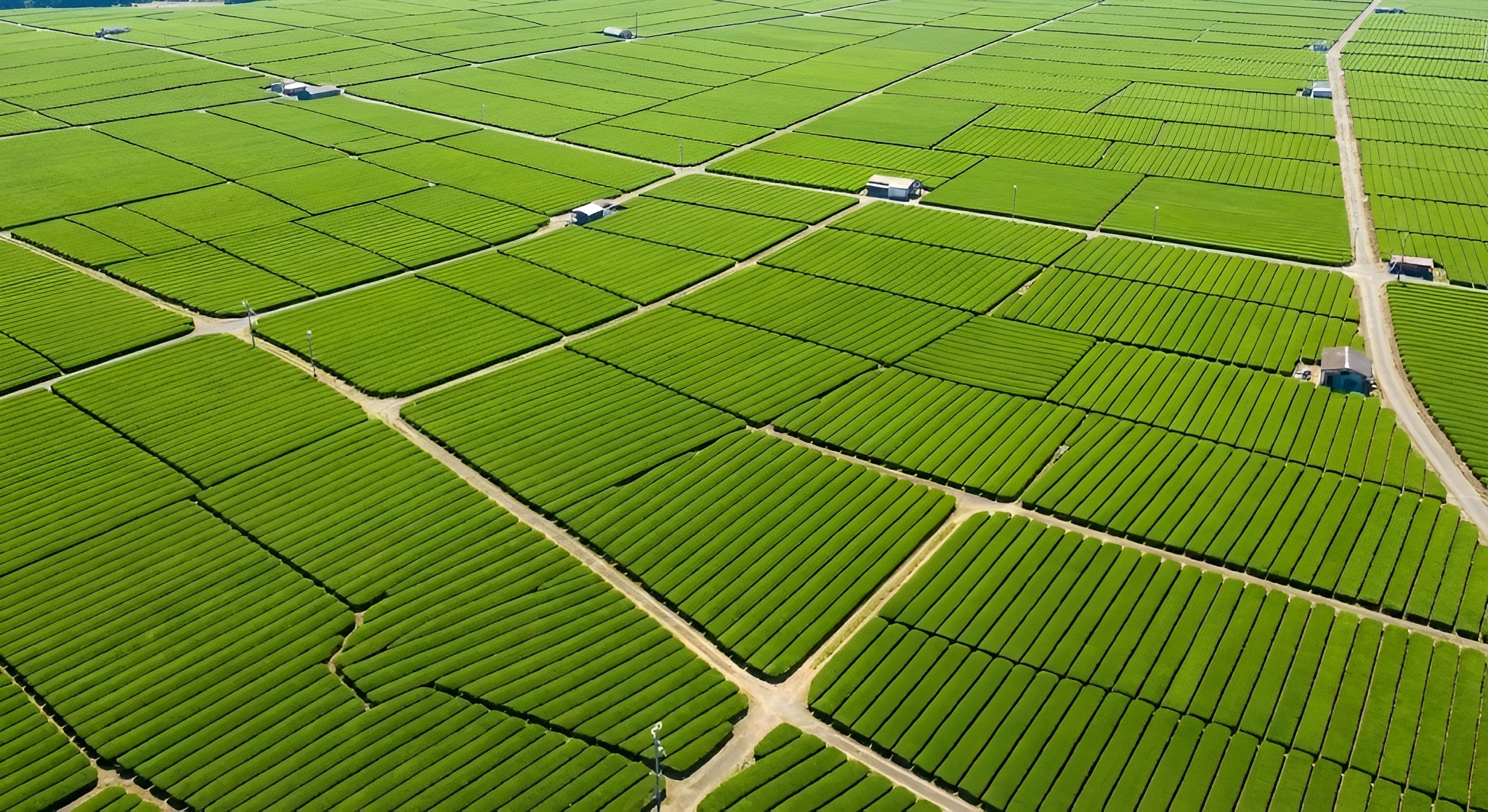
1. The Samurai Settlers: Swords into Ploughshares
To understand Makinohara tea, you must understand the fall of the Edo Period. For 250 years, the Tokugawa Shogunate ruled Japan with an iron fist. But in 1867, the Shogunate fell, and power was restored to the Emperor (the Meiji Restoration). The last Shogun, Tokugawa Yoshinobu, retired to Shizuoka Prefecture, taking thousands of his loyal retainers with him.
Suddenly, thousands of elite samurai warriors found themselves unemployed. They had no wars to fight, no stipends, and no purpose. They faced a choice: starve, rebel, or work the land.
Led by visionaries like Sekiguchi Takayoshi (a former magistrate) and Chujo Kageaki (commander of the Shogun's bodyguard), these warriors looked at the Makinohara Plateau. It was a wild, rocky tableland overlooking the Pacific Ocean. Locals called it useless. The samurai saw potential.
They traded their katanas for hoes. It was brutal work. The soil was acidic and hard. They lacked farming knowledge. Many gave up. But those who remained applied military discipline to agriculture. They planted tea in long, straight rows (unlike the scattered patches of mountain farmers), creating the "industrial" look of tea fields we see today. By the late 19th century, they had transformed the wasteland into the engine of Japan's tea export economy.
Expert Tip: The Statue of Makinohara
If you visit Makinohara today, you will see a statue of a samurai holding a tea branch. This honors the warrior-farmers who built the region. Their legacy is why Shizuoka produces 40% of Japan's tea, compared to Uji's 3-4%.
2. The Geographical Problem: Sun vs. Taste
The samurai succeeded in growing the plants, but they faced a culinary problem. Traditional Japanese tea (Sencha) was prized for its delicate sweetness and Umami. This flavor profile is usually achieved in mountain regions (like Uji or Kawane) where river mist blocks the sun.
Makinohara, however, is a flat plateau exposed to full, relentless sunlight from sunrise to sunset.
The Photosynthesis Trap: When tea leaves are exposed to high UV light, the plant converts its Amino Acids (Theanine = Sweet/Umami) into Catechins (Tannins = Bitter/Astringent). The plant also thickens its leaves to protect against dehydration.
The result? The tea grown on the plateau was incredibly healthy (high antioxidants) but tasted tough, grassy, and bitterly astringent. For decades, Makinohara tea was considered "second rate" compared to mountain tea. It was sold cheaply or used for export where quantity mattered more than quality.
3. The Innovation: Deep Steaming (Fukamushi)
In the 1950s, after World War II, the farmers of Makinohara decided to stop fighting nature and instead adapt their processing. The standard method for stopping oxidation in Japanese tea is Steaming for 30-40 seconds (Asamushi / Light Steam). This preserves the needle shape of the leaf.
The Makinohara farmers experimented: What happens if we just keep steaming?
They extended the steam time to 60, 90, even 120 seconds. This process, known as Fukamushi (Deep Steam), fundamentally altered the cellular structure of the leaf.
The Mechanics of Deep Steaming
Prolonged exposure to steam heat breaks down the Pectin in the cell walls. Pectin is the "glue" that holds plant cells together. When it dissolves:
1. Bitterness is Suppressed: The heat chemically alters the catechins, mellowing the sharp astringency into a smoother, fuller body.
2. Physical Disintegration: The leaf becomes incredibly fragile. During the subsequent rolling process, the tips of the leaves crumble into tiny particles.
3. Extraction Speed: Because the cell walls are obliterated, the tea extracts instantly upon contact with water.
| Feature | Asamushi (Standard) | Fukamushi (Deep Steam) |
|---|---|---|
| Steam Time | 30 - 40 seconds | 60 - 120 seconds |
| Leaf Appearance | Long, thin, intact needles | Broken, powdery, short bits |
| Liquor Color | Clear, Pale Gold/Yellow | Cloudy, Opaque, Neon Green |
| Flavor Profile | Sharp, Astringent, Delicate | Sweet, Full-Bodied, "Soupy" |
4. The "Suspension" Benefit
The unintended side effect of Fukamushi was a massive health boost. In standard tea brewing, you only drink the water-soluble nutrients (Vitamin C, caffeine, Catechins). The fat-soluble nutrients (Vitamin E, Beta-Carotene, Fiber) stay trapped in the leaf, which you throw away.
Because Fukamushi tea leaves degrade into fine particulate matter, when you brew it, you are actually drinking a suspension of the leaf itself. The microscopic particles float in the water (giving it that signature cloudy green look). This means you consume the fat-soluble vitamins and fiber that usually get discarded. It is halfway between loose leaf tea and Matcha.
5. How to Brew Fukamushi (The "Quick Brew")
If you brew Fukamushi like standard Sencha, you will ruin it. It extracts 2-3 times faster.
The Equipment: You cannot use a western teapot with a large-hole spout strainer. The fine particles will clog it instantly. You need a Japanese Kyusu with a Fine Mesh (Obi-ami or Fukamushi-ami) screen that wraps around the inside of the pot. See our guide on Kyusu teapots here.
The Protocol:
1. Leaf: 1 teaspoon (4-5g) per cup.
2. Water Temp: 70°C - 80°C (cooler than mountain tea). Why temperature matters.
3. Time: 30 - 45 seconds MAX. (Standard sencha is 60-90s).
4. Pour: Pour until the very last drop. The last drop contains the highest concentration of flavor ("Golden Drop").
Water Quality Note: Because Fukamushi extracts so readily, it is highly sensitive to water quality. Using hard water (high calcium) will dull the vibrant green color and flatten the taste. Always use soft, filtered water. Read our Water Quality Guide.
Expert Tip: The Color Test
Fukamushi is famous for its color. If your cup looks like clear yellow water, you bought Asamushi. True Fukamushi should look like cloudy, vibrant emerald soup. You shouldn't be able to see the bottom of the cup.
6. The Legacy: From Wasteland to Empire
Today, Fukamushi Sencha is the standard taste of tea in Tokyo households. Its ease of brewing (fast extraction), rich taste, and vibrant color made it more popular than the refined, finicky mountain teas of the past. The Yabukita cultivar, which was born in Shizuoka, is particularly well-suited to deep steaming, cementing the region's dominance.
The innovation of the Makinohara farmers proved that you don't need a misty mountain to make great tea. You just need science, samurai grit, and a lot of steam.
TeaTrade participates in affiliate programs. We may earn a commission if you buy via these links.
Comments