1. History: The Selection of Candidate #43
In the 1960s, the tea fields of West Lake were dominated by Qun Ti Zhong (Heirloom Population). These were sexual strains grown from seed. They were genetically diverse, resilient, and delicious, but they sprouted late and unevenly.
Researchers at the Tea Research Institute of the Chinese Academy of Agricultural Sciences (TRICA) set out to find a "Superior Bush." They selected dozens of individual plants from the Qun Ti fields that showed promise.
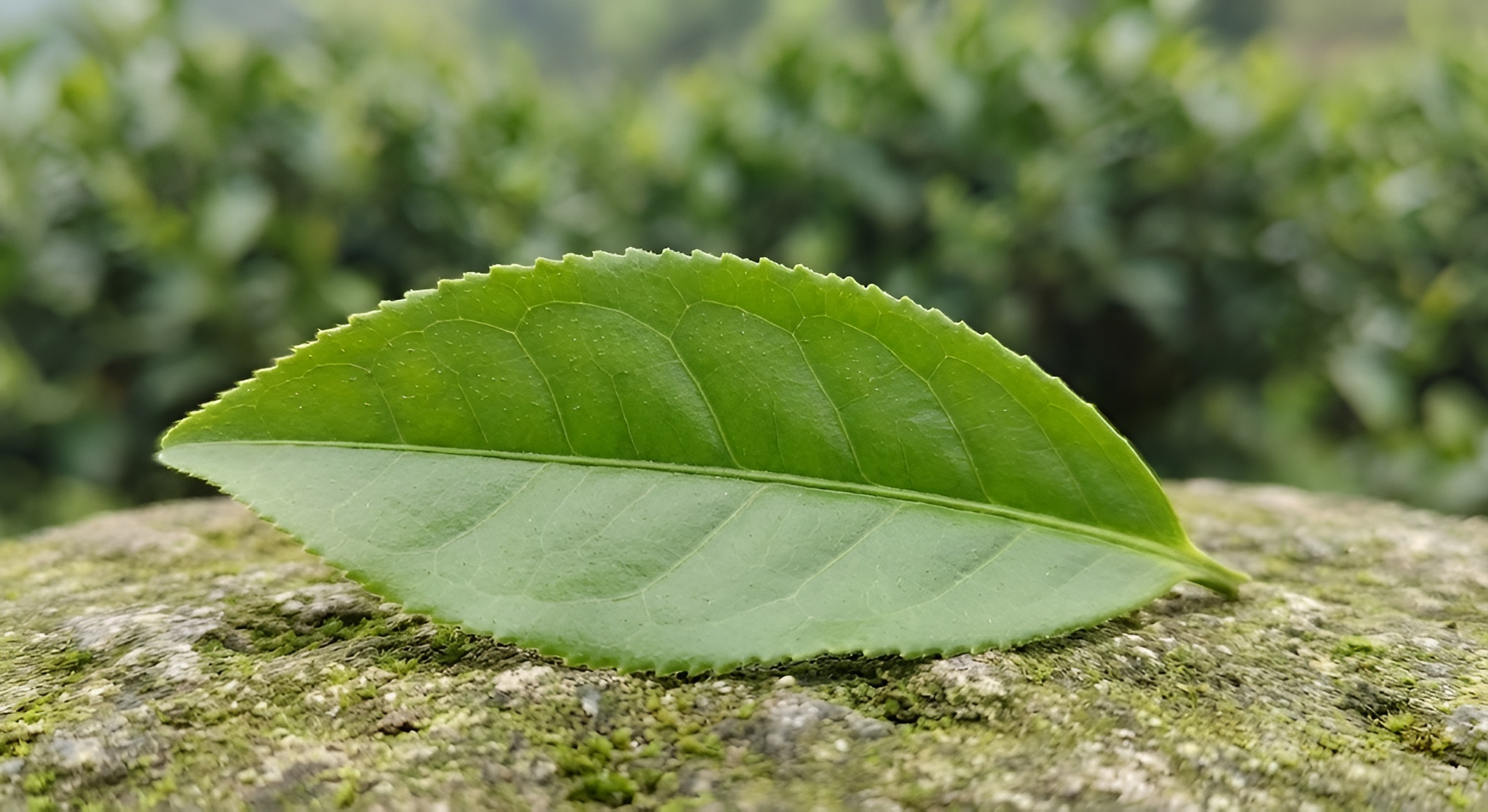
Bush #43 was the winner. It had incredible vigor, survived frost, and most importantly, it woke up from winter dormancy earlier than any other plant. It was officially released as a national cultivar in 1987, transforming the economics of Zhejiang province.
2. The Chemistry: "Dou Xiang" (Bean Aroma)
Japanese Sencha (Yabukita) smells like grass because it is steamed. Longjing smells like roasted nuts because it is Pan-Fired.
The high heat of the wok (200°C+) triggers the Maillard Reaction.
Pyrazines: Longjing #43 is rich in amino acids. When these amino acids hit the hot wok, they react with leaf sugars to form Pyrazines (Roasted Nut aroma) and Furans (Caramel aroma).
Dimethyl Sulfide (DMS): The same compound found in corn and seaweed. It gives Longjing its "Boiled Corn" or "Edamame" sweetness.
Expert Tip: Clonal vs. Heirloom
How to tell them apart?
Longjing #43 (Clone): Buds are perfectly uniform, slim, and often have a distinct "red mark" at the base of the stem. The taste is high-pitched, sweet, and nutty.
Qun Ti Zhong (Heirloom): Buds are irregular (fat, thin, long, short mixed). The taste is thicker, more complex, and floral, with a longer finish.
3. Processing: The "Hui Guo" Press
The defining feature of Longjing is its flat, sword-like shape. This is achieved through a grueling process called Hui Guo (Lime Pot).
The tea master presses the leaves against the side of a smooth, hot iron wok using specific hand movements (The Ten Hand Movements).
This pressing flattens the leaf cells, squeezing the Pectin and amino acids to the surface. When the tea dries, this pectin hardens into a glossy sheen ("Emerald Green") that seals the flavor inside.
| Feature | Longjing #43 (The Modern Star) | Qun Ti Zhong (The Old Master) |
|---|---|---|
| Harvest Time | Very Early (Pre-Qingming) | Late (Post-Qingming or late April) |
| Aroma | Roasted Chestnut, Green Bean | Floral, Deep, Orchid |
| Appearance | Uniform, Pretty, Spear-like | Messy, Irregular, "Ugly" |
| Price | High (Due to Timing) | Medium (Due to Lateness) |
4. Brewing: The Glass Test
Longjing is the only tea traditionally brewed in a tall glass cup. Why?
Density: The heavy pressing makes the leaves denser than water. They should sink to the bottom ("The Dance of the Tea"). If they float, the tea is either old or poorly processed.
Temperature: 80°C - 85°C. Boiling water will scald the delicate buds and extract excessive bitterness.
The Sip: Unlike Oolongs, you don't slurp Longjing. You let it cool slightly to allow the heavy Pyrazines (nutty aroma) to settle into the water.
Taste the Spring
We have secured a small batch of authentic Pre-Qingming Longjing #43 from the core West Lake protection zone (Lion Peak). Experience the chestnut aroma of true Dragon Well.
Shop Longjing #43
Comments