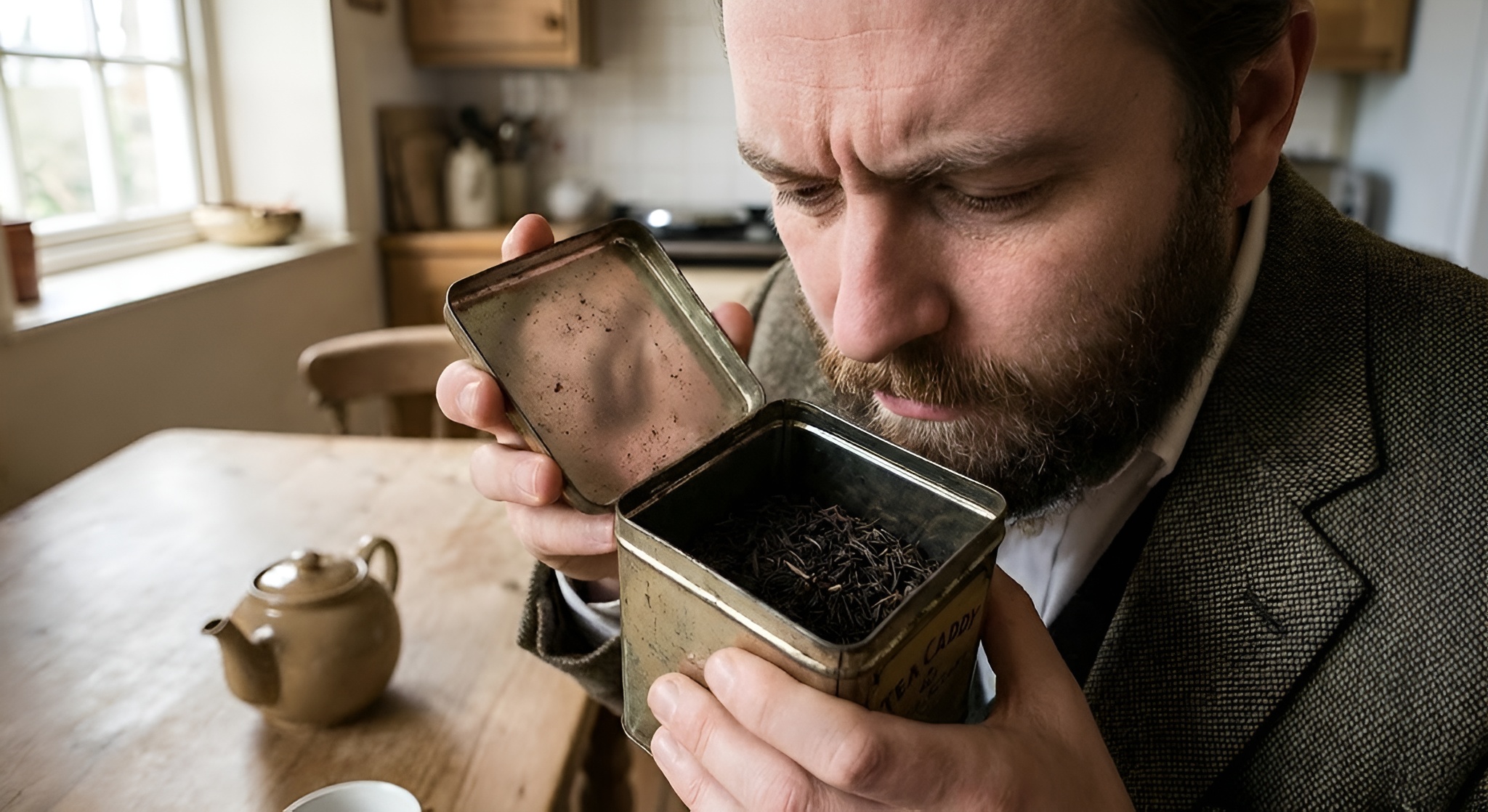
1. The "Best Before" Myth
Unlike milk or meat, tea is a low-moisture dry good. Bacteria and mold cannot grow without water. Therefore, the "Best Before" date on a tea box is a guideline for Flavor, not Safety.
If you drink tea that is 5 years past its date, you won't get food poisoning (unless it got wet—see below). However, you will likely be drinking "brown water" with zero aroma, antioxidants, or joy. The essential oils evaporate over time, leaving behind only the woody cellulose structure.
2. The "Ticking Clock": Teas That Die Young
Some teas are like fresh vegetables—they need to be consumed fresh. If you have these in your cupboard from last year, they are likely dead.
Matcha (Shelf Life: 3-6 Months)
Matcha is a powder, meaning it has a massive surface area exposed to oxygen. It oxidizes incredibly fast.
- Fresh: Electric, neon green. Smells like sweet grass.
- Expired: Dull, army green or brownish. Smells like hay or old cardboard.
- Verdict: If it's brown, bin it. It will taste bitter and metallic.
Need Fresh Matcha?
Don't waste money on stale supermarket tins. We tested the freshest ceremonial grades from Japan. Check our guide: The 6 Best Matcha Powders of 2025 →
Green Tea & White Tea (Shelf Life: 12-18 Months)
Delicate teas like Sencha or Silver Needle rely on fresh, volatile top notes. Once those oils evaporate, the tea becomes flat. You should aim to drink these within a year of harvest.
3. The "Zombie" Teas: Long-Lasting Shelf Life
Oxidized and roasted teas are much more stable. They have already been exposed to oxygen during processing, so they don't degrade as quickly in your jar.
Black Tea (Shelf Life: 2-3 Years)
A robust Assam or English Breakfast is hardy. As long as it is kept dry, it can retain its malty punch for years. It might lose some of the high floral notes (like in a Darjeeling), but the body remains.
Oolong Tea (Shelf Life: 2-5 Years)
Roasted Oolongs like Da Hong Pao are incredibly shelf-stable. In fact, some Wuyi Rock teas are intentionally aged to smooth out the "fire" of the charcoal roast. If you find an old bag of Oolong, give it a try—it might have mellowed beautifully.
4. The "Vampire" Tea: The Immortal Pu-erh
There is one category of tea that breaks all the rules: Pu-erh. This is post-fermented tea that is alive with microbial activity.
Like fine wine or whiskey, Pu-erh gets better (and more valuable) with age. A raw Pu-erh cake from 10 years ago will taste smoother, sweeter, and deeper than it did when it was new. People build special "Pumidors" just to keep this tea alive for decades.
Want to Age Tea?
You can't just leave it on a shelf. Pu-erh needs controlled humidity to age correctly. Learn how to build a storage box in our guide: How to Build a DIY Pumidor →
5. The Danger Zone: When to Throw It Away
While "expired" tea is usually safe, "spoiled" tea is dangerous. Moisture is the enemy. If your tea has been exposed to steam (near a kettle) or damp spoons, it can grow mold.
The 3 Signs of Death:
- Visual Mold: Any fuzzy growth (white, green, or black) is bad. Do not scrape it off. Throw the whole batch away. Note: Don't confuse this with "White Frost" on citrus teas or Pu-erh (Read our Mold vs. Frost Guide).
- The Smell: If it smells like damp basement, wet dog, or sour milk, it has rotted.
- The "Fruit" Infestation: Fruit teas (tisanes) contain sugar and actual dried fruit. These can attract pantry moths or bugs if not sealed tight. If you see webbing or movement, bin it.
6. How to Make Tea Last Longer
You can double the lifespan of your tea by following the "4 Enemies" Rule. You must protect your leaf from:
- Light: Never store tea in glass jars. UV light kills flavor.
- Air: Oxygen makes tea stale. Use airtight tins with double lids.
- Heat: Keep tea away from the oven or kettle.
- Moisture: Keep it dry. Do not store tea in the fridge (unless it is vacuum-sealed Matcha) because condensation will form when you take it out.
Comments