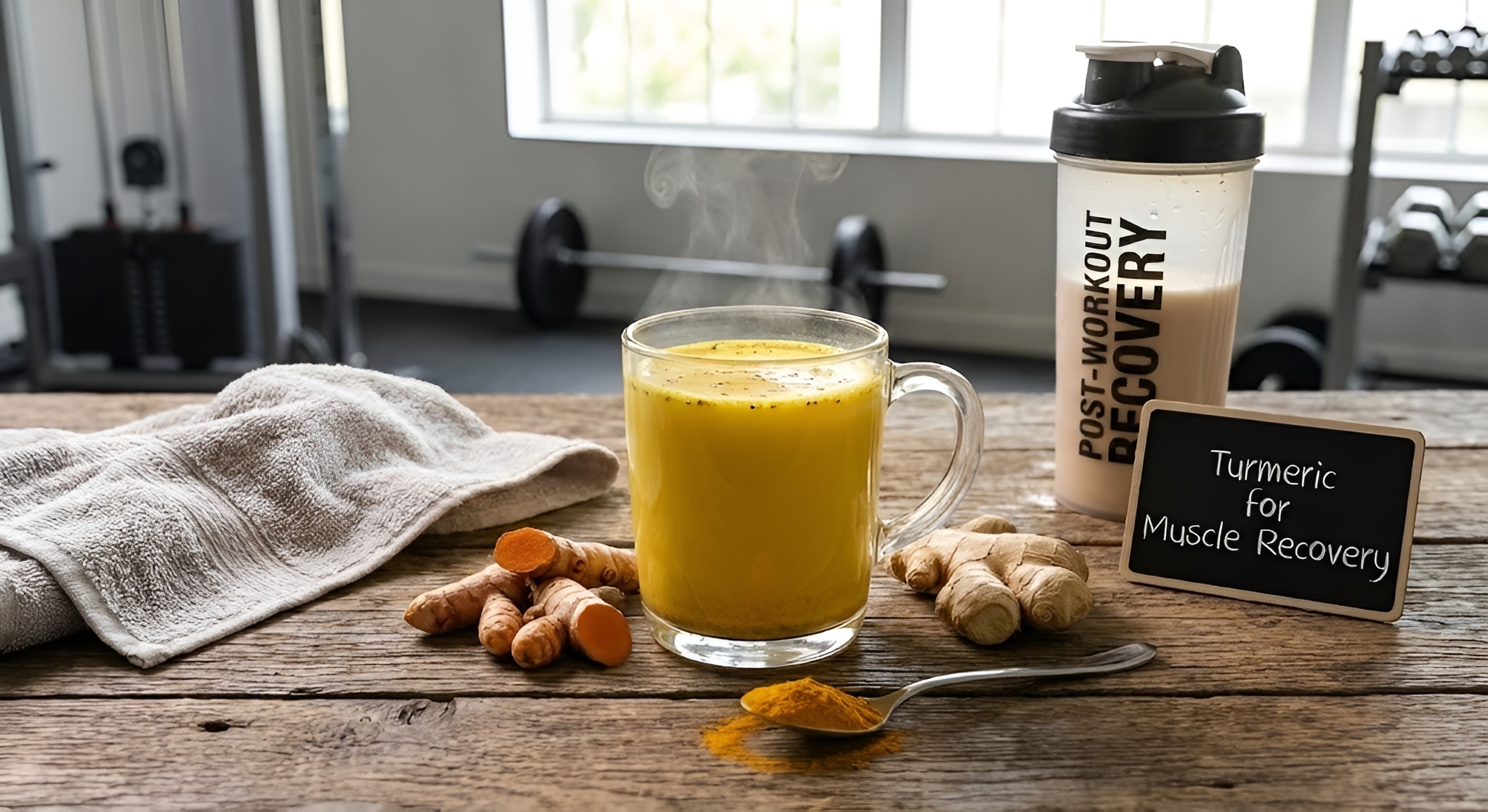
The Physiology of Pain: What is DOMS?
Delayed Onset Muscle Soreness (DOMS) is not just "lactic acid." Lactic acid clears from your system within an hour of exercise. The pain you feel 24 to 48 hours after a heavy leg day is caused by microscopic tears in the muscle fibers (myofibrils) and the subsequent inflammatory response.
When muscle tissue is damaged, the body sends immune cells (neutrophils and macrophages) to the site to repair it. This process releases inflammatory cytokines, which sensitize nerve endings, causing pain and stiffness. While some inflammation is necessary for muscle hypertrophy (growth), chronic or excessive inflammation can impede recovery, reduce range of motion, and delay your return to training.
This is where athletes often make a mistake: reaching for NSAIDs (Non-Steroidal Anti-Inflammatory Drugs) like Ibuprofen. While these drugs kill pain, they work by completely blocking COX enzymes, which are necessary for the signaling process that builds new muscle. Curcumin offers a more modulatory approach.
Curcumin: The Molecular Switch
Curcumin is the primary bioactive substance in turmeric root. It is a polyphenol with powerful antioxidant and anti-inflammatory properties. Its "superpower" lies in its ability to interact with multiple molecular targets involved in inflammation.
Its primary mechanism is the inhibition of the NF-kB pathway. NF-kB is a protein complex that controls the transcription of DNA. Think of it as a "master switch" for inflammation. When you stress your body, NF-kB travels into the nucleus of your cells and turns on genes related to inflammation. Curcumin blocks this pathway, effectively turning down the volume on the inflammatory response without completely silencing the repair signals needed for growth.
The Absorption Trap: Why Most Tea Fails
Curcumin has notoriously poor bioavailability. If you simply boil turmeric powder in water, almost none of it will reach your bloodstream. This is because your liver actively breaks it down via a process called glucuronidation and flushes it out. To stop this, you need Piperine (found in Black Pepper). Piperine inhibits the specific liver enzymes that metabolize curcumin, boosting absorption by up to 2000%. Never drink turmeric tea without pepper.
Turmeric vs. Ginger: The Recovery Cousins
We often see Turmeric and Ginger grouped together in recovery blends. While they are related botanically (Zingiberaceae family), they serve different physiological purposes for the athlete.
- Turmeric (Curcumin): Best for chronic, systemic inflammation, joint pain, and deep muscle soreness. It takes time to build up in the tissues and works best with consistent use. Read our deep dive comparison: Turmeric vs. Ginger.
- Ginger (Gingerol): Best for acute nausea (perfect after high-intensity cardio) and digestion. It accelerates gastric emptying, helping you digest your post-workout meal faster. See the benefits of Ginger Tea here.
For a comprehensive post-workout strategy, a blend of both (often called "Golden Ginger") provides the best of both worlds.
The Protocol: Golden Milk (Haldi Doodh)
The most effective way to consume turmeric for recovery is not a watery tea, but Golden Milk. This traditional Indian beverage (Haldi Doodh) solves all the absorption problems naturally through chemistry:
- The Fat: Curcumin is lipophilic (fat-loving). It binds to fats in milk (dairy, coconut, or almond), allowing it to bypass the harsh environment of the stomach and be absorbed in the small intestine.
- The Heat: Heating the spice activates certain compounds and increases solubility.
- The Pepper: As mentioned, piperine is non-negotiable.
Drinking a warm cup of Golden Milk 30 minutes after training (or more ideally, before bed) serves a dual purpose: it delivers anti-inflammatory compounds during the body's repair window, and the warm milk aids relaxation and cortisol reduction. Get our Authentic Golden Milk Recipe here.
Tea vs. Pills: The "Whole Food" Advantage
Why drink tea when you can pop a high-dose curcumin capsule? While supplements have their place for acute injury management, the "whole food" approach of tea offers synergistic benefits.
Turmeric root contains hundreds of other compounds besides curcumin (like turmerones and elemene) that are often removed in isolated extracts. Consuming the whole root ensures you get the full spectrum of benefits. Furthermore, the ritual of drinking warm tea engages the parasympathetic nervous system ("Rest and Digest"), shifting your body out of the sympathetic ("Fight or Flight") state induced by heavy lifting. This mental shift is just as crucial for recovery as the chemical one.
Safety & Side Effects
While natural, high doses of turmeric are not for everyone. Because it has mild blood-thinning properties, it should be avoided by those on anticoagulant medication (like Warfarin) or those scheduled for surgery within two weeks. Additionally, high doses can increase bile production, which may cause pain for individuals with gallstones or bile duct obstructions. Always consult a physician if you have pre-existing conditions.
Sourcing Quality: Avoid the Lead
A hidden danger in the spice world is adulteration. Some cheap turmeric powders exported from South Asia have been found to contain Lead Chromate, an industrial pigment added to enhance the bright yellow color. Lead is neurotoxic and accumulates in the body.
For recovery tea, always buy organic turmeric from reputable suppliers that test for heavy metals. If you can find fresh turmeric root in the produce section, that is often the safest and most potent option. Grating fresh root into your milk provides a zestier, cleaner flavor than dried powder.
When to Drink It for Maximum Gains
Timing matters. Curcumin works best when it maintains a steady level in your system.
- Post-Workout (Immediate): Drink with your protein meal to start the anti-inflammatory process. The insulin spike from your meal also helps nutrient absorption.
- Before Bed: This is arguably the best time. Most muscle repair occurs during sleep when Growth Hormone is released. Having curcumin in your system during this window maximizes its efficacy.
- Rest Days: Don't skip it. Recovery happens on rest days. Keep your inflammation markers low to prep for the next session.
Don't Stain Your Shaker!
Turmeric is a potent dye (historically used for robes). It will stain plastic protein shakers yellow permanently. Use a ceramic mug or a glass jar for your Golden Milk. If you do get a stain on your counter, sunlight is surprisingly effective at fading it! Read our guide on Cleaning Tea Stains.
Comments