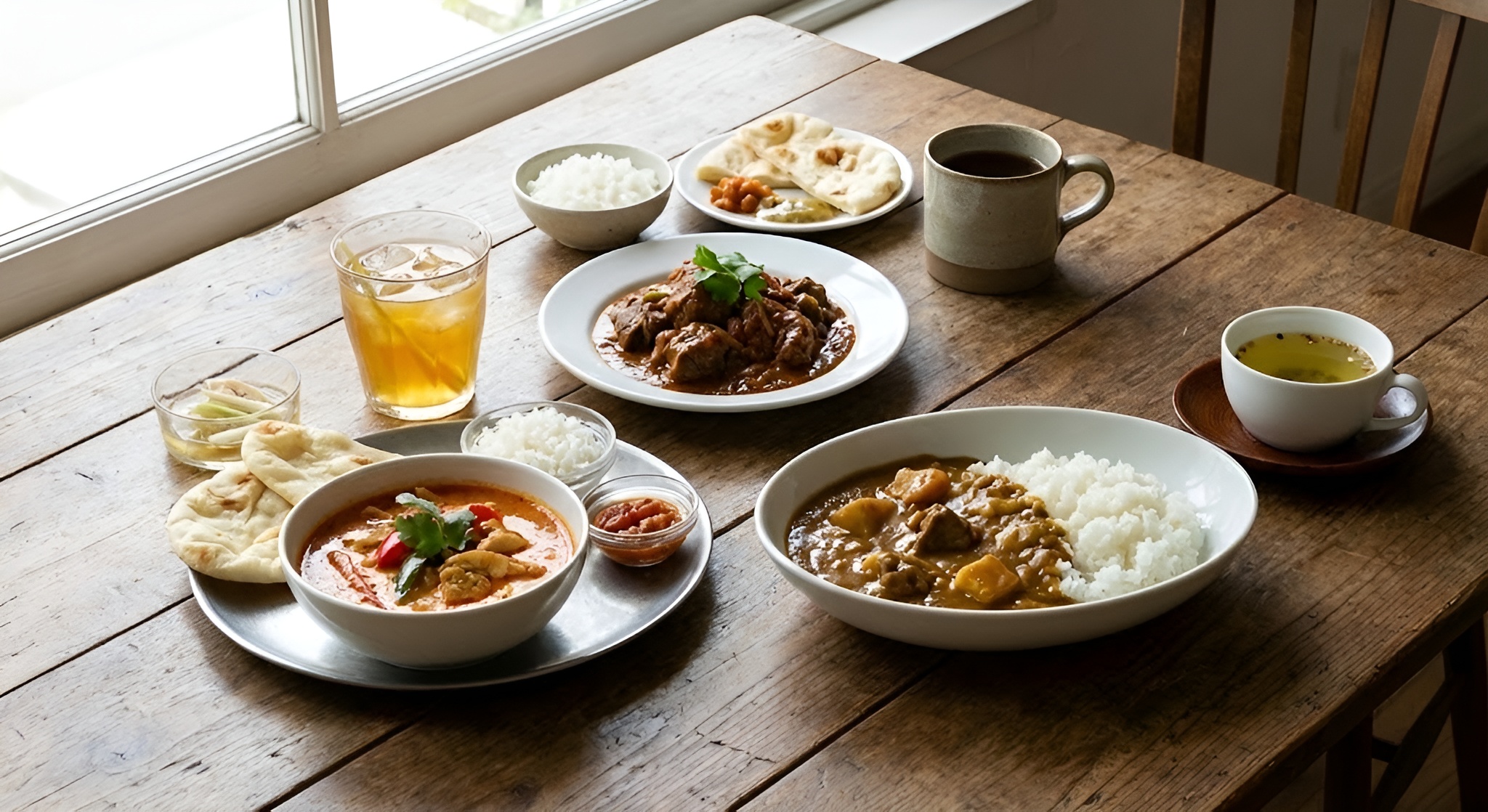
The Biology of Burn: What is Spice?
To understand why tea works, we first need to understand what happens when you eat a chili pepper. The chemical responsible for the heat is Capsaicin. Unlike sugar or salt, Capsaicin does not activate taste buds. Instead, it binds to a receptor called TRPV1 (Transient Receptor Potential Vanilloid 1).
The TRPV1 receptor's actual job is to detect dangerous temperatures (scalding heat). Capsaicin tricks this receptor into firing at body temperature. This sends a signal to the brain: "FIRE!" Your brain responds by triggering the body's cooling protocols: flushing of the face, increased heart rate, and most importantly, sweating.
Why Ice Water Fails
Your instinct is to cool the "fire" with ice water. This provides instant relief, but it is fleeting. Why?
- Hydrophobia: Capsaicin is a hydrophobic, non-polar molecule. It dissolves in fat (oil), not water. Drinking water is like trying to wash grease off a pan without soap—you are just spreading the oil around your mouth.
- Thermal Shock: Ice water numbs the nerve endings temporarily. But as soon as the water warms up in your mouth, the nerves wake up, the Capsaicin is still there, and the burning sensation returns with a vengeance (the "rebound effect").
- Digestive Arrest: Icing your stomach during a heavy, spicy meal can slow digestion and constrict blood vessels, potentially leading to cramping.
The Casein Cure
The only thing that truly neutralizes Capsaicin is Casein, a protein found in mammalian milk. Casein acts like a detergent, binding to the capsaicin oil and washing it away. This is why Masala Chai (brewed with whole milk) or Lassi is so effective with curry.
Why Hot Tea Works: Evaporative Cooling
So why do billions of people in India, China, and the Middle East drink piping hot tea with spicy meals in 40°C weather?
1. The Sweat Response: Drinking a hot liquid raises your core body temperature slightly. This triggers the TRPV1 receptors in your stomach/esophagus, confirming the "heat" signal to the brain. The brain responds by maximizing sweat output. As this sweat evaporates from your skin, it cools your blood, lowering your overall body temperature more effectively than cold water would.
2. Palate Cleansing: Hot water is a better solvent than cold water. It melts dietary fats (ghee, coconut milk) that may be trapping the spice on your tongue. The astringency (tannins) in tea also helps "scrub" the tongue clean, refreshing the palate for the next bite. Learn more about Tannins here.
3. Digestion: Warm liquids promote vasodilation (widening of blood vessels) in the gut, aiding the digestion of heavy, oily, spicy foods.
Pairing Guide: Matching Tea to Cuisine
Not all spicy food is the same. The numbing spice of Sichuan pepper requires a different tea than the slow burn of a Thai curry.
1. Indian Curry (Rich, Oily, Heavy Spice)
The Challenge: Heavy use of ghee, cream, and complex masala spices.
The Pairing: Masala Chai or Assam-guide.html" class="internal-link">Strong Assam.
Why: You need a tea with guts. The maltiness of Assam stands up to the cumin and turmeric. If the curry is very hot, the milk in Chai acts as a fire extinguisher (thanks to Casein). The spices in the tea (cardamom, ginger) harmonize with the food rather than fighting it.
2. Thai & Vietnamese (Fresh Chili, Lime, Herbs)
The Challenge: Sharp, acidic heat from bird's eye chilies and lime juice. Often lighter on fat but high on aromatics.
The Pairing: Jasmine Green Tea or Light Oolong (Tie Guan Yin).
Why: A heavy black tea would clobber the delicate lemongrass and basil notes. Jasmine tea is floral and sweet, which provides a cooling contrast to the sharp chili heat. The natural sweetness of Oolong balances the sour lime notes.
3. Sichuan Chinese (Numbing "Mala" Spice)
The Challenge: Sichuan peppercorns contain hydroxy-alpha-sanshool, which creates a vibrating, numbing sensation (paresthesia) alongside the chili heat.
The Pairing: Chrysanthemum Tea or Raw Pu-erh (Sheng).
Why: In Traditional Chinese Medicine, fried and spicy foods are "Heating" (Yeet Hay). You need a "Cooling" tea to balance the body's Qi. Chrysanthemum is the classic cooling pairing. Raw Pu-erh has a bitterness that cuts through the heavy chili oil used in Sichuan cooking.
The Slurp Factor
When drinking hot tea with spicy food, do not gulp. Slurp it. Aerating the tea cools it down instantly (preventing a double-burn) and pushes the tea's aroma up into your nose, helping you taste the actual flavor of the spices beyond just the pain. Read our guide to Slurping Science here.
What About Iced Tea?
If you absolutely cannot handle hot tea, choose your iced tea carefully. Avoid overly sweet "Southern Style" iced tea, as sugar can sometimes exacerbate inflammation. Instead, go for a Cold Brew which is smoother and less bitter. However, be warned: cold liquid will solidify the fats in your stomach, potentially leading to that heavy "brick in the belly" feeling after a rich meal.
Summary Cheat Sheet
| Cuisine Type | Spice Profile | Ideal Tea Pairing |
|---|---|---|
| North Indian (Butter Chicken) | Creamy, Rich, Mild | Masala Chai / Assam |
| South Indian (Vindaloo) | Acidic, Vinegar, Very Hot | Chai (High Milk) / Lassi |
| Thai / Vietnamese | Fresh Chili, Lime, Herbs | Jasmine / Light Oolong |
| Sichuan (Mapo Tofu) | Oily, Numbing, Peppercorn | Chrysanthemum / Raw Pu-erh |
| Mexican (Mole/Tacos) | Smoky, Earthy, Chipotle | Lapsang Souchong |
Sweet Tea Warning
While sugar can distract from the heat, sweet tea does not chemically neutralize capsaicin. In fact, sticky sugar can coat the tongue and trap the spice oils. A clean, hot tea with milk is chemically superior to a sugary iced tea for heat relief.
Comments