Part 1: The Best Shou (Ripe) Pu-erh
Shou Pu-erh is fermented using a wet-pile method. It is dark, earthy, smooth, and perfect for beginners as it has no bitterness.
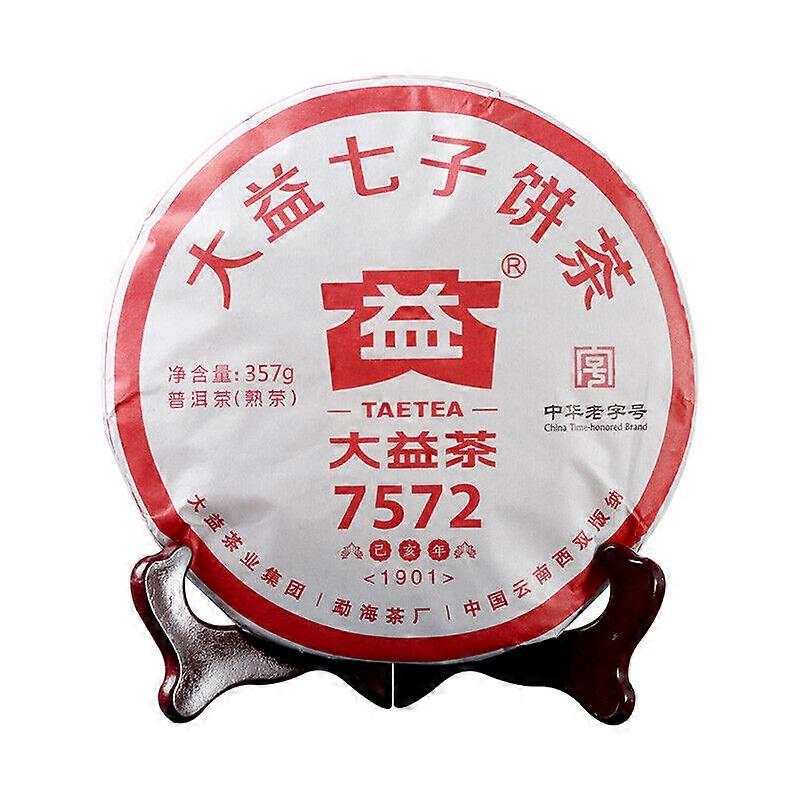
1. TAETEA (Dayi) 7572 Cake
This is the single most famous Ripe Pu-erh recipe in history. Produced by the Menghai Tea Factory, the "7572" is the standard by which all other ripe teas are judged. It offers a classic, consistent profile of sweet earth, dried fruit, and a thick body.
- Reliable, consistent flavor
- Sweet and thick texture
- The "Gold Standard" reference
- Compressed cake (needs prying)
- Many fakes exist (buy from trusted source)
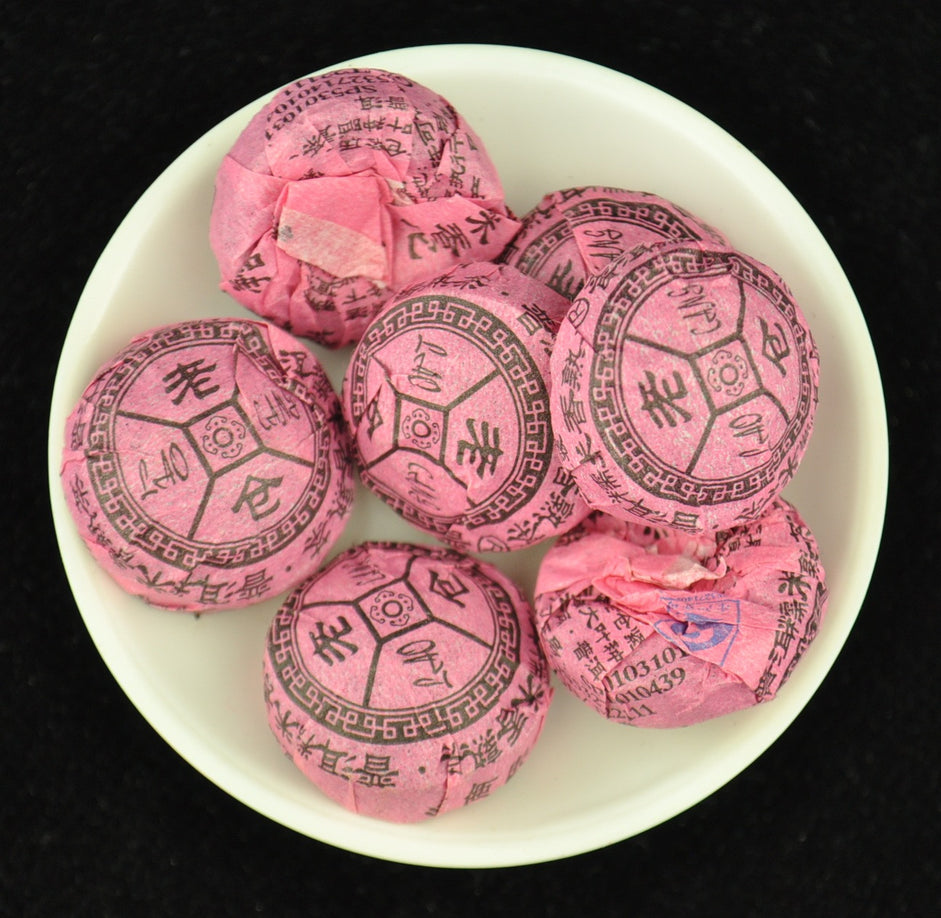
2. Sticky Rice (Nuomi Xiang) Mini Tuo
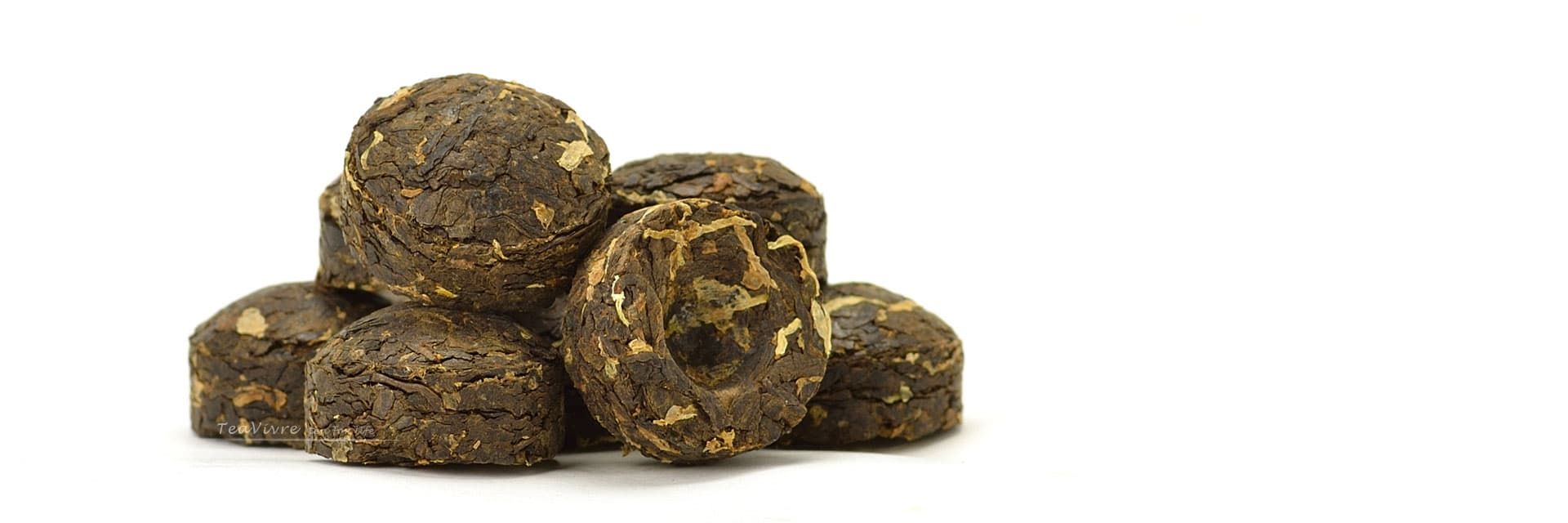
The ultimate "Gateway Drug" for Pu-erh. Ripe tea leaves are blended with a local herb called Nuomi Xiang, imparting a natural aroma of fresh popcorn or basmati rice. It comes in single-serving nuggets that are impossible to over-steep.
- Incredible popcorn/rice aroma
- Single serving (no prying)
- Very comforting/warming
- Contains herb (not pure tea)
- Flavor can be overpowering for some
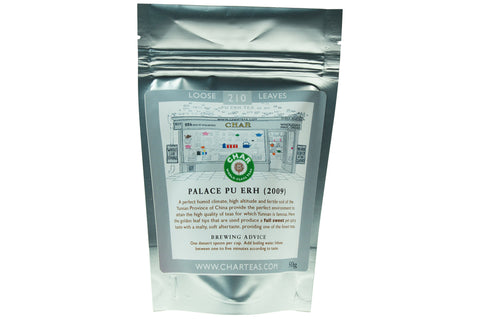
3. Palace Grade (Gong Ting) Loose Leaf
"Palace Grade" refers to the smallest, most tender buds (Grade 0-1). This results in a tea that is significantly creamier, sweeter, and more viscous than standard grades. It brews into a burgundy-red liquor with notes of cocoa and dates.
- Extremely smooth and creamy
- Loose leaf (easy to scoop)
- Deep cocoa notes
- Can get bitter if over-brewed
- More expensive by weight
Part 2: The Best Sheng (Raw) Pu-erh
Sheng Pu-erh is the traditional form. Young sheng is aggressive and bitter; aged sheng is smooth and complex. It is the tea of choice for connoisseurs.
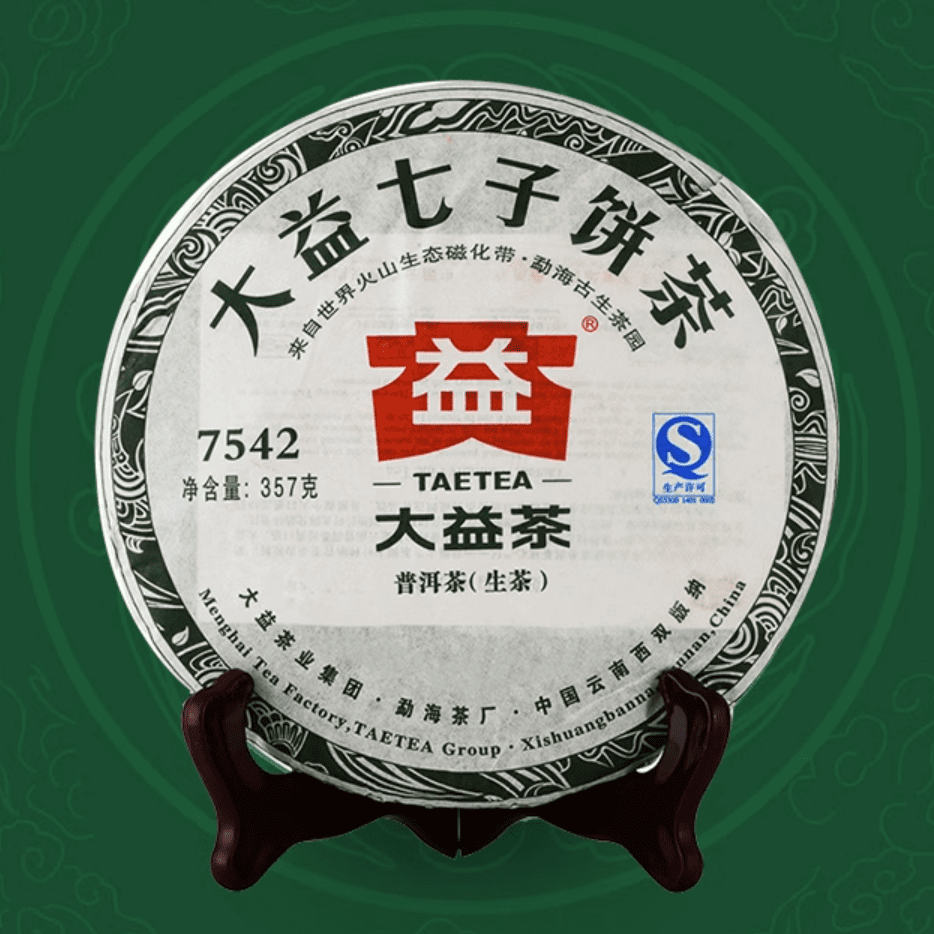
4. TAETEA (Dayi) 7542 Cake
The 7542 is the king of Raw Pu-erh. It is the most famous tea recipe in the world, known for its perfect balance of high floral notes and strong structural tannins. It is the primary asset used for tracking Pu-erh investment value.
- Highest investment potential
- Complex floral/fruit notes
- Ages beautifully
- Young versions are very bitter
- High price tag for older years

5. Xiaguan "Crane" Te Ji Tuo Cha
Originating from Dali, Xiaguan teas are famous for their tight compression and distinctive smoky profile. This "Crane" recipe is punchy, smoky, and incredibly energizing. A must-try for those who like Lapsang Souchong or scotch whisky.
- Unique smoky flavor
- Very affordable
- Strong "Cha Qi" (Energy)
- Very difficult to pry apart
- Smokiness is polarizing
6. Aged Ancient Tree (Gushu)
If you want to experience the peak of tea, you need Gushu (Ancient Tree) tea. This example from 2006 (Fengqing) shows how raw tea transforms from bitter to sweet nectar over 15+ years. It offers notes of camphor, dried plums, and old wood.
- Incredible depth and aftertaste
- Harvested from 100+ year old trees
- Zero bitterness (due to age)
- Expensive
- Hard to find authentic sources
Comments