← Back to Learning Hub

Tea Magic & Gu Poison: Using Tea to Detect Poison (Silver Needle Myth)

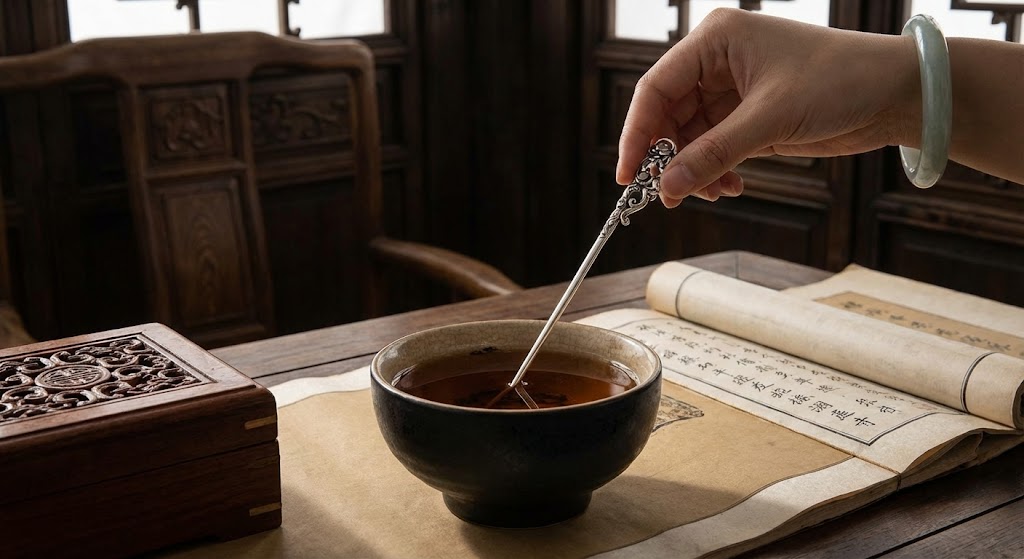
Ancient Chinese folklore: tea could detect poison. Method: insert silver needle into tea—if needle turns black, tea is poisoned. Also, drinking tea before important events supposedly protected against Gu poison (parasitic magic). Both myths are chemistry misunderstandings.

This is superstition meeting sulfur chemistry. Silver reacts to sulfur compounds (present in some poisons), but most poisons don't contain sulfur. Tea can't detect poison—but fear sold a lot of silver needles.

silver needle being inserted into tea cup ancient Chinese poison detection ritual myth

Key Takeaways

  • Silver needle myth: Silver tarnishes when exposed to hydrogen sulfide (H2S). Some poisons contain sulfur → silver blackens → 'poison detected.'
  • Doesn't detect most poisons: Arsenic, cyanide, strychnine = no sulfur. Silver stays shiny even if tea lethal. False sense of security.
  • Gu poison tradition: Southern Chinese sorcery: parasitic curse created by sealing venomous insects in jar. Survivor = Gu spirit.
  • Tea as antidote belief: Tea thought to purify body and neutralize Gu. Zero evidence, but psychological comfort during paranoia epidemics.
  • Modern tea testing: Silver needle still used ceremonially in some luxury tea tastings. Purely theatrical—not functional.

This is a foundational article in the Global Teahouse cluster. The detailed content sections will be expanded with specific chemistry, physics, cultural anthropology, and historical research in future updates.

Each takeaway point above represents a section that will be developed with:


Comments