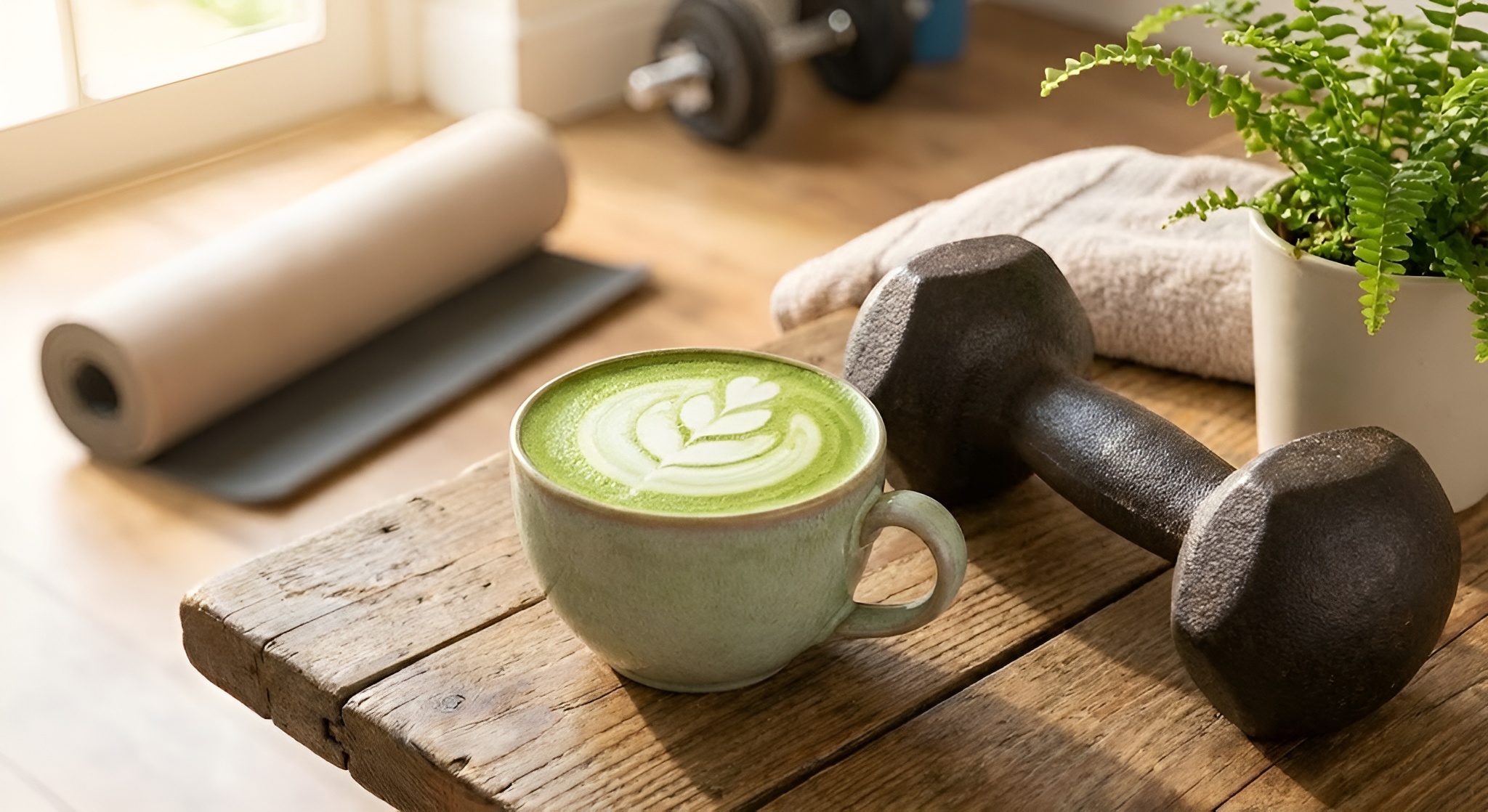
1. The Origin of the Panic: The "Rat" Problem
Where did this myth come from? It stems from a handful of animal studies where researchers injected rats with massive doses of isolated green tea polyphenols. In these toxic environments, the rats' reproductive systems shut down, and testosterone plummeted.
Context Matters: To replicate these doses, a human would need to drink 20+ cups of strong green tea a day, or swallow handfuls of concentrated extract pills. At that level, your liver would fail before your testosterone dropped. For a normal human drinking 2-4 cups a day, these toxic effects simply do not occur.
Expert Tip #1: Avoid "Extracts"
While drinking tea is safe, Green Tea Extract (pills) can be dangerous. High concentrations of EGCG in supplement form have been linked to liver toxicity. Stick to the leaf, not the lab.
2. The Protector: Aromatase Inhibition
Here is the science the forums ignore. Testosterone doesn't just disappear; it often converts into Estrogen via an enzyme called Aromatase. This conversion is a natural process, but excessive conversion leads to "estrogen dominance."
EGCG to the Rescue: Studies have shown that EGCG (the main antioxidant in green tea) acts as a natural Aromatase Inhibitor. It blocks the enzyme that turns your "Man" hormone into the "Woman" hormone. By preventing this conversion, green tea may actually help maintain higher levels of free testosterone in the body.
Expert Tip #2: Estrogen Reduction
Population studies involving women have shown that high green tea consumption is linked to lower circulating estrogen levels (which reduces breast cancer risk). This directly contradicts the "Soy Boy" idea that green tea is estrogenic.
Fuel Your Workout
Looking for a pre-workout that won't crash your hormones? We reviewed the best high-caffeine Matcha powders for clean energy.
Review: Best Matcha for Energy3. Hair Loss & DHT: The 5-Alpha Reductase Connection
Another fear is Hair Loss. Testosterone converts into a more potent androgen called DHT (Dihydrotestosterone). High DHT is the primary cause of male pattern baldness and prostate enlargement.
Green tea catechins inhibit the enzyme 5-alpha reductase, which is responsible for converting Testosterone into DHT. This means green tea might help keep your hair on your head and protect your prostate, without actually lowering your serum testosterone. It's a selective blocker, targeting the "bad" androgen pathway while leaving the "good" muscle-building pathway alone.
Expert Tip #3: The Fat Burning Bonus
Green tea increases fat oxidation during exercise. Lower body fat percentages are strongly correlated with higher testosterone levels. By helping you get lean, Matcha indirectly boosts your hormonal health.
4. The Real Enemy: Spearmint Tea
If you are genuinely worried about lowering your testosterone, you are looking at the wrong leaf. The true anti-androgen is Spearmint (and Peppermint).
Studies have consistently shown that drinking Spearmint tea significantly reduces free testosterone levels. This is why doctors actually prescribe it to women with PCOS (Polycystic Ovary Syndrome) to reduce excess hair growth (hirsutism). If you are a man looking to maximize gains, maybe skip the Moroccan Mint.
| Tea Type | Effect on Testosterone | Mechanism |
|---|---|---|
| Green Tea (Matcha) | Neutral / Protective | Inhibits Aromatase (blocks Estrogen conversion). |
| Spearmint Tea | Lowers | Directly reduces free testosterone levels. |
| Black Tea | Neutral | No significant hormonal interaction. |
Expert Tip #4: The Soy Comparison
The "Soy Boy" fear comes from phytoestrogens in soy. Green tea does not contain phytoestrogens. It contains catechins. They are chemically distinct compounds with totally different biological functions. Do not conflate the two.
5. Conclusion: Drink Up, Bro
The idea that Green Tea is "feminizing" is a myth born of bad science and insecurity. In reality, a beverage that burns fat, blocks estrogen conversion, and prevents hair loss sounds like the ultimate "Man Drink."
So, don't be afraid of the green powder. Your testosterone is safe. In fact, swapping your sugary energy drink for a bowl of Matcha might be the best thing you do for your physique this year.
Expert Tip #5: L-Theanine for Focus
High cortisol (stress) kills testosterone. The L-Theanine in green tea lowers stress and promotes relaxation. By managing your stress levels, you are indirectly protecting your hormonal baseline.
Expert Tip #6: Everything in Moderation
While safe, don't overdo it. 3-5 cups a day is the sweet spot. Excessive consumption of anything forces your liver to work harder to filter it out. Balance is key to health.
Comments