1. The 1980s Taiwan Origin Dispute
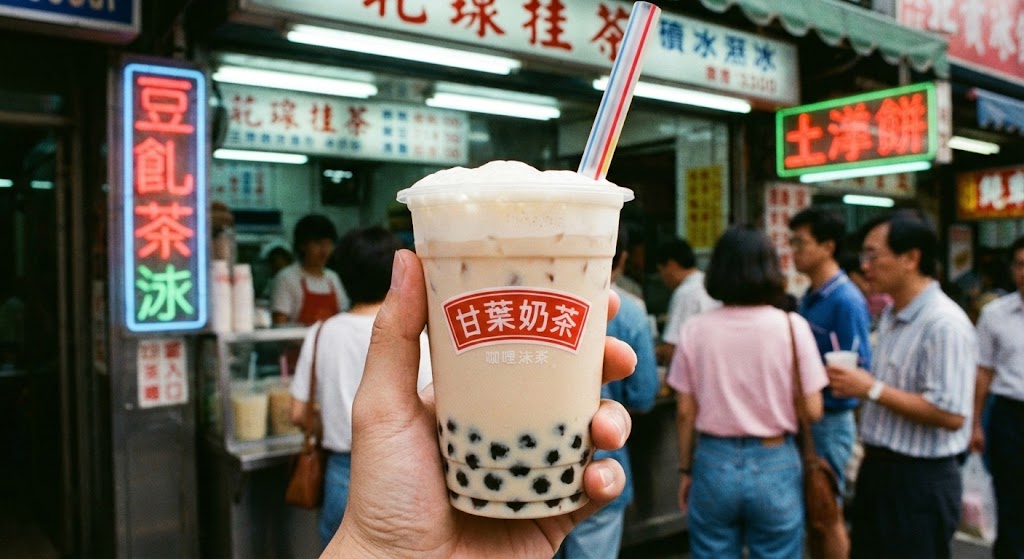
Bubble tea (珍珠奶茶 zhēn zhū nǎi chá, "pearl milk tea") emerged in Taiwan ~1980s, but precise origin is contested between two vendors: Hanlin Tea Room (????, Tainan, 1986)owner Tu Tsong-he claims inspiration from traditional Taiwanese white tapioca balls at markets, adding them to milk tea. Chun Shui Tang (???, Taichung, 1987)product manager Lin Hsiu Hui reportedly experimented with adding tapioca pudding (?? fen yun) to iced tea during staff meeting.
Both businesses filed trademark claims, neither definitively proven as first. The ambiguity parallels afternoon tea's murky origins (Duchess of Bedford myth vs. gradual social evolution). What's certain: bubble tea exploded across Taiwan 1990s, spreading to Hong Kong, China, and globally by 2000s-2010s. The drink tapped into Taiwanese night market cultureportable, photogenic, customizable sweet drinks consumed while shopping/socializing.
The name "bubble" confusingly refers to either: (1) tapioca pearls themselves (round like bubbles), (2) foam created by shaking tea (original Chun Shui Tang technique), or (3) both. English slang variations: "boba" (from Taiwanese slang ?? bo blarge breasts, referencing big tapioca pearls), "pearl milk tea," "PMT," or simply "milk tea" (though this creates confusion with Hong Kong silk stocking tea).
| Regional Name | Chinese Term | Primary Reference |
|---|---|---|
| Taiwan (origin) | ???? (zhen zhu nai ch) | "Pearl milk tea"emphasizes tapioca spheres |
| Hong Kong / Guangdong | ???? (bo b nai ch) | "Boba milk tea"slang for large pearls (also: large breasts) |
| United States | Boba (adopted Cantonese slang) | Shortened form, culturally associated with Asian-American identity |
| Europe / Worldwide | Bubble Tea | English marketing term, emphasizes visual bubbles/foam |
| Japan | ???? (tapioka) | Direct reference to tapioca ingredient, no milk tea context |
2. Tapioca Starch Chemistry: Cassava Root to Chewy Pearls
Tapioca pearls are made from cassava root (Manihot esculenta), tropical plant native to South America, brought to Asia by Portuguese/Spanish colonialism (1500s-1600s). Cassava tubers are grated, pulped, washed to extract starch granules (amylose + amylopectin polymers). Starch is dried into powder, then mixed with water and sugar to form dough, extruded into small spheres, dried again.
The cooking chemistry is starch gelatinization: dry tapioca pearls are dropped into boiling water (100C), heat causes starch granules to absorb water and swell (hydration), amylopectin chains uncoil and form gel network (cross-linking), creating chewy-elastic texture. Cooking time: 30-60 minutes depending on pearl size. Undercooked = hard center (crunchy, unpleasant), overcooked = mushy (dissolves into sludge). Proper pearls have firm-chewy exterior with slight give, no hard core.
The chewiness is textural phenomenon called "QQ" (??????) in Asian food cultureChinese/Taiwanese slang for springy-elastic-resilient mouthfeel. QQ texture appears in mochi, fish balls, taro ballsall featuring starch or protein gel structures. Bubble tea's appeal is partly this textural noveltyWestern beverages are smooth liquids (coffee, soda, juice); adding chewy solids creates unique sensory experience. The texture contrast (liquid tea + chewy pearls) is polarizing: devotees love it, skeptics find it off-putting ("drinking tapioca pudding through straw is weird").
Expert Tip: Fresh Pearls Die in 4 Hours
Tapioca pearls must be consumed within 4 hours of cookingafter that, starch retrogradation occurs (gel structure collapses, pearls harden into inedible rocks). This is why bubble tea shops cook pearls in batches throughout day, never pre-cooking morning supply for evening service. If ordering bubble tea, ask when pearls were cooked. Avoid shops displaying pre-cooked pearls in open containers for hoursquality impossible. Fresh pearls are glossy-wet, room temperature, slightly sticky. Old pearls are matte-dry, hard, tasteless.
3. The Wide-Bore Straw: Fluid Dynamics of Pearl Transport
Bubble tea requires specialized straw: 8-12mm diameter (regular drinking straw is 5-6mm). The wide bore allows tapioca pearls (8-10mm diameter) to travel up straw via suction without clogging. The physics: sucking creates pressure differential (lower pressure in mouth than cup), atmospheric pressure pushes liquid + pearls upward through straw. Minimum straw diameter must exceed pearl diameter by ~20% to prevent jamming (pearls deform slightly under pressure, need clearance).
The straw design evolved iteratively: early bubble tea (1980s) used regular straws, customers frustrated by pearl clogs, vendors widened straws progressively until optimal diameter found. Modern bubble tea straws are plastic (polypropylene), often colored/printed (branding), sometimes with pointed tip (to puncture sealed plastic cup lid). Environmental criticism: wide-bore straws use 3-4x more plastic than regular straws, harder to recycle (thick walls), bubble tea generates significant single-use plastic waste.
Eco-friendly alternatives emerging: paper wide-bore straws (soggy after 20 minutes, structural failure common), reusable glass/metal/silicone straws (requires carrying/washing, adoption low), edible starch-based straws (dissolve in hot drinks, limited durability). The straw dilemma parallels broader sustainable beverage container challengeskulhar's disposability crisis, plastic bottle waste, and coffee cup recycling failuresconvenience culture vs. environmental impact. Bubble tea's straw is functional necessity, not gratuitous waste, but ecological cost undeniable.
4. Sugar Concentration and Customization Culture
Modern bubble tea shops offer sweetness levels: 0%, 25%, 50%, 75%, 100%, 120% (extra sweet). This customization is Taiwanese innovationtea shops traditionally served drinks at house sweetness, no modification. Bubble tea pioneered customer control, democratizing flavor to personal preference. The baseline "100% sugar" is typically 40-60g per 500mL drink (8-12% sugar solution, comparable to soda's 10-11%).
The chemistry: sugar (sucrose) enhances flavor perception by suppressing bitterness (masks tea tannins), increasing viscosity (thicker mouthfeel), and providing energy (quick glucose hit). However, excessive sugar (120% option = 50-70g per drink) approaches Somali shaah extremes (180-200g/L). Health implications: daily bubble tea at 100% sugar exceeds WHO recommended sugar intake (25g/day for adults). The customization paradox: giving customers control enables self-harmpeople order 100%+ sugar habitually despite health knowledge.
Cultural dimension: in East Asia, moderate sweetness (50-75%) is default choice (balanced, not childish). In Western markets, customers often demand max sweetness (100-120%), perceiving less as "watered down" (similar patterns in Persian tea's nabat sweetening, noon chai's sugar additions, or Turkish tea with multiple sugar cubes). This creates regional tensionAsian staff suggest lower sweetness, Western customers insist on high sweetness, both sides frustrated (contrasting with mate culture's bitter pride or Southern sweet tea's extreme sugar traditions). The preference gap reflects broader cultural differences in sugar tolerance and sweetness-as-treat mentality.
| Sweetness Level | Sugar Content (500mL cup) | Taste Profile |
|---|---|---|
| 0% (No Sugar) | 0g (pearls may have slight sugar) | Tea flavor dominant, bitter tannins noticeable, pearls' sweetness only contrast |
| 25% (Quarter Sweet) | 10-15g | Lightly sweet, tea character clear, balanced for daily drinking |
| 50% (Half Sweet) | 20-30g | Moderate sweetness, tea + sugar balanced, most popular in East Asia |
| 75% (Less Sweet) | 30-45g | Sweet but not cloying, approaching dessert beverage territory |
| 100% (Regular/House) | 40-60g (baseline standard) | Very sweet, sugar dominates tea flavor, candy-like, popular in West |
| 120% (Extra Sweet) | 50-70g (approaching saturation) | Extreme sweetness, tea flavor masked, syrupy consistency, health risk if regular |
5. Tea Base Varieties: From Black to Fruit Infusions
Original bubble tea used black tea (Assam or Ceylon, similar to Hong Kong milk tea base), creating "classic milk tea" flavor. As drink evolved, tea bases diversified: Green tea: lighter, grassy flavor (jasmine green tea popular). Oolong tea: floral-fruity complexity (high-quality oolong in premium shops). Jasmine tea: fragrant, aromatic (often with green tea base). Fruit teas: passion fruit, lychee, mango (fresh fruit or syrup-based). Non-tea bases: matcha, coffee, chocolate, taro (technically not tea, but called "milk tea" colloquially).
The tea base determines final flavor profile. Black tea + milk + pearls = traditional creamy-robust bubble tea. Green tea + fruit + popping boba = modern fruity-refreshing variant. The diversification transformed bubble tea from single drink into beverage categoryumbrella term covering dozens of variations. Menu complexity rivals specialty coffee shops (espresso, cappuccino, latte, macchiato...)same cultural phenomenon of beverage customization explosion.
Expert Tip: Toppings Hierarchy for Beginners
Bubble tea shops offer 10-20 toppings beyond tapioca pearls. Start simple: Classic tapioca pearls (original, safe choice), then graduate to Pudding (egg custard, creamy), Grass jelly (herbal, slightly bitter, texture contrast), Popping boba (fruit-filled spheres, burst in mouthfun but gimmicky). Avoid initially: Red bean (acquired taste, sweet but grainy), Aloe vera (texture polarizing, slimy to some), Cheese foam (trendy but divisivesavory cream on sweet tea). Don't overwhelm first experience with multiple toppingssingle topping lets you understand base tea flavor.
6. The Global Expansion: From Night Markets to Wall Street
Bubble tea spread globally in waves: 1990s: Taiwan ? Hong Kong / China (regional expansion). 2000s: East/Southeast Asia saturation (Japan, Korea, Singapore, Malaysia, Thailand). 2010s: North America boom (Chinatown shops ? suburban malls, white-label chains). 2020s: Europe / global ubiquity (London, Paris, Berlinbubble tea becomes mainstream).
The North American trajectory: initially ethnic enclave product (Asian immigrant communities, Chinatowns), gradually crossover to non-Asian consumers (curious teenagers, college students), then mainstream acceptance (soccer moms, office workers). Brands like Kung Fu Tea, Gong Cha, Tiger Sugar opened hundreds of locations. The drink became Gen Z cultural markerInstagram aesthetic (colorful drinks photogenic), social venue (bubble tea shops as hangout spaces replacing coffee shops for younger demographics).
Economic scale: global bubble tea market valued ~$2.4 billion (2019), projected $4.3 billion by 2027 (CAGR ~9%). Taiwan exports tapioca pearls, tea, equipment worldwideindustry generating significant revenue. The success parallels British tea empire (though smaller scaleCutty Sark's global trade routes, afternoon tea's colonial spread, Victorian tea culture's worldwide influence)Taiwanese cultural export achieving global penetration through beverage product (similar to Turkish tea's diaspora expansion). Critics call it "cultural imperialism lite"Western consumers embrace Asian trend without understanding cultural context, reducing drink to trendy commodity.
7. Resistant Starch and Digestive Chemistry
Tapioca pearls contain resistant starch (RS)starch that resists digestion in small intestine, passing to colon where gut bacteria ferment it. The gelatinization process (cooking pearls) converts some starch to digestible form, but cooling creates retrograded starch (RS type 3). This means bubble tea pearls behave partly like dietary fiberslower glucose spike than pure sugar, feeds gut microbiome, increases satiety.
The health complexity: tapioca pearls are often cited as "empty calories" (low nutrient density, high carbs), but resistant starch provides benefits: improved insulin sensitivity, increased short-chain fatty acid production (butyrateanti-inflammatory), enhanced gut bacteria diversity. However, these benefits are marginal compared to excessive sugar content in typical bubble tea (50g+ sugar overwhelms any resistant starch benefit). Net health impact: negative if consumed with high sugar, neutral-to-slightly-positive if low/no sugar version.
The calorie count: 500mL bubble tea with tapioca pearls + milk + 100% sugar = 350-500 calories (comparable to McDonald's cheeseburger). Daily bubble tea habit = significant caloric surplus, weight gain likely. The drink is treat-category beverage, not daily staplethough many consumers treat it as latter. This parallels Southern sweet tea's calorie traprefreshing drink consumed in volume, accumulating hidden calories.
| Bubble Tea Component | Calories (500mL serving) | Primary Macronutrient |
|---|---|---|
| Black Tea (unsweetened) | ~2 cal | Negligible (polyphenols, no calories) |
| Tapioca Pearls (100g) | ~110-130 cal | Carbohydrates (27-30g, mostly starch) |
| Whole Milk (100mL) | ~60-65 cal | Fat (3-4g) + Protein (3g) + Lactose (5g) |
| Non-Dairy Creamer | ~150-200 cal | Fat (hydrogenated oils) + Sugar |
| Sugar (50g = 100% sweetness) | ~200 cal | Carbohydrates (pure sucrose/fructose) |
| TOTAL (typical 100% sugar) | ~450-520 cal | Carbs (80-100g) + Fat (5-15g) + Protein (3-5g) |
8. Cultural Identity and "Boba Liberalism"
In Asian-American communities (especially USA), bubble tea became identity markervisible symbol of cultural heritage, generational bridge (immigrant parents' nostalgia + American-born kids' trend adoption), social gathering space (bubble tea shops as "third places" for Asian youth). The term "boba liberalism" emerged as political critique: Asian-Americans who embrace cultural symbols (bubble tea, K-pop) while remaining politically passive or assimilationistcultural performance without structural change advocacy.
The debate reflects tension: is bubble tea cultural preservation or commodification? Does its mainstream popularity dilute Taiwanese/Asian identity, or expand cultural influence? Parallels exist with yerba mate (South American identity drink) and Turkish tea (national identity beverage)all cases where drink transcends liquid refreshment to become cultural-political symbol.
Expert Tip: Reading the Shop Quality Signals
High-quality bubble tea shops show these signs: (1) Cook pearls fresh every 3-4 hours (ask staff when last batch made), (2) Use real tea leaves (not powder/concentratecheck if menu lists tea types like "Assam," "Jasmine"), (3) Brew tea fresh daily (not from pre-made syrup), (4) Offer 0% sugar option without attitude (confidence in tea quality), (5) Use real milk or quality non-dairy alternatives (not mystery "creamer"). Low-quality shops: pre-made powder mixes, old hard pearls, only sweet options, vague "milk tea" with no specifics. Price correlates: quality shops charge $6-8, cheap shops $3-4you pay for ingredients.
9. DIY Bubble Tea: Home Preparation Guide
Ingredients (makes 2 servings): Dried tapioca pearls (100g, buy from Asian supermarket), black tea (15g loose leaf Assam or Ceylon, or 4 tea bags), milk (200mL whole milk or oat milk), sweetener (simple syrup or brown sugar, to taste), ice cubes.
Equipment: Large pot (for boiling pearls), small pot (for brewing tea), wide-bore straws (8-12mm diameter, buy online or Asian market), tall glasses (500mL capacity), measuring cups/spoons.
Step 1 - Cook tapioca pearls: Bring 6 cups water to rolling boil in large pot. Add 100g dried tapioca pearls, stir immediately to prevent sticking. Boil 30-45 minutes, stirring occasionally. Pearls will expand to 2-3x original size, become translucent. Test doneness: remove one pearl, let cool 30 seconds, biteshould be chewy with no hard center. If hard, cook 5-10 minutes more.
Step 2 - Soak pearls: Drain cooked pearls, rinse under cold water. Transfer to bowl, add 2-3 tablespoons brown sugar or honey, stir to coat. Let sit 10-20 minutes (sweetens pearls, prevents hardening). Pearls are best consumed within 2-4 hours.
Step 3 - Brew strong tea: Bring 2 cups water to boil, remove from heat. Add 15g loose tea (or 4 tea bags), steep 5-7 minutes (longer than normalneed concentrated tea). Strain leaves, let tea cool to room temperature (or refrigerate 15 minutes). Strong tea is essentialweak tea disappears when diluted with ice + milk.
Step 4 - Assemble drink: Divide sweetened tapioca pearls between two tall glasses. Add ice cubes to fill glasses ~2/3 full. Pour cooled tea over ice (about 200mL per glass). Add milk (100mL per glass, or adjust to preference). Add additional sweetener if desired (simple syrup, honey).
Step 5 - Mix and serve: Insert wide-bore straw, stir vigorously to mix tea + milk layers. Tasteadjust sweetness or milk ratio if needed. Drink immediately while pearls are fresh and chewy. Suck pearls through straw, chew before swallowing (choking hazard if swallowed whole, especially for children).
Variations to try: Jasmine green tea base (lighter, floral), brown sugar syrup (deeper molasses flavor, trendy), fruit tea versions (passion fruit puree + green tea, skip milk), coffee base (create "coffee boba"cold brew + milk + pearls). The home preparation advantage: control all variables (sweetness, tea strength, pearl freshness)commercial shops often over-sweeten or use low-quality ingredients. Fresh homemade bubble tea costs $2-3 per serving vs. $6-8 at shopssignificant savings if consumed regularly.
Comments