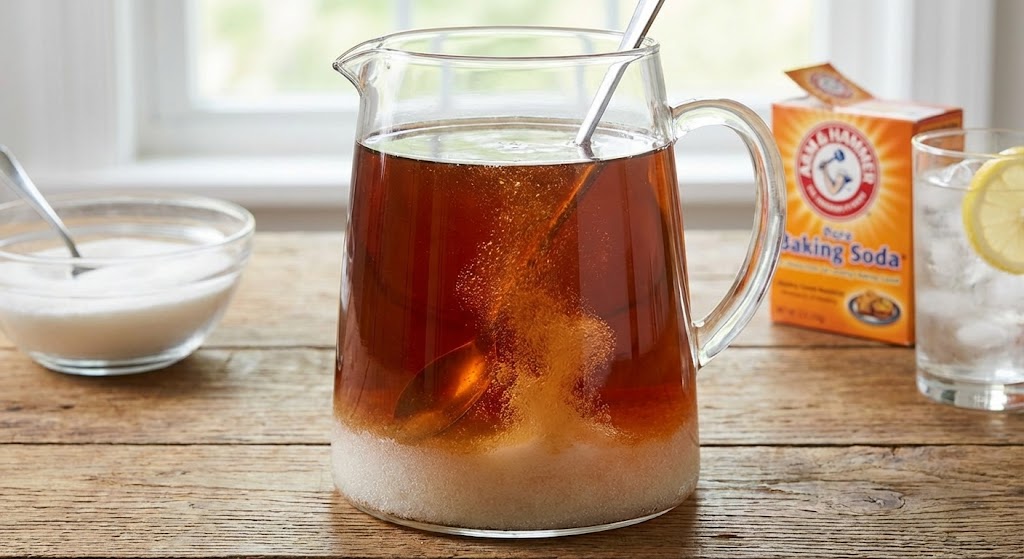
1. The Sweet Tea Line: Geography as Destiny
The "Sweet Tea Line" roughly follows Mason-Dixon Line (historical border between Pennsylvania and Maryland, culturally dividing North and South). Below the line: sweet tea is default, unsweetened tea must be requested specifically ("unsweet tea"). Above the line: unsweetened tea is default, sweet tea often unavailable or made incorrectly (adding sugar to cold tea post-brewing—heresy to Southerners, creates grainy undissolved crystals). The geographical divide isn't arbitrary—it reflects climate, culture, and historical agricultural economics.
The climate connection: Southern heat makes cold beverages essential (summer temps 30-38°C / 85-100°F+ with high humidity). Sweet tea emerged as pre-air-conditioning survival drink—combining hydration, energy (sugar calories), and social ritual. The sugar concentration provides quick energy for agricultural/manual labor (plantation workers, construction crews, farm hands). Northern climates had less extreme heat, favoring hot tea year-round (British-style), while South adapted tea into regional cold beverage.
The cultural identity dimension: ordering sweet tea in South is regional authentication—locals know proper sweetness level, outsiders under-sweeten or over-sweeten (revealing non-native status). The drink parallels yerba mate in South America (regional identity marker, class-neutral social glue) and Turkish tea (national beverage, consumed throughout day). Sweet tea is "table wine of the South"—present at every meal, from fast food to fine dining.
| Region | Sweet Tea Status | Cultural Significance |
|---|---|---|
| Deep South (Georgia, Alabama, Mississippi, South Carolina) | Mandatory—served at all restaurants, default beverage, extreme sweetness standard | Cultural institution, hospitality marker, regional pride symbol |
| Upper South (Tennessee, Arkansas, North Carolina) | Common—widely available, moderate sweetness, both sweet/unsweet options | Regional preference, less extreme cultural attachment |
| Border States (Virginia, Kentucky, Texas) | Variable—urban areas may skip, rural areas maintain tradition | Mixed culture, some Southern identity, some Northern influence |
| Midwest/Northeast (Ohio, Pennsylvania, New York, etc.) | Rare—specialty item or absent entirely, often made incorrectly if offered | Regional cuisine curiosity, not daily beverage, perceived as "Southern thing" |
| West Coast (California, Washington, Oregon) | Chain restaurants only (McDonald's, Chick-fil-A), not local custom | Corporate beverage, lacks cultural authenticity, health-conscious culture resists sugar |
2. Supersaturation Chemistry: Why Hot Brewing Matters
Authentic Southern sweet tea requires adding sugar while tea is hot (near-boiling temperature). The chemistry: sugar (sucrose) solubility in water is temperature-dependent—at 20°C (room temp), max solubility ~200g sugar per 100mL water. At 100°C (boiling), solubility increases to ~500g per 100mL. Southern sweet tea uses 150-250g sugar per 1L tea (~15-25% concentration)—impossible to dissolve in cold liquid, requires hot-solution technique.
The process creates supersaturated solution: sugar dissolves in hot tea (above saturation threshold for cold temp), then tea is cooled rapidly while sugar remains dissolved. The solution is thermodynamically unstable—if disturbed (crystals introduced, temperature fluctuates), sugar will crystallize out. However, in stable conditions (smooth container, gradual cooling, no agitation), supersaturated state persists indefinitely. This is why adding sugar to already-cold tea fails—solubility ceiling prevents full dissolution, leaving grainy sediment.
The cooling technique matters: slow cooling in refrigerator (8-12 hours) produces smooth texture. Fast cooling over ice creates temperature shock—can trigger crystallization (sugary sludge forms). Professional method: brew hot, add sugar immediately (stir until dissolved), let sit room temperature 30-60 minutes (gradual cooling), then refrigerate (finish cooling slowly). The patience produces silky-sweet result without grittiness—chemistry respects those who respect it.
Expert Tip: The Baking Soda Secret
Southern grandmothers add 1/4 teaspoon baking soda (sodium bicarbonate) per gallon of tea. The alkaline pH (~8-9) neutralizes tannic acids, reducing bitterness and preventing tea from clouding when chilled (cold temperature causes tannins to precipitate—creates murky appearance). Baking soda also softens hard water (binds calcium/magnesium ions), improving flavor extraction. Use sparingly—too much creates soapy taste. This trick parallels Kashmiri noon chai chemistry (baking soda transforms tea color/flavor from green to pink through alkaline manipulation). Science validates folk wisdom.
3. The Tea Base: Black Tea CTC Processing
Southern sweet tea uses Crush-Tear-Curl (CTC) black tea—industrial processing method that shreds tea leaves into small pellets for fast extraction. Brands: Luzianne (Louisiana-based, dominant Southern brand), Lipton (national brand), Red Diamond (regional Southern). CTC tea contrasts with orthodox whole-leaf tea (Chinese/Indian premium teas)—CTC is cheaper, stronger, faster-brewing, but less nuanced flavor.
The CTC advantages for sweet tea: (1) High tannin content creates robust flavor that survives heavy sugar dilution (similar to teh tarik's aggressive extraction). (2) Small particle size enables rapid extraction (brew 1 gallon tea in 5 minutes vs. 15-20 minutes for whole leaf, contrasting with Tang Dynasty's multi-hour cake tea processing). (3) Consistent batch-to-batch flavor (industrial standardization). (4) Cheap cost (50-100 tea bags for $5-10—affordable for daily consumption). The tea isn't prized for complexity—it's functional base for sugar vehicle, similar to how Hong Kong milk tea uses strong black tea as canvas for evaporated milk.
The brewing ratio: 4-8 tea bags per 1L water (much higher than package directions—intentionally over-extracted). The extreme concentration compensates for sugar dilution and ice melting. Without over-brewing, tea flavor disappears under sweetness—becomes "sugar water with brown color." The over-extraction would make undrinkable bitter tea without sugar, but sugar's sweetness masks bitterness, creating balance. Chemistry and culture co-evolved—can't separate recipe from ingredient selection.
4. Sugar Concentration: The 1:1 Ratio Debate
Traditional Southern sweet tea uses ~1 cup sugar per 1 gallon tea (~200-250g per ~3.8L, about 5-7% solution). However, regional variation exists: Georgia/Deep South: 1.5-2 cups sugar per gallon (7-10% solution—extremely sweet, approaching Somali shaah levels). North Carolina/Virginia: 3/4-1 cup per gallon (4-6%—moderate sweetness). Restaurant sweet tea: Often 1/2-3/4 cup per gallon (3-5%—reduced sugar due to health concerns, profit margins on sugar cost).
The health implications: 16 oz (500mL) sweet tea at 6% sugar concentration contains ~30g sugar—exceeding WHO daily recommended limit (25g) in single drink. Regular consumption (2-3 glasses daily, common in South) = 60-90g sugar, contributing to obesity/diabetes epidemic. American South has highest obesity rates nationally—sweet tea is implicated (though not sole cause). The beverage shifted from occasional treat to daily staple, creating health crisis.
The modern tension: health advocates push "unsweet tea" or reduced-sugar versions. Traditionalists resist as cultural attack—"if you don't like sweet tea, you're not Southern" (similar defensive reactions protecting British builder's tea traditions, Turkish tea culture, or bubble tea's high-sugar variants). Some restaurants now offer "half-and-half" (half sweet, half unsweet mixed) as compromise. Younger generations consume less sweet tea than parents/grandparents (shift toward water, diet sodas, coffee). Sweet tea faces same pressure as sugary sodas—beloved tradition vs. public health necessity (echoing debates around mate's cancer risks from hot consumption). Culture adapts slowly to scientific evidence—generational shift underway, but resistance strong.
| Sweetness Level | Sugar per Gallon (3.8L) | Sugar Concentration | Health Context |
|---|---|---|---|
| Unsweet (baseline) | 0g | 0% | No sugar intake from tea—healthy option, but culturally "not real sweet tea" |
| Lightly Sweet (modern health-conscious) | 100-125g (1/2 cup) | 2.5-3% | ~15g sugar per 500mL serving—within daily limits if only sweet beverage |
| Moderately Sweet (standard restaurant) | 150-200g (3/4 cup) | 4-5% | ~20-25g per 500mL—approaches/exceeds WHO daily limit |
| Traditional Sweet (home recipe) | 200-250g (1 cup) | 5-7% | ~30g per 500mL—exceeds daily limit, health risk if regular consumption |
| Extra Sweet (Deep South, special occasions) | 300-400g (1.5-2 cups) | 8-10% | ~40-50g per 500mL—extreme sugar intake, approaching soda levels, diabetes risk |
5. Lemon Wedges: Acid-Base Flavor Balance
Sweet tea traditionally served with lemon wedge (squeezed into tea, optional). The chemistry: lemon juice (citric acid, pH ~2-3) lowers tea's pH (normally ~5-6 for black tea), creating tartness that counteracts sugar's cloying sweetness. The acid-sweet balance is culinary fundamental—same principle as lemonade (sugar + lemon), Thai cuisine (sweet + sour), and vinaigrettes (acid + oil/fat). Without acid, high-sugar drinks become one-dimensional—sickeningly sweet with no complexity.
The flavor perception: human taste buds detect five basic tastes—sweet, sour, salty, bitter, umami. Sweet alone fatigues palate quickly (sensory adaptation—receptor desensitization). Adding sour (lemon) activates different receptors, preventing adaptation, creating dynamic flavor that remains interesting over entire glass. The lemon also adds aromatic compounds (limonene—citrus oil), enhancing perceived freshness via olfactory pathway (smell contributes significantly to "taste" experience).
The optional nature reveals preferences: purists skip lemon (want pure sweet tea flavor), modernists add lemon (prefer complexity), restaurants provide lemon to accommodate both (customer choice). Some regions prefer lime (Florida, Texas—Mexican culinary influence), others use mint sprigs (Kentucky, Tennessee—herb garden tradition). Each variation represents micro-regional identity within broader sweet tea culture—localization within localization.
Expert Tip: The Sun Tea Debate
"Sun tea" (brewing tea by placing jar in sunlight 3-6 hours) is popular but controversial. Proponents claim sunlight produces smoother flavor (gradual extraction vs. boiling's harsh extraction). Critics cite food safety: warm temperature (30-40°C) promotes bacterial growth (especially if tap water used), and insufficient heat doesn't kill pathogens. CDC discourages sun tea due to foodborne illness risk. Safer alternative: "cold brew tea"—steep tea bags in refrigerator water 8-12 hours. Produces similar smooth flavor without bacterial risk. If making sun tea, use filtered water, clean container, refrigerate immediately after brewing, consume within 24 hours.
6. Ice Dilution Physics: The Melting Problem
Sweet tea is iced beverage—served over ice cubes, consumed cold (0-5°C). The ice creates dilution challenge: as ice melts, water content increases, diluting sugar concentration and tea strength. A glass starting at 6% sugar might finish at 4% after 30 minutes of melting—noticeably less sweet. This is why Southern sweet tea is brewed extra-strong and extra-sweet—anticipating dilution as inherent to drinking experience.
The physics of melting: ice at 0°C requires 334 J/g latent heat to melt (phase change from solid to liquid, no temperature change). Room temperature tea (20-25°C) provides this energy, cooling tea while melting ice. The equilibrium temperature depends on ice:tea ratio—more ice = colder final temp but more dilution, less ice = warmer tea but maintains concentration. Optimal ratio: ~40% ice by volume at serving (creates 2-5°C drinking temp with moderate dilution over 20-30 minute consumption window).
The professional solution: some restaurants pre-chill tea in refrigerator (serve cold tea over ice instead of room-temp tea over ice). This reduces melting rate (smaller temperature differential), maintaining concentration longer. However, this requires refrigeration space (expensive for high-volume restaurants). Alternative: larger ice cubes (surface area-to-volume ratio lower—melts slower) vs. crushed ice (high surface area, melts instantly). Physics determines service style—practical considerations, not arbitrary choices.
7. Sweet Tea and Southern Hospitality Culture
In Southern culture, offering sweet tea is hospitality gesture—equivalent to coffee in offices, wine at dinner parties, salty tea in Mongolian gers. Host who runs out of sweet tea has committed social faux pas. The drink is offered to guests immediately upon arrival (before food, before conversation), kept continuously refilled (empty glass is host failure), and implicitly evaluates host's domestic competence (quality of sweet tea reflects household standards).
The gender dimension: historically, sweet tea was women's domain—kitchen labor, nurturing role, hospitality performance (similar to Persian tea service or Turkish tea's female home preparation). Making "good sweet tea" was marriage skill, passed mother-to-daughter. Modern era has relaxed gender roles, but cultural residue remains—women more likely to make sweet tea, men more likely to consume passively. This parallels Turkish tea service (traditionally male tea-house servers, female home preparation), noon chai's family brewing rituals, Hong Kong cha chaan teng's professional male tea masters, and mate's cebador service role.
The restaurant culture: "Sweet or unsweet?" is standard server question in South—assumed everyone wants tea, only choice is sweetness. Free refills are universal (unlike regions where tea costs per glass). Sweet tea is loss-leader for restaurants—cheap ingredients, high consumption, keeps customers hydrated (enabling longer dining duration, more food orders). The beverage subsidy strategy parallels free bread baskets and chips-salsa—hospitality economics, not pure profit maximization.
8. Regional Variations: From South Carolina to Texas
South Carolina: Birthplace of sweet tea (likely first served at 1800s Charleston tea plantations—local tea production + plantation sugar access). Extra sweet, often brewed with mint (regional herb tradition).
Georgia: Self-declared "Sweet Tea Capital"—Atlanta restaurants compete on sweet tea quality. Peach-flavored sweet tea popular (state fruit incorporation).
Alabama/Mississippi: Extremely sweet (1.5-2 cups sugar per gallon standard), considered "heart" of sweet tea territory. Sweet tea served at every meal including breakfast.
Texas: Western variation—sometimes adds lime instead of lemon (Mexican influence), occasional jalapeño mint fusion (Tex-Mex creativity). Less sweet than Deep South (cattle rancher pragmatism vs. plantation tradition).
Louisiana: Luzianne tea brand dominance (local company, regional pride). Sometimes adds orange blossom or vanilla (Creole flavor influence). Hurricane glass serving (tourism influence).
The variations reflect micro-regional food cultures—same base formula (black tea + sugar + ice) adapted to local ingredients, preferences, and identities. Sweet tea is unifying Southern tradition, but diversity within unity demonstrates regionalism's persistence even within shared culture.
Expert Tip: Converting to Metric for International Readers
American recipes use volume measures (cups), metric uses weight (grams)—creates confusion. Conversions: 1 cup granulated sugar = ~200g. 1 gallon water = ~3.8L. Traditional sweet tea (1 cup sugar per gallon) = ~200g sugar per 3.8L = ~5.3% solution. For international practice: brew 1L strong black tea (4-6 tea bags), add 50-70g sugar while hot (stir until dissolved), cool gradually, serve over ice. Adjust sweetness to preference—start at 50g, taste when cooled, increase if too mild. American "cup" measurements are volumetric approximations—precision not required for sweet tea, unlike baking.
9. Making Authentic Southern Sweet Tea at Home
Ingredients (makes 1 gallon / 3.8L): 6-8 black tea bags (Luzianne, Lipton, or similar CTC tea), 1 cup (200g) granulated white sugar (adjust to preference: 3/4 cup for moderate, 1.5 cups for extra sweet), 1/4 teaspoon baking soda (optional, for smoothness), 3 cups boiling water, ~5 cups cold water, ice cubes, lemon wedges (optional, for serving).
Equipment: Large heat-proof pitcher (glass or ceramic, 1+ gallon capacity), small pot for boiling water, long spoon for stirring, measuring cups.
Step 1 - Brew concentrated tea: Boil 3 cups (~700mL) water in pot. Remove from heat, add 6-8 tea bags (depending on desired strength—more bags = stronger tea). Add 1/4 teaspoon baking soda (optional). Let steep 5-7 minutes. Tea will be very dark (much stronger than normal cup of tea—this is correct).
Step 2 - Dissolve sugar while hot: Remove tea bags from hot tea (squeeze bags gently to extract maximum flavor—don't worry about bitterness, sugar will mask it). Immediately add 1 cup (200g) sugar to hot tea, stir vigorously until completely dissolved (30-60 seconds). Sugar must dissolve in hot liquid—critical chemistry step. Verify no sugar crystals remain at bottom.
Step 3 - Dilute to full volume: Pour hot sweet tea concentrate into pitcher. Add ~5 cups (~1.2L) cold water to reach 1 gallon total volume (or fill pitcher to top). Stir to mix hot concentrate with cold water—creates lukewarm mixture (~40-50°C).
Step 4 - Cool gradually: Let pitcher sit at room temperature 30-60 minutes (gradual cooling prevents crystallization, allows flavors to meld). Then refrigerate 2-4 hours (or overnight) until fully chilled. Do NOT pour over ice immediately—rapid temperature change creates cloudiness (tannin precipitation) and potential crystallization.
Step 5 - Serve over ice: Fill tall glass with ice cubes (about 2/3 full). Pour chilled sweet tea over ice. Add lemon wedge to rim if desired (squeeze into tea for tartness, or leave as garnish). Stir briefly, serve immediately. Refill glass as needed—sweet tea is meant for continuous sipping throughout meal.
Storage: Refrigerate pitcher, consume within 3-4 days (tea develops off-flavors after that, though still safe to drink for ~week). Never store at room temperature (bacterial growth risk, especially if not fully chilled initially). If tea clouds in refrigerator (tannin precipitation), this is cosmetic issue only—doesn't affect safety or flavor significantly. Stir before serving to redistribute sediment.
Variations to try: Mint sweet tea (add fresh mint leaves during steeping, strain before adding sugar), peach sweet tea (add 1/2 cup peach puree or syrup after cooling), raspberry sweet tea (muddle fresh raspberries in glass before pouring tea), bourbon sweet tea (add 1-2 oz bourbon to adult serving—Southern "spiked" version for parties). Each variation maintains sweet tea base while adding regional or seasonal character—demonstrates drink's versatility within tradition.
Comments