1. Builder's Tea vs. Afternoon Tea: The Class Divide
British tea culture split into two traditions: Afternoon Tea (3-4pm, middle/upper class, bone china cups, sandwiches, scones, formal ritual)romanticized in media, tourist experiences, Downton Abbey imagery. Builder's Tea (anytime, working class, thick mugs, strong brew, milk + sugar, functional energy drink)actual daily beverage for majority of British population. The name "builder's tea" references construction workers (manual laborers stereotypically drink this style), but practice extends across working-class professions: factory workers, delivery drivers, office staff, service industry.
The class distinction is material: Vessel: Afternoon tea uses delicate porcelain cups (thin walls, handle held with pinky extendedmockable upper-class affectation). Builder's tea uses ceramic mugs (thick walls for heat retention, large handle for work-gloved hands, durability for job sites). Tea quality: Afternoon tea features premium loose-leaf (Darjeeling, Assam first flush). Builder's tea uses budget tea bags (PG Tips, Tetley, Yorkshire TeaCTC processing, strong tannins, cheap bulk packaging). Preparation: Afternoon tea is precisely measured, timed, served. Builder's tea is splash-and-stirtea bag left in mug indefinitely, milk eyeballed, no ceremony.
The cultural politics: builder's tea represents working-class priderejection of pretentious middle-class affectation, embrace of functional simplicity. Ordering builder's tea in posh caf is class performance ("I'm authentic working person, not fancy tea-sipper"). The drink parallels mate's egalitarian ethos (class-neutral communal beverage) and American sweet tea (regional pride marker). Tea becomes politicalwhat you drink signals who you are (or claim to be).
| Dimension | Afternoon Tea (Middle/Upper Class) | Builder's Tea (Working Class) |
|---|---|---|
| Serving Vessel | Porcelain teacup (150-200mL, thin walls, saucer, handle) | Ceramic mug (300-400mL, thick walls, large handle, no saucer) |
| Tea Type | Loose-leaf premium (Darjeeling, Assam, Ceylon first flush) | Tea bagsbudget brands (PG Tips, Tetley, Yorkshire TeaCTC black) |
| Strength | Delicate, light-bodied (2-3 min steep, single tea bag/tsp leaf) | Very strong, brick-red color (5+ min steep, 2 tea bags or bag left indefinitely) |
| Milk/Sugar | Milk optional (added sparingly), sugar cubes (1-2 max), lemon alternative | Milk mandatory ("milk first" vs "milk after" debate), sugar 2-3 heaping teaspoons (or more) |
| Social Context | Formal occasion (3-4pm ritual, sit-down, food served, leisure activity) | Work break (morning, lunch, afternoon "tea break"15 min pause, standalone drink) |
| Cultural Associations | Elegance, refinement, tradition, tourism (Ritz Hotel experience60+ per person) | Authenticity, practicality, work ethic, "real Britain" (cost: 0.05 per cup) |
2. The Brew Strength: "You Could Stand a Spoon in It"
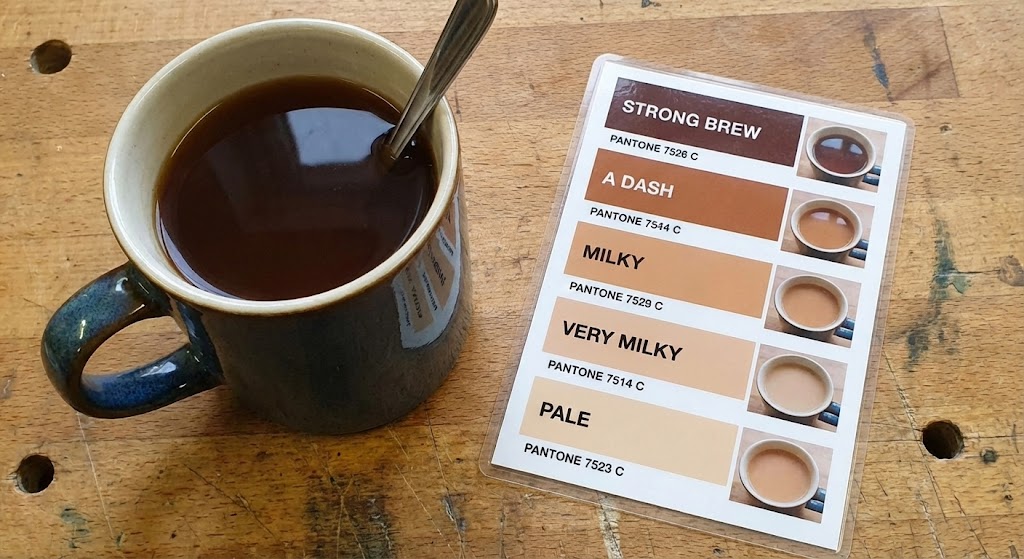
Builder's tea is deliberately over-extracted: tea bag (sometimes 2 bags) steeped 5-15+ minutes, often left in mug continuously. The result: deep mahogany-red color, extreme tannin concentration, bitter-astringent flavor without milk. The phrase "strong enough to stand a spoon in it" (hyperbole, but indicates desired viscosity/opacity) describes ideal strength. This contrasts with afternoon tea's delicate golden liquor or sencha's pale green subtlety.
The chemistry: prolonged steeping extracts maximum caffeine (100-150mg per mug vs. 40-70mg for normal tea), polyphenols (catechins, tanninscreate astringency), and flavor compounds (theaflavins, thearubiginsred-brown pigments from black tea oxidation). Without milk, this would be unpalatably bitterbut milk's casein proteins bind tannins, reducing astringency while maintaining caffeine's stimulation. The over-extraction is intentional design: tea must survive milk dilution and still taste like tea, not "beige water."
The functional purpose: builder's tea is work fuelcaffeine for alertness, sugar for quick energy, hot liquid for warming (British climate is cold/damp 9 months yearly). The drink parallels Somali shaah (extreme sugar for nomadic energy needs) and Mongolian salty tea (calories + hydration for harsh environment). Builder's tea is optimized for function, not pleasurethough habitual drinkers find pleasure in functionality itself.
Expert Tip: The "Milk First" Controversy
British tea culture wars over milk-adding order: Milk-in-first (MIF): Pour milk into empty mug, then add brewed tea. Prevents milk protein denaturation (hot tea can "cook" milk, creating skin/off-flavor), historically protected delicate china from thermal shock. Working-class tradition. Milk-in-after (MIA): Pour tea, then add milk. Allows strength adjustment (can see tea color before committing to milk amount). Middle-class preference. Scientific verdict: minimal flavor difference, mostly cultural signaling. Builder's tea practitioners are often MIF (traditional, practical), but no strict rule. Choose based on personal preference, ignore tea snobs claiming one method is "correct."
3. The Tea Break: Labor Law and Cultural Institution
The "tea break" (15-minute work pause for tea drinking, usually mid-morning and mid-afternoon) became British labor institution. Origins: Industrial Revolution factories (1800s)workers needed breaks from dangerous machinery, tea provided caffeine to maintain productivity. By early 1900s, tea breaks were customary but not legally mandated. Modern UK employment law: workers entitled to 20-minute break if working 6+ hours daily (not specifically "tea break," but culturally understood as such).
The productivity paradox: employers initially resisted breaks (lost work time), but studies showed tea breaks increased productivityrefreshed workers made fewer errors, had better morale, worked faster when resumed. The 15-minute pause created net productivity gain. This parallels mate circles (social cohesion through shared beverage) and Japanese tea ceremony (ritual pause creates mental clarity). Builder's tea break is functional meditationbrief disconnection that improves subsequent engagement.
The modern decline: younger British workers increasingly choose coffee over tea (specialty coffee culture growth, Starbucks/Costa/Pret expansion), and remote work eliminates communal tea breaks (isolated home workers make individual beverages). Tea break culture persists in traditional industries (construction, manufacturing, government offices), but fading in tech/creative sectors. Generational shift threatens institutionGen Z drinks energy drinks or herbal teas, views builder's tea as "dad's drink."
4. The Mug Culture: Size, Material, and Personalization
Builder's tea is served in mugs, not cups: Size: 300-400mL typical (vs. teacup's 150-200mL)larger volume for longer work sessions without refilling. Material: Thick ceramic (heat retention, durability, survives job site abuse). Handle: Large loop handle (fits work gloves, allows firm grip). No saucer: Saucers are impractical for mobile work (construction sites, delivery vans)mug alone is portable.
The personalization culture: workers often have personal mugs (brought from home or office-resident). The mug becomes identity markerbranded mugs (favorite sports team, TV show, slogans), novelty mugs ("World's Best Dad"), chipped/stained mugs with sentimental value (decades-old mug someone refuses to replace). Office politics: using someone else's mug without permission is serious transgressionviolation of personal space, hygiene boundary crossing. The mug attachment parallels gourd ownership (personal vessel develops patina/history over time), Hong Kong's dedicated tea socks, tea pet adoption, or kulhar's disposable yet intimate clay experience.
The "tannin ring" phenomenon: poorly washed mugs develop brown staining inside (polymerized tannins bond to ceramic surface). Some workers claim stained mug makes better tea (seasoned like Yixing teapotabsorbs tea oils, adds flavor). Scientific evidence: nonexistent (staining is aesthetic/bacteria concern, no flavor benefit). However, cultural belief persists"don't wash my mug too thoroughly" is common request in shared kitchens.
5. PG Tips, Tetley, Yorkshire Tea: Brand Wars
British tea market dominated by three brands: PG Tips: Pyramid tea bags, chimpanzee advertising mascot (historicaldiscontinued due to animal welfare concerns), mild-smooth flavor profile. Tetley: Round tea bags, slightly stronger than PG Tips, mass-market positioning. Yorkshire Tea: Regional pride brand (despite being owned by national corporation Taylors of Harrogate), strong brew, marketed as "proper Northern tea"working-class authenticity appeal.
The regional loyalty: Yorkshire Tea dominates in Northern England (regional identity product), PG Tips stronger in South/London, Tetley is neutral middle-ground. Brand choice signals regional/class identityYorkshire Tea drinker claims Northern working-class roots (whether accurate or performative), PG Tips suggests Southern middle-class background. The tribalism is mild compared to Turkish tea's regional tea loyalty (Rize vs. other regions), Gongfu's Phoenix oolong exclusivity, or sencha grade hierarchies, but present nonetheless.
The "own brand" stigma: supermarket generic tea (Tesco, Sainsbury's, Asda brands) is cheaper (1-2 per 100 bags vs. 3-4 for branded), chemically identical (often same supplier), but carries class stigmabuying cheapest option signals financial struggle. Middle-class households buy branded tea to avoid appearing poor; working-class households may buy branded tea as pride/self-respect statement ("I can afford the good stuff"). The tea aisle is class performance theaterevery purchase watched by invisible social judges.
| Brand | Market Position | Flavor Profile | Cultural Associations |
|---|---|---|---|
| PG Tips | Market leader (~25% share), mass-market | Smooth, mild, balancedaccessible to all | Southern England, middle-class, safe choice, chimpanzee nostalgia |
| Tetley | Strong second (~20% share), heritage brand (1837) | Medium strength, slightly malty | Neutral, no strong regional identity, "everyone's second choice" |
| Yorkshire Tea | Growing challenger (~15% share), regional specialist | Strong, robust, high tannin"proper brew" | Northern England pride, working-class authenticity, "hard water" formulation claim |
| Twinings | Premium brand (~8% share), specialty teas | Varied (Earl Grey flagship, multiple blends) | Middle/upper class, sophistication, "not builder's tea"crossover to afternoon tea territory |
| Supermarket Own-Brand | Combined ~30% share (Tesco, Sainsbury's, etc.) | Variable (often same supplier as branded, repackaged) | Budget-conscious, mild class stigma, practical choice vs. brand loyalty |
6. Sugar Levels: "Two Sugars, Please"
Builder's tea typically includes sugar: 2-3 heaping teaspoons per mug (12-18g sugarhalf of WHO daily recommended limit in single drink). The sugar serves dual purpose: (1) Energy boost for physical labor (quick glucose), (2) Flavor balance (sweetness counteracts tannin bitterness + milk richness). The phrase "two sugars" is cultural shorthandordering "builder's tea, two sugars" communicates entire flavor profile (strong, milky, sweet, working-class style).
The health implications: daily builder's tea consumption (3-4 mugs with sugar) adds 36-72g sugarexceeds WHO limits, contributes to obesity/diabetes. However, this occurs in context of broader working-class diet (processed foods, limited fresh produce access due to cost/time constraints). Blaming tea for health crisis ignores structural inequalitybuilder's tea is symptom, not cause. Modern health campaigns encourage reducing/eliminating sugar in teapartially successful among younger workers, strongly resisted by older generations ("tea without sugar isn't tea").
The artificial sweetener adoption: some workers switched to sweeteners (Canderel, Sweetexaspartame/sucralose) to reduce calories while maintaining sweetness. However, stigma persistsartificial sweeteners seen as "dieting" (feminine-coded, weakness admission), not masculine working-class behavior. The gendered dimension parallels Persian tea's sugar practices (men drink more sugar as virility display) and coffee culture (black coffee = masculine, sweet coffee = feminine stereotype). Tea becomes gender performance, not just beverage.
Expert Tip: The "Stirring Rule" for Optimal Extraction
Builder's tea benefits from vigorous stirring: after adding tea bag to boiling water, stir 10-15 times with spoon (breaks up tea bag, increases water circulation through leaves, accelerates extraction). Let steep 3-5 minutes, then stir again before removing bag. Squeeze bag against mug side with spoon (extracts final concentrated liquidcontains most caffeine). This aggressive technique wouldn't suit delicate Japanese green tea (would create bitterness), but works for robust CTC black tea designed to withstand rough handling. Builder's tea is forgivinghard to "ruin" with over-extraction if milk/sugar added.
7. The Thermos Flask: Mobile Tea Infrastructure
Construction workers, delivery drivers, and outdoor laborers use thermos flasks (vacuum-insulated bottles, 500mL-1L capacity) to transport builder's tea to job sites. The preparation: brew multiple mugs of strong tea at home/base, combine in thermos, add milk + sugar, seal. The tea stays hot 4-6 hours (thermos insulation prevents heat loss), enabling tea consumption without access to kettles/electricity. This mobile infrastructure parallels mate's thermos culture (Argentinians carry hot water thermoses everywhere).
The thermos physics: vacuum insulation prevents conductive heat transfer (no air molecules between inner/outer walls to carry heat away), reflective coating reduces radiative heat loss (infrared radiation reflected back into liquid), tight seal prevents convective loss (no hot air escaping). Result: near-perfect insulation maintaining 70-8°C temperature for hours. Modern thermoses use stainless steel (Stanley brand iconic among workersdurable, survives drops, generational longevity claim "grandfather's thermos still works").
The thermos as class marker: carrying thermos signals manual labor profession (office workers have access to kettles, don't need portable tea). The thermos is simultaneously practical tool and identity badgevisible symbol of working-class status. Some white-collar workers carry thermoses (hiking, commuting), but workplace thermos use is working-class domain. The object becomes politicalwhat you carry reveals who you are (or want to appear to be).
8. Tea and British Identity: National Beverage Politics
Tea is British national identity symboldespite being foreign import (China/India origin, no native British tea plants). The paradox: colonialism created "British tea"East India Company monopoly (1600s-1800s), Indian plantation agriculture (Assam discovery 1823, industrial cultivation), Ceylon tea estates (1860s+ Sri Lanka). British Empire's tea trade generated massive wealth (and sufferingplantation labor exploitation, opium trade to balance tea imports from China). Modern British tea consumption is legacy of imperial extraction.
The identity performance: "putting the kettle on" (making tea) is quintessentially British phraseused in crisis ("someone's died? I'll put the kettle on"), celebration ("got promoted? Let's have a cuppa"), social ritual ("fancy a brew?"). Tea transcends class divisionseveryone drinks tea, only style differs (builder's vs. afternoon). This national unity-through-beverage parallels Turkish tea (national symbol crossing class/regional lines) and Argentine mate (identity marker for entire nation).
The modern threat: coffee culture eroding tea dominanceBritish coffee shop market 10+ billion (2020s), younger generations prefer coffee (specialty coffee seen as sophisticated vs. tea's old-fashioned image). Builder's tea remains strong in traditional industries, but white-collar/creative workers shifting to coffee. Within 20-30 years, tea may lose status as British default beveragegenerational change reshaping national identity. The beverage shift reflects broader cultural transformationBritain becoming less traditional, more globalized, less attached to imperial legacy (tea = reminder of colonial past, coffee = modern cosmopolitan choice).
Expert Tip: Water Quality Matters More Than Tea Quality
British tap water varies regionallysoft water (Scotland, Wales, Northern England) vs. hard water (London, Southeast). Hard water (high calcium/magnesium) creates "scum" on tea surface (calcium carbonate precipitate reacting with tannins), dulls flavor, requires more tea for same strength. Soft water produces clearer tea, brighter flavor, no scum. Yorkshire Tea markets "hard water blend" (stronger to compensate for mineral interference). Home solution: if you have hard water, use filtered water (Brita pitcher) or bottled Scottish Highland water (soft, low mineral). Water quality impacts builder's tea more than premium loose-leafstrong brew + milk emphasizes mineral interactions. Upgrade water before upgrading tea brand for better results.
9. Making Authentic Builder's Tea at Home
Ingredients (per mug): 1-2 black tea bags (PG Tips, Tetley, Yorkshire Tea, or supermarket brand), boiling water (~350mL for 400mL mugaccounting for milk addition), whole milk (~50mL, adjust to preference), sugar (2-3 teaspoons granulated white sugar, or to taste).
Equipment: Large ceramic mug (300-400mL capacity, thick walls), electric kettle (boils water faster than stovetop), spoon (for stirring and squeezing tea bag).
Step 1 - Boil water: Fill kettle, boil to 100C (rolling boil). Builder's tea requires boiling waternot 90C, not "hot enough"BOILING. The high temperature extracts maximum tannins and caffeine from cheap CTC tea bags.
Step 2 - Add tea bag(s): Place 1-2 tea bags in mug. For beginner-strength, use 1 bag. For proper builder's strength, use 2 bags or prepare to leave 1 bag in for 7-10 minutes. Pour boiling water over tea bags to fill mug ~3/4 full (leave room for milk).
Step 3 - Steep (and stir): Let tea bags steep 3-5 minutes minimum (longer for stronger brewsome workers leave bag in entire drinking duration). Stir vigorously 10-15 times after 1-2 minutes (agitate bags, increase extraction). Tea should turn deep mahogany red-brownalmost opaque. If you can see through it easily, it's too weak.
Step 4 - Remove and squeeze bag: Use spoon to press tea bag against mug side, squeezing out maximum liquid (contains concentrated tea essence). Discard bag. Don't be gentlesqueeze firmly. This step is controversial among tea purists (claim squeezing releases excessive bitterness), but builder's tea embraces bitterness (milk will balance it).
Step 5 - Add milk: Here's where milk-first vs. milk-after debate arises. Milk-after method (easier for beginners): Pour milk into brewed tea while stirring, stop when tea reaches desired color (caramel-brown, lighter than black coffee but darker than latte). Taste-test and add more milk if too strong. Typical amount: 50-80mL per mug (15-20% of total volume).
Step 6 - Add sugar: Add 2-3 heaping teaspoons sugar (12-18g), stir vigorously until dissolved (30 seconds). Taste. If not sweet enough, add another teaspoon. Builder's tea is unapologetically sweetdon't hold back from health guilt (though consider reducing if drinking 4+ mugs daily).
Step 7 - Drink immediately: Builder's tea is drunk hotdon't let it sit and cool (develops skin on surface from milk proteins, unpleasant). Drink while working, reading, or during tea break. Refill mug and repeat process 2-3 times during work session (tea break isn't single cup, it's ritual repeated throughout day).
Variation - "NATO Standard": Military/outdoor version: add sugar to mug before tea bag and water (sugar dissolves during steeping, one less step). Add powdered milk or condensed milk (shelf-stable, no refrigeration). This produces extremely sweet, ultra-convenient field versionnot gourmet, but effective when fresh milk unavailable.
The ultimate test: Proper builder's tea should be strong enough that first sip makes you wince slightly (tannin punch), sweet enough that second sip is pleasurable (sugar balances bitterness), and milky enough that third sip is comforting (creamy mouthfeel). If all three reactions occur, you've made authentic builder's tea. If it tastes like weak beige water, start over with more tea bags and longer steep time. Builder's tea is assertive beveragedemands attention, provides functional energy, carries working-class pride in every sip.
Comments