1. The Corset Problem: Afternoon Tea's Health Crisis
Victorian women's daywear (1840s-1900s) included steel-boned corsets (18-24 bones), laced to 18-22 inch waists (natural waist 26-30 inches—4-8 inch compression like foam compression physics), worn 12-18 hours daily. The medical consequences: restricted breathing (lung capacity reduced 30-40%, shallow thoracic breathing only), digestive problems (stomach/intestines compressed, acid reflux, constipation common), fainting spells (combination of restricted breathing + tight lacing cutting circulation), and skeletal deformation (prolonged use warped rib cages, displaced organs). Doctors warned against tight-lacing (medical journals documented corset-related deaths, organ damage cases), but fashion pressure overrode health concerns—social conformity outweighed physical wellbeing.
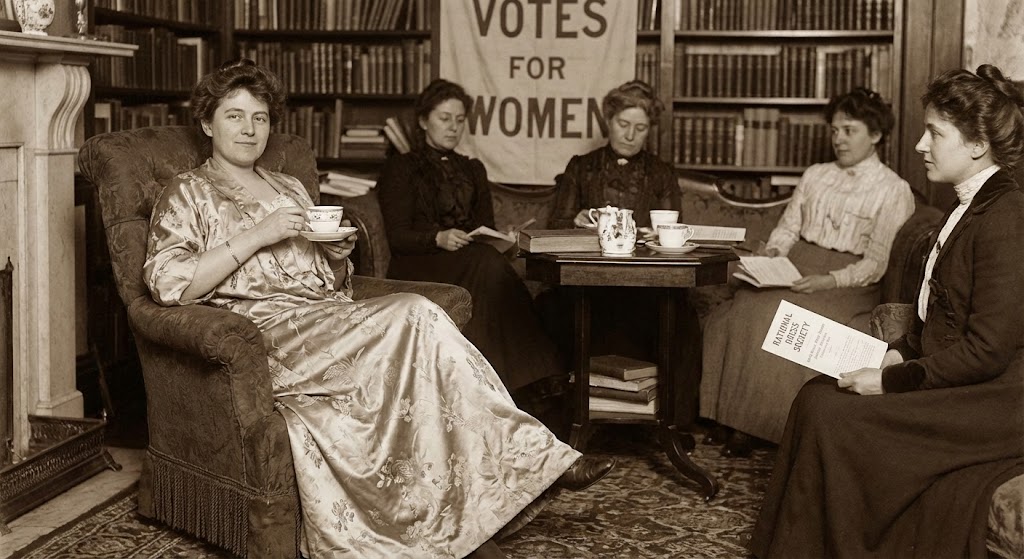
Afternoon tea (popularized 1840s by Duchess of Bedford connecting to imported Chinese tea culture) created specific problem: eating while corseted was uncomfortable (compressed stomach can't expand to accommodate food, creates painful bloating like excessive çay consumption). Women faced choice: (1) Loosen corset for tea (improper—visible adjustment suggested impropriety, "loose" morals literalized through loose stays), (2) Eat nothing at tea (defeats social purpose, drew attention to one's discomfort), or (3) Eat lightly while corseted (minimal sandwiches, tiny cakes—portion control driven by physical impossibility, not restraint). The solution emerged ~1870s: tea gowns (home wear specifically for afternoon tea, loose-fitting, worn without corset or with lightly-boned "reform" corset—essentially designer loungewear given social acceptability similar to Grandpa style's anti-formality).
The physics of corset compression: pressure $ P = F/A $ (force distributed over area)—corset concentrates force on small abdominal area, creating localized high pressure (50-80 mmHg typical, vs. normal resting 5-15 mmHg). This pressure exceeds gastric pressure needed for digestion (15-25 mmHg normal), creating reflux (stomach contents pushed upward). Additionally, diaphragm excursion limited (can't descend fully during inhale), reducing tidal volume (amount of air per breath) from normal 500mL to 300-350mL when tight-laced—chronic mild hypoxia explains Victorian women's frequent fainting, pallor (considered fashionable—pale skin = delicate health = high status, no outdoor labor).
| Garment Type | Corsetry | Acceptable Wearing Context | Social Implications |
|---|---|---|---|
| Daywear (Walking Suit, Visiting Dress) | Full steel-boned corset (18-24 bones), tight lacing required | Public appearances, formal calls, shopping, church—anywhere visible | Respectability (proper lady always corseted in public), class marker (leisure class can endure discomfort) |
| Evening Gown (Dinner, Ball) | Extreme corseting (16-20 inch waist, visible deformation acceptable/desired) | Formal dinners, balls, opera—display occasions | Sexual display (tiny waist = fertility signal), wealth (custom-fitted gown expensive), status competition |
| Tea Gown (1870s Innovation) | No corset OR light stays (minimal boning, comfort-focused)—revolutionary | Afternoon tea AT HOME with intimate friends—NOT public wear | Comfort + propriety negotiation (corsetless but respectable), artistic/intellectual signaling |
| Nightgown/Dressing Gown | None (sleeping/bathing only uncorseted time) | Bedroom only—NEVER in presence of non-family | Intimacy/impropriety (being seen uncorseted = partially undressed, sexual suggestion) |
| Reform Dress (Rational Dress Movement) | Rejected entirely (loose bodices, natural waist, bloomers/divided skirts) | Private homes, progressive circles, feminist meetings—RADICAL/SCANDALOUS publicly | Political statement (anti-fashion, health advocacy, feminist rebellion), social ostracism risk |
2. The Aesthetic Movement: Art as Escape from Propriety
Tea gowns emerged from Aesthetic Movement (1870s-1900s)—artistic rebellion against Victorian industrial ugliness: Philosophy: "Art for art's sake" (beauty as ultimate value, not moral instruction or practical function like chabana's aesthetic philosophy), rejection of mass-production (handcrafted objects, individual expression), and medievalism (pre-industrial romanticism, Gothic Revival architecture, Pre-Raphaelite painting connecting to Tang Dynasty nostalgia). Fashion application: Flowing draped fabrics (silks, velvets, Liberty prints—soft unstructured materials vs. rigid tailored suits), rich colors (peacock blues, deep greens, aesthetic "greenery-yallery" palette—Oscar Wilde satire), Japanese/Oriental influences (kimono sleeves like tea room architecture, embroidered dragons, chinoiserie—Japonism trend similar to Senchado's refined aesthetics), and deliberate rejection of mainstream fashion (anti-corset, anti-bustle, anti-conventional beauty standards).
Key figures: Liberty & Co. (London department store, 1875+)—sold Aesthetic Movement clothing (tea gowns, artistic dress, imported Asian textiles), democratized avant-garde fashion (wealthy bohemians + aspirational middle-class). Dante Gabriel Rossetti, William Morris (Pre-Raphaelite Brotherhood)—painted women in flowing medieval gowns (artistic models wore uncorseted dress—images circulated, normalized alternative aesthetics). Oscar Wilde (writer, aesthete)—promoted beauty-first philosophy (though later satirized movement's excesses), championed dress reform (lecture tours advocating comfortable clothing). The artistic justification: tea gowns weren't lazy indulgence (moral failing), but artistic expression (cultural sophistication)—reframed comfort as aesthetic choice, not weakness.
The class dynamics: Aesthetic dress was expensive (Liberty silk tea gowns cost £5-15, equivalent to 2-6 weeks' working-class wages similar to sailor poverty wages), limiting adoption to upper-middle and aristocratic classes. But ideology was democratizing (beauty accessible to all, not just aristocracy—though reality was wealthy people congratulating themselves for appreciating beauty). The paradox: anti-establishment movement funded by establishment wealth, artistic rebellion as elite status marker. This pattern repeats: bohemianism as upper-class performance (modern "funemployed" artists with trust funds, gentrification disguised as creative community). Genuine working-class women couldn't afford tea gowns OR time for afternoon tea—aesthetic freedom was class privilege (servants preparing tea service couldn't wear tea gowns themselves).
Expert Tip: Identifying Authentic Victorian Tea Gowns (Antique Collecting)
Victorian tea gown market (antique/vintage) has authenticity issues (many Edwardian-era or modern reproductions mislabeled). Authentication clues: (1) Construction: Hand-sewn seams (machine-sewing existed but high-end gowns hand-finished), interior boning channels empty or minimal (corset-free design—but some had light stays). (2) Fabrics: Natural fibers only (silk, cotton, wool, linen—no synthetics until 1900s+), Liberty-style prints (specific William Morris patterns, documented designs). (3) Silhouette: Empire waist or loose natural waist (not cinched), kimono/bell sleeves (wide, flowing), trained back (sweep length, not floor-clearing—tea gown = semi-formal). (4) Provenance: Documented ownership (family records, photos of original wearer), labeled by known maker (Liberty, Worth, regional dressmakers). Prices: authentic 1880s-1890s tea gowns = $800-3000+ (museum-quality), Edwardian tea gowns (1900-1910) = $300-800 (more common, less valuable), modern reproductions = $100-400 (costume-quality, no historical value). Buy from reputable vintage dealers, verify with textile conservators if spending >$1000.
3. The Sexual Politics of Uncorseted Tea
Tea gowns occupied ambiguous moral territory: Respectable interpretation: Artistic dress (cultured women appreciating beauty), health-conscious reform (medical endorsement of corset-free wear), private domestic sphere (home = proper woman's domain, tea gown = domestic costume). Scandalous interpretation: Undressed in company (corsetless = partially nude by Victorian standards), sexually available (loose clothing suggested loose morals—linguistic metaphor literalized), and decadent leisure (conspicuous consumption, frivolous luxury while working classes starved).
The male gaze problem: tea gowns made female bodies visible (flowing fabric revealed natural figure like Persian women's domestic dress, corsets hid actual body shape—uncorseted women's bodies became newly visible/sexualized). Victorian pornography fetishized tea gowns (images of women in "dishabille"—partially dressed state, tea gown coded as erotic). Mainstream culture absorbed this association (tea gown = intimate apparel, wearing in mixed company suggested sexual accessibility). Women navigated contradiction: comfort required uncorseting, but uncorseting invited sexual judgment—no safe choice, only managed risk. The solution: strict context control (tea gowns only with trusted female friends like tasseography gatherings, never with strange men present, never in public—spatial boundaries enforced moral boundaries).
The lesbian subtext: tea culture became coded sapphic space (women-only gatherings like formalized tea rituals, intimate domestic settings, aesthetic sensibility associated with queer culture). Not all tea gown wearers were queer, but queer women used tea culture as cover (acceptable reason for women spending time together, plausible deniability for romantic friendships, artistic circles more tolerant of gender non-conformity). The historical erasure: Victorian "romantic friendships" between women often erased queerness (historians interpreted as innocent platonic bonds similar to Persian tarof's intimate rituals, ignored erotic dimension). Modern queer history recovery recognizes tea culture's role in creating women-only spaces where non-heteronormative relationships could exist. Tea gowns facilitated this (comfort enabled longer visits, aesthetic shared taste signaled cultural affinity, semi-private setting allowed intimacy like tea room's enclosed spaces).
4. The Rational Dress Movement: Tea Gowns as Gateway Reform
Rational Dress Society (founded 1881, London) advocated health-based dress reform: Principles: Weight distribution on shoulders (not waist—skirt weight hung from corset, damaging spine), unrestricted breathing (no tight-lacing, full lung capacity), freedom of movement (no trailing skirts tripping wearers, no restrictive undergarments), and maximum 7 pounds total clothing weight (Victorian women wore 15-20 pounds of clothing typically—multiple petticoats, bustle, corset, heavy fabrics). Proposed reforms: Divided skirts/bloomers (scandalous—suggested trousers, challenged gender norms), knee-length skirts (shocking—exposed ankles/calves, considered immodest), and corset abolition (most radical—attacked foundation of Victorian silhouette).
The movement's challenges: Ridicule: Press mocked "rational dress" women (cartoons of mannish bloomers-wearers similar to monkey-picking fabrications, accusations of wanting to be men, sexual deviance suggestions). Social ostracism: Women wearing reform dress excluded from polite society (clubs banned rational dress, shops refused service, employment denied). Class assumptions: Critics claimed physical labor (working women like colonial tea shop workers) was degrading—ladies shouldn't need freedom of movement (conflation of fashion with class status—inability to move = proof of wealth, leisure class marker similar to impractical virgin picker myths). The resistance revealed: clothing was social control (restricting women's movement restricted social/political participation), appearance policed behavior (deviation from dress norms indicated moral deviation), and beauty standards served patriarchy (uncomfortable clothing kept women focused on appearance rather than activism).
Tea gowns as compromise: offered corset-free comfort (meeting rational dress goals) within socially acceptable context (private home, artistic justification, not political statement). Many women adopted tea gowns who would never wear bloomers (too radical, too public, too confrontational). The incremental change: tea gowns normalized uncorseted bodies (visitors saw hostess comfortable without corset, realized it was possible/acceptable), created precedent for dress reform (if afternoon = acceptable corsetless time, why not morning? evening? public wear?), and built constituency for broader reform (women who experienced comfort wanted it extended, supported later suffragette dress reform). The gateway theory: minor reforms make major reforms thinkable—tea gowns paved path for 1910s-1920s corset abandonment.
| Reform Type | Timeline | Social Acceptance | Long-term Impact |
|---|---|---|---|
| Tea Gowns (Aesthetic Movement) | 1870s-1910s (peak 1890s) | Acceptable in private homes (artistic circles, progressive upper-class) | Normalized uncorseted dress in specific contexts, created demand for comfort |
| Bloomers/Rational Dress | 1850s (Amelia Bloomer), revived 1880s-1890s | Mostly rejected (ridicule, scandal, social ostracism for wearers) | Failed short-term, but established precedent (women's right to practical clothing) |
| Suffragette Dress (1900s-1910s) | 1903-1918 (British suffrage movement peak) | Controversial but visible (white dresses, purple/green sashes—political uniform) | Connected dress reform to political rights (bodily autonomy = voting rights) |
| WWI Practical Dress (1914-1918) | 1914-1918 (wartime necessity) | Widely accepted (women in factories, hospitals, farms—needed practical clothing) | Mass corset abandonment (wartime practicality made comfort normal, post-war didn't revert) |
| 1920s Flapper Style | 1920s (post-WWI liberation) | Mainstream (dropped waists, no corsets, shorter skirts—new normal) | Permanent shift (Victorian corseted silhouette never returned, modern comfort standards established) |
Expert Tip: Hosting a Victorian-Style "Uncorseted Tea" (Feminist History Event)
Recreate tea gown culture as educational feminist gathering: (1) Invitations: Specify "comfortable dress encouraged" (yoga pants, loungewear, whatever feels good—parallel to tea gown comfort). (2) Historical context: Brief presentation on corset history, health impacts (show images of deformed rib cages, medical documents), tea gown emergence as resistance. (3) Tea service: Serve traditional afternoon tea (finger sandwiches, scones, pastries), emphasize pleasure of eating without physical restriction (contrast to corseted tea experience). (4) Discussion: Connect to modern body autonomy issues (restrictive beauty standards, uncomfortable fashion still expected, high heels/shapewear as contemporary corsets). (5) Action: Guests share one clothing item they'll stop wearing (if uncomfortable), or one comfort practice they'll adopt. Creates feminist solidarity through historical lens—Victorian women's resistance informs modern body politics. The continuity: women still negotiating appearance demands vs. physical comfort, still creating spaces for liberation (tea rooms then, feminist gatherings now).
5. Tea Rooms as Suffragette Meeting Spaces
Public tea rooms (emerged 1880s-1900s) became women's political infrastructure: ABC Tea Shops (Aerated Bread Company, London, 1880s+)—cheap respectable venues where unaccompanied women could meet (previously, women in public cafes assumed prostitutes). Suffragette tea shops (operated by Women's Social and Political Union, 1900s-1910s)—explicitly political spaces (served tea like colonial tea shops, sold suffragette newspapers, organized protests, avoided alcohol—temperance movement overlap). Private tea gatherings (wealthy suffragettes hosted, like Emmeline Pankhurst)—fundraising, strategy sessions, recruitment (tea culture provided cover for political organizing similar to Gongfu's ceremonial gatherings).
The strategic advantages: Respectability: Tea drinking was acceptable female activity (unlike pub-going, street corner meetings—tea maintained middle-class propriety while enabling activism like Persian tarof's social protocols). Accessibility: Tea rooms were affordable (working women could attend after factory shifts, unlike expensive political dinners). Social cover: Opponents underestimated tea gatherings (dismissed as trivial female socializing like tasseography being dismissed, ignored political organizing happening over scones). Network building: Tea culture had existing infrastructure (etiquette like formalized ceremonies, rituals, shared knowledge—suffragettes co-opted for political ends). The irony: most feminine domestic activity (tea serving) became tool of feminist revolution—patriarchy's own cultural forms turned against it.
The documented impact: Christabel Pankhurst (suffragette leader) organized Manchester tea shop meetings (1903-1905, recruited working-class supporters). Women's Freedom League opened political tea room (London, 1907)—sold suffragette literature, hosted debates, served as campaign headquarters. WSPU militants planned window-smashing campaigns over tea (1912-1913)—coordinated attacks from genteel tea table discussions. Police eventually monitored tea rooms (raided shops, arrested organizers—recognizing tea's political threat). The repression validated effectiveness—authorities feared tea gatherings (correctly identified as organizing nodes). The lesson: any women's space becomes political when women claim autonomy—even seemingly trivial tea culture.
6. The Material Culture: Tea Gown Design Elements
Typical tea gown (1890s) included: Silhouette: Empire waist (high waistline, just under bust—eliminates need for waist compression), or princess line (vertical seams, no waist seam—distributes shaping without corset), flowing skirt (soft pleats/gathers, not structured petticoats like natural draping aesthetics). Sleeves: Kimono sleeves (wide, comfortable, Japanese-influenced by tea ceremony culture), bell sleeves (flared from elbow, dramatic aesthetic), or bishop sleeves (full gathered into cuff—artistic, historical references). Fabrics: Silk (luxury imported via clipper trade routes, drapes beautifully, soft hand-feel), velvet (rich texture, deep colors, Aesthetic Movement favorite), Liberty prints (Art Nouveau florals, muted palettes), lace overlays (delicate femininity, artisan craftsmanship like porcelain details).
Colors: Aesthetic palette (peacock blue, sage green, dusty rose, gold, burgundy—not pastel pinks/whites of mainstream fashion), inspired by medieval manuscripts, Japanese prints, nature (William Morris wallpapers). Decoration: Embroidery (hand-stitched, Arts & Crafts movement—rejected machine decoration), appliqué (layered fabrics, dimensional texture), ribbons/bows (strategic placement, not excessive—tasteful ornamentation), no heavy beading/boning (weight defeat comfort purpose). Length: Trained back (fabric extends behind, sweeps floor—elegant drama), but NOT long front (tripping hazard eliminated—practical consideration within aesthetic constraints).
The construction philosophy: beauty through comfort (form follows function—elimination of corset shapes design, not vice versa), natural drape (fabrics hang from shoulders, follow body's lines—not imposed structure), and individual expression (custom dressmaking, personal taste—mass-production rejected). This contrasts with mainstream Victorian fashion (structure first—corset creates silhouette, body forced to conform, standardization ideal). Tea gowns were statement: "I choose beauty that doesn't hurt"—radical in context of normalized pain (fashionable suffering was expectation, comfort was rebellion).
7. The Decline: WWI and the Death of Tea Culture
Tea gown culture collapsed 1914-1920s: WWI disrupted afternoon tea (rationing limited sugar/cakes/cream like wartime tea shortages, servants joined war effort—no staff to serve elaborate teas, leisure time eliminated—women in factories/hospitals/farms). Class resentment: Tea as aristocratic frivolity (while working-class suffered wartime hardship similar to sailor exploitation, upper-class tea culture seemed offensive). Fashion evolution: Wartime practical dress (women wearing trousers, short skirts, no corsets—necessity made comfort mainstream, post-war didn't revert). Cultural shift: 1920s modernity (jazz, flappers, speed, efficiency—Victorian tea culture seemed antiquated, slow, fussy vs. modern tea innovation).
The corset's end: WWI metal shortage (steel needed for weapons, corset production banned—women discovered they could live without), labor demands (factory work impossible in corsets—women worked uncorseted, realized comfort), and suffrage victory (British women's voting rights 1918, American 1920—political empowerment coincided with bodily autonomy, connected liberation). By 1920s, corsets were obsolete (flapper dropped waist eliminated need, brassieres replaced corsets, girdles provided light shaping—but nothing like Victorian compression). Tea gowns disappeared with corsets—no longer needed (all fashion was comfortable by 1890s standards, tea gown's unique selling point vanished).
The ironic legacy: tea gowns normalized comfort (created expectation that clothing shouldn't torture), but succeeded so completely they became unnecessary (once all clothing comfortable, specialized comfortable clothing redundant). The reform absorbed by mainstream—most successful revolutions make themselves obsolete (achieve goals, integrate into new normal, original form forgotten). Modern loungewear (yoga pants, athleisure, work-from-home comfort clothes) is tea gown descendant—same function (comfortable home clothes socially acceptable), different context (no corset to escape, but office clothing still restrictive, comfort still negotiated). The pattern persists: women claiming right to physical comfort within patriarchal aesthetic demands—Victorian struggle continues, just different battlefield.
8. Modern Tea Gown Revival: Vintage and Reproduction Culture
Contemporary tea gown interest emerges from: Vintage fashion community: Historical re-enactors (Victoriana enthusiasts, steampunk aesthetic), vintage clothing collectors (authentic gowns as wearable art like collectible teaware), and costume designers (period films, theater productions). Feminist recovery: Women's history scholars (reclaiming tea culture as feminist space), dress historians (documenting reform movements), and body-positive activists (tea gowns as anti-diet-culture historical example). Aesthetic appreciation: Art Nouveau revival (William Morris textiles, Liberty prints, Arts & Crafts movement like wabi-sabi philosophy), maximalist decor trends (reaction to minimalism, Victorian opulence returns), and slow fashion (handmade, artistic, anti-fast-fashion similar to artisan tea culture).
Reproduction tea gowns available from: Etsy sellers ($200-600 custom-made, sizing to order, historical accuracy varies), historical pattern companies (Truly Victorian, Laughing Moon Mercantile—sew your own, $15-25 for patterns + fabric costs), costume rental houses ($50-150 rental for events, not ownership), and high-end vintage dealers (authentic 1890s gowns $1000-4000, museum-quality, preservation concerns). The wearing contexts: Historical teas (Jane Austen societies, Victorian events, costume gatherings), weddings (vintage-themed, romantic aesthetic, alternative to modern bridal), home loungewear (genuinely wearing for comfort, not costume—small niche, but exists), and photo shoots (Instagram aesthetics, Pinterest historical fashion, content creation).
Expert Tip: Sewing Your First Tea Gown (DIY Historical Fashion)
Beginner-friendly tea gown project: (1) Pattern: Truly Victorian #TV442 "1890s Tea Gown" ($18, sizes 6-24, well-documented instructions). (2) Fabric: 5-7 yards rayon/polyester blend in jewel tone ($40-70 total, softer than cotton, drapes well), OR vintage-look floral ($8-12/yard from Joann Fabrics). Avoid authentic silk first time (expensive, hard to sew, save for later projects). (3) Notions: Matching thread ($3), bias tape for seams ($5), buttons/hooks ($8-12), total ~$10-20. (4) Time: 20-30 hours for beginner (spread over weekends, not rushed). (5) Skill level: Advanced beginner (needs basic sewing machine skills, but tea gowns forgiving—loose fit hides fitting errors). Total cost: $85-120 vs. $400-600 purchasing equivalent. The satisfaction: wearing historical garment you made, understanding construction intimately, connecting to Victorian seamstress labor (hand-sewing appreciation). Plus: genuinely comfortable loungewear (functional, not just costume).
9. The Tea Gown Today: Lessons for Modern Feminism
What tea gowns teach about resistance: Incremental change works: Tea gowns didn't abolish corsets immediately, but normalized comfort in specific contexts (created precedent for broader reform—small victories accumulate). Beauty and comfort aren't opposites: Aesthetic Movement proved clothing can be gorgeous AND comfortable (reject false choice between appearance and wellbeing—demand both). Women-only spaces enable organizing: Tea culture created infrastructure for suffragette movement (contemporary parallels: women's groups, feminist collectives, online communities). Co-opt patriarchal forms: Most feminine domestic ritual (tea serving) became feminist tool (use system's own structures against it—tactical adaptation).
Modern applications: Workplace dress codes: Challenge uncomfortable requirements (heels, restrictive clothing—cite health, demand comfort like anti-formality principles), create "tea gown equivalent" (comfortable professional clothing accepted in specific contexts, expand incrementally). Body autonomy: Resist beauty standards causing harm (crash diets, cosmetic surgery pressure, painful shapewear—Victorian corset fight continues), claim right to comfort (physical wellbeing over appearance demands). Community building: Create women-centered spaces (book clubs like tasseography circles, craft circles, online groups—modern tea rooms), use for mutual support AND political organizing (not exclusively social OR political—both simultaneously like Persian tea gatherings). Historical awareness: Know our foremothers' struggles (Victorian women fought these battles already, learn from their strategies, honor their work).
The continuous thread: women negotiating patriarchal expectations (1890s corsets vs. 2020s diet culture—different manifestations, same control mechanism like romanticized fabrications), creating spaces for autonomy (tea rooms like tea ceremony spaces vs. feminist groups), and using "feminine" culture subversively (tea gowns vs. girly aesthetics reclaimed). The lesson: there's no "post-feminist" era (struggles continue, just evolve), no victory too small (tea gowns mattered—comfort matters like ritual objects' meaning), and no apolitical women's culture (even tea ceremonies were sites of resistance—all female spaces threaten patriarchy). The humble tea gown: transitional object between Victorian imprisonment and modern freedom, reminder that comfort is political, beauty is negotiable, and afternoon tea can be revolutionary. Drink tea, resist corsets (literal and metaphorical), build community, change world—Victorian blueprint still relevant.
Comments