1. The Logic of Lunacy: Why Grow Tea in Scotland?
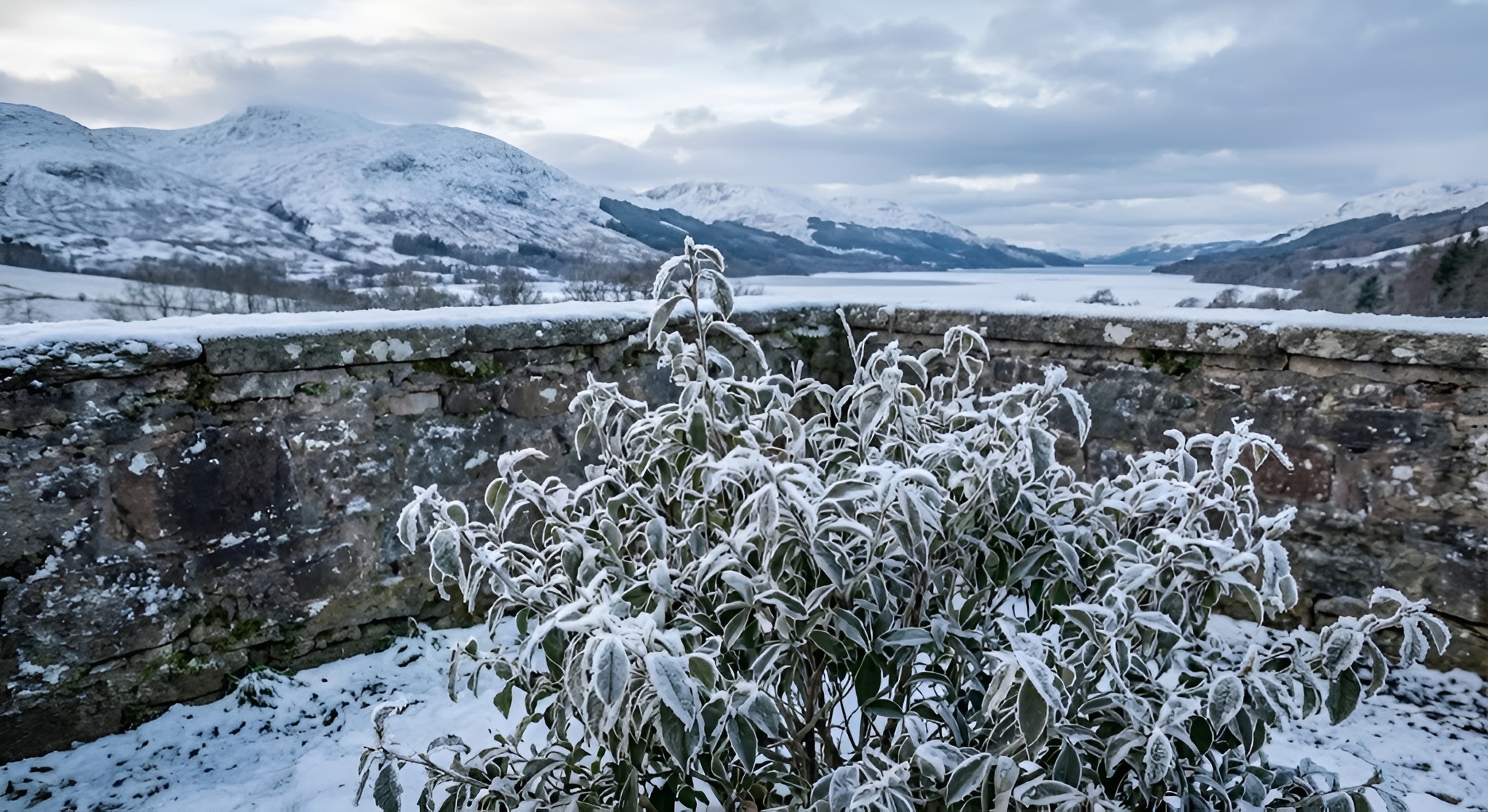
To the average botanist, Scotland is a nightmare for Camellia sinensis. Tea bushes generally stop growing below 12°C and can die in a hard frost. Scotland has long, dark winters and short, cool summers. So why even try? Because the Scottish landscape offers three critical advantages that astute growers have leveraged to produce something unique.
Soil, Water, and Light
1. Soil pH: Tea plants are calcifuges—they hate lime and love acidic soil. Scottish soil is naturally acidic and peaty, almost perfectly matching the soil profile of high-altitude Darjeeling. You don't need to fight the ground here; it wants to grow tea.
2. Water: Scotland is famous for its soft, pure rainwater. In many parts of the world, irrigation is a struggle, and hard water can ruin the final taste of the tea. In the Highlands, the water falling from the sky is already perfect for brewing tea, so it follows that it is perfect for growing it.
3. Daylight Hours: This is the secret weapon. While the season is short, the summer days in the north are incredibly long—up to 18 hours of daylight in midsummer. This intense burst of solar energy fuels rapid photosynthesis during the brief growing window, allowing the plants to catch up after the long winter dormancy.
Expert Tip #1: The "Walled Garden" Effect
You cannot grow tea in an open Scottish field. It would die. The secret is the Walled Garden. These historic 18th-century structures (often found on old estates) act as heat traps. The brick walls absorb solar energy during the day and radiate it back at night, raising the internal temperature by 2-3°C compared to the outside. This tiny margin keeps the plants alive through the frost.
2. The "Tea Gardens of Scotland" Collective
The industry is driven by a collective of nine women, known as the Tea Gardens of Scotland (TGS). Founded in 2016, this group shares knowledge, seeds, and processing facilities. They realized that individually, their yields were too small to be commercially viable, but together, they could create a brand that represented the "Highland Terroir."
Key members include Kinnettles Gold (Angus), which produces a tea so fine it is sold in Fortnum & Mason, and the Dalreoch Estate (Perthshire), which pioneered the "smoked white tea" style. These aren't hobby farms; they are serious agricultural enterprises pushing the boundaries of what is possible. They use seeds sourced from Nepal and Georgia (the country, not the US state), regions known for their cold-hardy tea varieties.
3. The Science of "Stress Growing"
Why does Scottish tea taste different? It comes down to stress. In the tropics, tea grows fast—sometimes ready for harvest every 7 days. In Scotland, the cold weather slows the metabolic rate of the plant down to a crawl. It might take weeks for a bud to fully form.
The Flavor Result: This slow maturation allows the plant to pack the leaf with carbohydrates and amino acids (L-Theanine) to protect itself from freezing. When you brew these leaves, that protective sugar is released into the cup. Scottish tea is famous for having zero bitterness and intense natural sweetness, often described as notes of peach, honey, and apricot. It lacks the astringency of a fast-grown Assam but makes up for it with incredible depth.
Expert Tip #2: Why White Tea?
Most Scottish growers focus on White Tea (Silver Needle style). Why? Because making Black Tea requires heavy oxidation and processing machinery. White tea is simply plucked and dried. It preserves the delicate, stress-grown flavor profile that would be destroyed by heavy rolling or fermentation. It is the purest expression of the Scottish leaf.
4. The "Scotch" Identity: Smoked Tea
Scotland has a global reputation for two flavor profiles: Peat and Smoke (thanks to Whisky and Salmon). Tea growers are leaning into this. Some estates are experimenting with smoking their tea leaves over whisky barrel shavings or local peat.
This creates a distinct "Scotch Tea" terroir—a tea that tastes of the land itself. It is a lighter, more floral version of Lapsang Souchong, designed to be paired with smoked salmon or shortbread. It bridges the gap between the delicacy of the leaf and the ruggedness of the landscape. Unlike Lapsang, which can be overpowering, Scottish smoked tea tends to be subtle, allowing the natural sweetness of the "stress-grown" leaf to shine through the smoke.
Expert Tip #3: The Price Reality
Prepare your wallet. Because Scottish tea is hand-plucked, much like English and Welsh grown teas, in tiny quantities (sometimes only a few kilos a year), it is incredibly expensive. Prices can reach £1 per gram. It is not an everyday tea; it is a celebration tea, often sold in 10g tins. Treat it like fine whisky—savor it on special occasions.
5. The Varietals: Cold Warriors
You can't just plant any tea in Scotland. Growers rely on specific cold-hardy cultivars, often sourced from:
| Region of Origin | Why it works in Scotland |
|---|---|
| Nepal / Darjeeling | Adapted to high altitude and cool nights. |
| Georgia (Ex-Soviet) | The most frost-tolerant varietals in the world, bred to survive Russian winters. |
| Turkey (Rize) | Adapted to snow cover during dormancy. |
Expert Tip #4: Brewing Scottish Tea
Because these leaves are so delicate and high in sugar, never use boiling water. It will scald the leaf and ruin the investment. Use water at 75°C - 80°C (167°F - 175°F) and steep for 3-4 minutes to draw out the peach notes. Use soft water if possible to match the Highland rain it was grown in.
Try the Real Thing
We managed to get our hands on some of the limited-run Scottish teas. See how they compared to the Cornish and Welsh offerings.
Review: Best UK Grown TeasExpert Tip #5: Visiting the Gardens
Many of the Tea Gardens of Scotland are open for tours. It is a unique experience to see tea growing next to traditional Scottish vegetables like kale and turnips. The Kinnettles estate often runs "Tea Tours" in the summer months, allowing you to walk the walled gardens yourself.
Expert Tip #6: The Future
With climate change warming the UK, the viable zone for tea is moving north. While still niche, Scotland proves that high-quality tea is not bound by latitude, but by the skill of the grower and the protection of the microclimate. We may see more Scottish tea on the shelves in 2050.
Comments