The Biology of Genetic Taste Aversion
How Taste Receptors Create Aversion
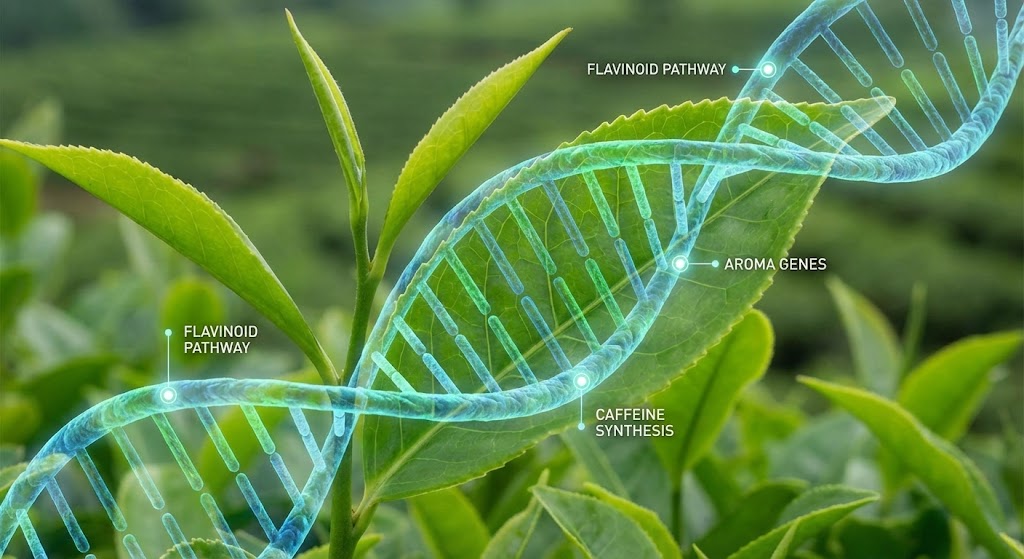
Humans have ~25 bitter taste receptors (TAS2R family), ~400 olfactory receptors (OR family), and additional umami/sweet/salty receptors. Each receptor is coded by a gene, and genetic variants (SNPs—single nucleotide polymorphisms) change receptor shape and sensitivity. A single SNP can make a receptor 10-100x more sensitive to specific compounds, or completely non-functional. Example: the OR6A2 gene detects aldehydes (found in coriander, aged teas, bergamot). The common variant (A allele) makes aldehydes smell herbal/citrus. The SNP variant (G allele) makes aldehydes smell soapy/metallic. If you have two G alleles (homozygote), cilantro tastes like dish soap, and aged puerh tastes like rancid fish oil. This is involuntary—no amount of exposure therapy changes your receptor genetics.
Why Aversions Feel Like Disgust
When a taste/smell receptor signals "spoiled food" or "toxic compound," it activates the anterior insula (disgust center in the brain). This creates visceral rejection: nausea, gagging, revulsion. The mechanism is adaptive—disgust prevents you from eating rotten food. But genetic taste aversions trigger this system falsely: the tea is safe, but your receptors misidentify compounds as dangerous. You can't logic your way out of disgust—it's a subcortical reflex. This is why people with genetic aversions describe tea as "undrinkable" or "I'd rather drink nothing." They're not being dramatic—their brain is in poison-avoidance mode.
Common Genetic Taste Aversions in Tea
The Puerh-Fish Aversion (TMA Sensitivity)
~10% of people perceive aged puerh, Liu Bao, and other fermented teas as "fishy," "swampy," or "like low tide." The culprit: trimethylamine (TMA), a compound produced during microbial fermentation. TMA is the same molecule that makes rotting fish smell fishy. Most people have a high TMA detection threshold (don't smell it in tea). But carriers of a TMA receptor variant (specific OR gene—not fully identified yet) detect TMA at 10-100x lower concentrations. To them, puerh smells like decomposing seafood. This is not "earthy complexity"—it's genuinely aversive. The fix: avoid fermented teas entirely. Stick to unfermented (white, green) or oxidized-not-fermented (oolong, black).
The Matcha-Grass Aversion (TAS2R16 Hypersensitivity)
~15-20% of people find matcha and sencha unbearably grassy, bitter, and vegetal (not in a pleasant way). The culprit: TAS2R16 gene, which codes for a bitter receptor sensitive to salicin and related compounds. Matcha is high in chlorophyll and amino acids (especially L-theanine), which create umami. But TAS2R16-sensitive individuals taste bitter chlorophyll breakdown products instead of umami. To them, matcha tastes like chewing grass clippings—harsh, green, astringent. The fix: avoid shade-grown greens (matcha, gyokuro). Try sun-grown greens (Chinese greens like longjing) or switch to oolong/white teas.
The Bergamot-Soap Aversion (OR6A2 Gene)
~10-14% of Europeans (and ~4-7% of other populations) have the OR6A2 SNP that makes aldehydes smell soapy. Bergamot oil (used in Earl Grey) is high in linalool and citral (aldehydes). OR6A2 carriers perceive Earl Grey as "soapy," "chemical," or "like drinking shampoo." This is the same gene that makes cilantro taste like soap. The correlation: if you hate cilantro, you'll likely hate Earl Grey. The fix: avoid all bergamot-flavored teas. Try non-flavored blacks (Assam, Ceylon) or citrus-flavored teas without bergamot (lemon, orange peel).
The Jasmine-Perfume Aversion (Linalool Sensitivity)
Some people find jasmine tea "perfumey," "overwhelming," or "like drinking air freshener." The culprit: linalool (a floral alcohol in jasmine flowers). Most people have a moderate linalool detection threshold and experience jasmine as pleasantly floral. But carriers of specific OR gene variants (OR10G4, OR10G7) detect linalool at extremely low concentrations, creating olfactory overload. The fix: avoid scented teas (jasmine, rose, lavender). Stick to unscented teas with natural flavor (oolongs, blacks, whites).
How to Identify Your Genetic Taste Aversions
The Cilantro Test (OR6A2 Proxy)
Genetic taste aversions often cluster. If you hate cilantro (tastes like soap), you likely have OR6A2 variants and will also hate: Earl Grey (bergamot tastes soapy), aged puerh (aldehydes from aging taste soapy), and lapsang souchong (smoke aldehydes taste metallic). This is a free at-home screening: if cilantro = soap, avoid aldehyde-heavy teas.
The 23andMe Genetic Test
Commercial genetic tests (23andMe, AncestryDNA) include taste/smell receptor SNPs in raw data. Download your raw data and search for: rs72921001 (OR6A2—cilantro/bergamot), rs846664 (TAS2R38—bitter sensitivity), rs713598 (TAS2R38—PROP tasting). If you're homozygous for aversion alleles (e.g., GG for OR6A2), you have genetic taste aversions. Cost: $99-199.
The Single-Tea Challenge
Brew a pure version of suspect teas: 1) Aged sheng puerh (10+ years), 2) Matcha (ceremonial grade), 3) Earl Grey (bergamot-heavy), 4) Jasmine pearls. Taste each at recommended temperature/time. If any provoke disgust (not just "I don't prefer this," but visceral rejection), you likely have a genetic aversion to that tea's dominant compound. If multiple teas from different categories provoke disgust, you likely have multiple receptor variants.
Cultural Implications of Genetic Taste Aversion
Why Some Cultures Love What Others Hate
Genetic taste receptor variants are unevenly distributed across populations. OR6A2 (cilantro-soap) is common in Europeans (~14%), rare in East Asians (~3-7%). This means: Earl Grey (bergamot-heavy) is popular in Britain despite OR6A2 carriers hating it (the majority tolerates it). Cilantro is ubiquitous in Mexican and Vietnamese cuisine (low OR6A2 frequency = most people enjoy it). Puerh is revered in China (low TMA sensitivity frequency = most people taste earth, not fish). This creates cultural blind spots: Chinese tea culture doesn't accommodate TMA-sensitive people (puerh is everywhere), British tea culture doesn't accommodate OR6A2 carriers (Earl Grey is ubiquitous).
The Builders' Tea Genetic Advantage
Builders' tea (strong black tea, milk, sugar) is genetically neutral: it doesn't contain aldehydes (no OR6A2 trigger), TMA (no fermentation), or overwhelming linalool (no scenting). This makes it universally drinkable across genetic profiles. It's still bitter (problem for supertasters) and hot (problem for thermal tasters), but it doesn't trigger genetic disgust. This is one reason why British tea culture became dominant—it's genetically inclusive.
Expert Tips: Navigating Genetic Taste Aversions
- Test with cilantro first: If cilantro tastes like soap, you have OR6A2—avoid Earl Grey, aged puerh, lapsang souchong
- Get genetic testing: 23andMe raw data includes taste receptor SNPs—worth the $99 to confirm aversions
- Trust your disgust: If a tea triggers nausea/revulsion, it's a genetic aversion—don't force it
- Ignore "acquired taste" pressure: Gongfu snobs who insist you "learn to love" aversive teas are wrong—genetics trump exposure
- Find genetic-safe teas: If you have multiple aversions, focus on unflavored, unfermented, sun-grown teas (safest bet: oolong and black)
- Explain aversions scientifically: "I have a genetic aldehyde sensitivity" sounds better than "I don't like Earl Grey"
- Avoid social tea pressure: Pre-emptively request "any unflavored black or oolong" to avoid aversion triggers
- Don't waste money on expensive aversions: If you have TMA sensitivity, don't buy aged puerh hoping to "appreciate" it—you won't
- For supertasters with aversions: Double genetic burden (bitterness + aversion)—stick to white tea and light oolongs
- For thermal tasters with aversions: Triple genetic burden (temperature + bitterness + aversion)—use cold brew of safe teas
| Genetic Aversion | Receptor/Gene | Affected Teas | Perceived Taste (Aversion Carriers) | Population Frequency |
|---|---|---|---|---|
| Aldehyde Sensitivity (Soap/Metal) | OR6A2 (olfactory receptor) | Earl Grey, aged puerh, lapsang souchong, bergamot-flavored | Soapy, metallic, chemical—like dish detergent | ~10-14% (Europeans), ~3-7% (East Asians) |
| TMA Sensitivity (Fishy) | Unknown OR gene (TMA-specific) | Aged puerh (sheng/shou), Liu Bao, Fu Brick, fermented teas | Fishy, swampy, rotten seafood—like low tide | ~10% (estimated—not fully studied) |
| Chlorophyll/Grass Bitterness | TAS2R16 (bitter receptor) | Matcha, gyokuro, kabusecha (shade-grown greens) | Intensely grassy, bitter vegetal—like chewing lawn clippings | ~15-20% (variable across populations) |
| Linalool Overload (Perfumey) | OR10G4, OR10G7 (olfactory receptors) | Jasmine tea, rose tea, lavender tea, osmanthus tea | Overwhelming perfume—like drinking air freshener | ~5-10% (estimated—limited data) |
Comments