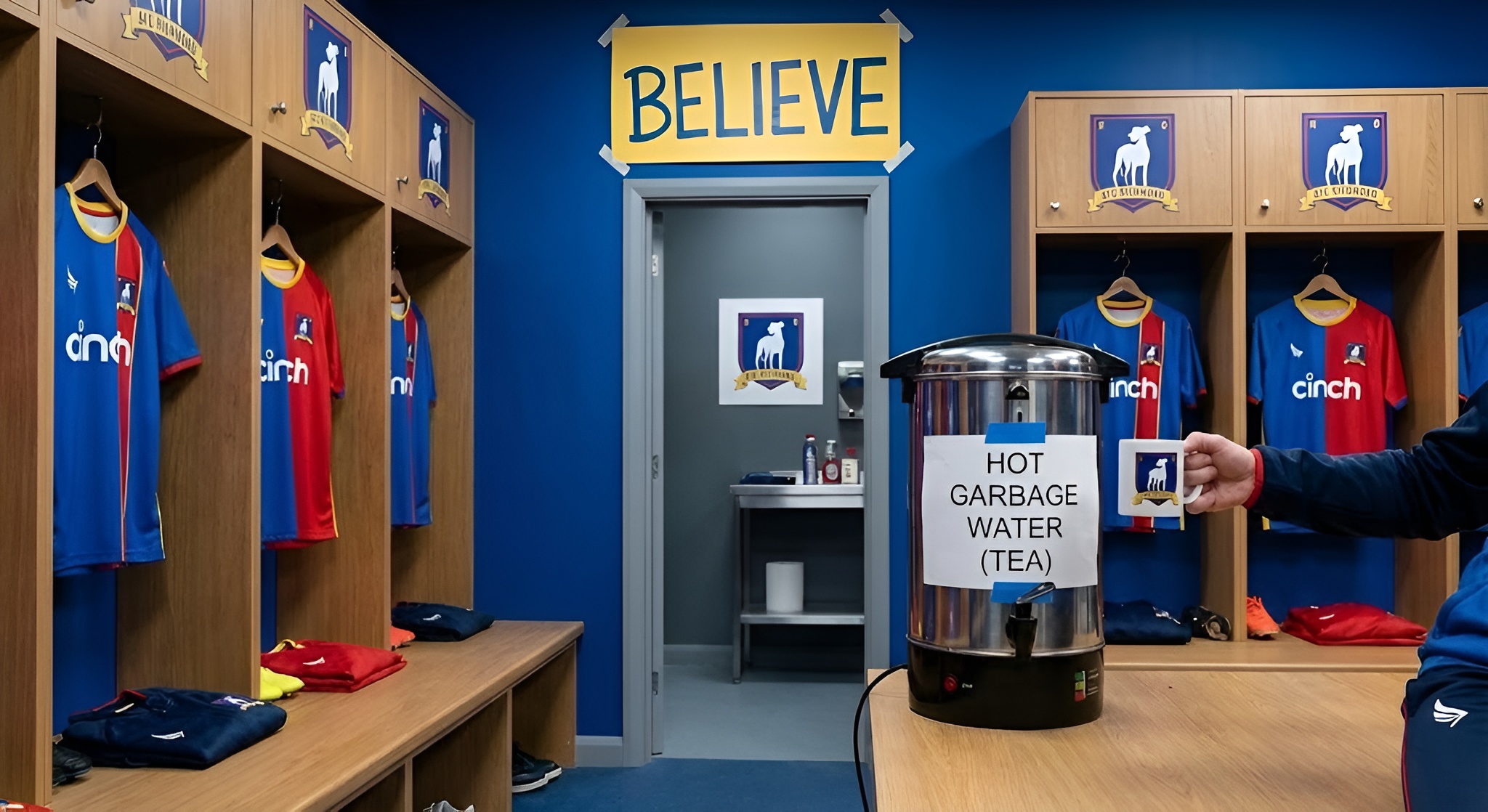
1. "Garbage Water": Analyzing the Insult
Ted's insults are specific. He doesn't say tea is "bad"; he says it tastes like "wet paper," "pigeon sweat," or "garbage water." These descriptors point to specific chemical flaws in low-quality tea service.
"Wet Paper Bag"
This is a direct criticism of the paper tea bag. Standard tea bags are made from filter paper treated with epichlorohydrin. When brewed, especially if the tea inside is old "dust" grade, the paper flavor can overpower the tea. Ted isn't tasting the tea; he is tasting the bleached wood pulp. Read: Why Tea Bags are the Enemy.
"Hot Brown Water"
This implies a lack of texture. Coffee contains oils (cafestol) and suspended solids that give it a heavy "body" or mouthfeel. Tea is mostly water with dissolved polyphenols. To a palate trained on the viscosity of espresso, tea feels thin and watery—literally just "hot water" that happens to be brown. This is a texture issue, not a flavor issue.
Expert Tip: The "Lipid" Fix
Why do the British add milk? To add fat (lipids). The fat binds to the tannins, reducing bitterness, but it also adds viscosity. It makes the tea feel thicker, bridging the gap between watery tea and creamy coffee. Ted might actually like a strong builder's tea *if* it had enough whole milk.
2. The Cultural Divide: Microwave vs. Kettle
One of the hidden reasons Ted hates tea is likely how he learned to make it. In the US, electric kettles are rare (due to lower voltage outlets). Many Americans microwave water for tea.
The Microwave Problem: Microwaving water creates "superheated" pockets but does not boil the water evenly. It also fails to degas the water properly, or conversely, overheats it without agitation. The result is uneven extraction. Furthermore, pouring water *over* a tea bag allows the leaves to agitate (move). Microwaving a mug with a bag in it results in a stagnant, uneven brew where tannins concentrate at the bottom. Read about Water Chemistry here.
When Ted arrives in the UK, he is encountering proper boiling water for the first time, but his brain is conditioned to expect the microwave sludge of Kansas.
3. "Biscuits with the Boss": The Saving Grace
The one tea-time ritual Ted *does* master is the "Biscuits with the Boss." Every morning, he brings Rebecca Welton a small pink box of shortbread. He claims he bought them, but reveals he baked them himself.
The Shortbread Science: Shortbread is high in butter (fat) and sugar. When paired with tea, the fat coats the tongue, protecting it from the astringency of the tea tannins. The tea, in turn, cleanses the palate of the heavy butter. They are chemically designed to go together. Read our guide to Tea & Pastry Pairing.
Ted uses the biscuits as a Trojan Horse. He hates the drink, but he loves the *ritual* of connection. He understands that "Tea Time" isn't about the leaf; it's about the chat. In this sense, Ted is more British than he realizes.
4. What Tea Should Ted Drink? (The Coffee Lover's Guide)
If we were to curate a tea flight to convert Ted Lasso, we wouldn't start with Earl Grey (too floral) or English Breakfast (too generic). We would choose teas that mimic the profile of coffee: dark, roasted, and nutty.
1. Hojicha (Roasted Green Tea)
Hojicha is Japanese green tea that has been roasted over charcoal. It turns the leaves brown and destroys the vegetable/grassy notes.
- Flavor: Toast, caramel, nuts, coffee.
- Why Ted would like it: It smells like roasted beans. It lacks the bitterness of regular green tea. A "Hojicha Latte" is almost indistinguishable from a weak mocha. Get the Recipe.
2. Shou Pu-erh (Fermented Tea)
This is a dark, fermented tea from China. It produces a liquor as black as ink and as thick as motor oil (in a good way).
- Flavor: Earth, wood, leather, dark chocolate.
- Why Ted would like it: It has body. It is thick. It hits the gut like coffee. It has zero acidity, unlike the "garbage water" bitterness of cheap black tea. Read our Guide to Pu-erh.
3. Yerba Mate (The caffeine Bomb)
Ted is a coach; he needs energy. Yerba Mate (from South America) contains caffeine, theobromine, and theophylline. It provides a buzz that rivals coffee.
- Flavor: Smoky, herbal, bitter (but a good bitter, like IPA beer).
- Why Ted would like it: It's high octane. It's drunk socially. It feels like a performance enhancer.
Expert Tip: The "Dirty Chai" Compromise
If Ted really can't give up coffee, he should try a Dirty Chai. This is Masala Chai (spiced tea with milk) with a shot of espresso added. The spices mask the "leafy" taste, the milk adds body, and the espresso provides the familiar coffee kick. It is the perfect diplomatic bridge between US and UK cultures. See the Recipe here.
5. The Science of "Brown Water": Why Quality Matters
Ted's description of "hot brown water" is actually a fairly accurate description of Dust Grade tea bags. In tea manufacturing, leaves are graded by size. Whole leaves retain oils and complex flavor compounds.
The dust that falls to the floor is swept up and put into paper bags. This dust has a massive surface area, meaning it releases all its Tannins instantly. It has no subtlety, no top notes, and no texture. It creates a brew that is dark (brown) but lacks flavor depth—hence, garbage water. If Ted tried a high-quality, loose-leaf Assam, rich with golden tips and maltiness, he might realize that tea can be "soup" rather than just water.
6. Conclusion: Be a Goldfish, Drink the Tea
Ted Lasso teaches us to "Be a Goldfish"—to have a short memory for failure. Perhaps he needs to apply this to tea. He needs to forget the Lipton disasters of his past and try a real cup.
While he may never trade his morning joe for a pot of Earl Grey, his willingness to engage in the "Biscuits with the Boss" ritual proves that he respects the power of the break. Tea isn't about the flavor; it's about the 15 minutes of connection it forces you to take. And that is the most "Lasso Way" lesson of all.
Bake Like Ted
Want to make the exact biscuits Ted brought to Rebecca? We have the definitive shortbread recipe that pairs perfectly with "Hot Brown Water."
Recipe: Ted's ShortbreadRelated Reading in Literature & Film
- Doctor Who's Tea Culture: 60 Years of British Tea
- White Teeth: Multicultural London Tea Culture
- Downton Abbey Tea Culture
- Emma: Tea as Social Currency in Regency England
- The Remains of the Day: Butler's Tea Service as Emotional Repression
- Brideshead Revisited: Tea, Class, and Aristocratic England
- Agatha Christie's Tea Murders: Poison and Afternoon Tea
- Cranford: Victorian Ladies Governing Through Tea
Comments