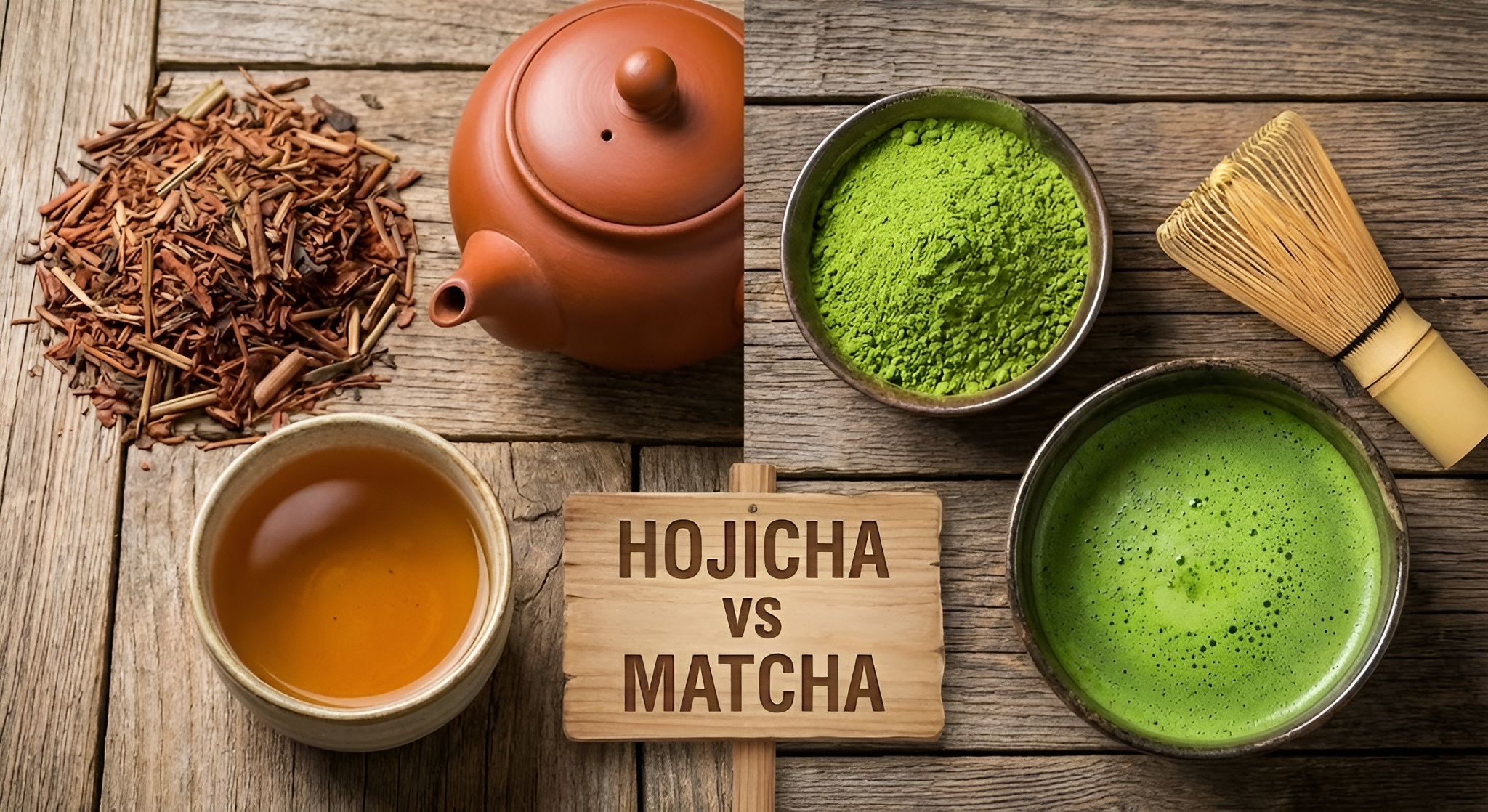
Executive Summary
Matcha, defined by its shade-grown, unoxidized, whole-leaf consumption model, stands as a powerhouse of catechins, chlorophyll, and methylxanthines, serving as a potent metabolic stimulant and cognitive enhancer. It is an agent of "preservation," designed to deliver the raw, unaltered chemical profile of the living leaf directly to the human system. Conversely, Hojicha, characterized by the high-temperature roasting of mature leaves and stems, offers a unique profile of pyrazines, melanoidins, and negligible caffeine. It functions as an agent of "transformation," where thermal processing creates novel therapeutic compounds responsible for stress reduction, vasodilation, and gastrointestinal protection.
This exhaustive report evaluates the health implications of both teas across multiple physiological dimensions. The analysis concludes that while Matcha possesses a statistically superior antioxidative capacity and metabolic potential, Hojicha offers a superior safety profile regarding caffeine sensitivity, gastric acidity, and heavy metal exposure. The determination of the "healthier" beverage is strictly context-dependent, relying on the consumer's individual physiological baseline, circadian requirements, and specific health objectives.
1. Introduction: The Divergent Paths of Camellia Sinensis
The health potential of tea is inextricably linked to its processing. To understand whether Hojicha or Matcha is superior for a given health outcome, one must first understand the radical differences in their creation. These differences dictate everything from the molecular weight of their polyphenols to their impact on the human central nervous system. The tea plant is a chemically complex organism that responds dynamically to its environment; how humans manipulate that environment determines whether the final cup stimulates the sympathetic nervous system into high alert or lulls the parasympathetic system into restorative rest.
1.1 The Matcha Paradigm: Preservation and Concentration
Matcha represents the pinnacle of "preservation processing" in Japanese tea culture. It is derived primarily from Tencha, tea plants that are subjected to a rigorous shading process (Oishita) for 3–4 weeks prior to harvest.1 This agricultural intervention is not merely aesthetic; it triggers a profound stress response in the plant known as etiolation. Deprived of direct sunlight, the Camellia sinensis plant compensates by aggressively producing chlorophyll to capture available photons and, crucially, by altering its nitrogen metabolism. Under normal solar conditions, the plant converts amino acids—specifically L-theanine—into catechins (antioxidants) to protect itself from UV radiation. By blocking the sun, farmers force the plant to retain high concentrations of L-theanine and caffeine, resulting in a leaf that is chemically distinct from open-field sencha.4
Once harvested, the leaves are steamed within hours. This steaming is a critical control point; it denatures polyphenol oxidase, the enzyme responsible for oxidation. By halting oxidation immediately, the leaves retain their vibrant green color and the full spectrum of vegetative antioxidants. Following steaming, the veins and stems are painstakingly removed to reduce fibrous texture, and the remaining leaf material (tencha) is stone-ground into a micron-sized powder. This physical state is the defining health characteristic of Matcha: when one consumes Matcha, one is ingesting the entire leaf.1 This results in a nutrient delivery system where 100% of the lipophilic (fat-soluble) and hydrophilic (water-soluble) compounds are available to the digestive system, a stark contrast to steeped teas where only water-soluble compounds are extracted.
1.2 The Hojicha Paradigm: Transformation and Pyrolysis
Hojicha represents "transformative processing." It typically originates from Sencha (grown in full sun), Bancha (mature, late-harvest leaves), or Kukicha (stems and twigs).1 Unlike the preservationist approach of Matcha, which seeks to freeze the leaf's chemical state at the moment of harvest, Hojicha production involves subjecting the dried leaves to high heat—roasting them in porcelain pots or over charcoal at temperatures ranging from 150°C to 200°C.4
This roasting process is a form of controlled pyrolysis. It fundamentally alters the chemical structure of the tea leaf. The high heat degrades heat-sensitive catechins, sublimates caffeine, and initiates the Maillard reaction—the complex chemical interaction between amino acids and reducing sugars that creates the browning effect and distinctive roasted flavor.7 This process reflects the Japanese philosophy of Mottainai (waste not, want not), finding value and distinct health properties in the stems and mature leaves that might otherwise be discarded.8 The result is a tea that has traded the raw, vegetal potency of the green leaf for a chemically novel profile dominated by roast-derived aromatics and polymers.
1.3 The "Suspension vs. Infusion" Bioavailability Factor
A critical variable in this health comparison, often overlooked in simple nutrient tables, is the physical state of the beverage. This dictates the bioavailability of nutrients and the potential toxicity load. Matcha is a Suspension: The particulate matter enters the stomach, exposing the body to the fiber, insoluble proteins, Vitamin E, and any potential contaminants (like heavy metals or pesticide residues) trapped in the leaf matrix.10 The body must break down the cell walls to access these nutrients, but the potential total uptake is significantly higher. Hojicha is an Infusion: The leaves are steeped in hot water and then discarded. This acts as a natural filtration step, extracting soluble flavors, amino acids, and antioxidants while leaving behind insoluble fibers, heavy metals, and waxy lipids that may be bound to the leaf structure.12 This distinction is paramount. A gram of Matcha powder delivers a fundamentally different physiological load than a gram of Hojicha leaf brewed into water, not just because of the leaf chemistry, but because of the consumption vector.
2. Neuro-Pharmacology: Energy, Focus, and Relaxation
The most immediate and palpable difference between Matcha and Hojicha lies in their effect on the central nervous system (CNS). This is not merely a matter of caffeine quantity, but of the distinct "entourage effect" of the accompanying neuro-active compounds. The interaction between methylxanthines (caffeine), amino acids (L-theanine), and pyrazines creates two opposing psychotropic experiences: the "alert calm" of Matcha and the "grounded relaxation" of Hojicha.
2.1 Caffeine Kinetics and Quantity
There is a profound disparity in caffeine content, making the two teas suitable for opposite ends of the circadian rhythm. Caffeine acts primarily as an antagonist to adenosine receptors in the brain; by blocking adenosine, it prevents the sensation of fatigue and elevates catecholamine levels. Matcha: Because the entire leaf is consumed and the plants are shade-grown (a process that preserves caffeine), Matcha delivers a significant stimulant dose. Research indicates levels ranging from 38 mg to 178 mg per serving, depending on the grade and preparation thickness.14 This places Matcha on par with, or exceeding, coffee in terms of raw caffeine delivery. For individuals seeking cognitive upregulation, athletic performance enhancement, or morning wakefulness, Matcha provides a robust pharmacological intervention. However, for those with CYP1A2 gene mutations that slow caffeine metabolism, this high load can induce anxiety, insomnia, and hypertension.4 Hojicha: The roasting process at 200°C sublimates a significant portion of the caffeine, effectively vaporizing it from the leaf material. Furthermore, Hojicha is often made from mature leaves and stems (Bancha or Kukicha), which naturally contain less caffeine than the young shoots used for Matcha.1 Consequently, Hojicha contains approximately 7.7 mg to 8 mg per cup, a negligible amount that is chemically unlikely to trigger a sympathetic nervous system response.1 This makes Hojicha the clinically superior choice for the caffeine-sensitive, the pediatric population, and evening consumption.
2.2 The L-Theanine Moderator
Matcha contains high levels of L-theanine, a unique non-proteinogenic amino acid that crosses the blood-brain barrier. L-theanine promotes alpha-wave production in the brain, associated with a state of "relaxed alertness".5 In Matcha, the ratio of caffeine to L-theanine is crucial. The L-theanine blunts the sharp "spike" of caffeine, preventing the vasoconstriction and jitteriness often associated with coffee. This synergistic effect creates a sustained period of cognitive focus, making Matcha a superior functional beverage for complex mental tasks.4 In Hojicha, L-theanine levels are significantly lower. This is partly because the precursor amino acids in the stems and mature leaves are lower, and partly because the roasting process degrades amino acids through the Maillard reaction, converting them into flavor compounds.17 However, Hojicha compensates for this loss with a completely unique neuro-active mechanism that Matcha lacks entirely: pyrazines.
2.3 The Pyrazine Effect: Aromatherapy and GABA Modulation
Hojicha's "secret weapon" in the health comparison is a class of compounds called pyrazines, specifically 2,3-dimethylpyrazine and 2,5-dimethylpyrazine.9 These volatile organic compounds are generated during the roasting process and are responsible for the tea's nutty, toasted aroma. Research indicates that the inhalation of pyrazine aromatics triggers a physiological relaxation response distinct from L-theanine. GABAergic Activity: While L-theanine mimics glutamate (but acts antagonistically or modulates receptors), pyrazines appear to influence the GABA system, the primary inhibitory neurotransmitter pathway in the brain.20 This suggests a mechanism of action similar to mild sedatives, promoting relaxation through inhibition of neuronal excitability. Autonomic Nervous System Regulation: Studies comparing the aroma of Hojicha to hot water and standard green tea have shown that Hojicha significantly increases parasympathetic nervous system activity ("rest and digest") while suppressing sympathetic activity ("fight or flight").19 This leads to measurable reductions in stress markers. Alpha Wave Generation: Remarkably, despite having practically no caffeine and lower L-theanine, drinking Hojicha has been observed to increase alpha wave activity in the brain, promoting a state of calm similar to meditation.22 The implications of this are significant. While Matcha forces the brain into a state of high-functioning alertness through chemical stimulation, Hojicha invites the brain into a state of relaxation through olfactory and GABAergic modulation.
Expert Tip: The Pyrazine Aroma
Hojicha's relaxation effect is partly olfactory. The scent of pyrazines (the nutty, toasty aroma) has been shown to switch the nervous system into "Rest and Digest" mode. Inhaling the steam of Hojicha before drinking enhances its calming effect.19
| Feature | Matcha | Hojicha |
|---|---|---|
| Primary Psychoactive Driver | Caffeine + L-Theanine | Pyrazines + Warmth |
| Mechanism of Action | Adenosine blocking + Glutamate modulation | Olfactory stimulation + Parasympathetic activation |
| Resulting Cognitive State | Alert, Focused, Energized, "Zoned In" | Calm, Grounded, Drowsy, "Zoned Out" |
| Best Use Case | Pre-workout, Deep Work, Morning Wake-up | Post-dinner, Bedtime, High Anxiety Relief |
| Caffeine Load (per serving) | High (~38–178mg) | Negligible (~8mg)1 |
3. The Antioxidant Landscape: Catechins vs. Melanoidins
A common simplification in nutrition is that "more antioxidants equals healthier." If judged solely by this metric, Matcha wins decisively based on ORAC (Oxygen Radical Absorbance Capacity) scores. However, the type of antioxidant matters as much as the amount, and the thermal transformation of Hojicha creates unique compounds not found in raw green tea.
3.1 Epigallocatechin Gallate (EGCG) Dominance in Matcha
Matcha is undeniably the superior source of catechins. It contains high concentrations of (-)-epigallocatechin-3-gallate (EGCG), the most bioactive and abundant polyphenol in tea.5 Because the leaf is unoxidized and unroasted, these catechins remain intact in their native chemical state. (See EGCG Guide). Concentration: One study suggests Matcha provides 137 times more EGCG than a low-grade brewed green tea, though more conservative estimates place it at 3–10 times the EGCG of standard sencha.10 This massive concentration is due to the ingestion of the leaf matrix. Health Impact: EGCG is extensively studied for its anticarcinogenic, anti-inflammatory, and metabolic-boosting properties. It functions by scavenging reactive oxygen species (ROS), chelating metal ions, and interacting with signal transduction pathways to inhibit cell proliferation in tumorigenesis.4 For patients looking to maximize raw antioxidant intake for conditions like oxidative stress or metabolic syndrome, Matcha is the clinical preference.
3.2 Thermal Degradation and Polymerization in Hojicha
When green tea is roasted to create Hojicha, the high temperatures (150–200°C) cause the degradation and isomerization of catechins.18 Loss of EGCG: The roasting process significantly reduces the total catechin content. EGCG is particularly heat-labile and degrades into other compounds.17 This is why Hojicha lacks the intense bitterness and astringency of Matcha; the bitter catechins have been destroyed. Formation of Novel Antioxidants: However, the antioxidant capacity does not drop to zero. The Maillard reaction creates melanoidins, brown, high-molecular-weight polymers that possess their own antioxidant properties.9 These compounds are capable of scavenging radical species, though they are less studied than catechins. Epimerization: Roasting causes the epimerization of catechins, converting the "epi-" forms (like EGCG) into their non-epi isomers (like GCG). While less abundant, these isomers still retain biological activity.26
Expert Tip: The ORAC Context
Matcha has a higher ORAC score than Hojicha due to raw EGCG. However, Hojicha's antioxidants (melanoidins) offer different benefits, focusing on vascular health and inflammation reduction rather than raw oxidative capacity. It is not "unhealthy," just "differently healthy."28
4. Cardiovascular and Metabolic Health
Both teas offer benefits to the cardiovascular system, but they achieve them through different biochemical routes. Matcha acts as a metabolic accelerator, while Hojicha acts as a vascular relaxant.
4.1 Vasodilation and Circulation: The Hojicha Advantage
Hojicha occupies a unique niche in vascular health due to its pyrazine content. Warming Effect: The pyrazines found in Hojicha have been shown to improve blood circulation. By triggering vasodilation (the widening of blood vessels), Hojicha can help increase blood flow to the extremities.7 This leads to a warming sensation, making Hojicha particularly beneficial for individuals who suffer from Raynaud's phenomenon, cold hands and feet, or poor circulation in general. Thermoregulation: This "warming" effect is a core tenet of Traditional Chinese Medicine (TCM) and Japanese dietary wisdom regarding roasted foods. While green tea (Matcha) is considered "cooling" to the body, roasted tea (Hojicha) is considered "warming," making it the preferred beverage for winter months or for individuals with "cold" constitutions.7
4.2 Weight Management and Metabolism: The Matcha Advantage
Matcha is the clear victor for active weight loss support and metabolic upregulation. (See Tea & Weight Loss). Thermogenesis: The combination of high caffeine and high EGCG in Matcha has been proven to boost thermogenesis (calorie burning) and fat oxidation. The mechanism involves the inhibition of catechol-O-methyltransferase (COMT), the enzyme that degrades norepinephrine. By inhibiting COMT, EGCG prolongs the action of norepinephrine, keeping the metabolic rate elevated.4 Exercise Synergy: Consuming Matcha prior to exercise has been shown to increase the rate of fat burning during the workout. It acts as an effective, natural pre-workout supplement. Hojicha's Role: Hojicha is less effective as a direct metabolic booster due to the lack of caffeine and lower EGCG. However, it can support weight management indirectly by reducing cortisol (stress hormone) levels via its relaxation effects. High cortisol is linked to abdominal fat retention; thus, Hojicha helps mitigate "stress eating" and hormonal weight gain.22
5. Toxicology and Safety Profile
In the modern industrial environment, the purity of tea is a significant concern. The difference between consuming the whole leaf (Matcha) versus an infusion (Hojicha) is nowhere more critical than in the discussion of heavy metals, fluorides, and contaminants. This section is vital for vulnerable populations such as pregnant women or those with compromised detoxification pathways.
5.1 Heavy Metals (Lead, Cadmium, Arsenic)
Tea plants are "hyper-accumulators" of fluoride and aluminum, and they can efficiently absorb lead from the soil and atmospheric deposition.11 The Matcha Risk: When drinking Matcha, one consumes 100% of the lead contained in the leaf. Because there is no discarding of the leaf, there is no filtration. ConsumerLab and other testing bodies have noted that while premium Matcha from reputable Japanese farms is often safe, lower-grade leaves (especially from regions with higher soil pollution) can contain concerning levels of lead.10 The body absorbs a higher percentage of these metals because the physical leaf matrix is ingested and digested. The Hojicha Safety Factor: Lead is largely insoluble in water. When brewing Hojicha (or regular green tea leaves), the majority of the lead remains trapped in the cellulose structure of the leaf, which is then discarded. The infusion itself contains significantly less heavy metal contamination than the whole leaf powder.11 Clinical Recommendation: For pregnant women or those concerned about heavy metal accumulation, Hojicha (brewed from loose leaf) is the safer option compared to daily Matcha consumption, unless the Matcha is strictly certified heavy-metal free. (See Tea & Pregnancy).
5.2 Acrylamide Formation
Roasting starchy or amino-acid-rich foods can produce acrylamide, a potential carcinogen and neurotoxin formed via the Maillard reaction. This is a common concern with coffee and roasted teas. Hojicha Analysis: Studies on roasted green tea (Hojicha) indicate that while acrylamide is formed during the roasting process, the levels are generally low—often lower than coffee or other heat-processed foods.26 Mitigation: The roasting temperature for Hojicha (150-200°C) is managed to optimize flavor while minimizing charring. Research suggests that roasting at 160°C mitigates acrylamide formation while preserving some catechins, whereas temperatures exceeding 180°C increase acrylamide production.33 Generally, the acrylamide risk in Hojicha is considered negligible compared to the stress-reduction benefits, but it is a toxicological factor absent in steamed Matcha.
Expert Tip: Acidity & Digestion
Matcha can be harsh on an empty stomach due to its high tannin content and lower pH (5.5-6.0). Hojicha is less acidic (pH 6.0-6.5) and has lower tannins, making it the "stomach-friendly" choice for those with GERD or acid reflux.34
6. Gastrointestinal Compatibility
The impact of these teas on the stomach is one of the most practical differentiators for daily consumers. Many individuals find green tea "harsh" on an empty stomach; this section explains why and offers Hojicha as the solution.
6.1 Acidity and pH
Matcha: Green tea generally has a pH of roughly 5.5 to 7.0. However, the high concentration of tannins and catechins in Matcha can stimulate gastric acid secretion.34 Drinking Matcha on an empty stomach often leads to nausea or "tea drunk" sickness due to this intense astringency and the direct irritation of the gastric mucosa by the potent saponins and tannins. Hojicha: The roasting process reduces acidity, raising the pH closer to neutral (around 6.0+).35 It is widely known as "stomach-friendly" in Japan. The lower acidity makes it suitable for those with acid reflux (GERD), gastritis, or sensitive stomachs.30
6.2 Tannins and Iron Absorption
Tannins can inhibit non-heme iron absorption by chelation in the digestive tract. Matcha contains a very high concentration of tannins due to the whole-leaf consumption. Hojicha has reduced tannin levels due to the roasting process, which polymerizes these compounds.8 Implication: Individuals with anemia or low iron levels should avoid drinking Matcha with meals. Hojicha is less likely to interfere with nutrient absorption, making it the preferred "after-dinner" tea.37 This makes Hojicha a more versatile beverage for pairing with food, whereas Matcha is often best consumed separately from iron-rich meals.
7. Culinary and Bioavailability: The Usage Factor
The "health" of a food is also determined by how it is used. The versatility of Matcha allows it to be incorporated into fats (lattes) which aids the absorption of fat-soluble vitamins like Vitamin E and Vitamin K found in the leaf. Hojicha, typically consumed as a clear broth, delivers hydration but lacks the fat-soluble nutrient delivery unless made into a latte.
Bioavailability of Nutrients:
Matcha (Whole Leaf): Provides dietary fiber, Vitamin A (beta-carotene), and Vitamin E, which are not water-soluble and thus absent in Hojicha infusions.29 The grinding process increases the surface area, enhancing the release of these compounds during digestion. Hojicha (Infusion): Provides strictly water-soluble vitamins (residual B vitamins) and minerals. However, Hojicha powder (ground roasted tea) is becoming more popular. If consumed as a powder, Hojicha would offer the fiber benefits, though with lower vitamin content due to the thermal degradation during roasting.2
8. Detailed Nutrient Comparison Table
| Component | Matcha | Hojicha | Implication |
|---|---|---|---|
| Caffeine | 38 – 178 mg | ~7.7 – 8 mg | Matcha for energy; Hojicha for relaxation. |
| EGCG (Catechins) | Very High | Low | Matcha for max antioxidant effect. |
| L-Theanine | High | Low to None | Matcha for alpha-wave focus. |
| Pyrazines | Trace / None | High | Hojicha for vascular dilation & calming. |
| Vitamin C | High | Low | Matcha supports immunity; Hojicha does not. |
| Vitamin E | High | Moderate | Matcha provides Vitamin E via whole leaf. |
| Acidity (pH) | ~5.5 - 6.0 | ~6.0 - 6.5 | Hojicha is safer for acid reflux/GERD. |
| Fiber | High | None | Matcha aids bowel regularity. |
| Heavy Metals | Risk | Low Risk | Hojicha safer for vulnerable populations. |
9. Conclusion: Defining "Healthier" by Context
The question "Which is healthier: Hojicha or Matcha?" presents a false dichotomy. They are chemically distinct tools derived from the same origin, shaped by opposing processing philosophies—preservation (Matcha) versus transformation (Hojicha). To choose one is to ignore the specific needs of the body at different times.
Matcha is the superior choice for nutritional density and metabolic activation. It offers an unparalleled concentration of antioxidants, vitamins, and cognitive enhancers. It is the fuel for performance, the shield against oxidative stress, and the metabolic fire-starter. However, it carries the "cost" of high caffeine, higher potential for contaminants (if not organic), and gastric stress.
Hojicha is the superior choice for restorative health and physiological equilibrium. It offers unique benefits via pyrazines that Matcha lacks—specifically vasodilation and GABAergic relaxation—while eliminating the risks of caffeine sensitivity and stomach acidity. It is the balm for stress, the digestive aid, and the safe harbor for the sensitive.
Final Expert Verdict
For a comprehensive wellness protocol, the ideal approach is not to choose one, but to utilize both in alignment with the body's circadian rhythm: Matcha in the morning to ignite metabolism and focus, and Hojicha in the evening to facilitate circulation, digestion, and restorative sleep.
Detailed Biochemical Appendix: Processing-Induced Changes
To further elucidate the depth of the difference, we must look at the specific chemical transitions that occur during the roasting of Hojicha, contrasting them with the preservation mechanisms of Matcha.
A. The Maillard Reaction in Tea Leaves
The defining characteristic of Hojicha is the Maillard reaction. This is a non-enzymatic browning reaction that typically occurs between amino acids and reducing sugars at temperatures above 140°C. Precursors: Camellia sinensis is rich in free amino acids (theanine, glutamic acid, arginine) and carbohydrates. The Reaction: During Hojicha roasting (approx. 160-200°C), the carbonyl group of the sugar reacts with the nucleophilic amino group of the amino acid. The Products: This cascade produces N-substituted glycosylamines, which rearrange into ketosamines (Amadori products), and eventually degrade into: * Pyrazines: (e.g., 2,5-dimethylpyrazine). These provide the nutty, roasted aroma and the vasodilatory/sedative effects.9 * Furans & Pyrroles: Contribute to the caramel-like notes. * Melanoidins: High-molecular-weight heterogeneous polymers that give Hojicha its brown color. These have been shown to possess antimicrobial and antioxidant activity, distinct from the catechins they replaced.
Expert Tip: Chemical Trade-Offs
In Matcha, steaming (100°C) kills enzymes without triggering the Maillard reaction, preserving "vegetal" hexenals and chlorophyll. Hojicha sacrifices these for pyrazines. Matcha is a "raw" chemical profile; Hojicha is "synthesized" by fire.
B. The Fate of Catechins (EGCG)
Matcha (Preservation): EGCG is thermally unstable but relatively stable in dry form if not exposed to high heat. Matcha processing (steaming) is gentle enough to retain the majority of EGCG. Hojicha (Epimerization & Degradation): At roasting temperatures, EGCG undergoes epimerization. It converts to GCG (Gallocatechin gallate), its non-epi isomer. While GCG is still an antioxidant, it has different absorption kinetics and biological effects. Furthermore, significant oxidative degradation occurs, reducing the total polyphenol count. Clinical Relevance: If a patient is prescribed green tea specifically for cancer chemoprevention or maximum metabolic rate increase, Matcha is the only logical choice due to the specific requirement for high-dose EGCG. Hojicha's polymerized polyphenols are likely less effective for these specific high-intensity medical applications.
C. Nitrogen Metabolism: Theanine vs. Pyrazine
Matcha (Theanine Accumulation): The shading process (3-4 weeks) blocks sunlight. Sunlight is usually required to convert L-theanine into catechins (biosynthesis). By blocking the sun, the plant stockpiles L-theanine. This is why Matcha has a savory "Umami" flavor. Hojicha (Theanine Consumption): Hojicha is usually made from Bancha (late harvest). In late harvest leaves, the plant has already converted much of its theanine into catechins during the long sun exposure of the summer. Furthermore, the roasting process consumes the remaining amino acids to fuel the Maillard reaction. Result: You cannot rely on Hojicha for L-theanine benefits (alpha-wave focus). You must rely on Matcha for that. Hojicha’s relaxation comes from a different pathway (olfactory/GABAergic).9
Works Cited
- Hojicha vs. Matcha: What's The Difference?, accessed November 25, 2025, https://www.jadeleafmatcha.com/blogs/matcha-guide/hojicha-vs-matcha-key-differences
- What is the Difference Between Hojicha and Matcha?, accessed November 25, 2025, https://hojicha.co/pages/hojicha-vs-matcha
- Matcha vs. Green Tea: What's the Difference? - ArtfulTea, accessed November 25, 2025, https://artfultea.com/blogs/tea-wisdom/matcha-vs-green-tea-whats-the-difference
- Hojicha vs. Matcha: Understanding the Differences and Benefits - Mécène Market, accessed November 25, 2025, https://mecenemarket.com/blogs/journal/hojicha-vs-matcha
- Health Benefits and Chemical Composition of Matcha Green Tea: A Review - PMC - NIH, accessed November 25, 2025, https://pmc.ncbi.nlm.nih.gov/articles/PMC7796401/
- Health Benefits of Matcha Green Tea Powder, accessed November 25, 2025, https://kenkomatcha.com/pages/matcha-green-tea-benefits
- What is the Difference Between Hojicha and Matcha?, accessed November 25, 2025, https://matcha.com/blogs/news/matcha-vs-hojicha-whats-the-difference
- Matcha vs. Hojicha - What Are The Differences? - ICHA TEA, accessed November 25, 2025, https://ichateashop.com/blogs/news/matcha-vs-hojicha-differences
- Sedative effects of roasted green tea aroma on autonomic nervous activity, central nervous activity, and subjective mood state i, accessed November 25, 2025, https://ffhdj.com/index.php/ffhd/article/download/1467/4230/10640
- ConsumerLab.com Finds Matcha Contains More Antioxidants than Green Tea, accessed November 25, 2025, https://www.nutraceuticalsworld.com/breaking-news/consumerlabcom-finds-matcha-contains-more-antioxidants-than-green-tea/
- Analyses of lead levels in tea | Food Standards Agency, accessed November 25, 2025, https://www.food.gov.uk/research/chemical-hazards-in-food-and-feed/analyses-of-lead-levels-in-tea
- So I think I ended up giving myself lead poisoning from a bad batch of tea. - Reddit, accessed November 25, 2025, https://www.reddit.com/r/tea/comments/2zbi0n/so_i_think_i_ended_up_giving_myself_lead/
- The Benefits and Risks of Consuming Brewed Tea: Beware of Toxic Element Contamination, accessed November 25, 2025, https://pmc.ncbi.nlm.nih.gov/articles/PMC3821942/
- Hojicha vs. Matcha: Which Green Tea Is Better for Energy, Antioxidants, and Heart Health?, accessed November 25, 2025, https://www.verywellhealth.com/hojicha-vs-matcha-11788462
- Hojicha vs Matcha: Differences Explained by a Tea Expert - Nio Teas, accessed November 25, 2025, https://nioteas.com/blogs/hojicha-roasted-teas/hojicha-vs-matcha
- Effects of green tea and roasted green tea on human responses, accessed November 25, 2025, https://ouci.dntb.gov.ua/en/works/4aeeJy04/
- Analizing Japanese Tea Nutrition Data, accessed November 25, 2025, https://www.myjapanesegreentea.com/analyzing-japanese-tea-nutrition-data
- Effects of green tea and roasted green tea on human responses - PMC - PubMed Central, accessed November 25, 2025, https://pmc.ncbi.nlm.nih.gov/articles/PMC11016062/
- What Happens to Your Body When You Drink Hojicha Tea? - Verywell Health, accessed November 25, 2025, https://www.verywellhealth.com/hojicha-benefits-11792506
- GABA Receptor - StatPearls - NCBI Bookshelf - NIH, accessed November 25, 2025, https://www.ncbi.nlm.nih.gov/books/NBK526124/
- Picrotoxin accelerates relaxation of GABAC receptors - PubMed, accessed November 25, 2025, https://pubmed.ncbi.nlm.nih.gov/15509715/
- (PDF) Effects of green tea and roasted green tea on human responses - ResearchGate, accessed November 25, 2025, https://www.researchgate.net/publication/379808830_Effects_of_green_tea_and_roasted_green_tea_on_human_responses
- Green Tea Quality Evaluation Based on Its Catechins and Metals Composition in Combination with Chemometric Analysis - MDPI, accessed November 25, 2025, https://www.mdpi.com/1420-3049/23/7/1689
- ORAC Value Counts for 7 Antioxidant Rich Foods - Ujido, accessed November 25, 2025, https://ujido.com/blogs/matcha-insider/orac-value-counts-for-7-antioxidant-rich-foods
- Scientific opinion on the safety of green tea catechins - PMC - NIH, accessed November 25, 2025, https://pmc.ncbi.nlm.nih.gov/articles/PMC7009618/
- Changes in the Concentrations of Acrylamide, Selected Odorants, and Catechins Caused by Roasting of Green Tea - ResearchGate, accessed November 25, 2025, https://www.researchgate.net/publication/5554323_Changes_in_the_Concentrations_of_Acrylamide_Selected_Odorants_and_Catechins_Caused_by_Roasting_of_Green_Tea
- Is Matcha Tea Healthier Than Green Tea? – Teaologists Answer., accessed November 25, 2025, https://teaologists.co.uk/blogs/teaologists-health-habit-blog/45157569-is-matcha-tea-healthier-than-green-tea-teaologists-answer
- Hojicha - Does roasting affect antioxidant content? - TeaChat, accessed November 25, 2025, https://www.teachat.com/viewtopic.php?t=933
- Matcha vs. Hojicha: Understanding The Differences - Emeri, accessed November 25, 2025, https://www.enjoyemeri.com/blogs/guides/what-are-the-differences-between-matcha-and-hojicha
- Hojicha vs Matcha: Try This Organic Roasted Green Tea Alternative - MediTea Wellness, accessed November 25, 2025, https://mediteawellness.com/blogs/main/hojicha-vs-matcha-try-this-organic-roasted-green-tea-alternative
- 5 Biggest Mistakes to Avoid when Buying Matcha, accessed November 25, 2025, https://www.matchawellness.com.au/blogs/matcha-education/5-biggest-mistakes-to-avoid-when-buying-matcha
- Occurrence of acrylamide carcinogen in Arabic coffee Qahwa, coffee and tea from Saudi Arabian market - PMC - NIH, accessed November 25, 2025, https://pmc.ncbi.nlm.nih.gov/articles/PMC5288803/
- Changes in the concentrations of acrylamide, selected odorants, and catechins caused by roasting of green tea - PubMed, accessed November 25, 2025, https://pubmed.ncbi.nlm.nih.gov/18298065/
- Is Matcha Acidic? A Tea Expert Solves the pH Puzzle, accessed November 25, 2025, https://nioteas.com/blogs/matcha/is-matcha-acidic
- Hojicha vs. Matcha & Coffee: Your Guide to Different Kinds of Energy - KINTÉ, accessed November 25, 2025, https://drinkkinte.com/blogs/journal/hojicha-vs-matcha-coffee-your-guide-to-different-kinds-of-energy
- Acidity of Green Tea and Acid Reflux - Kyoto Geisha Matcha, accessed November 25, 2025, https://kyotogeishamatcha.com/blogs/articles/green-tea-acid-reflux-16
- Hojicha Tea: A Complete Guide to Japanese Roasted Green Tea, accessed November 25, 2025, https://www.japanesegreenteain.com/blogs/green-tea-and-health/everything-you-need-to-know-about-japanese-hojicha-tea
- Top 6 Hojicha Tea Health Benefits - Kenko Matcha, accessed November 25, 2025, https://kenkomatcha.com/blogs/news/top-6-hojicha-tea-health-benefits
Comments