1. The Water Source: Old Pipes & Chemistry
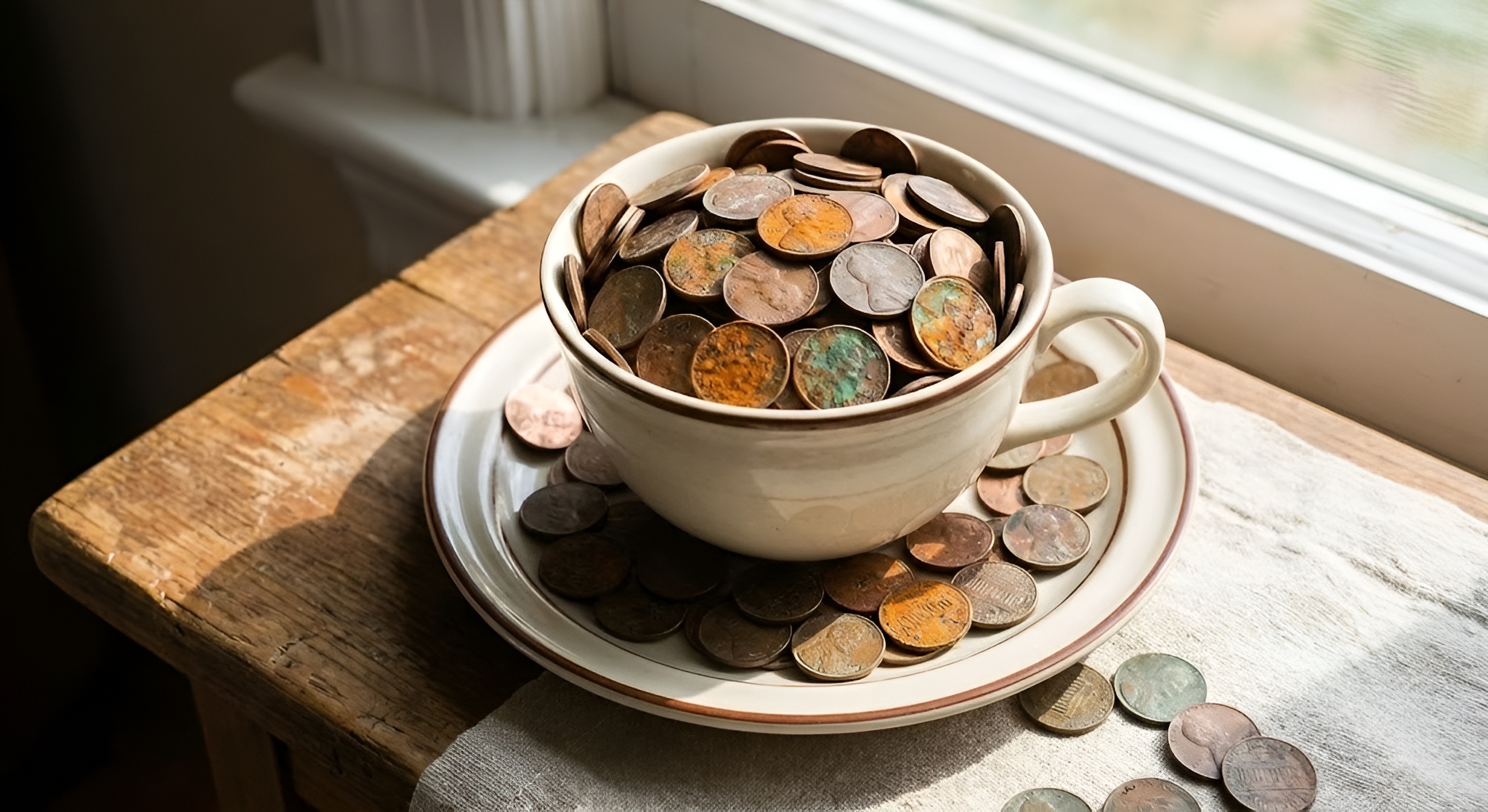
Tea is 99% water. If your canvas is dirty, the painting will be ruined. The most common reason for a metallic taste is dissolved minerals in your tap water, usually iron, copper, or zinc.
The "Morning Cup" Syndrome
Does the metallic taste only happen with your first cup of the day? If so, the culprit is likely your plumbing. If you live in a house built before the 1970s, water sits in copper or iron pipes overnight. During those 8 hours of stagnation, small amounts of metal leach into the water. When you fill the kettle first thing in the morning, you are brewing with this metal-heavy "standing water."
The Fix: Run the cold tap for 30 seconds before filling your kettle. This flushes out the standing water and brings fresh water from the main line.
Acidity & Groundwater
Sometimes it's not the pipes, but the water itself. Groundwater with a low pH (acidic) is corrosive and dissolves metals more easily. Conversely, very hard water can create a film on tea (Tea Scum) that feels oily and metallic on the tongue. Read our guide to Water Quality here.
Expert Tip: The "Baking Soda" Hack
Not sure if it's your water? Try this experiment. Add a tiny pinch (just a few grains) of baking soda to your tea. Baking soda is alkaline. If the metallic taste vanishes instantly, your problem was likely acidic water reacting with the tea tannins. It's a quick chemistry fix!
2. The Kettle: Hidden Rust
If your water is fine, look at the appliance boiling it. Electric kettles are hot, wet environments—the perfect breeding ground for rust.
Many kettles, especially older models with exposed heating coils inside, can develop rust spots that are hard to see. If the nickel plating on the coil chips, the copper or iron underneath oxidizes. Every time you boil water, you are infusing it with tiny amounts of rust. Even "stainless steel" kettles can rust if they are made from lower-grade steel (like 201 or 430 grade) which contains less chromium.
The Check: Empty your kettle and shine a torch inside. Look for small brown spots on the bottom or around the spout welds. That isn't tea stain; it's corrosion.
Expert Tip: Descale Regularly
Limescale buildup can trap metallic particles and rust. Descaling your kettle once a month with white vinegar isn't just about hygiene; it protects the heating element from corrosion. If your kettle is peeling or pitting, throw it out. No amount of cleaning will fix degrading metal.
3. The Vessel: Travel Mugs & Spoons
Are you drinking your tea on the go? Stainless steel travel mugs are a notorious source of metallic flavors. This is often due to a reaction called galvanic corrosion or simply the leaching of poor-quality steel.
Tea is naturally acidic (pH 4.9 - 5.5). Lemon tea is even more acidic. When a hot, acidic liquid sits in a steel container for hours, it can react with the metal ions, creating a ferrous taste that mimics blood. This is even worse if the mug has a scratch or if you leave a metal spoon inside while it brews.
The Fix: If you are sensitive to this, switch to a ceramic-lined travel mug or a glass keep-cup. If you must use steel, ensure it is labelled "18/8" or "304" food-grade steel, and don't let the tea sit for more than an hour.
4. Your Health: Illness & Medication
Sometimes, the problem isn't external; it's biological. Your sense of taste (gustatory system) is delicate and easily disrupted by health changes.
Sinus Infections: If you have a blocked nose or sinus infection, you might be tasting trace amounts of blood from inflamed nasal passages draining into your throat. Since flavor is 80% smell, a sinus infection distorts everything you eat and drink.
Medications: Several common drugs list "metallic taste" as a side effect. This includes antibiotics (like Clarithromycin and Metronidazole), antihistamines, and even some blood pressure medications.
Vitamin Supplements: Have you started taking Zinc or Iron supplements recently? These can leave a lingering metallic aftertaste that ruins the delicate flavor of tea.
Expert Tip: "Pine Nut Syndrome"
This sounds weird, but it's real. Eating pine nuts (especially a specific species from China) can cause a condition called "Pine Mouth." It leaves a bitter, metallic taste in your mouth that appears 1-2 days *after* eating them and can last for weeks. If your tea tastes wrong, check if you had pesto recently!
5. Hormones: Pregnancy & "Metal Mouth"
For many women, a sudden metallic taste in the mouth is one of the very first signs of pregnancy. This condition is so common it has a name: Dysgeusia.
During the first trimester, estrogen levels surge, altering the sense of taste. Many women report that their favorite foods suddenly taste like aluminum foil or loose change. This can be particularly noticeable with delicate beverages like Green Tea or Silver Needle. The good news is that this is usually temporary and fades as the second trimester begins.
If this is you, try switching to stronger flavors like Ginger Tea or Peppermint, which can cut through the metallic sensation and also help with morning sickness. Read our full guide to Tea During Pregnancy here.
Expert Tip: The Tongue Cleaner
Sometimes the issue is simply residue on the tongue. If you are experiencing Dysgeusia (from pregnancy or illness), using a tongue scraper or brushing your tongue with baking soda before drinking tea can help neutralize the pH in your mouth and temporarily clear the metallic sensation.
Is Your Kettle The Problem?
If you found rust spots during your check, it's time for an upgrade. We reviewed the best glass and high-grade steel kettles that guarantee a pure taste.
Review: Best Rust-Proof KettlesConclusion: Trust Your Tongue
Tea is a delicate, honest beverage. It acts like a mirror—it reflects exactly what is in your water and your cup. It cannot hide impurities like coffee or soda can. If your tea tastes metallic, it is a warning sign that something in your brewing chain is out of balance.
Start with the easy fixes: flush your taps, check your kettle for rust, and swap your mug. 9 times out of 10, the problem vanishes. And if it doesn't? It might be time to check your vitamin levels or ask if you've had any pine nuts lately.
Diagnostic Table: Find Your Culprit
Use this quick reference table to identify the likely cause based on *when* the taste occurs.
| Symptom | Likely Cause | The Fix |
|---|---|---|
| Taste is only in the first cup of the day. | Pipe Leaching (Standing Water) | Flush tap for 30s before filling. |
| Taste happens only with Travel Mug. | Steel Reaction | Switch to ceramic/glass. |
| Taste is constant (even with water). | Dysgeusia (Biological) | Consult doctor / Check meds. |
| Visible brown spots in kettle. | Rusting Element | Descale or Replace Kettle. |
| Tea looks oily/scummy. | Hard Water Reaction | Use a Water Filter. |
Comments