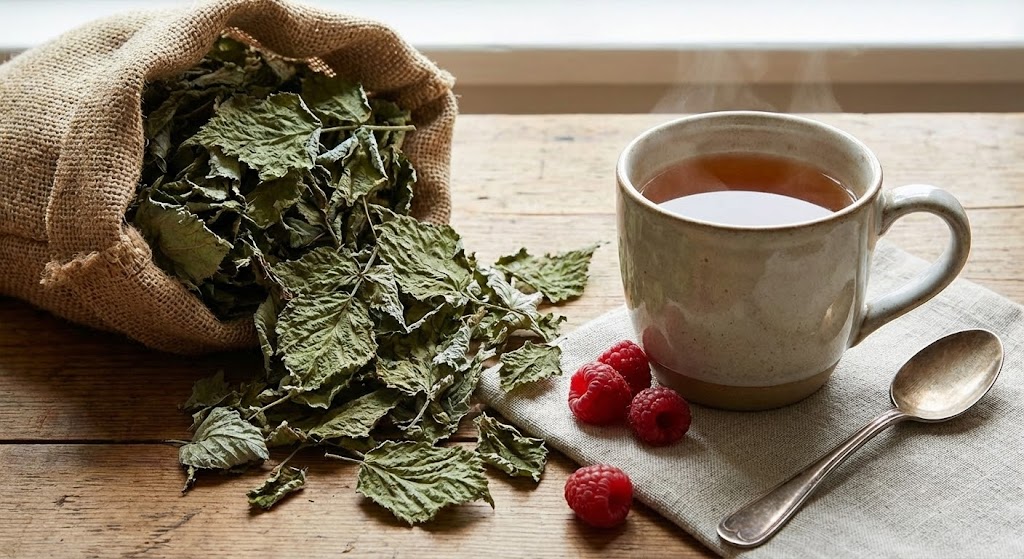
1. The Science: Fragarine and "Toning"
How can one herb both start labor and stop cramps? It sounds contradictory. The secret is the compound fragarine. It acts as a regulator.
If the uterine muscle is tense and cramping (PMS), fragarine helps relax and smooth the muscle action. If the uterus is weak (during labor), fragarine helps the muscle fibers contract more effectively. It doesn't force the uterus to do something unnatural; it helps it do its job better.
2. For Pregnancy: The Timeline
Timing is everything. Because it stimulates pelvic blood flow, it is generally contraindicated in early pregnancy.
| Stage | Recommended Intake | Goal |
|---|---|---|
| 1st Trimester (0-12 wks) | AVOID | Safety (Prevent uterine stimulation). |
| 2nd Trimester (13-31 wks) | Limit or Avoid | Some midwives say 1 cup is okay; others say wait. |
| 3rd Trimester (32+ wks) | 1 - 2 Cups Daily | Begin toning the uterus for labor. |
| 38+ Weeks | 3 - 4 Cups Daily | Maximum preparation for birth. |
Expert Tip: The "Softening" Myth
Raspberry Leaf strengthens the muscle (the fundus) but doesn't necessarily soften the cervix. For cervical ripening, many women eat Dates (6 per day) in the last 4 weeks. The combination of Tea + Dates is a popular "Labor Prep Stack."
3. For Period Cramps (PMS)
You don't have to be pregnant to drink it. In fact, many women drink it during their cycle to reduce the severity of cramps.
The leaves are incredibly nutrient-dense, containing high levels of Magnesium, Calcium, and Potassium. These minerals are vital for muscle relaxation. Deficiencies in magnesium are a primary cause of painful spasm cramps. Drinking the tea provides a bio-available source of these minerals exactly when your body needs them.
Expert Tip: The Iced Remedy
During summer, hot tea might not appeal. Brew a strong batch of Raspberry Leaf tea, let it cool, and keep a pitcher in the fridge. Drinking it iced is just as effective for PMS and keeps you hydrated (which also helps cramps).
4. Postpartum & Milk Supply
The benefits don't stop after birth. The tea helps the uterus shrink back to its pre-pregnancy size (involution) faster. Additionally, it is a galactagogue, meaning it may help support breast milk supply, largely due to its rich mineral content improving the mother's hydration and nutrient status.
Expert Tip: VBAC Caution
If you are attempting a VBAC (Vaginal Birth After Cesarean), consult your doctor before drinking this tea. Because it strengthens contractions, some doctors prefer to monitor uterine activity naturally without herbal enhancement to ensure the scar remains safe.
Ready to start your labor prep?
We've reviewed the top organic brands to find the ones with the freshest leaves and best value for the 3rd trimester. See our top picks here: The 5 Best Raspberry Leaf Teas for Pregnancy & PMS →
Comments