1. History: The Lucky Mutant
Most famous cultivars (like Ruby 18) take 40 years of lab work. Si Ji Chun took zero.
In the 1980s, a tea farmer in Muzha noticed one bush in his field that was different. While the other plants were dormant for the winter, this one was flushing bright red-green buds. It smelled stronger than the others.
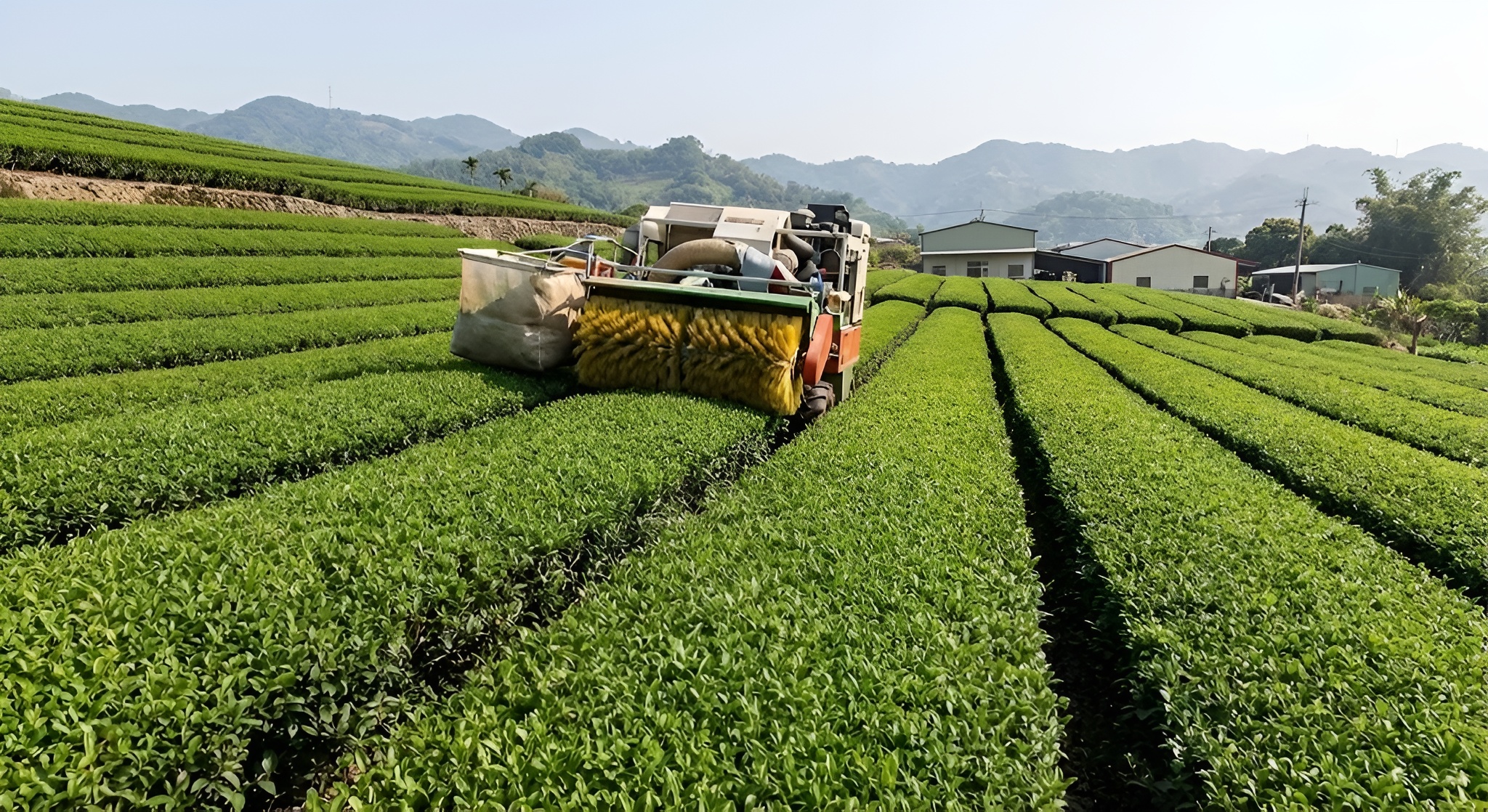
He propagated it (cloned it via cuttings) and planted a field. It grew like a weed. It produced a harvest in spring, two in summer, one in autumn, and two in winter. Hence the name: Four Seasons Spring (because it thinks it is spring all year round).
Farmers in Mingjian (a lower altitude region) adopted it en masse because it allowed them to compete with high-mountain tea by volume and aroma intensity.
2. The Chemistry: Gardenia and Nerolidol
Why does cheap Si Ji Chun smell so good?
Nerolidol: This sesquiterpene alcohol (read more) provides a creamy, woody base note. Si Ji Chun produces massive amounts of it, giving the tea a thick, waxy texture even when grown at low altitudes.
Indole: Like its ancestor Qing Xin, Si Ji Chun has traces of Indole, which provides that heady "White Flower" scent (Gardenia/Jasmine).
The Trade-off: While the aroma is high (High Pitch), the "body" or "throat rhyme" (Yun) is often shorter than Qing Xin. It explodes in the nose but fades faster in the throat.
Expert Tip: The "Dong Pian" (Winter Petal)
The best Si Ji Chun is harvested in deep winter (January), called Dong Pian. Because of the cold, the plant grows slowly, reducing bitterness (catechins) and increasing sugar/amino acids. A Dong Pian Si Ji Chun can taste like "Sugar water with floating flowers"—and it's still affordable.
3. Si Ji Chun vs. The Elites
It is often called the "Poor Man's High Mountain Tea." Is that fair?
| Cultivar | Aroma Intensity | Texture/Finish | Price |
|---|---|---|---|
| Si Ji Chun | Very High (Gardenia) | Medium / Short Finish | $ |
| Qing Xin | High (Orchid) | Silky / Long Rhyme | $$$ |
| Jin Xuan | Medium (Milk/Butter) | Thick / Creamy | $$ |
4. Brewing: Hard to Ruin
One of the best things about Si Ji Chun is its resilience. It has a tough leaf structure.
The Temperature: You can hit it with boiling water (100°C), and it won't get overly bitter. In fact, high heat helps explode that Gardenia aroma.
Cold Brew: Because it is so aromatic, Si Ji Chun is arguably the best cultivar for Cold Brew. Put 5g in a 1L bottle of cold water in the fridge overnight. The next morning, you have a sweet, floral nectar with zero bitterness.
The Best Value Oolong
You don't need to spend a fortune to drink good tea. Si Ji Chun offers the best "Bang for Buck" in the tea world. We have found the best everyday drinkers from Mingjian.
Shop Four Seasons Oolong
Comments