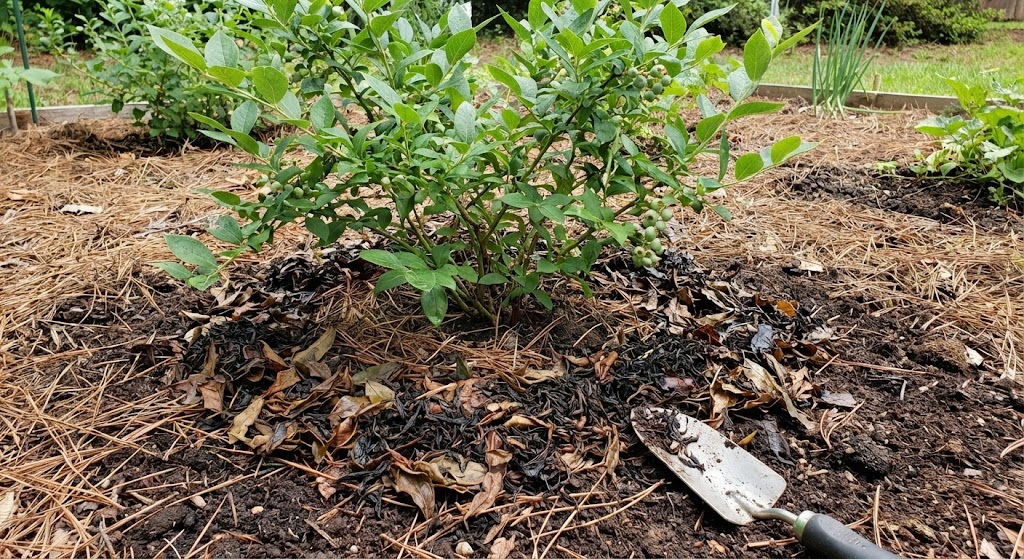
Why Tea Leaves Lower Soil pH
Used tea leaves are acidic (pH 4.5-5.5) due to residual tannic acid, catechins, and organic acids from oxidation. When composted or direct-applied to soil, these acids lower surrounding pH over weeks, creating ideal conditions for acid-loving plants (rhododendrons, azaleas, blueberries, camellias) that thrive at pH 4.5-5.5 vs neutral 7.0. Understanding pH chemistry helps.
The mechanism: tannic acid acts as natural chelating agent, binding alkaline minerals (calcium, magnesium) and making soil more acidic. Simultaneously, decomposing tea leaves release nitrogen (2-4% N content), phosphorus (0.3% P), potassium (0.4% K)—a mild slow-release fertilizer. Combination of acidification + nutrients makes tea leaves ideal for acid-preferring species. See tannic acid chemistry and bag decomposition, polyphenol binding, and chemical fundamentals.
Direct Application Method
Scatter used tea leaves (10-15 bags worth = 30-50g dry weight) in 30cm radius around base of acid-loving plants. Lightly rake into top 2-3cm soil, water thoroughly. Leaves decompose over 3-4 weeks, gradually releasing acid and nutrients. Repeat monthly during growing season for sustained pH management. After odor absorption or deodorizing, reuse for composting.
Which Plants Love Tea and Which Hate It
Acid-loving plants (ericaceous family): rhododendrons, azaleas, camellias, blueberries, cranberries, heathers, pieris, hydrangeas (blue color), ferns, Japanese maples. These evolved in acidic forest soils (pH 4.5-5.5), require iron/manganese in reduced form only available at low pH. Tea leaves help maintain preferred chemistry.
Alkaline-loving plants (hate tea): lavender, clematis, lilac, dianthus, sweet peas, brassicas (cabbage, broccoli), most vegetables. These prefer pH 6.5-7.5, grow poorly in acidic soil as nutrient availability inverts. Adding tea causes chlorosis (yellowing from nutrient imbalance).
| Plant Type | Preferred pH | Tea Benefit | Application Rate | Frequency |
|---|---|---|---|---|
| Blueberries | 4.5-5.0 | Acidifies + nitrogen | 50g tea/plant monthly | April-August |
| Rhododendrons | 4.5-5.5 | Acidifies + trace Fe | 100g tea/shrub monthly | March-June |
| Roses | 6.0-6.5 | Mild acidifying + K | 30g tea/plant monthly | May-September |
| Tomatoes | 6.0-6.8 | N fertilizer only | 20g tea/plant bi-weekly | June-August |
| Lavender | 6.5-7.5 | HARMFUL—avoid | Do not use | Never |
The Nitrogen Boost: Slow-Release Fertilizer
Used tea leaves contain 2-4% nitrogen by dry weight (similar to grass clippings). This nitrogen is organically bound in amino acids and proteins, requiring microbial decomposition to convert to plant-available nitrate (NO₃⁻) form. Breakdown takes 3-4 weeks, creating slow-release effect that feeds plants gradually vs instant chemical fertilizer burn. See processing and tea varieties.
Compost vs direct application: Direct (scattering around plants) gives immediate acidification in 2-3 weeks but visible leaves may be unpleasing. Composting first (mixing into pile) takes 3-4 months but produces aesthetically clean finished compost with evenly distributed nutrients. Both work—choose based on urgency and aesthetics. The same tea chemistry that makes acidic plants thrive explains tea cultivation preferences. After household use, tea from cleaning or deodorizing can be composted, along with dyeing and wood treatment waste.
Comments