1. How the "Iron Thief" Works
Iron comes in two forms: Heme Iron (from meat) and Non-Heme Iron (from plants like spinach, beans, and nuts).
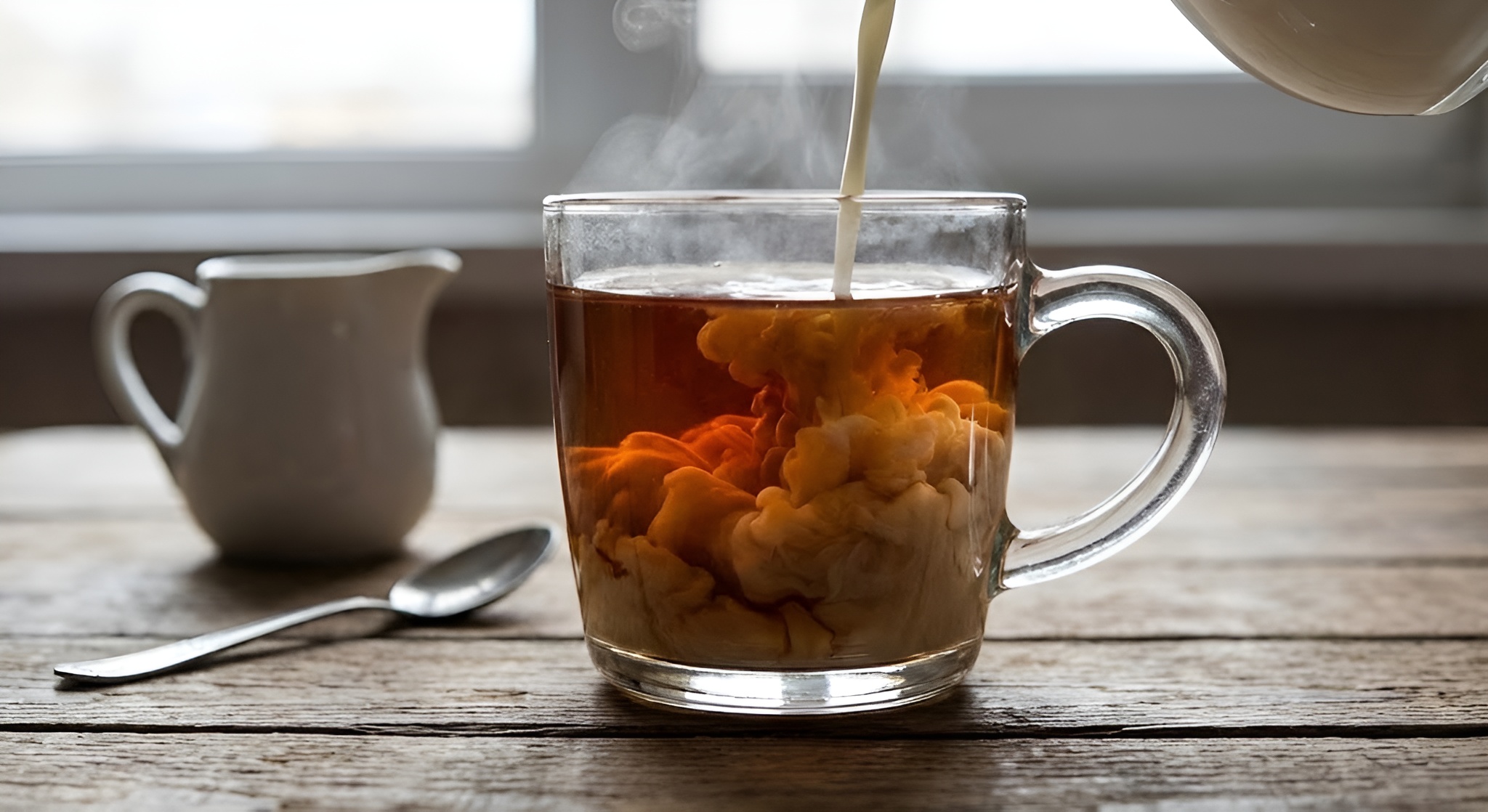
Tea contains heavy concentrations of Tannins. These are the same compounds that give strong Assam tea its brisk, astringent "bite." When these tannins meet Non-Heme Iron in your digestive tract, they bind together to form an insoluble complex. Essentially, the tea handcuffs the iron, preventing it from passing through your gut wall and into your bloodstream[1].
Who is at risk? If you eat a steak (Heme iron), you are mostly fine. But if you are Vegetarian or Vegan relying on lentils and greens (Non-Heme iron), drinking tea with dinner can effectively wipe out the nutritional value of your meal.
2. The Fix: The "One Hour Rule"
You don't need to banish the kettle. The inhibition effect is strictly about timing. Once the iron has been absorbed into the bloodstream, tea cannot touch it.
Studies show that spacing your tea intake by just one hour before or after a meal significantly reduces the negative interaction[2].
The Vitamin C Hack
Can't wait an hour? Add lemon. Ascorbic Acid (Vitamin C) reverses the binding effect of tannins.
This is why Ginger Tea with Lemon is a safer bet during meals than a milky builder's brew. The Vitamin C actively helps you absorb *more* iron, neutralizing the thief.
3. Not All Teas Are Equal
The "thief" is stronger in some teas than others. It correlates directly with the darkness (oxidation) of the leaf.
| Tea Type | Iron Blocking Potential |
|---|---|
| Black Tea (Earl Grey/Breakfast) | High (High Tannins) |
| Green Tea / Matcha | Medium |
| Herbal (Peppermint/Ginger) | Low / Zero |
4. What if I'm already tired?
If you are suffering from fatigue, the issue might not just be iron; it could be Adenosine Rebound from caffeine withdrawal. If you get headaches when you skip a cup, check out our guide on Caffeine Withdrawal Headaches to see if your fatigue is chemical rather than nutritional.
The "Safe" Dinner Drink
Ingredients:
- Hot Water
- Fresh Ginger Slices
- Squeeze of Lemon Juice
- 1 tsp Honey (Optional)
Why this works:
Ginger contains zero tannins. The lemon provides Vitamin C to boost iron absorption from your greens. It aids digestion without stealing nutrients. Read more about the Science of Ginger Tea →
Scientific References
- Hurrell, R. F., et al. (1999). Inhibition of non-haem iron absorption in man by polyphenolic-containing beverages. British Journal of Nutrition, 81(4), 289-295.
- Delimont, N. M., et al. (2017). The effect of tannin source on iron absorption. Current Developments in Nutrition.
Comments