1. What is Jin Xuan (Tai Cha #12)?
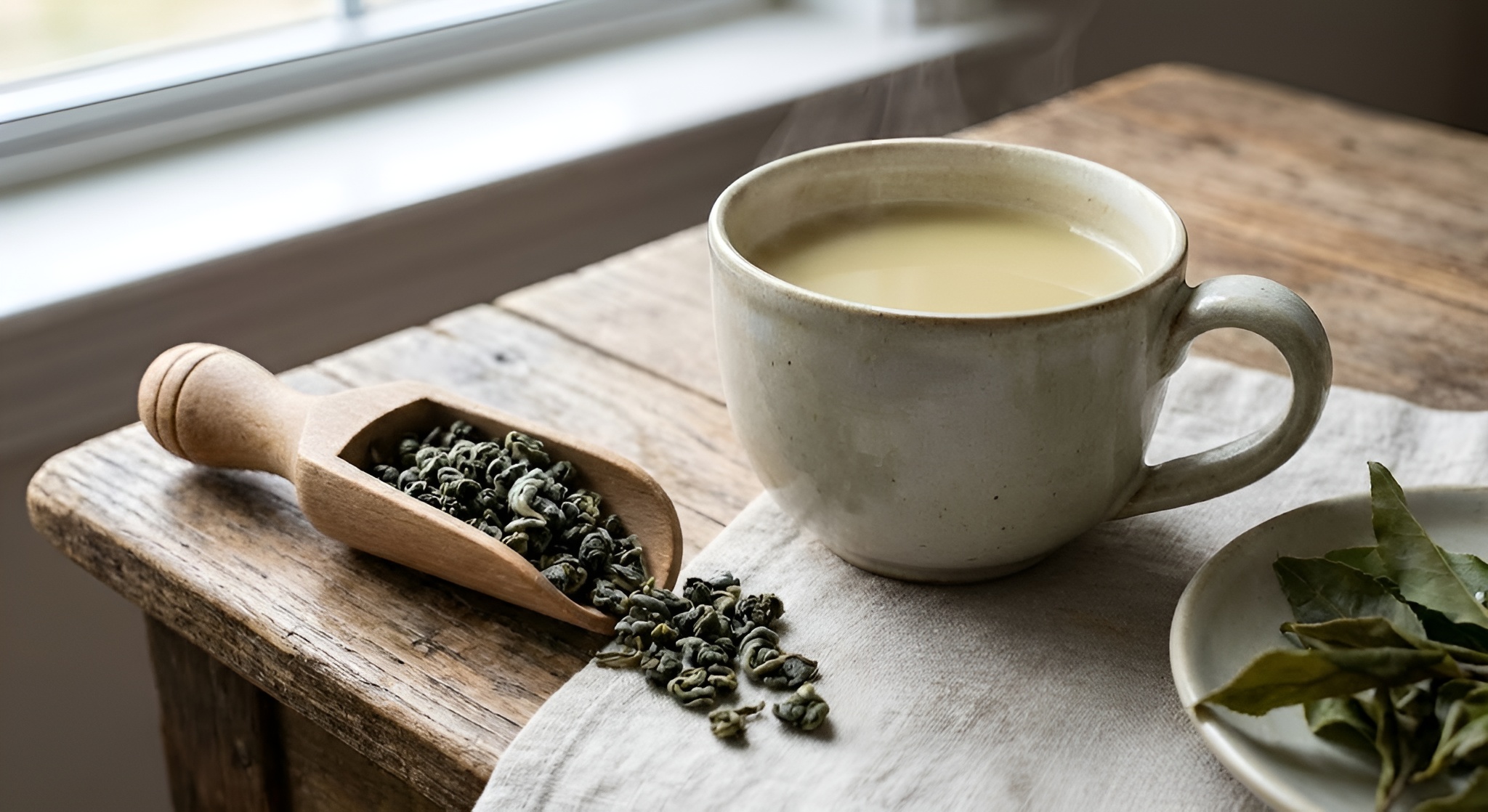
In the 1980s, the Taiwan Tea Research and Extension Station developed a new cultivar named Jin Xuan (Golden Daylily). It was designed to be hardy and yield well.
Unexpectedly, when processed as a lightly oxidized Oolong, this cultivar produced a distinct, creamy mouthfeel and a faint milky aroma. This is entirely natural, resulting from the specific combination of compounds (lactones) in the leaf. This is "Real" Milk Oolong.
Expert Tip: The "Altitude" Factor
The best Jin Xuan is grown at high altitudes (Alishan or Shan Lin Xi). The cool, misty weather concentrates the amino acids, enhancing the buttery texture. Low-altitude Jin Xuan often lacks this creaminess, leading farmers to add flavoring to compensate.
2. The "Steamed in Milk" Myth
You may hear stories that the tea leaves are steamed over pots of boiling milk, or soaked in milk before roasting. This is false.
Milk spoils rapidly. Treating tea with real milk would result in a rancid, bacteria-ridden product within days. If a vendor tells you this story, they are either misinformed or spinning a fairy tale to sell tea.
3. How to Spot a "Fake" (Flavored)
Because authentic high-mountain Jin Xuan is expensive, the market is flooded with flavored imitations. These use cheaper tea leaves sprayed with "Milk Flavoring" (often vegan chemical compounds).
| Feature | Authentic Jin Xuan | Flavored Milk Oolong |
|---|---|---|
| Aroma (Dry Leaf) | Subtle, vegetal, floral. | Overpowering butterscotch or condensed milk smell. |
| Flavor | Complex. Starts floral, finishes with a creamy texture. | Sweet and milky from start to finish. Often masks the tea taste. |
| Steeping | Flavor evolves over 5-6 steeps. | Flavor disappears after 1-2 steeps (washes off). |
Expert Tip: Check the Ingredients
Authentic tea will list only: "Oolong Tea" (or Jin Xuan Tea).
Flavored tea will list: "Oolong Tea, Flavoring" (or Natural Flavoring).
Note: "Natural Flavoring" does not mean it comes from the tea leaf; it just means the chemical was derived from *a* natural source, not petroleum.
4. Which one should I buy?
Neither is "bad," but they serve different purposes.
Buy Authentic Jin Xuan if: You appreciate subtlety, complexity, and want to experience the true skill of the tea master.
Buy Flavored Milk Oolong if: You have a sweet tooth, are transitioning from coffee/lattes, or want a "dessert tea."
Ready to taste the difference?
We've tasted dozens of Milk Oolongs to find the best authentic Jin Xuan and the best high-quality flavored blends. See our winners here: The 5 Best Milk Oolongs of 2025 (Natural vs. Flavored) →
Comments