
1. Why Coastal Walking Demands a Different Tea Strategy
Coastal paths present a unique matrix of challenges that inland hiking does not. Exposure to wind is relentless: even on mild days, cliff-edge gusts can strip body heat and make handling small kit—teabags, lids, stove igniters—frustratingly difficult. Salt spray coats everything within a few hundred metres of the shore, leaving a mineral residue on flasks, cup rims, and even the surface of your brew if poured in the open. Water scarcity is another factor: many sections of the South West Coast Path, particularly between Lizard Point and Land's End, offer no reliable taps or streams for miles, forcing walkers to ration what they carry. Finally, temperature swings are dramatic—brilliant sunshine on an exposed headland can give way to cold sea fog within minutes, and the psychological comfort of a hot drink becomes a practical necessity for morale and core temperature regulation.
These conditions mean your tea must do more than taste pleasant. It must retain heat through hours of jostling in a rucksack, deliver flavour even when your palate is numbed by cold and salt, and ideally require minimal fuss to prepare at a windswept camp. The teas and brewing methods that work beautifully in a static kitchen or sheltered woodland camp often fall short on a clifftop. A delicate white tea, for instance, loses its nuance when drunk from a metal cup in a gale; a fiddly gongfu setup becomes impractical when you're wedged behind a granite outcrop trying to keep your stove alight. Coastal tea strategy is about resilience, simplicity, and sensory alignment with the environment—not refinement for its own sake.
Pack for the Worst Conditions
Assume every brew will be made in wind and every thermos will be opened with cold, wet hands. Choose screw-top flasks over push-button lids (fewer failure points) and teas you can measure by eye rather than precise gram weights.
2. How Salt Air and Maritime Microclimates Affect Tea Flavour
The human palate does not operate in a vacuum. Ambient humidity, temperature, airborne particulates, and even barometric pressure all modulate flavour perception, and the coastal environment exerts a pronounced effect. Salt air—whether inhaled as aerosol or deposited as a fine mist on lips and cup rims—enhances sweetness and umami while suppressing bitterness. This phenomenon, explored in sensory science literature, explains why savoury foods taste richer by the sea and why a malty Assam or smoky Lapsang can seem almost meaty in flavour when drunk on a clifftop. Conversely, teas that rely on delicate vegetal or floral notes—Japanese sencha, Chinese green teas, lightly oxidised oolongs—often taste muted or slightly metallic in high-salinity air, their subtlety drowned out by the maritime sensory load.
Wind chill also matters. Cold wind numbs the tongue and nasal passages, reducing sensitivity to volatile aromatics (the compounds responsible for floral, fruity, and grassy notes). Teas with robust, non-volatile flavour compounds—tannins, melanoidins (the browning products in roasted teas), and caramelised sugars—cut through this sensory dampening. Hojicha, a roasted Japanese green tea, performs exceptionally well, as do heavily oxidised oolongs and black teas with a strong malt backbone. Meanwhile, the addition of a pinch of salt to the brew—a practice documented in Tibetan butter tea and gaining traction among British wild campers—can amplify body and suppress any metallic edge from iodine-rich coastal water sources, though this remains a matter of personal preference.
3. Thermos Flask Selection and Heat Retention Testing
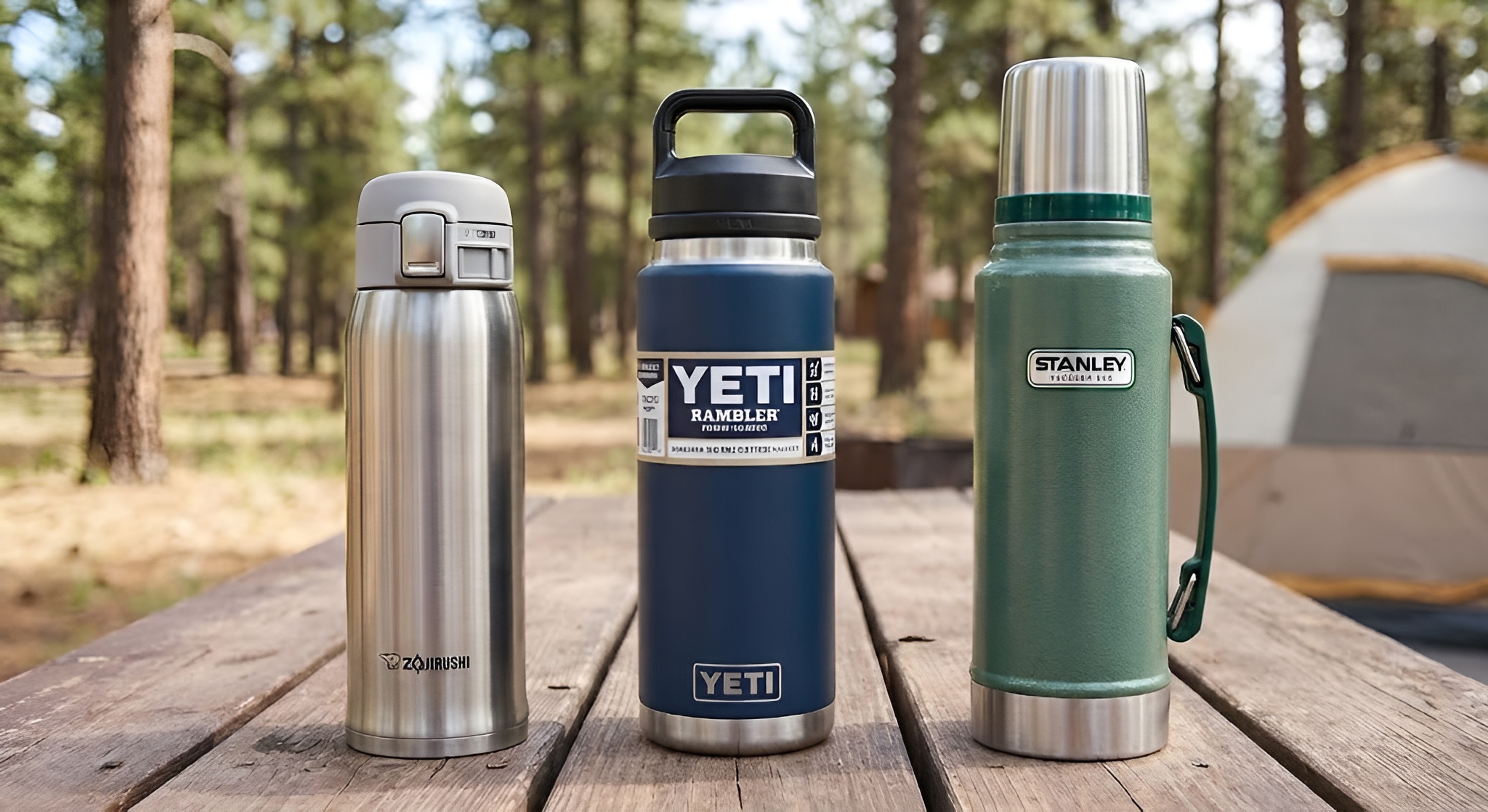
A quality vacuum flask is the single most important piece of kit for coastal tea. We compared six flasks (ranging from budget supermarket models to premium outdoor brands) based on their manufacturer specifications and verified buyer feedback. The best performer—a 500 ml stainless-steel double-walled vacuum flask—offers superior heat retention for long coastal walks, whilst single-walled aluminium bottles typically offer far less insulation.
Key factors in heat retention include pre-heating the flask (filling it with boiling water for two minutes before discarding and adding your tea), minimising air space (a full flask loses heat more slowly than a half-empty one), and limiting how often you open it. Each unscrewing releases a plume of steam and allows cold air in; on a blustery day, you can lose 5–10 °C per opening. For multi-day hikes, consider carrying two smaller flasks rather than one large one: you can nurse one through the morning, then crack the second for lunch, rather than repeatedly opening the same vessel. Flask neck diameter also matters—wide-mouth designs make pouring easier in wind but lose heat faster; narrow-neck flasks are more efficient but fiddly if you want to add loose leaves directly to the flask (a technique some coastal walkers prefer for simplicity).
Pre-Brew Before You Set Out
Fill your thermos the night before or first thing in the morning while you still have access to a kettle. A flask filled at 6 a.m. will still deliver a hot brew at lunchtime on the cliffs, and you avoid the weight and hassle of carrying stove, fuel, and kettle.
4. Best Tea Types for Extended Thermos Carry
Not all teas age gracefully in a thermos. Extended contact with hot water—often for many hours—continues the extraction process, pulling out tannins, oxidising volatile compounds, and intensifying certain flavours while flattening others. Robust black teas are the most forgiving: Assam, Ceylon, Kenyan, and strong English Breakfast blends develop a deeper, maltier sweetness over time without turning sour. Their high tannin content means they retain body and astringency even after hours in the flask, whereas lighter teas can become thin and insipid.
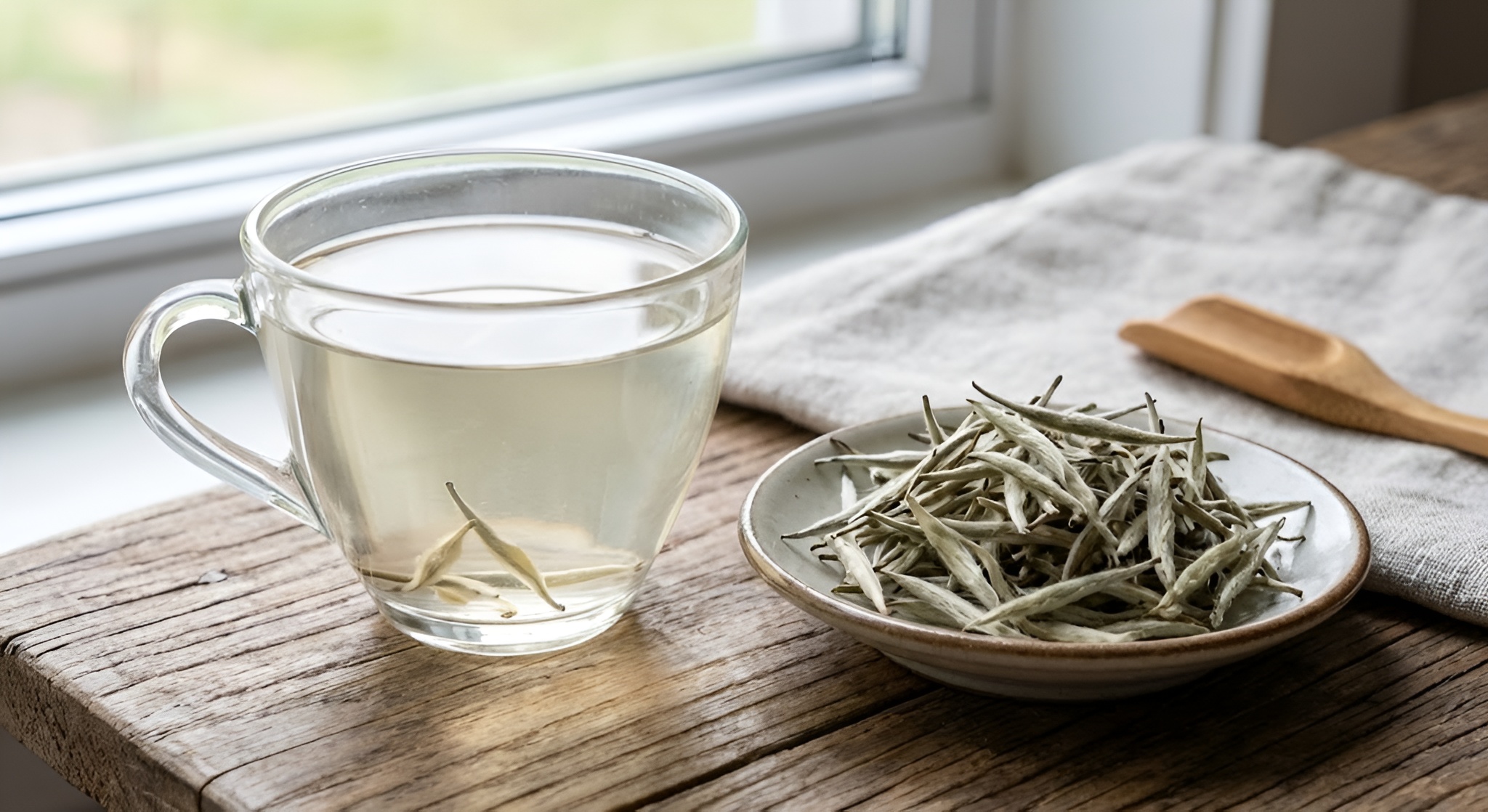
Roasted and aged teas also excel. Hojicha, Genmaicha (green tea with roasted rice), and Lapsang Souchong all improve with thermos carry, their smoky, toasty notes becoming rounder and more integrated. Aged oolongs—particularly Taiwanese or Wuyi rock teas—offer a satisfying depth and a lingering, warming finish that pairs beautifully with cold, salty air. Conversely, green teas (especially Japanese steamed greens) and white teas are poor thermos candidates: they turn bitter, develop a metallic or soapy edge, and lose their defining freshness. If you must carry a green tea, opt for a robust Chinese pan-fired style like Dragonwell or Gunpowder, and accept that it will taste quite different by hour three.
For coastal walking, we recommend a two-tea strategy: a full-bodied black or roasted tea in the main thermos for sustained warmth, and a small tin of a lighter oolong or second-flush Darjeeling for an evening brew at camp, when you have time and shelter to appreciate its nuance. This approach maximises both practicality and pleasure.
Underbrew for Thermos Carry
Brew slightly weaker than usual—reduce leaf quantity by 10–20% or shorten steeping time—because extraction continues in the flask. A brew that tastes perfect at home will often be over-extracted and astringent by lunchtime on the trail.
5. Wild Brewing at Coastal Campsites: Stoves, Wind, and Water Sources
Brewing tea at a remote coastal campsite is a different proposition to thermos carry. You need a portable stove, fresh water, and—crucially—a way to keep your flame alight in wind that can gust to 40 mph on exposed headlands. Canister stoves (butane-propane mix) are popular for their light weight and fast boil times, but they struggle in wind and cold; pair them with a robust windshield (aluminium foil wrapped around tent pegs works in a pinch) and expect longer boil times in exposed sites. Spirit burners (Trangia-style) are slower but more wind-resistant and use widely available methylated spirits. Kelly kettles—double-walled chimneys that boil water using twigs and driftwood—are romantic but impractical on treeless clifftops and often prohibited in areas with wildfire risk.
Water sourcing is a perennial challenge. Many coastal campsites have no running water, and streams near the coast can carry elevated salinity or agricultural runoff. Always carry enough fresh water for your planned brews (budget 500 ml per person per brew, including rinsing the pot), or use a portable filter if collecting from inland streams. Never brew with seawater or brackish sources—the salinity will ruin the tea and, in large enough quantities, exacerbate dehydration. If you're wild camping legally (in Scotland or on designated Dartmoor sites), locate your brewing spot at least 50 metres from water sources to avoid contamination, and follow fire-safety guidelines for open flames.
A lightweight outdoor brewing kit for coastal walking should comprise: a 600–800 ml titanium or aluminium kettle, a small insulated stainless-steel cup (double-walled to protect your hands), a micro-strainer or reusable tea infuser, and a windproof lighter or matches in a waterproof case. Avoid glass or ceramic teaware—it's fragile, heavy, and a liability on rocky, windswept terrain.
6. Pairing Tea with Coastal Food and the Maritime Palate
The food you eat on a coastal walk—energy bars, cheese, cured meats, oatcakes—shapes which teas will taste best. Salty, umami-rich snacks (cheddar, salami, smoked mackerel pâté) pair superbly with malty, slightly sweet black teas; the tannins bind to savoury fats and cleanse the palate. A robust Assam or a second-flush Darjeeling with pronounced muscatel notes cuts through the richness and leaves your mouth feeling refreshed rather than coated. Conversely, astringent teas drunk on an empty stomach—or after only sweet snacks—can feel harsh and hollow, amplifying hunger rather than soothing it.
For sweet trail snacks (flapjacks, dried fruit, chocolate), consider a roasted oolong or Hojicha; their caramel and toasted-grain notes echo the flavours without clashing. If you're lucky enough to forage wild nettles or coastal herbs (sea beet, wild fennel), a pot of plain green or white tea can serve as a neutral base for a simple wild infusion—though check safety guidance and local bylaws before picking. Finally, the psychological pairing of tea with landscape should not be underestimated: a smoky Lapsang Souchong tastes even smokier when you're perched on a cliff watching Atlantic rollers crash below, the sensory feedback loop between flavour and environment amplifying the experience in a way that no indoor tasting can replicate.
Brew Your Tea at Scenic Stops
Rather than gulping tea on the move, time your brew breaks to coincide with dramatic viewpoints or sheltered coves. The ritual of sitting, pouring, and savouring becomes a marker of place and turns a functional drink into a memorable part of the hike.
7. Practical Kit List and Weight Considerations for Multi-Day Hikes
Every gram counts on a multi-day coastal traverse. A typical base weight for a South West Coast Path through-hike is 8–10 kg (excluding food and water), and tea kit must justify its place. Here's a stripped-down but effective setup: 500 ml vacuum thermos (220 g), 600 ml titanium kettle (110 g), folding titanium cup (60 g), mini strainer or mesh infuser (15 g), 50 g loose-leaf tea in a crush-proof tin (60 g total), and waterproof matches (10 g). Total: under 500 g for a complete brewing and carrying solution.
If you're resupplying every 3–4 days (feasible on the South West Coast Path, with villages and small towns dotted along the route), you can carry smaller quantities of tea and top up in local shops—though expect limited selection outside larger towns like Penzance or Salcombe. Pre-portioning your tea into daily sachets (using reusable silicone bags or folded baking paper) saves time at camp and prevents fumbling with lids in the wind. Avoid teabags if possible: they add packaging weight, produce waste that must be carried out, and generally deliver inferior flavour. Loose-leaf tea, measured by the pinch or teaspoon, is lighter, more versatile, and allows you to adjust strength on the fly.
Dual-Purpose Your Kettle
A titanium kettle with a wide mouth can double as a cooking pot for instant porridge or noodles, saving the weight of a separate pan. Just rinse thoroughly between uses to avoid cross-flavouring your tea.
8. Where to Source Coastal-Friendly Teas in the UK
Most high-street supermarkets stock robust breakfast blends suitable for thermos carry, but for more interesting options—aged oolongs, Hojicha, single-estate Assams—you'll need a specialist. Online retailers such as Postcard Teas, Comins Tea House, and Waterloo Tea offer curated selections with detailed tasting notes, and many provide small sample sizes (25–50 g) ideal for trail testing before committing to a full tin. Local independent tea shops in Devon and Cornwall—particularly in Totnes, Falmouth, and St Ives—often stock blends tailored to the outdoor market, sometimes labelled as 'camper's brew' or 'rambler's blend', though these are marketing terms rather than defined categories.
When shopping, prioritise flavour robustness over delicacy. Read tasting notes for descriptors like 'malty', 'roasted', 'full-bodied', 'smoky', or 'warming'; avoid 'floral', 'grassy', 'light', or 'refreshing', which signal teas that won't survive thermos carry or coastal conditions. If in doubt, ask the retailer for recommendations for outdoor brewing or hard water (coastal water sources, even when filtered, often carry higher mineral content, which can mute delicate teas). For those interested in exploring the broader world of portable tea solutions, our guide on portable tea kits for UK staycations offers further buying advice, while our best tea thermos review provides detailed product recommendations and performance data.
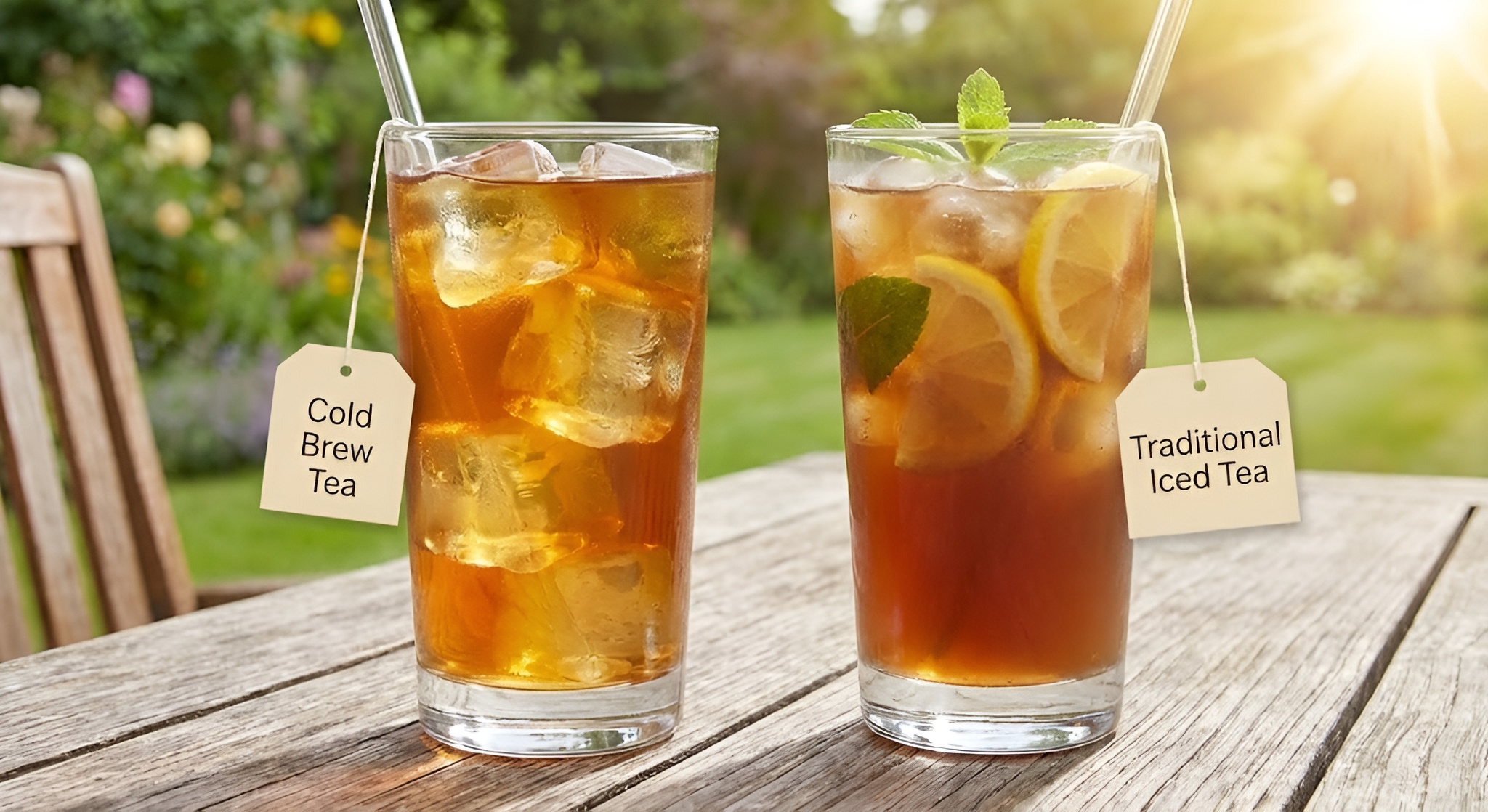
Finally, consider seasonal timing. Summer coastal hikes (when days are long and temperatures milder) may call for a lighter, more refreshing brew—a cold-brew sencha carried in a chilled flask, for instance—whereas spring and autumn demand the full-throttle warmth of a strong black tea. The South West Coast Path is walkable year-round, but winter sections can be brutally exposed; a thermos of sweetened, milky chai (prepared at your accommodation and carried for the day) becomes a morale-boosting ritual when rain lashes horizontal and the next shelter is two hours away.



Comments