1. What Is Mizudashi? Definition and Cultural Context
Mizudashi (水出し) translates directly as 'drawn by water' or 'water-infused', and it describes any tea—or indeed coffee—prepared by steeping leaves in cold or room-temperature water rather than applying heat. In Japan, mizudashi has been a household summer staple for decades, valued not only for its cooling effect but for the way cold extraction reshapes a tea's flavour profile. Where hot water yanks out tannins, caffeine, and astringent polyphenols in minutes, cold water coaxes out amino acids, sugars, and volatile aromatics slowly and selectively, creating a liquor that tastes sweeter, rounder, and more savoury than any hot-brewed sencha poured over ice.
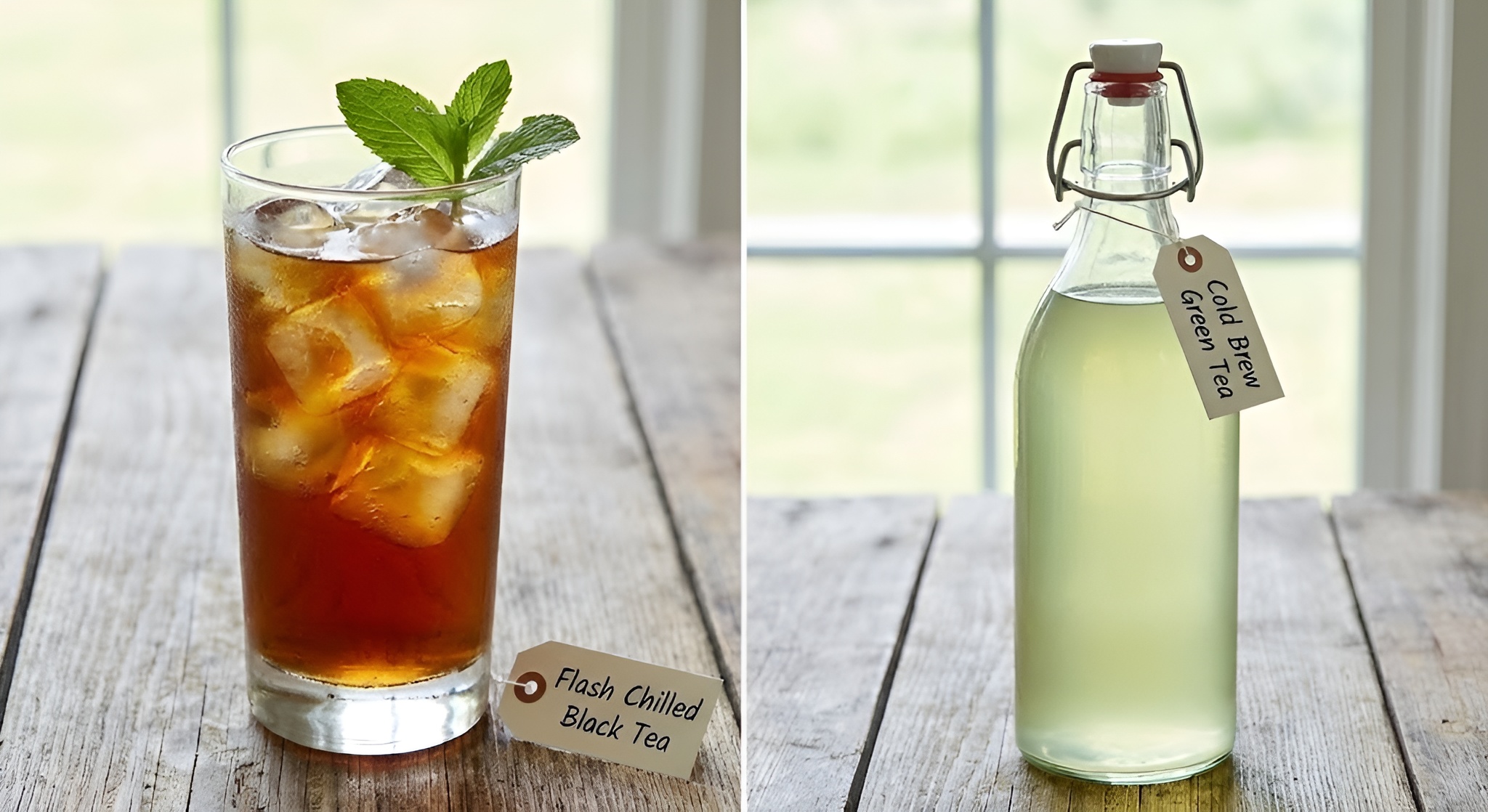
The practice gained commercial traction in the 1970s and 1980s as Japanese tea companies developed bottled cold-brewed green teas for convenience-store distribution, but home mizudashi remains the gold standard. Unlike flash-chilled tea, which cools hot liquor rapidly and preserves some bitterness, mizudashi avoids heat altogether, resulting in negligible astringency and a texture that feels almost silky. Culturally, it occupies a space between the formality of hot sencha service and the casual ease of a chilled drink: you can brew a jug in the morning, let it work in the fridge all day, and pour glasses throughout a warm afternoon without ceremony or fuss.
Cold Water, Warm Ritual
Mizudashi's simplicity doesn't mean haste—many Japanese households treat the overnight steep as a gentle daily ritual, setting the jug before bed and waking to ready tea. The slow pace invites mindfulness, not impatience.
2. The Chemistry of Cold Extraction: Why Mizudashi Tastes Sweet and Umami-Rich
The striking difference in flavour between hot-brewed and cold-brewed sencha comes down to differential solubility. Catechins—the polyphenolic compounds responsible for astringency and much of green tea's bitterness—dissolve readily in water above 60 °C but remain largely bound in the leaf at temperatures below 15 °C. By contrast, theanine (an amino acid unique to Camellia sinensis) and glutamic acid (the umami compound also found in kombu and tomatoes) are highly water-soluble even at refrigerator temperatures, as are simple sugars and some volatile esters. The result: a cold-brewed sencha extracts sweetness, umami, and delicate vegetal aromatics while leaving behind the compounds that cause a puckering, dry finish.
Caffeine extraction is also temperature-dependent. Studies of cold-brew extraction kinetics show that caffeine levels in a 12-hour refrigerated steep can be 30–50 per cent lower than in a three-minute hot infusion of the same leaf, making mizudashi a gentler option for evening drinking or caffeine-sensitive individuals. The slower extraction rate also means that over-steeping is less punishing: where a hot sencha can turn bitter in seconds, a cold brew can sit for an extra hour or two without catastrophic consequences, though flavour will eventually fade as the remaining solubles exhaust.
Cultivar genetics play a critical role here. Teas bred or cultivated for high amino-acid content—such as Saemidori, Asatsuyu, or shade-grown kabusecha—deliver more pronounced sweetness and umami in cold water because they begin with higher baseline theanine concentrations. By contrast, robust, astringent cultivars intended for robust hot brewing may taste thin or grassy when cold-extracted, lacking the structural backbone that tannins provide in a hot cup.
3. Yabukita vs Saemidori: Cultivar Selection for Cold Brewing
Yabukita accounts for roughly 75 per cent of Japan's tea acreage and is the cultivar you're most likely to encounter when buying sencha in the UK. Bred in Shizuoka in the early twentieth century for vigour, frost resistance, and consistent yield, Yabukita produces a balanced, vegetal cup with moderate umami, a hint of marine salinity, and clean grassy-sweet notes. When cold-brewed, Yabukita sencha becomes noticeably sweeter and less astringent than its hot counterpart, with a pale yellow-green liquor and a texture that feels light but not hollow. It is an excellent all-rounder for mizudashi: forgiving of steeping time, widely available, and reliably pleasant without demanding expert handling.
Saemidori, by contrast, is a premium cultivar developed in Kagoshima and prized for its exceptionally high theanine content and vivid, emerald-green leaf. Saemidori's flavour profile skews sweeter and more floral than Yabukita, with pronounced umami, a creamy mouthfeel, and delicate fruity overtones—characteristics that cold brewing amplifies beautifully. A refrigerated Saemidori mizudashi can taste almost dessert-like, with notes of melon rind, fresh cream, and a lingering sweetness that requires no added sugar. The trade-off is cost and availability: Saemidori teas are scarcer in the UK, typically command a premium, and benefit from precise leaf-to-water ratios and careful timing to avoid a muted, over-diluted cup.
Other cultivars worth exploring for mizudashi include Okumidori (deep umami, robust body), Asatsuyu (intense sweetness, floral), and Kanayamidori (bright, citrusy). If you're sourcing from UK specialists, check the cultivar listed on the packet—many premium sencha retailers now specify varietal and harvest date, both of which matter significantly in cold-water extraction.
First Flush, First Choice
For mizudashi, prioritise shincha (first-flush sencha harvested in late April or May). Its youth means higher amino acids, lower tannins, and a sweeter, more vibrant cold brew than later harvests.
4. Mizudashi Brewing Method: Time, Temperature, and Ratio
The classic mizudashi method is straightforward: place 10–15 g of sencha leaves in a jug or cold-brew pitcher, add 1 litre of filtered cold water, cover, and refrigerate for 6–12 hours. No stirring, no agitation—just patience. The resulting liquor is strained and served over ice or chilled, with no need for sweetener. This refrigerated approach (around 4 °C) produces the cleanest, most delicate flavour, with minimal risk of bitterness even if you forget the jug overnight.
For a faster brew, you can use room-temperature water (18–20 °C) and steep for 2–4 hours, though the risk of slight astringency increases after the three-hour mark. Some drinkers split the difference by steeping at room temperature for two hours, then refrigerating the jug to halt extraction and chill the tea simultaneously—a pragmatic compromise if you're brewing mid-afternoon for evening service. If you're using a premium, high-theanine cultivar like Saemidori, err on the gentler side: 8–10 g per litre and a full overnight refrigerated steep will preserve its delicate floral character.
Water quality matters as much in cold brewing as in hot. Hard water can mute sweetness and introduce mineral flavours that clash with sencha's vegetal profile; if your tap water is chalky, consider filtered or bottled water with a neutral mineral content (around 50–100 mg/L total dissolved solids). For more on this, see our water minerals guide. Leaf form also influences extraction: broken or finely rolled sencha releases flavour faster, while needle-style or lightly steamed leaves (asamushi) may need an extra hour or two to fully open in cold water.
The Overnight Advantage
Brewing mizudashi overnight in the fridge (8–12 hours) not only maximises umami extraction but also aligns the tea with your schedule: steep before bed, strain in the morning, and enjoy chilled tea all day without timing stress.
5. Serving Traditions and Presentation: Glassware, Garnishes, and Ritual
In Japan, mizudashi is often served in tall, clear glasses to showcase the tea's pale jade or straw-yellow hue—a visual cue that the liquor is light, clean, and unsweetened. Ice is optional but common, and the pour is slow and deliberate, emphasising the tea's clarity and the quiet satisfaction of a well-timed steep. Some households use dedicated mizudashi jugs with built-in fine-mesh filters that allow you to steep and serve from the same vessel; these are increasingly available in the UK through Japanese homeware retailers and make the process almost frictionless.
Garnishes are minimal and functional: a thin slice of yuzu or lemon to lift citrus notes, a sprig of fresh shiso for herbal contrast, or occasionally a few grains of coarse salt to heighten umami—a technique borrowed from traditional Japanese pickles. The goal is never to mask the tea's flavour but to frame it, much as a twist of lemon oil does for a dry martini. Over-sweetening or adding fruit cordials defeats the purpose; mizudashi's appeal lies in its natural sweetness and the subtle interplay of vegetal, marine, and umami notes.
Culturally, mizudashi occupies a liminal space: less formal than a traditional tea ceremony, but more considered than grabbing a cold drink from the fridge. It invites a moment of pause—pouring a glass, noting the colour, tasting the first cool sip—and that micro-ritual, repeated daily through a hot summer, can become its own quiet practice.
6. Kabusecha and Gyokuro in Cold Water: Shaded Teas and Sweetness Amplification
If sencha rewards cold brewing with sweetness and umami, kabusecha (shaded sencha) and gyokuro (heavily shaded premium tea) take those qualities to their zenith. Shading tea plants for 10–21 days before harvest triggers a biochemical shift: chlorophyll and theanine production increase, while catechin synthesis slows. The result is a leaf packed with amino acids and almost devoid of astringency—ideal raw material for mizudashi.
A cold-brewed kabusecha can taste startlingly sweet, with honeyed, creamy notes and a full, almost syrupy mouthfeel despite the absence of sugar. Gyokuro, brewed cold, becomes a study in umami intensity: marine, vegetal, and rich, with a lingering savouriness that coats the palate. The trade-off is cost—gyokuro is among Japan's most expensive teas—and availability, but for a special occasion or a deep summer indulgence, a refrigerated gyokuro mizudashi is an experience worth seeking. Use a slightly lower leaf ratio (8–10 g per litre) and a long, cold steep (10–14 hours) to avoid overwhelming concentration.
UK sourcing for kabusecha and gyokuro has improved markedly in recent years, with specialist importers stocking single-origin, dated harvests. If you're investing in shaded teas, store them in the freezer to preserve amino-acid integrity and use them within six months of purchase; cold brewing cannot rescue stale leaf, and the delicate compounds that make shaded teas special degrade faster than robust sencha tannins.
Umami Overload Risk
Gyokuro's intense umami can tip into savoury overload if you over-leaf or over-steep. Start conservative (8 g per litre, 10 hours cold) and adjust upward only if the liquor tastes thin—you can always add more next time.
7. Common Mistakes and Troubleshooting: Why Your Mizudashi Tastes Flat or Bitter
The most common mizudashi failure is under-leafing: using too few grams of tea for the volume of water. Because cold extraction is slow and incomplete, a ratio that works for hot brewing (3–4 g per 200 ml) will yield a watery, flavourless cold brew. Aim for at least 10 g per litre, and increase to 12–15 g if you're using a robust, lower-grade sencha or if you prefer a bolder cup. If your tea still tastes thin after 12 hours, the problem is likely the leaf itself—old, stale, or low-quality sencha simply lacks the soluble amino acids and sugars that cold water can extract.
Conversely, bitterness or astringency in a cold brew usually signals over-extraction at too high a temperature. If you're steeping at room temperature (20 °C or above) for more than four hours, catechins begin to leach out, and the liquor turns grassy-bitter. The fix: move to refrigerated steeping, or reduce room-temperature time to 2–3 hours and then chill. Another culprit is water quality—hard, mineral-heavy water can introduce metallic or chalky notes that read as harshness; switching to filtered or bottled water often resolves this.
Finally, flatness or lack of aroma can result from using a tightly rolled or heavily steamed (fukamushi) sencha that doesn't unfurl properly in cold water. These teas release colour and some flavour quickly but may lack the aromatic complexity of a lightly steamed, needle-style leaf. If you're committed to fukamushi, try a brief (30-second) room-temperature pre-soak to encourage the leaves to open before refrigerating, or accept that the resulting brew will be milder and focus on body and sweetness rather than fragrance.
Taste at Six Hours
Set a reminder to taste your mizudashi halfway through a long steep. If it's already flavourful at six hours, strain it then rather than waiting the full twelve—over-extraction won't ruin it, but you'll capture peak freshness and aroma.
8. Buying Mizudashi-Suitable Sencha in the UK: What to Look For and Where to Source
When shopping for sencha to cold-brew, prioritise freshness, cultivar information, and harvest date. Look for packets that specify shincha (first flush), list the cultivar (Yabukita, Saemidori, Okumidori), and carry a harvest month and year—2026 shincha should still be available through summer, and its amino-acid profile will be at its peak. Avoid generic 'Japanese green tea' blends with no provenance detail; these are often older stock or blended grades that won't deliver the sweetness and umami mizudashi requires.
Several UK-based specialists now stock high-quality, single-origin sencha suitable for cold brewing. Our sencha review covers organic and conventional options from Shizuoka, Kagoshima, and Uji, many of which perform beautifully in mizudashi. If you're sourcing online, check whether the retailer stores tea in the freezer and ships in vacuum-sealed or nitrogen-flushed bags—both signs of serious quality control. Expect to pay £8–£15 per 50 g for good sencha, and £15–£30 for kabusecha or Saemidori; gyokuro starts around £25 per 50 g and climbs steeply for competition-grade leaf.
If you're investing in a dedicated cold-brew pitcher or iced tea maker, choose one with a fine-mesh filter that can handle small, broken sencha particles without clogging. Glass or BPA-free plastic is preferable to metal, which can impart off-flavours during long steeps. For broader context on cold-brew equipment and cold-brew fundamentals, see our complete UK guide; for flavour comparisons, our hot-brew versus cold-brew article explores the sensory differences in detail.
Freeze for Freshness
Store opened sencha in an airtight container in the freezer, not the cupboard. Theanine and volatile aromatics degrade rapidly at room temperature; freezing preserves them for months, ensuring every mizudashi brew tastes as sweet and fresh as the first.



Comments