
1. What We Mean by 'Menstrual-Support' Teas – Definitions and Scope
In traditional European herbalism and Traditional Chinese Medicine alike, dozens of plants have been prescribed to regulate menses, ease cramp, stanch heavy flow, or lift premenstrual mood. Today's commercial 'period teas' typically target one or more of three overlapping clusters of symptoms: primary dysmenorrhoea (painful cramps in the absence of pelvic disease), premenstrual syndrome (mood, bloating, breast pain in the luteal phase), and menorrhagia (heavy menstrual bleeding). It's important to distinguish these, because the pharmacological targets differ.
Dysmenorrhoea is driven largely by prostaglandin F2α and other eicosanoids that trigger uterine muscle contraction and ischaemia; effective herbal interventions tend to be anti-prostaglandin, spasmolytic, or analgesic. PMS, by contrast, involves the hypothalamic-pituitary-ovarian axis, neurotransmitter fluctuations (serotonin, GABA, dopamine), and fluid retention; herbs cited here often act as mild dopamine agonists, prolactin suppressors, or anxiolytics. Menorrhagia may respond to astringent tannins or uterine-toning alkaloids. A single 'women's tea' blend rarely addresses all three mechanisms well, which is why evidence-based selection starts with identifying your primary symptom.
This guide focuses on six plants with the most substantial clinical literature in English-language and European phytotherapy journals: ginger (Zingiber officinale), raspberry leaf (Rubus idaeus), chasteberry (Vitex agnus-castus), fennel (Foeniculum vulgare), cinnamon (Cinnamomum verum or C. cassia), and chamomile (Matricaria chamomilla). We will not cover every herb ever cited – dong quai, lady's mantle, yarrow, cramp bark – because robust human trials are sparse and this is an evidence-based guide, not a folklore compendium.
Match the Herb to the Symptom
If cramps are your chief complaint, prioritise ginger or cinnamon; if mood swings and breast tenderness dominate, look to chasteberry; if flow is heavy, raspberry leaf has the longest traditional record. One-size-fits-all blends dilute each active.
2. Ginger for Period Pain – The Strongest Evidence
Ginger rhizome has been used across Asia and the Middle East for dysmenorrhoea for centuries, and it now boasts more randomised controlled trials for primary period pain than any other herbal remedy. The active compounds – gingerols and shogaols – inhibit cyclooxygenase (COX) and lipoxygenase pathways, suppressing prostaglandin and leukotriene synthesis much as non-steroidal anti-inflammatories do. A 2020 systematic review in Phytotherapy Research pooled seven trials (total n ≈ 640) and found ginger 750–1,000 mg daily, started at menstrual onset, reduced pain intensity on visual-analogue scales by a margin statistically indistinguishable from ibuprofen 400 mg and mefenamic acid 250 mg.
Brewing matters: most trials used powdered dried ginger in capsules, not tea. A heaped teaspoon of ground ginger (roughly 2–3 g) steeped for 10 minutes in boiling water will deliver a reasonable dose, but shop-bought ginger teabags typically contain only 0.5–1 g and recommend 3–5 minute steeps, yielding lower concentrations of the pungent phenols. If you want therapeutic effect, grate 10–15 g fresh ginger (about a thumb-sized piece) into 500 ml boiling water, simmer 10 minutes, and sip across the first two days of bleeding. The taste is fierce; honey and lemon are traditional and help compliance.
Ginger is generally safe, but high doses (>4 g daily) may cause heartburn or interact with anticoagulants by inhibiting thromboxane synthesis. If you take warfarin or have a clotting disorder, discuss use with your GP. For occasional dysmenorrhoea in otherwise healthy women, ginger is the best-evidenced herbal first line. Many users also report that pairing ginger tea with a small amount of caffeine – a spiced chai, for instance – enhances analgesic effect, though formal trials have not tested the combination for period pain.
3. Raspberry Leaf – Uterine Tonic or Myth?
Raspberry leaf (Rubus idaeus) occupies an odd place in British herbalism: widely recommended by midwives in late pregnancy to 'tone the womb' and shorten labour, yet with surprisingly little rigorous evidence for that use. The leaf contains fragarine, an alkaloid that acts on uterine smooth muscle, plus tannins, flavonoids (including quercetin and kaempferol), and small amounts of iron and magnesium. In vitro studies from the 1950s and 1990s showed fragarine could both relax and stimulate uterine strips depending on dose and hormonal milieu, leading to the 'tonic' label – neither purely spasmolytic nor purely oxytocic.
For menstrual symptoms, the evidence base is thinner than for pregnancy but not absent. A small Australian observational study (n = 108) published in 1999 found women who drank raspberry-leaf tea daily from 32 weeks' gestation reported shorter second-stage labour and less forceps use, but a follow-up RCT (n = 192) found no significant effect on labour outcomes. A 2018 Iranian pilot trial (n = 60) gave dysmenorrhoeic women 2 g raspberry leaf twice daily from day 1 of the cycle and reported reduced pain scores and menstrual flow compared with placebo, but the study was unblinded and lacked active comparator. The mechanism proposed is toning of the myometrium, reducing excessive or uncoordinated contractions and possibly decreasing prostaglandin release indirectly.
In the UK, raspberry-leaf tea is sold loose and in teabags by Pukka, Clipper, and Neal's Yard; organic leaf from a reputable supplier is preferable because fragarine content varies with harvest time and drying. Brew 2–3 g (one generous tablespoon loose leaf) in 250 ml freshly boiled water for 10–15 minutes; the taste is astringent, faintly fruity, and pairs well with peppermint or nettle. Because of the theoretical oxytocic effect, raspberry leaf is contraindicated in early pregnancy and should not be taken alongside other uterine stimulants. For menstrual use outside pregnancy, it has a long safety record but modest clinical proof.
Start Mid-Cycle for Best Effect
Traditional protocols advise drinking raspberry-leaf tea daily from ovulation onward, not just during bleeding. The tonic effect on the myometrium is thought to build cumulatively rather than act as an acute analgesic.
4. Chasteberry (Vitex) for PMS – Dopamine, Prolactin, and the Luteal Phase
Chasteberry – the dried fruit of Vitex agnus-castus, a Mediterranean shrub – has been studied more intensively for premenstrual syndrome than any other herb. It does not work on the uterus directly; instead, it acts on dopamine D2 receptors in the anterior pituitary, suppressing prolactin secretion. Elevated or erratic prolactin in the luteal phase is implicated in cyclical breast pain (mastalgia), mood irritability, and fluid retention. By lowering prolactin, chasteberry indirectly normalises the oestrogen–progesterone ratio and may improve PMS symptoms, particularly psychological and breast-related complaints.
A 2013 Cochrane review identified three placebo-controlled trials (total n ≈ 560) of standardised Vitex extracts (typically Ze 440 or BNO 1095, delivering 20–40 mg daily). All three found statistically significant reductions in total PMS scores after three menstrual cycles, with the largest effect on irritability, mood swings, anger, and breast tenderness. A head-to-head German trial comparing Vitex with fluoxetine 20 mg found the SSRI superior for psychological symptoms but Vitex better for physical complaints. Response is not immediate – most protocols require 6–12 weeks – and chasteberry does not help acute cramps on day one of bleeding.
In the UK, chasteberry is available as tincture (A.Vogel Agnus Castus), capsule (Vitex 400 mg, various brands), and occasionally in blended teas, though tea infusions deliver lower and less standardised doses than alcohol extracts. If you choose tea, look for blends listing Vitex fruit prominently and steep 1.5–2 g for 10 minutes. Chasteberry can interfere with dopamine antagonists (antipsychotics), hormonal contraception, and fertility drugs; if you take the pill, Mirena, or are undergoing IVF, consult your GP or fertility specialist before use. It is generally well tolerated, with the most common side effect being mild nausea. Some women keep a small daily herbal ritual year-round to manage cyclical symptoms, making chasteberry tea a meditative as well as medicinal practice.
5. Fennel, Cinnamon, and Chamomile – Promising but Less Robust Evidence
Three other plants appear frequently in commercial 'women's balance' blends and have attracted small-scale clinical investigation. Fennel seed (Foeniculum vulgare) contains trans-anethole, a phytoestrogen and possible prostaglandin inhibitor. A 2012 Iranian RCT (n = 60) compared fennel extract capsules (30 mg every four hours for three days) with placebo and found lower pain scores; a 2017 follow-up trial reported fennel superior to placebo and equivalent to mefenamic acid. However, both studies came from a single research group, sample sizes were small, and replication in other populations is lacking.
Cinnamon bark (Cinnamomum verum or the cheaper C. cassia) has been studied for dysmenorrhoea in Iran and China. The proposed mechanisms are diverse: cinnamaldehyde may inhibit uterine contractions, while cinnamon polyphenols improve insulin sensitivity and reduce inflammatory cytokines, potentially benefiting women with PCOS-related menstrual irregularity. A 2015 Iranian trial (n = 76) found 420 mg cinnamon capsules three times daily reduced menstrual bleeding and pain compared with placebo. The evidence is intriguing but, again, comes from few centres and small cohorts. Cinnamon tea is delicious and safe in culinary doses; high-dose cassia contains coumarin, which can be hepatotoxic in susceptible individuals, so if you drink it daily, choose Ceylon (C. verum) loose bark or check labels.
Chamomile (Matricaria chamomilla) is better evidenced for tension and migraine than for menstrual cramps per se, but its mild anxiolytic and anti-spasmodic effects – mediated by apigenin binding to GABAA receptors – make it a sensible adjunct for PMS-related anxiety and sleep disturbance. A 2010 study in the Journal of Agriculture and Food Chemistry noted elevated urinary glycine (a muscle relaxant) after chamomile consumption, supporting traditional use for cramp. Chamomile is ubiquitous, cheap, and gentle; it won't abolish severe dysmenorrhoea, but it may ease the edges and improve sleep quality when combined with stronger herbs.
Fennel for Bloating, Cinnamon for Flow
If digestive bloating is your main premenstrual complaint, fennel's carminative action is genuinely helpful. If you have heavy periods and insulin resistance (PCOS), cinnamon may address both metabolic and menstrual symptoms.
6. How to Brew and Dose for Therapeutic Effect
The gap between a pleasant cup of herbal tea and a therapeutic dose is wide. Most clinical trials use standardised extracts in capsules, delivering known quantities of marker compounds – gingerols, fragarine, agnuside – that are hard to replicate in home brewing. A typical supermarket teabag contains 1–1.5 g of herb and is steeped for 3–5 minutes, yielding a dilute infusion that may lack clinical punch. If you want effect closer to trial outcomes, you need to increase herb weight, extend steep time, and choose high-quality loose leaf or whole spices.
For ginger, use 10–15 g fresh rhizome or 2–3 g dried powder per 500 ml, simmered 10 minutes; drink 2–3 cups over the first 48 hours of menstruation. For raspberry leaf, 2 g (one tablespoon) steeped 10–15 minutes twice daily from mid-cycle onward. For chasteberry, unless you're using a standardised tincture or capsule, tea is suboptimal; if blending, ensure at least 1 g Vitex fruit per cup and steep 10 minutes, taken once daily consistently. Fennel seed: 1–2 teaspoons crushed seed per cup, steeped 10 minutes. Cinnamon: one 3-inch stick or 1 teaspoon powder simmered 10 minutes. Chamomile: 2–3 g flowers (roughly two tablespoons) steeped 5–10 minutes.
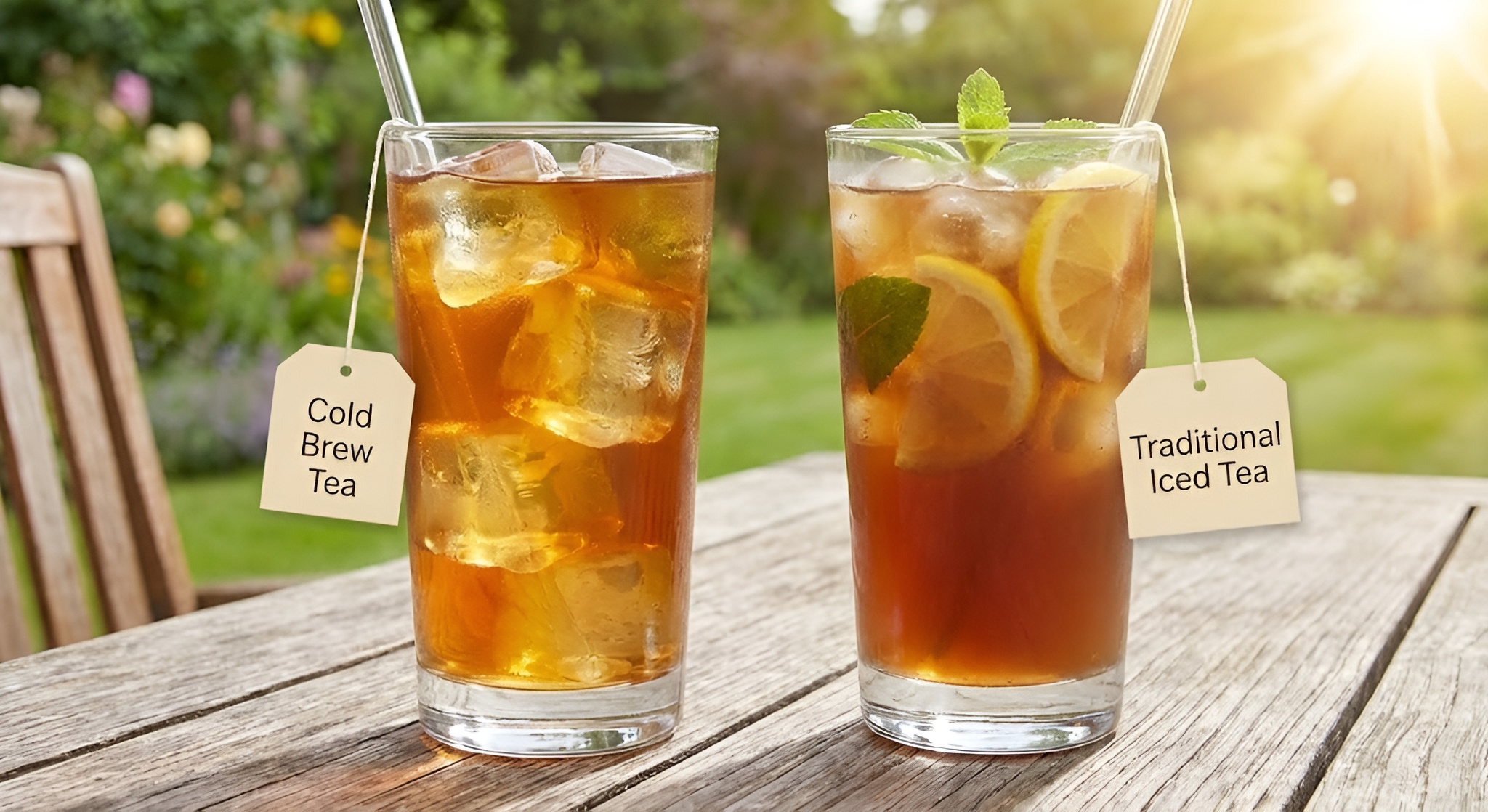
Water temperature and time matter: most of these are seeds, barks, or leaves rich in volatile oils and alkaloids that extract best at or near boiling, with longer contact. Cover the vessel while steeping to prevent volatile loss. Because therapeutic doses can taste strong or bitter, traditional blends often add liquorice root (a sweet demulcent that also has mild oestrogenic activity), peppermint, or rose petals for palatability. Just ensure the active herbs remain the majority by weight. If you want convenience, some UK brands – Pukka Womankind, Heath & Heather Raspberry Leaf & Nettle, Yogi Woman's Moon Cycle – offer credible blends, though you may still need two bags per cup to approach trial doses. For those interested in cold infusions, note that cold water extracts fewer phenols and alkaloids; hot brewing followed by chilling is preferable if you want therapeutic strength.
7. Quality, Safety, and Interactions – What UK Buyers Must Know
The UK herbal-tea market is lightly regulated. Products sold as foods (teas) do not require the same pre-market authorisation as Traditional Herbal Registration (THR) medicines, so potency, purity, and provenance vary widely. A 2019 study by the Royal Pharmaceutical Society found that herbal teas on UK supermarket shelves sometimes contained less than half the declared herb, bulked with carrier leaf or stems. For menstrual teas, where you may be consuming larger quantities over weeks, choose organic certified brands or specialist herbal suppliers (Hambleden Herbs, Neal's Yard, Cotswold Health Products) that batch-test for active constituents and contaminants.
Safety: the six herbs covered here have long traditional use records and are generally well tolerated, but they are not inert. Ginger at high dose may increase bleeding risk, especially if combined with NSAIDs or anticoagulants. Raspberry leaf should be avoided in early pregnancy. Chasteberry can disrupt hormonal contraception and should not be combined with dopamine agonists or antagonists. Fennel contains anethole, a phytoestrogen; avoid therapeutic doses if you have oestrogen-sensitive cancers. Cinnamon (especially cassia) contains coumarin; chronic high intake may stress the liver in susceptible individuals. Chamomile is in the Asteraceae family and can cause allergy in those sensitive to ragweed or chrysanthemum.
Drug interactions are real. If you take warfarin, SSRIs, antipsychotics, the contraceptive pill, hormone replacement therapy, or fertility drugs, disclose herbal tea use to your GP or pharmacist. Even 'natural' compounds modulate cytochrome P450 enzymes and can alter drug metabolism. Finally, remember that severe or worsening menstrual pain, heavy bleeding requiring pad changes more than hourly, or new-onset symptoms after age 25 warrant investigation for endometriosis, fibroids, adenomyosis, or other pathology. Herbal teas are supportive and symptomatic, not diagnostic or curative. The evidence-based approach to tea and chronic conditions always begins with a proper medical assessment, then complements – never replaces – conventional care.
Keep a Symptom Diary for Three Cycles
Herbal interventions for hormonal symptoms take time. Track pain intensity, mood, flow, and other markers for three full cycles before judging efficacy; placebo response in menstrual trials is high, so objective logging helps.
8. Buying Loose Leaf and Blends in the UK – What to Look For
If you've decided to try therapeutic menstrual tea, loose leaf from a reputable herbalist is almost always preferable to supermarket teabags. Look for suppliers that list botanical Latin names, country of origin, and harvest year. Organic certification (Soil Association in the UK) offers some assurance against pesticide residues, which matter when you're drinking multiple cups daily. For single herbs, Hambleden Herbs, Cotswold Health Products, and Neal's Yard Remedies all stock organic raspberry leaf, fennel seed, and chamomile in 50–500 g bags; prices run £3–8 per 100 g, and that quantity will make 30–50 cups at therapeutic strength.
Pre-blended 'women's' teas vary in quality. Pukka Womankind combines shatavari, raspberry leaf, rose, and marigold; it's pleasant and uses organic herbs, but the dose per bag is modest. Yogi Woman's Moon Cycle includes chasteberry, raspberry leaf, and dong quai in a sweet, liquorice-heavy base; again, you may need two bags per cup. Heath & Heather Raspberry Leaf & Nettle is UK-made, affordable, and straightforward. For more tailored blends, consider visiting a medical herbalist (find one via the National Institute of Medical Herbalists, NIMH); a consultation costs £60–90 but results in a bespoke prescription at the dose and combination suited to your cycle and symptoms.
Avoid blends marketed with hyperbolic 'balance your hormones' or 'detox your womb' claims; these are red flags for poor-quality formulation. Equally, steer clear of very cheap imported blends with vague ingredient lists; adulteration and contamination (heavy metals, moulds) are documented problems. If you're assembling your own blend, a simple three-part formula works well: 50% active (ginger or raspberry leaf), 30% supporting (fennel, cinnamon), 20% flavour (chamomile, peppermint, rose). Store in an airtight tin away from light; whole seeds and bark keep longer than cut leaf. Finally, if the idea of a monthly tea ritual appeals and you'd like to explore broader herbal routines, curated tea gift sets and samplers can be a low-commitment way to trial several herbs before committing to larger quantities.
Grind Seeds Fresh for Maximum Potency
Fennel and coriander seeds release far more anethole and linalool if you crush them in a pestle just before brewing. Pre-ground spice loses volatile oils within weeks of milling.




Comments