
1. Read the Kick-Off, Not the Clock
The caffeine window: A football match is not 90 minutes of viewing — it is closer to three hours once you count the build-up, half-time, stoppage time and, in the knockouts, extra time and penalties. Caffeine peaks in the blood about 45 minutes after you drink it and has a half-life of roughly five to six hours, meaning a strong cup at kick-off is still half-working at bedtime. The single most useful habit of the tournament is to look at the kick-off time first and decide your caffeine from there. For the underlying numbers, our piece on caffeine in tea versus coffee gives the per-cup figures.
The three brackets: Afternoon games (UK 17:00–19:00) are a free hit — caffeinate as you like. Evening games (UK 20:00–22:00) want a measured single strong cup early, then a switch. Late games (UK 23:00 and 01:00) want your caffeine front-loaded before the warm-up and caffeine-free thereafter. Each bracket gets its own brew below.
2. The Hot Afternoon Game: Iced Brews That Hydrate
Why iced, not fizzy: July afternoons in front of the football are thirsty work, and the instinct to reach for a cold cola or beer leaves you dehydrated by the final whistle. Cold-brewed iced tea is the smarter base layer: it is naturally low in bitterness, takes sweetening well, and keeps you genuinely hydrated. The method — steeping leaf in cold water in the fridge overnight — is laid out in our cold brew versus iced tea guide, and a dozen long-drink recipes are in our iced tea recipes collection.
The host-nation tie-in: Lean into the tournament by brewing a host-nation cooler — a jug of ruby Mexican agua de jamaica or a Southern-style sweet tea, both detailed in our host-nation guide. On the hottest days, an electrolyte-boosted iced brew earns its place; we explain the science in our heatwave hydration piece.
3. The Watch-Party Punch: One Brew, A Whole Room
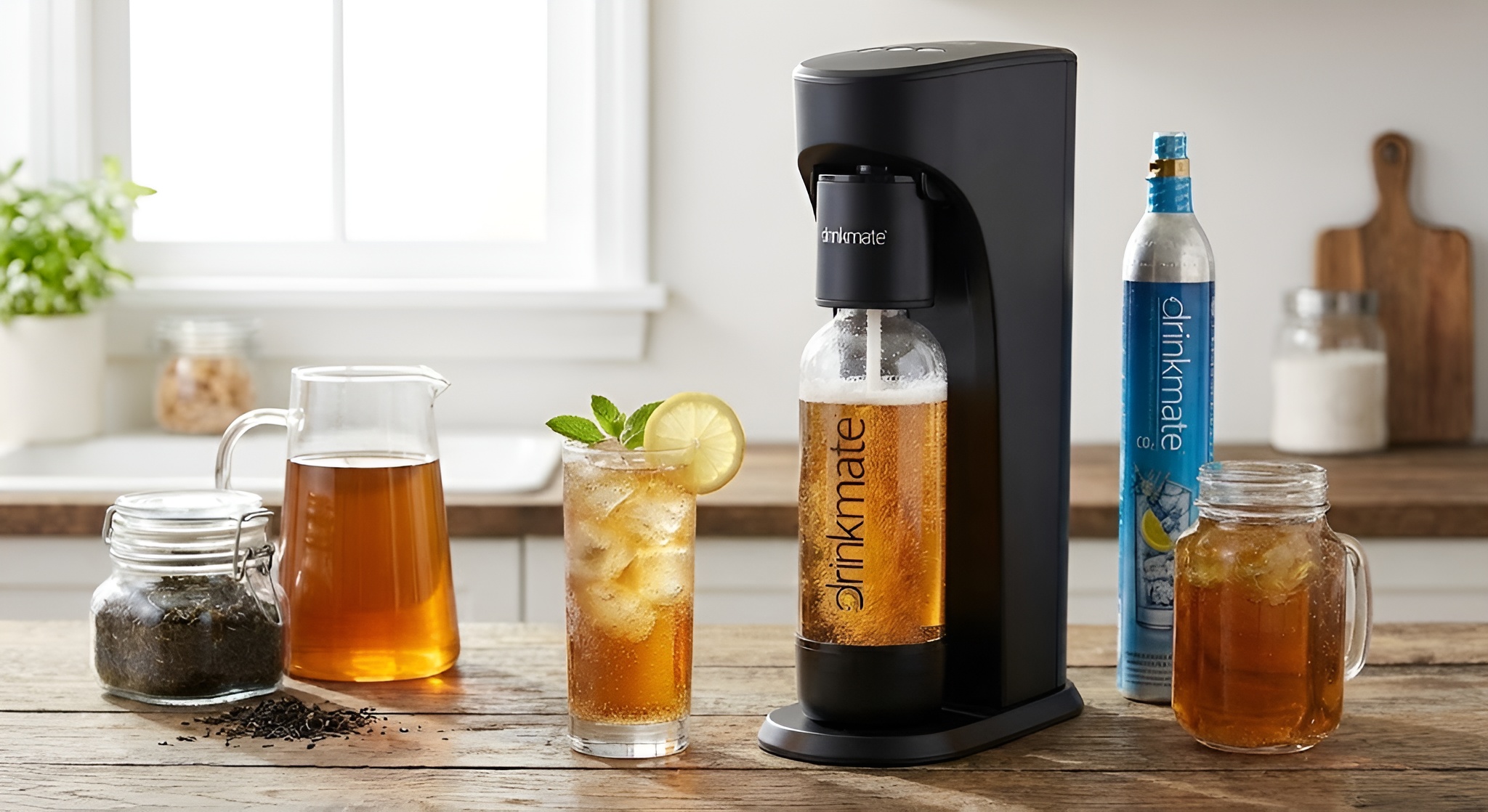
Batch, don’t pour: Hosting friends for a big group game is the moment to stop making individual cups. A single two-to-three-litre iced-tea punch — cold-brewed black or green tea, citrus, a little sugar or honey, and plenty of ice — serves a room and frees you to actually watch the match. A large dispenser or pitcher with a tap is worth its weight on a busy afternoon; we cover the options in our match-day tea kit review.
Make it a tournament centrepiece: A three-jug flight — Mexican hibiscus, Moroccan mint and a classic English iced black — turns the drinks table into a talking point and nods to the nations on screen. For the food side, our summer BBQ tea pairings match each brew to the grill, and the exact teas to buy are ranked in our nation-by-nation tasting review.
4. The Late Kick-Off: Caffeine Timing for the 11pm & 1am Games
Front-load and switch: The North American schedule means the biggest knockout dramas land late for UK viewers. The rule is simple: take your last caffeinated cup no later than the warm-up, then switch to something that will not keep you up. If a 23:00 kick-off needs a lift, a single cup of green tea at 22:00 gives a gentle, L-theanine-smoothed alertness rather than a jittery spike — the calming amino acid is explained in our L-theanine guide.
The 1am problem: For a 01:00 start there is no good caffeine answer — anything strong enough to keep you sharp will still be active at sunrise. Go caffeine-free from the outset and accept that the buzz of the match itself will carry you. Save the real lift for the morning after.
5. After the Final Whistle: The Wind-Down & Recovery Cup
Coming down from a late game: A tense knockout match leaves you wired regardless of what you drank, and a caffeine-free herbal helps the nervous system climb back down. Chamomile is the classic; lemon balm is the underrated one, gently easing tension without sedation, as covered in our lemon balm guide. For the nights you genuinely need to be asleep fast, a dedicated blend does the job — see our best sleep tea review.
The morning after: This is where caffeine earns its keep. A strong breakfast brew or, if you are matching the South American contenders, a bracing gourd of yerba mate resets a short night without the crash of a double espresso. Plan the recovery cup the night before and the tournament stops costing you your mornings.
⚽ The 2026 World Cup Tea Series
This article is part of our connected guide to tea and the 2026 World Cup. Explore the full series:
- Yerba Mate & The 2026 World Cup: A South American Drink Goes Global
- Tea Cultures of the 2026 World Cup Host Nations: USA, Canada & Mexico
- What the World’s Football Nations Drink: Tea Traditions at the 2026 World Cup
- Best Teas for the 2026 World Cup: A Nation-by-Nation Tasting Guide
- Best Match-Day Tea Kit for the 2026 World Cup


Comments