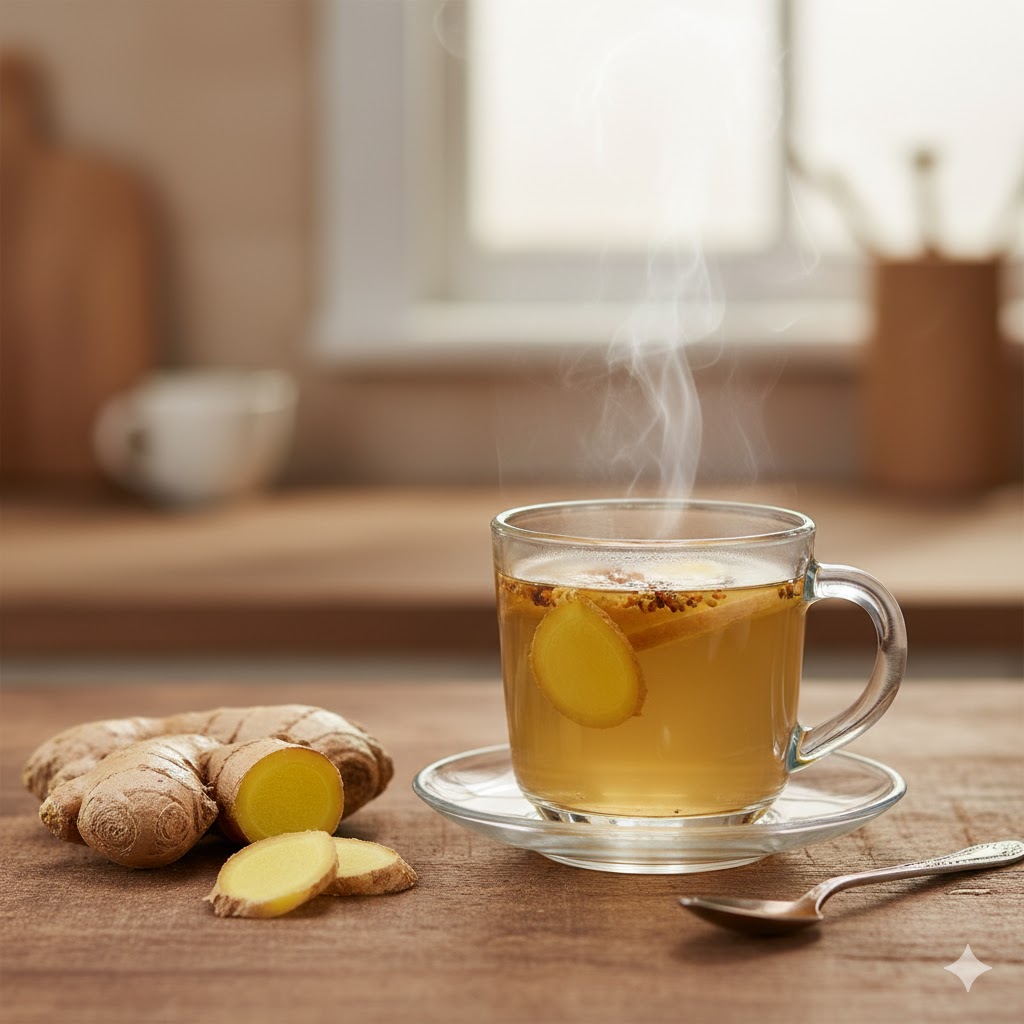
1. Why Late Summer Brings More Colds: The August Immune Dip and Post-Festival Flu
August occupies an awkward epidemiological niche. Unlike the well-recognised winter cold-and-flu season, late summer lacks the public-health messaging and collective caution that accompany October's first frosts. Yet UK primary-care data consistently show a smaller but significant uptick in upper respiratory tract infections (URTIs) in late August and early September. The reasons are multifactorial: festival season concentrates thousands of people in fields with shared facilities, poor ventilation in tents, sleep deprivation, and often suboptimal nutrition—all of which compromise immune surveillance. Add increased domestic and international travel (airports and planes are reliable viral vectors), the physiological stress of transitioning from holiday mode back to work or school routines, and the UK's notoriously fickle late-summer weather—25°C one day, 14°C and drizzling the next—and you create conditions ripe for respiratory pathogens to circulate.
The term 'post-festival flu' is colloquial but accurate. Attendees at events like Glastonbury, Reading, Leeds, and Boardmasters frequently report cold-like symptoms within 48–96 hours of returning home. While some cases are genuine influenza (which circulates year-round at low levels), most are rhinovirus, coronavirus (the common-cold varieties, not SARS-CoV-2 exclusively), or adenovirus infections. The immune system's response—inflammation, mucus production, fatigue—is what you experience as 'being ill.' Understanding this context is critical: tea cannot prevent infection if you've already been exposed, but certain compounds can modulate the immune response, reduce symptom severity, and support the body's natural recovery processes. The goal is pragmatic symptom management and physiological support, not a magic bullet.
Environmental factors compound the problem. The UK's late-summer weather is increasingly volatile, with sudden rain and temperature drops catching people in inadequate clothing and chilling damp skin. Cold stress transiently suppresses certain immune functions, particularly in the nasal mucosa, where lower temperatures favour viral replication. Meanwhile, indoor air conditioning (more common in UK offices and retail spaces than a decade ago) dries mucous membranes, reducing their barrier function. All of this creates a late-summer immune landscape where a well-chosen, bioactive brew can offer genuine, if modest, physiological support.
Hydration Before Heroics
If you're returning from a festival or feeling run-down, rehydration is your first priority—before any 'immune-boosting' tea. Brew weak, warm teas and drink them frequently; dehydration alone worsens every cold symptom and delays recovery.
2. The Case for (and Against) Caffeine During Illness: When to Switch to Caffeine-Free Brews
Caffeine's role during illness is more nuanced than most tea drinkers assume. Moderate intake—roughly 200–300 mg per day, equivalent to three to four mugs of strong black tea—is generally well-tolerated even during a mild cold, and may help counteract the malaise and headache that accompany viral infections. Caffeine's pharmacology includes central nervous system stimulation, mild bronchodilation (which can ease breathing), and analgesic potentiation (it enhances paracetamol's effectiveness, which is why some cold remedies include it). For someone with a mild sniffle who needs to function at work or care for family, a morning mug of strong Assam is unlikely to cause harm and may provide short-term relief.
However, caffeine becomes problematic when illness is more acute, sleep is already disrupted, or you're relying on multiple caffeinated drinks to power through fatigue. Caffeine is a diuretic (though tea's net hydration effect remains positive), and during illness—when fever, mouth-breathing, and reduced fluid intake already predispose to dehydration—every additional diuretic load matters. More critically, caffeine interferes with restorative sleep, and sleep is the single most important behavioural factor in immune recovery. Even a 200 mg dose taken six hours before bed measurably reduces slow-wave sleep and REM duration. If you're already waking frequently due to congestion or coughing, adding a late-afternoon caffeine hit will further fragment sleep architecture and delay recovery.
The practical advice: front-load caffeine if you use it at all. A single morning brew provides wakefulness and mild symptom relief without jeopardising evening sleep. After midday, switch to caffeine-free options—rooibos, herbal infusions, or naturally low-caffeine white teas (though even white tea contains 15–30 mg per cup, which accumulates). If you're experiencing significant fatigue, resist the temptation to 'power through' with successive strong brews; fatigue during illness is a signal to rest, and overriding it with stimulants typically prolongs recovery. For those returning from festivals where sleep debt is already severe, prioritising caffeine-free sleep teas from day one is often the wisest strategy.
3. Immune-Supporting Compounds in Tea: Polyphenols, Catechins, and Realistic Expectations
Green and white teas, particularly those rich in epigallocatechin gallate (EGCG), have attracted significant research interest for their potential antiviral and immunomodulatory effects. In vitro studies demonstrate that EGCG can inhibit viral replication of influenza, certain coronaviruses, and rhinoviruses by interfering with viral entry and protein synthesis. Human data are sparser and more equivocal: some small trials suggest that regular green-tea consumption (typically 3–5 cups daily over several months) may reduce the incidence or duration of URTIs, while others find no significant effect. The difference likely hinges on dose, brewing strength, individual absorption variability, and baseline immune status. EGCG's bioavailability is notoriously poor—much of it is metabolised in the gut and liver before reaching systemic circulation—so the concentrations achieved in human tissues are far lower than those used in cell-culture experiments.
Other polyphenols and volatile compounds contribute to tea's anti-inflammatory and antioxidant effects. Theaflavins and thearubigins in black tea, flavonoids in oolong, and various phenolic acids across all tea types modulate cytokine production and oxidative stress. During an acute infection, the body's immune response generates reactive oxygen species (ROS) as part of pathogen clearance; excessive ROS, however, damage host tissues and prolong inflammation. Antioxidant compounds in tea can, in theory, buffer this oxidative burst. Again, real-world evidence is modest: you should expect supportive, marginal benefits—perhaps a half-day shorter symptom duration, or slightly milder throat pain—not a dramatic turnaround.
Herbal infusions bring their own phytochemicals. Echinacea (though evidence is mixed and product quality varies wildly), elderflower and elderberry (which contain anthocyanins and may reduce viral load in some studies), and ginger (a COX-2 inhibitor with anti-inflammatory and antiemetic properties) all have plausible mechanisms and centuries of traditional use. The key is managing expectations: these are supportive adjuncts, not replacements for rest, hydration, and—when appropriate—medical treatment. If symptoms worsen, persist beyond a week, or include high fever, difficulty breathing, or severe pain, consult a healthcare professional. Tea is part of a sensible self-care toolkit, not a stand-alone cure.
Brew Strength Matters for Polyphenols
To maximise catechin and polyphenol extraction, steep green or white tea for 5–7 minutes at 70–80°C, longer than typical 'delicate' recommendations. The slight bitterness is acceptable when you're prioritising bioactive yield over gourmet flavour.
4. Sore Throat Relief: Demulcent Herbs and the Science of Coating
A sore throat—clinically, pharyngitis—is one of the most common and distressing symptoms of URTIs. The pain arises from inflammation and irritation of the pharyngeal mucosa, often exacerbated by post-nasal drip, mouth-breathing (especially at night), and dry indoor air. Demulcent herbs work by forming a protective, soothing film over inflamed tissue, reducing direct contact with irritants and temporarily dampening pain signals. Unlike systemic analgesics, the effect is purely topical and mechanical, but it is real, rapid, and remarkably effective for mild to moderate throat pain.
Liquorice root is the UK's best-known demulcent tea. It contains glycyrrhizin, a triterpene saponin that is intensely sweet (about 50 times sweeter than sucrose) and possesses anti-inflammatory and mild antimicrobial properties. The mucilage in liquorice—a complex polysaccharide—coats the throat, and the sweetness stimulates saliva production, which further lubricates and cleanses the mucosa. Marshmallow root (Althaea officinalis) and slippery elm (Ulmus rubra) function similarly, though they are less common in UK retail blends. All three are naturally caffeine-free, making them ideal for evening use when sore throats often feel worst due to nighttime mouth-breathing and reduced saliva flow.
For maximum benefit, brew demulcent teas strong and sip them slowly. A quick gulp delivers the liquid to your stomach; a slow sip allows prolonged mucosal contact. Brew liquorice root at a full rolling boil for 10 minutes to extract maximum mucilage and glycyrrhizin, then let it cool to a comfortably warm (not scalding) temperature. The warmth itself is therapeutic—heat increases local blood flow, which aids immune-cell trafficking to the infected area—but avoid temperatures that cause further tissue damage. If you dislike liquorice's distinctive anise-like flavour, blend it with elderflower, chamomile, or peppermint; the demulcent effect persists even in a blend. One caution: do not consume large amounts of liquorice daily for extended periods. Glycyrrhizin can cause pseudoaldosteronism (sodium retention, potassium loss, elevated blood pressure) in susceptible individuals, particularly at doses above 100 mg glycyrrhizin per day over weeks. For short-term use during a cold (a few days to a week), it is safe for most people, but those with hypertension or kidney disease should exercise caution.
Cool, Don't Ice, for Sore Throats
While warm to hot tea soothes most sore throats, some people find cool (not iced) brews more comfortable when swelling is severe. Brew strong, then refrigerate to lukewarm—cold constricts blood vessels and may prolong inflammation.
5. Hydration, Mucus Viscosity, and the Overlooked Role of Plain Tea
Much of the 'immune support' discourse around tea focuses on exotic compounds and antiviral claims, but the most fundamental benefit is often the simplest: hydration. Even mild dehydration (a 1–2% loss of body mass) impairs cognitive function, increases perceived exertion, worsens headache, and—crucially for cold sufferers—thickens respiratory mucus. Thick, viscous mucus is harder to clear via coughing or ciliary action, prolongs congestion, and creates a more hospitable environment for secondary bacterial colonisation. Adequate hydration keeps mucus thin and mobile, making it easier to expel and reducing the 'stuffed-up' sensation that defines so many colds.
All tea—black, green, white, oolong, rooibos, herbal—contributes to daily fluid intake. The old myth that caffeinated tea 'doesn't count' because caffeine is a diuretic has been repeatedly debunked: while caffeine does have a mild diuretic effect, the volume of water in the tea far exceeds any fluid loss. A 2014 study in PLOS ONE found no significant difference in hydration status between groups drinking caffeinated tea versus plain water over 24 hours. That said, balance remains important. If you're drinking five strong mugs of Assam CTC and no plain water, you're probably over-caffeinating and under-hydrating relative to your needs during illness. The ideal approach: alternate caffeinated and caffeine-free teas throughout the day, and aim for at least 2–2.5 litres of total fluid intake if you're mildly unwell.
Electrolyte balance matters too. Fever, sweating, and reduced appetite can deplete sodium and potassium. Adding a pinch of high-quality sea salt to a mug of broth-like herbal tea (e.g., ginger, turmeric, or miso-flavoured blends) can help maintain electrolyte levels without resorting to sugary sports drinks. Some UK tea drinkers swear by a 'builder's tea with honey and lemon'—the honey provides quick-release glucose (helpful if appetite is poor), the lemon adds vitamin C (which, despite its reputation, shows only marginal benefit in reducing cold duration in most people, though it may help if you're deficient), and the ritual itself is comforting. Never underestimate the psychosomatic benefit of a warm, familiar drink when you feel rotten; stress and anxiety worsen immune function, and anything that promotes calm and rest indirectly supports recovery.
6. Practical Brewing and Dosing Strategies for Maximum Symptom Relief
If you're brewing tea for therapeutic effect rather than leisure, strength and frequency matter more than elegance. For immune-supporting green or white tea, steep 3–4 grams of leaf per 250 ml water at 75–80°C for 5–7 minutes—longer than you would for flavour alone. This maximises polyphenol extraction, though it will produce a more astringent, slightly bitter brew. If bitterness is intolerable, add a teaspoon of honey (which itself has mild antimicrobial properties) or blend with a more palatable base like rooibos. Drink three to five cups spread across the day; a single morning dose won't maintain tissue levels of bioactive compounds.
For demulcent throat teas, use more herb than you think necessary—5 grams of liquorice root or marshmallow per 250 ml—and simmer (don't just steep) for 10 minutes to extract mucilage. Strain well to remove particulate matter, then sip slowly while still warm. If your throat is extremely painful, let the tea cool to lukewarm; scalding liquid will exacerbate inflammation. Dose every 2–3 hours during waking hours for sustained relief.
Steam inhalation is an underappreciated benefit of hot tea. As you raise the mug to your lips, the steam delivers moisture and volatile compounds (menthol from peppermint, eucalyptol from certain herbal blends) directly to nasal passages, temporarily relieving congestion and sinus pressure. For enhanced effect, brew peppermint or eucalyptus tea in a large mug, lean over it with a towel draped over your head (creating a 'tent'), and inhale deeply for 5–10 minutes before drinking. This is particularly helpful first thing in the morning and before bed, when congestion tends to peak.
Timing also matters for caffeine-free recovery brews. If you're trying to reset your sleep after festival comedown or illness-related disruption, establish a ritual: a mug of chamomile, valerian, or lemon balm tea 60–90 minutes before your target bedtime, in a calm environment with dim lighting. The compounds in these herbs (apigenin in chamomile, valerenic acid in valerian) have mild anxiolytic and sedative effects, and the ritual itself signals to your brain that sleep is approaching. Consistency enhances the effect; one night won't reset your circadian rhythm, but a week of disciplined timing will.
The Two-Kettle Strategy
Keep one kettle for strong, medicinal brews (demulcents, long-steeped greens) and another for your usual drinking tea. This prevents flavour contamination and reminds you that your 'recovery tea' is a different category—functional, not just comforting.
7. Which Teas to Choose: A Category-by-Category UK Buying Guide
Navigating the UK tea market for recovery brews requires cutting through marketing claims and focusing on functional composition. For immune support, prioritise high-quality green or white teas with documented catechin content. Japanese senchas and Chinese Longjing (Dragonwell) are reliably high in EGCG; avoid 'green tea extract' supplements unless you're confident in third-party testing, as quality varies wildly and some formulations have been linked to hepatotoxicity at high doses. UK specialist retailers and reputable online vendors (such as those reviewed in our travel tea kit guide) stock single-origin greens with transparent sourcing. Expect to pay £8–15 per 100 grams for quality leaf.
For sore throat relief, seek out pure liquorice root tea or blends that list it as the first ingredient (indicating higher concentration). Pukka, Clipper, and Heath & Heather all offer widely available UK blends; check that liquorice root (Glycyrrhiza glabra) appears by name, not just 'natural flavouring.' Marshmallow root is harder to find in mainstream supermarkets but available from health-food shops and online herbalists; Cotswold Health Products and Hambleden Herbs are reputable UK suppliers. Expect £3–6 per 100 grams for dried root, which sounds expensive until you realise 10 grams yields two strong therapeutic mugs.
For caffeine-free hydration and evening use, rooibos is a UK staple—naturally sweet, rich in antioxidants (though different from tea polyphenols), and widely available at all price points. Tick Tock is the supermarket go-to; for premium single-estate rooibos, look to specialist importers. Chamomile, peppermint, and ginger are also ubiquitous and effective; buy organic where possible (pesticides concentrate in flowers and roots), and choose whole flowers or root pieces over dust-fine teabags for better flavour and potency. If you're assembling a late-summer recovery kit, include a tin each of strong green tea, liquorice root, rooibos, and peppermint—this quartet covers immune support, throat soothing, hydration, and digestive/respiratory relief.
Finally, consider blends designed for immune support or cold relief. While some are marketing fluff, others are thoughtfully formulated. Look for blends combining echinacea, elderflower, liquorice, and ginger—all have plausible mechanisms. Avoid anything promising to 'boost immunity 300%' or listing ten different 'superfoods'; complexity usually masks low concentrations of each ingredient. Read reviews from credible sources (including our own family picnic tea recommendations) and trial small quantities before committing to bulk purchases. Your palate and body will tell you what works.
Source Transparency Signals Quality
For functional teas, origin and processing detail matter. If a vendor can tell you the region, harvest date, and processing method, they're more likely to stock potent, well-stored leaf. Generic 'green tea' or 'herbal blend' often means stale commodity grade.
8. When Tea Isn't Enough: Red Flags and the Limits of Self-Care
Tea is a valuable component of self-managed recovery from mild URTIs, but it is not a substitute for medical assessment when symptoms suggest something more serious. Seek prompt medical advice if you experience: high fever (above 38.5°C) persisting more than three days, significant difficulty breathing or shortness of breath at rest, chest pain, persistent severe headache (especially with neck stiffness, which may indicate meningitis), confusion, or failure to improve after 7–10 days. Post-festival attendees should be particularly vigilant for signs of bacterial pneumonia (productive cough with green or rust-coloured sputum, pleuritic chest pain) or streptococcal pharyngitis (severe throat pain, difficulty swallowing, swollen lymph nodes), both of which require antibiotics.
Vulnerable groups—young children, elderly adults, pregnant women, and those with chronic respiratory, cardiac, or immune conditions—should have a lower threshold for seeking professional care. What constitutes a 'mild cold' in a healthy 30-year-old can rapidly escalate in someone with asthma, COPD, or diabetes. If you're in one of these groups and feeling unwell, a call to NHS 111 or your GP practice is a sensible precaution, even if symptoms seem minor. Tea supports, it does not replace, clinical judgement.
Finally, be wary of wellness culture's tendency to moralise illness. You did not 'fail' because you caught a cold; viral exposure is often unavoidable, and immune function is influenced by genetics, sleep, stress, nutrition, and countless other factors, many beyond your control. Drinking the 'right' tea will not guarantee you avoid illness, nor does catching a bug mean you drank the 'wrong' one. The goal of this guide is to empower informed, pragmatic choices within the scope of what tea can realistically offer: modest symptom relief, physiological support, and the comfort of a warm mug when you're feeling under the weather. That is enough.


Comments