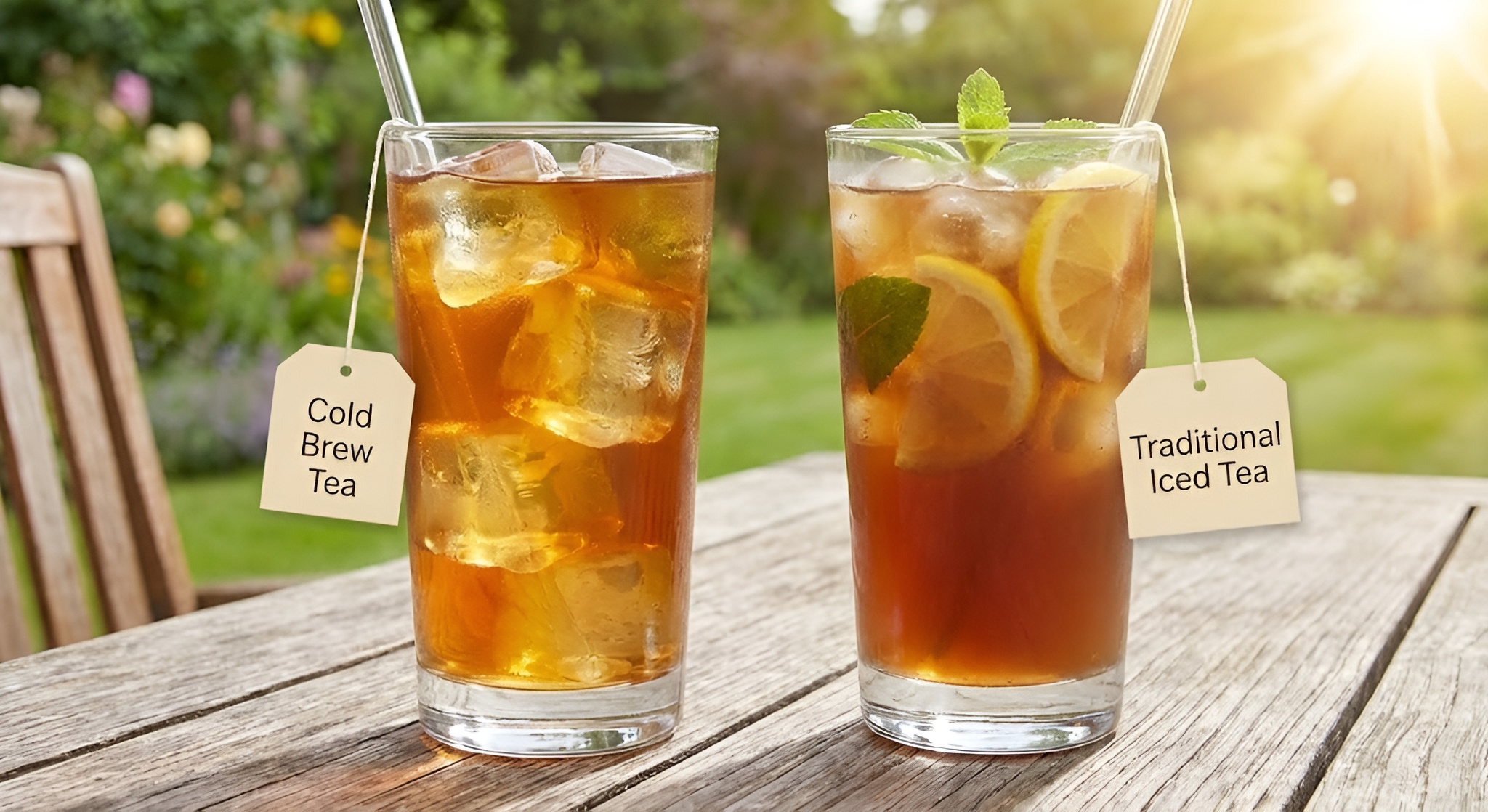
1. Why Tea Strategy Matters During the Summer Holidays
The six-week break obliterates the term-time rhythm that normally governs adult caffeine intake and children's hydration. You lose the predictable 7 a.m. alarm, the school-run adrenaline spike, and the quiet morning window for a proper brew. Instead, you're woken earlier—often by 6 a.m.—and face a day of unstructured demands: entertaining bored children, packing for spontaneous trips, and maintaining hydration when squash and fizzy drinks are the path of least resistance. Without a conscious tea plan, parents default to over-caffeinating (a strong mug every hour to cope) or under-hydrating children (because brewing feels like one more chore).
A thoughtful approach solves both problems. For adults, it means front-loading caffeine to match your shifted cortisol peak and choosing brews that remain drinkable for hours in a flask, so you're not brewing on a layby at Junction 15. For children, it means understanding which teas are genuinely safe (no caffeine for under-fives, minimal tannin for under-tens), how to make them taste good without 20 g of added sugar, and which recipes survive a hot car boot. The goal is not perfection—it's a system that keeps everyone hydrated, reasonably calm, and avoids the 4 p.m. meltdown (yours or theirs). Throughout this guide, we'll link to our best iced tea recipes and travel tea kits that make the six weeks more survivable.
2. Caffeine Timing for Parents: Adapting to Broken Sleep and Early Mornings
Your cortisol—the hormone that naturally wakes you—peaks 30–45 minutes after you open your eyes, whenever that happens. During term time, that might be 7:30 a.m.; in the holidays, it's often 6 a.m. or earlier, courtesy of children who've forgotten the concept of a lie-in. Drinking caffeine before your cortisol peak is less efficient (you're fighting your body's own wakefulness system) and can leave you more tired later. The practical implication: if you're now waking at 6 a.m., delay your first proper brew until 6:30 or 6:45 a.m., and make it a strong one—Assam, a bold Yunnan black, or a Kenyan purple tea if you want both caffeine and novelty.
The second challenge is cumulative sleep debt. If you're woken multiple times a night by a child who's too hot, too bored, or inexplicably awake at 3 a.m., your sleep architecture is fragmented. Caffeine can't fix that, but it can prevent you from compounding the problem. The general guidance: avoid caffeine after 2 p.m. if you're already struggling to fall asleep, and consider a mid-morning second brew (around 10–11 a.m.) rather than a constant drip-feed of weak tea. A 200–300 ml mug of properly steeped black tea contains roughly 40–70 mg caffeine; two strong mugs before noon will carry most adults through the day without interfering with night-time sleep. If you're also dealing with heat, our guide to sleep tea for hot nights covers evening alternatives that won't keep you wired.
The Two-Brew Rule
If your sleep is already broken, limit yourself to two strong brews before midday rather than six weak ones spread across the afternoon. You'll get better focus in the morning and avoid the cycle where caffeine masks tiredness, then prevents the sleep that would fix it.
3. Child-Safe Tea: Age Limits, Caffeine Levels, and the Honey Rule
There is no universally agreed safe caffeine threshold for children, but UK and European guidance suggests under-fives should avoid caffeine entirely, and children aged 5–12 should consume no more than 45–60 mg per day (roughly one weak cup of black tea, or two cups of green tea). The concern is not acute toxicity—it's sleep disruption, increased anxiety, and the fact that children metabolise caffeine more slowly than adults. For summer hydration, that rules out strong black tea, any form of iced coffee, and most commercial iced tea blends, which often use a black tea base and add sugar to mask the bitterness.
The safest options for children are herbal infusions (rooibos, chamomile, peppermint), fruit tisanes (hibiscus with apple, strawberry and elderflower blends), and very weak, cold-brewed white or green tea if you want a 'real tea' experience. Never add honey to tea for children under 12 months—honey can contain Clostridium botulinum spores that cause infant botulism, a serious and sometimes fatal condition. For older children, honey is safe but very high in fructose; a better option is to sweeten with fresh fruit (muddled strawberries, a squeeze of orange) or a small amount of caster sugar. If you're buying ready-made, check labels for synthetic colours (E102 Tartrazine, E133 Brilliant Blue) and preservatives; our bottled iced tea guide highlights brands that use natural ingredients.
Temperature also matters. Children's mouths are more sensitive to heat, and a tea brewed at 95°C can cause genuine discomfort (and a refusal to ever try tea again). For hot brews, aim for 60–70°C serving temperature; for iced teas, ensure they're properly chilled (4–6°C) to maximise appeal. Finally, watch tannin levels: over-steeped black or green tea tastes astringent and bitter, and children will reject it. Cold brewing—steeping tea in cold water for 4–8 hours—extracts minimal tannin and caffeine, producing a naturally sweet drink. Our deep dive into iced tea vs. cold brew explains the chemistry in detail.
Start with Rooibos
Rooibos (red bush) is naturally caffeine-free, low in tannin, and slightly sweet, making it the easiest introduction to tea for children. Cold-brew it overnight with sliced peach or strawberries, and you have a drink that rivals squash without added sugar.
4. Flask-Friendly Brews: What Survives Eight Hours in a Thermos
A flask is only useful if the tea inside still tastes good when you drink it, and not all teas are created equal here. Black tea—particularly robust Assams, Kenyan blends, and Ceylon—holds up best: the flavour mellows slightly over 6–8 hours but remains drinkable, and the tannins don't turn sour as quickly as lighter teas. Green tea is trickier. If you brew it hot and flask it, it will be bitter and astringent within 2–3 hours. If you cold-brew it and keep it chilled in an insulated bottle, it can last all day. White tea is too delicate for long flask life; by hour four, it tastes like warm, faintly floral water.
For family outings, your best options are either a strong black tea (for adults) or a caffeine-free fruit infusion (for everyone). A hibiscus-and-apple blend, cold-brewed overnight and flasked with ice cubes, will stay tart and refreshing for 10+ hours. If you want a single brew that pleases all ages, consider a very weak Darjeeling or a Nilgiri black tea, cold-brewed to reduce tannin. Add a handful of fresh mint and a squeeze of lemon just before you leave, and you have a drink that's safe for children over five and still interesting for adults. For gear recommendations, see our reviews of iced tea jugs, cold-brew pitchers, and travel tea kits designed for UK day trips.
5. Child-Friendly Iced Tea Recipes: Fruit, Colour, and Natural Sweetness
The secret to getting children to drink iced tea is colour, fruit, and a hint of sweetness—not synthetic syrups, but the natural sugars in fresh or frozen fruit. Here are three recipes that work reliably, use safe ingredients, and survive a car journey in a cool bag.
Strawberry & Rooibos Iced Tea: Cold-brew 2 tablespoons rooibos in 1 litre cold water for 6–8 hours (overnight in the fridge is easiest). In the morning, strain, then muddle 100 g hulled strawberries with 1 teaspoon caster sugar until broken down. Stir the strawberry mash into the rooibos, add ice, and pour into a jug or flask. The rooibos is caffeine-free, the strawberries add natural sweetness and a pink tint children love, and the whole thing stays good for 8+ hours chilled.
Peach & White Tea Iced Tea (for over-fives): Cold-brew 1 tablespoon white tea (Silver Needle or Bai Mu Dan) in 750 ml cold water for 6 hours. Slice one ripe peach thinly and add to the brewed tea with a squeeze of lemon. The caffeine level is very low (under 10 mg per 200 ml serving), the flavour is delicate and fruity, and the peach provides natural colour. This works for slightly older children (5–8 years) who are ready to try 'real' tea but need minimal tannin. For a batch-brewing approach that scales to a week's worth, see our guide to iced tea concentrate.
Apple & Mint Infusion: This is technically a tisane, not tea, so it's safe for all ages including toddlers. Chop one apple (skin on for colour), add 10 fresh mint leaves, and steep in 1 litre cold water overnight. Strain in the morning, add a squeeze of lime, and serve over ice. It's naturally sweet, visually appealing, and requires zero added sugar. If you're experimenting with frozen treats, our tea ice lolly guide adapts these same recipes into freezer-friendly versions.
Freeze Fruit for Colour and Chill
Frozen strawberries, raspberries or mango chunks added to iced tea act as both ice cubes and flavour. They keep the drink cold for hours, release colour and sweetness as they thaw, and children enjoy fishing them out at the end.
6. Batch Brewing and Make-Ahead Strategies: Surviving the Week Without Daily Faff
The single most effective sanity-saver for the summer holidays is batch brewing on Sunday evening. Make 1–2 litres of iced tea concentrate or cold-brewed tea, store it in the fridge, and you have grab-and-go hydration for picnics, packed lunches, and emergency 'we're leaving in five minutes' moments through Wednesday or Thursday. The best candidates for batch brewing are robust black teas (Assam, Kenyan breakfast blends), rooibos, and fruit infusions. Delicate teas (white, green, oolong) lose their nuance after 48 hours in the fridge, so brew those fresh if you want them.
For concentrate, brew tea at double or triple strength (e.g., 6 tablespoons loose leaf per litre instead of 2), let it cool, then refrigerate in a sealed jug. When you're ready to serve, dilute 1:1 with cold water or sparkling water, add ice, and go. This method is particularly useful if you're catering for mixed ages: adults can drink the concentrate diluted 1:1, children can have it diluted 1:2 or 1:3, and everyone gets a drink that suits their tolerance for strength and caffeine. Our iced tea concentrate guide includes ratios, storage times, and scaling advice for larger batches.
If you're buying rather than brewing, look for UK brands that offer low-sugar or no-added-sugar options and use natural fruit extracts rather than syrups. Our bottled iced tea buyer's guide reviews the main supermarket and independent brands available in 2026, with a focus on sugar content, ingredient transparency, and child safety. For DIY enthusiasts, consider investing in a dedicated cold-brew machine or jug with infuser basket—the upfront cost is £15–40, but the time saved over six weeks is substantial.
Label Your Batches
If you're making both caffeinated (for adults) and caffeine-free (for children) batches, label your jugs clearly with masking tape and a Sharpie. In the morning chaos, it's easy to pour the wrong one into a toddler's cup.
7. Picnic and Day-Trip Practicalities: Gear, Packing, and Spill Prevention
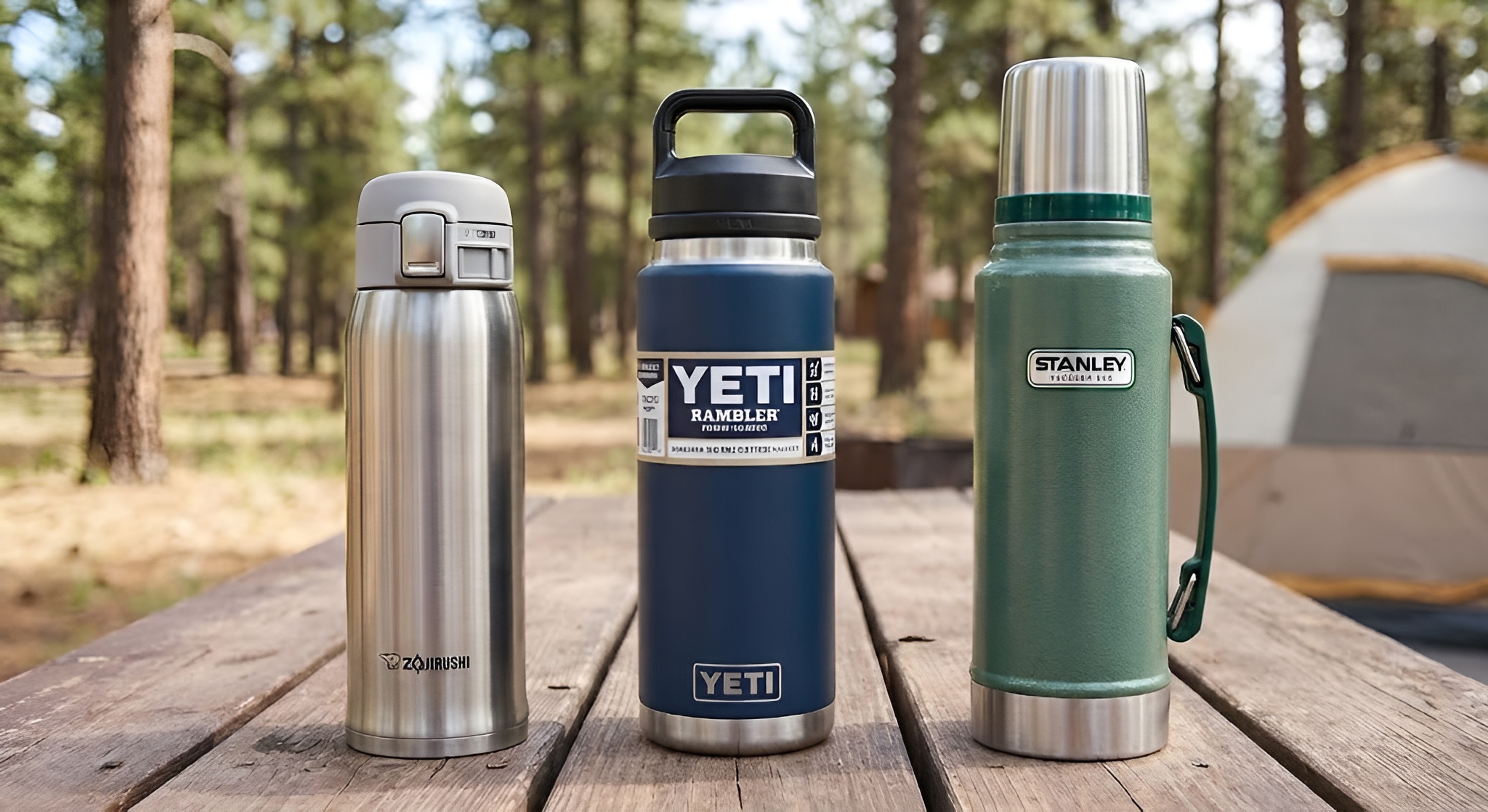
A well-chosen flask, jug or bottle makes the difference between a refreshing drink at 2 p.m. and a lukewarm disappointment. For adults, a 500 ml insulated stainless steel flask with a screw-top lid (not a push-button spout, which can leak) will keep black tea hot for 8 hours or iced tea cold for 10+. For children, look for spill-proof bottles with a flip straw or sippy-style spout; the best are BPA-free, dishwasher-safe, and have a carry loop. Our travel tea kits guide reviews complete setups (flask, infuser, cups) for UK family trips.
For group outings—National Trust picnics, beach days, theme parks—a 2-litre jug with a sealed lid and a handle is more practical than multiple flasks. Choose one with a wide mouth so you can add ice cubes or fruit without a funnel, and a removable infuser basket if you want to steep tea directly in the jug. Pack the jug in a cool bag with ice packs, not loose in a rucksack; even the best insulated jug will warm up in a hot car boot. If you're serving, bring a ladle or large spoon and reusable cups—single-use plastic cups blow away in a breeze and add to landfill. For a deep dive into jug options, see our reviews of iced tea pitchers and cold-brew carafes.
Finally, spill prevention: if you're packing tea in a bag with electronics, picnic food or library books, double-bag your flasks. Use a zip-lock freezer bag or a small dry bag as insurance. Even the best screw-top can leak if the flask is knocked on its side, and a litre of hibiscus tea in your laptop bag is a summer holiday disaster you don't need. If you're travelling further afield, our tea on flights guide covers airport security, in-flight brewing, and what you can (and can't) take through hand luggage.
8. Buying Advice for UK Parents: Supermarkets, Independents, and What to Avoid
For everyday family iced tea, the most cost-effective option is loose-leaf black tea or teabags from UK supermarkets—Tesco, Sainsbury's, Waitrose and Asda all stock own-brand Assam and Kenyan blends for £1–3 per 80-bag pack. These are perfectly adequate for cold brewing and batch recipes. If you want organic or Rainforest Alliance certified, expect to pay £3–5. For caffeine-free options, supermarket rooibos and fruit infusions (typically £2–3 per box) are widely available and safe for children; check the ingredients list for added sugars or flavourings, which are sometimes hidden in 'natural flavouring' blends.
For higher-quality loose leaf—Silver Needle white tea, Japanese sencha for low-caffeine iced tea, or interesting fruit blends—independent UK online retailers (Postcard Teas, Comins Tea House, The Rare Tea Company) offer better selection and transparency. Expect to pay £8–15 per 50 g, which sounds steep but yields 15–20 large mugs or 2–3 litres of iced tea. If you're experimenting with cold-brew techniques, our Japanese cold-brew sencha guide covers cultivars and methods in detail.
What to avoid: Pre-sweetened iced tea powders or syrups marketed for children often contain 20+ g sugar per serving, synthetic colours (E102, E133), and little to no actual tea. They're convenient, but nutritionally equivalent to squash or fizzy drinks. If you must buy ready-made, choose bottled iced teas with <5 g sugar per 100 ml and recognisable ingredients (tea, water, fruit juice, natural flavouring). Our bottled iced tea buyer's guide reviews the best UK supermarket and independent options for 2026, with a focus on family-friendly choices. If you're looking for gear to make your own, our reviews of iced tea makers and concentrate makers will point you toward systems that genuinely save time and hassle over the six-week break.
Stock Up Before the Rush
Supermarket tea aisles get picked over in the first week of July as parents realise they need six weeks' worth of supplies. Buy your bulk black tea, rooibos and fruit infusions in late June to avoid shortages and ensure you get your preferred brands.




Comments