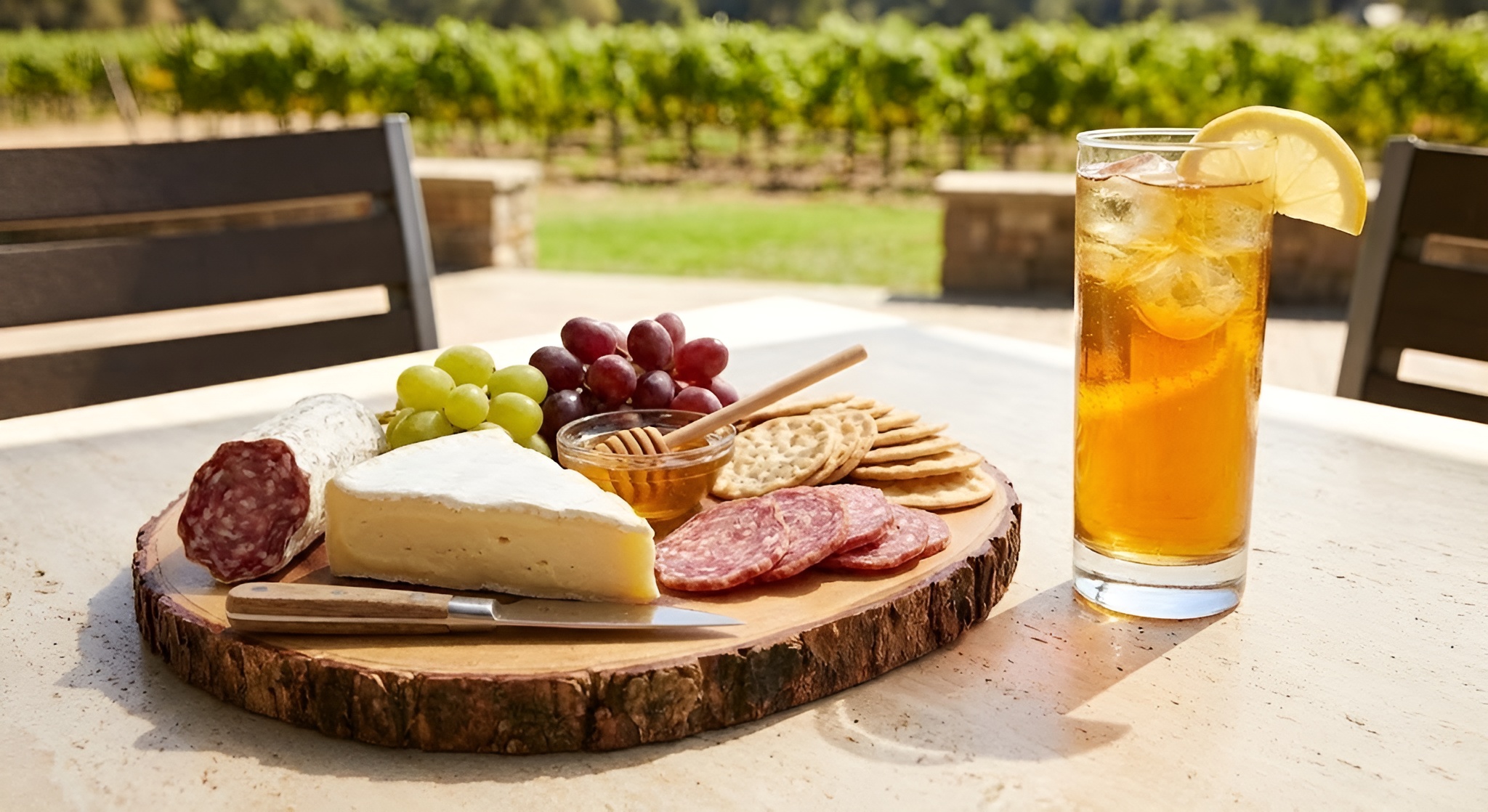
1. Why Tea Works in UK Pub Gardens Now—and What's Changed Since 2020
The UK pub garden landscape has transformed materially since the summer of 2020. What began as a pandemic necessity—outdoor-only service, table booking apps, one-way systems—has evolved into permanent infrastructure: weatherproof canopies, gas patio heaters, heated bench seating, and in some cases fully enclosed 'outdoor' pods with transparent walls and underfloor warming. By September 2026, an estimated 64% of pubs with gardens have invested in year-round outdoor facilities, and many now generate a third of their revenue from al fresco service even in autumn and early winter. This shift has coincided with a sustained rise in alcohol moderation: Dry January participation remains above 2019 levels, low-ABV and zero-alcohol beer sales have doubled, and a vocal cohort of younger drinkers treat pubs as social venues first and drinking establishments second.
Tea fits this context because it delivers ritual, warmth, and complexity without alcohol, and because it pairs naturally with the foods that anchor pub garden menus—pies, cheese boards, sausage rolls, and chips. Unlike coffee, which can feel incongruous in an evening setting, or soft drinks, which lack the sensory depth to match a multi-hour outdoor session, tea offers the tannic structure, aromatic range, and thermal comfort that make it a credible companion to beer and cider rather than a replacement. The key change is not the drink itself but the social permission to bring and consume it: in 2026, arriving at a pub with a thermos of loose-leaf oolong reads as thoughtful rather than eccentric, especially if you're part of a group that's ordering food and rounds. Landlords we spoke to report that they rarely object to BYO non-alcoholic drinks provided the drinker is contributing to the venue's revenue in other ways, and some now stock higher-quality tea themselves to capture the moderation market. For the purposes of this guide, we assume you are either bringing your own pre-brewed tea in an insulated vessel, or requesting hot water and loose leaf from a pub kitchen that can accommodate the ask—both are viable in September 2026, and both require forethought about which teas to choose and how to serve them outdoors.
The Thermos-First Rule
Always bring pre-brewed tea in an insulated tumbler. Asking pub staff to prepare loose-leaf correctly is rarely successful, and a visible, quality thermos signals that you're drinking intentionally, not abstaining grudgingly.
2. Which Tea Styles Pair with Beer, Cider, and Pub Drinks—and Why Oxidation and Roast Matter
Pairing tea with beer and cider is an exercise in structural compatibility rather than flavour mimicry. Beer—especially the bitter, malty, and hoppy styles common in UK pubs—shares with tea a foundation of polyphenols, tannins, and roasted or fermented aromatics. The key is to match body, bitterness, and mouthfeel so that the tea complements rather than competes. Light, floral teas (jasmine, white, green) tend to be overwhelmed by the maltiness of ale or the tartness of cider; what works outdoors in September, when temperatures drop and appetites shift toward savoury comfort, are the darker, more oxidised and roasted styles: hojicha, dark oolongs, aged white, ripe pu-erh, and strong Assam breakfast blends. These teas share beer's umami depth, its toasted-grain character, and its ability to cut through fat and salt without losing presence.
Oxidation is the primary driver here. Oolongs oxidised beyond 60%—Wuyi rock teas, Taiwanese concubine oolong, and roasted Tieguanyin—develop caramelised, nutty, and mineral notes that echo the malt backbone of brown ale, amber lager, and stout. Hojicha, a Japanese roasted green tea, offers a similar roasted-grain profile with minimal bitterness, making it an excellent partner for lighter lagers and golden ales. Aged white tea (Bai Mudan or Shou Mei stored for 3–10 years) gains a gentle sweetness and hay-like warmth that pairs beautifully with farmhouse cider and scrumpy, while ripe pu-erh's earthy, mushroom-like funk stands up to the yeast and brett character in sour beers and traditional cask ales. Avoid green teas and first-flush Darjeelings unless you're drinking pilsner or a very light wheat beer; their astringency and grassy freshness clash with hop bitterness and can make both drinks taste sour. For cider, particularly the tart, tannic West Country styles, choose teas with natural sweetness and low astringency—aged white tea or a lightly roasted oolong—to soften the acid and echo the apple's fruit character without adding more bite.
If you're moderating alcohol by alternating tea and beer, plan your sequence: start with a pint, follow with a thermos of oolong or hojicha, then return to beer if desired. This rhythm allows the tea's tannins to cleanse the palate and reset your perception of the beer's flavour, much as a sommelier uses water or bread. The tea should be brewed strong enough to register but not so astringent that it dries your mouth further—aim for a 1:20 leaf-to-water ratio and a brewing time of 2–3 minutes for oolongs, 4–5 for black teas. Temperature matters less than you might expect outdoors: even tea that's cooled to 50–60°C retains its flavour and pairs well with cold beer, provided it was brewed correctly to begin with.
3. Pairing Tea with Classic Pub Food—Scotch Eggs, Sausage Rolls, Ploughman's, and Chips
Pub food in the UK is built on fat, salt, pastry, and pickling, and tea pairing follows the same principles as wine or beer: cut through richness with tannin, balance salt with sweetness, and match intensity with intensity. A scotch egg—crisp breadcrumb shell, pork sausage meat, soft yolk—demands a tea with enough body and astringency to cut the fat without turning bitter: a strong Assam CTC blend or a Yunnan gold (Dian Hong) both work, their maltiness echoing the pork while their tannins scrub the palate. Sausage rolls, flakier and greasier, pair well with hojicha or a roasted oolong; the roasted-grain notes mirror the pastry's toasted layers, and the low bitterness keeps the pairing light rather than overwhelming. Avoid delicate teas here—they'll vanish beneath the butter and salt.
A ploughman's lunch—cheese, pickle, crusty bread, apple or celery—is one of the best pub foods for tea pairing because it offers multiple textures and flavour nodes. Aged white tea or a medium-roasted oolong complements the apple and balances the cheddar's sharpness, while ripe pu-erh's earthy funk stands up to strong pickles and the crystalline bite of aged cheese. Ginger tea, brewed strong, can cut through the richness of stilton or soft cheese and refresh the palate between bites, though its intensity can overwhelm milder cheddars—deploy it only with punchy, salty specimens. Chips (or crisps, if nibbling) require a tea that can handle salt and fat: again, Assam or a robust Keemun, ideally brewed slightly stronger than usual, or a lightly oxidised oolong if you want something less tannic. The tea should feel like a reset button, not a continuation of the grease.
For pies, pasties, and hot savoury pastries, match the filling: a steak and ale pie wants a malty black tea or a dark oolong that echoes the gravy's depth, while a cheese and onion pasty pairs better with a lighter oolong or even a strong green tea if the filling is mild. If mustard or horseradish is involved, the tea needs to be bold enough to survive the heat—Assam or pu-erh are your safest bets. The general rule: the fattier and saltier the food, the more oxidised and robust your tea should be. If you're eating lighter fare—salads, vegetable crudités—then you can afford a more delicate tea, but in a UK pub garden in September, the odds are you'll be eating something that was fried, baked in pastry, or drowned in gravy, and your tea choice should reflect that reality.
The Cheese-and-Pu-erh Trick
Ripe pu-erh and aged cheddar form one of tea's great savoury pairings: the tea's earthy, mushroom-like funk amplifies the cheese's umami without clashing with salt or sharpness. Keep a small tin in your bag for ploughman's days.
4. How to Keep Tea Hot (or Comfortably Warm) Outdoors as September Evenings Cool—Vessel, Brewing, and Timing
September in the UK means temperature volatility: a 20°C afternoon can drop to 12°C by 8 p.m., and even with patio heaters and fire pits, outdoor drinking tests your tea's thermal endurance. The solution is threefold: brew at the correct initial temperature, use a genuinely insulated vessel, and time your drinking to match the tea's optimal temperature window. Most insulated tumblers with lids will keep tea above 60°C for 2–3 hours if pre-heated and filled to capacity; vacuum-sealed stainless steel flasks perform even better, maintaining 70°C or higher for four hours. The key is to pre-heat the vessel with boiling water for 60 seconds before adding your brewed tea—this single step can extend heat retention by 30–40 minutes.
Brew temperature and timing also matter. If you're preparing tea at home before heading to the pub, brew slightly stronger than usual to account for dilution as the tea cools: tannins and aromatics become less perceptible at lower temperatures, so a brew that tastes perfect at 75°C may seem thin at 55°C. For oolongs, steep at 95°C for 3–4 minutes rather than the lighter 85–90°C often recommended; for black teas, a full rolling boil and 4–5-minute steep will give you the body and tannin to survive the journey. Strain the leaves before transferring to your thermos—leaving them in contact with water will over-extract and turn the tea bitter by the time you arrive. If you're brewing on-site (asking a pub kitchen for hot water), bring a small lidded teapot or travel infuser, brew in that, then decant into your insulated tumbler. This two-vessel method keeps the tea hotter longer and prevents over-steeping.
Timing your drinking is the final variable. If you arrive at the pub at 5 p.m. and your tea is brewed at 4:30 p.m., you'll have peak temperature and flavour until 7 p.m.—after that, the tea will still be warm but no longer hot. This is fine for darker oolongs, hojicha, and aged whites, which taste excellent even at room temperature, but less ideal for black teas, which can develop a metallic edge as they cool below 50°C. Plan accordingly: if you're settling in for a long evening, bring a second smaller thermos or a pouch of leaves to brew a fresh batch later. Some drinkers embrace ambient-temperature tea as the evening progresses, treating it as a cold-brew hybrid—this works well with oolongs and aged whites, less so with Assam or Ceylon. The goal is not to maintain 80°C indefinitely but to ensure the tea remains pleasant and warming relative to the cooling air around you.
The Double-Flask Strategy
Bring one large flask of robust tea (oolong or black) for the first half of your session, and a second smaller flask of lighter tea or a warming spiced blend for later. This lets you adapt as temperature and mood shift, and prevents flavour fatigue.
5. Social and Practical Etiquette—Bringing Your Own Tea to a Commercial Venue, and When to Ask for Hot Water
Bringing your own non-alcoholic drink to a UK pub occupies a grey zone: not explicitly forbidden in most venues, but not universally welcomed either. The practical consensus in September 2026 is that BYO tea is acceptable if you're contributing revenue elsewhere—buying food, part of a group that's ordering rounds, or a regular who's known to the landlord. Arriving alone, ordering only tap water, and sitting for three hours with a thermos is poor form; arriving with friends, ordering a ploughman's and a round of drinks for the table, and sipping your own tea between pints is unlikely to raise objections. If in doubt, ask: 'I've brought some tea in a flask—is that all right if we're ordering food?' Most publicans will appreciate the courtesy, and many will say yes without hesitation, especially if the alternative is you leaving early because there's no non-alcoholic option you want.
Asking for hot water to brew your own loose leaf is more fraught. Many pub kitchens lack the equipment or knowledge to handle tea properly—kettles are often limescale-crusted, water is microwaved or drawn from a boiler, and staff may not understand why you're asking for 'just hot water' when they sell teabags. If you do ask, be specific: 'Could I have a pot of freshly boiled water, please? I'll brew my own tea.' Offer to pay a nominal charge (50p–£1) for the service, and bring your own teapot or infuser to avoid burdening staff. Accept that the water may not be ideal—UK tap water varies wildly by region, and pub systems are not optimised for tea—but for robust oolongs and black teas, it will suffice. If the kitchen refuses or the water quality is poor, retreat to your thermos. This is not a battle worth fighting; the pub is a commercial space, and your priority is enjoying your afternoon, not evangelising for loose-leaf.
Presentation matters. A battered plastic bottle of murky brown liquid looks like homebrew or worse; a clean, branded insulated tumbler with a lid looks like intentional, considered drinking. Some drinkers go further, bringing a small ceramic cup to pour into—this slows the drinking, keeps the tea hotter in the main flask, and signals to others that you're treating the tea as seriously as they treat their beer. This is optional, but in a social setting where ritual and conviviality matter, the gesture has weight. Finally, be prepared to explain yourself: 'What's in the flask?' will come up, and a brief, enthusiastic answer ('A really good roasted oolong—goes brilliantly with cider') is better than a defensive one. In 2026, most pub-goers have encountered moderation culture and will respond with curiosity or approval rather than suspicion.
6. Seasonal Tea Choices for September—How to Match Brews to Weather Shifts, Harvest Foods, and the Slide Toward Autumn
September's character is transitional: mornings are cool and misty, afternoons can still reach summer warmth, and evenings turn crisp as the sun sets earlier each week. Your tea choices should reflect this volatility. Early in the month, when Indian summer weather can push temperatures into the high teens or low twenties, lighter oolongs—medium-roasted Taiwanese high-mountain styles, or a Baozhong—work well, especially if you're arriving in daylight and drinking outdoors while it's still warm. These teas offer complexity and body without the heavy roast notes that can feel cloying in residual heat. As the month progresses and evenings cool and darken earlier, shift toward darker oolongs, hojicha, and autumn-spiced blends—these deliver the warmth and comfort that match falling leaves, lit fire pits, and the first appearance of scarves and blankets.
Harvest season influences both pub menus and foraging culture in September, and your tea should align with that rhythm. Apples, blackberries, plums, and early root vegetables appear on specials boards; cider orchards open for tastings; and many pub gardens host harvest suppers and Michaelmas celebrations around the autumn equinox. Teas for equinox gatherings—aged whites, pu-erh, and blends with apple, cinnamon, or ginger—pair naturally with game, roasted squash, and orchard fruit desserts. If you're attending a farmers' market or harvest festival and planning to stop at a pub afterward, bring a tea that complements what you've been eating: a roasted oolong if you've been tasting cheese, apple-cinnamon tea if you've bought orchard fruit, or a strong Assam if you've been sampling pies and baked goods.
Weather-triggered choices matter too. On a damp, drizzly afternoon, when the pub garden is half-empty and everyone's huddled under the awning, a rich, malty black tea or a ripe pu-erh provides the psychological warmth that matches the atmosphere. On a bright, breezy day when the garden is full and conversation flows, a lighter, more aromatic oolong keeps you present and engaged without weighing you down. If you're planning a long session—arriving at 4 p.m. and staying past sunset—consider a progression: start with a medium oolong, switch to a roasted or spiced tea as the temperature drops, and finish with a low-caffeine evening blend if you're driving home or want to avoid sleep disruption. This adaptive approach mirrors the way you'd pace alcoholic drinks across an evening, and it keeps the tea experience dynamic rather than monotonous.
The Fire-Pit Test
When the pub lights the fire pit, switch to roasted or aged tea. The smoke, char, and visual warmth prime your palate for deeper, earthier flavours—hojicha and pu-erh taste noticeably better in firelight.
7. Which Teas to Buy and Where to Source Them—UK Retailers, Seasonal Blends, and What to Keep in Your Bag for Pub Sessions
For pub garden tea drinking, prioritise robust, forgiving, and widely appealing teas over rare or delicate specimens. You need leaves that brew well even if the water is imperfect, that taste good across a range of temperatures, and that won't be wasted if you end up drinking only half your thermos. A core rotation of three to four teas will cover most situations: a strong Assam CTC for mornings and hearty food pairings, a medium-to-dark roasted oolong (Wuyi or Taiwanese concubine) for afternoon versatility, a hojicha or roasted green for low-caffeine warmth, and either an aged white or a seasonal autumn blend for evening sessions and harvest-food pairing. Buy these in 50–100g quantities so you can refresh your supply regularly without committing to large tins that may lose freshness.
UK sourcing: Most specialist tea retailers now stock the styles recommended here. For Assam and breakfast blends, look to established British blenders who understand the UK palate and water conditions; for oolongs, source from importers who work directly with Taiwanese and Chinese growers and can provide oxidation and roast details. Hojicha is increasingly available from Japanese tea specialists and some supermarket premium ranges—check the roast level (darker is warmer and more robust) and avoid pre-ground versions, which lose aroma quickly. Aged white tea and pu-erh require more careful sourcing: buy from retailers who provide provenance, storage history, and tasting notes, and start with younger aged whites (3–5 years) or ripe pu-erh cakes that have been broken and stored properly. For seasonal blends, September is peak season for autumn loose-leaf blends—look for those built on oolong or black tea bases with apple, cinnamon, ginger, or roasted grain additions, and avoid blends where the base tea is low-quality filler masked by flavouring.
What to keep in your bag: If you're a regular pub-goer or outdoor drinker, assemble a small kit: a 30–50g tin of your core tea (oolong or Assam), a travel infuser or filter bags for on-the-spot brewing, a small ceramic or insulated cup if you prefer to pour from your thermos, and a cleaning cloth or napkin for spills. Some drinkers also carry a tiny notebook to track which teas pair well with which pubs or foods—this is optional, but over a season it builds a personalised map of what works. Refresh your leaves every 4–6 weeks to maintain quality, and experiment with one new tea per month to avoid staleness. The goal is to make tea-drinking in pub gardens effortless and repeatable, so that reaching for your thermos becomes as automatic as ordering a pint, and the ritual becomes part of your autumn rhythm.
The 30-Gram Tin Rule
Keep a small, airtight tin of your best pub-garden tea in your bag or car at all times. 30 grams is enough for 6–8 sessions, stays fresh for weeks, and ensures you're never stuck with a disappointing pub teabag when the mood strikes.
8. The Future of Tea in UK Pub Culture—Where Moderation, Outdoor Investment, and Seasonality Converge in 2026 and Beyond
The rise of tea in UK pub gardens is not a fad but a structural shift driven by overlapping trends: sustained alcohol moderation, climate adaptation (warmer summers, milder autumns), and the professionalisation of outdoor hospitality. By September 2026, the UK pub sector has largely accepted that a significant minority of visitors—perhaps 15–20%—are drinking low- or no-alcohol on any given occasion, and that this cohort expects quality non-alcoholic options rather than afterthoughts. Tea, unlike soft drinks or mocktails, carries cultural weight, pairs well with food, and fits the convivial, unhurried rhythm of pub life. Forward-thinking publicans are beginning to stock better loose-leaf teas, train staff in basic brewing, and even offer 'tea flights' alongside wine or beer tastings—particularly in rural areas where harvest culture and foraging walks overlap with pub visits.
Infrastructure investment will continue: heated outdoor pods, retractable canopies, and fire pits are now standard, and some venues are experimenting with outdoor kitchens and tea bars that can brew and serve quality tea on-site. This reduces the need for BYO thermoses but raises the bar for what drinkers expect. If a pub offers only builder's tea in a paper cup, the thermos-equipped customer has the advantage; if the pub offers a curated selection of oolongs and aged whites brewed to order, the incentive shifts. For tea drinkers, this is a positive development: it legitimises the ritual, expands choice, and integrates tea into the venue's revenue model rather than tolerating it as an edge case.
Looking ahead, expect seasonal tea menus to appear in more gastropubs and country inns, particularly those aligned with locavore, slow-food, or wellness trends. September will remain a key month for outdoor tea drinking—warmer than October, less crowded than August, and rich with harvest flavours—and the tea styles that thrive now (roasted oolongs, aged whites, robust blacks) will likely define the autumn pub tea canon for years to come. For the individual drinker, the lesson is simple: bring good tea, bring the right vessel, and embrace the fact that in 2026, sitting in a UK pub garden with a thermos of loose-leaf oolong is no longer eccentric—it's the leading edge of a culture shift that values quality, intentionality, and warmth over quantity and habit.


Comments