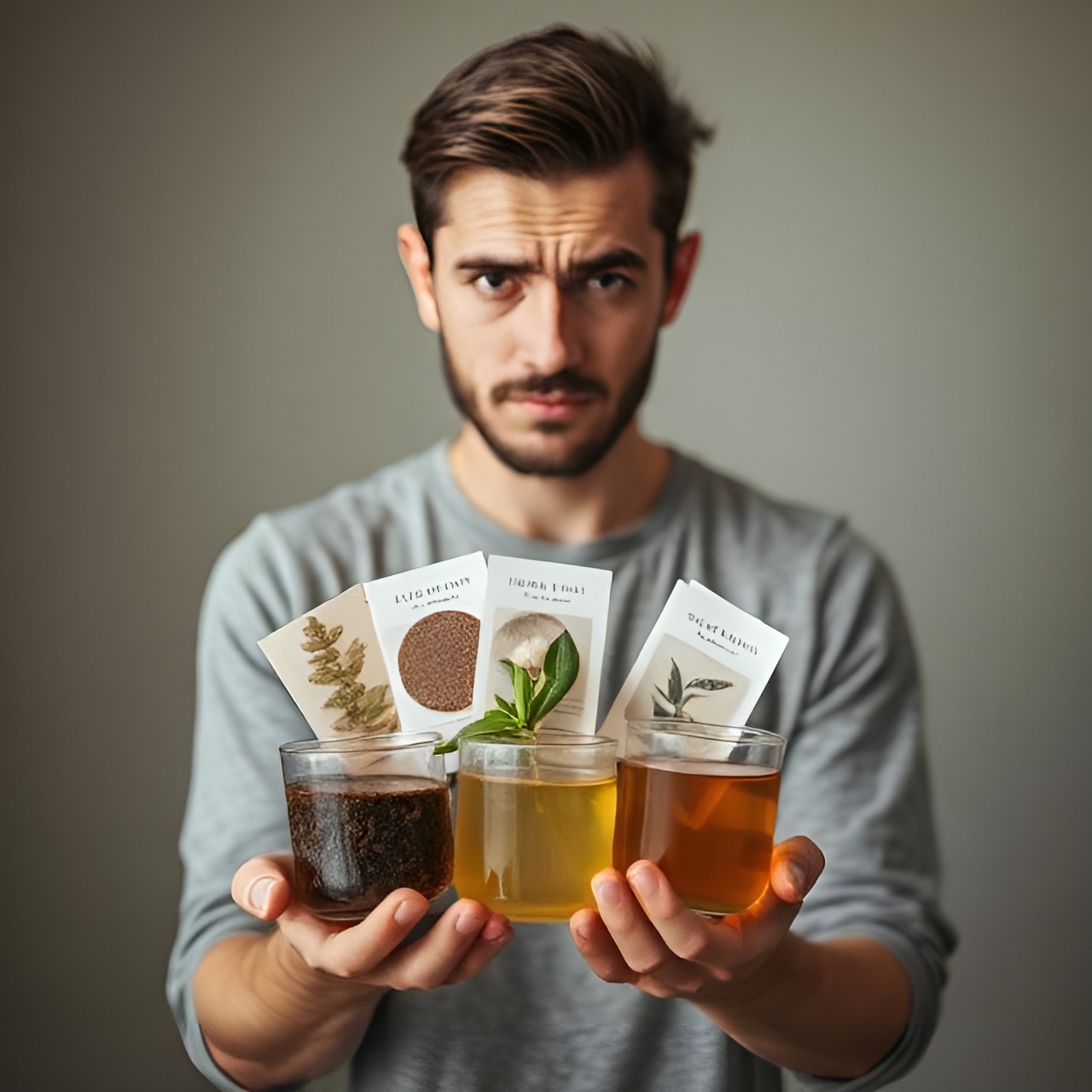
1. What Counts As an Autumn Oolong
The term autumn oolong is neither botanical nor calendar-bound; it describes teas whose oxidation level (typically 50–80 %), roasting intensity and flavour architecture align with cooler weather. In practical terms, this means leaves subjected to prolonged withering and bruising—driving enzymatic oxidation well beyond the 20–30 % threshold of spring High Mountain styles—then fired over charcoal or in electric ovens to halt oxidation and develop Maillard and caramelisation products. The result is a liquor profile dominated by cocoa, dried stone fruit, honey, toast and mineral notes, with minimal fresh-floral volatility.
Geographically, the canonical examples are Wuyi Yancha (rock teas) from Fujian's Wuyi Mountains—Da Hong Pao, Shui Xian (Water Sprite), Rou Gui (Cassia)—and traditionally processed or aged Tie Guan Yin from Anxi. Taiwan contributes medium-to-heavy roast Dong Ding and certain Dan Cong from Guangdong, though the latter vary widely. What unites them is thermal transformation: the leaves have been cooked not once but multiple times, each roast driving off green aldehydes and building lactones, furans and pyrazines that register as warmth on the palate and, subjectively, in the body.
Contrast this with a 10–20 % oxidised Bao Zhong or Alishan oolong, which retains orchid esters and a bright, cooling mouthfeel. Those teas suit unseasonable heat; roasted oolongs do not. The chemistry is unambiguous: as oxidation climbs, total catechin content falls (oxidised into theaflavins and thearubigins), astringency softens, and the amino-acid sweetness becomes cloaked in caramel and toast. For UK drinkers adjusting to shorter days and cooler evenings, that shift from bright to deep is both sensory comfort and metabolic match.
The 50 % Oxidation Threshold
Teas below 50 % oxidation rarely develop the caramel-and-stone-fruit bass notes that define autumn drinking; above 50 %, enzymatic browning and subsequent roasting create the warmth you want. Use oxidation level—often stated by better UK retailers—as your first filter.
2. Why Roasted Oolongs Suit Cooler Weather: Chemistry and Physiology
The sensory preference for roasted tea in autumn is not mere habit; it reflects thermogenic and metabolic cues that map onto falling ambient temperature. Polyphenol oxidation and Maillard reactions produce maltol (cotton-candy sweetness), furfural (toasted grain), and pyrazines (roasted-nut, cocoa), all of which the human olfactory system associates with cooked, energy-dense foods. That association primes a mild thermogenic response—subjective warmth—even though tea itself contributes negligible calories. The effect is enhanced by the lower astringency of oxidised leaves: where high-catechin greens can feel cooling and drying, roasted oolongs coat the palate, a textural warmth that persists between sips.
From a caffeine and L-theanine perspective, roasted oolongs occupy a middle ground. Oxidation and roasting slightly degrade free caffeine and convert some theanine, so the stimulant kick is gentler than black tea yet more sustained than green. This makes them well suited to crisp morning commutes and afternoon focus without the jitteriness of high-catechin brews. Anecdotally, many drinkers report that roasted oolongs feel grounding rather than lifting—a quality that aligns with the introspective, slower pace of harvest season.
There is also the question of digestive comfort. The tannins in lightly oxidised oolongs can irritate empty stomachs; roasting polymerises many of those compounds, yielding a smoother, less astringent cup that pairs better with autumnal foods—porridge, stewed fruit, roast squash. This is not to claim therapeutic benefit, but the reduced astringency is measurable and the subjective warmth, whilst psychological, is consistent enough to be culturally embedded across Fujian, Guangdong and Taiwan, where the autumn–winter tea rotation has centuries of precedent.
3. Core Styles: Wuyi Rock Teas, Aged Tie Guan Yin and Medium-Roast Taiwanese Oolongs
Wuyi Yancha (rock oolongs) are the archetype. Grown in mineral-rich, volcanic soils at 200–700 m in Fujian's Wuyi Shan, cultivars such as Shui Xian, Rou Gui and the famed Da Hong Pao undergo 60–70 % oxidation, then multiple charcoal roasts—historically four or five passes over several months—to develop the signature yan yun (rock charm): a lingering, stony minerality beneath layers of cocoa, dried plum and cinnamon. The roast intensity varies: a light roast (qing huo) may show more floral lift, whilst a heavy roast (zu huo) veers into espresso and dark caramel. For UK autumn, a medium-to-heavy roast offers the warmth and complexity you want; lighter roasts can feel transitional, better suited to early September. Expect to pay £12–18 per 50 g for decent Shui Xian, £20–35 for Rou Gui, and £25–50+ for reputable Da Hong Pao, though single-origin claims and 'mother tree' provenance often inflate price beyond flavour.
Aged or traditionally processed Tie Guan Yin from Anxi offers a different profile. Where modern, lightly oxidised Tie Guan Yin (qing xiang style) is floral and green, the nong xiang (rich aroma) and aged styles undergo heavier oxidation (40–60 %) and roasting, sometimes followed by years of storage that mellows acidity and builds dried-fruit sweetness, herbal complexity and a velvety body. These teas can be extraordinary—honeyed, smooth, with a meditative depth—but quality varies wildly. Poorly stored aged Tie Guan Yin tastes musty; over-roasted nong xiang turns acrid. Look for UK specialists who state roast year, storage conditions and oxidation level; expect £18–35 per 50 g for solid examples, £40–70 for well-aged (10+ years). A good aged Tie Guan Yin is one of the finest post-dessert teas imaginable.
Taiwanese Dong Ding and certain medium-roast High Mountain oolongs occupy the bridge between spring greens and deep autumn chars. Dong Ding, grown near Lugu in central Taiwan, is traditionally ball-rolled and medium-roasted (30–50 % oxidation), yielding caramel, toasted grain and a gentle floral undertow. It is less mineral than Wuyi rock teas, less austere than aged Tie Guan Yin, and often more approachable for drinkers new to roasted oolongs. Pricing sits around £14–25 per 50 g for good examples. Dan Cong from Guangdong's Phoenix Mountains can also work—particularly Mi Lan Xiang (honey orchid) and Ya Shi Xiang (duck-shit aroma, despite the name)—if you find a batch with moderate roast; overly floral Dan Cong can feel summery, but a well-charred example offers stone fruit, honey and a bracing minerality that suits October and November beautifully.
Start with Shui Xian
If you are new to roasted oolongs, Wuyi Shui Xian offers the best value and the clearest introduction to yan yun minerality. It is more forgiving than Rou Gui, less expensive than Da Hong Pao, and widely stocked by UK retailers—making it the ideal autumn gateway.
4. Oxidation, Roasting and Flavour: Decoding the Processing Ladder
Understanding oxidation versus roasting is essential to navigating autumn oolongs. Oxidation is enzymatic: polyphenol oxidase and peroxidase act on catechins during withering and bruising, turning leaf edges brown and generating theaflavins and complex aromatics. The process is halted by heat (kill-green), locking in the oxidation level—10 %, 30 %, 70 %. Roasting happens after oxidation is fixed: the rolled or twisted leaves are heated—over charcoal, in bamboo baskets, or in modern electric ovens—to drive off residual moisture, develop Maillard products (amino acids + reducing sugars → melanoidins, furans, pyrazines) and polymerise tannins. A tea can be highly oxidised yet lightly roasted, or moderately oxidised and heavily roasted; the two variables are independent, though in practice Wuyi rock teas tend to pair high oxidation with heavy roasting.
The flavour ladder runs roughly as follows: 10–20 % oxidation, no roast = floral, grassy, cooling (spring High Mountain); 30–40 % oxidation, light roast = orchid, honey, light toast (some Dong Ding, fresh Tie Guan Yin); 50–70 % oxidation, medium-to-heavy roast = caramel, cocoa, dried fruit, mineral (Wuyi rock teas, aged Tie Guan Yin); 70–85 % oxidation, heavy roast = espresso, dark chocolate, charcoal, dried longan (traditional Wuyi, some aged Dan Cong). The trick is recognising that good roasting adds complexity and sweetness—think crème brûlée, toasted brioche—whilst poor roasting simply burns, leaving acrid, one-dimensional char. A well-roasted oolong will have layers: the first infusion may show toast and cocoa, the third honey and stone fruit, the fifth mineral clarity. If every steep tastes identically charred, the roast has been mishandled.
UK retailers increasingly state oxidation and roast level, but terminology is inconsistent. 'Traditional roast' can mean anything; 'charcoal roast' should mean wood-fired but sometimes describes electric ovens lined with charcoal for flavour. The most reliable cue is tasting notes and price: if a £10 / 50 g 'Da Hong Pao' claims mother-tree provenance and five charcoal roasts, it is fantasy. Conversely, a £25 Shui Xian listing 'medium charcoal roast, 2024 harvest, 65 % oxidation' from a specialist importer is likely honest. For a deeper dive into the oxidation spectrum, see our complete oxidation-level guide.
Sniff the Dry Leaf
A well-roasted oolong smells sweet—caramel, dried fruit, toasted grain—even before brewing. If the dry leaf is acrid, smoky or one-note charcoal, the roast has been pushed too hard or the leaf quality was poor to begin with.
5. Brewing Roasted Oolongs for Autumn: Temperature, Timing and Glassware
Roasted oolongs demand hotter water than their lightly oxidised cousins. Aim for 95–98 °C—just off the boil—to fully extract the Maillard compounds and minerals that define the profile. A temperature-controlled kettle makes this trivial; if using a standard kettle, let it sit thirty seconds post-boil. Gongfu brewing—short, repeated infusions in a small gaiwan or Yixing pot—is the traditional method and yields the most nuance: 5–7 g of leaf per 100–120 ml water, 20–40 second steeps, increasing by five to ten seconds each round. You can often pull eight to twelve infusions from a good Wuyi rock tea, each revealing different facets—toast fading to honey, mineral clarity emerging in the mid-palate.
For Western-style brewing—mug or teapot—use 3–4 g per 250 ml, steep 3–4 minutes. Roasted oolongs are forgiving: an extra thirty seconds will deepen body without turning astringent, unlike greens or lightly oxidised oolongs. If you are mindful of energy costs, these teas hold heat well in a preheated pot, and their robustness means you can stretch a second or third Western infusion from the same leaves—add an extra minute each time.
Hard water is less of a problem than with greens: the roasted, oxidised character masks some of the chalkiness that London or Birmingham tap water imposes. That said, filtered water still improves clarity and lets the minerality of Wuyi rock teas shine. Avoid very soft or distilled water—it can render the liquor flat and one-dimensional. As for vessel, Yixing clay is traditional and does enhance mouthfeel over time, but glazed porcelain gaiwan or a simple ceramic teapot work perfectly well; the key is heat retention and a shape that allows the tightly rolled or twisted leaves to unfurl.
6. Pairing Roasted Oolongs with Autumn Foods and Occasions
The deep, toasted profile of roasted oolongs pairs naturally with the caramelised, umami-rich and spiced foods of UK autumn. Think roast squash, mushroom tarts, aged Cheddar, treacle-based puddings, apple crumbles and parkin or toffee apples. The tannin structure is soft enough not to clash with cream or butter, yet the minerality and cocoa notes cut through sweetness and fat without astringency. A medium-roast Dong Ding alongside porridge and honey is a revelation; aged Tie Guan Yin after a heavy roast dinner resets the palate beautifully.
For social occasions, roasted oolongs excel at dinner parties and supper clubs—serve gongfu-style between courses or as a post-dessert meditation. The ritual of multiple short infusions creates a natural pause and conversation anchor. They are also ideal for equinox gatherings and Samhain or Halloween celebrations, where their dark, earthy character suits the introspective, liminal mood. If you are heading out for foraging walks or orchard visits, a thermos of Wuyi Shui Xian—brewed strong, Western-style—provides sustained warmth and pairs well with foraged blackberries or fresh apples.
Timing matters: the gentle, grounding energy of roasted oolongs makes them less suitable for early-morning adrenaline (reach for a roasted hojicha or black tea instead) but perfect for mid-morning focus, afternoon contemplation or evening wind-down. The lower catechin content means they are kinder to sensitive stomachs and less likely to disrupt sleep than high-caffeine blacks, though individual tolerance varies. For those navigating cold-and-flu season, the warmth and ritual comfort of a roasted oolong can be quietly supportive, even if direct immune claims are unsupported.
Match Roast to Occasion
Light-to-medium roasts (Dong Ding, fresh Rou Gui) suit daytime focus and social sipping; heavy roasts and aged styles (traditional Tie Guan Yin, zu huo Shui Xian) are best reserved for evening reflection or post-meal digestion, where their depth can be savoured slowly.
7. UK Retail Landscape Autumn 2026: Pricing, Availability and Value Assessment
The UK market for roasted oolongs has matured significantly, with specialist importers now offering transparent sourcing, stated oxidation levels and competitive pricing. However, 2026 inflation, freight costs and yuan appreciation have pushed retail margins upward. Entry-level Wuyi Shui Xian now sits at £8–12 per 50 g (up from £6–9 in 2024); mid-tier Rou Gui or Da Hong Pao ranges £18–28 per 50 g; and premium or aged offerings can reach £40–70 per 50 g or beyond. For context, a 50 g pouch brewed gongfu yields 25–35 cups; Western-style, 12–15 cups. That puts cost per cup at 30p–£2, competitive with speciality coffee and far below café pricing.
Where to buy: specialist online retailers (What Cha, Mei Leaf, TeaHorse, Curious Tea) offer the broadest selection, detailed tasting notes and often sample sizes (10–25 g) that let you try before committing. High-street chains (Whittard, T2) stock some oolongs but rarely the roasted, high-oxidation styles; quality is inconsistent and pricing can be inflated. Direct import via Yunnan Sourcing UK or similar can save 20–30 % but requires confidence in your palate and tolerance for longer shipping. For newcomers, a curated sampler set is the most cost-effective entry—expect £18–30 for a selection of 4–6 styles, 10–15 g each.
Value traps to avoid: 'Da Hong Pao' or 'Iron Goddess' sold in supermarket teabags is almost certainly low-grade leaf or blended filler; the names are unprotected and widely abused. Similarly, vague provenance ('Fujian oolong') and rock-bottom pricing (under £5 / 50 g) usually signal poor roasting, stale leaf or oxidation fraud. Conversely, extreme prices (£80+ / 50 g) for non-aged, non-competition tea often reflect brand markup rather than quality. The sweet spot for UK buyers in 2026 is £12–25 per 50 g from a transparent retailer; at that band you can access genuinely well-roasted, single-origin Wuyi or Taiwanese oolongs without overpaying. For further guidance on navigating premium pricing, consult our inflation-era value guide.
Buy Small, Buy Often
Roasted oolongs age gracefully for 12–24 months if stored cool and dark, but they peak within the first year post-roast. Rather than hoarding 200 g, buy 50 g at a time so you can rotate through styles and catch the optimal flavour window.
8. Building Your Autumn Rotation: Recommended Styles and Storage
A balanced autumn oolong rotation should include at least one medium-roast bridge tea, one classic Wuyi rock oolong, and one wild card—aged, experimental or regional variation. For example: (1) Taiwanese Dong Ding (medium roast, 40 % oxidation) for early September and sociable afternoons; (2) Wuyi Shui Xian (medium-heavy charcoal roast, 65 % oxidation) as your daily autumn driver; (3) aged Tie Guan Yin or a well-roasted Dan Cong for weekend gongfu sessions or post-dinner contemplation. This trio covers the spectrum from approachable to profound, and will cost £35–60 total for 150 g—enough to last a month or more if you brew gongfu and rotate styles.
Storage is straightforward but non-negotiable. Roasted oolongs are less vulnerable to oxidation than greens, but they still suffer from light, heat and moisture. Keep them in opaque, airtight tins or resealable foil pouches, away from spices, coffee or anything aromatic. A cool, dark cupboard is ideal; avoid the fridge (condensation risk) or windowsills (UV degradation). Well-stored, a medium-roast oolong holds peak flavour for 12 months; heavily roasted or aged styles can improve slightly over 18–24 months as residual roast sharpness mellows. If you have the space and budget, consider splitting a larger purchase (100–200 g) into smaller portions and sealing extras in vacuum bags for longer-term storage.
Finally, keep notes—variety, roast level, supplier, brewing parameters, your impressions. Roasted oolongs repay attention and iteration. You may find that a Shui Xian from one harvest sings at 25 seconds and 96 °C, whilst another needs 35 seconds and 98 °C. Building a shortlist of your preferred styles, from specific producers and years, transforms autumn tea drinking from pleasant habit into genuine craft. If you enjoy the process, explore our broader oxidation-level guide and consider branching into sampler sets or convenient tea-bag formats for travel or office use—though loose-leaf will always deliver superior depth and value.


Comments