1. Why Halloween and Samhain Call for Different Tea Choices Than Everyday Autumn Brewing
Halloween on 31 October is not simply another autumn evening. It arrives four days after the UK clocks go back, which means darkness falls before 5pm and the psychological shift toward winter is already underway. For those observing Samhain—the Gaelic festival marking the end of harvest and the thinning of the veil between worlds—31 October is a threshold moment, often celebrated with fire, reflection, and communal meals. For secular households, it's a night of costume parties, trick-or-treating, and indulgent desserts. Both contexts demand teas that do more than refresh: they must anchor the occasion, complement rich seasonal food, and—crucially—survive the stop-start rhythm of answering the door, dimming lights for atmosphere, and serving guests who may arrive in costume expecting theatre as much as hospitality.
Your everyday autumn morning brew or frosty walk thermos won't quite fit. You need teas with bold, recognisable spice notes that signal 'occasion'—cinnamon, clove, star anise—or dark, smoky profiles that look as dramatic as they taste when steam rises in candlelight. You also need brews robust enough to stand up to the sugar, butter, and chocolate that dominate Halloween tables, yet flexible enough to serve both adults seeking a contemplative Samhain ritual and children clutching bags of sweets. This is not the moment for a delicate white or a nuanced oolong; it's the moment for tea that announces itself, pairs fearlessly, and can be brewed in advance without losing character.
Gothic Atmosphere, Not Gimmick
Choose teas that naturally suit the occasion's flavour and visual profile—smoky lapsang, blood-red hibiscus, amber Assam—rather than artificially tinted novelty blends. Authentic character always photographs and tastes better than dyed water.
2. Dark and Smoky Teas: Lapsang Souchong, Assam, and Aged Pu-erh for Atmospheric Depth
For gothic visual drama and deep, savoury-edged flavour, reach for teas that skew dark and smoky. Lapsang souchong—the pine-smoked black tea from Fujian—delivers bonfire aroma and a tarry, resinous cup that evokes autumn's wild edge. It pairs unexpectedly well with salty-sweet combinations: salted caramel brownies, bacon-wrapped dates, even a cheese board dotted with quince paste. The smoke compounds (guaiacol, syringol) mirror those in wood fires and toasted malt, making lapsang a natural companion to any gathering with an open hearth or outdoor fire pit. Brewed strong and served black in dark ceramic or amber glass, it looks as elemental as it tastes.
Assam CTC—the robust, malty workhorse of British breakfast tea—gains new relevance on Halloween when you need a brew that can carry milk, sugar, and still assert itself. Its high tannin content (often 4–6% by dry weight) makes it the ideal foil for treacle tart, sticky toffee pudding, and other butter-and-sugar bombs. The malty notes (from Maillard reactions during firing) echo toffee and caramel, creating harmonic reinforcement rather than competition. Brew it strong—4–5 minutes at a rolling boil—and serve with whole milk in chunky mugs; it's unpretentious, warming, and utterly reliable when you're hosting a crowd.
Aged pu-erh (shou/ripe) is a more esoteric choice, but its earthy, almost fungal depth suits Samhain's liminal, introspective character. The microbial fermentation that darkens pu-erh over years produces compounds (lovastatin, GABA derivatives) associated with calm and grounding; anecdotally, many drinkers report it as meditative. Its dark liquor and woody aroma fit the aesthetic, and it pairs surprisingly well with mushroom-based savoury snacks or dark chocolate with sea salt. It's not for everyone—the funk can be off-putting—but for a small, intentional Samhain circle, it offers genuine ritual weight.
3. Spiced Blends: Chai, Apple-Cinnamon, and Seasonal Pumpkin Teas for Warmth and Aroma
Spiced tea blends are the aromatic heart of Halloween and Samhain hospitality. Traditional masala chai—black tea simmered with cinnamon, cardamom, clove, ginger, and black pepper—delivers the warm-spice punch the season demands, and its milk-and-sugar tolerance makes it infinitely adaptable. The key compounds—cinnamaldehyde (cinnamon), eugenol (clove), zingerone (ginger)—are the same volatiles that perfume gingerbread, pumpkin pie spice, and mulled cider, so chai creates instant olfactory harmony with Halloween baking. Brew it strong with whole spices in a large pan, strain into a thermos, and you can ladle it out all evening without reheating. For children, a caffeine-free rooibos or honeybush base works just as well.
Apple-cinnamon blends—often built on a black or rooibos base with dried apple pieces, cinnamon chips, and occasionally caramel flavouring—bridge the gap between tea and dessert. They pair beautifully with toffee apples, apple crumble, and pumpkin pie, reinforcing rather than clashing with the fruit and spice already present. Because they typically contain added flavouring oils, brew them slightly cooler (85–90°C) and shorter (3–4 minutes) to avoid releasing bitter volatiles; the goal is sweet warmth, not astringency.
Pumpkin spice tea blends—a relatively recent arrival in the UK market—vary wildly in quality. The best use real spices (nutmeg, allspice, ginger) and a base of Assam or Ceylon; the worst rely on synthetic 'pumpkin pie' flavouring that tastes more like scented candle than food. Check the ingredient list: whole spices and named tea origins are green flags; 'natural flavouring' alone is a red one. These blends are best served to guests already primed for sweetness—perhaps alongside pumpkin pie itself—where their overt spice profile feels intentional rather than cloying.
Brew Spiced Blends in Batches
Simmer whole spices (cinnamon stick, cloves, star anise) with water for 10 minutes, then add loose black tea and steep 4 minutes off heat. Strain into an insulated urn and you'll have consistent, richly spiced tea all evening without constant re-brewing.
4. Pairing Halloween and Samhain Foods: Treacle Tart, Pumpkin Pie, Gingerbread, and Toffee Apples
Halloween tables in the UK now span two culinary traditions: British autumn classics—treacle tart, sticky toffee pudding, parkin, bonfire toffee—and imported American pumpkin fare. Each demands different pairing logic. Treacle tart and sticky toffee pudding are intensely sweet, butter-rich, and often served warm with cream or custard. They need a tea with high astringency—the polyphenol-driven drying sensation that cleanses fat and sugar from the palate. Assam CTC, brewed strong, is the textbook match: its tannins cut through the toffee's cling, its malt echoes the caramel, and it's robust enough to take milk without disappearing. Avoid delicate teas here; they'll be overwhelmed.
Pumpkin pie—with its custard filling, shortcrust base, and cinnamon-nutmeg spicing—calls for a tea that mirrors rather than contrasts. Apple-cinnamon blends or a gently spiced pumpkin chai work beautifully, their shared spice compounds creating a unified flavour arc. If you prefer black tea, choose a medium-bodied Ceylon or a lightly malty Assam (not CTC) and brew it at the lighter end—3 minutes—to avoid tannin overpowering the pie's delicate sweetness. Gingerbread and parkin (the Yorkshire oat-and-treacle cake traditional around Bonfire Night) are dense, sticky, and ginger-forward; they pair well with robust black teas and with ginger-forward chai or even a clean Kenyan purple tea, whose subtle sweetness and low astringency won't fight the cake's spice.
Toffee apples and chocolate-covered marshmallows are high-sugar, low-complexity treats best served to children or as casual snacks. For these, choose something bright and cleansing: a tart hibiscus tisane, a lightly sweetened iced tea, or even a simple, brisk Ceylon. The goal is refreshment and palate reset, not deep pairing. If you're serving a dessert buffet with multiple sweets, offer both a high-tannin black (for the richest desserts) and a caffeine-free fruit infusion (for everything else), and let guests self-select.
Match Spice to Spice
When a dessert is built on warm spices—cinnamon, ginger, clove—choose a tea with the same spices. Shared aroma compounds create harmonic reinforcement, making both tea and food taste more intense and coherent.
5. Caffeine-Free and Child-Friendly Options: Hibiscus, Rooibos, and Fruit Infusions for All Ages
Halloween is as much a children's occasion as an adult one, and many households will be serving tea to trick-or-treaters, young party guests, or families arriving early in the evening. Caffeine-free options are essential, and they must deliver on flavour and visual drama without relying on stimulant buzz. Hibiscus is the standout: its deep crimson liquor looks almost vampiric in glass cups, its tartness (from citric and malic acids) cuts through sugar, and it's naturally caffeine-free. Brew it strong, sweeten lightly with honey or apple juice, and serve it warm or chilled—it's striking, refreshing, and pairs cleanly with chocolate, marshmallows, and fruit-based desserts. For a Halloween twist, freeze strong hibiscus into ice cubes and drop them into apple juice or lemonade; they'll bleed colour as they melt, creating a safe, edible 'potion' effect children love.
Rooibos (red bush) is gentler and sweeter, with a natural honeyed note and no bitterness even when overbrewed—ideal for a chaotic party where pots sit too long. It takes well to milk and sugar, making it a direct substitute for black tea in any recipe, and it pairs happily with everything from pumpkin pie to sticky toffee. Honeybush—rooibos's cousin—is slightly more floral and can be used identically. Both are safe for all ages and can be brewed in bulk and held warm without degrading.
Spiced fruit infusions—blends of dried apple, orange peel, cinnamon, clove, and sometimes raisins or rosehip—offer the warm-spice aroma of chai without caffeine or tannin. They're visually appealing (the dried fruit pieces look autumnal in clear teapots), naturally sweet, and very forgiving to brew. They won't provide the same 'tea' experience as a true Camellia sinensis leaf, but for a mixed-age gathering where some guests want the ritual of a hot cup without the caffeine, they're an excellent option. Serve them with a spoon so guests can fish out and eat the rehydrated fruit—children especially enjoy this.
6. Gothic Serving Ideas: Teaware, Lighting, and Aesthetic Presentation for 31 October Atmosphere
Tea at Halloween is as much about theatre as it is about flavour. The right presentation can transform a simple pot into a centrepiece. Start with teaware that suits the mood: black or deep amber glass teapots and cups, vintage mismatched china (especially if you can find pieces with gothic or floral-death motifs), or even wrought-iron trivets and dark wood tea trays. Avoid bright white porcelain or cheerful florals; they'll jar. If you're brewing lapsang or hibiscus, use clear glass so the liquor's colour—dark amber or blood red—becomes part of the display. Stack cups on a tiered cake stand draped with black lace or dried autumn leaves; it's visually arresting and saves table space.
Lighting is critical. Replace overhead lights with candles (LED if you have small children or costumes near open flames) in amber or red glass holders. The warm, flickering light makes even ordinary tea look richer and more mysterious, and it softens the visual clutter of a party. If you're brewing in a clear pot, backlight it with a coloured LED—red for hibiscus, amber for Assam—so the liquor glows. For a safe 'dry ice' effect, place a small bowl of hot (not boiling) water next to your teapot and add a single piece of food-grade dry ice with tongs; the vapour will roll across the table. Never put dry ice directly into a drink—it can cause cold burns if swallowed—but the visual effect near your tea service is dramatic and entirely safe when handled correctly.
Add botanical garnishes: sprigs of rosemary (which look like miniature trees), star anise floating in cups, cinnamon sticks as stirrers, or even a small branch of crab apples or blackberries laid across the tray. These echo the hedgerow foraging and harvest themes of Samhain and tie your tea service to the season's natural abundance. The key is restraint: one or two striking elements—colour, texture, scent—rather than clutter. Your goal is gothic elegance, not a jumble sale.
Colour as Flavour Cue
Serve dark teas (lapsang, Assam, pu-erh) in dark or opaque cups to emphasise their mystery, and bright or red teas (hibiscus, rooibos, fruit infusions) in clear glass where their colour can glow. Visual cues prime expectations and enhance perceived flavour.
7. Practical Brewing for Parties and Trick-or-Treat Nights: Batch Sizes, Thermoses, and Timing
Halloween hospitality in the UK often means stop-start hosting: the doorbell rings every few minutes between 6pm and 8pm, children arrive in waves, and you may be juggling a sit-down gathering with periodic interruptions. This is not the moment for gongfu precision or single-cup pour-overs. You need batch brewing and heat retention. Brew a large pot or pan of your chosen tea—spiced blend, Assam, or hibiscus—strain it immediately into one or more insulated pump-pot thermoses or vacuum flasks. A 2-litre thermos will hold roughly 10–12 cups and stay hot for 4–6 hours; scale up as needed. Label each thermos if you're offering multiple teas, and set out a station with cups, milk, sugar, honey, and lemon so guests can self-serve while you answer the door.
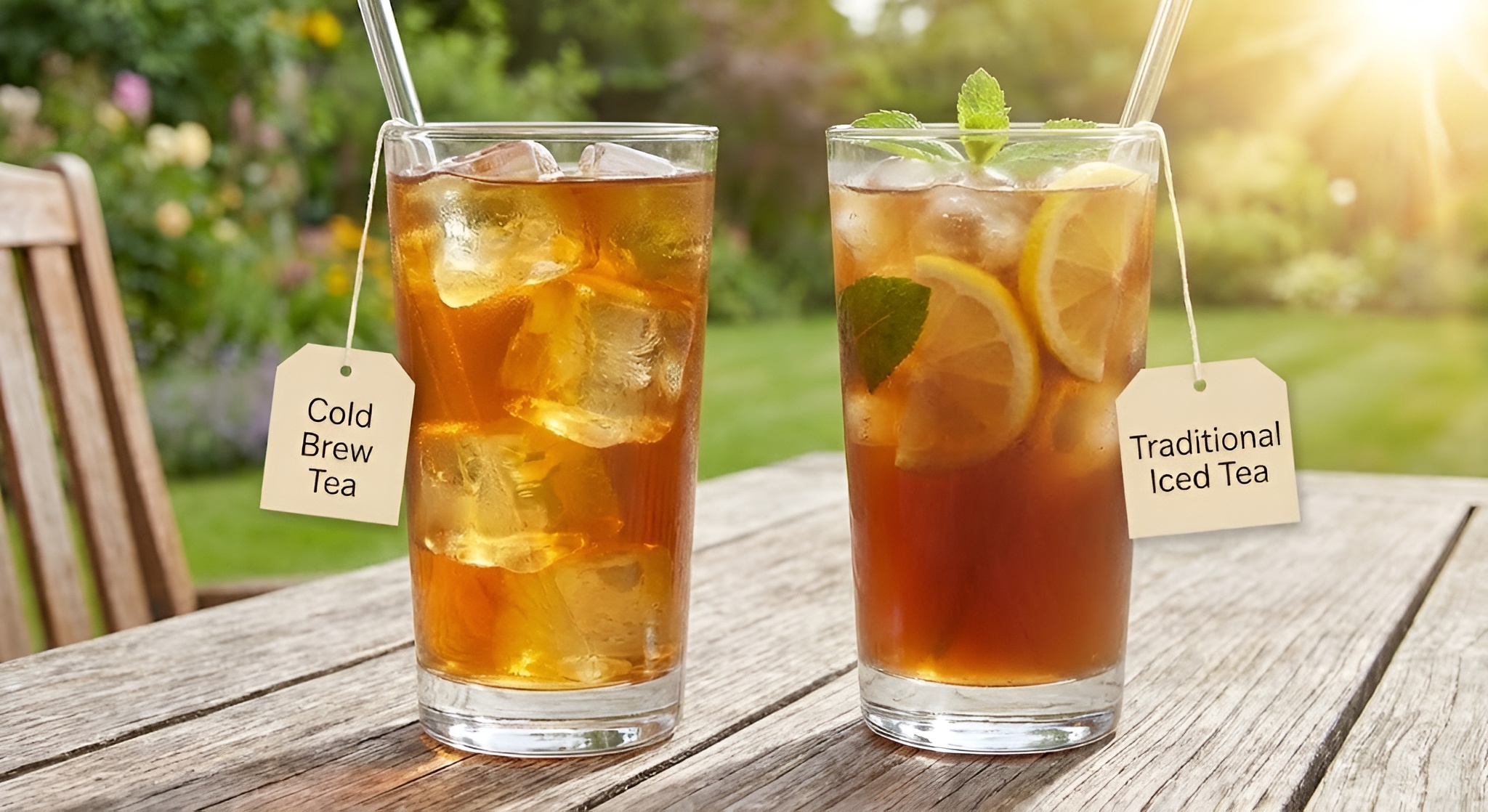
For spiced chai or mulled blends, brew in a large saucepan with whole spices, then strain and decant into a slow cooker set to 'warm' if you want to keep it gently heated without a thermos. This works especially well for outdoor gatherings or if you're serving from a kitchen that opens onto a garden or porch. If you're using a thermos, preheat it with boiling water for 5 minutes before filling; this dramatically extends heat retention. For cold brews or iced options—less common on a late-October evening but useful if you're hosting indoors with heating—prepare cold-brew tea in advance (12–24 hours in the fridge) and serve in glass pitchers with ice and fruit slices.
Timing matters. If your gathering runs 6pm–10pm, brew your first batch around 5:30pm so it's ready when guests arrive. Have a second batch of dry leaf and hot water standing by for a quick refresh around 8pm if needed. For very large gatherings (20+ people), consider hiring or borrowing a tea urn—commercial models hold 10–20 litres and maintain temperature for hours. Urn ratios and best practices for community events apply equally to large Halloween parties. The goal is to free yourself from constant kettle-boiling so you can actually host, not just brew.
Preheat Everything
Pour boiling water into thermoses, serving pots, and even cups 5 minutes before you need them. This simple step raises their temperature so they don't steal heat from your tea, keeping everything hotter for longer and reducing the need for reheating.
8. Where to Buy and What to Look for: UK Stockists and Quality Markers for Autumn 2026
For spiced and seasonal blends, UK specialist retailers—online and high-street—offer a wide range in autumn 2026. Look for autumn tea blends that list whole spices (cinnamon chips, clove buds, star anise) and named tea origins (Assam, Ceylon, Kenyan) rather than generic 'black tea' and 'natural flavouring.' Loose leaf will always deliver better value and flavour than bagged equivalents, and it photographs more beautifully if presentation matters to you. Expect to pay £8–15 per 100g for quality seasonal blends; anything much cheaper is likely to be heavily flavoured and light on actual tea.
For single-origin black teas, seek out Assam CTC from named estates (Mangalam, Borengajuli) or robust Ceylon from low-grown districts (Ruhuna). These are the workhorses that can handle milk, sugar, and rich desserts without losing character. Expect £6–10 per 100g for CTC, £10–18 for orthodox Assam or Ceylon. If you're drawn to lapsang souchong, buy from a vendor who specifies traditional smoke-drying (over pine) rather than artificially flavoured imitators; the smokiness should smell like a campfire, not a chemical bonfire.
For caffeine-free options, hibiscus is widely available in health-food shops and online, usually £5–8 per 100g. Look for whole or coarsely cut petals rather than dust; they'll brew cleaner and look better in clear teaware. Rooibos is even easier to find; mainstream supermarkets stock it, though specialist vendors offer better grades (long-cut, estate-specific) for £6–12 per 100g. If you're buying in bulk for a large gathering, check for wholesale or 500g+ packs; many online vendors offer better per-gram pricing at scale, and autumn blends are often discounted in early November once Halloween passes.




Comments