1. What Counts As 'Street-Party Tea': Definition and Service Context
In the context of UK community events, street-party tea encompasses any brew prepared in bulk—typically 10 litres or more—and served outdoors to a mixed, multi-generational audience over a period of hours. The service environment introduces constraints absent from domestic brewing: variable ambient temperature, no precise temperature control after initial brewing, prolonged holding times, and the expectation that the tea will suit a wide palate, from pensioners who take it strong and milky to younger guests preferring iced fruit infusions. Unlike café service, where each cup is brewed to order, street-party tea is a logistical exercise in pre-preparation, thermal management, and risk mitigation.
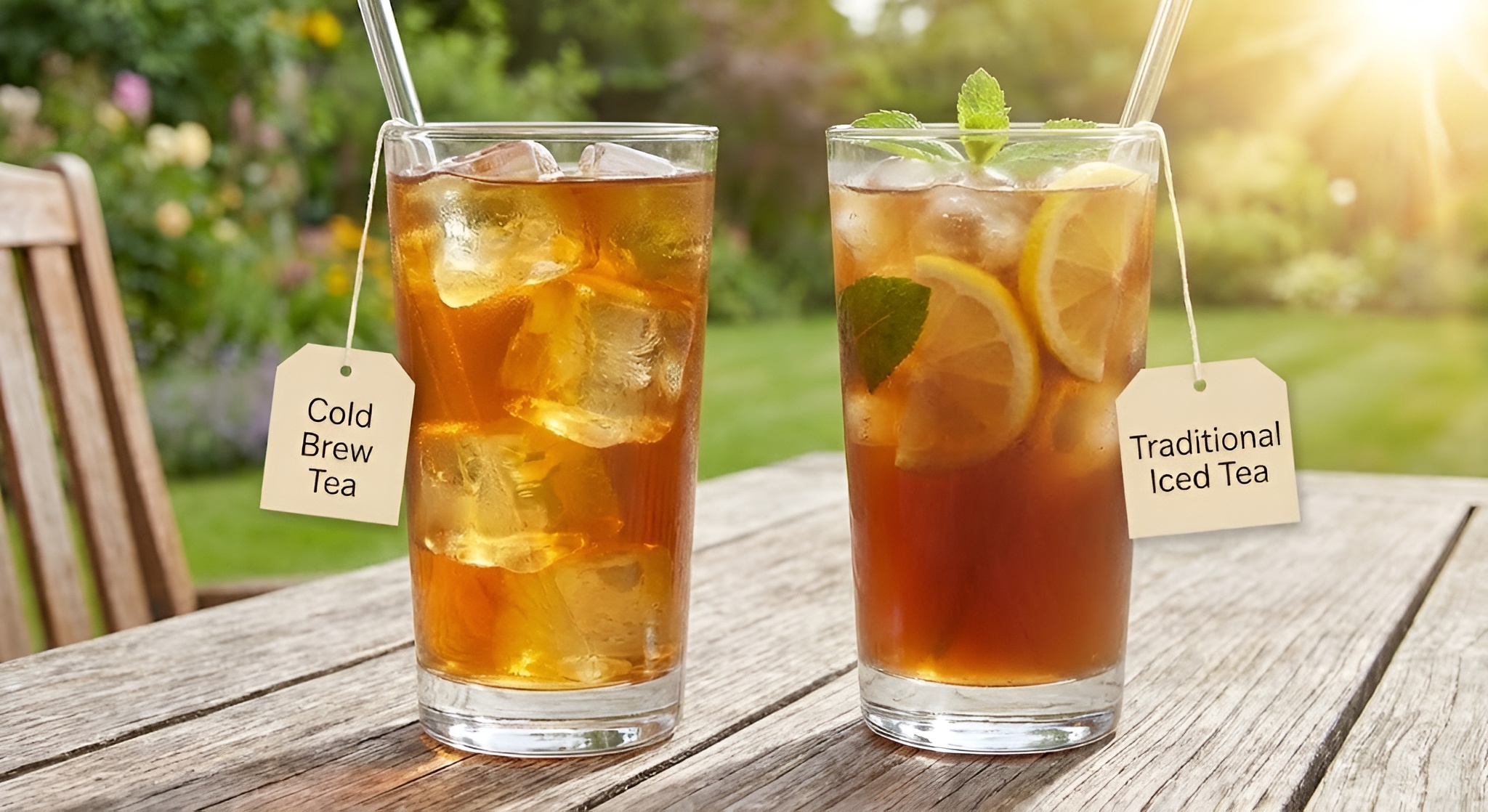
The two dominant formats are hot tea from insulated urns (20–40 litre capacity, mains-powered or manual-dispense) and pre-batched iced tea served from chilled dispensers or tap-equipped drink vessels. Both require different ratios, timings, and safety protocols compared to small-scale domestic brewing. A third, hybrid approach—concentrate dilution at the point of service—is gaining traction among organisers who want flexibility and reduced cooler space, though it demands careful labelling and volunteer training to avoid over- or under-dilution.
2. Choosing the Right Tea for Crowd Brewing: Leaf Grade, Astringency, and Milk Tolerance
Not all teas survive the rigours of urn brewing. CTC (crush-tear-curl) Assam and strong Ceylon blends dominate UK street parties because they deliver robust, malty flavour even when diluted with milk and sugar, tolerate slight over-brewing without turning undrinkably bitter, and remain palatable after 60–90 minutes in a heated urn. Whole-leaf Darjeelings, delicate Chinese blacks, and first-flush teas degrade rapidly under these conditions: their floral esters volatilise, polyphenols polymerise into muddy tannins, and the liquor develops a flat, papery character that no amount of sugar can rescue.
For large-batch iced tea, the calculus shifts. High-quality whole-leaf teas—Chinese greens, Japanese senchas, or lightly oxidised oolongs—shine when cold-brewed or flash-chilled, because the low temperature suppresses bitterness and preserves volatile aromatics. However, they require precise timing and rapid cooling; a hot-brewed green tea left to cool slowly will turn astringent and lose its fresh, grassy notes. For organisers without access to rapid-chill equipment, fruit and herbal infusions (hibiscus, peppermint, or blended fruit teas) offer a safer, more forgiving option: they contain little or no true tea leaf, tolerate wide temperature swings, and appeal to guests avoiding caffeine.
When buying for a street party, budget per head rather than per cup. A 20-litre urn using 200 g of loose CTC Assam (at roughly £15–20/kg for quality estate tea) costs £3–4 per batch and yields 80–100 servings; supermarket tea bags, while convenient, often cost more per litre and deliver less flavour depth. For iced tea, bottled concentrates streamline service but sacrifice the fresh, bright character of home-brewed batches—a trade-off worth considering if volunteer time is scarce.
The 90-Minute Rule
Even the most robust black tea turns astringent and develops a metallic edge after 90 minutes in a heated urn. Brew in smaller batches and refresh the urn mid-event rather than filling a 40-litre vessel at the start.
3. Urn Brewing: Ratios, Temperature, and Contact Time for Hot Tea at Scale
Standard urn ratio: 10–12 g loose leaf per litre of water, equivalent to one tea bag per 200–250 ml. This is slightly weaker than the typical domestic ratio (12–15 g/litre) because the large thermal mass of an urn sustains extraction longer, and most guests will dilute with milk. Use freshly boiled water (98–100 °C for black tea) and, if your urn lacks precise temperature control, pre-heat the vessel with a rinse of boiling water to minimise heat loss during the initial steep.
Contact time: 3–4 minutes for CTC blends, 4–5 minutes for whole-leaf blacks. Longer steeps in a 20-litre urn produce excessive astringency because the tea-to-water surface area is larger, and convection currents in the urn accelerate extraction. Some organisers prefer to brew a strong concentrate (double the leaf, half the time) in a separate vessel, then dilute with hot water in the urn; this method offers better control but requires an additional heat source and careful monitoring to avoid scalding the concentrate.
In areas with hard water (above 200 mg/L calcium carbonate—common across London, the South East, and parts of the Midlands), the alkalinity will dull flavour and produce a surface scum. If filtering the entire urn volume is impractical, consider using bottled water for the initial brew and accepting the scum as cosmetic rather than a flavour flaw. Guests accustomed to local tap water rarely notice, and the alternative—citric-acid water treatment—can introduce a sour edge that clashes with milk. For more on mineral chemistry and tea, see our dedicated guide.
Pre-Warm Your Urn
A cold 20-litre steel urn can drop brew temperature by 10–15 °C in the first minute. Rinse with boiling water, discard, then add your leaves and fresh boil to maintain extraction temperature.
4. Large-Batch Iced Tea: Hot-Brew Concentrate vs. Cold Extraction, and Food-Safety Protocols
The safest, most flavour-consistent method for large-batch iced tea is hot-brew concentrate followed by rapid chilling. Brew at double strength (20 g leaf per litre, 3–4 minutes for black tea, 2–3 minutes for green), strain, then immediately transfer to a clean container and chill in an ice bath or refrigerator to below 5 °C within two hours. At the point of service, dilute 1:1 with cold water and ice. This approach delivers bright, clean flavour, minimises the risk of cloudiness (caused by tannin-caffeine complexes that precipitate when hot tea cools slowly), and meets UK food-safety guidance for prepared beverages held outdoors.
Cold-brew extraction—steeping tea in cold water for 8–12 hours—produces a smoother, less astringent liquor and is ideal for delicate greens, whites, or Japanese sencha. However, it requires advance planning, refrigerator space for multiple batches, and yields lower caffeine and polyphenol levels, which some drinkers find insipid. For a street party serving 100+ guests, cold brew is logistically challenging unless you have access to commercial-scale cold-brew pitchers or tap-equipped dispensers.
Food-safety note: Prepared iced tea is a time/temperature control for safety (TCS) beverage in food-hygiene terms. Hold chilled below 5 °C, serve within four hours if held between 5–20 °C outdoors, and discard any batch left unrefrigerated for longer. Sun tea—steeping tea in a sealed jar under direct sunlight—is not recommended for public events: water temperatures rarely exceed 50 °C, which lies in the bacterial danger zone, and the method has been linked to coliform contamination. If aesthetic or tradition demands sun tea, use it as a display piece and serve pre-chilled batches from a separate, food-safe dispenser.
5. Equipment and Holding Solutions: Urns, Insulated Dispensers, and Portable Cooling
Mains-powered tea urns (20–40 litre capacity, £80–200) are the workhouse of UK community events. Look for models with adjustable thermostats (to hold at 70–80 °C rather than boiling, which over-extracts), a wide-mouthed lid for easy filling and cleaning, and a drip-free tap. Avoid urns with complex internal filters or non-removable elements—they are difficult to descale in hard-water areas and can harbour limescale that taints flavour. If mains power is unavailable, manual-dispense urns (essentially large insulated vessels with a pump tap) can hold pre-brewed tea hot for 4–6 hours, though you sacrifice temperature control.
For iced tea, outdoor dispensers with taps offer the most practical service, but require a supply of ice or access to a large cooler to maintain sub-5 °C temperatures. A 10-litre glass dispenser with a spigot, nested in a trug or basin of ice, works well for smaller gatherings (20–40 guests); for larger crowds, consider hiring refrigerated beverage coolers or using multiple smaller batches rotated from a refrigerated van or indoor kitchen. Large glass dispensers are photogenic and traditional but fragile; BPA-free plastic or stainless-steel alternatives are safer for high-traffic trestle tables.
If you're also serving coffee or other hot drinks, dual-purpose cold-brew systems can streamline prep, though dedicated tea equipment avoids flavour cross-contamination. For individual guest service at smaller picnics, insulated flasks and infuser bottles allow guests to brew their own, reducing organiser workload—see our linked guides for tested recommendations.
Ice Is Your Flavour Insurance
For every 10 litres of iced tea, plan 5 kg of ice: half to chill the initial batch, half to keep the dispenser cold and dilute the concentrate at service. Underestimate ice and your tea warms, oxidises, and turns flat within an hour.
6. Pairing Tea with British Bakes and Street-Party Food: Tannin, Fat, and Sweetness Balance
Traditional builder's tea—strong, milky, and slightly sweetened—pairs with high-fat, high-sugar bakes (Victoria sponge, buttercream-filled cupcakes, millionaire's shortbread) because the tannins cut through richness and refresh the palate. The milk proteins bind to astringent polyphenols, softening the tea's bite, while sugar balances any residual bitterness. This combination is why a mug of PG Tips and a slice of cake remains the default at UK fêtes: it works, and it forgives imprecise brewing.
Iced black tea (lightly sweetened or unsweetened) complements lemon drizzle cake, shortbread, and fruit tarts: the acidity of cold tea echoes citrus notes, and the lower tannin level (compared to hot-brewed black) doesn't overpower delicate pastry. Iced green or white tea suits fresh berries, meringues, and light sponges, though these pairings are less familiar to older UK audiences; consider offering a small taster jug alongside the main urn to encourage experimentation without committing an entire batch.
For savoury picnic fare—sausage rolls, pork pies, sandwiches—hot black tea remains the safest all-rounder, though a chilled, unsweetened roasted oolong or a lightly brewed iced English Breakfast can cut through fatty pastry without the cloying sweetness of fruit-infused iced teas. The key is balance: match tannin intensity to fat content, and acidity to sweetness, rather than defaulting to 'any tea with any food'.
7. Weather Contingencies: Rain, Heat, and Wind Effects on Outdoor Tea Service
British summer weather is notoriously fickle, and your tea service must adapt. In hot, sunny conditions (above 25 °C), iced tea oxidises faster, ice melts rapidly, and guests consume at higher volume—plan for 30–50% more iced tea than your initial head count suggests, and position dispensers in shade or under a gazebo to slow warming. Pre-chill serving glasses or cups if possible; a warm plastic cup will melt ice and dilute tea before the guest takes a sip. For extended events (four hours or more), consider a concentrate-and-mix station where volunteers dilute fresh batches every 90 minutes, maintaining quality and food safety.
In cooler, overcast, or rainy weather, demand shifts heavily toward hot tea. Urn capacity becomes critical—if you've budgeted for a 50/50 hot/iced split and rain arrives, your single 20-litre urn will run dry. Hire or borrow a backup urn, or prepare extra large-capacity flasks as a reserve. Wind is the hidden enemy: it accelerates evaporative cooling, turning hot tea lukewarm in open cups within minutes, and can blow napkins, cups, and lightweight dispensers off tables. Anchor your service table, use clip-on tablecloths, and offer lidded cups if wind is forecast.
For multi-day or uncertain-weather events, the most resilient approach is modular brewing: brew smaller batches (10 litres hot, 5 litres iced) every 60–90 minutes, adjust ratios based on observed consumption, and avoid the sunk cost of discarding 30 litres of tea that no longer meets quality standards. This requires more volunteer coordination but delivers consistently better tea and reduces waste.
The Gazebo Rule
Position your tea service under cover—shade in sun, shelter in rain. Exposed urns lose heat, iced dispensers warm up, and guests avoid queuing in the rain. A £50 pop-up gazebo is the single best investment for outdoor tea quality.
8. Buying, Budgeting, and Waste Reduction for Community Events in 2026
For a typical UK street party of 100 guests over three hours, budget for 40 litres of hot tea (two urn batches) and 20 litres of iced tea (diluted from 10 litres of concentrate), assuming a 60/40 hot/iced split in July weather. You'll need approximately 400–500 g of loose black tea for the hot batches (£6–10 if buying in bulk from wholesalers or online retailers) and 200 g of tea for the iced concentrate (£3–6 depending on variety). Add 10–15 litres of milk, 1 kg of sugar, and 10–15 kg of ice, plus disposable or reusable cups, stirrers, and napkins. Total beverage cost per head: approximately 40–60 pence, far lower than hiring a mobile café and with full control over quality.
Waste reduction: Encourage guests to bring reusable cups or mugs (common at community events and eco-conscious fêtes), or hire washable crockery from a local event supplier. If using disposables, choose compostable or widely recyclable options (paper cups with separate lids, or PLA-lined cups that break down in industrial composting). Loose-leaf tea produces less waste than individually wrapped tea bags, and any leftover brewed tea can be composted (it's mildly acidic and nutrient-rich) or used to water acid-loving garden plants—see our guide to tea in the garden for details.
When sourcing tea, buy direct from UK importers or wholesalers rather than retail supermarkets; 1 kg bags of estate Assam or Ceylon typically cost £12–18 online versus £25–30 for equivalent quality in 250 g supermarket packs. For iced-tea ingredients, recipe collections and our concentrate reviews can help identify cost-effective options if scratch-brewing isn't feasible. Finally, test your recipe at home at least one week before the event: a 2-litre trial batch will reveal any issues with water hardness, over-extraction, or flavour balance, and costs less than a pound to troubleshoot.


Comments