
1. Why September School Mornings Demand a Different Tea Strategy
The shift from summer holidays to the autumn term is not gradual; it is a hard stop, and the physiological and practical demands change overnight. In late August 2026, sunrise in London occurs around 6:00 a.m.; by 21 September (the equinox), it has slipped to 6:50 a.m., and continues retreating. That lost dawn light makes waking harder, especially for children whose circadian rhythms have drifted during weeks of late bedtimes and lazy mornings. Parents, meanwhile, must suddenly orchestrate breakfast, packed lunches, uniform, and the school run on four or five hours' sleep, often after a summer in which their own tea consumption became sporadic or shifted entirely to iced formats. The result is a double challenge: re-establishing a caffeine routine that actually works, and doing so while managing the additional cognitive load of the new term.
At the same time, the return to communal indoor spaces—classrooms, playgrounds, after-school clubs—means the first wave of autumn colds arrives home within a fortnight. This is when herbal 'immune' blends flood the market, and parents understandably reach for anything that promises resilience. The role of tea here is supportive, not miraculous: certain botanicals (echinacea, elderflower, ginger, liquorice root) have modest evidence for symptom relief or marginal reductions in cold duration, while others are primarily comforting. Understanding which is which prevents both over-reliance and cynical dismissal, and allows you to build a sensible immune-support strategy that includes rest, hydration, and yes, a well-chosen cup of tea.
Start the Routine Early
Do not wait until the first day of term to rebuild your morning tea habit. Begin practising your new wake-up time and brew routine three to four days before school starts, so the caffeine response is reliable when the pressure is on.
2. Safe Thermos Temperatures for Children's Lunch Boxes: The Evidence and the Method
The question of what temperature is safe to send in a child's lunch box is surprisingly under-discussed in the UK, despite being a genuine scald risk. The NHS and Royal Society for the Prevention of Accidents (RoSPA) note that liquids above 60 °C can cause serious burns within seconds, and children's skin is thinner and more vulnerable than adults'. Many vacuum flasks are designed to keep liquids above 70 °C for six hours or more, which means a thermos filled with freshly brewed tea at 8 a.m. may still be dangerously hot at noon. The safe target is 55–60 °C by the time the child drinks—warm enough to be pleasant, cool enough to eliminate scald risk if spilled or gulped.
The practical method is straightforward: brew your tea (or herbal infusion) as normal, then let it cool in the pot or mug for 10–15 minutes before pouring into the thermos. If you are short on time, pour the brewed tea into a heat-safe jug and stand it in a shallow tray of cold water for five minutes, stirring occasionally. Alternatively, embrace cold-brew methods: overnight-steeped rooibos or fruit infusions are naturally room temperature, require no cooling, and are often more palatable to younger children. Always test the final temperature with a food thermometer (or by sipping yourself) before sealing the flask, and remind children to pour a little into the cup first rather than drinking directly from the spout, which can deliver an unexpectedly hot mouthful.
For families investing in new flasks this autumn, look for models with adjustable vent caps or 'cool-touch' spouts designed for children. Some insulated bottles now include temperature indicators on the side, which can be reassuring during the first few weeks as you calibrate your cooling routine.
3. Caffeine Strategy for Parents: Timing, Strength, and Avoiding the Mid-Morning Crash
The temptation on the first Monday morning back is to brew the strongest possible mug of tea and mainline it while assembling sandwiches, but this approach often backfires. Caffeine takes 20–45 minutes to reach peak blood concentration, and if you are already operating on adrenaline and cortisol (the stress hormones that spike when you are rushing), adding a high dose of caffeine can push you into jitteriness, irritability, or a hard crash mid-morning. A better strategy is moderate, timed consumption: one good mug (200–250 ml) of a robust breakfast tea within 30 minutes of waking, then a second, lighter brew mid-morning if needed.
For the first cup, choose a full-bodied black tea with reliable caffeine: a Kenyan CTC, an Assam TGFOP, or a strong English Breakfast blend from a reputable UK merchant. Brew it properly—boiling water, 3–4 minutes—rather than under-extracting in haste, because a weak, tannic brew is unsatisfying and often prompts you to make another cup immediately, doubling your caffeine intake without the intended benefit. If you find yourself needing a second mug before 10 a.m., consider switching to hojicha (roasted green tea with roughly half the caffeine of black) or a lighter Darjeeling first-flush, which delivers gentle stimulation without the intensity of a second Assam.
Remember that consistency matters more than strength. If your body becomes accustomed to receiving caffeine at the same time each morning, the metabolic response becomes more efficient, and you will feel more alert on the same dose. Conversely, erratic timing—missing Monday's tea, doubling up on Tuesday—leads to tolerance swings and unpredictable energy. The evening routine also plays a role: if you are relying on strong breakfast tea to compensate for poor sleep caused by late-night screen time or caffeinated afternoon tea, you are caught in a cycle that no amount of morning brewing will fix.
The 20-Minute Rule
Drink your first tea 20–30 minutes before you need to be sharp—ideally while the children are eating breakfast—so the caffeine peaks just as you face the school-run traffic, not while you are still in pyjamas staring at the fridge.
4. Immune-Boosting Teas: What the Evidence Actually Says (and What Is Marketing)
Every September, supermarket shelves fill with 'immune support' and 'defence' tea blends, often at a significant premium over standard herbal infusions. Some of these formulations contain botanicals with genuine, if modest, supporting evidence; others are little more than pleasant-tasting placebos. The key is understanding which ingredients have been studied, what the research shows, and what realistic expectations look like. No tea will prevent your child catching a cold from a classmate, but certain herbs may shorten symptom duration, ease discomfort, or support the body's natural immune response when combined with adequate sleep, hydration, and nutrition.
The best-evidenced botanicals for immune support in the context of common respiratory infections are echinacea, elderflower, ginger, and liquorice root. Echinacea (usually E. purpurea or E. angustifolia) has been studied extensively; meta-analyses suggest it may reduce cold duration by 10–15% and slightly lower the risk of developing a cold if taken preventatively, though results are inconsistent and effect sizes modest. Elderflower (Sambucus nigra) shows similar marginal benefits, particularly when combined with vitamin C-rich ingredients. Ginger contains gingerols and shogaols with anti-inflammatory and mild antimicrobial properties, and is especially useful for soothing sore throats and nausea. Liquorice root has demulcent (coating, soothing) effects and some antiviral activity in vitro, though it should be avoided by those with high blood pressure or used only short-term in blends.
By contrast, many 'wellness' blends pad the ingredient list with turmeric, lemongrass, or generic 'citrus peel' that sound healthful but contribute little beyond flavour. There is nothing wrong with these additions if you enjoy the taste, but paying a premium for a blend whose primary active ingredients are widely available in simpler, cheaper formats makes little sense. A practical approach: buy a small (50–100 g) packet of a dedicated immune-support blend from a reputable UK herbalist or tea merchant, use it when symptoms appear rather than as a daily preventative (which is neither cost-effective nor meaningfully protective), and combine it with the basics—sleep, handwashing, and keeping unwell children home from school to limit transmission.
Blend Your Own for Better Value
Buy dried elderflower, ginger root, and echinacea in bulk from a herbal supplier, then blend your own immune tea at a fraction of the retail price. Store in an airtight tin and brew 1–2 teaspoons per mug as needed.
5. Choosing Gentle, Caffeine-Free Brews for Children: Palatability and Safety
If your child is taking a thermos to school, the brew inside should be caffeine-free, mild in flavour, and genuinely enjoyable to drink—otherwise it will come home untouched, and you have wasted effort and created a potential waste-reduction headache. The safest and most versatile base is rooibos (South African red bush), which is naturally sweet, low in tannins, and contains no caffeine. It can be brewed strong without becoming bitter, pairs well with a small amount of honey or a splash of milk (if desired), and holds its flavour well in a flask for several hours. Chamomile is another good option for calm, non-fussy drinkers, though some children find the apple-like flavour too herbal.
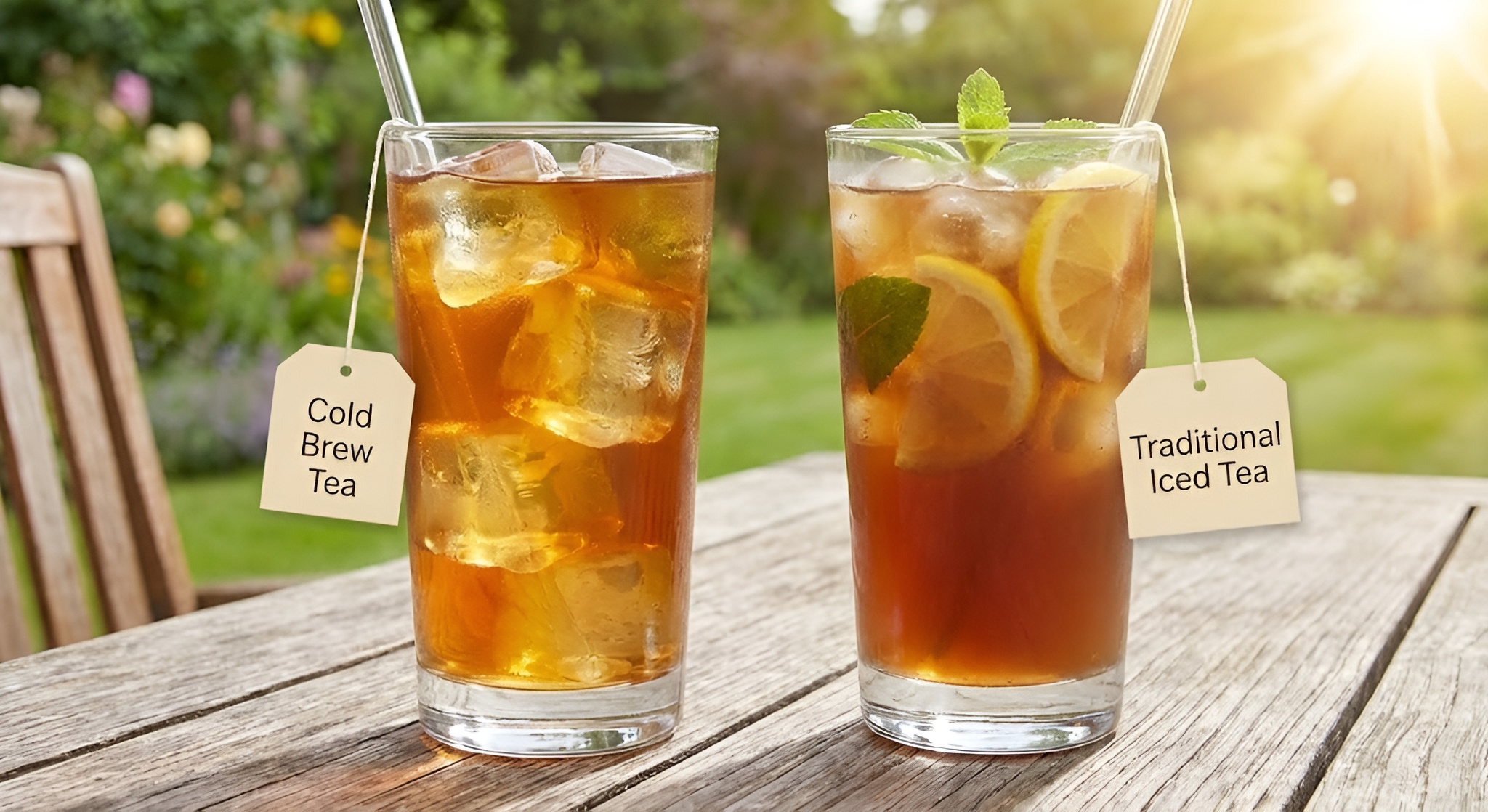
Fruit infusions—blends of hibiscus, rosehip, apple, and berry pieces—are often colourful and appealing, but check the ingredient list carefully: high-hibiscus blends can be very tart, which children may refuse, and some contain added flavourings or sweeteners that are unnecessary. A plain apple-and-rosehip infusion, lightly sweetened if needed, is usually a safer bet. If your child is particularly sensitive to texture or temperature, consider cold-brewing overnight in the fridge and sending the flask chilled or at room temperature; this eliminates any temperature anxiety and often results in a smoother, less astringent flavour.
Avoid anything marketed as 'detox' or containing senna, fennel in large amounts, or other laxative or strongly medicinal herbs—these are not appropriate for children and can cause digestive upset. Similarly, do not send black or green tea in a child's lunch box unless they are in their mid-teens and accustomed to caffeine; even a weak brew can disrupt concentration or cause jitteriness in younger children. Always trial the brew at home first, at the temperature it will be when consumed at school, and ask for honest feedback. If your child says 'it's okay', that usually means they will tolerate it; 'I love it' is the gold standard, and anything less enthusiastic may not be worth packing.
6. Rebuilding a Consistent Morning Tea Routine After the Summer Disruption
The summer holidays often dismantle whatever morning routine existed in July, and the first week of September can feel chaotic as everyone adjusts. The solution is not to attempt perfection on day one, but to establish a minimal viable routine and refine it over the first fortnight. Start with a single, non-negotiable anchor: boil the kettle at the same time every morning (set a timer if needed), and brew one mug of your chosen breakfast tea. Drink it while performing one other essential task—laying out breakfast bowls, checking book bags, or simply sitting down for three minutes of quiet before the day accelerates.
Once that single mug is habitual (usually after four to five consecutive days), you can expand the routine to include preparing the children's thermos, a second cup for yourself, or a more elaborate brew. The key is repetition and simplicity: choose one or two teas for the first month rather than rotating through a cupboard full of options, because decision fatigue is real when you are tired, and reaching for the same familiar tin is faster and more reliable than deliberating over choices. If you are also trying to re-establish an evening wind-down tea routine, keep it separate—use different mugs, different teas, different times—so your brain learns to associate the morning brew with alertness and the evening one with rest.
Finally, accept that some mornings will fail. The car will not start, someone will spill juice on their uniform, the school email will announce a last-minute bake sale. On those days, instant tea bags or even a travel mug filled in haste are absolutely fine. The goal is not Instagram-worthy mindfulness; it is getting out of the door with enough caffeine and composure to function, and a realistic routine is one that survives the inevitable chaos of family life.
Prep the Night Before
Set out your tea tin, favourite mug, and thermos on the counter before bed. Removing even one small decision from the morning sequence reduces cognitive load and makes the routine feel effortless.
7. What to Buy: Practical Recommendations for UK Families in September 2026
If you are stocking up for the new term, prioritise versatility, value, and freshness over novelty. For your own morning caffeine, buy 250–500 g of a robust black tea you genuinely enjoy—a Kenyan blend, an Assam, or a reliable English Breakfast from a UK merchant with good turnover (so the tea is fresh). Avoid the temptation to order a kilogram of something unfamiliar just because it is on offer; you will be drinking this daily for weeks, and if you do not like it, the 'saving' becomes waste. Loose leaf is more economical and often fresher than bags, but if mornings are frantic, good-quality pyramid bags are a perfectly acceptable compromise.
For immune-support blends, buy small quantities (50–100 g) to trial, and wait until symptoms actually appear rather than stockpiling preventatively. Check the ingredient list for the evidence-backed botanicals discussed in section 4—echinacea, elderflower, ginger, liquorice—and compare price per 100 g across brands; premium packaging does not guarantee better efficacy. For children's flasks, purchase 100 g of plain rooibos and 50 g of a mild fruit infusion (apple and rosehip, or a berry blend low in hibiscus), and test both at home before committing to larger amounts. If your child has strong flavour preferences, involve them in the tasting; a brew they have chosen themselves is far more likely to be drunk.
On the equipment side, if you are replacing an old thermos, invest in a model with a wide mouth for easy cleaning, a secure but child-friendly lid, and a capacity appropriate to your child's age (300–400 ml for primary school, 500 ml for secondary). Vacuum flasks vary widely in heat retention, so read reviews or test at home with hot water and a thermometer to ensure the model does not over-insulate and deliver scalding liquid hours later. If you are also considering portable brewing kits for your own commute or car journeys, look for integrated infusers and spill-proof lids that can be operated one-handed.
8. Common Mistakes and How to Avoid Them in the First Month Back
The most frequent error parents make in early September is over-complicating the routine. Elaborate multi-step brewing rituals, rotating tea selections, or ambitious 'wellness' protocols collapse under the pressure of real mornings with real children. Keep it simple: one reliable breakfast tea, one caffeine-free option for the children, and a small stock of immune-support blend for when needed. The second mistake is inconsistent timing—drinking tea at 7 a.m. one day and 9 a.m. the next undermines the caffeine response and makes you feel groggier, not more alert. Set a daily alarm for kettle-on time and stick to it, even at weekends, for the first three weeks until the habit is embedded.
Another common pitfall is assuming a thermos filled with boiling tea will cool to safe temperatures by lunchtime. It will not; good vacuum flasks are designed to resist heat loss, and children have been scalded by drinks poured hot at breakfast and still dangerously hot six hours later. Always cool brews before pouring, and verify the temperature. Similarly, do not send highly caffeinated or strongly flavoured teas in a child's lunch box assuming they will 'get used to it'; they will not drink it, and you are setting everyone up for frustration and waste.
Finally, do not rely on tea—or any single intervention—to fix systemic sleep deprivation or stress. If you are consistently exhausted despite two mugs of strong tea, the issue is not the tea; it is bedtime, screen habits, or workload, and addressing those root causes will do far more for your wellbeing than upgrading to a premium Assam. Tea is a supportive tool in a functional routine, not a substitute for rest, and recognising that distinction prevents both disappointment and over-reliance. The school-run survival guide is exactly that—a guide to getting through the term with sanity and caffeine intact, not a promise of transformation.
Track What Works
Keep a quick note (phone or sticky pad on the fridge) of which teas you actually drink, which the children finish, and any patterns in energy or symptoms. After two weeks, you will have real data to refine your buying and brewing choices rather than guessing.




Comments