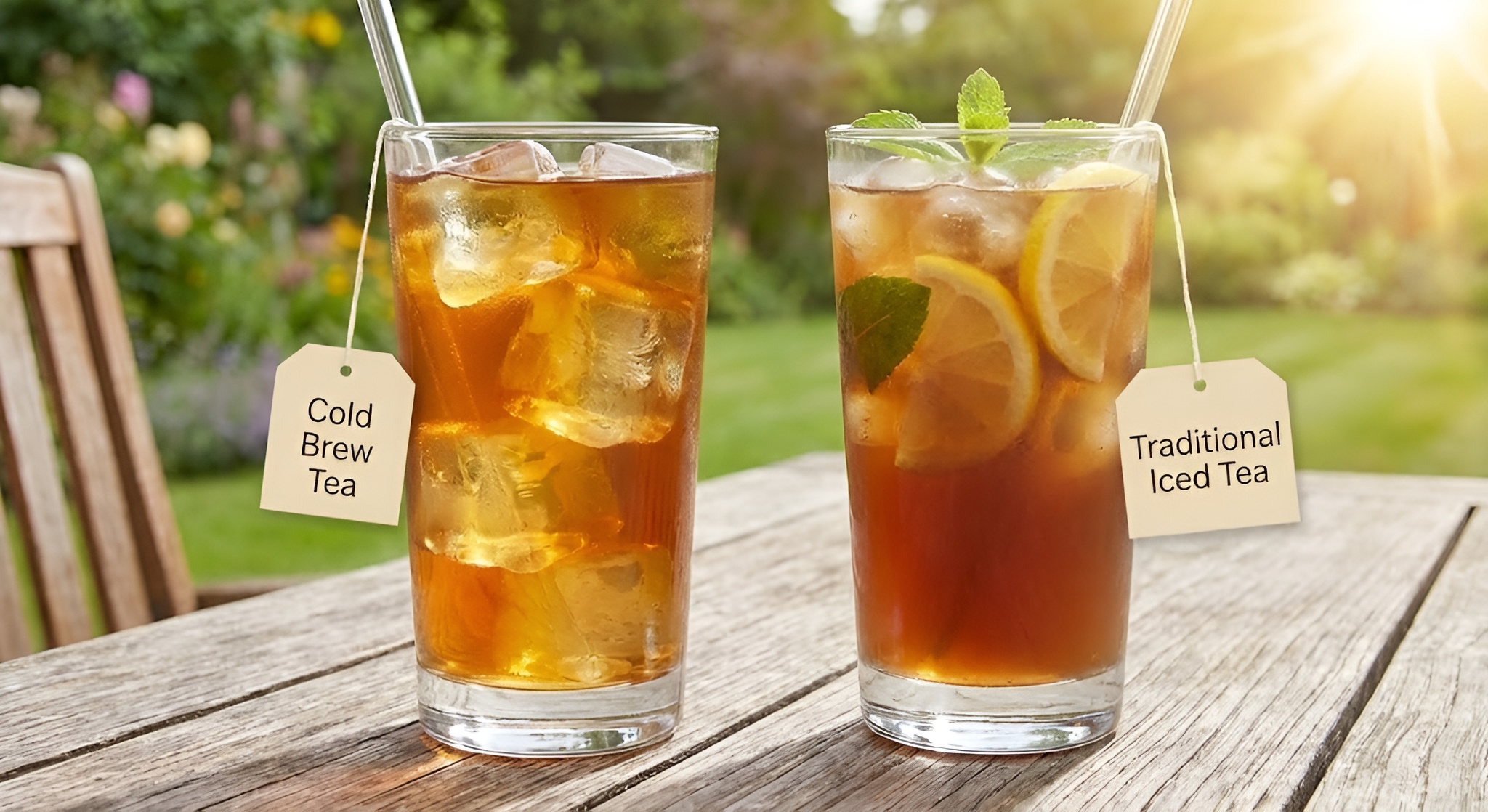
1. What Indian Summer and False Autumn Actually Mean (and Why They Confuse Your Tea Routine)
The term Indian summer has no universally agreed meteorological definition, but in British usage it typically describes a warm, dry, settled spell in September or early October that arrives after the first cold snap or frost of autumn. It's characterised by daytime highs around 20–25°C, clear skies, low winds, and crucially, a return of genuine warmth rather than a lingering tail-end of summer. The 'after the cold' criterion matters: if August simply bleeds into a warm September with no intervening chill, that's technically a late summer, not an Indian summer. The phrase likely derives from North American Indigenous harvest patterns, though its application to British weather is contested and some style guides now prefer 'St Luke's summer' (after the saint's feast day, 18 October) or simply 'unseasonable warmth'.
False autumn, by contrast, is the cool interlude itself—the deceptive week in late August or early September when temperatures drop, skies grey over, and you're convinced the season has turned, only for high pressure to rebuild and deliver another fortnight of near-summer conditions. Meteorologically, false autumn occurs when an early Atlantic low brings cooler maritime air, then retreats before establishing the autumn pattern. Both phenomena disrupt seasonal routines because they decouple calendar (school term has started, shops stock autumn goods, your brain says 'it's September') from climate (it's 24°C at 3 p.m., you're in a T-shirt, and hot tea feels absurd).
For tea drinkers, this mismatch is more than aesthetic. Your body's thermoregulation, thirst response, and even polyphenol metabolism are keyed to ambient temperature and daylight length, not the date on the calendar. If you've already switched to heavy Assam and evening rooibos, then a 25°C afternoon leaves you either uncomfortably warm or reaching for a brew that feels 'wrong'—like wearing a winter coat in June. The solution is not to ignore seasonality, but to build flexibility into your brewing system so you're not constantly second-guessing yourself.
The Five-Night Rule
Don't pack away your cold-brew jug until overnight lows stay below 12°C for five consecutive nights. Single cold snaps are false autumn; sustained cool is the real thing.
2. Why Your Body Wants Different Tea When the Weather Swings (Thermoregulation, Thirst Lag, and Metabolic Cues)
Human thermoregulation is not instant. When external temperature rises, your hypothalamus triggers peripheral vasodilation and sweating, but these responses ramp up over 30–90 minutes and are influenced by your recent thermal history. If you've spent three cool days wearing jumpers, your body's baseline set-point is lower, and a sudden warm spell will feel more intense—hence the common experience of a 22°C September day feeling hotter than the same temperature in July, when you're acclimatised. This lag explains why your tea cravings may not align with the morning forecast: if yesterday was hot, you'll wake up today still slightly dehydrated and thermally primed, even if the sky is overcast.
Thirst cues lag even further. Plasma osmolality (the concentration of solutes in your blood, the primary thirst trigger) takes several hours to reset after fluid loss, and mild dehydration from yesterday's heat often manifests as morning fatigue or a vague desire for 'something lighter' rather than overt thirst. This is why you might reject your usual strong breakfast tea the morning after an Indian summer day, even though the temperature has dropped overnight—your body is still catching up. Conversely, a cold morning after several warm days may see you reaching for iced tea out of habit, only to feel chilled an hour later when your core temperature drops.
Add to this the role of polyphenol metabolism: catechins and tannins in tea have mild thermogenic effects (they slightly raise metabolic heat production), which is welcome on a cool morning and uncomfortable in warm weather. Meanwhile, the astringency of tannins feels more pronounced when you're already warm, because your saliva is slightly thicker and your oral mucosa more sensitive. The upshot is that a robust Assam or Keemun that felt perfect last week can taste harsh and overpowering during Indian summer, not because the tea has changed but because your physiology has.
3. The Core Transitional Tea Toolkit: Teas That Work Hot, Warm, or Cold Without Tasting Wrong
The key to navigating false autumn is a small repertoire of teas that taste coherent across a wide temperature range and don't carry strong seasonal associations. Oolongs—especially lighter oxidised styles like Tie Guan Yin, Baozhong, or Ali Shan—are the workhorses here. They're floral and aromatic enough to feel refreshing when cool, but have sufficient body and complexity to satisfy when hot. Their moderate caffeine sits between green and black, useful when your sleep is disrupted by temperature swings, and they re-steep well, meaning you can brew a pot in the morning and draw from it all day as temperature and inclination shift.
White tea (Silver Needle, White Peony) is another bridge. It's light enough to drink chilled without dilution, doesn't turn bitter if overbrewed or left to cool, and its subtle sweetness feels neither summery nor autumnal—just tea. Hōjicha (roasted green tea) occupies the opposite end: it's warm and toasty in profile, so it reads as 'autumn' psychologically, but its low tannin and gentle roast character mean it's pleasant even at room temperature or lightly chilled, and it pairs well with harvest foods whether you're indoors or out.
Lighter pu-erh (young sheng, or a mellow shou) can also work, though its earthy character is polarising; if you like it, it's supremely flexible, as it tastes 'right' in any season and any weather. Avoid heavily malty Assams, smoked Lapsang, or spiced chai during transitional periods—they're too seasonally coded and will taste either out of place or oppressively heavy when the mercury climbs. Similarly, set aside delicate Japanese greens (sencha, gyokuro) unless you're committed to drinking them hot; they lose much of their character when cooled and can taste flat or tinny at room temperature. Stock two or three transitional teas in larger quantities from late August, and keep your seasonal favourites in smaller amounts until the weather settles.
The Room-Temperature Test
If a tea tastes acceptable—not amazing, but drinkable—at room temperature after 30 minutes, it's a good transitional candidate. Teas that turn sour, flat, or astringent as they cool won't flex with the weather.
4. Concentrate-and-Dilute: The Single-Brew Method That Adapts to Any Temperature
The most practical system for Indian summer is to brew a concentrated base once in the morning—typically double or triple your usual leaf-to-water ratio—and dilute to taste throughout the day with either boiling water (for hot tea), warm water (for a mild brew), or cold water and ice (for instant iced tea). This eliminates the need to re-boil multiple times (saving energy and time), ensures consistency, and lets you respond to temperature changes in seconds. A 500 ml concentrate of oolong brewed at 1:20 ratio (25 g leaf to 500 ml water) can yield 1.5–2 litres of finished tea depending on your preferred strength.
Store the concentrate in a heatproof jug or bottle at room temperature if you'll use it within six hours, or refrigerate if longer. Pour 100–150 ml into a cup or glass, then top up with your chosen diluent. For iced versions, add ice after dilution to avoid excessive melt and further dilution—or use tea ice cubes frozen from yesterday's leftovers. For hot, pour boiling water slowly and stir; the concentrate will cool the water slightly, landing you at a drinkable 70–75°C without needing to wait.
This method is particularly valuable during energy-conscious autumn when you're weighing the cost of repeated kettle boils. It also mirrors the concentrate-and-dilute approach used in commercial iced tea systems, but here applied with loose-leaf and no added sugar. If you're brewing for a household with different preferences—one person wants hot tea, another cold—concentrates let you satisfy both from a single batch. The technique works best with oolongs, white teas, and hōjicha; black teas can be concentrated but tend toward bitterness, and greens lose their fresh character when held for hours.
Mark Your Concentrate Strength
Label your jug with the dilution ratio (e.g. '1:2' or '1:3') so anyone in the household knows how much water to add. Guessing leads to weak or overpowering cups and wasted tea.
5. Day-Structure Strategies: Matching Brewing to Diurnal Temperature Swings
September's hallmark is not sustained heat but diurnal variation: mornings that start at 10–12°C with mist or dew, afternoons that peak at 22–25°C in direct sun, and evenings that cool rapidly after sunset. A single brewing approach won't serve all three windows. The most effective strategy is to segment your day and assign different tea formats to each: hot tea (or warm concentrate dilution) for early morning, when your core temperature is lowest and you're likely indoors; room-temperature or lightly chilled tea for midday and early afternoon, when you're active and ambient warmth peaks; and a return to hot or warm tea in the evening as temperature and light drop and your body primes for rest.
For the morning window, prioritise teas that answer the early chill—a proper hot brew, ideally something with moderate body (oolong, white, or a light black like Yunnan Gold). If you're heading out for the school run or a dog walk, take a flask; even if the day warms, you can pour the tea over ice later rather than waste it. At midday, switch to your concentrate base or brew a fresh batch of cold-brew tea if you have 3–4 hours' lead time. If you're at a desk and don't want the hassle, room-temperature oolong or white tea in a large cup or bottle works well—it's hydrating, not thermally challenging, and requires no prep.
By evening, even if the afternoon was warm, the psychological and circadian pull is toward 'settling' behaviours—warmer, darker, more routine. This is when you can reintroduce evening teas like rooibos, chamomile, or a light pu-erh, signalling to your body that the day is ending regardless of the calendar. If the night remains warm (above 18°C), opt for caffeine-free and lower-tannin options to avoid disrupting sleep that's already fragile in transitional weather. This segmented approach sounds complicated, but once you establish the rhythm—hot morning, cool midday, warm evening—it becomes automatic and far less mentally taxing than trying to decide 'what tea fits today' every single time.
6. When to Finally Pack Away the Cold-Brew Kit (and When to Keep It Out 'Just in Case')
There's a persistent British instinct to 'put summer things away' the moment September arrives, as though tidiness will summon autumn into being. Resist this with your cold-brew equipment. The true marker is not the calendar but sustained behavioural change: when you go five consecutive days without reaching for anything cold, or when overnight temperatures stay below 12°C for five nights running, or when the forecast shows no further warm spells in the 10-day outlook. Until then, keep the jug, the glasses, and the ice-cube trays accessible—not front-and-centre, but within one cabinet-door or one shelf of easy reach.
If you're short on space, compromise: pack away the bulky items (concentrate makers, large pitchers) but keep one small 1-litre cold-brew bottle and a set of handled glasses on a high shelf. This 'skeleton kit' is enough for an opportunistic batch if a warm weekend appears, without cluttering your everyday workspace. Similarly, leave a bag of your preferred instant iced tea powder or a small tin of white or oolong in an accessible spot, separate from your main autumn rotation—think of it as a transitional reserve, like keeping a light jacket by the door even though you've swapped your wardrobe.
By mid- to late October, even the most stubborn Indian summer has typically broken, and you can fully commit to autumn storage and humidity control practices. But in the liminal weeks of September and early October, treating your cold-brew kit as 'seasonal but not yet stored' rather than 'summer is over, pack it all' will save you frustration and the faintly ridiculous scenario of digging through a cupboard at 2 p.m. on a 24°C Thursday because you refused to admit summer might return.
The 'One Hot Day' Test
If the forecast shows even one day above 22°C in the coming week, leave your cold-brew kit out. You'll use it, and the 30 seconds saved not retrieving it will spare you decision fatigue.
7. Outdoor and On-the-Go Brewing: Thermos Strategy for Swinging Conditions
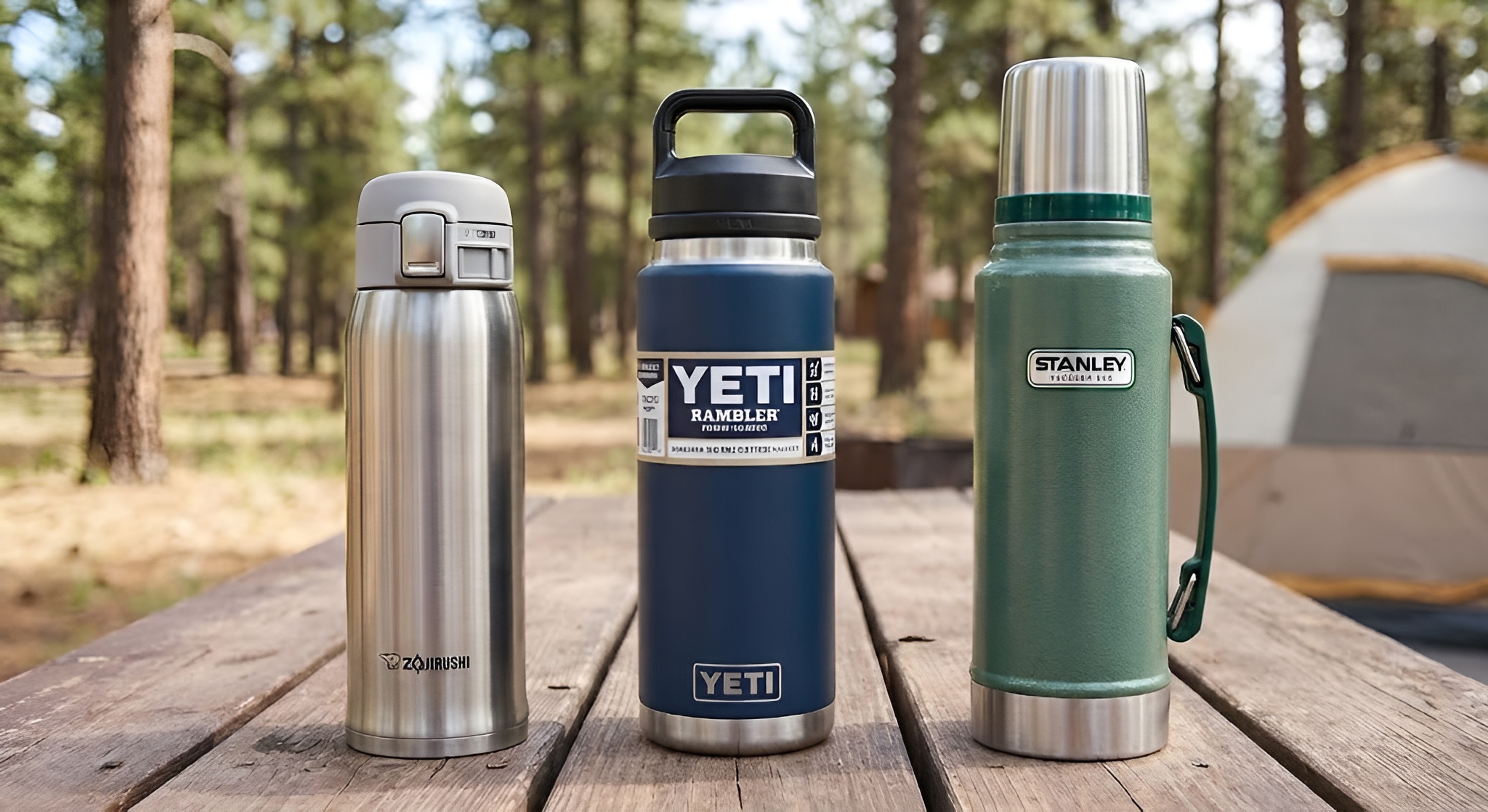
September is prime season for foraging walks, blackberry picking, and orchard visits—activities that span several hours and multiple microclimates (shaded woodland, open field, windy hilltop). A single-temperature flask is a gamble: take hot tea and you may be uncomfortably warm by midday; take cold and you'll regret it if clouds roll in. The solution is a wide-mouth insulated bottle (500–750 ml) that can accommodate ice cubes, allowing you to start with hot or warm tea, drink some, then add ice from a small separate container or a freezer pack if the afternoon heats up.
Alternatively, carry two smaller flasks—one hot (250 ml), one cool or room-temp (500 ml)—and choose as conditions dictate. This sounds excessive until you've spent three hours in a hedgerow on a day that swung from 12°C mist to 23°C sun, at which point the redundancy feels justified. For group outings—Equinox gatherings, farmers' market mornings—a larger vacuum jug (1–2 litres) of concentrate plus a separate flask of hot water lets participants self-serve at their preferred dilution and temperature, turning tea into a flexible, inclusive element rather than a fixed offering.
For travel kits, prioritise teas that don't degrade in a flask: oolongs and hōjicha hold up for 4–6 hours, whites for slightly less. Avoid delicate greens (they turn grassy) and heavily astringent blacks (they intensify). If you're relying on a flask through a full day, consider a lunchtime 'refresh'—pour out what's left, rinse quickly with cold water from a bottle, and refill with a second brew you've prepared in a small travel packet and a fold-flat silicone cup. This modular approach—base kit plus optional add-ons—gives you control without requiring a full mobile tea ceremony.
8. Psychological and Ritual Adjustments: Holding Autumn Intent Without Fighting the Weather
The hardest part of Indian summer is not the logistics but the cognitive dissonance. You've mentally prepared for autumn—new routines, school mornings, darker light, a shift toward inward, slower rhythms—and the weather refuses to cooperate. This mismatch can feel irritating or even disorienting, particularly for those who use tea as a seasonal anchor. The solution is to separate ritual intent from thermal reality. You can drink a transitional oolong from your favourite autumn mug, at your usual evening time, with a blanket nearby even if you don't need it yet—maintaining the structure and mood of autumn tea while adapting the temperature and strength to the conditions.
This is where small sensory cues help. If you associate autumn with specific ceramics—a heavier clay pot, a particular glaze—use them even for cooler or room-temperature tea; the texture and weight in your hands will cue the season even if the liquid inside isn't steaming. Pair your tea with autumnal flavours—blackberries, apples, oat biscuits—so the overall experience reads as seasonal even if the weather doesn't. Light a candle in the evening, even if the window's open. These rituals aren't about denial; they're about continuity, a way of saying 'autumn has begun' without demanding the weather agree with you.
Finally, give yourself permission to be inconsistent. If you want hot tea at breakfast, iced at lunch, and hot again by dinner, that's not confusion—it's appropriate adaptation. The British cultural anxiety around 'getting it right' (am I allowed to drink iced tea after the first of September? is it absurd to want hot tea on a warm day?) is largely self-imposed. Trust your body's cues, match tea to weather moment-by-moment, and resist the idea that seasonal drinking must be rigid or pure. Indian summer is a liminal, contradictory time; your tea practice can be, too.
The 'Autumn Mug, Summer Brew' Trick
Serve iced oolong or room-temp white tea in your favourite heavy autumn mug rather than a summer glass. The vessel cues the season psychologically, even when the tea's temperature doesn't.




Comments