1. What 'Premium' Means in Tea—and What It Does Not
In tea, premium is an umbrella term covering rarity (limited harvest windows, low-yield cultivars, high-altitude gardens), labour intensity (hand-plucking single buds, multi-stage oxidation, traditional charcoal roasting) and processing precision (temperature-controlled withering, exact roast curves, controlled fermentation). A premium-priced tea should exhibit at least one of these attributes in a way that alters the biochemistry or sensory profile of the finished leaf. For example, a Japanese gyokuro grown under shade nets for three weeks before harvest develops higher L-theanine and chlorophyll, yielding umami sweetness and reduced astringency that unshaded sencha cannot replicate. That biochemical shift is the structural justification for gyokuro's higher cost.
What premium does not guarantee is superior flavour for your palate, longer shelf life, health benefits beyond those of standard whole-leaf tea, or ethical sourcing. A £50 competition-grade Taiwanese oolong may taste vegetal or mineral-heavy if you prefer malty blacks; a £10 Assam second-flush may deliver the exact breakfast boldness you want. Price reflects input costs and market positioning, not universal quality. Likewise, 'premium' labels often skip detail on picker wages, pesticide regimes or garden working conditions—if those matter to you, look for independent certifications (Rainforest Alliance, Fair Trade, Soil Association Organic) rather than assuming cost equals ethics.
Marketing red flags include vague origin labels ('Himalayan white tea' without naming the region or estate), invented grade names ('Imperial Supreme Reserve' with no third-party verification), and packaging that costs more than the leaf (embossed tins, silk-lined boxes, individually foil-wrapped 2 g sachets). None of these add flavour or biochemical value. Conversely, unbranded 50 g samples from specialist importers may contain estate-direct leaf at a fraction of the retail price, because you are paying for the tea rather than the theatre. If you are new to premium tea, buy small quantities from multiple sources, taste them side by side, and learn which processing styles and origins suit your palate before committing to large tins.
The Packaging Inversion
If a tea's tin, box or branding is the first thing you notice, subtract 20–40 % from the price to estimate the leaf's wholesale cost. Premium tea often arrives in plain pouches because the estate invests in plucking and processing, not retail design.
2. White Tea: What Drives Price Beyond 'Silver Needle'
White tea commands premiums primarily for picking selectivity and biochemical fragility. A true Silver Needle (Bai Hao Yin Zhen) comprises only the unopened terminal bud, plucked during a narrow spring window—typically two weeks in late March to early April in Fujian—when catechin and amino-acid levels peak and the bud is covered in fine white hairs. Each picker may harvest only a few hundred grams per day, and the buds must be withered and dried within hours to prevent enzymatic browning. This labour intensity and fleeting harvest justify prices of £30–£80 per 100 g for estate-grade Silver Needle from Fuding or Zhenghe. Lower-priced 'Silver Needle' blends (£15–£25 per 100 g) often include first-leaf picks or buds from later flushes, which are less sweet and more vegetal.
Other white-tea grades—Bai Mu Dan (White Peony, bud plus one or two leaves) and Shou Mei (larger leaves from summer plucking)—cost less because they tolerate mechanised picking or faster hand-plucking and have wider harvest windows. Bai Mu Dan typically runs £12–£30 per 100 g and offers a rounder, slightly fruitier profile than pure-bud Silver Needle, making it better value if you prefer body over delicacy. Comparing Silver Needle to White Peony side by side reveals whether the bud-only premium matches your taste preference—many drinkers find Bai Mu Dan more versatile and forgiving of longer steeps.
Aged white tea is a separate premium category: cakes or loose leaf stored for 3–10 years develop darker colour, honey and dried-fruit notes, and reduced astringency as catechins polymerise into theaflavins. Genuine aged whites come with storage provenance (warehouse location, humidity logs, sometimes photographic documentation of the cake over time). Unverified 'aged' whites are common; if the seller cannot provide storage history or the price seems low (under £25 per 100 g for a purported 10-year cake), assume the age claim is decorative. When buying premium white, prioritise named origin (Fuding, Zhenghe, high-altitude Yunnan), harvest date (month and year), and bud-to-leaf ratio over generic 'organic' or 'artisan' labels.
3. Japanese Green Tea: Shade, Cultivar and Freshness Premiums
Japanese green tea pricing hinges on three variables: shade duration, harvest timing and cultivar. Standard sencha, grown in full sun and machine-plucked during the main first flush (late April to May), ranges from £8–£18 per 100 g and delivers grassy, vegetal notes with moderate umami. Kabusecha, shaded for roughly one week before harvest, sits at £15–£30 per 100 g, with higher chlorophyll, more pronounced sweetness and less astringency. Gyokuro, shaded for three weeks, commands £35–£80 per 100 g: the extended shade suppresses catechin synthesis and boosts L-theanine, yielding a broth-like umami intensity and near-zero bitterness when brewed cool (50–60 °C).
Shincha—the very first spring plucking, often in early April—carries a freshness premium (£20–£50 per 100 g) because its catechin profile is most delicate and its shelf life shortest. Shincha oxidises within months even under refrigeration, so the premium makes sense only if you will drink it within three to six months of harvest. After that window, a well-stored standard sencha may taste equally fresh. Cultivar also matters: Yabukita is the workhorse (80 % of Japanese tea area), offering balanced vegetal-umami character at lower cost; boutique cultivars like Saemidori (sweeter, more aromatic) or Okumidori (deeper umami, slower-growing) justify a 20–40 % premium if you appreciate their specific flavour shifts.
When evaluating Japanese greens, ask for harvest date and cultivar name. If the seller lists only 'organic ceremonial-grade sencha', you are paying for marketing. Conversely, a Kagoshima Yutaka Midori sencha harvested in May 2026 and sold in October at £12 per 100 g may offer better value than an undated 'premium' sencha at £20. For UK-available Japanese greens, specialist importers often provide batch codes linking to producer records; mass-market 'premium' tins rarely do. If you drink Japanese tea daily, buy mid-tier sencha in 200–500 g packs and reserve gyokuro or shincha for occasional comparison—your palate will learn the difference more effectively than any price tag can teach.
The Refrigeration Test
Store a small sample of your Japanese green in the freezer and another at room temperature for one month. Taste both side by side: if the frozen sample is noticeably brighter, the tea was fresh enough to justify a premium. If they taste identical, the leaf had already oxidised before you bought it.
4. Oolong: Oxidation, Altitude and Hand-Rolling Costs
Oolong spans the widest price range of any tea category—£10 to £150 per 100 g—because oxidation level, roast intensity, altitude and cultivar all compound. A machine-rolled, lowland Fujian Shui Xian at 40 % oxidation and light roast may cost £10–£15 per 100 g and deliver reliable honey-and-stone-fruit notes. A hand-rolled, competition-grade Alishan or Lishan oolong from Taiwan, grown above 1,800 m, picked by hand at 20 % oxidation and roasted in three separate charcoal stages, can reach £60–£120 per 100 g. The altitude premium is biochemical: slower growth at elevation concentrates flavour precursors (terpenoids, amino acids) and reduces catechin harshness, yielding floral sweetness and a silky mouthfeel. Oxidation level also shapes cost: lightly oxidised greener oolongs (10–30 %) require more precise climate control during withering to prevent over-oxidation, while heavily oxidised dark oolongs (60–80 %) tolerate broader processing windows.
Hand-rolling adds labour cost and aesthetic value—tightly rolled Tieguanyin or Dong Ding pearls take longer to unfurl during brewing, releasing flavour gradually over multiple infusions, whereas machine-twisted leaf may exhaust after two or three steeps. Traditional charcoal roasting (as opposed to electric-drum roasting) imparts a deeper, more layered sweetness and costs more because each roast batch is smaller and requires constant monitoring. If an oolong lists roast date, oxidation percentage, altitude and cultivar, the price likely reflects genuine processing complexity. If it says only 'premium Taiwanese oolong, hand-crafted', you are paying for poetry, not data.
High-mountain Taiwanese oolongs represent the category's apex in price and refinement, but they are not universally preferred: some drinkers find them too floral or vegetal and prefer the roasted maltiness of a mid-oxidation Wuyi rock oolong (Da Hong Pao, Rou Gui) at half the cost. To assess value, brew the tea gongfu-style (5 g in a 100 ml gaiwan, multiple short infusions) and count how many flavourful steeps you extract. A £50 oolong that yields eight fragrant infusions delivers better cost-per-cup than a £15 oolong that dies after three. For everyday drinking, consider oolong tea bags from premium producers—some Taiwanese estates now offer pyramid sachets of estate leaf at £18–£25 per 50 g, which is excellent value if you lack gongfu equipment.
The Multi-Steep Return Calculation
Divide the tea's price per 100 g by the number of good infusions it yields per 5 g serving. A £60 oolong giving 10 steeps costs £3 per session; a £15 oolong yielding 3 steeps costs £2.50. Complexity and longevity, not just sticker price, determine value.
5. Black Tea: First Flush, Estate Provenance and Oxidation Control
Black tea premiums cluster around seasonal harvest (first flush vs. second flush), estate pedigree and orthodox vs. CTC processing. Darjeeling First Flush (March–April plucking) commands £25–£60 per 100 g for its bright, floral, almost green-tea character, driven by cool spring temperatures that slow enzymatic oxidation and preserve catechin delicacy. By contrast, second-flush Darjeeling (May–June) costs £15–£35 per 100 g and offers muscatel sweetness and fuller body—many drinkers find it better value because the flavour is richer and more forgiving of varied brewing temperatures. First flush is a luxury tied to fleeting biochemistry, not necessarily to superior taste.
Estate-branded blacks from single gardens—Castleton, Makaibari, Glenburn in Darjeeling; Keemun Hao Ya from Anhui; Yunnan Gold (Dian Hong) with visible golden tips—justify premiums (£18–£40 per 100 g) when they provide lot numbers, plucking dates and oxidation notes. These details let you trace flavour variation across seasons and compare the same estate year over year. Generic 'Assam TGFOP' or 'premium English Breakfast blend' at £12–£20 per 100 g may taste excellent but offers no traceability; you are buying a blender's skill rather than terroir. Chinese black teas vary widely: a charcoal-smoked Lapsang Souchong costs more for the smoking process (labour and time), while a Yunnan Gold with high tip content costs more for selective plucking of the golden buds.
Orthodox processing—where leaf is rolled, oxidised and dried in controlled batches—produces more complex, layered blacks than CTC (crush-tear-curl), which maximises yield and colour but flattens flavour nuance. Orthodox adds cost (slower throughput, more skill) but is worth it if you drink tea neat and care about aroma and aftertaste. For everyday drinking, mid-priced estate blacks (£12–£20 per 100 g) often deliver 90 % of the flavour of top-tier lots at half the cost. If you want premium black tea, prioritise single-estate provenance and harvest season over vague 'artisan' or 'reserve' labels. Decaffeinated blacks rarely justify premiums above £15 per 100 g, because the CO₂ or solvent extraction strips volatile aromatics along with caffeine.
6. Aged Pu-Erh: Storage Provenance and the Vintage Premium
Pu-erh pricing is driven almost entirely by age, storage conditions and raw (sheng) vs. ripe (shou) classification. Raw pu-erh, pressed into cakes and stored for 10–30 years, undergoes slow microbial and enzymatic transformation that softens astringency, develops camphor, wood and dried-fruit notes, and commands £40–£200 per 100 g for verified vintage cakes. Ripe pu-erh, artificially fermented via wo dui (pile fermentation) to simulate decades of ageing in 45 days, costs £8–£25 per 100 g and delivers earthy, musty sweetness immediately. The ripe process democratises the aged-tea experience but does not replicate the biochemical complexity of slow, natural oxidation.
For aged sheng pu-erh, storage provenance is everything. Cakes stored in Hong Kong's humid climate develop faster but risk mould; dry-stored Taiwanese or Kunming pu-erh ages more slowly and cleanly. Reputable sellers provide warehouse documentation, photos of the storage facility, and sometimes samples from multiple years of the same cake so you can taste the ageing trajectory. If a seller offers a '20-year raw pu-erh' at £15 per 100 g with no storage history, assume it is either shou mislabelled as sheng, poorly stored and flavourless, or entirely fabricated. Genuine aged sheng from known factories (Menghai, Xiaguan, vintage CNNP) holds auction value and rarely appears at bargain prices.
For UK buyers new to pu-erh, start with 5–8 year lightly aged sheng (£15–£30 per 100 g) or quality shou from a named factory (£10–£18 per 100 g). Brew gongfu-style (5 g, 100 ml, boiling water, 10–20 second infusions) and note how the flavour evolves over 6–10 steeps. Pu-erh's value lies in its transformation across infusions and years, not in a single sip. If you enjoy the earthy, woody character, invest in a 200–357 g cake and monitor its evolution every six months—this hands-on ageing teaches you more about the tea than any premium label. Avoid pu-erh marketed as a health product or weight-loss aid; those claims are unsupported and signal that the seller prioritises wellness trends over tea quality.
The Warehouse Smell Check
If you can inspect a pu-erh cake in person, smell the wrapper and the cake itself. Clean, slightly sweet or woody aromas signal good storage; musty, fishy or ammonia-like smells indicate damp storage or mould. Walk away from the latter, regardless of price.
7. Flavoured and Scented Tea: Real Flowers vs. Synthetic Aroma
Flavoured teas justify premiums only when the flavouring agent is real, labour-intensive and biochemically integrated into the leaf. Jasmine pearls made via traditional scenting—layering fresh jasmine blossoms with green-tea pearls over multiple nights, then removing the spent flowers—cost £20–£50 per 100 g because each scenting cycle requires fresh flowers (typically harvested daily at dawn when aroma oils peak) and careful timing to prevent the tea from absorbing excess moisture. The result is a tea whose jasmine character is volatile, fading gradually over months, rather than stable and synthetic. Cheap 'jasmine green tea' at £6–£12 per 100 g almost always uses synthetic jasmine aroma or a single scenting with lower-grade flowers; it smells louder but tastes flatter and one-dimensional.
Fruit and spice blends follow the same principle: freeze-dried strawberry pieces, whole cardamom pods, organic rose petals or real vanilla pod segments add cost but deliver complexity and texture that 'natural strawberry flavour' or 'vanilla essence' cannot. Check the ingredient list: if 'natural flavouring' appears before or without whole fruit or flowers, the premium is cosmetic. A £15 'luxury Earl Grey' with oil of bergamot and 'natural flavouring' is not worth more than a £8 Earl Grey with the same base tea and pure bergamot oil. Conversely, an Earl Grey that lists 'Calabrian bergamot peel' and uses single-estate Darjeeling or Keemun as the base justifies £18–£25 per 100 g if you value provenance and real citrus oils.
For scented teas, look for petal or fruit content you can see and touch, harvest or scenting dates, and base-tea origin. If the label emphasises packaging ('artisan tin', 'silk pouch') over ingredient detail, your money is going to the box, not the blend. Many UK tea shops now stock unbranded 50–100 g pouches of estate-scented jasmine, rose or osmanthus tea at £12–£20 per 100 g—these often outperform boxed 'luxury' equivalents at double the price. Taste them side by side: brew 3 g of each in identical conditions, smell the dry leaf and the wet leaf after steeping, and compare how long the floral or fruit note lingers on your palate. Synthetic flavouring fades within seconds; real scenting leaves a gentle, evolving aftertaste.
8. How to Compare Teas Yourself: Side-by-Side Cupping and Sensory Checks
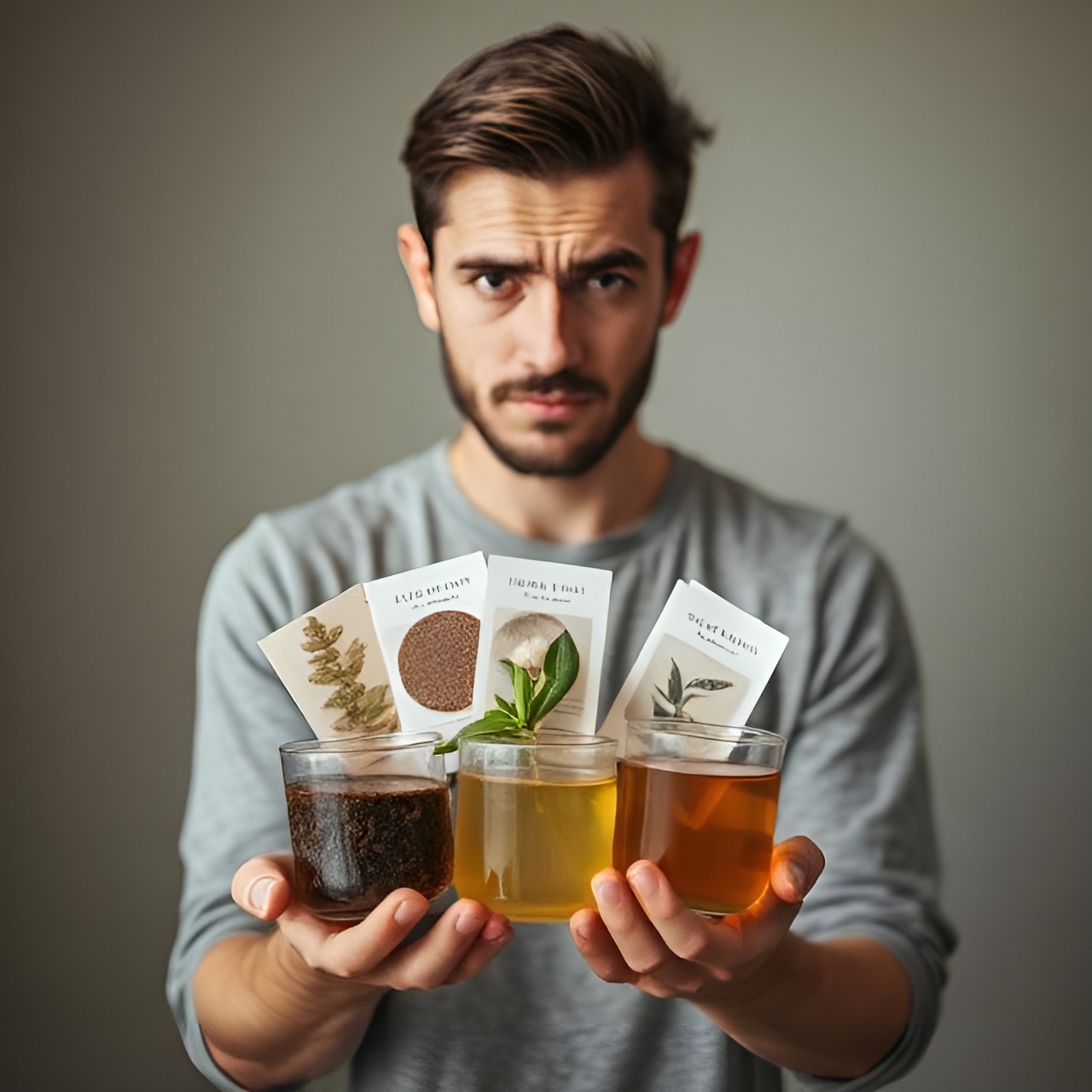
The most reliable way to assess whether a premium tea justifies its price is comparative cupping: brewing two or more teas under identical conditions and tasting them in quick succession. Use the same water (filtered if your tap water is hard), the same vessel (small porcelain or glass cups), the same leaf-to-water ratio (3 g per 150 ml for most teas, 5 g per 100 ml for oolong and pu-erh), and the same temperature and steep time. For example, compare a £15 Silver Needle to a £50 Silver Needle by steeping both at 80 °C for 3 minutes, then pouring into separate cups. Taste each, noting sweetness, body, astringency, aftertaste length and aromatic complexity. If you cannot reliably distinguish them, the premium may not suit your palate or brewing style.
Price placebo is real: studies on wine and coffee show that knowing a product is expensive makes people rate it more favourably, even in blind tastings. To minimise bias, mask the labels or have someone else prepare the teas so you do not know which is which until after you have tasted. Write down your impressions before revealing the prices. You may find that a £12 tea tastes richer or more balanced than a £40 competitor—preferences are individual, and your palate is the only one that matters. Conversely, if the premium tea delivers a longer aftertaste, more layers of aroma or greater tolerance to varied brewing (e.g. it does not turn bitter when oversteeped), it may be worth the extra cost for your daily drinking.
Sensory checks to apply during cupping: Dry-leaf aroma—does it smell vibrant, floral, sweet, toasty, or flat and dusty? Liquor colour—is it clear and bright, or cloudy and dull? Mouthfeel—does the tea coat your tongue (indicating body and amino acids), or vanish immediately (thin, over-extracted or stale leaf)? Aftertaste—does a sweetness, floral note or mineral quality linger 20–30 seconds after swallowing, or does the flavour disappear? Second and third infusions—does the tea evolve, revealing new notes, or does it taste the same or worse? High-quality tea typically improves or sustains character across multiple steeps; low-quality tea fades or turns bitter. These checks cost nothing and teach you more about tea quality than any review or grade label. For deeper exploration, consider using a glass gaiwan to observe how the leaves unfurl and how colour develops, which adds a visual dimension to your assessment.
The 30-Second Aftertaste Rule
Swallow the tea, close your mouth and count to 30. If you still taste sweetness, florals or minerals after half a minute, the tea has genuine complexity. If your mouth is neutral or astringent, the tea may be decoratively priced.


Comments