
1. Why Tea Works for Amateur Summer Sport: The Hydration and Performance Case
The physiological rationale for tea as a sports drink begins with hydration status and electrolyte replacement. During a typical hour of moderate summer sport—batting at the crease, serving and rallying on a hard court, or covering ground in a seven-a-side game—an adult loses approximately 500–1,000 ml of fluid through sweat, depending on ambient temperature, humidity, and individual sweat rate. That sweat also contains sodium (the primary electrolyte lost, at roughly 20–80 mmol/L) and smaller amounts of potassium, magnesium, and chloride. Plain water replaces the fluid but not the salts; heavily sweetened cordials or energy drinks provide carbohydrate but often in concentrations (>8% w/v) that delay gastric emptying and can cause gastrointestinal discomfort.
True tea—whether green, white, oolong, or black—contains naturally occurring potassium (typically 20–50 mg per 250 ml infusion) and trace magnesium, alongside polyphenolic antioxidants (catechins in green tea, theaflavins in black) that laboratory and limited human trials suggest may mitigate exercise-induced oxidative damage and inflammation. When you add a small amount of honey (5–10 g per 500 ml) or dilute with 25% fruit juice, you bring the carbohydrate concentration into the 4–6% range and the osmolality close to blood plasma (approximately 280–330 mOsm/kg), meeting the definition of an isotonic beverage. A pinch of sea salt (roughly 0.5 g per litre) lifts sodium to levels comparable with off-the-shelf sports drinks. The result is a home-brewed formulation that hydrates effectively, tastes pleasant cold, costs pennies per litre, and avoids artificial sweeteners, colourings, and preservatives.
Importantly, tea's moderate caffeine content—15–50 mg per cup depending on leaf type and brewing time—can enhance alertness, reduce perceived exertion, and support focus during long spells in the field or extended rallies, without the diuretic effect once feared. Multiple hydration studies in 2024–2025 confirmed that caffeinated beverages consumed at typical intake levels (under 300 mg total daily caffeine) do not impair net fluid balance in habitual consumers, meaning your cold-brewed sencha or lightly steeped Assam counts fully towards your fluid target. For recreational athletes who train or compete in the evening, choosing a low-caffeine option—Bancha, kukicha, or a caffeine-free rooibos blend—preserves the electrolyte and antioxidant benefits without risking sleep disruption later.
Isotonic Tea in Three Steps
Cold-brew 20 g green or black tea in 1 litre water overnight, strain, add 10 g honey and ½ teaspoon fine sea salt, shake well, and chill—instant home-made isotonic drink at a fraction of the supermarket cost.
2. Choosing the Right Tea for Pre-Exercise Preparation
The hour before kick-off, warm-up, or first ball is the window for preloading fluid and priming alertness, not experimenting with unfamiliar brews or high-caffeine shock tactics. Your pre-exercise tea should be cold or cool, lightly caffeinated (20–40 mg per serving), mildly sweet, and easy on the stomach. Japanese green teas—particularly Bancha, houjicha, and Genmaicha—are ideal: they offer a gentle caffeine lift, low astringency when cold-brewed, and a toasted or grassy flavour profile that pairs well with a squeeze of lemon or a teaspoon of honey.
Cold-brewed sencha is another excellent choice if you prefer a touch more body and umami; steeping 10 g of mid-grade sencha in 500 ml chilled water in the fridge for 8–10 hours yields a smooth, jade-green infusion with around 25–30 mg caffeine and abundant L-theanine, the amino acid associated with calm focus. Avoid heavily oxidised or fermented teas (strong Assam, pu-erh, heavily roasted oolongs) immediately before exercise—they can feel heavy, tannic astringency may trigger mild nausea on an empty or nervous stomach, and higher caffeine can increase pre-game jitters.
For caffeine-sensitive individuals or those competing in late-afternoon or evening fixtures, white tea or a light oolong cold-brewed will provide trace caffeine (10–15 mg per cup), subtle sweetness, and enough flavour to encourage sipping in the thirty minutes before play. Pair this with a small carbohydrate snack—a banana, a flapjack, or a slice of malt loaf—to top up glycogen without spiking blood sugar. If you're relying on portable tea kit or thermos preparation at the ground, brew at home and transport in an insulated flask to maintain temperature and freshness; avoid leaving tea in direct sun or a hot car boot, which accelerates oxidation and off-flavours.
3. Hydration During Play: Isotonic Cold Teas, Electrolyte Additions, and Practical Serving
Once play begins, your priority shifts to maintaining hydration and blood glucose without gastric upset or flavour fatigue. For cricket, where drinks breaks are formalised every hour or after a wicket, you have time to consume 200–300 ml in a sitting; for tennis changeovers or football water breaks, you may manage only a few quick gulps. In both scenarios, cold tea beats plain water for palatability—research consistently shows that flavoured beverages encourage greater voluntary fluid intake—and, when lightly sweetened and salted, delivers carbohydrate and sodium in a form that aids absorption.
A practical during-play formula: 1 litre cold-brewed green or black tea (any variety you enjoy), 20–25 g honey or agave syrup, ½ teaspoon (2.5 g) fine sea salt, optional squeeze of lime or lemon. This yields roughly 5% carbohydrate by weight, 500–600 mg sodium, and retains the natural potassium and polyphenols from the tea. Prepare in a large jug the night before, refrigerate, and decant into sports bottles or insulated flasks on match morning. If you prefer single-origin character, Bancha and second-flush Darjeeling both cold-brew beautifully and tolerate the addition of honey without clashing; if simplicity is key, a supermarket own-brand green-tea bag steeped overnight in the fridge works perfectly well and costs almost nothing.
On very hot days—ambient temperature above 28 °C, high humidity—consider chilling your tea further with ice cubes made from the same brew (frozen tea cubes prevent dilution as they melt). For those who find even lightly caffeinated tea unsettling mid-match, a rooibos or honeybush infusion, similarly sweetened and salted, provides the same osmolality and electrolyte profile with zero caffeine and a naturally sweet, nutty flavour that many athletes prefer during intense effort. Avoid adding milk or cream, which slows gastric emptying, and steer clear of heavily fruit-flavoured or citrus-overloaded blends that can cause acid reflux when you're bent double fielding or sprinting.
The Pinch-of-Salt Rule
Half a level teaspoon of fine sea salt per litre of cold tea adds roughly 1,000 mg sodium—comparable to leading isotonic drinks—without noticeably altering flavour if balanced with a touch of honey or citrus.
4. Post-Exercise Recovery: Cooling Brews, Glycogen Replenishment, and Anti-Inflammatory Infusions
The thirty-minute window after stumps are drawn, the final set is won, or the final whistle blows is when rehydration and glycogen resynthesis are most efficient. Your muscles are primed to absorb glucose and restore depleted glycogen stores; your cardiovascular system is still mobilising fluids to replace sweat losses; and your core temperature remains elevated, making a cold or cool beverage both physiologically beneficial and psychologically satisfying. This is the moment to switch from isotonic maintenance to a recovery infusion that prioritises fluid volume, a moderate carbohydrate hit (20–30 g), and compounds that may support muscle repair and reduce inflammation.
Rooibos and honeybush teas are standout choices here: naturally caffeine-free, rich in aspalathin and other polyphenolic antioxidants, and possessing a mellow, slightly sweet flavour that pairs well with honey, apple juice, or a splash of tart cherry concentrate (the latter increasingly popular among endurance athletes for its anthocyanin content and tentative links to reduced muscle soreness). Brew 15–20 g rooibos in 1 litre of just-boiled water for 5–7 minutes, chill rapidly in the fridge or over ice, then add 25 g honey and the juice of half an orange. The result is a refreshing, lightly sweet recovery drink that provides around 100 kcal of simple carbohydrate, abundant fluid, and a spectrum of plant compounds without any risk of evening caffeine interference.
Alternatively, a lightly steeped black tea—Assam, Ceylon, or a robust English Breakfast—cooled and mixed with a little milk and honey approximates a traditional post-match brew and delivers both carbohydrate and a small amount of protein if you use dairy or fortified plant milk. Chamomile or peppermint infusions, though devoid of carbohydrate unless sweetened, offer a calming, cooling effect and are valued by some athletes for mild digestive support after a heavy training session. If you've had a particularly gruelling game in high heat, consider drinking a full 500 ml of recovery tea within thirty minutes, then following with plain water or a light meal containing protein and complex carbohydrate (chicken sandwich, hummus and pitta, Greek yoghurt with granola) to complete the refuelling process.
5. Brewing Methods for Sports Tea: Cold-Brew, Flash-Chill, and Batch Preparation
Consistency, convenience, and flavour stability matter when you're brewing tea for sport rather than leisure. The two methods that best meet those criteria are cold-brewing and flash-chilling; both can be scaled to multi-litre batches, both produce a clean, low-astringency result, and both allow precise control over caffeine extraction and sweetness.
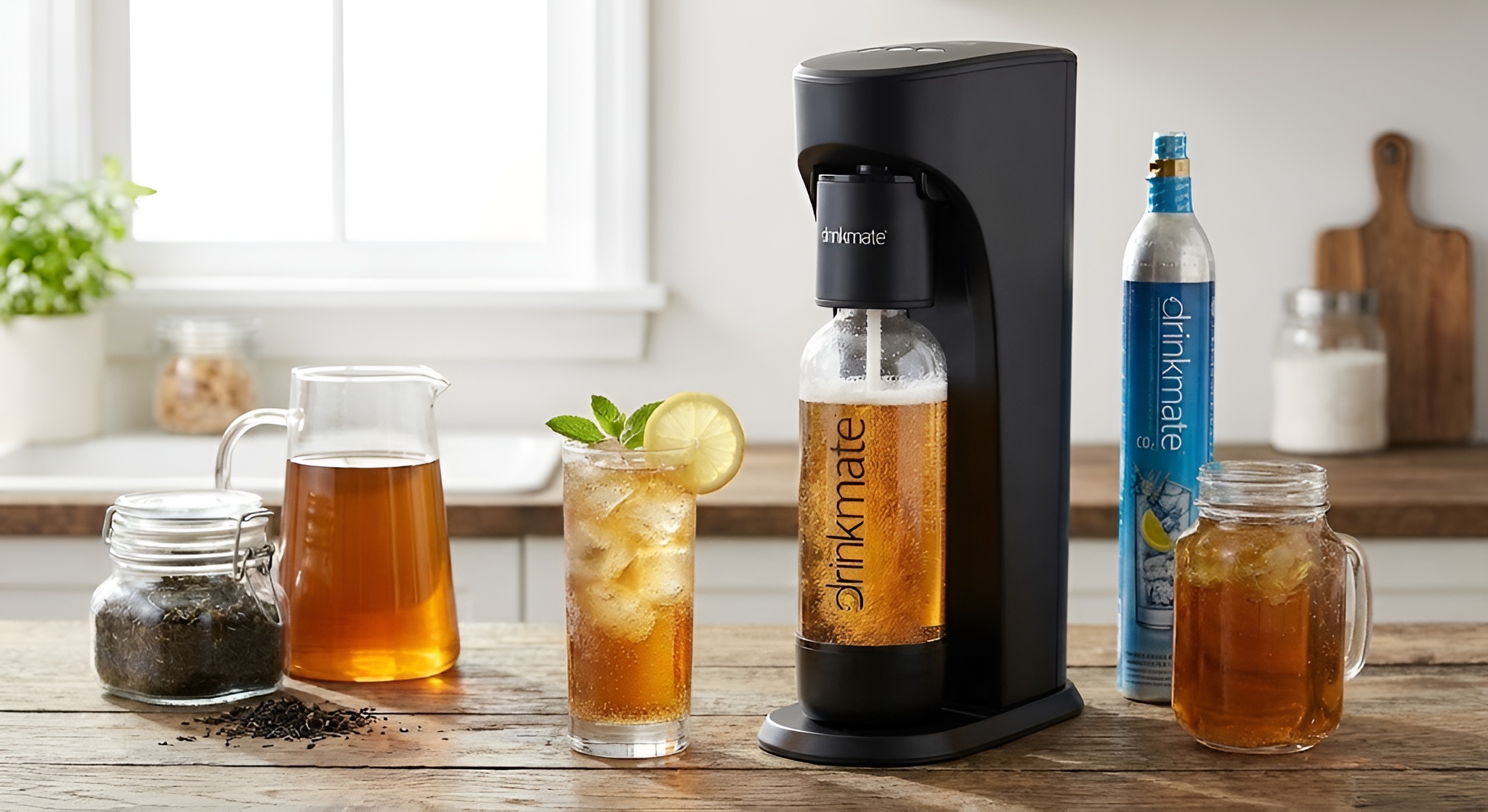
Cold-brewing is the simplest and most forgiving: measure 15–20 g loose-leaf tea (or 6–8 teabags) per litre of cold filtered water, combine in a large jug or pitcher, cover, and refrigerate for 6–12 hours. Green, white, and oolong teas can tolerate the full twelve hours without developing bitterness; black teas and rooibos are best checked at eight hours to avoid excessive tannin extraction. Strain, sweeten and salt to taste, then store in the fridge for up to three days. Cold-brewing extracts around 60–70% of the caffeine and catechins you would get from a hot infusion, which is ideal for a performance drink—you retain the beneficial compounds without overwhelming the palate or stomach.
Flash-chilling suits those who want the fuller body and complexity of a hot brew but need it cold quickly: steep your tea at the usual temperature (70–80 °C for green, 85–95 °C for black) for the standard time (2–4 minutes), then immediately strain over a large volume of ice—roughly equal weight of ice to hot tea. The dilution is factored in by doubling your leaf dose, so if you'd normally use 10 g per litre, use 20 g and pour the hot concentrate over 500 g ice in a litre jug. The result is a bright, aromatic cold tea ready within minutes, though it doesn't keep quite as well as cold-brewed (consume within 48 hours).
For match-day logistics, brew in bulk the evening before, decant into individual sports bottles or insulated flasks, and refrigerate overnight. Label bottles if you're preparing multiple formulations (caffeinated for morning, caffeine-free for evening; isotonic for during-play, recovery blend for afterwards). Avoid glass bottles on the pitch—they're a safety hazard if dropped—and ensure any screw-top or sports-cap bottles are leak-proof when inverted; nothing saps morale faster than honey-sweetened tea seeping into your kit bag.
Double-Dose, Half-Ice for Fast Results
When flash-chilling, use twice your normal leaf weight and pour over an equal weight of ice—you'll have cold, full-strength tea in under five minutes with no dilution or flavour loss.
6. Electrolyte-Enhancing Herbal Blends: Nettle, Dandelion, Hibiscus, and Mineral-Rich Infusions
While true teas (Camellia sinensis) supply moderate potassium and polyphenols, certain herbal infusions are prized in traditional and contemporary herbalism for their higher mineral content and diuretic or adaptogenic properties—attributes that, when understood correctly, can complement a sports hydration strategy. Nettle leaf (Urtica dioica), for example, is rich in iron, calcium, magnesium, and potassium; a strong infusion (15 g dried leaf per litre, steeped for 10 minutes, then cooled) yields a dark green, earthy tea that contributes meaningfully to electrolyte intake and is valued by some athletes for its reputed support of healthy inflammatory response.
Dandelion leaf (Taraxacum officinale) occupies a similar niche: high in potassium, traditionally used as a mild diuretic, and best consumed post-exercise rather than before or during, when you want to encourage fluid retention rather than elimination. Hibiscus (Hibiscus sabdariffa) brings a tart, cranberry-like acidity, natural anthocyanins, and a ruby-red colour; recent trials suggest its polyphenols may support healthy blood pressure and endothelial function, though the evidence remains preliminary. When sweetened lightly, hibiscus makes an appealing cold infusion that can replace or supplement true tea in a recovery drink, especially for those who dislike the grassy or malty notes of green and black teas.
A practical electrolyte-enhancing blend for summer sport: 10 g nettle leaf, 5 g rooibos, 5 g hibiscus, steeped in 1 litre of just-boiled water for 8–10 minutes, strained, cooled, sweetened with 20 g honey and salted lightly. This combination delivers a spectrum of minerals, vivid colour, balanced tartness and sweetness, and zero caffeine. Brew in a heatproof jug, chill overnight, and serve over ice at the interval or post-match. Because herbal infusions lack the delicate volatile aromatics of true tea, they tolerate longer steeping and reheating without significant quality loss, making them forgiving and practical for batch preparation.
7. Caffeine Strategy: Timing, Dose, and Choosing Low- or No-Caffeine Options for Evening Fixtures
Caffeine's ergogenic effects—enhanced alertness, reduced perception of effort, modest improvements in endurance capacity—are well-documented at doses of 3–6 mg per kilogram of body weight, consumed 30–60 minutes before exercise. For a 75 kg adult, that translates to roughly 225–450 mg, or four to eight cups of brewed coffee. Few recreational athletes want or need that much caffeine before a friendly cricket match or park tennis session; the practical target for tea drinkers is lower and more sustainable: 50–100 mg total, enough to sharpen focus and lift mood without provoking anxiety, gastric upset, or post-match insomnia.
A single 250 ml cup of cold-brewed sencha or lightly steeped Assam delivers 25–40 mg caffeine; two cups in the hour before play therefore sit comfortably in the beneficial range. If you're playing in the late afternoon or evening—common for midweek leagues and twilight fixtures—switch to Bancha, kukicha, houjicha, or a white tea, all of which contain 10–20 mg per cup and will not interfere with sleep four to six hours later. For post-exercise recovery, eliminate caffeine entirely by choosing rooibos, honeybush, chamomile, or peppermint; this allows your parasympathetic nervous system to shift into rest-and-digest mode and prevents the stimulant from blunting the natural post-exercise fatigue that signals your body to repair and adapt.
It is worth noting that individual caffeine sensitivity varies widely: some athletes thrive on a strong pre-match brew; others find even moderate doses trigger palpitations, jitters, or urgent trips to the toilet mid-game. If you're new to using tea as a performance aid, trial different types and doses during training sessions, not on match day, and keep a simple log of what you drank, when, and how you felt during and after exercise. Over a few weeks, a clear pattern will emerge, allowing you to fine-tune your personal caffeine strategy for competition.
The 3 PM Cut-Off
If your fixture starts at 6 PM or later, keep all tea caffeine-free after 3 PM—even moderate amounts can delay sleep onset by an hour or more, undermining recovery and next-day performance.
8. Buying, Storing, and Transporting Tea for Match Day: Practical Advice for UK Amateurs
Building a small, versatile sports-tea pantry requires only three or four core ingredients, all widely available from UK supermarkets, independent tea merchants, or online specialists. Start with a 500 g bag of everyday green tea—own-brand sencha, a Chinese Mao Feng, or Bancha if you can find it—for your primary isotonic cold brews; add a box of rooibos (200–250 g) for caffeine-free recovery infusions; pick up a packet of nettle leaf or hibiscus (50–100 g) from a health-food shop or herbalist for electrolyte-boosting blends; and keep a small tin of mid-grade black tea (Assam, Ceylon, or English Breakfast) for those who prefer a maltier, more robust flavour. Total outlay: under £15, enough to brew dozens of litres across a summer season.
Storage matters, especially during warm spells when ambient temperatures in kitchens and car boots can exceed 25 °C for hours at a time. Keep loose tea in airtight tins or resealable foil pouches, away from direct sunlight and heat sources; if you're buying in bulk to save money, portion into smaller containers and freeze the surplus in zip-lock bags—tea freezes and thaws without quality loss provided it's well sealed against moisture. Once brewed, refrigerate your cold tea promptly and consume within three days; if transporting to a match, use insulated flasks or bottles with good thermal retention, and consider packing a small cool-bag with ice packs if you'll be out all day in the sun.
For convenience, a large 2-litre pitcher with a built-in infuser basket simplifies cold-brewing and serving; models with a tight-fitting lid can go straight from fridge to car to pavilion. Alternatively, invest in a couple of 1-litre stainless-steel sports bottles with wide mouths for easy cleaning and ice-cube loading—these are more durable and sustainable than single-use plastic and retain temperature far better. If your team or club is interested in a collective approach, consider brewing in a large insulated drinks dispenser (5–10 litres) and decanting into individual cups at drinks breaks; this works particularly well for cricket clubs that already provide interval refreshments and reduces packaging waste. Finally, if you're curious to explore a wider range of teas without committing to large quantities, sample sets and discovery boxes offer an economical way to trial different cultivars, processing styles, and flavour profiles before scaling up your match-day repertoire.
Label, Date, and Rotate
Write the brew date on each bottle or jug with a marker pen—cold tea keeps three days refrigerated, but flavour and antioxidant potency decline after 48 hours, so always use the oldest batch first.


Comments