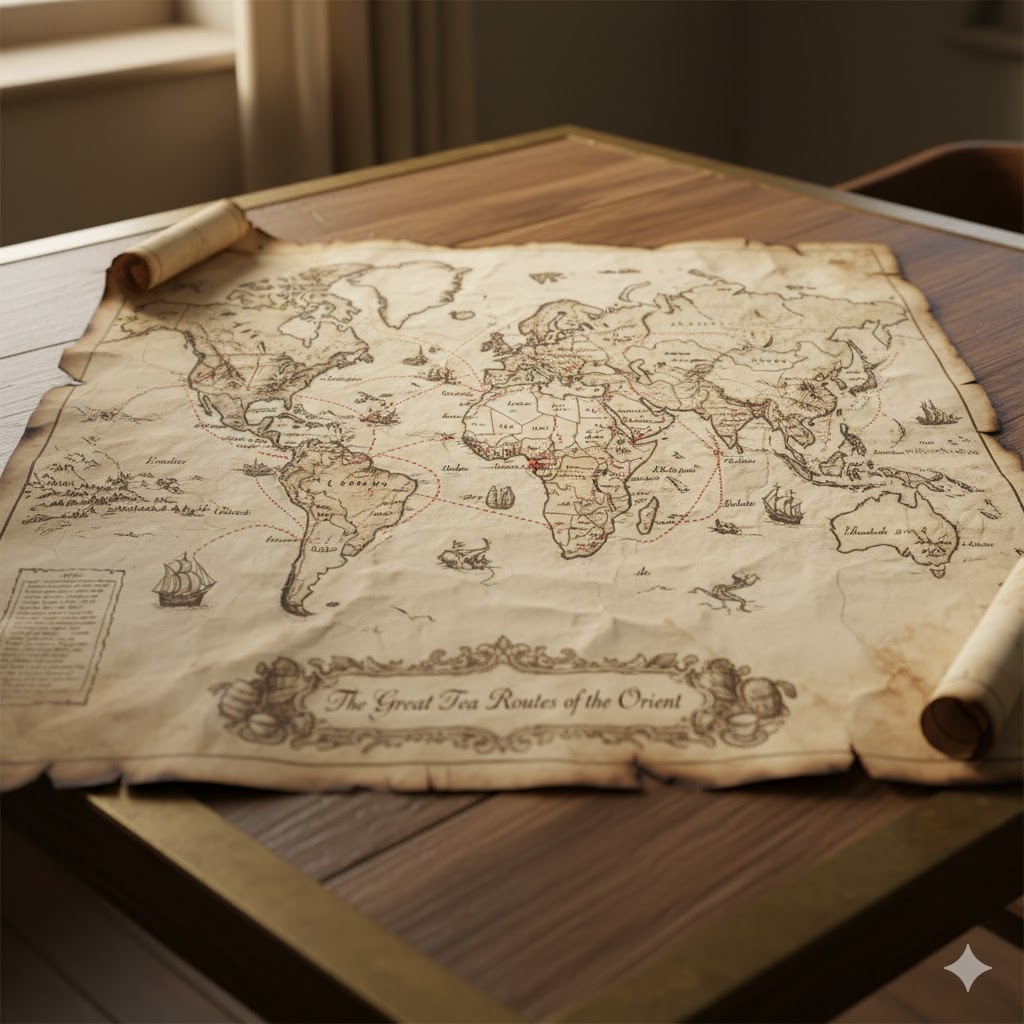
1. What Is Michaelmas Tea (and Why the Date Matters)
Michaelmas—the feast of St Michael and All Angels—falls on 29 September and has anchored the English agricultural and legal calendar since medieval times. As one of the four quarter days (the others being Lady Day, Midsummer, and Christmas), it marked the end of the harvest season, the settling of farm rents, the hiring of servants, and the start of the Michaelmas law term. Geese, fattened on stubble left in the fields after grain harvest, were driven to market and eaten at the quarter-day feast; the bird became so emblematic that many autumn fairs are still called goose fairs. The date also carries folkloric weight: by Michaelmas, blackberries must be gathered (afterwards the Devil is said to spit on them), and the shortening days signal the approach of the 'dark half' of the year.
There is no single historical 'Michaelmas tea' in the way there are Christmas puddings or Shrove Tuesday pancakes, but the question of what to drink at harvest suppers and quarter-day feasts is real, and the answer has changed over centuries. Before the nineteenth-century expansion of affordable tea imports, rural households relied on herbal infusions—nettle, blackberry leaf, meadowsweed, yarrow—or weak China black reserved for special occasions. By the late Victorian era, strong Indian black tea (especially Assam CTC) had become the default beverage at communal meals, served hot, dark, and with milk. Today, if you're hosting a Michaelmas goose supper, visiting a county show or goose fair, or marking the harvest calendar in any intentional way, the tea you choose should reflect the season's flavours (rich poultry, orchard fruit, root vegetables), the mood (communal, grounding, slightly ceremonial), and the practical reality of feeding a table or a crowd.
The Quarter-Day Context
Michaelmas isn't just folklore—it still governs tenancy agreements, university terms, and some farm rents. Understanding the date as a legal and agricultural hinge helps you grasp why the food (and drink) is rich, abundant, and slightly formal.
2. Historical Teas and Herbal Infusions of the Harvest Calendar
Before the late nineteenth century, tea was a luxury or a town commodity; rural labourers and smallholders drank what grew in the hedgerow. Harvest teas—consumed during the long days of reaping, binding, and carting—were often infusions of nettles (rich in iron, traditional for fatigue), blackberry or raspberry leaf (astringent, thirst-quenching), meadowsweet (slightly sweet, analgesic), and occasionally mint or chamomile. These were brewed weak, drunk tepid from earthenware jugs, and carried into the fields. They were not ceremonial; they were hydration and mild stimulant, the rural equivalent of switchel or small beer.
By the 1880s, as the price of Indian tea collapsed and railways reached market towns, strong black tea with milk became the default for harvest suppers. The shift is visible in agricultural diaries and folklore collections: what had been 'harvest ale and nettle tea' became 'tea and cake' or 'tea and beef'. The tea itself was usually a robust, malty China Congou or Assam blend, brewed in large pots, served hot, and consumed in quantity. This is the template most people think of when they imagine 'traditional British harvest tea'—but it is, in fact, a relatively modern tradition, dating from the expansion of Empire tea production.
If you want to echo older practice, consider brewing a simple blackberry-leaf tea (harvest the leaves in late August, dry them, and steep as you would black tea—astringent, faintly fruity, and historically appropriate) or a nettle infusion sweetened with honey. These are not commercially convenient, but they root your Michaelmas table in the deeper calendar. If you prefer the convenience and flavour profile of true Camellia sinensis, choose a malty Assam or breakfast blend and understand that you're following a late-Victorian rather than medieval model—still traditional, but in a different register.
3. Pairing Tea with Roast Goose, Apple, and Damson: Flavour Chemistry
Roast goose is richer and more intensely flavoured than chicken or turkey; the meat is dark, the fat renders copiously, and the skin crisps to a savoury, almost gamey edge. Traditional Michaelmas accompaniments—apple sauce, sage-and-onion stuffing, roasted root vegetables, and damson or blackberry preserves—add sweetness, acidity, and earthy bass notes. The challenge for tea pairing is to cut through the fat without turning harsh or astringent, and to complement the orchard-and-hedgerow sweetness without cloying.
Malty, full-bodied black teas succeed here because their tannins (gallocatechins and theaflavins) interact with fats and proteins to cleanse the palate, while their malt-biscuit flavour bridges savoury and sweet. Assam, especially CTC grades, offers a robust, almost chocolatey backbone; Ceylon (Dimbula or Uva) adds brightness and a citric lift that plays well with apple; and strong breakfast blends (often Assam-Kenya or Assam-Ceylon) deliver the body and tannin necessary to stand up to goose. Serve these teas hot, brewed at full strength (one teaspoon per person plus one for the pot, 4–5 minutes steep), and offer milk—fat-on-fat may sound counterintuitive, but milk softens tannins and rounds out the richness of the meal.
For a more nuanced approach, consider roasted teas: Japanese Hojicha or Chinese Wuyi oolongs. Hojicha, roasted at high temperature, develops flavours of toasted rice, bonfires, and hay—uncannily evocative of September fields. Its low caffeine and gentle tannins make it suitable for evening suppers, and it pairs beautifully with game and orchard fruit. Dark oolongs (Da Hong Pao, Shui Xian) bring mineral depth, dried-fruit sweetness, and a long finish that flatters both savoury and sweet courses. Neither requires milk; both can be brewed strong without bitterness. If your Michaelmas menu tilts more towards harvest vegetables and cheese than roast meat, these are excellent choices.
Serve Tea Between Courses, Not During
At formal harvest suppers, serve tea after the main course, alongside damson cheese, fruit pies, or crumbly Lancashire. This follows Georgian practice and prevents tannins interfering with the first bite of rich meat.
4. Tea for Goose Fairs, County Shows, and Outdoor Harvest Gatherings
Goose fairs—autumn markets originally timed to Michaelmas—still convene in Nottingham, Tavistock, Stratford-upon-Avon, and dozens of smaller towns. They are outdoor, public, and boisterous: hot food stalls, livestock pens, fairground rides, and, often, a chill wind. If you're attending or serving tea at a county show, agricultural fair, or outdoor harvest gathering, your priorities shift from pairing finesse to warmth, portability, and sheer thermal comfort.
Pre-brew strong black tea—Assam, Kenyan, or a robust breakfast blend—in a large vacuum flask (1–2 litres if you're serving a group). Brew it at full strength: one teaspoon per 200 ml, steeped for 4–5 minutes. Add sugar and milk to individual cups rather than the flask, so each drinker can adjust. At outdoor events in late September, ambient temperature drops sharply after 4 pm; hot tea is not a luxury but a practical necessity. Pair your flask tea with dense, portable foods—pork pies, cheese, oatcakes, orchard apples, sloe gin samples—and avoid fussy service. This is not a tea ceremony; it's fuel and fellowship.
For larger communal gatherings (harvest home, church suppers, village hall events), consider brewing tea in an urn or large teapot and serving it at a trestle table. Calculate one teabag or teaspoon of loose leaf per person, plus a generous reserve. Keep the tea hot (electric urns are reliable; insulated carafes less so) and offer milk, sugar, and perhaps a tot of whisky or sloe gin on the side—a nod to older, stronger harvest traditions. The tea itself should be straightforward, affordable, and impossible to dislike: this is not the moment for Silver Needle or high-mountain oolong. Save your best leaves for quieter, more reflective occasions; the goose fair demands something that tastes right when drunk standing up, in the cold, with a greasy hand.
5. Folklore, Ritual, and the Tea Table: Michaelmas Symbolism
Michaelmas carries folkloric freight: the archangel Michael casts out the devil, blackberries must be gathered before the Devil spits (or urinates) on them, and geese are eaten as a charm for prosperity and good luck through the coming year. These are not superstitions in the modern sense but mnemonic markers—reminders to finish harvest tasks, preserve the last of the berries, and acknowledge the turn towards winter. If you're hosting a Michaelmas tea or supper with any ceremonial intent, these symbols offer a framework.
Serve blackberry (bramble) preserves, tarts, or a blackberry-and-apple crumble alongside your tea—not because it's compulsory, but because it anchors the meal in the hedgerow calendar and acknowledges the Devil's deadline. If you've foraged your own berries, mention it; if you've used shop-bought, at least choose British fruit. Similarly, if you're serving goose, explain (briefly) why: the bird was fattened on stubble, its timing tied to harvest's end, its fat rendered for winter cooking. This is not lecturing; it's context, and context makes the meal (and the tea) mean something beyond taste.
Consider marking the table with seasonal decorations: late roses, blackberries, crab apples, wheat sheaves, or even a sprig of Michaelmas daisy (the aster that blooms around the quarter day). These are visual cues that the meal is not just 'roast dinner with tea' but a deliberate acknowledgment of the calendar. The tea itself need not be ceremonial—robustly brewed Assam is fine—but the framing matters. In an era when most of us are disconnected from agricultural rhythms, small acts of seasonal attention carry weight. The tea becomes part of the ritual not because it's rare or expensive, but because it's chosen and served with intention.
The Devil's Blackberries
Folklore holds that after Michaelmas, blackberries belong to the Devil—spoiled, mouldy, or wasp-ridden. In reality, late-season berries do ferment faster and attract insects. Pick before 29 September if you're preserving; after, enjoy them as-is with hot tea.
6. Recommended Teas for Michaelmas Suppers and Harvest Feasts (UK Buyers)
For the main Michaelmas meal—roast goose, stuffing, apple and root vegetables—choose a robust, malty black tea. Assam CTC is the workhorse: affordable, widely available, and near-impossible to brew wrong. Look for single-estate Assam if you want complexity (Halmari, Mangalam, Tonganagaon), or reach for a strong breakfast blend (Punjana, Yorkshire Gold, or a good loose-leaf English Breakfast from a reputable merchant). Brew it strong—4–5 minutes, boiling water—and serve with milk. This is not subtle, but subtle is not the goal; you want tannin, body, and a finish that cuts grease.
If you're serving tea after the main course, alongside cheese, damson cheese, or apple tart, consider a roasted tea: Hojicha (Japanese roasted green) or a dark Wuyi oolong. Hojicha's bonfire-and-hay notes echo September fields and pair beautifully with orchard fruit and sharp cheese; it's also low-caffeine, so suitable for evening. Wuyi oolongs (Da Hong Pao, Shui Xian) bring mineral depth and a dried-fruit sweetness that flatters both savoury and sweet. Neither needs milk; both can be steeped multiple times if you're sitting for a long meal. For UK buyers, these are available from specialist online retailers (What-Cha, Postcard Teas, Curious Tea) and, increasingly, from the better independents.
For outdoor gatherings, fairs, and casual harvest suppers, stick to affordable, robust blacks in teabag or CTC form. This is not the time to show off your collection. Brew it strong, keep it hot, and serve it with milk and sugar. If you want a nod to tradition without the fuss, add a blackberry cordial or a splash of sloe gin to the cup—rustic, historically plausible, and surprisingly good. For those interested in exploring seasonal autumn blends, many UK merchants now offer spiced or orchard-fruit-infused blacks marketed for harvest and Halloween; these can work well if the spicing is restrained (avoid pumpkin-spice cliché).
Buy British Teaware, Not British Tea
There is no such thing as 'British-grown harvest tea' (yet). Instead, support UK blenders and independent merchants who source ethically and blend well. The British contribution is curation, not cultivation.
7. Brewing and Serving Practicalities for Large Groups
Michaelmas feasts are often communal—church halls, village gatherings, extended family suppers—and brewing tea for 20, 50, or 100 people requires planning. For large groups, use an electric tea urn (10–20-litre capacity) or brew in batches using multiple large teapots. Calculate one teaspoon of loose-leaf (or one teabag) per person, plus a reserve; for an urn, use one teaspoon per 200 ml of water. Brew at full strength—4–5 minutes for black tea—and do not leave the tea sitting on heat for longer than 30 minutes, or it will turn stewed and bitter. If you must keep tea hot for longer, brew concentrate and dilute to order with boiling water.
Serve tea between or after courses, not during the first serving of roast meat; this follows Georgian and Victorian practice and allows the flavours to breathe. Offer milk, sugar, and (if appropriate) a small jug of whisky or sloe gin for those who want it. At outdoor or semi-formal events, use sturdy china or thick ceramic mugs rather than delicate cups; the tea is hot, the setting often chilly, and nobody wants to worry about breaking heirloom porcelain. For detailed guidance on large-batch brewing, see our guide to serving tea for large groups at weddings and community events.
If you're hosting a smaller, more formal Michaelmas supper—say, eight to twelve guests—brew tea in a large teapot (1–1.5 litres) and serve at the table. Use loose-leaf if you can; it signals care and allows you to control strength. Warm the pot before brewing, steep for exactly 4–5 minutes, and decant into a second pot (to stop further extraction) if the meal is running long. Pair the tea service with simple, seasonal accompaniments: oatcakes, crumbly Wensleydale or Lancashire cheese, apple slices, or a slice of damson tart. This is not high tea in the Edwardian sense; it's a harvest meal with tea as punctuation, warmth, and a small ceremony of hospitality.
8. What Not to Serve: Teas That Miss the Mark for Michaelmas
Not every tea suits the occasion. Delicate, high-grown teas—first-flush Darjeelings, Silver Needle whites, Japanese sencha—are too light, too subtle, and too easily overwhelmed by rich food and robust flavours. They also feel seasonally wrong: these are spring and early-summer teas, and Michaelmas is emphatically autumnal. Similarly, avoid fruit-infused or floral blends (rose, jasmine, strawberry) unless they're grounded by a robust base tea; the sweetness and fragrance clash with savoury meat, and they risk tipping into cloying territory alongside orchard desserts.
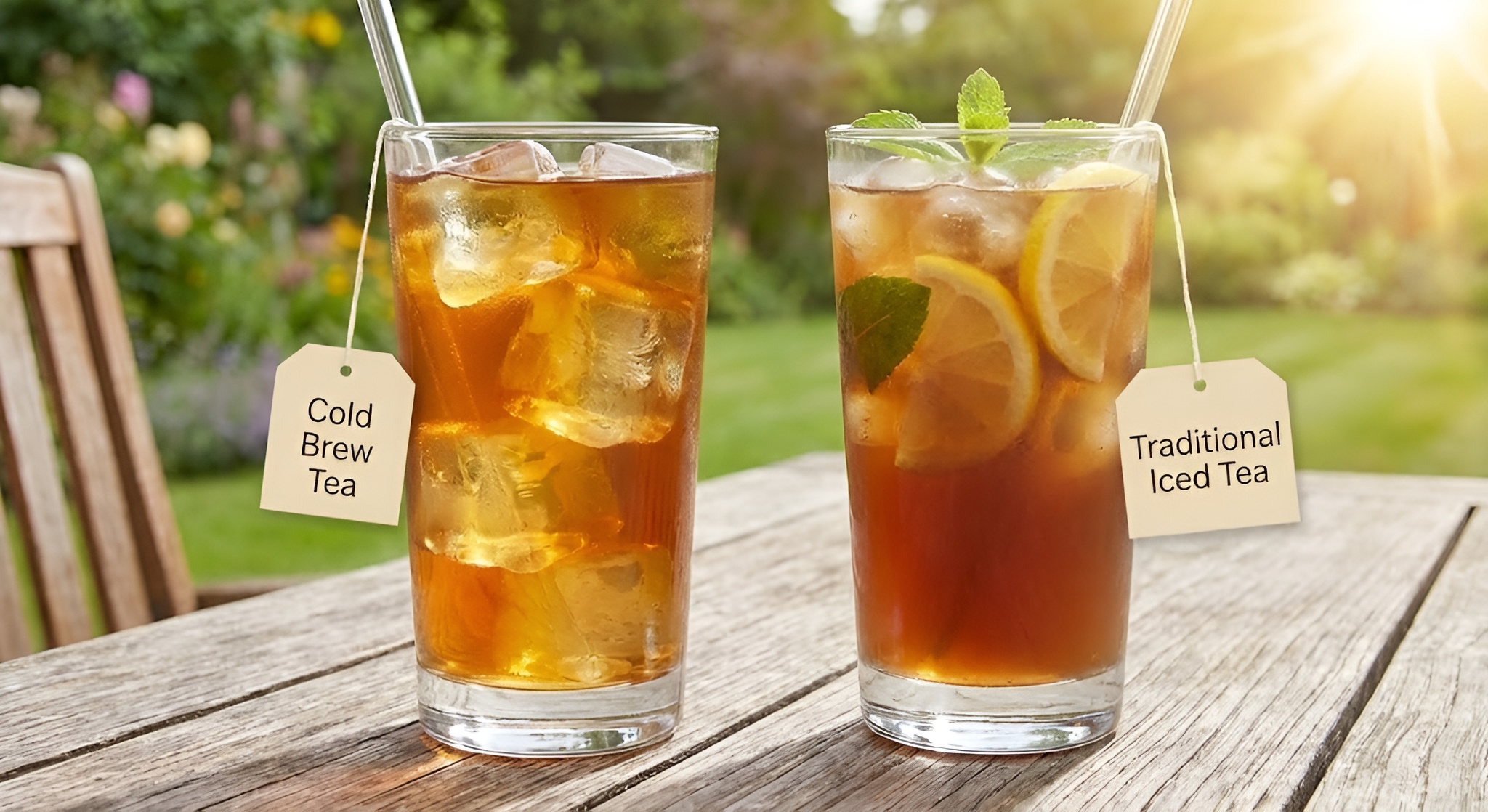
Cold-brewed or iced teas are inappropriate for the same reason you wouldn't serve iced water at a Michaelmas supper: the season and the setting demand warmth. By late September, mornings frost, evenings chill, and the psychological weight of the quarter day leans towards the dark half of the year. Hot tea is ritual, comfort, and practical necessity. If you've been enjoying iced tea through summer, consider Michaelmas the natural moment to switch to hot brewing and seasonal blends.
Finally, avoid overly spiced or novelty blends marketed as 'harvest' or 'autumn' teas unless you've tasted them first. Many are clumsily spiced (too much cinnamon, synthetic vanilla, pumpkin flavouring) and taste more like Christmas than harvest. If you want spice, add it yourself: a pinch of ground ginger or a cinnamon stick in the teapot, a clove-studded orange peel, or a drizzle of honey. This gives you control and respects the underlying tea. Michaelmas deserves honesty and restraint—flavours that reflect the hedgerow, the stubble field, and the orchard, not a marketing department's idea of 'cosy autumn vibes.'
When in Doubt, Go Plain
A well-brewed, strong Assam or breakfast blend will never let you down at a harvest table. Resist the urge to over-complicate—the food and the occasion carry the ceremony.




Comments