1. Why Festival Mornings Demand a Different Tea Strategy
The physiology of a festival wake-up is hostile to traditional tea routines. You're likely dehydrated (alcohol, dancing, inadequate water intake, and the diuretic effect of any caffeine consumed the previous day), sleep-deprived (noise, cold, uncomfortable bedding), and possibly dealing with a mild hangover (acetaldehyde build-up, electrolyte imbalance, low blood sugar). Standard advice to 'start the day with a strong cuppa' can backfire: high-caffeine black tea on an empty stomach may intensify nausea and further dehydrate you, while elaborate brewing rituals are impossible when you're crouched in a damp tent with no table, no timer, and fingers too cold to handle delicate equipment.
A festival-appropriate tea strategy therefore inverts normal priorities. Speed and simplicity trump flavour nuance; rehydration and headache mitigation matter more than aroma complexity. You want a brew that can be prepared with one hand, using water of uncertain temperature (heated on a portable camping stove or borrowed from a communal urn), and consumed immediately without fuss. The best festival teas are forgiving of rough handling, remain palatable when over-steeped, and ideally deliver some functional benefit—electrolyte support, anti-inflammatory compounds, or gentle, sustained caffeine—that helps you return to vertical faster.
This doesn't mean sacrificing all quality. It means recognising that the context has changed, and your tea choices must adapt accordingly. The same logic that makes compact brewing on narrowboats or roadside layby tea viable applies here: understand the constraints, optimise for reliability, and pack only what you'll actually use under pressure.
The 'Three-Minute Rule' for Festival Tea
If your brew method takes longer than three minutes from opening the pouch to first sip, you'll skip it when you're cold, hungover, and late. Optimise for speed above all else.
2. Choosing Teas That Survive Rough Handling and Uncertain Water Temperatures
Festival water is rarely at a controlled temperature. You might have boiling water from a Kelly kettle, lukewarm dregs from a shared flask, or water heated on a gas stove that's been sitting in a pan for ten minutes. Your tea must therefore tolerate a wide temperature window without turning astringent or losing all character. This rules out delicate first-flush Darjeelings, high-grade Japanese greens that demand 60–70 °C precision, and any oolong that requires multiple short infusions to shine.
Instead, prioritise robust, forgiving leaves: Chinese green teas such as Dragonwell or Chun Mee (which handle hotter water better than Japanese senchas), medium-oxidation oolongs like Tieguanyin or Dong Ding (less fussy than high-mountain varietals), and white teas such as Bai Mudan or Shou Mei (naturally sweet and tolerant of long steeps). For black tea, choose malty Assams or Kenyan blends rather than astringency-prone Ceylon; these remain drinkable even if you forget them for five minutes. If you're packing loose leaf, opt for larger, less fragile grades—fannings and dust will blow away in the wind, while whole-leaf Silver Needle is too precious to risk spilling in a muddy tent.
Pre-bagged sachets (not cheap dust-filled teabags, but quality pyramid or loose-fill pouches) are often the pragmatic choice. They eliminate the need for infusers, scales, and separate waste containers, and they pack flat. Many specialist brands now offer single-serve biodegradable sachets of excellent green, oolong, and herbal blends; these are ideal for festivals where you want to leave no trace and can't carry spent leaves around all day.
3. Caffeine Strategy: Balancing Alertness with Rehydration and Headache Risk
Caffeine is a vasopressor (it narrows blood vessels), which can worsen dehydration headaches if you're already fluid-depleted. It's also mildly diuretic, though the hydration from the tea itself generally offsets this unless you're drinking very strong brews on an empty stomach. The goal at a festival is gentle, sustained alertness without exacerbating existing physiological stress. This means moderate caffeine doses (20–40 mg per 200 ml cup) from teas that also deliver L-theanine for smooth focus, rather than a shock-and-crash from a triple-strength builder's tea.
Japanese green teas like sencha or bancha (20–30 mg caffeine per cup, high theanine) are excellent morning choices if you can manage the slightly cooler water they prefer; alternatively, Chinese greens (Dragonwell, Mao Feng) offer similar caffeine with more temperature tolerance. Light oolongs (Baozhong, Jade Oolong) sit in the 30–40 mg range and bring floral complexity that feels restorative. If you must have black tea, choose a lighter, malty Assam or a Golden Yunnan rather than a tannic English Breakfast; steep it briefly (two minutes maximum) to keep caffeine moderate and astringency low.
For the genuinely fragile—severe hangover, very little sleep, or existing nausea—consider starting with a caffeine-free herbal infusion (ginger-lemon, chamomile-peppermint, rooibos) to rehydrate and settle your stomach, then move to a light caffeinated tea once you've consumed some water and food. Our best hangover tea review covers specific blends formulated for exactly this scenario, with electrolyte-friendly profiles and anti-inflammatory botanicals.
The Two-Stage Morning Brew
Start with a 300 ml mug of warm ginger or peppermint tea (no caffeine) to rehydrate and calm nausea. Thirty minutes later, once you've had water and a snack, brew a moderate-caffeine green or oolong for sustained focus.
4. Electrolyte-Compatible Teas and Rehydration Blends
Dehydration after a festival night isn't just about water volume—it's about electrolyte balance (sodium, potassium, magnesium). Plain water alone can dilute remaining electrolytes; ideally you want a beverage that replaces both fluid and salts. Commercial rehydration sachets (oral rehydration salts, or ORS) are effective but taste medicinal; many festivalgoers find them more palatable mixed into a lightly flavoured tea than drunk neat.
Not all teas work for this. Strongly flavoured blacks (Earl Grey's bergamot, Lapsang's smoke) clash horribly with the salty-sweet profile of ORS. Instead, choose clean, subtly floral or grassy teas: white teas (Silver Needle, White Peony), delicate greens (Lung Ching, Mao Feng), or very light oolongs. These provide a neutral base that doesn't fight the electrolyte salts. Alternatively, pre-blended 'hydration teas' containing coconut water powder, a pinch of Himalayan salt, and a light tea base are available from several UK brands; these eliminate the need to mix your own and pack more compactly than separate sachets.
Another approach is overnight cold-brew prepared the night before. Fill a 500 ml water bottle with cold (or ambient-temperature) water and 5–8 g of green or white tea, leave it sealed overnight, and you wake to a ready-to-drink, smooth, naturally sweet infusion with zero bitterness. Add a pinch of salt and a squeeze of lemon (if you've brought a small bottle of juice) and you have an effective, pleasant-tasting rehydration drink that requires no morning effort. For more on cold-brew methods suited to travel, see our portable tea kit guide.
5. Hangover-Targeting Botanicals: Ginger, Peppermint, Chamomile, and Turmeric
Certain herbs and spices have long traditional use (and some modest clinical support) for mitigating hangover symptoms—nausea, headache, digestive upset, and generalised inflammation. Ginger is perhaps the best-evidenced: gingerols and shogaols have anti-nausea and anti-inflammatory effects; a strong ginger infusion can settle a queasy stomach faster than plain water. Fresh ginger root is impractical to pack, but dried ginger tea bags or powdered ginger sachets are lightweight and effective.
Peppermint (as an infusion of dried leaves or oil-infused teabags) helps relax the gastrointestinal tract and can ease tension headaches when the menthol vapour is inhaled during sipping. Chamomile is calming and mildly anti-inflammatory; it won't address dehydration directly, but it can help you feel less wretched while you rehydrate. Turmeric (curcumin) has anti-inflammatory properties, though bioavailability is low unless paired with black pepper or fat; turmeric-ginger blends are popular in wellness teas and can be soothing, if not miraculous.
For festival use, pre-blended sachets that combine these botanicals with a light tea base (green or white) are ideal: you get gentle caffeine, rehydration, and symptom relief in one cup, with no need to mix multiple ingredients. Many UK brands now offer 'morning recovery' or 'festival wellness' blends specifically for this purpose; our festival comedown tea guide reviews the most effective formulations. If you prefer to DIY, pack a small ziplock of dried ginger slices, a handful of peppermint teabags, and a few chamomile sachets; you can then tailor your brew to how you feel each morning.
Ginger-First for Nausea
If you wake feeling genuinely nauseous, steep a strong ginger tea (two teabags or a tablespoon of dried ginger) for five minutes and sip slowly before attempting any caffeinated brew. Ginger's anti-emetic effect is fast-acting.
6. No-Power Brewing Gear: Stoves, Kettles, and Tent-Safe Methods
Most UK festivals prohibit open fires and provide limited or no mains electricity in camping fields. You therefore need a portable, self-contained heat source. The three practical options are a compact gas stove (e.g. a single-burner canister stove with a small pan or kettle), a Kelly kettle (twig-burning chimney kettle that boils water fast using scavenged twigs or solid-fuel tablets), or a portable electric kettle powered by a battery pack or car inverter (only viable if you have a campervan or large rechargeable battery).
For pure tent camping, a lightweight gas stove and a 0.5–1 litre aluminium or titanium kettle is the gold standard: fast, reliable, and safe in the open air outside your tent. Never operate any stove inside a tent (carbon monoxide and fire risk). Kelly kettles are brilliant for communal areas where you can gather a handful of sticks, but they're bulkier to pack and less practical in wet weather or on sites with very strict fire rules. Our portable camping kettle review tests the fastest-boiling, most packable models for festival use.
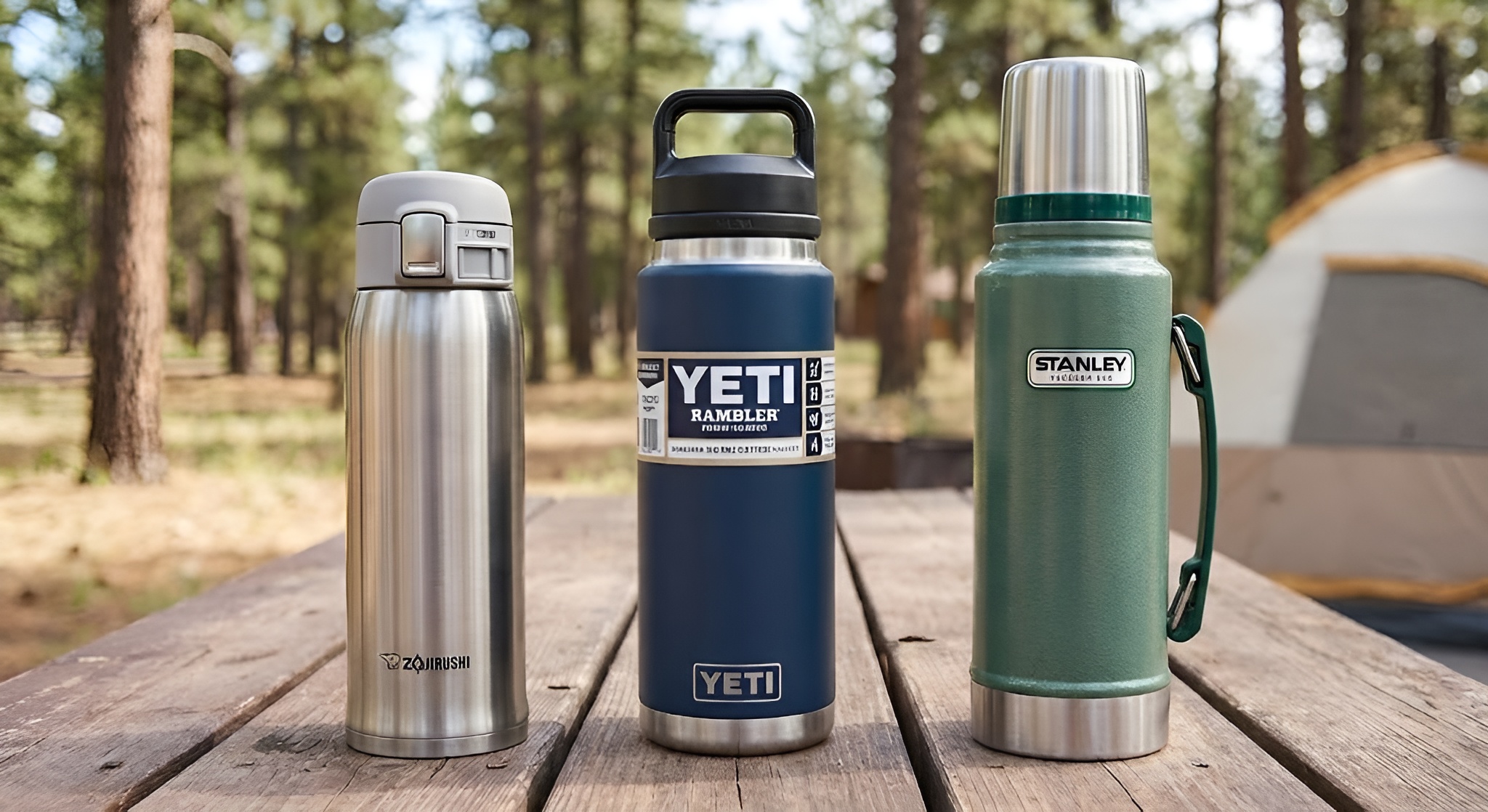
If you want to avoid boiling entirely, cold-brew is your friend: prepare a 500 ml bottle the night before, or even pre-brew a litre at home, decant into a vacuum flask, and carry it chilled to the festival. This works especially well for the first morning, before your stove setup is dialled in. Another option is to identify communal hot-water points (some larger festivals provide urn stations for free hot water); if these exist, you can simply bring your tea and a mug, no stove required. For more on outdoor brewing methods, including safety and efficiency tips, see our wild-camping brewing guide.
7. Tent-Proof Packing: Keeping Tea Dry, Accessible, and Mess-Free in Mud and Rain
A festival campsite is a hostile environment for delicate goods. Expect condensation inside your tent (especially after a cold night), muddy groundsheets, accidental kicks and trampling, and the ever-present risk of a leaky water bottle soaking your rucksack. Your tea kit must therefore be waterproof, compartmentalised, and immediately accessible when you wake up—fumbling through a chaotic bag while shivering in the dawn is miserable.
Use a dedicated dry bag or waterproof pouch (roll-top or ziplock-sealed) for your tea supplies: sachets, loose-leaf portions in screw-top tins, a small infuser or strainer, sweetener if you use it, and a spork or stirrer. Label the bag clearly so you (or a tentmate) can find it in the dark. Store your mug and kettle separately, ideally in an outer pocket or vestibule where they can drip-dry without wetting your sleeping kit. If you're packing loose leaf, use small, screw-top aluminium or stainless-steel tins rather than paper pouches; these are crush-proof and moisture-proof.
Pre-portion your tea before you leave home: count the mornings you'll be on-site, add one spare serving per day, and decant into individual sachets or labelled mini-tins. This eliminates the need to carry scales, scoops, or large caddies, and it prevents the disaster of accidentally spilling 50 g of expensive Dragonwell onto muddy grass. Finally, pack a small, sealable waste bag (a ziplock freezer bag works) for used teabags and spent leaves; leaving these lying around attracts wasps and creates mess. For more on travel tea logistics, our travel tea kit guide covers packing strategies and gear.
The 'Morning Box' Hack
Pack a small, clear plastic lunchbox with everything you need for your first brew: teabags, lighter, matches, spork, and a sachet of sugar. Keep it at the top of your rucksack so you never have to dig when you're groggy.
8. Buying and Preparing Your Festival Tea Kit in the UK: Practical Recommendations for 2026
Assembling a festival tea kit is straightforward if you start from a checklist. Core hardware: a portable stove (gas canister or Kelly kettle), a 0.5–1 litre kettle or pan, a robust mug (enamel or double-wall stainless steel, not ceramic), a small infuser or a handful of reusable sachets, and a lighter or waterproof matches. Tea supplies: 10–15 servings of your chosen teas (pre-portioned sachets or small tins of loose leaf), plus a few emergency herbal teabags (ginger, peppermint) for upset stomachs. Accessories: a dry bag for storage, a small spork, a travel bottle of honey or sugar if you prefer sweetened tea, and a ziplock waste bag.
Where to buy: specialist outdoor retailers (Cotswold Outdoor, Go Outdoors) stock reliable camping stoves and kettles; our camping kettle review highlights the best-performing models for festival conditions. For tea itself, many UK online vendors (including TeaTrade's own recommendations) sell sample packs and single-serve sachets; look for 'travel' or 'outdoor' assortments that prioritise durability and simplicity. If you want a ready-made solution, some brands offer complete 'festival tea kits' with pre-selected blends and compact gear; our Glastonbury tea kit review evaluates these bundles for value and practicality.
Before you leave, do a trial run in your garden or kitchen: set up your stove, boil water, brew a cup, and pack everything away. This will reveal missing components (forgotten lighter, no way to stir), workflow inefficiencies (tin lid too stiff to open with cold hands), and kit failures (leaky flask, torn dry bag) while you still have time to fix them. Check the weather forecast for your festival dates; if rain is likely, double-seal everything and consider bringing a small tarp or groundsheet to create a dry brewing area outside your tent. And finally, remember that tea is a comfort and a ritual, not a survival necessity—if you forget your kit or it fails, you'll survive on festival coffee and borrowed mugs. But with a little planning, you can elevate those muddy mornings into something genuinely restorative and even enjoyable.



Comments